Der unvermeidliche Wandel: Warum Unternehmen jetzt umweltfreundliche Strohhalme verwenden müssen

Die weltweite Abkehr von Einwegkunststoffen ist kein fernes Umweltproblem mehr; Es handelt sich um eine dringende geschäftliche Notwendigkeit. Aufgrund des zunehmenden Umweltbewusstseins und einer immer strengeren Regulierungslandschaft stehen Unternehmen weltweit unter unbestreitbarem Druck, nachhaltige Praktiken einzuführen. Dieser Wandel ist tief im sich wandelnden Verbraucherverhalten verwurzelt: Etwa 80 % der Verbraucher sind mittlerweile bereit, für umweltfreundliche Produkte und Dienstleistungen mehr zu zahlen. Für Unternehmen besteht die zentrale Herausforderung darin, ein empfindliches Gleichgewicht zu finden: diesem Gebot der Nachhaltigkeit gerecht zu werden, ohne Kompromisse bei der Leistung einzugehen, Compliance sicherzustellen und die betriebliche Effizienz aufrechtzuerhalten.
Das regulatorische Umfeld entwickelt sich rasant weiter. Die 2021 in Kraft getretene Richtlinie der Europäischen Union zu Einwegkunststoffen hat einen klaren Präzedenzfall geschaffen und viele Einwegartikel aus Kunststoff, darunter auch Strohhalme, praktisch verboten. Auf der anderen Seite des Atlantiks haben zahlreiche US-amerikanische Städte und Bundesstaaten wie New York City, Seattle und San Francisco ihre eigenen Plastikverbote oder „Stroh auf Anfrage“-Gesetze erlassen, wobei Kanada einen ähnlichen Weg einschlägt. Die Nichteinhaltung birgt erhebliche finanzielle Risiken und Reputationsrisiken, einschließlich hoher Geldstrafen und negativer Publizität. Unternehmen müssen wachsam bleiben, auch wenn sie verantwortungsvoll mit Ausnahmen für flexible Plastikstrohhalme umgehen, die für Menschen mit Behinderungen weiterhin von entscheidender Bedeutung sind.

Umweltfreundliche Strohhalme entschlüsseln: Leistung, Fallstricke und der Weg zu echter Nachhaltigkeit
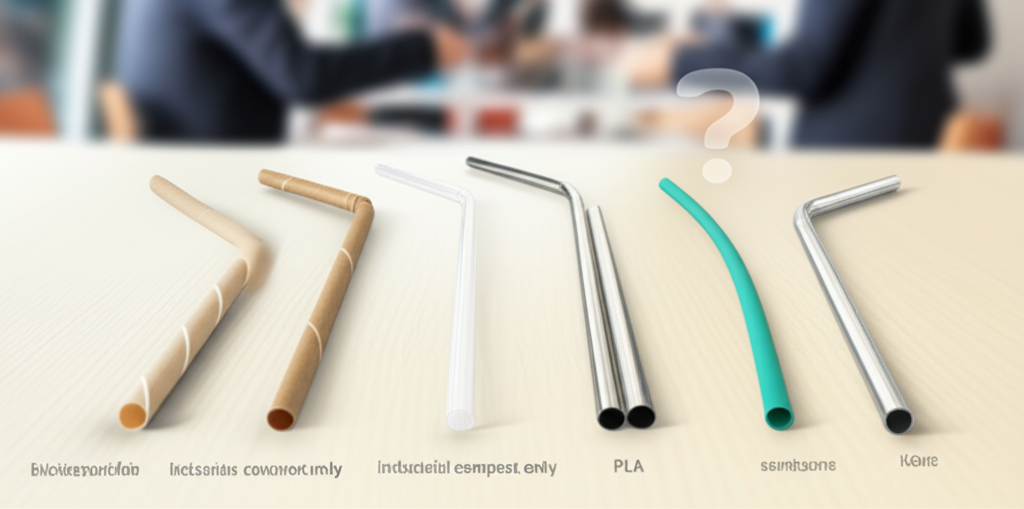
Während Unternehmen nach Alternativen suchen, ist der Markt mit verschiedenen umweltfreundlichen Stroharten explodiert. Zu den häufigsten Konkurrenten zählen Papier, Zuckerrohr, PHA (Polyhydroxyalkanoat), PLA (Polymilchsäure), Bambus und eine Reihe wiederverwendbarer Optionen. Jedes bietet unterschiedliche Leistungsmerkmale hinsichtlich Haltbarkeit, Temperaturbeständigkeit und Haptik sowie verschiedene Entsorgungsmöglichkeiten. Allerdings hat die Verbreitung von Optionen auch zu „Greenwashing“ geführt, bei dem Begriffe wie „biologisch abbaubar“ und „kompostierbar“ oft irreführend verwendet werden, was zu erheblicher Verwirrung auf dem Markt führt.
Häufige Öko-Stroh-Konkurrenten: Eine Momentaufnahme der Leistung
- Papierstrohhalme: Obwohl Papierstrohhalme weit verbreitet und im Allgemeinen erschwinglich sind, kommt es häufig zu Durchnässungsproblemen, insbesondere bei längerem Kontakt mit Flüssigkeiten. Ein besorgniserregender Aspekt ist das potenzielle Vorhandensein von PFAS („Ewig-Chemikalien“), die zur Abdichtung verwendet werden, was sowohl gesundheitliche als auch ökologische Bedenken hervorruft. Ihre Recyclingfähigkeit ist aufgrund der Lebensmittelkontamination und der Art ihrer Beschichtungen ebenfalls begrenzt.
- PLA-Strohhalme: Diese Strohhalme auf pflanzlicher Basis bieten ein robustes, plastikähnliches Gefühl. Ihre entscheidende Einschränkung liegt jedoch in ihrem Lebensende. Für den effektiven Abbau von PLA-Strohhalmen sind spezielle industrielle Kompostierungsanlagen erforderlich, die nicht allgemein verfügbar sind. Bei unsachgemäßer Entsorgung auf Mülldeponien verhalten sie sich ähnlich wie herkömmliche Kunststoffe: Es dauert Hunderte bis Tausende von Jahren, bis sie sich zersetzen, und verunreinigen möglicherweise die Recyclingströme.
- Wiederverwendbare Strohhalme (Edelstahl, Glas, Silikon): Diese Optionen stellen den Gipfel der Umweltfreundlichkeit dar und bieten erhebliche langfristige Kosteneinsparungen, da Wiederholungskäufe entfallen. Trinkhalme aus Edelstahl sind langlebig und spülmaschinenfest, während Silikon flexibel und sicher für Kinder ist. Glasstrohhalme bieten ein elegantes, geschmacksneutrales Erlebnis, bergen jedoch die Gefahr des Bruchs. Für Unternehmen besteht die größte betriebliche Herausforderung darin, strenge Reinigungs- und Desinfektionsprotokolle umzusetzen, um Gesundheitsstandards zu erfüllen, was arbeitsintensiv sein kann und spezielle Ausrüstung erfordert.
Über oberflächliche Behauptungen hinaus müssen Unternehmen die versteckten Kosten von Fehlinformationen berücksichtigen. Die Kontroverse um PFAS in einigen Papier- und Bambusstrohhalmen zeigt, dass nicht alle „umweltfreundlichen“ Alternativen wirklich harmlos sind. Darüber hinaus variiert der ökologische Fußabdruck der Produktion je nach Material erheblich. Beispielsweise erfordert die Papierproduktion erhebliche Wasser- und Energieressourcen. Die größte Herausforderung bleibt oft die Entsorgungsinfrastruktur, insbesondere für Materialien wie PLA, wo der Mangel an industriellen Kompostierungsanlagen ihre angeblichen Umweltvorteile zunichte macht und dazu führt, dass „kompostierbare“ Produkte auf Mülldeponien landen.
Strategische Auswahl: Steigern Sie Ihre Marke mit Öko-Strohhalmen der nächsten Generation
Der Weg zu echter Nachhaltigkeit führt über die Auswahl von Lösungen, die echte Umweltvorteile bieten, ohne Kompromisse bei der Leistung oder der betrieblichen Praktikabilität einzugehen. Hier erweisen sich fortschrittliche Biopolymeroptionen wie Polyhydroxyalkanoat (PHA) und Zuckerrohrfaserstrohhalme als überlegene Alternativen, die Unternehmen einen klaren Wettbewerbsvorteil verschaffen. Die Wahl wirklich kompostierbarer und PFAS-freier Optionen kann den Ruf Ihrer Marke erheblich verbessern und Sie in einem überfüllten Markt hervorheben.
Der Goldstandard: PHA- und Zuckerrohrfaser-Strohhalme
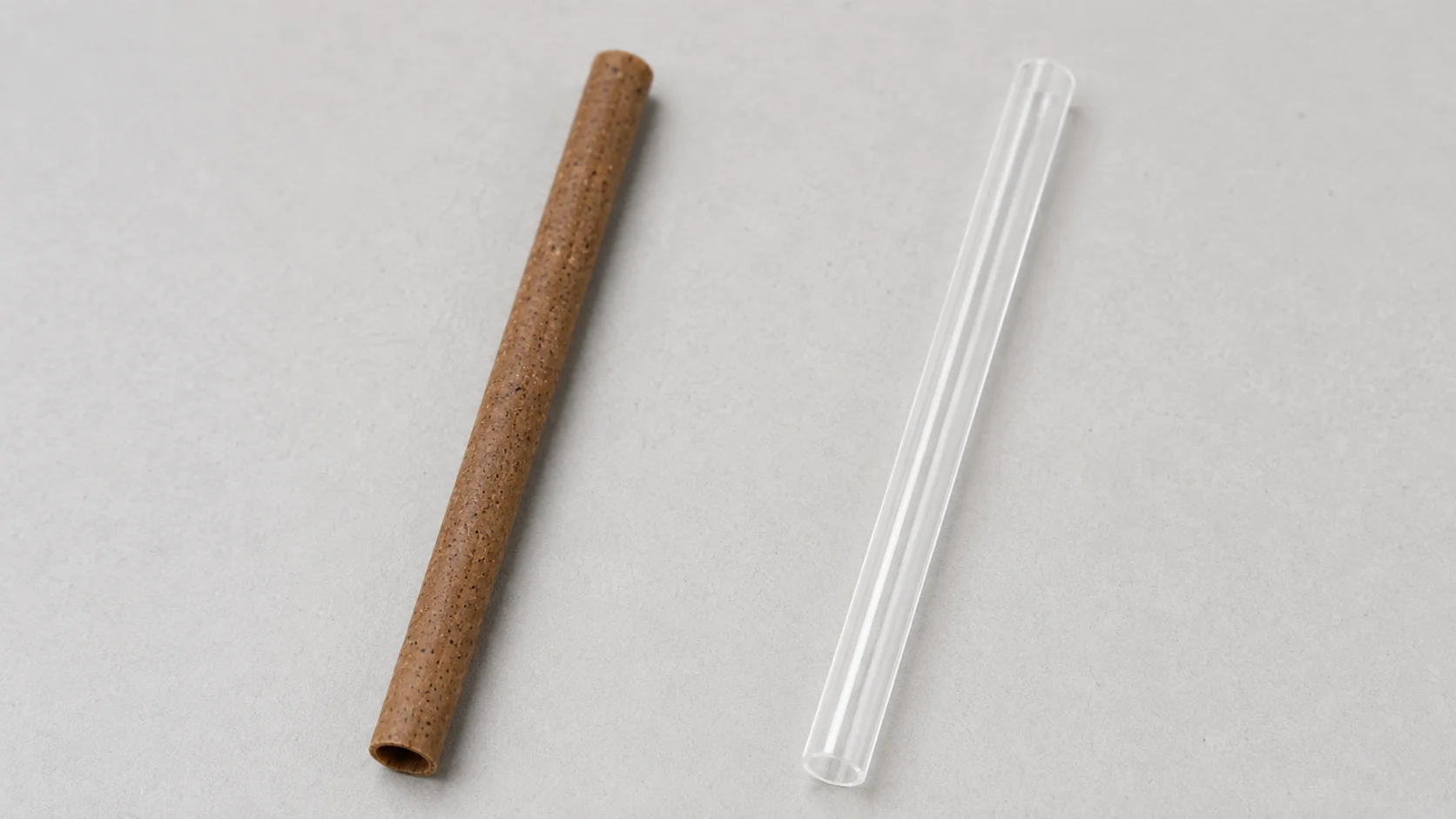
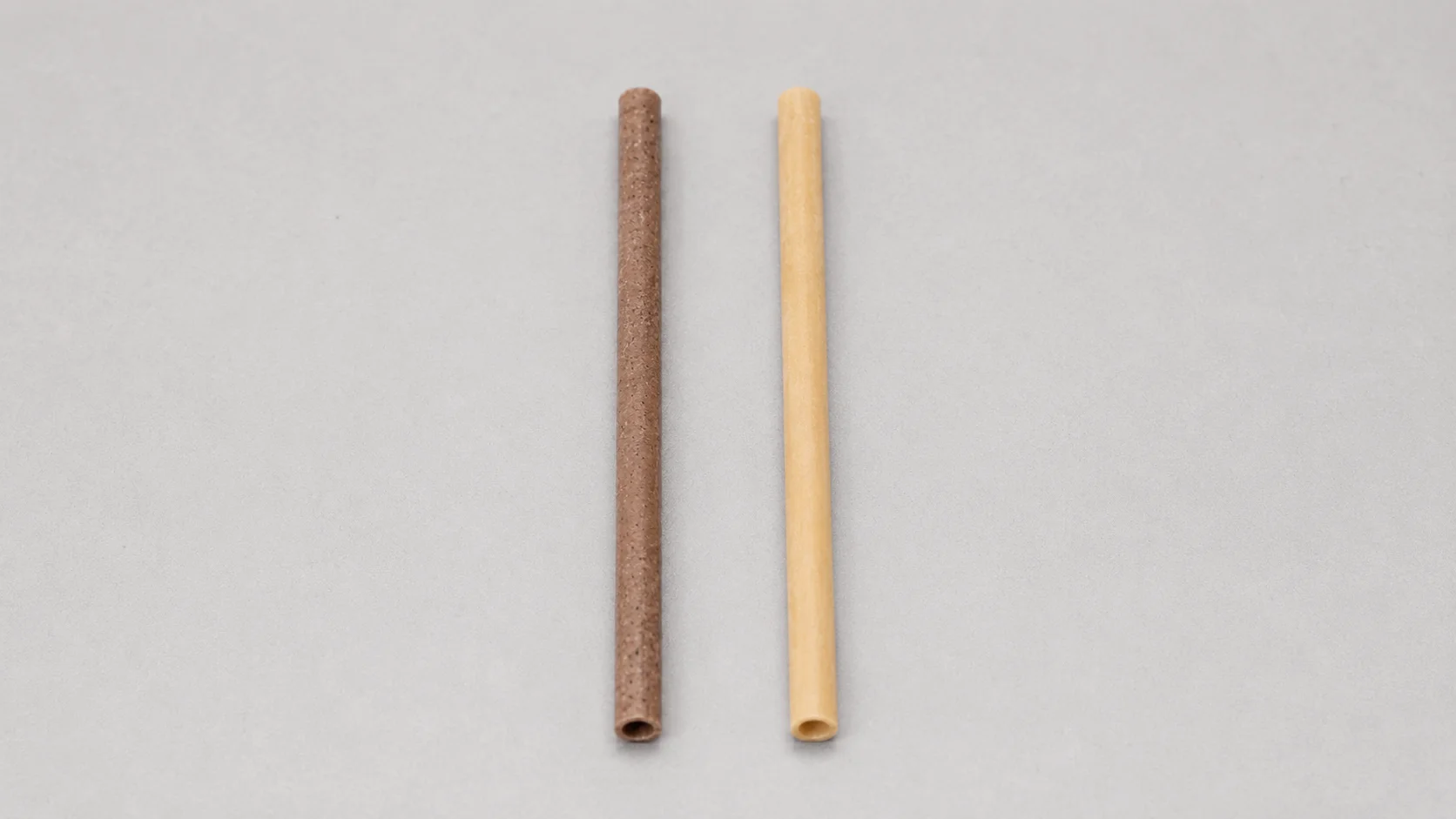
- PHA-Strohhalme: Diese innovativen Strohhalme ähneln in Aussehen, Haptik und Robustheit stark traditionellem Kunststoff und werden oft durch das Versprechen „Never Soggy Promise“ unterstützt. Ihr herausragendes Merkmal ist die echte biologische Abbaubarkeit in verschiedenen Umgebungen, einschließlich Industriekompost, Heimkompost, Erde (innerhalb von 12 Monaten) und sogar Meerwasser, wobei in 4–8 Monaten ein Zerfall von 90 % beobachtet wird. Dies macht sie zur idealen Wahl für Unternehmen, die sich einer umfassenden Umweltverantwortung verschrieben haben. Weitere Informationen zu PHA-Lösungen finden Sie unter momoio.com/pha-straws.
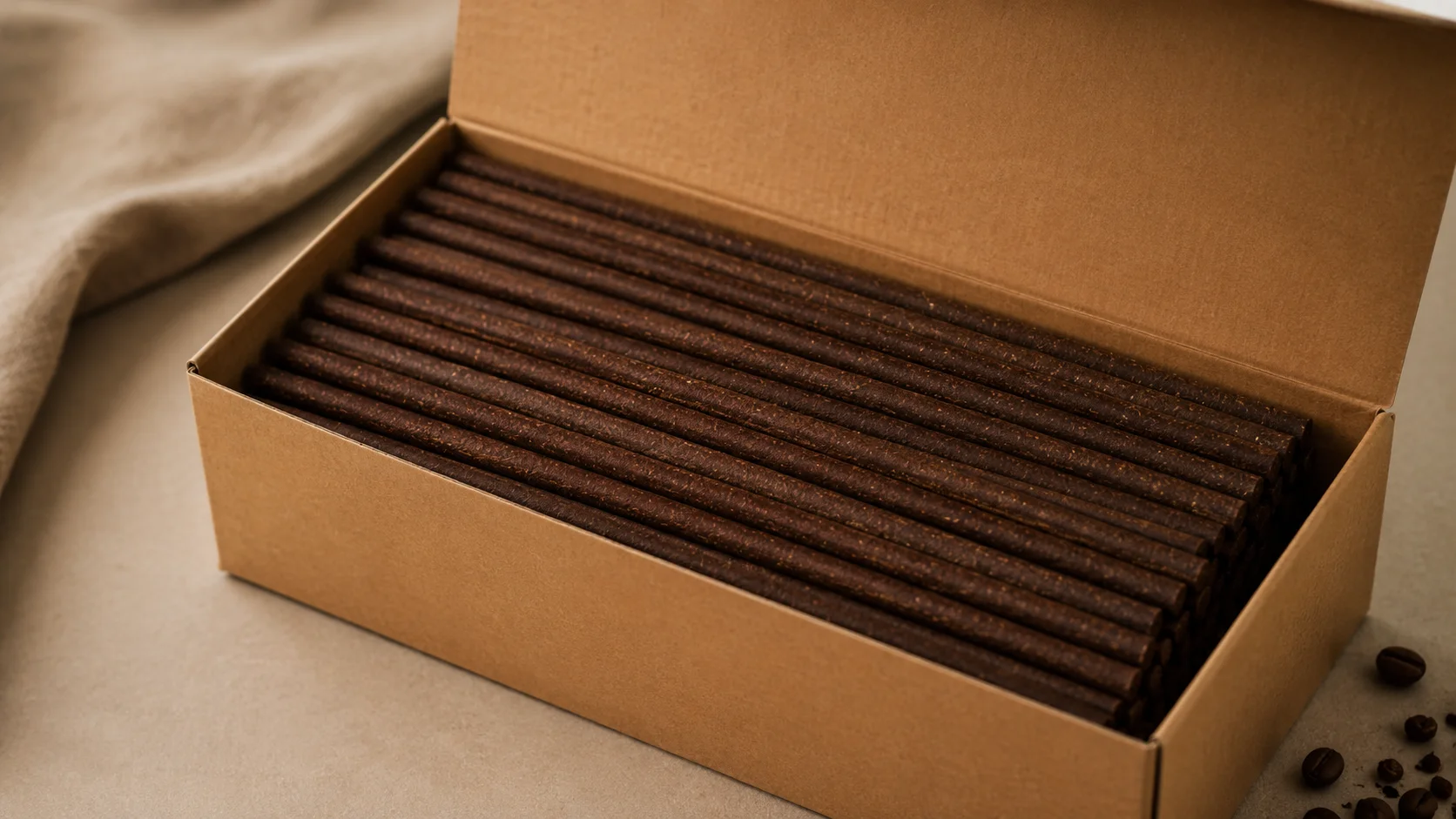
- Strohhalme aus Zuckerrohrfaser: Diese Strohhalme werden aus einem Nebenprodukt der Zuckerrohrverarbeitung hergestellt und verkörpern eine nachhaltige Beschaffung. Sie sind bemerkenswert robust, stundenlang wasserbeständig und lassen sich innerhalb von Wochen bis Monaten schnell zu Hause kompostieren. Strohhalme aus Zuckerrohrfasern sorgen für einen neutralen Geschmack und eine glatte Haptik, bekämpfen häufige Beschwerden im Zusammenhang mit Papier und PLA und bieten so ein erstklassiges Kundenerlebnis. Entdecken Sie eine größere Auswahl an nachhaltigen Verpackungen momoio.com.
Eco-Friendly Straw Comparison: Performance, Compliance & ROI
| Besonderheit | Papierstrohhalme | Pla Strohhalme | Strohhalme aus Zuckerrohrfaser | PHA-Strohhalme | Wiederverwendbar (Edelstahl) |
|---|---|---|---|---|---|
| Haltbarkeit/Durchnässigkeit | Schlecht (schnell durchnässt) | Mittelmäßig (kann spröde sein) | Hervorragend (wasserbeständige Stunden) | Ausgezeichnet („Nie matschig“) | Exzellent |
| Heiß-/Kaltleistung | Mittelmäßig bis schlecht | Gut | Hervorragend (bis 100°C) | Hervorragend (bis 100°C) | Exzellent |
| Biologische Abbaubarkeit/Kompost. | Biologisch abbaubar (Wochen), oft nicht heimkompostierbar | NUR industriell kompostierbar (180 Tage), nicht zu Hause kompostierbar, langsam auf der Mülldeponie | Heimkompostierbar (Wochen-Monate) | Echt biologisch abbaubar (Boden, Meer, Heim-/Industriekompost) | Wiederverwendbar (nicht biologisch abbaubar) |
| PFAS-freier Status | Enthält oft PFAS | Generell PFAS-frei | Generell PFAS-frei | Generell PFAS-frei | PFAS-frei |
| Relative Kosten | Niedrig-Mittel | Medium | Mittelhoch | Höher | Anfangs hoch, langfristig niedrig |
| Operative Auswirkungen | Häufiger Austausch | Erfordert eine spezielle Entsorgung | Einfache Entsorgung | Einfache Entsorgung | Reinigung/Desinfektion |
Da sich die Vorschriften in Regionen wie der EU, wo das Plastikverbot im Jahr 2021 die Marktnachfrage erheblich verändert hat, und in verschiedenen US-Bundesstaaten und Städten verschärfen, wird die Auswahl zertifizierter, leistungsstarker Alternativen immer wichtiger. Der Markt für umweltfreundliches Stroh wird voraussichtlich erheblich wachsen, von geschätzten 12,3 Milliarden US-Dollar im Jahr 2025 auf fast 25,1 Milliarden US-Dollar im Jahr 2035, was den wachsenden Wert nachhaltiger Lösungen unterstreicht.
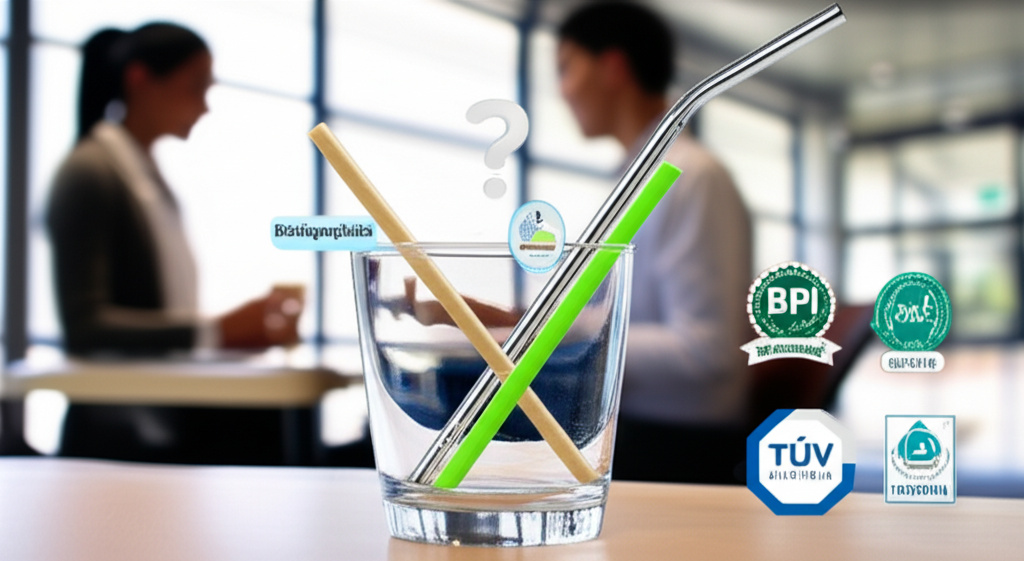
Wichtige Zertifizierungen: Gewährleistung authentischer Nachhaltigkeit
Um Ihr Unternehmen vor „Greenwashing“ zu schützen und eine echte Umweltbelastung sicherzustellen, priorisieren Sie Produkte mit robusten Zertifizierungen Dritter. SuchenBPI-zertifiziert kompostierbarUndTÜV AUSTRIA (OK Compost Home/Industrial), die den Abbau eines Produkts in bestimmten Kompostierungsumgebungen validieren.DIN CERTCOUndCompost Manufacturing Alliance (CMA-S)bieten auch eine kritische Validierung. Diese Zertifizierungen sind Ihre Garantie für die Einhaltung gesetzlicher Vorschriften und authentische Aussagen. Befürworten und fordern Sie außerdem stets die ausdrückliche Kennzeichnung „PFAS-frei“, sowohl für die Gesundheits- als auch für die Umweltsicherheit. Weitere Informationen zu zertifizierten Lösungen finden Sie in einer Ressource wie derInstitut für biologisch abbaubare Produkte.
Nutzen Sie den nachhaltigen Vorteil: Ein klarer Weg nach vorne für Ihr Unternehmen
Die strategische Notwendigkeit für Unternehmen ist heute klar: die Einführung leistungsstarker, konformer und wirklich nachhaltiger Strohlösungen. Diese Entscheidung geht weit über einen einfachen Produkttausch hinaus; Es handelt sich um eine Investition, die direkt mit umfassenderen Geschäftszielen verknüpft ist. Durch die Wahl fortschrittlicher, umweltfreundlicher Trinkhalme können Sie Ihre Markenpositionierung erheblich verbessern, eine tiefere Kundenbindung aufbauen, langfristige Kosteneinsparungen durch weniger Abfallmanagement erzielen und sich in einem sich schnell entwickelnden Markt von der Konkurrenz abheben. Da der Markt für umweltfreundliches Stroh bis 2035 voraussichtlich dramatisch auf schätzungsweise 25,1 Milliarden US-Dollar wachsen wird, geht es hier nicht nur um die Einhaltung von Vorschriften, sondern auch darum, eine bedeutende Wachstumschance zu nutzen.
Erschließen Sie das grüne Potenzial Ihres Unternehmens
Die Verwendung hochwertiger, zertifizierter umweltfreundlicher Strohhalme führt zu greifbaren Vorteilen: ein durchweg hervorragendes Kundenerlebnis, sichergestellte Einhaltung gesetzlicher Vorschriften in Regionen wie Europa und den USA und ein weithin sichtbares Engagement für den Umweltschutz. Dieser proaktive Ansatz sorgt für eine stärkere Marktpräsenz und zieht das stetig wachsende Segment umweltbewusster Verbraucher an, die aktiv nach Marken suchen, die ihren Werten entsprechen. Warten Sie nicht auf reaktive Compliance; Führen Sie den Weg in eine grünere Zukunft. Entdecken Sie unser Angebot an umweltfreundlichen Lösungen unter momoio.com/eco-freundliche-verpackung.
Partner für ein grüneres Morgen: Ihr nächster Schritt
Sind Sie bereit, Ihr Unternehmen mit umweltfreundlichen Strohhalmen aufzuwerten, die wirklich Leistung, Compliance und Nachhaltigkeit bieten? Lassen Sie sich nicht von der Komplexität des Marktes für nachhaltige Verpackungen abhalten. Kontaktieren Sie noch heute unsere Experten, um einen persönlichen Beratungstermin zu vereinbaren und ein individuelles Angebot zu erhalten, das auf Ihre betrieblichen Anforderungen zugeschnitten ist. Entdecken Sie, wie unsere zertifizierten, leistungsstarken PHA- und Zuckerrohrfaser-Strohlösungen Ihre Marke nahtlos verbessern, Ihre Kunden begeistern und mühelose Compliance gewährleisten und so den Weg für eine nachhaltigere und erfolgreichere Zukunft ebnen können.
Holen Sie sich noch heute ein individuelles Angebot
Weitere Ressourcen:
- Erfahren Sie mehr über die Einwegkunststoffrichtlinie der EU: Europäische Kommission
- Verstehen Sie die Bedenken hinsichtlich „ewiger Chemikalien“ (PFAS) in Lebensmittelverpackungen: Umweltarbeitsgruppe (EWG)
- Entdecken Sie Statistiken und Bemühungen zur weltweiten Plastikverschmutzung: Umweltprogramm der Vereinten Nationen (UNEP)