Auf dem Weg in eine nachhaltige Zukunft: Ein strategischer Leitfaden zu biologisch abbaubaren Strohhalmen für führende Gastronomieunternehmen
Die Welt der Gastronomie entwickelt sich ständig weiter, und heute ist einer der dringendsten Veränderungen der unvermeidlicher Wandel hin zu nachhaltigen Praktiken. Für Hotels, Bars, Cafés, Restaurants, Catering-Großhändler und Importeure ist die eskalierende Umweltkrise, die durch die Plastikverschmutzung verursacht wird, kein Randthema mehr, sondern ein Problem entscheidende betriebliche und markenbezogene Notwendigkeit. Um diese „Öko-Revolution“ anzunehmen, müssen Sie jeden Aspekt Ihres Unternehmens genau unter die Lupe nehmen, angefangen bei etwas so Allgegenwärtigem wie dem Trinkhalm.
Bei momoio.com glauben wir daran, Ihr Unternehmen in die Lage zu versetzen, wirkungsvolle nachhaltige Entscheidungen zu treffen.
Das Plastik-Dilemma: Warum die Veränderung nicht verhandelbar ist
Global, Täglich werden Hunderte Millionen Einweg-Plastikstrohhalme weggeworfenDie Zersetzung dauert Jahrhunderte und trägt erheblich zur Umweltverschmutzung bei, insbesondere in unseren Ozeanen und auf Mülldeponien. Diese alarmierende Realität hat zu einem großen „Wendepunkt“ für die Branche geführt.
Seit Ende der 2000er Jahre wuchs das Bewusstsein der Öffentlichkeit und der Industrie für die Plastikverschmutzung, was ihre verheerenden Auswirkungen auf die Meeresökosysteme deutlich machte. Diese wachsende Besorgnis hat sich schnell in umgesetzt wichtige regulatorische Veränderungen auf der ganzen Welt:
- Der EU-Einwegkunststoffrichtlinie (SUPD)Das im Juli 2021 in Kraft getretene Gesetz verbot insbesondere verschiedene Einwegkunststoffe, darunter Strohhalme (sogar PLA, ein üblicher „biologisch abbaubarer“ Kunststoff), mit nur wenigen Ausnahmen.
- Im USA, ein Flickenteppich von Verboten auf Landesebene B. das Verbot von Seattle im Jahr 2018 und das kalifornische „Stroh auf Anfrage“-Gesetz im Jahr 2019.
Major corporations have already responded, with Starbucks pledging a shift in 2018 and McDonald’s UK/Ireland transitioning to paper straws. This isn’t just about compliance; it’s about enhancing your brand image and attracting the growing segment of eco-conscious consumers.
For more insights into the evolving landscape of plastic regulations, you can read more about the EU Single-Use Plastics Directive on the European Commission website.

Navigating the Green Landscape: Understanding Your Biodegradable Options
The good news is that innovative, plant-based alternatives are readily available. Biodegradable straws are designed to break down naturally, significantly reducing your ecological footprint. But with various materials on the market, understanding your options is key:
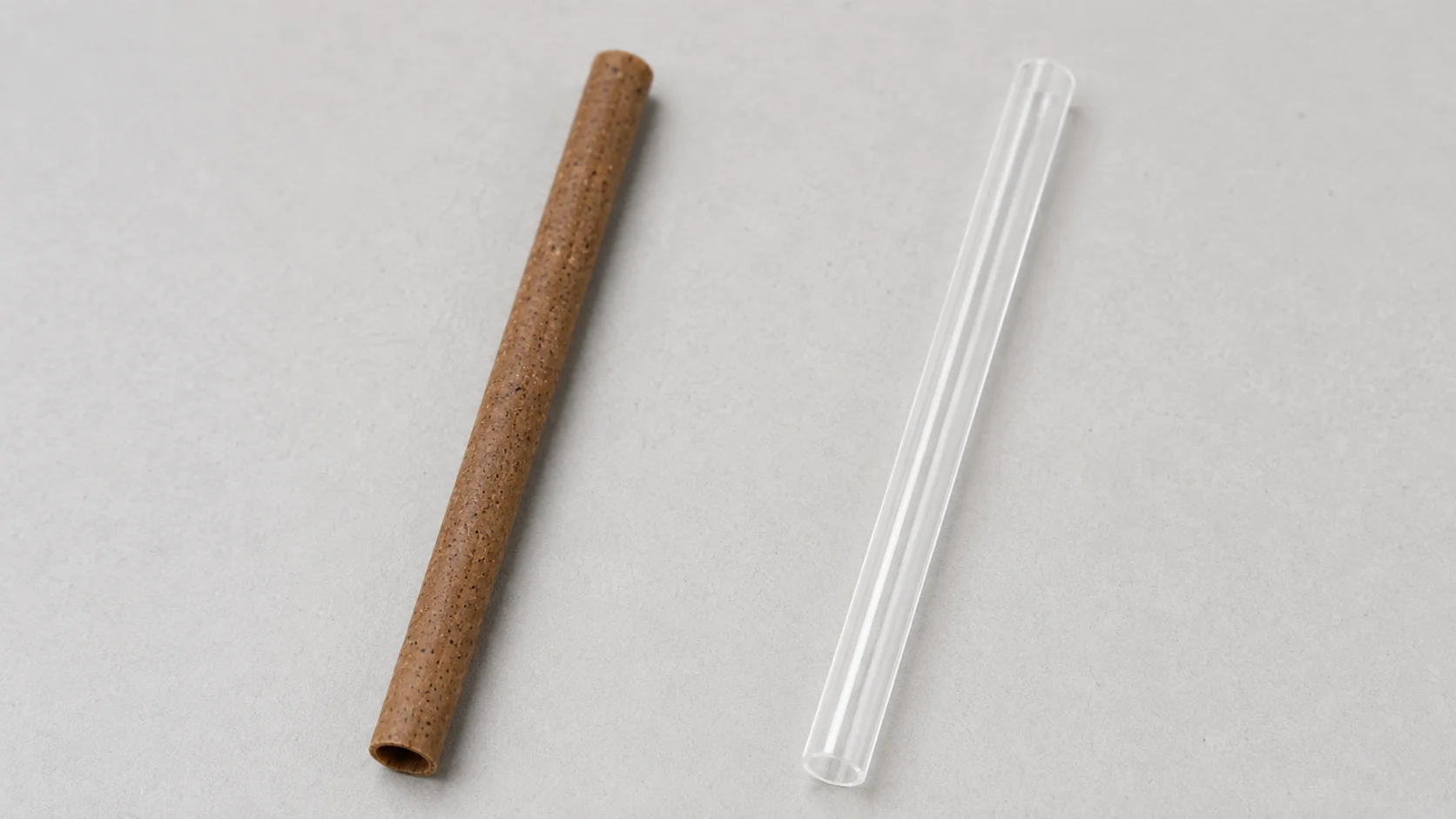
- Polyhydroxyalkanoate (PHA): Diese Strohhalme ahmen die Haptik von herkömmlichem Kunststoff nach und sind im Meer, zu Hause und in der Industrie kompostierbar. Sie sind langlebig und sowohl für heiße als auch kalte Getränke geeignet, was sie zu einem starken Konkurrenten macht, obwohl sie teurer sein können.
- Polymilchsäure (PLA): PLA ähnelt im Aussehen und der Haptik Kunststoff und ist robust für kalte Getränke. Es muss hauptsächlich industriell kompostiert werden und wird in heißen Flüssigkeiten weich. Entscheidend ist, dass es im Rahmen von Vorschriften wie der EU SUPD oft als herkömmlicher Kunststoff behandelt wird.
- Papier: Papierstrohhalme sind weit verbreitet und kostengünstig, biologisch abbaubar und recycelbar. Bei herkömmlichen Papierstrohhalmen ist dies jedoch möglich neigt dazu, durchnässt zu werden (verliert nach 20 Minuten über 75 % an Festigkeit) und kann einen papierartigen Geschmack hinterlassen. Ein großes Problem ist das mögliche Vorhandensein von PFAS (Per- and Polyfluoroalkyl Substances), or “forever chemicals,” which have been detected in many paper and plant-based straws. Always seek “PFAS-Free” certifications.
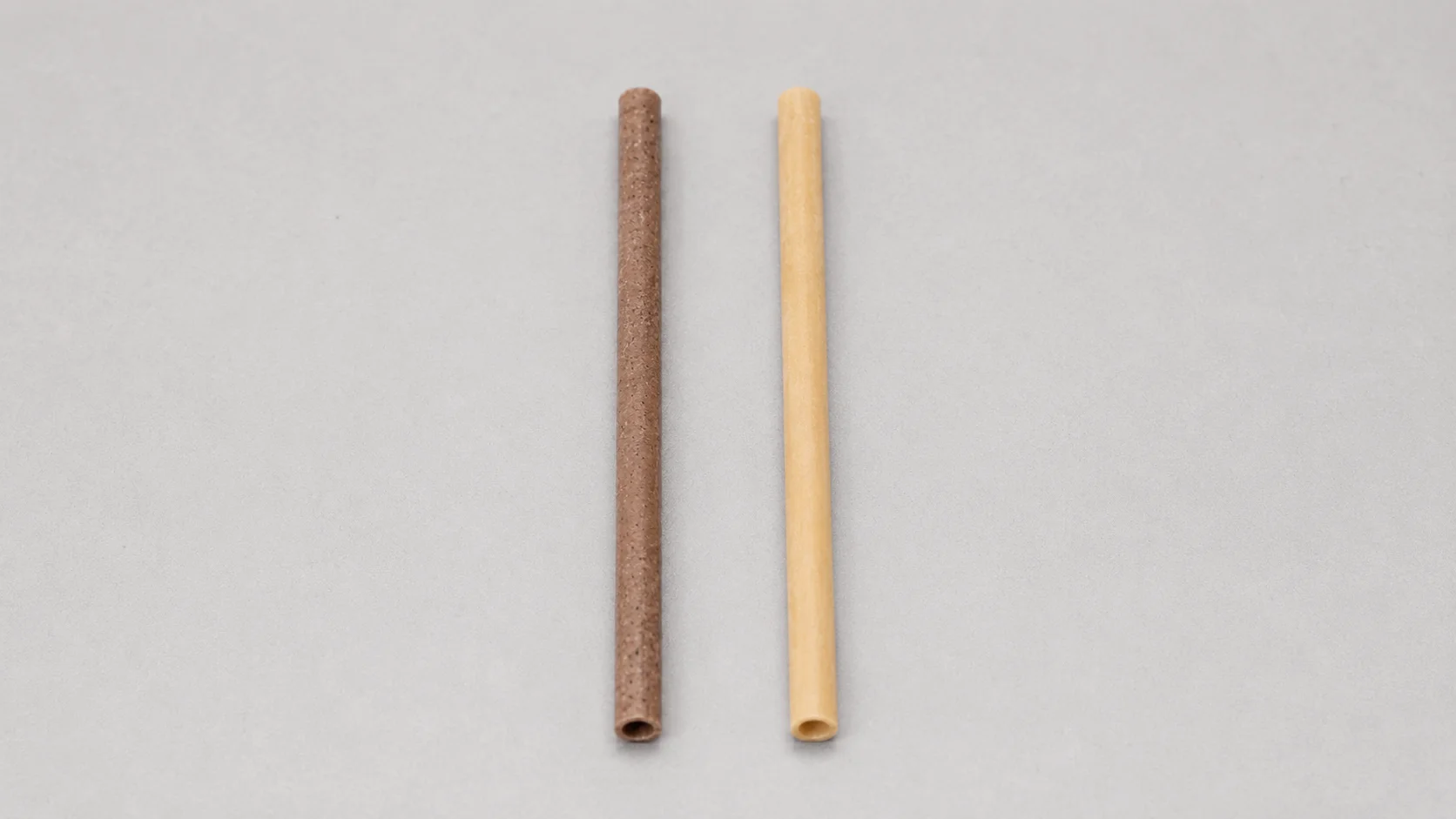
- Zuckerrohr (Bagasse): Made from a fibrous byproduct, these straws are durable, water-resistant, home compostable, and suitable for hot beverages (up to 90°C). They are also taste-free.
Understanding these properties will help B2B buyers choose the right straw for different foodservice applications.
For detailed information on the health and environmental concerns related to PFAS, you can explore resources from the Environmental Protection Agency (EPA).
Strategic Sourcing and Future-Proofing Your Business
Switching to biodegradable straws is a strategic move that extends beyond just the product itself. When sourcing, certifications are non-negotiable:
- Kompostierbarkeit: Look for BPI Certified Compostable, DIN CERTCO, or TÜV Austria (OK Compost Industrial/Home, Marine Biodegradable) to ensure verifiable breakdown.
- Biobased Content: USDA BioPreferred Program verifies content from renewable resources.
- Lebensmittelsicherheit: Ensure compliance with FDA Food Contact Safety Guidelines, LFGB, and Good Manufacturing Practices (GMP).
- PFAS-Free Verification: As mentioned, this is crucial for consumer and environmental safety.
While biodegradable straws may have a higher upfront cost (e.g., paper straws 5-12 cents vs. plastic less than 2 cents), this must be weighed against the “true cost” of plastic pollution, estimated at $75 billion annually, and the long-term benefits of enhanced brand reputation and customer loyalty.
Learn more about industry evolution insights and sustainable solutions at momoio.com.
Taking Action: A Holistic Sustainability Commitment
Implementing a sustainable straw strategy is a stepping stone within a larger, holistic sustainability vision for your foodservice business. Consider a phased approach:
- Assess Your Needs: Audit current straw usage and beverage types.
- Pilot Program: Trial different biodegradable materials and gather feedback from staff and customers.
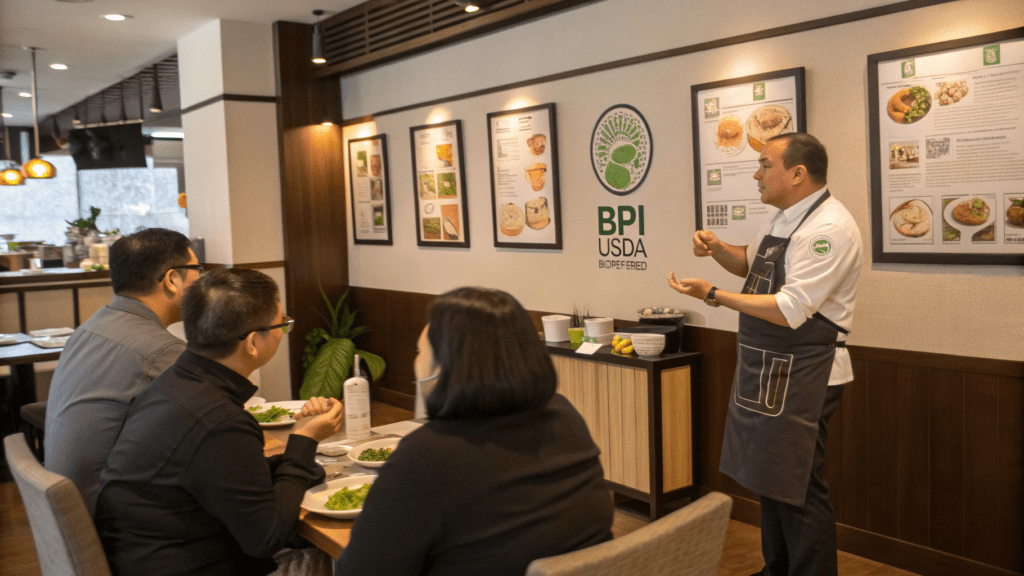
- Mitarbeiterschulung: Educate your team on new materials, handling, and proper disposal to maximize environmental benefits.
- Kundenkommunikation: Proactively communicate your sustainability commitment through menus, signage, and social media to reinforce your brand values.
The global eco-friendly straw market is set for robust growth, projected to reach $19.36 billion by 2029, with material innovations and cost optimization on the horizon. The time to act is now.
This shift is not just about compliance; it’s about seizing a competitive advantage in a rapidly evolving market and aligning your business with a greener, more profitable future.
For more details on global market projections for eco-friendly products, you can refer to reports from Future Market Insights.
Begin your research, connect with certified and reputable suppliers, and make the smart switch today. Explore sustainable solutions and partnerships at momoio.com.