Papierstrohhalme oder Zuckerrohr Strohhalme?

Warum müssen wir Plastik ersetzen?
Kunststoff wird aufgrund seiner Haltbarkeit und Korrosionsbeständigkeit hergestellt. Viele Unternehmen nutzen es auch, weil es kostengünstig ist. Allerdings ist Plastik sehr verschwenderisch und hat negative Auswirkungen auf das Ökosystem. Da es so konstruiert ist, dass es dem Verfall widersteht, kann es je nach Material und Struktur bis zu 20 bis 500 Jahre dauern, bis es zersetzt ist. Da viele Restaurants damit beginnen, Getränke zum Mitnehmen anzubieten und Spezialgetränke zu einem festen Bestandteil des täglichen Lebens der Menschen werden, hat die Verwendung von Plastikstrohhalmen dramatisch zugenommen. Eine Studie des World Wide Fund for Nature (WWF) zeigt, dass es durchschnittlich 200 Jahre dauert, bis Plastikstrohhalme zerfallen! Selbst dann zersetzen sie sich nicht vollständig. Selbst dann zersetzen sie sich nicht vollständig.
In Kanada verwenden wir täglich bis zu 55 Millionen Plastikstrohhalme, von denen viele zu Abfall werden und in unserer Süßwasserumgebung gefunden werden. Aus diesem Grund ergreift die kanadische Regierung Maßnahmen, um im Rahmen ihrer Null-Abfall-Strategie bis 2022 auf Einwegkunststoffe zu verzichten. Das bedeutet, dass es an der Zeit ist, nach alternativen Materialien als Ersatz für Plastikstrohhalme zu suchen.
Im Allgemeinen gelten Papierstrohhalme als die beste Alternative zu Plastikstrohhalmen. Doch ist das wirklich so?
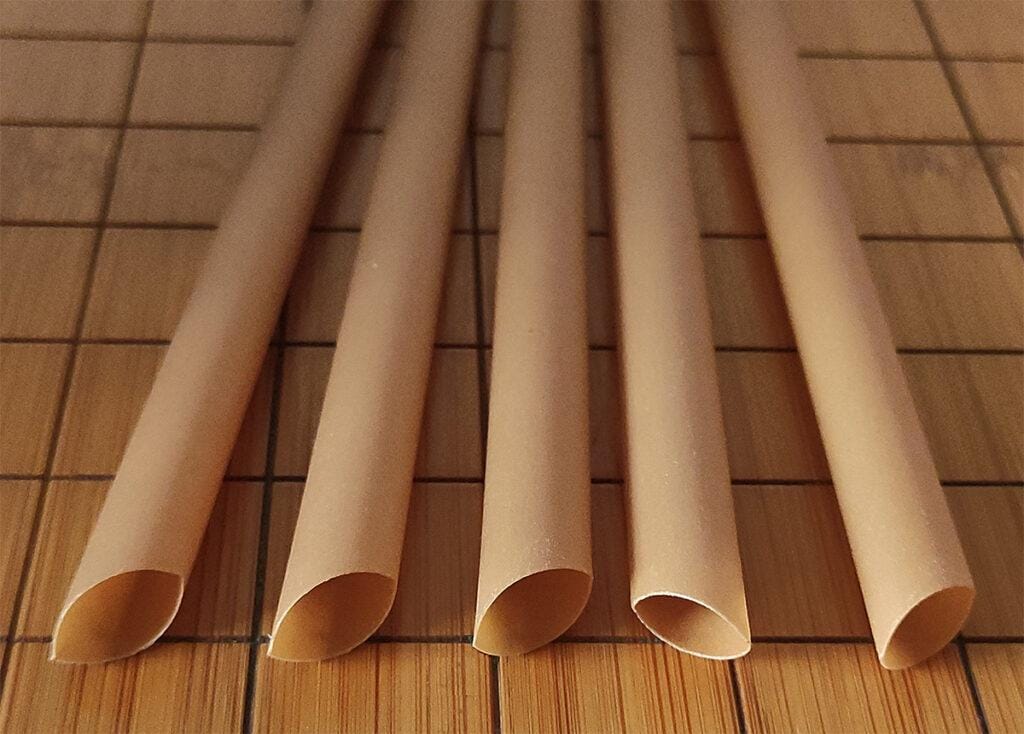
Paper straws are an important addition to the vision of a healthier planet because they do not take 200 years to decompose like plastic straws. While paper straws are biodegradable and compostable, they do have limitations. In movie theaters, for example, many patrons have complained about existing paper straws melting into their drinks while watching a movie and having a horrible feeling in their mouths after a few sips.
Studies have shown that paper straws have the following limitations.
- Tend to lose their shape and become soggy
- Can leave a bad taste in your mouth, often from the glue used to put them together
- Takes more energy and resources to manufacture than plastic straws
- May not be recyclable
- Some paper straws have a wax and film coating that affects their decomposition time
- May contain chloropropanol, which may contain carcinogenic, mutagenic or reproductive toxicity chemicals
- May contain PFA
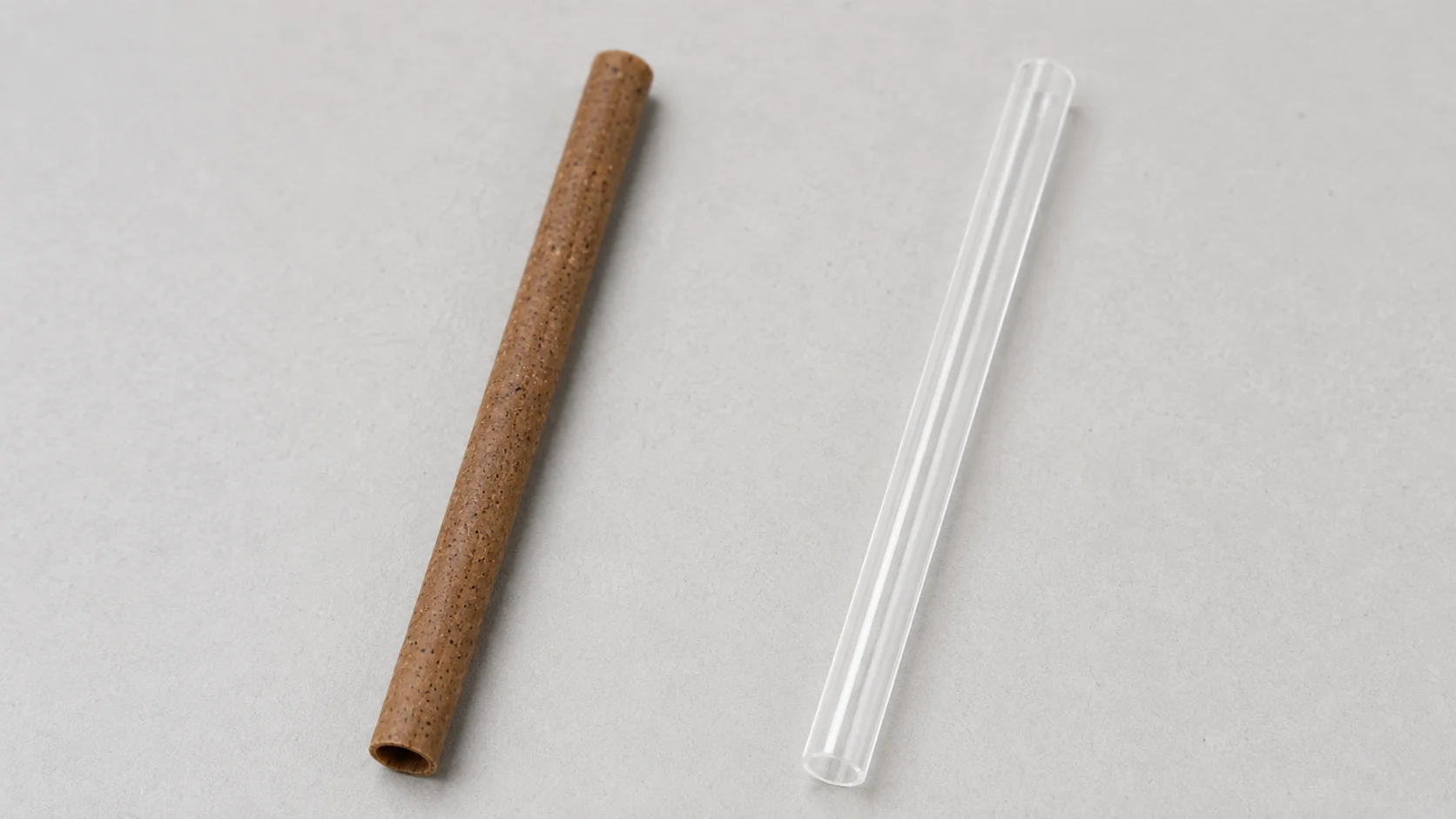
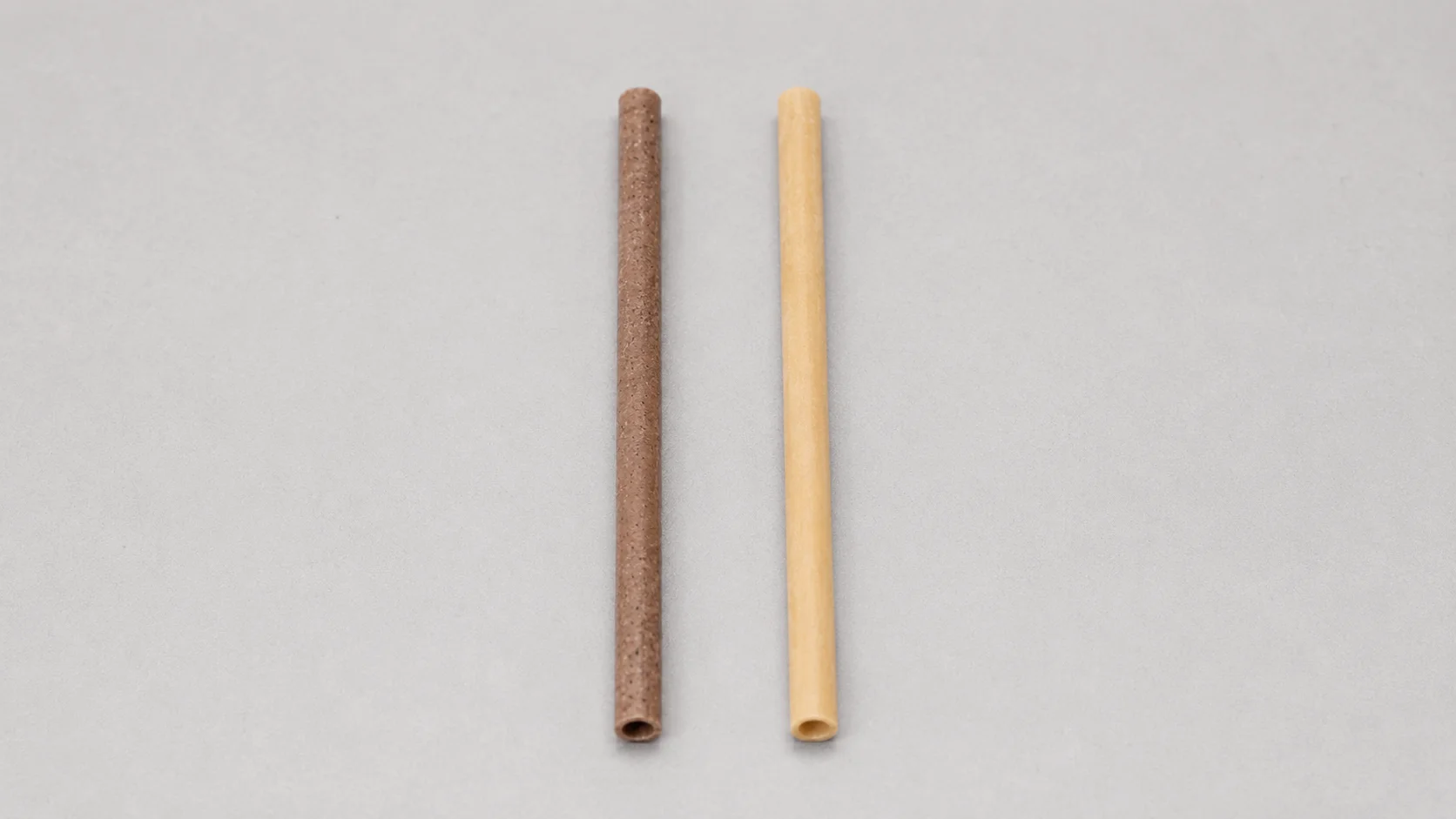
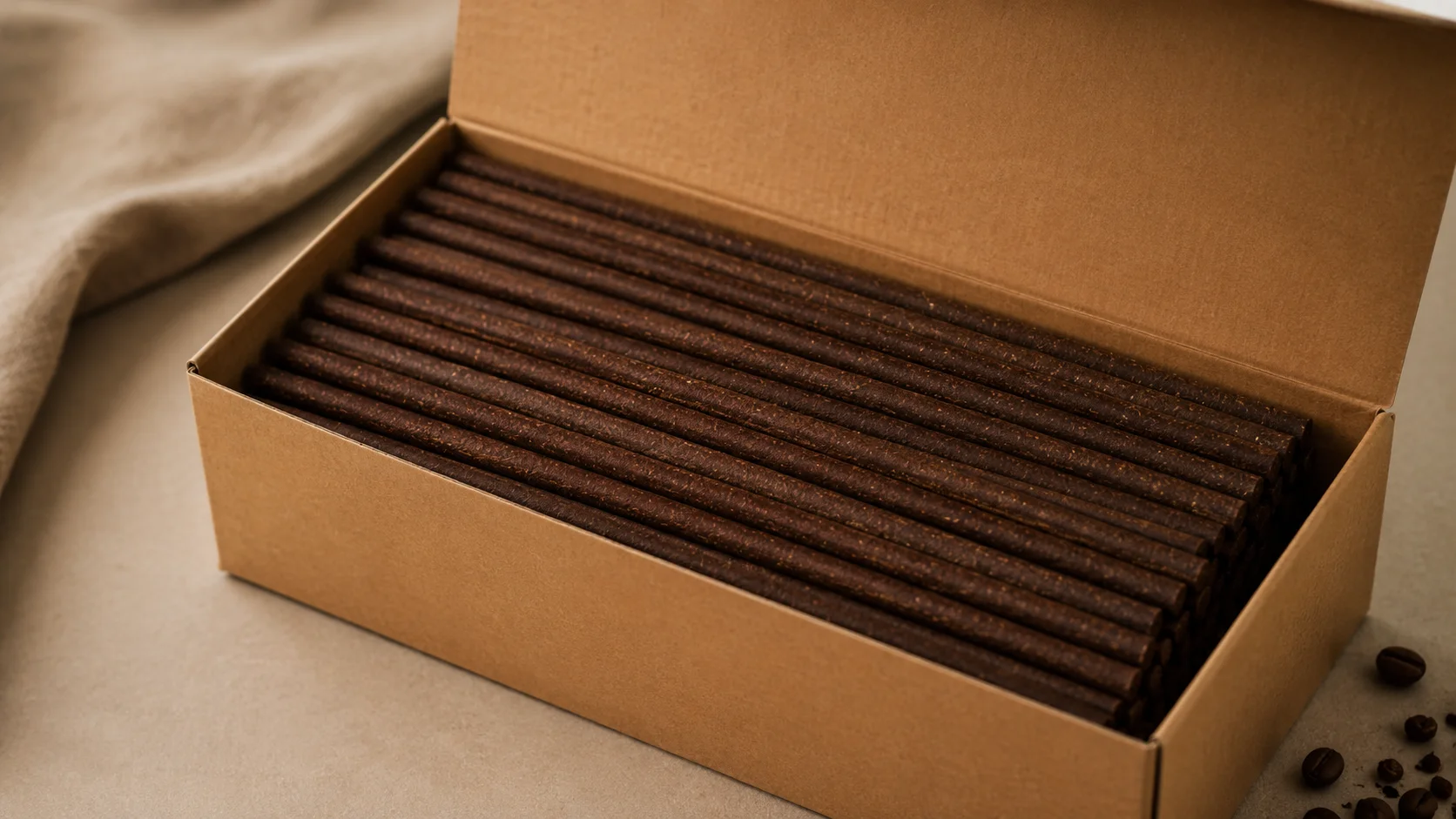
And plant-based sugarcane bagasse straws are cheaper than paper and better than plastic. Compostable biopolymer straws made from renewable resources such as sugarcane fiber are a sustainable alternative to plastic straws. Unlike paper straws, these straws do not get soggy when wet. They look, feel, and function like plastic straws, but can be used for home and commercial composting.
Zuckerrohrbagasse ist das trockene, breiige, faserige Material, das nach dem Zerkleinern von Zuckerrohr- oder Sorghumstängeln zurückbleibt, um ihren Saft zu extrahieren. Es wird als Biokraftstoff zur Erzeugung von Wärme, Energie und Strom sowie bei der Herstellung von Zellstoff und Baumaterialien verwendet.

Das Besondere an Zuckerrohrstroh ist jedoch, dass der Bioabfall bei der Produktion wiederverwendet wird. Bagasse ist der Bioabfall, der bei der Herstellung von Rohzucker aus Zuckerrohr übrig bleibt und traditionell verbrannt wird. Und das Verbrennen von Bagasse ist umweltschädlich. Im Jahr 2018 waren wir Vorreiter bei der Technologie der Kombination von Bagasse mit biologisch abbaubarem Biokunststoff. Unsere Zuckerrohrstrohhalme erfüllen die europäischen Standards für den biologischen Abbau, die vorschreiben, dass sich kompostierbarer Kunststoff nach 12 Wochen zersetzt und nach 6 Monaten biologisch abbaut. Das bedeutet, dass 90 % oder mehr des Kunststoffmaterials in Kohlendioxid umgewandelt werden. Zuckerrohrstrohhalme enthalten kein Plastik und bestehen aus kompostierbarem Material. Diese Strohhalme können auf Wunsch wiederverwendet werden. Wir werden sie jedoch weiterhin als Einwegstrohhalme verkaufen.
These straws can be used not only in cold or warm beverages but are equally durable for hot liquids.
Das Trinken mit einem Zuckerrohrstrohhalm hat keinen Einfluss auf den Blutzucker. Das Korn wird aus der Zuckerrohrernte gewonnen und die restlichen Pflanzenfasern werden zu Granulat verarbeitet, um unsere Zuckerrohr-Pflanzenfaserstrohhalme zu bilden.
Die Zuckerrohrstrohhalme sind in gerader, Cocktail- und Cut-Tip-Ausführung erhältlich. Auch kundenspezifischer Druck ist möglich.
Die Liste der Vorteile lautet wie folgt:
- Zertifiziertes BPI-kompostierbares Material
- Frei von BPA, Phthalaten und anderen Weichmachern
- Überlegene funktionelle Stärke. Keine durchnässten Strohhalme mehr!
- Verfügbar für Kaltgetränke (bis 50 °C) und hitzebeständige Heißgetränke (bis 90 °C)
- Mehrere Optionen, einschließlich Straight, Cocktail und Cut-Tip
- Erhältlich in verschiedenen Farben und Größen
- Individueller Druck auf der Verpackung möglich

Für weitere Informationen zu Zuckerrohrstrohhalmen oder um kostenlose Muster zu erhalten, senden Sie bitte eine E-Mail an: 1@momoio.com Ansprechpartner: Ching Chiang