Zuckerrohr Strohhalme: Eine nachhaltige Revolution für die Foodservice -Industrie

Zusammenfassung
Da die globale Gastronomiebranche einem wachsenden Druck ausgesetzt ist, nachhaltige Praktiken einzuführen, ist der Wandel hin zu umweltfreundlichen Alternativen zu Einwegkunststoffen zu einer treibenden Kraft für betriebliche Innovationen geworden. Strohhalme aus Zuckerrohr haben sich als führende Lösung herausgestellt und bieten erhebliche Vorteile für die Umwelt, ohne Kompromisse bei der Leistung einzugehen. Dieser Blog befasst sich mit der Wissenschaft, Markttrends und praktischen Schritten für Nachhaltigkeitsbeauftragte in der Gastronomiebranche beim Übergang zu Zuckerrohrstrohhalmen und beleuchtet gleichzeitig Erfolgsgeschichten aus der Praxis und strategische Empfehlungen.
Die Umweltauswirkungen von Plastikstrohhalmen
Plastikstrohhalme, die erheblich zur weltweiten Plastikmüllkrise beitragen, sind für schwere Umweltschäden verantwortlich. Schätzungen zufolge werden allein in den USA täglich über 500 Millionen Plastikstrohhalme verwendet – genug, um die Erde 2,5 Mal zu umwickeln. Es dauert Jahrhunderte, bis sich diese Strohhalme zersetzen, und landen oft in unseren Ozeanen, wo sie das Leben im Meer schädigen und Ökosysteme stören. Die Gastronomiebranche spielt bei dieser Umweltherausforderung eine zentrale Rolle, verfügt aber auch über die Macht, weitreichende Veränderungen in Richtung Nachhaltigkeit voranzutreiben.
Warum Zuckerrohrstrohhalme die Zukunft der Nachhaltigkeit sind
Zusammensetzung und Herstellungsprozess
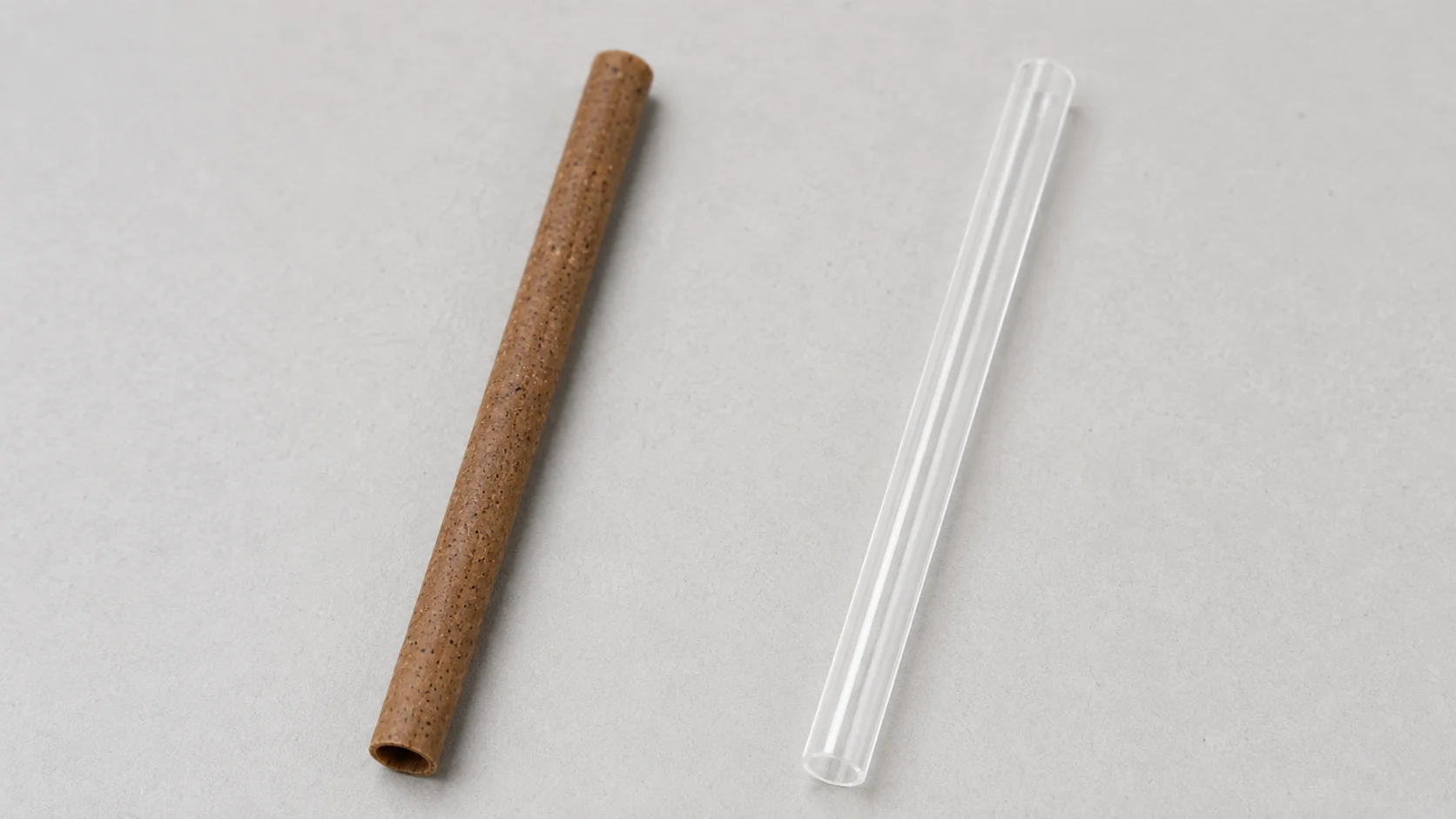
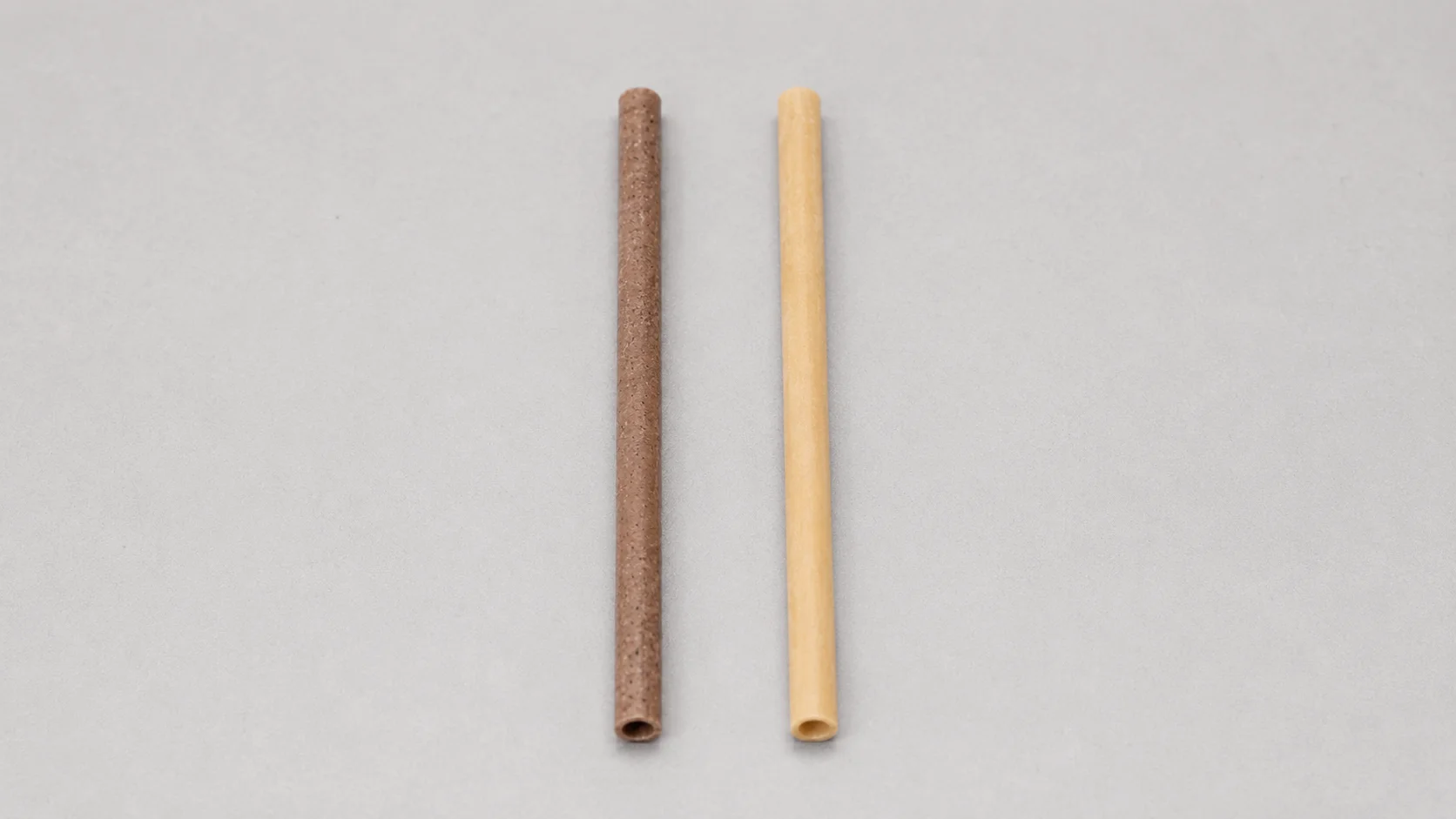
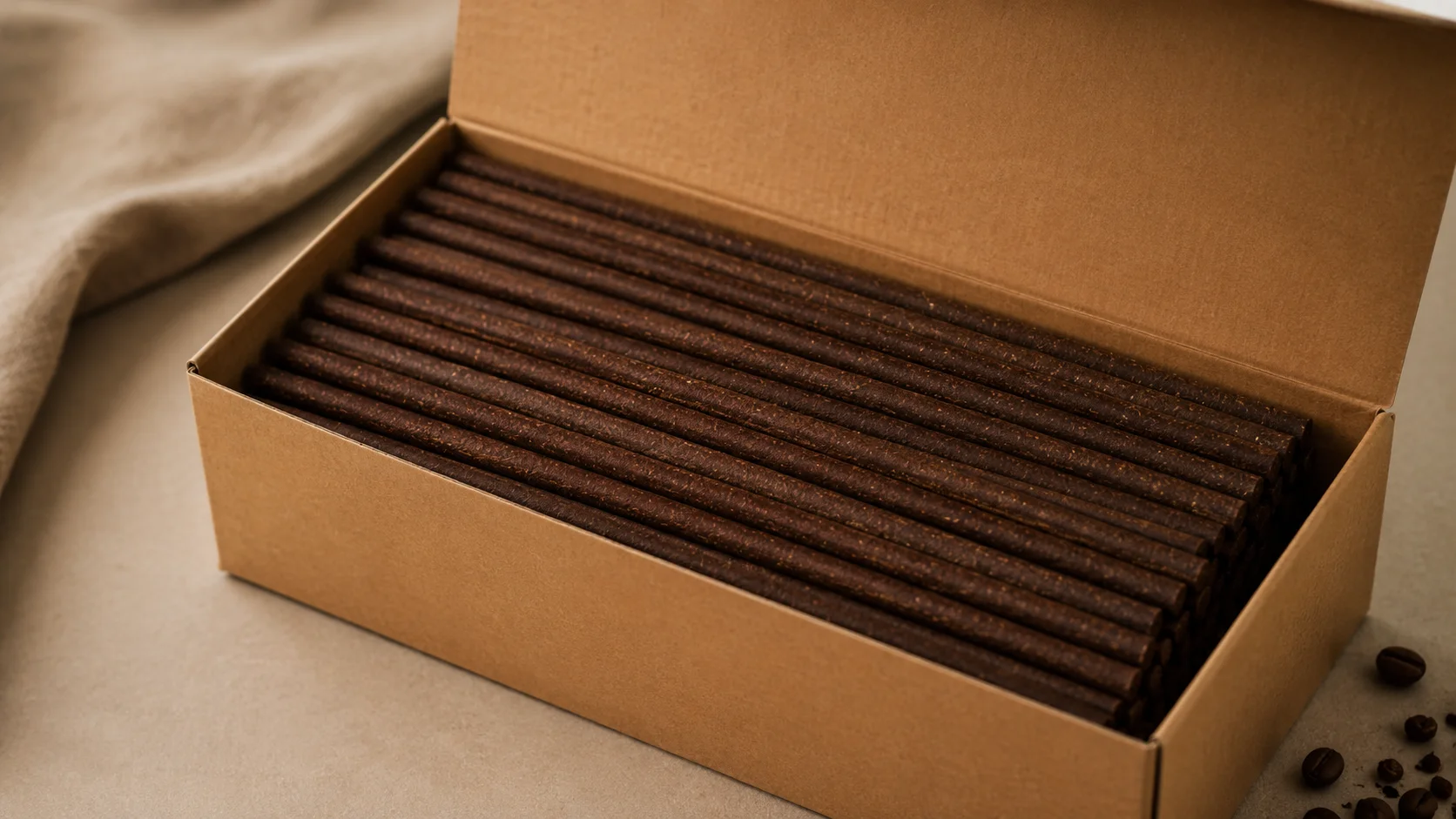
Zuckerrohrstrohhalme werden aus Bagasse hergestellt, dem faserigen Nebenprodukt, das bei der Zuckerrohrsaftextraktion zurückbleibt. Dieser innovative Produktionsprozess verwandelt landwirtschaftliche Abfälle in ein wertvolles und vollständig kompostierbares Produkt, wodurch der Bedarf an erdölbasierten Kunststoffen reduziert und die Umweltbelastung minimiert wird.
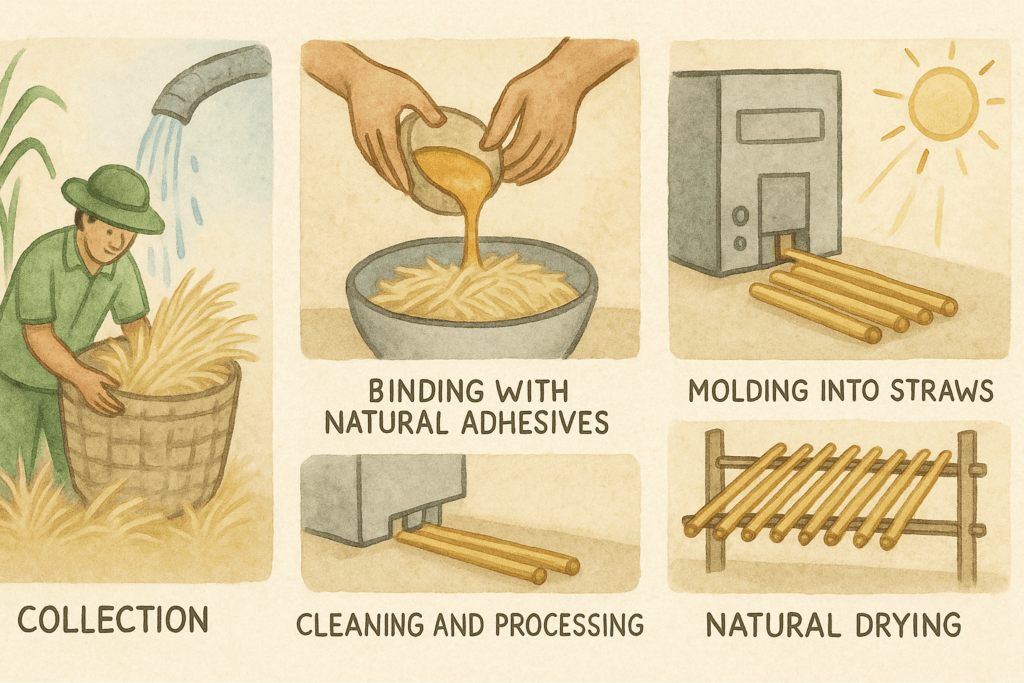
Der Prozess umfasst:
- Sammlung von Bagasse: Von Zuckerproduktionsanlagen bezogen, die es sonst wegwerfen würden.
- Reinigung und Verarbeitung: Die Fasern werden gereinigt und für die Formgebung vorbereitet.
- Binden mit pflanzlichen Klebstoffen: Um sicherzustellen, dass das Produkt frei von schädlichen Chemikalien ist, werden natürliche Klebstoffe verwendet.
- Formen und Trocknen: Die Strohhalme werden in Form gebracht und auf natürliche Weise getrocknet, um den Energieverbrauch zu minimieren.
Dieses nachhaltige Produktionsmodell ist ein wesentlicher Schritt beim Aufbau einer Kreislaufwirtschaft.
Vorteile für die Umwelt: Datengestützte Erkenntnisse
Lebenszyklusanalysen zeigen, dass Zuckerrohrstrohhalme im Vergleich zu herkömmlichem Plastik und anderen Öko-Alternativen erhebliche Vorteile für die Umwelt bieten. Hier ist ein Vergleich der wichtigsten Umweltfaktoren:
| Umweltfaktor | Zuckerrohrstrohhalme | Papierstrohhalme | PLA-Strohhalme (auf Maisbasis). | Plastikstrohhalme |
|---|---|---|---|---|
| CO2-Fußabdruck | 80 % Reduzierung im Vergleich zu Kunststoff | 50 % Ermäßigung | 65 % Reduzierung | Grundlinie |
| Wasserverbrauch | Mäßig | Hoch | Mäßig | Niedrig |
| Zersetzung am Lebensende | 90 Tage in der Kompostierung | 30-60 Tage | 180+ Tage | 200+ Jahre |
| Auswirkungen auf den Ozean | Minimaler Schaden | Geringer bis mäßiger Schaden | Mäßiger Schaden | Schwerer Schaden |
| Erneuerbarkeit von Ressourcen | Jährlich nachwachsende Ernte | Jährlich erneuerbar | Jährlich nachwachsende Ernte | Nicht erneuerbar |

Diese Ergebnisse unterstreichen die überlegene Umweltleistung von Zuckerrohrstrohhalmen und machen sie zur ersten Wahl für Unternehmen, die sich für Nachhaltigkeit einsetzen.
Marktwachstum und Branchenakzeptanz
Die Nachfrage nach kompostierbaren Strohhalmen wächst rasant und der Weltmarkt wird voraussichtlich wachsen 924,1 Millionen US-Dollar bis 2025und wächst mit einer durchschnittlichen jährlichen Wachstumsrate (CAGR) von 13,6 % ab 2020. Zuckerrohrbasierte Produkte erobern aufgrund ihrer Wettbewerbsvorteile und Leistungsmerkmale einen zunehmenden Anteil dieses Marktes.
Fallstudien aus der Praxis: Wie Unternehmen den Wandel anführen
Luxushotelkette: Ein weltweiter Erfolg
Im Jahr 2022 stellte eine renommierte internationale Hotelkette, die in über 35 Ländern tätig ist, in allen 246 Häusern auf Zuckerrohrstrohhalme um. Der Übergang erzielte bemerkenswerte Ergebnisse:
- 12,8 Millionen Plastikstrohhalme jährlich eliminiert
- 97 % positives Kundenfeedback bezüglich der neuen Strohhalme
- Jährliche Steueranreize in Höhe von 45.000 US-Dollar
- Gestärkt Markenwahrnehmung unter umweltbewussten Reisenden
- Keine Betriebsstörungen während der Umstellung
Diese Erfolgsgeschichte zeigt, wie Nachhaltigkeitsinitiativen sowohl zu ökologischen als auch finanziellen Vorteilen führen können, ohne das Kundenerlebnis zu beeinträchtigen.
Schnellrestaurantkette: Ein schrittweiser Übergang
Eine nationale Schnellrestaurantkette mit über 1.200 Standorte führte einen schrittweisen Übergang zu Zuckerrohrstrohhalmen durch und erzielte beeindruckende Ergebnisse:
- 28,5 Millionen Plastikstrohhalme im ersten Jahr ausgeschieden
- 89 % Kundenzufriedenheit mit den neuen Strohhalmen
- Ein anfängliche Kostensteigerung von 12 % versetzt durch ein Steigerung um 8 % bei Anmeldungen für Kundenbindungsprogramme
- Verbesserte Nachhaltigkeitskennzahlen, im Einklang mit den Anforderungen von Unternehmensanlegern
Dieser Fall zeigt die Machbarkeit der Skalierung nachhaltiger Lösungen in großen Unternehmen mit mehreren Standorten.
Operative Überlegungen für Foodservice-Nachhaltigkeitsbeauftragte
Kosten-Nutzen-Analyse: Das Wertversprechen verstehen
Während Zuckerrohrstrohhalme kosten können 1,5-2x mehr Im Vergleich zu herkömmlichen Plastikstrohhalmen überwiegen die Vorteile bei weitem die zusätzlichen Kosten:
- Verbrauchernachfrage: 76 % der Verbraucher entscheiden sich eher für Unternehmen, die sichtbare Nachhaltigkeitspraktiken aufweisen.
- Einhaltung gesetzlicher Vorschriften: Durch die Umstellung auf umweltfreundliche Alternativen können Unternehmen Bußgelder und potenzielle behördliche Strafen vermeiden.
- Marketingwert: Umweltfreundliche Initiativen verbessern das Markenimage, ziehen neue Kunden an und verbessern die Kundenbindung.
- Steueranreize: Viele Regionen bieten Anreize für Unternehmen, die nachhaltige Praktiken anwenden.
- Großeinkauf: Lieferanten wie MOMOIO bieten Optionen für den Großeinkauf, die die Kosten pro Einheit senken.
Schritte für eine erfolgreiche Implementierung
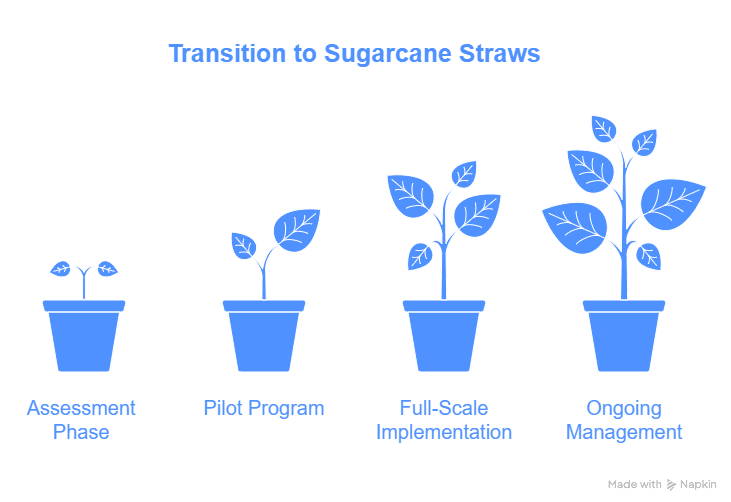
Ein strategischer Übergang zu Zuckerrohrstrohhalmen erfordert eine sorgfältige Planung:
- Bewertungsphase:
- Überprüfen Sie den aktuellen Strohverbrauch und die Nachhaltigkeitsziele
- Vergleichen Sie mehrere umweltfreundliche Alternativen, darunter Zuckerrohrstrohhalme
- Berechnen Sie die Lebenszykluskosten und ermitteln Sie den Betriebsbedarf
- Pilotprogramm:
- Testen Sie Zuckerrohrstrohhalme an ausgewählten Standorten
- Sammeln Sie Kunden- und Mitarbeiterfeedback
- Messen Sie die anfängliche Leistung
- Vollständige Implementierung:
- Rollen Sie an allen Standorten Zuckerrohrstrohhalme aus
- Sorgen Sie für eine umfassende Schulung des Personals
- Implementieren Sie eine klare Kommunikationsstrategie für Kunden
- Verfolgen Sie Kennzahlen zur Nachhaltigkeitsauswirkung für Stakeholder
- Laufendes Management:
- Führen Sie regelmäßige Lieferantenbewertungen durch, um die Produktqualität sicherzustellen
- Bieten Sie Ihren Mitarbeitern Auffrischungskurse zu Nachhaltigkeitspraktiken an
- Veröffentlichen Sie Nachhaltigkeitsberichte für mehr Transparenz
Lagerung und Handhabung: Best Practices
Die Zuckerrohrstrohhalme von MOMOIO bieten praktische Vorteile in Bezug auf Lagerung und Handhabung:
- Feuchtigkeitsbeständigkeit: Zuckerrohrstrohhalme bleiben bis zu intakt 4 Stunden in kalten Getränken und 2+ Stunden in heißen Getränken.
- Haltbarkeit: Diese Strohhalme haben ein 12 Monate haltbar bei trockener Lagerung.
- Standardmäßige Lagerung in Lebensmittelqualität: Es sind keine besonderen Handhabungs- oder Lagerungsprotokolle erforderlich, die über die typischen Lebensmittelsicherheitsrichtlinien hinausgehen.
Wichtige Zertifizierungen und Industriestandards
Suchen Sie bei der Beschaffung von Zuckerrohrstrohhalmen nach Lieferanten, die Folgendes bieten:
- Zertifizierte Kompostierbarkeit:
- BPI-Zertifizierung
- ASTM D6400 Und EN13432-Konformität
- Nachhaltigkeitszertifizierungen:
- Nicht gentechnisch verändert Überprüfung
- Faire Arbeitspraktiken Zertifizierung
- Leistungsgarantien:
- Klare Spezifikationen zu Temperaturtoleranz, Flüssigkeitskompatibilität und struktureller Integrität.
MOMOIO bietet diese Zertifizierungen und mehr. Besuchen MOMOIOs Zertifizierungsseite Einzelheiten zu unserem Nachhaltigkeitsengagement finden Sie hier.
Gemeinsame Herausforderungen meistern
Kundenwahrnehmungsmanagement
Effektive Kommunikation ist entscheidend, um die Zustimmung der Kunden sicherzustellen. Wir empfehlen:
- Tischkarten oder Zeltkarten, die die Vorteile von Zuckerrohrstrohhalmen erläutern
- Social-Media-Kampagnen zum Thema Übergang
- Mitarbeiterschulung zur Diskussion der Nachhaltigkeitsbemühungen mit Kunden
Mitarbeiterschulung
Die Schulung Ihres Teams gewährleistet einen reibungslosen Übergang:
- Informieren Sie Ihre Mitarbeiter über die Umweltvorteile von Zuckerrohrstrohhalmen
- Geben Sie klare Richtlinien für die Strohhandhabung und Kompostierungsverfahren an
- Beantworten Sie häufige Kundenfragen zu den neuen Strohhalmen
Entsorgung und Kompostierung
Um die Umweltauswirkungen zu maximieren:
- Arbeiten Sie mit lokalen kommerziellen Kompostieranlagen zusammen
- Schulung des Personals in ordnungsgemäßen Trennungs- und Entsorgungsverfahren
- Integrieren Sie neben Strohhalmen auch die Kompostierung anderer Lebensmittelartikel
Fazit: Die Lebensmittelindustrie mit Zuckerrohrstrohhalmen verändern
Die Umstellung auf Zuckerrohrstrohhalme bietet Gastronomieunternehmen eine einzigartige Gelegenheit, in Sachen Nachhaltigkeit eine Vorreiterrolle zu übernehmen und gleichzeitig von einer stärkeren Kundenbindung und der Einhaltung gesetzlicher Vorschriften zu profitieren. Durch die Partnerschaft mit MOMOIO kann Ihr Unternehmen auf hochwertige Zuckerrohrstrohhalme zugreifen, fachkundige Unterstützung bei der Umsetzung erhalten und Ihr Engagement für Nachhaltigkeit unter Beweis stellen.
Um mehr zu erfahren oder ein Muster anzufordern, besuchen Sie MOMOIOs Foodservice-Lösungen.