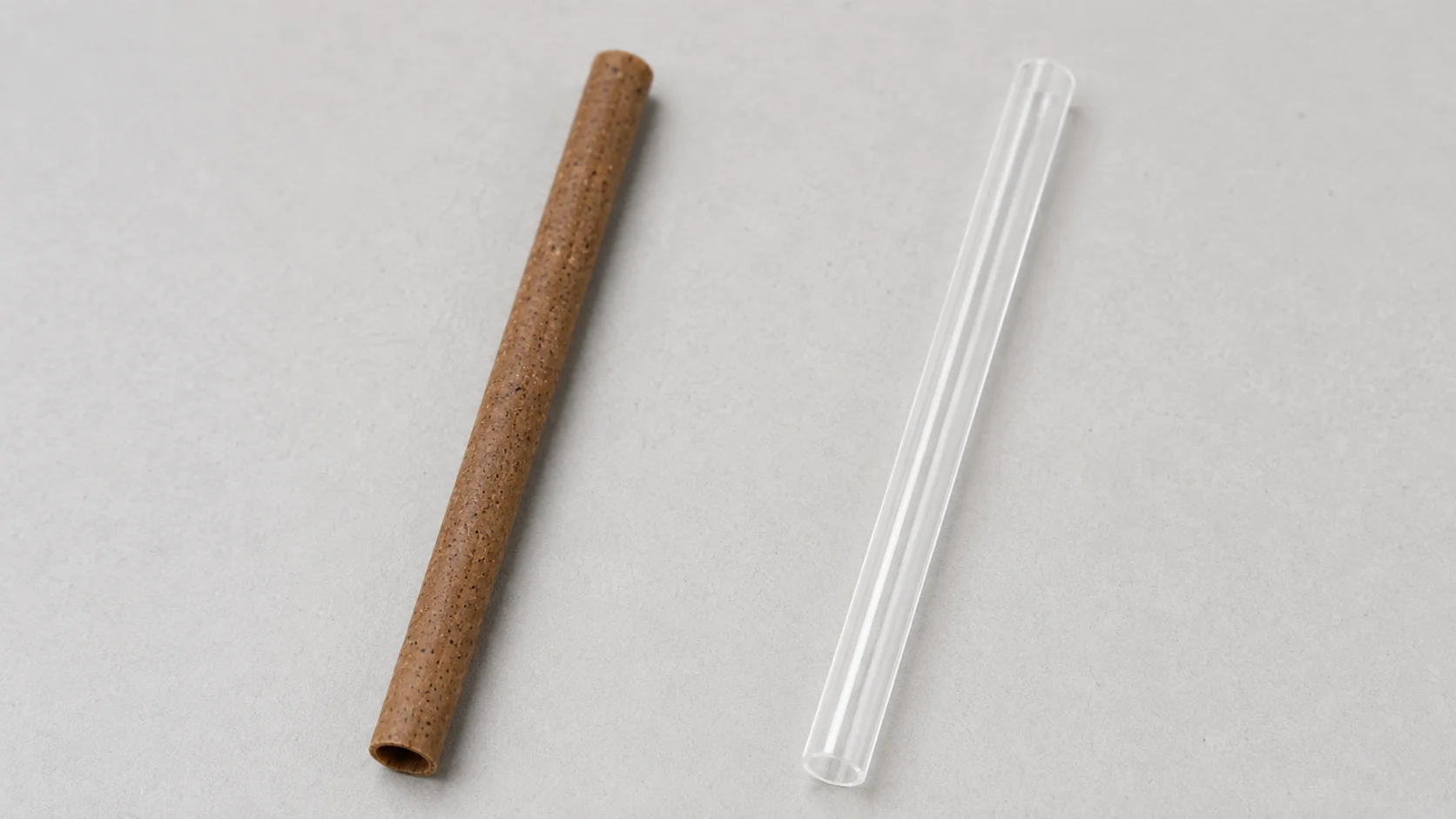
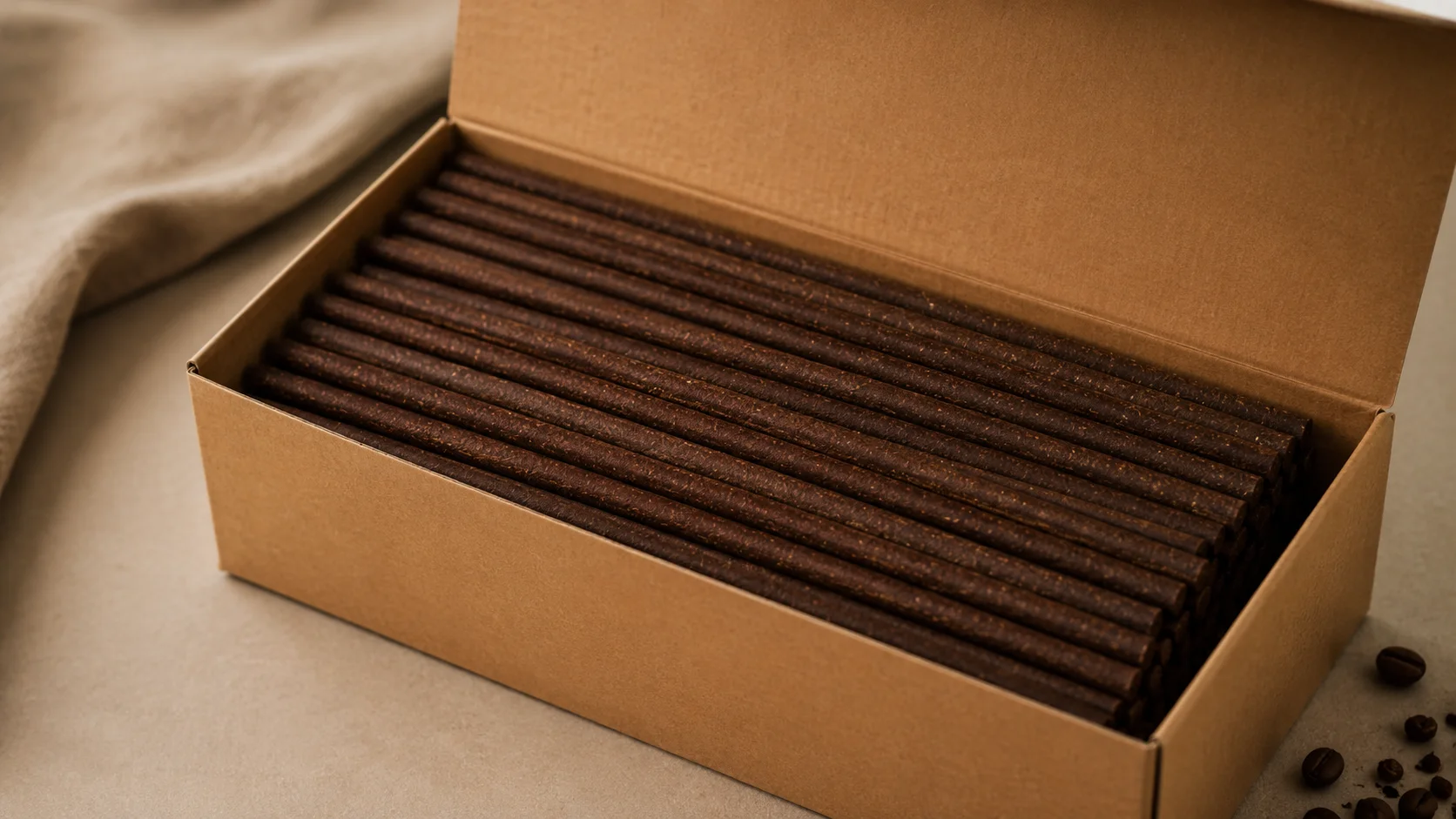
Nachhaltige Kaffeestrohhalme: Großlieferung, individuelles Branding und Großhandelslösungen für B2B-Gastgewerbe und Gastronomie
Ein strategischer Leitfaden für Beschaffungsmanager, Betriebsleiter und Nachhaltigkeitsbeauftragte
1. Der dringende Bedarf an nachhaltigen Kaffeestrohhalmen im Gastgewerbe
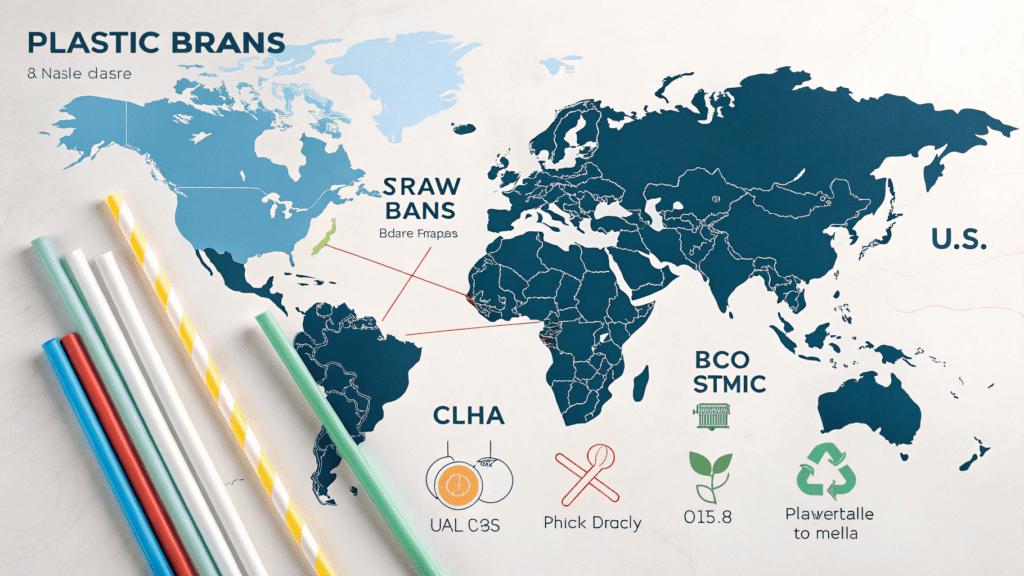
Das Gastgewerbe und die Gastronomie befinden sich an einem kritischen Wendepunkt und navigieren durch eine Landschaft, die durch Umweltauflagen und sich verändernde Verbrauchererwartungen dramatisch verändert wurde. Die Ära des allgegenwärtigen Plastikstrohhalms neigt sich rasch dem Ende zu, angetrieben durch aggressive globale Plastikverbote in Regionen auf der ganzen WeltVereinigtes Königreich, Dieeuropäische Union, verschiedenUS-Bundesstaaten,China, UndIndien. Bei diesen Vorschriften handelt es sich nicht nur um geringfügige Anpassungen; Sie definieren betriebliche Normen grundlegend neu und machen nachhaltige Beschaffung zu einer nicht verhandelbaren Compliance-Erfordernis.
Gleichzeitig hat sich die Stimmung der Verbraucher tiefgreifend verändert. Bedeutende 74 % der Verbraucher sind mittlerweile bereit, mehr für nachhaltige Verpackungen zu bezahlen, was sich direkt auf die Markenwahrnehmung und die Kundenbindung auswirkt – wobei Unternehmen eine bis zu 20 % höhere Loyalität bei der Einführung umweltfreundlicher Lösungen vermelden (NielsenIQ, 2021). Das Versäumnis, diese Veränderungen anzunehmen, ist nicht mehr nur eine verpasste Chance; es ist eine aktive Haftung. Untätigkeit führt zu höheren Betriebskosten durch mögliche Bußgelder bei Nichteinhaltung und, was noch wichtiger ist, zu einem beschädigten Markenimage in einem zunehmend bewussten Markt. Für proaktive B2B-Akteure stellt dieser Wandel jedoch eine lukrative Chance dar: Der weltweite Markt für nichtplastische Trinkhalme wird Prognosen zufolge von geschätzten 9,84 Milliarden US-Dollar im Jahr 2023 auf beachtliche 17,55 Milliarden US-Dollar im Jahr 2028 wachsen (Grand View Research, 2023).
Diese Verschiebung stellt eine lukrative Chance für B2B-Akteure im Markt für plastikfreie Trinkhalme dar.
Das Wichtigste zum Mitnehmen:Globale Plastikverbote und sich verändernde Verbraucherpräferenzen verändern die Hotel- und Gastronomiebranche und machen die nachhaltige Beschaffung von Stroh zu einer entscheidenden Compliance- und Markenchance.

2. Market & Regulation Insights: Navigating the New Landscape
Das Navigieren in diesem neuen Terrain erfordert mehr als nur Bewusstsein; es erfordert strategische Anpassung. Die weitreichenden Auswirkungen von Verboten von Plastikstrohhalmen gehen über die einfache Einhaltung hinaus und führen zu erheblichen Kostensteigerungen – zum Beispiel verzeichneten Trinkhalme aus Polymilchsäure (PLA) im Jahr 2020 einen Preisanstieg von 67 % (Bloomberg, 2020) – und zu komplexen Anpassungen der Lieferkette. Unternehmen stehen vor der Herausforderung, zuverlässige und kostengünstige Alternativen zu finden. Darüber hinaus hat der Übergang das berüchtigte Dilemma des „durchnässten Strohs“ deutlich gemacht. Herkömmliche Papierstrohhalme sind zwar ökologisch ein Schritt in die richtige Richtung, beeinträchtigen jedoch häufig das Kundenerlebnis bei Heißgetränken wie Kaffee, was zu Unzufriedenheit und Betriebsproblemen in Cafés und Restaurants führt.
Es ist von entscheidender Bedeutung, die Nuancen der Compliance anzuerkennen, einschließlich des Verständnisses von Ausnahmen für Menschen mit Behinderungen, der Gewährleistung der Zugänglichkeit und der Förderung nachhaltiger Standardoptionen für alle anderen Kunden. Dieser schnelle Zustrom „umweltfreundlicher“ Produkte erfordert auch eine sorgfältige Beschaffung und überprüfbare Zertifizierungen, um echtes Vertrauen aufzubauen und „Greenwashing“ zu vermeiden – unbegründete Umweltbehauptungen, die die Glaubwürdigkeit erheblich untergraben können, insbesondere angesichts der Besorgnis über Chemikalien wie PFAS, die in einigen pflanzlichen Strohhalmen enthalten sind.
Globale Vorschriften und Marktveränderungen erfordern eine strategische Anpassung für eine nachhaltige Strohbeschaffung.
Das Wichtigste zum Mitnehmen:Unternehmen müssen sich strategisch an das Verbot von Plastikstrohhalmen anpassen, Kostensteigerungen, die Komplexität der Lieferkette und das Dilemma des „durchnässten Strohhalms“ angehen und gleichzeitig eine wirklich umweltfreundliche Beschaffung sicherstellen.
3. Solution: Sugarcane Straws & Advanced Alternatives for Coffee Service
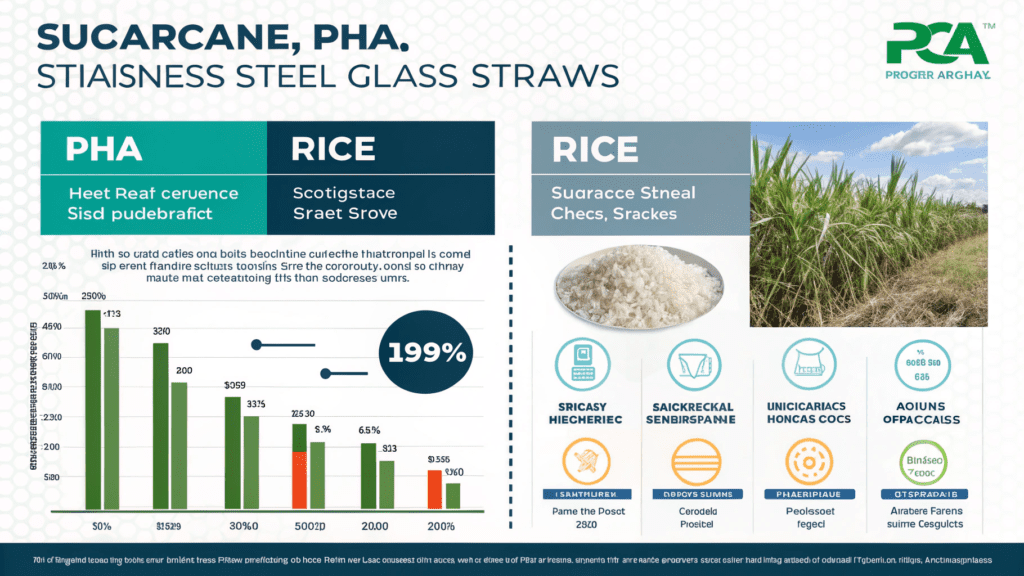
Zuckerrohrstrohhalme sind eine hitzebeständige, biologisch abbaubare Alternative aus Bagasse, einem Nebenprodukt der Zuckerproduktion.
Die Lösung geht weit über die Grenzen von Basispapier hinaus. Heutzutage definieren fortschrittliche hitzebeständige und biologisch abbaubare Strohinnovationen die Möglichkeiten für die B2B-Gastronomie neu. Materialien der nächsten Generation wie Zuckerrohr, PHA (Polyhydroxyalkanoat), Reis und Tapiokastärke bieten zusammen mit speziellen Biopolymeren auf pflanzlicher Basis eine überlegene Hitzebeständigkeit, längere Haltbarkeit und eine nicht durchnässende Leistung, die für heißen Kaffee und Spezialgetränke von entscheidender Bedeutung sind. Diese hochmodernen Optionen sind in der Regel frei von schädlichen Chemikalien wie PFAS und BPA und gewährleisten so einen sauberen Geschmack und strenge Gesundheitsstandards. Darüber hinaus decken vielfältige Alternativen alle B2B-Anforderungen ab. Wiederverwendbare Lösungen wie langlebiger Edelstahl, Borosilikatglas und lebensmittelechte Silikonstrohhalme bieten langfristige Nachhaltigkeit und Möglichkeiten für individuelle Gravuren. Innovative essbare Strohhalme, darunter zuckerbasierte, Apfelfaser- oder Pasta-Strohhalme, bieten ein einzigartiges Kundenerlebnis und zersetzen sich auf natürliche Weise.
Quantifizierte Vorteile von Zuckerrohrstrohhalmen für den Kaffeeservice:
- Erhöhte Kundenzufriedenheit: Behalten Sie die Integrität des Getränks bei heißem Kaffee mit einer Temperatur von bis zu 90 °C für mehr als drei Stunden bei, wodurch die Beschwerden über „durchnässtes Stroh“ vermieden werden, die bei Papieralternativen häufig auftreten.
- Reduced Waste & Disposal Costs: Zuckerrohrstrohhalme sind vollständig biologisch abbaubar und kompostierbar und können im Vergleich zu Kunststoffstrohhalmen den Deponieabfall um bis zu 80 % reduzieren, was zu potenziellen Einsparungen bei den Abfallentsorgungsgebühren führt.
- Improved Brand Image & Loyalty: Schließen Sie sich der Meinung an, dass 74 % der Verbraucher bereit sind, mehr für nachhaltige Verpackungen zu zahlen, was die Kundenbindung möglicherweise um 20 % erhöht und umweltbewusste Kunden anzieht.
- Compliance & Risk Mitigation: Stellen Sie die Einhaltung globaler Plastikverbote sicher und vermeiden Sie Bußgelder und negative Publizität im Zusammenhang mit der Nichteinhaltung.
- Kosteneffizienz im großen Maßstab: Da Zuckerrohrstrohhalme in großen Mengen erhältlich sind, bieten sie einen wettbewerbsfähigen Preis und stellen eine nachhaltige Lösung dar, ohne die Betriebsbudgets wesentlich zu beeinträchtigen.
Comparison Matrix: Ideal B2B Coffee Straws & Foodservice Straw Supply
| Strohtyp | Hitzebeständigkeit | Biologische Abbaubarkeit/Wiederverwendbarkeit | Relative Kosten pro Einheit | Potenzial für individuelles Branding | Idealer Anwendungsfall |
|---|---|---|---|---|---|
| Zuckerrohr | Hoch (bis zu 90°C) | Biologisch abbaubar, kompostierbar | Medium | Hoch | Cafés mit hohem Andrang, Take Away, Umweltbewusst |
| PHA | Sehr hoch (bis zu 100°C) | Biologisch abbaubar, kompostierbar | Mittelhoch | Hoch | Premium-Heißgetränke, luxuriöse Gastfreundschaft |
| Reis/Tapioka | Mittel-Hoch (bis zu 24 Stunden) | Biologisch abbaubar, kompostierbar | Medium | Hoch | Kaffeespezialitäten, Veranstaltungen |
| Edelstahl | Sehr hoch | Wiederverwendbar | Hoch (anfänglich) | Hoch | Feines Essen, Hotelsuiten, wiederverwendbare Programme |
| Glas | Sehr hoch | Wiederverwendbar | Hoch (anfänglich) | Medium | Gehobene Restaurants, Cafés (im Haus) |
| Essbar | Mittel (weicher) | Biologisch abbaubar | Medium | Hoch (Geschmack/Druck) | Einzigartiges Kundenerlebnis, Desserts, Cocktails |
ROI-Tabelle: Auswirkungen der Einführung von nachhaltigem Stroh (Beispiel für eine mittelgroße Café-Kette)
| Variable | Strom (Kunststoff/Papier) | Mit Zuckerrohrstrohhalmen | Wirkung/Nutzen |
|---|---|---|---|
| Steigerung der Kundenbindung | 0% (Grundlinie) | +15 % | Erhöhtes Folgegeschäft, höherer LTV |
| Reduzierung der Abfallentsorgungskosten | 1.500 $/Monat | 1.000 $/Monat | Ersparnis von 500 $/Monat |
| Markenwert | Mäßig | Hoch (Öko-Spitzenreiter) | Zieht neue umweltbewusste Kunden an |
| Vermeidung von Compliance-Bußgeldern | Mögliches Risiko | Null Risiko | Avoids penalties & reputational damage |
| Customer Complaint Rate (Soggy Straws) | 5% | <1% | Improved operational efficiency, less refunds |
Advanced heat-resistant and biodegradable straw innovations redefine possibilities for B2B hospitality.
Das Wichtigste zum Mitnehmen:Sugarcane and other advanced biodegradable straws offer superior performance for hot beverages, significant ROI through waste reduction and brand enhancement, and ensure compliance.

4. Industry Misconceptions & Clarifications
Myth: All plant-based straws are equally sustainable and safe.
Klärung:Nicht alle Trinkhalme auf Pflanzenbasis sind gleich. Während viele biologisch abbaubar sind, erfordern einige, wie bestimmte PLA-Strohhalme, industrielle Kompostierungsanlagen, die nicht allgemein verfügbar sind. Darüber hinaus gibt es Bedenken hinsichtlich des Vorhandenseins von „Forever Chemicals“ (PFAS) in einigen pflanzlichen und Papierstrohhalmen. Es ist wichtig, Zertifizierungen zu überprüfen (z. B. BPI Compostable, TÜV Austria OK Compost HOME/Industrial) und sich über die Abwesenheit schädlicher Chemikalien wie PFAS und BPA zu erkundigen, um echte Nachhaltigkeit und Sicherheit für Ihre Kunden zu gewährleisten.
Mythos: Nachhaltige Strohhalme beeinträchtigen immer das Kundenerlebnis, insbesondere bei heißem Kaffee.
Klärung:Dieses Missverständnis geht größtenteils auf die frühen Generationen von Papierstrohhalmen zurück. Moderne Innovationen, insbesondere Zuckerrohr-, PHA- und fortschrittliche Biopolymer-Strohhalme, sind speziell auf hohe Hitzebeständigkeit und Haltbarkeit ausgelegt. Sie behalten ihre Integrität in heißen Getränken wie Kaffee über längere Zeiträume und sorgen so für ein angenehmes, nicht durchnässtes Trinkerlebnis, das die Erwartungen der Kunden erfüllt oder übertrifft.
Mythos: Die Umstellung auf nachhaltige Strohhalme ist für B2B-Unternehmen unerschwinglich teuer.
Klärung:Während die anfänglichen Stückkosten einiger nachhaltiger Strohhalme möglicherweise etwas höher sind als bei herkömmlichem Kunststoff, übersteigt der langfristige ROI dies oft. Faktoren wie geringere Abfallentsorgungskosten, erhöhte Markentreue (was zu höheren Einnahmen führt), Vermeidung von Bußgeldern bei Verstößen und eine verbesserte öffentliche Wahrnehmung tragen zu Gesamtkosteneinsparungen und einer höheren Rentabilität bei. Strategischer Großeinkauf und Partnerschaften mit zuverlässigen Großhandelslieferanten optimieren die Kosten zusätzlich.
Nicht alle pflanzlichen Strohhalme sind gleichermaßen nachhaltig oder sicher; Verifizierung ist der Schlüssel.
Das Wichtigste zum Mitnehmen:Wenn man mit Mythen über nachhaltige Strohhalme aufräumt, zeigt sich, dass moderne Alternativen überlegene Leistung, nachweisbare Sicherheit und langfristige Kosteneffizienz für B2B-Geschäfte bieten.
5. B2B Customization & Supply Chain Optimization
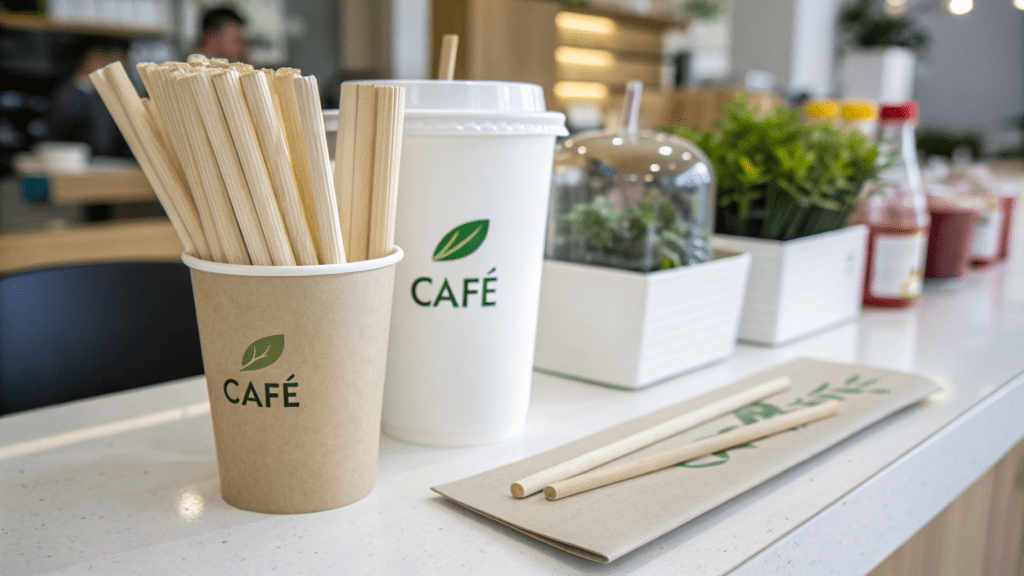
Als Vorreiter bei diesen innovativen Lösungen bieten die Zulieferer enorme Produktionskapazitäten an, von denen einige in der Lage sind, bis zu 500.000 Stück pro Monat zu produzieren und so eine stabile Lieferkette für die globale Nachfrage im Gastgewerbe zu gewährleisten. Diese strategische Beschaffung erfolgt zuverlässigGroßhandelslieferanten für Strohbietet erhebliche Vorteile, einschließlich Mengenrabatten und konsistentem Lagerbestand, wodurch die Beschaffung optimiert wirdNachhaltige Strohhalme für die Gastfreundschaft. Steigern Sie Ihre Marke durchStrohhalme mit individuellem Logo– mit Optionen für Logodruck, individuelle Farben und individuelle Verpackung – unterstreicht Ihr umweltfreundliches Engagement und steigert die Markenbekanntheit. Bei dieser Investition geht es nicht nur um Compliance; es geht um einen messbaren Return on Investment (ROI).
Erwägen Sie reduzierte Abfallentsorgungskosten, eine stärkere Kundenbindung seitens der 74 %, die bereit sind, mehr für nachhaltige Produkte zu zahlen, und einen verbesserten Markenwert bei umweltbewussten Verbrauchern. Große Branchenakteure wie McDonald’s, Wetherspoons und Costa Coffee haben bereits erfolgreich Richtlinien für nachhaltiges Stroh eingeführt und dabei die Machbarkeit und erhebliche positive Auswirkungen auf alle ihre Betriebe bewiesen, insbesondere auf den US-amerikanischen und europäischen Märkten, wo der regulatorische Druck und die Verbrauchernachfrage nach Nachhaltigkeit außergewöhnlich stark sind. Dieser proaktive Wandel ist von entscheidender Bedeutung und steht im Einklang mit umfassenderen nachhaltigen Verpackungstrends in der Kaffeeindustrie, einschließlich der Verwendung kompostierbarer Materialien wie Bagasse und der Förderung wiederverwendbarer Systeme. Um mehr darüber zu erfahren, wie innovative Materialien zu einer Kreislaufwirtschaft beitragen, erkunden Sie Lösungen wie Kaffee gemahlene Strohhalme.
Strategische Beschaffung und individuelles Branding steigern Ihr nachhaltiges Engagement im Gastgewerbe.
Das Wichtigste zum Mitnehmen:Die strategische Beschaffung von Großhandelslieferanten und die Nutzung eines individuellen Brandings für nachhaltige Strohhalme bieten erhebliche Betriebs- und Marketingvorteile für das B2B-Gastgewerbe.
6. Starker Aufruf zum Handeln: Partner für eine nachhaltige Zukunft
Jetzt besteht die Gelegenheit, eine Partnerschaft für eine nachhaltige Zukunft einzugehen. Frühzeitige Einführung von Superior Plastikfreie Strohhalme in Großpackung Solutions positioniert Ihr Unternehmen als Branchenführer in den Bereichen Nachhaltigkeit und kundenorientierte Innovation. Durch diesen strategischen Wandel erzielen Sie betriebliche Effizienz und Kosteneinsparungen durch intelligenten Großeinkauf und die Einführung langlebiger, biologisch abbaubarer Optionen, die den Aufwand für die Abfallbewirtschaftung reduzieren und eine langfristige Vorhersehbarkeit der Lieferkosten gewährleisten. Diese proaktive Haltung stärkt die Markentreue und den Marktanteil erheblich, zieht das wachsende Segment umweltbewusster Verbraucher an und hält sie und differenziert Ihr Angebot in einem hart umkämpften Markt. Berücksichtigen Sie beispielsweise die Vielseitigkeit und die Vorteile für die Umwelt Strohhalme aus Bambusfaser für Cocktails und Mocktails, die gleichermaßen für Heißgetränke geeignet sind.
Sind Sie bereit, Ihren Kaffeeservice zu transformieren und eine Vorreiterrolle im Bereich der nachhaltigen Gastfreundschaft einzunehmen? Entdecken Sie das Optimale hitzebeständige Strohhalme B2B Lösung, die auf Ihre spezifischen betrieblichen Anforderungen zugeschnitten ist. Kontaktieren Sie uns noch heute für eine persönliche Beratung und ein individuelles Angebot für Großlieferungen für Ihr Gastronomie- oder Gastronomieunternehmen. Wir laden Sie ein, ein kostenloses Musterset unserer hochwertigen biologisch abbaubaren und kompostierbaren Kaffeetrinkhalme anzufordern, um deren Qualität aus erster Hand zu erleben. Treffen Sie die kluge, nachhaltige Wahl für Ihr Unternehmen und den Planeten.
Verwandeln Sie noch heute Ihren Kaffeeservice und setzen Sie auf nachhaltige Gastfreundschaft.
Request Your Free Sample Kit & Consultation Today!
Das Wichtigste zum Mitnehmen:Nutzen Sie jetzt nachhaltige Strohlösungen, um betriebliche Effizienz, Kosteneinsparungen und eine stärkere Marktposition als umweltbewusster Branchenführer zu erzielen.
Häufig gestellte Fragen (FAQ)
Warum wirken sich Verbote von Plastikstrohhalmen so stark auf das Gastgewerbe und die Gastronomie aus?
Global plastic bans, particularly in the UK, EU, US, China, and India, are redefining operational norms, making sustainable sourcing a non-negotiable compliance necessity. Non-compliance can lead to fines and brand damage.
What is the ‘soggy straw’ dilemma, and how do advanced alternatives address it?
The ‘soggy straw’ dilemma refers to traditional paper straws degrading quickly in hot beverages like coffee. Advanced alternatives like sugarcane, PHA, and rice straws offer superior heat resistance and durability, preventing sogginess.
How can B2B businesses ensure they are sourcing genuinely eco-friendly straws and avoid ‘greenwashing’?
Diligent sourcing and verifiable certifications are crucial. Look for products free from harmful chemicals like PFAS and BPA, and inquire about their biodegradability and compostability standards.
What are the key benefits of switching to sugarcane straws for coffee service?
Sugarcane straws offer high heat resistance (up to 90°C), are biodegradable and compostable, provide a high potential for custom branding, and are ideal for high-volume cafes and takeout services, enhancing eco-conscious brand image.
Can custom branded straws truly impact customer loyalty and brand recognition?
Yes, custom branded straws reinforce your eco-friendly commitment and enhance brand recognition. A significant 74% of consumers are willing to pay more for sustainable packaging, directly impacting brand perception and customer retention, with businesses reporting up to a 20% increase in loyalty.