Eine umweltfreundlichere Zukunft vorantreiben: Wie Großhändler den Markt für umweltfreundliche Lebensmitteldienstleistungen erobern können
The global foodservice industry stands at a critical juncture, facing unprecedented pressure to embrace sustainability. With U.S. organic sales reaching an estimated $52.0 billion in 2021, accounting for 5.5% of all retail food sales, consumer demand for environmentally responsible options is not just a trend—it’s a strategic imperative. This shift is amplified by the stark reality that food production alone contributes approximately 25% of global greenhouse gas (GHG) emissions, compelling both consumers and institutions to demand greener practices.
Für Beschaffungsmanager, Betriebsleiter, Nachhaltigkeitsbeauftragte und Führungskräfte in der Lieferkette birgt das Ignorieren dieser seismischen Verschiebung erhebliche betriebliche und kommerzielle Risiken. Die Nichteinhaltung sich entwickelnder Umweltvorschriften, die zunehmende Kontrolle der Verbraucher und die spürbaren Auswirkungen des Klimawandels auf die Lieferketten stellen eine direkte Bedrohung für die Rentabilität und Marktrelevanz dar. Umgekehrt sind Großhändler in der einzigartigen Position, die Dreh- und Angelpunkte dieses Übergangs zu sein und umweltbewusste Produzenten mit einem schnell wachsenden Kundenstamm im Gastronomiebereich zu verbinden. Durch die proaktive Integration von Nachhaltigkeit in ihre Kerngeschäfte können Großhändler nicht nur ethische Käufererwartungen erfüllen, sondern sich auch einen entscheidenden Wettbewerbsvorteil verschaffen, den Ruf ihrer Marke verbessern und neue, hochwertige Kunden in einem überfüllten Markt anziehen.
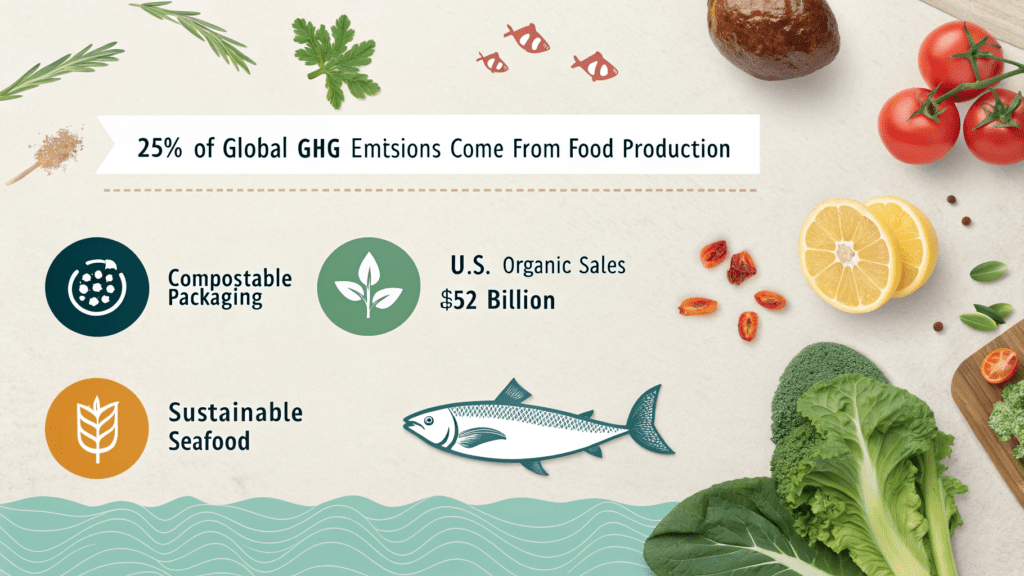
Strategic Sourcing: Cultivating a Greener Product Portfolio for the Eco-Friendly Foodservice Market
Tapping into the eco-friendly foodservice market begins with a robust and transparent sourcing strategy. This involves a meticulous selection of products that meet rigorous environmental and ethical standards, directly addressing the growing demand for sustainable and traceable food.
Prioritizing Certified & Local Products for Market Credibility
Building trust and validating eco-friendly claims requires a commitment to certified products. Partnering with producers adhering to recognized third-party certifications like USDA Organic, der Marine Stewardship Council (MSC) für nachhaltige Meeresfrüchte oder Fair Trade für ethisch einwandfreie Waren liefern nachweisbare Beweise für ökologische und soziale Verantwortung. Bei diesen Zertifizierungen handelt es sich nicht nur um Etiketten; Sie sind die Garantie dafür, dass die Produkte vom Erzeuger bis zum Verbraucher strenge Standards erfüllen, sodass Ihre Gastronomiekunden ihre nachhaltigen Angebote selbstbewusst an ihre eigenen Kunden vermarkten können.
Über Zertifizierungen hinaus ist die Betonung der lokalen Beschaffung ein starkes Unterscheidungsmerkmal. Vertriebspartner mögen Der Common Market, eine gemeinnützige Organisation, verbindet erfolgreich über 300 nachhaltige Familienbetriebe mit Institutionen wie Schulen, Krankenhäusern und Universitäten. This model not only reduces the carbon footprint associated with long-distance transportation but also supports local economies and ensures fresher ingredients. As consumers in 2025 increasingly prefer to understand the origin and sustainability of their food, ensuring supply chain transparency and traceability becomes paramount. This allows you to build trust with foodservice clients by providing detailed information about product origins, farming practices, and environmental impact data.
Diversifying Sustainable Product Categories for Broader Appeal
A comprehensive eco-friendly portfolio extends beyond just organic produce. Wholesalers must offer a diverse selection of products that address various sustainability facets, from plant-based alternatives to innovative packaging.
Curate a broad assortment of quality fresh, natural, organic, and specialty products to align with ethical buyer expectations. This includes expanding into functional foods, plant-based, and alternative protein sourcesDies spiegelt das deutliche Wachstum der „flexitarischen“ Ernährung und das Verbraucherinteresse an Gesundheit und Nachhaltigkeit wider. Zum Beispiel die Das Interesse an pflanzlichen und alternativen Proteinen wird voraussichtlich auch im Jahr 2025 anhalten, was eine erhebliche Marktchance darstellt.
Ein wichtiger Bereich der Diversifizierung sind außerdem nachhaltige Foodservice-Verpackungen. Bieten Sie eine umfassende Auswahl an kompostierbaren, recycelten und wiederverwendbaren Artikeln an, darunter beliebte Marken wie GreenStripe®-Produkte aus erneuerbaren Pflanzenmaterialien und BlueStripe™-Produkte aus recyceltem Post-Consumer-Material, beide angeboten von Eco-Products. Schaffen Sie Innovationen mit nachhaltigen Verpackungslösungen, beispielsweise solchen aus Biobasierte Materialien von Ingeo, die die Abhängigkeit von herkömmlichen Kunststoffen verringern und der wachsenden Nachfrage der Verbraucher nach umweltfreundlichen Verpackungen entsprechen. Bereitstellung von Alternativen wie umweltfreundliche Strohhalme für Restaurants kann Ihren Kunden erheblich dabei helfen, ihre eigenen Nachhaltigkeitsziele zu erreichen und die sich entwickelnden Einwegplastikvorschriften einzuhalten.
Operationalisierung der Nachhaltigkeit: Transformation der Großhandelslogistik mit grüner Logistik
Strategische Beschaffung muss durch nachhaltige Betriebspraktiken ergänzt werden. Grüne Logistik, die sich auf die Minimierung der Umweltauswirkungen von Lieferkettenaktivitäten konzentriert, ist kein Nischenkonzept mehr, sondern ein zentraler Bestandteil eines wettbewerbsfähigen Großhandelsvertriebs.
Optimizing Energy & Fleet Efficiency for Reduced Carbon Footprint
Der betriebliche Fußabdruck eines Großhandelsunternehmens – von der Lagerung bis zur Lieferung – bietet erhebliche Möglichkeiten zur CO2-Reduzierung und Kosteneinsparungen.
Investieren in energieeffiziente Lagerhaltung ist ein grundlegender Schritt. Implementieren Sie Lösungen wie LED-Beleuchtung, intelligente HVAC-Systeme, elektrische Rolltore mit Sensoren, Kunststoffvorhänge und Verdunstungskühler. Diese Technologien minimieren den Energieverbrauch für Kühlung und Beleuchtung erheblich und reduzieren so den gesamten CO2-Ausstoß. Beispielsweise kann die Installation von Solarpaneelen zur Stromversorgung von Lagerhäusern die Abhängigkeit von fossilen Brennstoffen drastisch reduzieren und damit im Einklang mit globalen Nachhaltigkeitszielen stehen, wie sie von großen Unternehmen gesetzt werden.
Die Umstellung der Lieferflotten ist ein weiterer Bereich mit großen Auswirkungen. Auf dem Weg dorthin Elektrofahrzeuge (EVs) oder Biodiesel-Transporter can significantly reduce tailpipe emissions and greenhouse gas output. For refrigerated transport, consider utilizing motorless refrigeration units on trucks and painting refrigerated vehicles white to reflect sunlight, thereby reducing cooling energy requirements. Route optimization software, leveraging AI and IoT, can further reduce fuel consumption and vehicle miles, leading to 10-20% fuel cost savings and lower maintenance. This efficient transportation and temperature control is critical for high-volume, short-shelf-life food products, reducing both environmental impact and operational costs.
Minimizing Waste Across the Supply Chain Through Sustainable Distribution
Food waste is a pressing global issue, with approximately 30-50% of produced food being wasted across the supply chain. Wholesalers have a pivotal role in mitigating this.
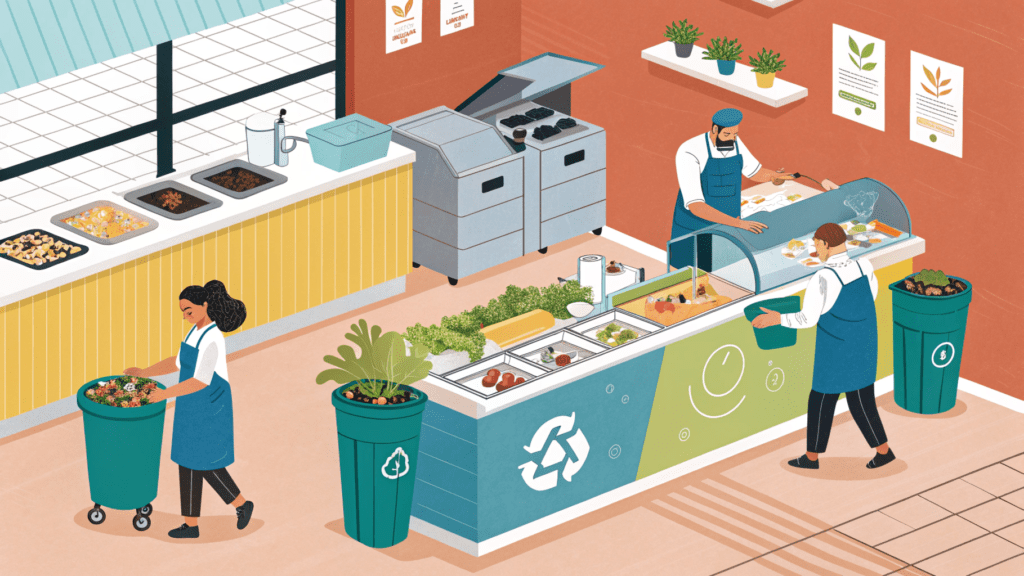
Adopt efficient inventory management and advanced demand forecasting using technology. Accurate data analytics can significantly reduce excess inventory and minimize food waste, helping clients prevent overstocking and spoilage. Beyond prevention, implementing composting and surplus food donation programs diverts edible food from landfills. Resources like the EPA’s Reducing Wasted Food & Packaging Toolkit provide invaluable guidance for commercial and institutional food services on tracking and reducing waste through improved stocking, handling practices, and staff training.
Prioritize recyclable, compostable, and biodegradable packaging solutions for all distributed products. This decreases reliance on landfill-bound plastic and aligns with evolving single-use plastic bans and waste diversion goals. Furthermore, utilize technology for continuous monitoring of storage conditions at wholesale stages to reduce food loss and waste, especially crucial for sensitive, short-shelf-life products.
| Besonderheit | B2B Betriebswirkung | Compliance Note | ROI -Potenzial |
|---|---|---|---|
| Route Optimization | Reduced fuel consumption, fewer vehicle miles. | Aligns with emissions reduction targets (e.g., EU Green Deal). | 10-20% fuel cost savings, lower maintenance. |
| Electric Fleet Transition | Reduced tailpipe emissions, quieter operations. | Future-proofs against tightening emission regulations. | Long-term fuel savings, potential tax incentives. |
| Smart Warehouse Management | Minimized energy use for cooling/lighting, optimized space. | Supports ISO 14001 certification for environmental management. | 15-25% energy cost reduction, improved stock rotation. |
| Compostable Packaging Adoption | Reduced landfill waste, enhanced client appeal. | Meets evolving single-use plastic bans and waste diversion goals. | Reduced waste disposal costs, increased market share. |
Building Bridges: Collaborative Partnerships in the Eco-Friendly Foodservice Market
No single entity can transform the foodservice industry alone. Wholesalers thrive by fostering robust collaborative partnerships across the entire value chain, from farm to fork.
Connecting Farms to Fork: Fostering Regional Food Systems
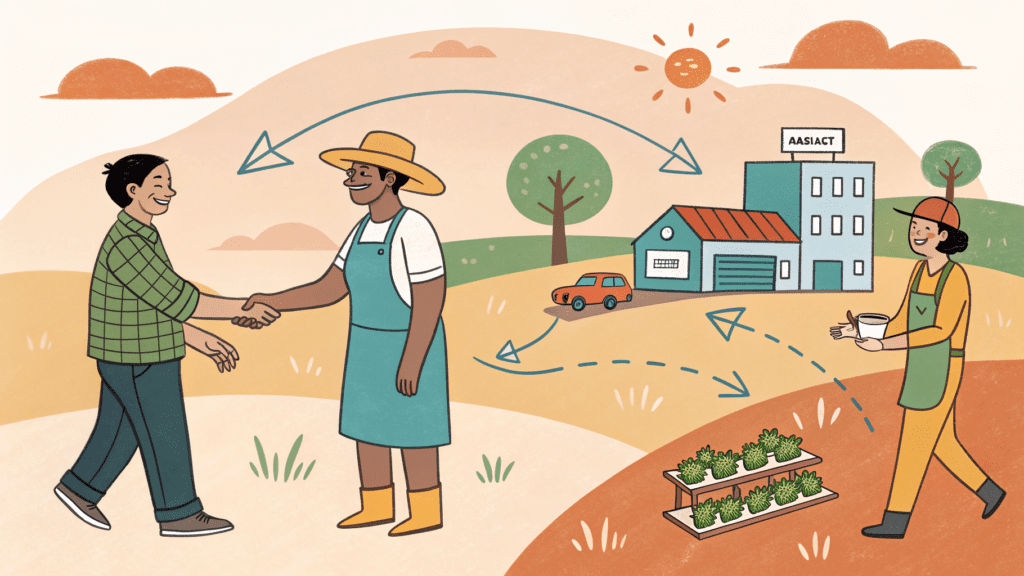
True sustainability in foodservice distribution requires building strong, resilient regional food systems. Mini-Fallstudie: A prime example of this is The Common Market, ein gemeinnütziger regionaler Lebensmittelgroßhändler. Sie haben erfolgreich direkte Verbindungen zwischen über hergestellt 300 nachhaltige Familienbetriebe und große institutionelle Märkte wie Schulen, Krankenhäuser und Universitäten. Durch die Zusammenführung von Produkten mehrerer lokaler Bauernhöfe gewährleistet der Gemeinsame Markt das Volumen und die Konsistenz, die für die Belieferung größerer Kunden erforderlich sind, und überwindet so eine gemeinsame Hürde für einzelne Kleinbauernhöfe. Durch dieses Modell bleiben Lebensmittelgelder in den Gemeinden, was neue Geschäftsmöglichkeiten fördert und die lokale Wirtschaft stärkt. Ähnlich, Paragon Foods demonstriert eine effektive Zusammenarbeit, indem es lokale Landwirte direkt mit Restaurantketten wie Eat’n Park verbindet und so eine konsistente Versorgung mit nachhaltigen Produkten gewährleistet.
These partnerships provide an essential blueprint for wholesalers: actively seeking out and nurturing relationships with local, sustainable producers. This not only reduces transportation emissions but also provides fresh, high-quality ingredients that appeal to a discerning, eco-conscious market.
Leveraging Industry Standards & Initiatives for Collaborative Impact
Beyond individual partnerships, engaging with broader industry initiatives and standards solidifies a wholesaler’s commitment to sustainability and demonstrates leadership.
Actively engage with industry-wide initiatives such as the Courtauld Commitment 2030 in the UK, which aims to reduce food waste, water usage, and greenhouse gas emissions across the food and drink supply chain. Participating in or aligning with frameworks like the Food Waste Reduction Roadmap demonstrates a commitment to collective action and industry-wide improvement.
Promote and prioritize products that carry recognized certifications, such as BPI certified compostable products. Diese Zertifizierungen, die häufig von Branchenverbänden oder Normungsgremien unterstützt werden, gewährleisten den Kunden die Umweltverträglichkeit eines Produkts und stärken Ihre Glaubwürdigkeit und Marktposition. Arbeiten Sie mit allen Ihren Lieferanten zusammen, um gemeinsame Nachhaltigkeitsverpflichtungen in der gesamten Lieferkette umzusetzen. Dieser ganzheitliche Ansatz stellt sicher, dass der Umweltschutz im gesamten Produktlebenszyklus verankert ist, vom Anbau bis zur Auslieferung. Die Unterstützung der Landwirte bei einer wirtschaftlich und ökologisch nachhaltigen Produktion durch starke, gleichberechtigte Beziehungen gewährleistet eine konsistente Versorgung mit hochwertigen, umweltfreundlichen Produkten.
Empowering Clients: Education, Transparency, & Technology for Sustainable Distribution
Your role as a wholesaler in the eco-friendly foodservice market extends beyond just supplying products; it involves empowering your clients to embrace and leverage sustainability themselves.
Educating Foodservice Partners on Green Benefits
Many foodservice operators are keen to go green but may lack the knowledge or resources. Position your company as a valuable partner by providing detailed information on product origins, certifications, and environmental impact data for eco-friendly items. This transparency builds trust and enables your clients to confidently communicate their sustainable choices to their own customers.
Bieten Sie Ihren Kunden Schulungen und Ressourcen zur Integration nachhaltiger Zutaten in ihre Menüs und zur effektiven Vermarktung dieser umweltfreundlichen Optionen an. Zeigen Sie die langfristigen Kosteneinsparungen auf, die mit umweltfreundlichen Praktiken verbunden sind, wie z. B. geringere Abfallentsorgungsgebühren und eine erhöhte Kundenbindung aufgrund eines starken Umweltimages. Erklären Sie beispielsweise den Lebenszyklus und die Vorteile von Zersetzungszeiten von kompostierbarem Stroh kann Kunden über konkrete Umweltauswirkungen aufklären. Helfen Sie ihnen zu verstehen, wie ein Engagement für nachhaltige Praktiken ihre betrieblichen Umweltziele erreichen und bei ihren zunehmend umweltbewussten Gästen Anklang finden kann.
Harnessing Digital Innovation for Supply Chain Transparency & Green Logistics
The future of sustainable foodservice distribution is inextricably linked to technological advancement. Leveraging digital tools offers unparalleled opportunities for efficiency and transparency.
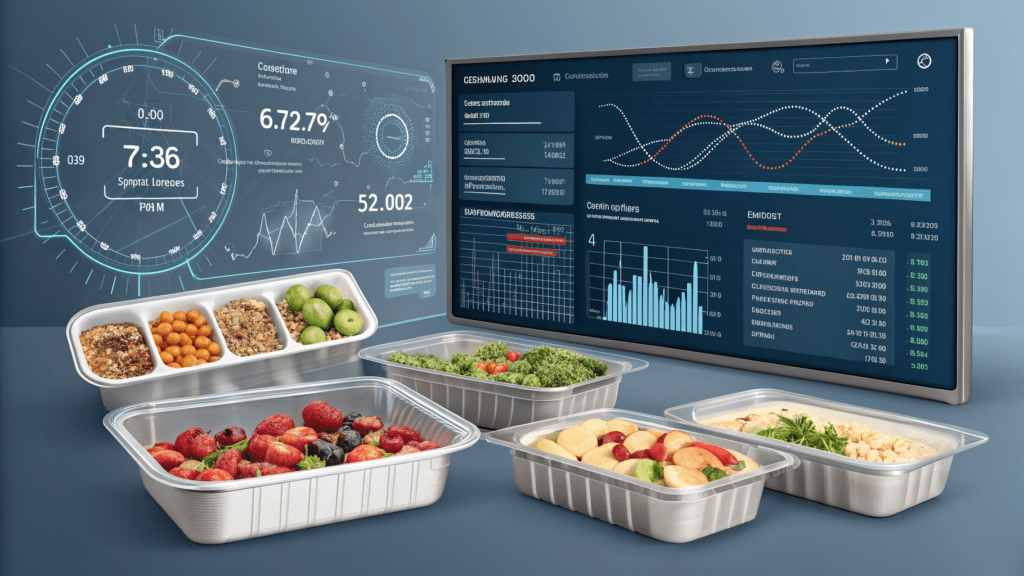
Harness AI and IoT for accurate demand forecasting, improved stock control, and real-time emissions tracking. Academic research in green logistics highlights how these technologies provide deeper insights into the supply chain, helping identify inefficiencies and optimize energy use. Utilizing integrated digital platforms not only allows you to reach a larger customer base but also significantly enhances traceability from farm to fork.
Smart food supply chain platforms can centralize dispersed data, optimizing logistics and ensuring a stable and sustainable food supply. This translates into improved supply chain efficiency, reducing the time between production and delivery for fresher ingredients and less waste. By embracing these innovations, you can offer clients not just products, but a pathway to a more transparent, efficient, and environmentally responsible operation.
The ROI of Green: Tangible Benefits for Wholesalers in the Eco-Friendly Foodservice Market
Embracing the eco-friendly foodservice market is not just an ethical choice; it’s a shrewd business strategy with quantifiable returns on investment. Wholesalers who lead with sustainability gain a distinct competitive edge that translates into significant financial and reputational gains.
Cost Savings & Competitive Advantage: Erzielen Sie erhebliche Kostensenkungen durch unermüdliches Streben nach Energieeffizienz, Abfallminimierung und optimiertem Transport. Reduzierte Stromrechnungen durch energieeffiziente Lager, niedrigere Abfallentsorgungsgebühren und optimierter Kraftstoffverbrauch durch intelligente Logistik wirken sich direkt auf Ihr Endergebnis aus. Diese betriebliche Effizienz verschafft Ihnen einen spürbaren Wettbewerbsvorteil und ermöglicht es Ihnen, wettbewerbsfähige Preise anzubieten und gleichzeitig gesunde Margen aufrechtzuerhalten.
Verbesserter Markenruf: In einer Zeit, in der Verbraucher zunehmend die Auswirkungen auf die Umwelt in ihre Kaufentscheidungen einbeziehen, ist der Nachweis eines nachweisbaren Engagements für den Umweltschutz ein wirkungsvoller Markenbildner. Dadurch werden neue, ethisch orientierte Kunden angezogen und die Kundenbindung bei bestehenden Kunden deutlich erhöht. Ein guter Ruf als nachhaltiger Großhändler hebt Sie in einem überfüllten Markt hervor und schafft guten Ruf.
Erhöhte Belastbarkeit: Building a sustainable supply chain inherently improves business resilience. By diversifying sourcing, optimizing resource use, and reducing waste, you become less vulnerable to supply chain disruptions, resource scarcity, and price volatility. Proactively addressing environmental factors prepares your business for future market shifts and enhances long-term stability.
Einhaltung der Vorschriften: The regulatory landscape surrounding environmental practices is continually evolving, particularly in the US and EU. By proactively meeting evolving environmental regulations and policies—such as single-use plastic bans or emissions reduction targets—you avoid potential penalties, fines, and reputational damage. Adopting sustainable practices positions you as a forward-thinking leader, fostering a positive public image and ensuring long-term market access.
Abschluss
The eco-friendly foodservice market is not merely a trend but a transformative force reshaping the industry’s future. Wholesalers who strategically embrace sustainable sourcing, green logistics, collaborative partnerships, and digital innovation are positioned for significant growth and long-term success. By leading with purpose, you can unlock new revenue streams, strengthen your brand, and contribute to a more sustainable future.
Act now: Partner with eco-conscious suppliers and optimize your operations to capture your share of the rapidly expanding eco-friendly foodservice market. The time to build a resilient, responsible, and profitable wholesale enterprise is today.