Zuckerrohr vs. Bambus – Massenlieferung, individuelles Branding und Großhandelslösungen für B2B-Gastgewerbe und Gastronomie

Überzeugende Einführung in Branchenprobleme
The landscape of hospitality and foodservice is undergoing a profound transformation, driven by an undeniable global imperative: sustainability. Businesses in this sector are no longer merely contending with regulatory shifts, such as the stringent European Union Single-Use Plastics Directive 2021 or California’s AB 1276, but are facing escalating consumer demand for environmentally responsible practices. Non-compliance with expanding plastic bans, from India’s Plastic Waste Management Rules to China’s “Plastic Ban,” now carries significant financial penalties and irreversible reputational damage. Ignoring this shift means more than just avoiding fines; it means losing market share. The global biodegradable tableware market is projected to soar from USD 21.4 billion in 2025 to USD 41.4 billion by 2034, a robust 7.6% CAGR (Grand View Research). This clearly indicates that consumers are willing to pay a premium for eco-friendly choices. For B2B operators, this is not just about compliance, but about strategic competitive advantage, directly impacting profitability and long-term viability. Businesses failing to adapt risk supply chain disruptions, increased waste management costs, and alienation of a rapidly growing eco-conscious customer base.
Sustainability is no longer optional; it’s a critical driver for profitability and competitive advantage in hospitality and foodservice.
Market & Regulation Insights (EU, US, Asia-Pacific)
Navigating the complex web of global plastic regulations is paramount for B2B hospitality and foodservice businesses. Compliance is not just about avoiding penalties; it’s about securing market access and building consumer trust.

| Regulation Name & Date | Scope & Banned Items | Compliance-Anforderungen für Strohhalme | Durchsetzungsstrafen |
|---|---|---|---|
| Einwegkunststoffrichtlinie 2021 der Europäischen Union | Bans single-use plastic cutlery, plates, straws, cotton bud sticks, beverage stirrers, balloon sticks. | Plastic straws banned. Alternatives like sugarcane, bamboo, or paper straws are compliant. | Varies by member state; includes fines, product recalls, and market access restrictions. |
| California AB 1276 (2022) | Full-service restaurants can only provide single-use plastic straws upon request. | Plastic straws are restricted. Businesses encouraged to offer non-plastic alternatives. | Fines for non-compliance, starting at $25 per day, up to $300 annually. |
| India’s Plastic Waste Management Rules (2022 Amendment) | Bans specific single-use plastic items including straws, cutlery, plates, cups. | Plastic straws banned. Businesses must use certified compostable or biodegradable alternatives. | Fines, environmental compensation, and potential business closure for repeat offenders. |
| Chinas „Plastikverbot“ (stufenweise von 2020 bis 2025) | Stufenweises Verbot von Einwegkunststoffen, einschließlich nicht abbaubarer Strohhalme, in der Gastronomie bis Ende 2020. | Nicht abbaubare Plastikstrohhalme verboten. Es sind biologisch abbaubare Alternativen gefragt. | Bußgelder und öffentliche Beschämung für Unternehmen, die sich nicht an die Vorschriften halten. |
Durch weltweite Vorschriften wird der Einsatz von Einwegkunststoffen rasch abgeschafft, wodurch konforme, nachhaltige Alternativen für die Marktfähigkeit unerlässlich werden.
Solution: Sugarcane & Bamboo Straws
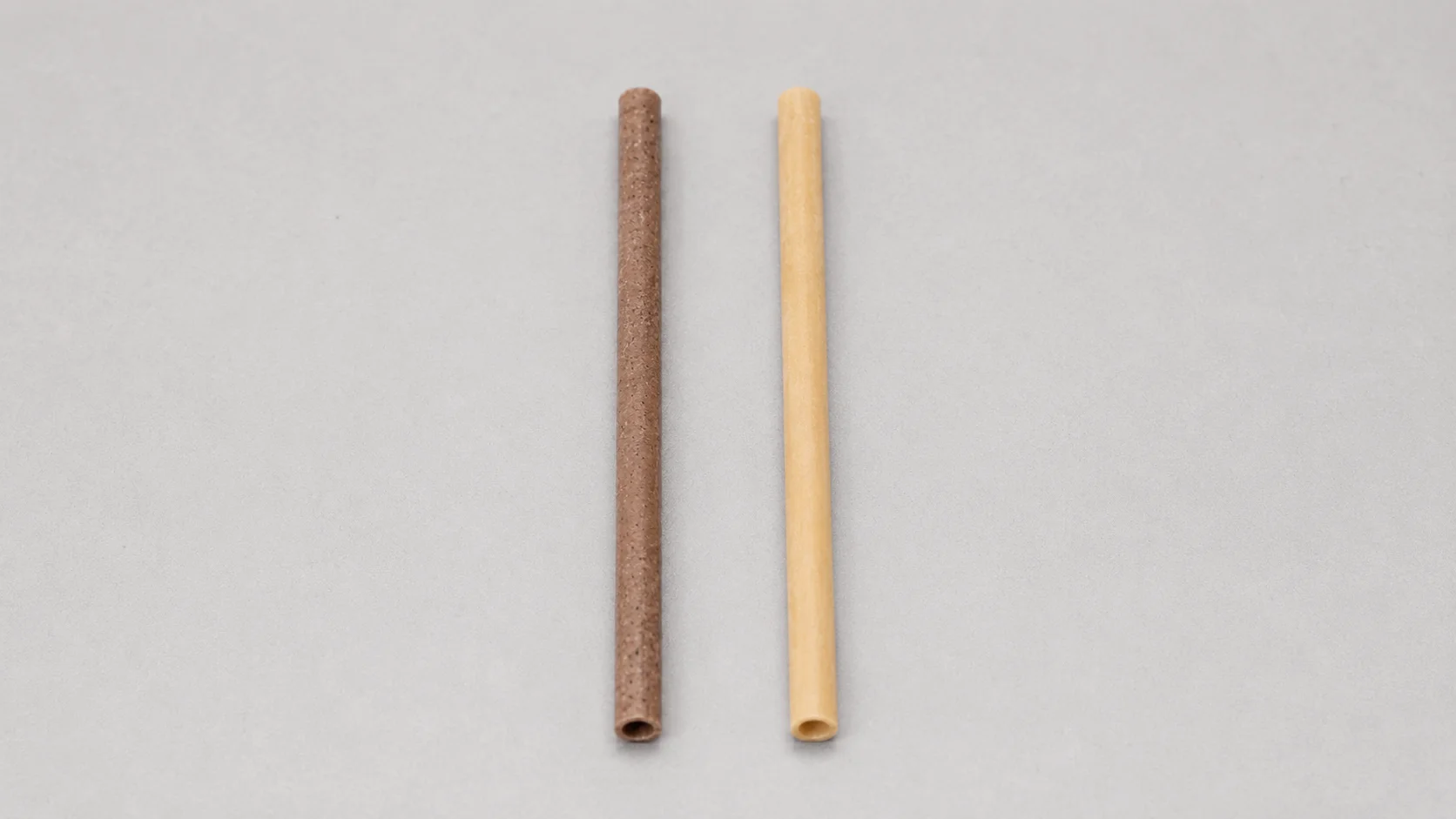
To navigate this evolving market, leading businesses are turning to innovative, plant-based materials like sugarcane bagasse and bamboo. Choosing the optimal sustainable material for your B2B operations involves a strategic consideration of specific product requirements, desired aesthetic, durability expectations, and budget. Often, a hybrid approach yields the most balanced solution for comprehensive sustainable sourcing.
Sugarcane Bagasse Straws: The Waste-to-Value Champion
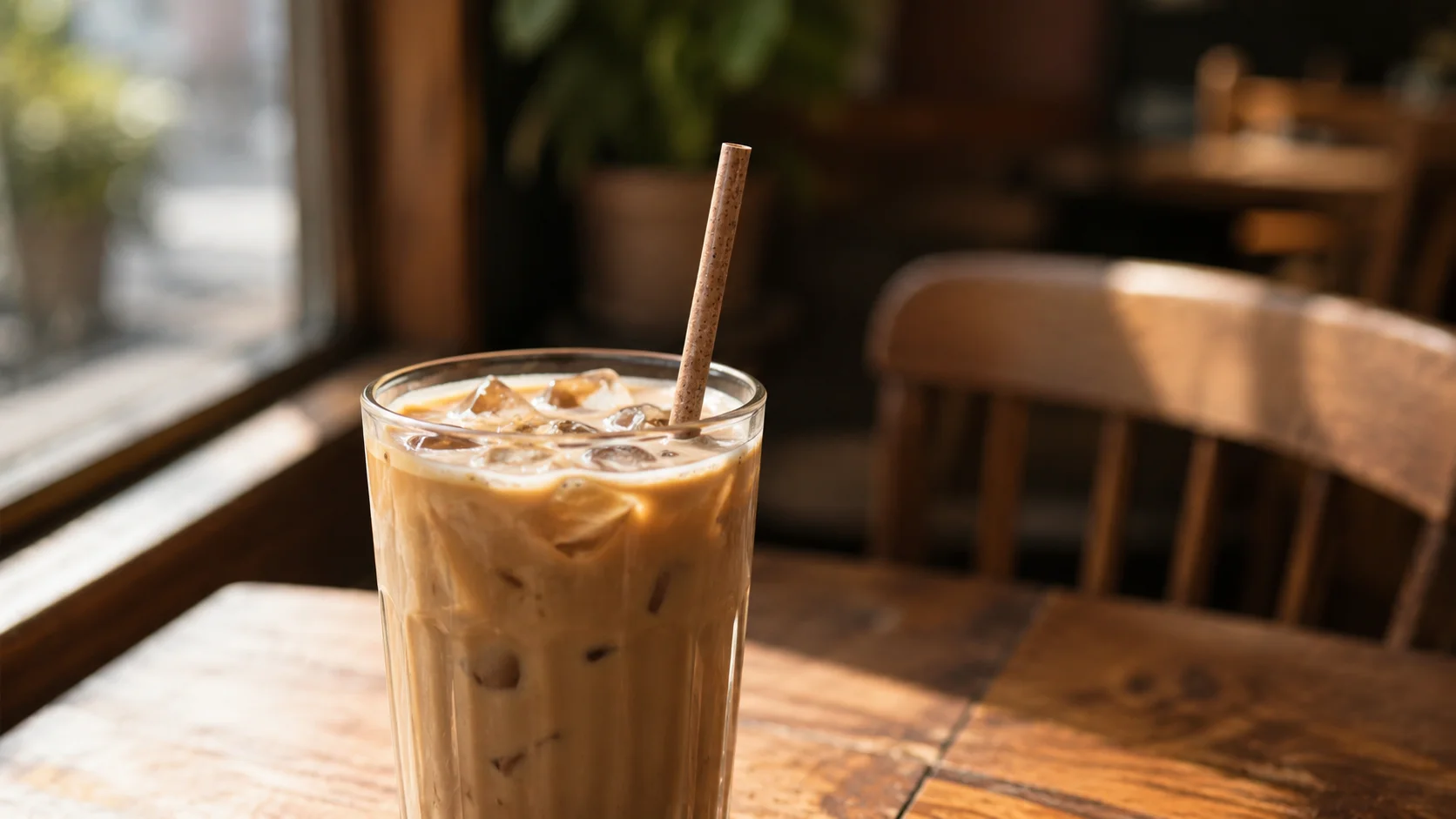
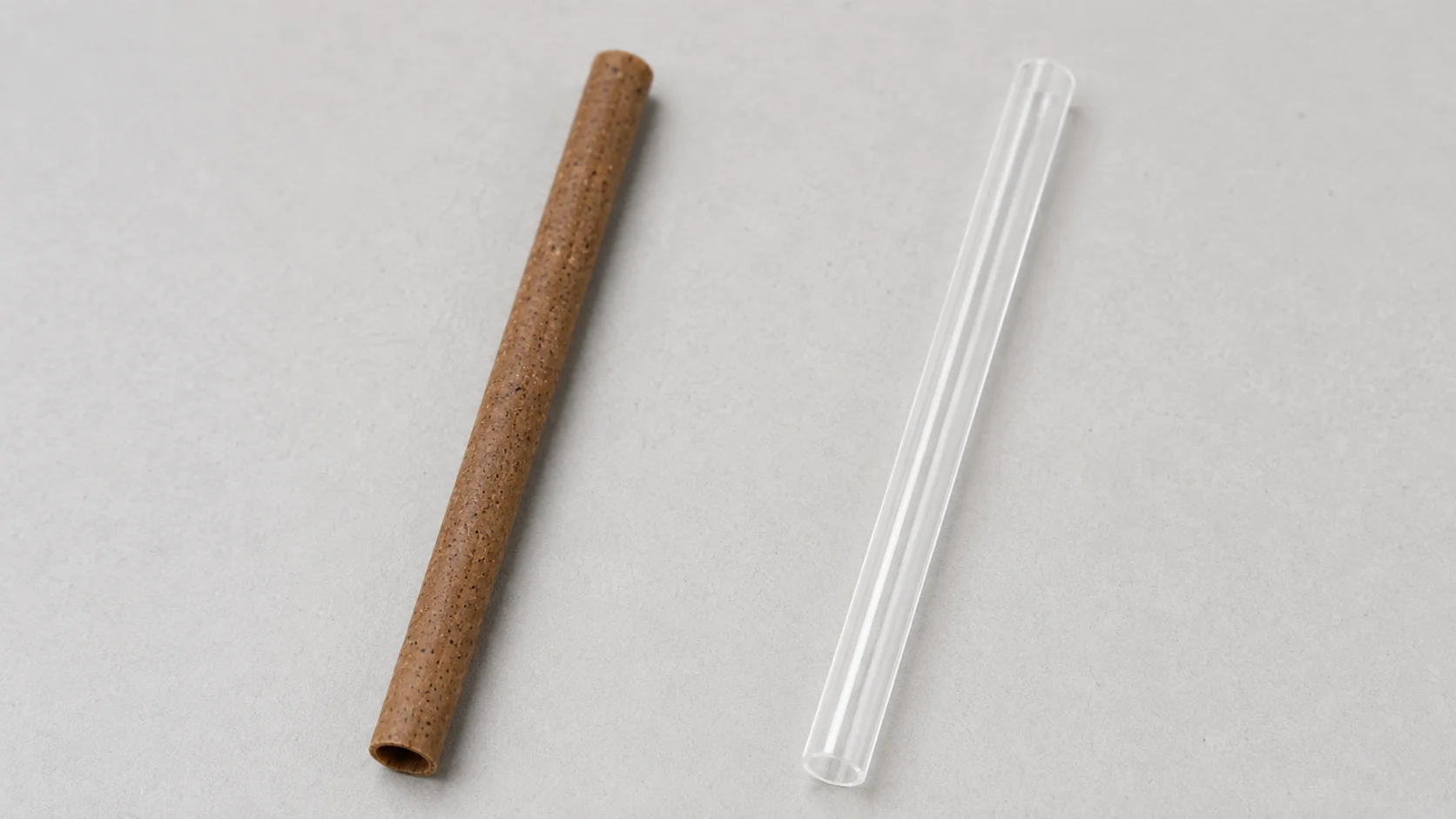
Sugarcane bagasse straws are eco-friendly alternatives made from the fibrous byproduct of sugar production.
This upcycling drastically reduces landfill burden and offers an economically viable, high-volume supply solution, driving significant cost-efficiency for large-scale operations. Beyond its origins, bagasse tableware excels in high-demand environments. It boasts exceptional strength, durability, and resistance to both hot and cold foods, withstanding temperatures from -18°C to +180°C. This makes it ideal for diverse culinary applications, remaining sturdy and leak-resistant even with moist or oily contents. For a deeper dive into how this material can benefit your operations, explore thebusiness benefits of sugarcane straws. The smooth surface of bagasse products also lends itself perfectly to custom branding, including food-safe coloring, logo printing, and embossed designs, with manufacturers offering OEM/ODM services for tailored sizes and packaging, effectively reinforcing brand identity at scale. As a rapidly renewable byproduct, bagasse also has a significantly lower carbon footprint than traditional paper or plastic. It is highly biodegradable and compostable, breaking down naturally within 1-6 months in composting facilities, often faster than bamboo for disposable items. Learn more about thesustainability advantages of sugarcane straws.
- Kosteneinsparungen: Up to 15% reduction in waste disposal costs due to compostability.
- Pannengeschwindigkeit: Decomposes naturally within 1-6 months in composting facilities.
- Compliance-Passform: Fully compliant with major global single-use plastic bans (e.g., European Union Single-Use Plastics Directive 2021).
- Brand Image: Potential for a 10-20% improvement in customer satisfaction scores for eco-conscious brands.
Bamboo Straws: The Eco-Luxury Choice
Als Ergänzung zu Zuckerrohr-Bagasse bietet Bambus eine weitere überzeugende nachhaltige Lösung, die oft das Öko-Luxus-Erlebnis steigert. Als schnell wachsendes Gras regeneriert sich Bambus schnell, ohne dass eine Neupflanzung erforderlich ist, was ihn zu einer unglaublich nachhaltigen Ressource macht. Seine hohe Zugfestigkeit und Steifigkeit führen zu langlebigeren Produkten, die sich für hochwertige Einwegartikel oder sogar potenziell wiederverwendbare Optionen eignen. Bambus eignet sich zwar hervorragend für robustes Besteck und Lebensmittelbehälter, seine Haltbarkeit und natürliche Ästhetik geht jedoch weit über die traditionelle Gastronomie hinaus und findet Anwendung in Hotelannehmlichkeiten wie Zahnbürsten, Kämmen und sogar Textilien und verbessert das Gesamterlebnis der Gäste mit einer eleganten, nachhaltigen Note. Erwägen Sie die Erkundung innovativer Lösungen auf Bambusbasisbiegsame Strohhalme aus Bambusfaser. Bamboo products offer sophisticated custom branding options through laser engraving or eco-ink printing, allowing for unique shapes and finishes. Its inherent natural look aligns seamlessly with a high-end, eco-luxury brand positioning. Furthermore, bamboo’s significant carbon sequestration capabilities and minimal input requirements (pesticides, fertilizers) contribute to its eco-friendliness, while its natural antimicrobial properties add an extra layer of food safety, particularly beneficial for foodservice applications.

ROI Comparison: Sugarcane vs. Alternatives
| Strohtyp | Cost (per unit, indicative) | Lifespan (in drink) | Einhaltung | Kundenzufriedenheit |
|---|---|---|---|---|
| Plastik | Niedrig | Excellent (hours) | Non-compliant in many regions | Low (negative environmental perception) |
| Papier | Medium | Poor (minutes, can get soggy) | Generally compliant | Mixed (soggy experience) |
| PLA (Polymilchsäure) | Mittelhoch | Good (hours) | Compliant if industrially composted | Good (looks like plastic, but eco-friendly) |
| Zuckerrohr-Bagasse | Medium | Excellent (hours, sturdy) | Fully compliant, widely accepted | High (natural feel, eco-positive) |
| Bambus | Hoch | Excellent (hours, very sturdy) | Fully compliant, premium feel | Very High (eco-luxury, reusable potential) |
Sugarcane and bamboo offer superior performance and compliance, enhancing brand image and reducing long-term environmental costs.
Industry Misconceptions & Clarifications
Dispelling common myths about sustainable materials is crucial for informed procurement decisions. Misinformation can lead to costly mistakes and undermine sustainability efforts.
- Myth 1: “PLA (Polylactic Acid) is fully compostable everywhere.”
Fact: While PLA is industrially compostable, it requires specific conditions (high heat, humidity) found only in commercial composting facilities. It does not break down in home composts or landfills, and can contaminate recycling streams if not properly sorted. Always verify local composting infrastructure. - Myth 2: “Paper straws are always the most sustainable option.”
Fact: Paper straws often require a plastic or wax lining to prevent sogginess, making them difficult to recycle or compost. Their production can also be resource-intensive. Sugarcane and bamboo alternatives often have a lower overall environmental footprint due to their natural composition and rapid biodegradability. - Myth 3: “Sustainable products are always significantly more expensive.”
Fact: While initial unit costs might sometimes be higher, the long-term ROI of sustainable products includes reduced waste disposal fees, enhanced brand reputation, increased customer loyalty, and avoidance of non-compliance penalties. The global biodegradable tableware market’s growth indicates increasing affordability and scale.
Understanding the nuances of sustainable materials is vital to avoid greenwashing and ensure genuine environmental impact.
B2B Customization & Supply Chain Optimization
Optimizing your supply chain for sustainable products like sugarcane and bamboo straws involves strategic planning for bulk procurement, customization, and inventory management. This ensures seamless integration into your existing operations.
- MOQ-Bereiche:
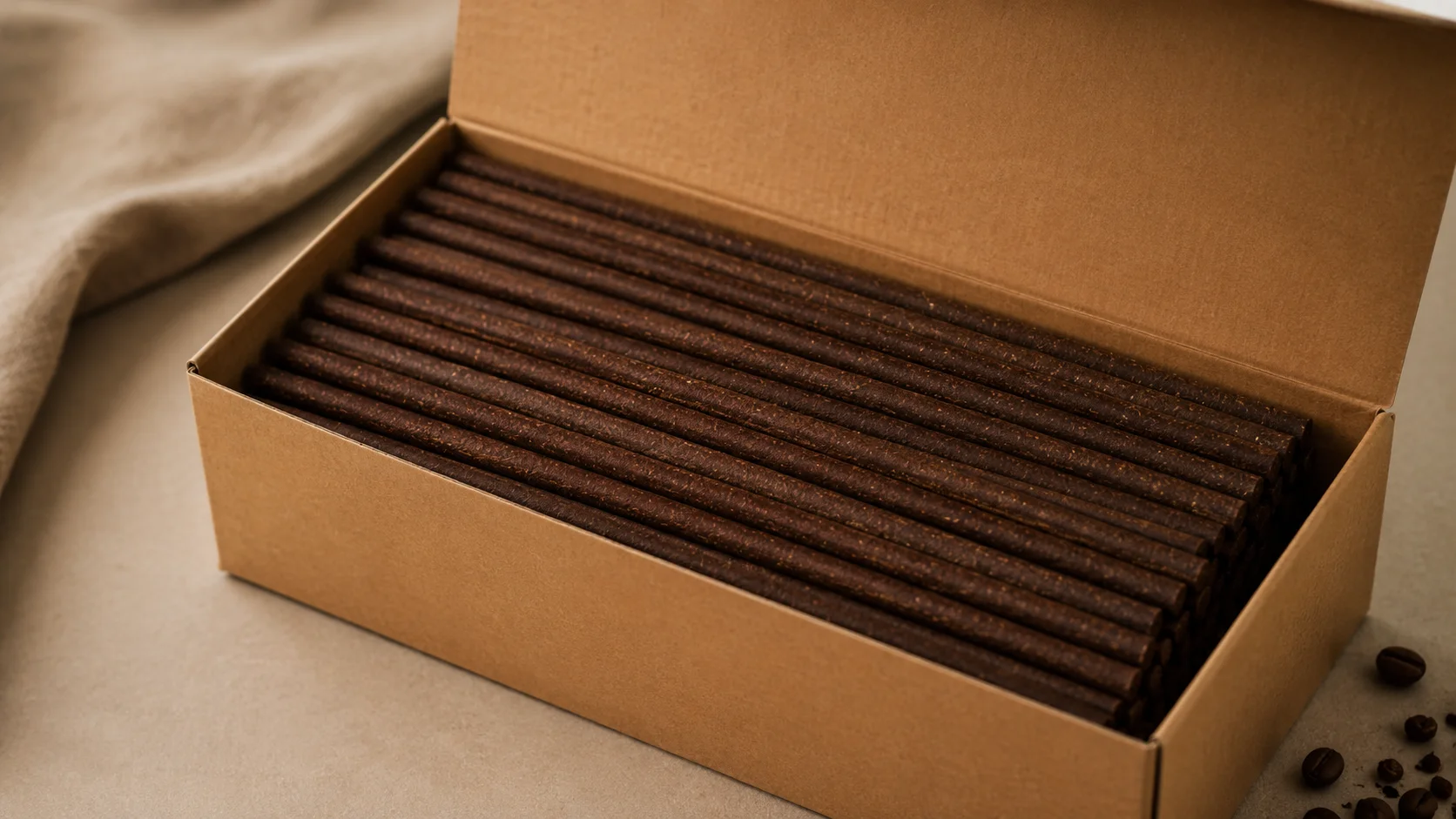
- Small to Medium Buyers: Minimum Order Quantities (MOQ) typically range from 50,000 to 100,000 units for standard sizes.
- Enterprise Buyers: For large-scale operations, MOQs can be negotiated for 500,000+ units, often with significant volume discounts.
- Branding-Optionen:
- Drucken: Food-safe ink printing for logos, slogans, or custom designs directly on straws or individual wrappers.
- Verpackung: Custom packaging options including branded boxes, bulk bags, or individually wrapped straws.
- Anpassung von Durchmesser/Länge: Tailored straw dimensions (e.g., cocktail, standard, boba) to fit specific beverage needs.
- Embossing/Engraving: For bamboo, laser engraving offers a premium, tactile branding experience.
- Lead Times & Bulk Shipping:
- Standard Orders: Typically 4-6 weeks from order confirmation to delivery, depending on customization.
- Bulk Shipping: Optimized container shipping (FCL/LCL) to reduce freight costs and carbon footprint.
- Expedited Options: Available for urgent needs, though at a higher cost.
- Tipps zur Bestandsverwaltung:
- Forecasting: Utilize historical data and seasonal trends to accurately forecast demand and avoid stockouts.
- Buffer Stock: Maintain a small buffer stock to mitigate unexpected supply chain disruptions.
- Supplier Relationships: Foster strong relationships with reliable suppliers for consistent quality and timely delivery.
- Storage: Store in cool, dry conditions away from direct sunlight to maintain product integrity.
Durch die strategische Beschaffung und Individualisierung nachhaltiger Strohhalme können die Markenpräsenz und die betriebliche Effizienz deutlich gesteigert werden.

Machen Sie Ihren Betrieb zukunftssicher
Future-proofing your operations means seizing the sustainable advantage. The global biodegradable tableware market is projected for substantial growth, with sugarcane bagasse maintaining a dominant share (38.4% in 2025) and bamboo seeing a surge in “eco-luxury” applications, particularly in Europe and North America where environmental consciousness is high. Early adoption of these materials positions your business as a leader in environmental stewardship, capturing a significant portion of this expanding market. Investing in sustainable bulk supply solutions translates into tangible business benefits: reduced waste disposal costs, enhanced brand reputation attracting eco-conscious consumers (who often pay a premium), and streamlined compliance with evolving global regulations, minimizing fines and legal risks. For deeper market insights, reports from leading research firms like Grand View Research often provide detailed forecasts. Diversifying your sourcing with plant-based materials like sugarcane bagasse and bamboo also reduces reliance on volatile traditional plastic markets, building supply chain resilience, mitigating price fluctuations, and ensuring uninterrupted operations. This is a critical factor for B2B continuity in an unpredictable global economy. Real-world successes abound: major fast-food chains like McDonald’s and Starbucks have integrated bagasse packaging, while premium hospitality brands leverage bamboo for amenities, demonstrating the operational viability and significant brand uplift achievable through strategic sustainable sourcing. The Foodservice Packaging Institute (FPI) offers resources and connections between establishments and packaging manufacturers, highlighting industry best practices. Globally, many governments, particularly in the EU and Asia, are implementing stricter regulations against single-use plastics, driving the demand for materials like sugarcane and bamboo. For example, India’s Plastic Waste Management Rules are significantly propelling demand for bagasse in food delivery, making it a rapidly growing market. More information on global plastic policies can be found on reputable environmental news sites like The Guardian.
Der Einsatz von Zuckerrohr- und Bambuslösungen stärkt die Widerstandsfähigkeit der Lieferkette und positioniert Ihr Unternehmen als Vorreiter im Bereich Nachhaltigkeit.
Starker Aufruf zum Handeln mit messbaren Ergebnissen
Sind Sie bereit für den Übergang zu leistungsstarken, umweltfreundlichen Einwegartikeln für die Gastronomie und das Gastgewerbe? Entdecken Sie, wie maßgeschneiderte Zuckerrohr-Bagasse- und Bambusprodukte Ihren ökologischen Fußabdruck erheblich reduzieren, Ihr Markenimage verbessern und die Einhaltung gesetzlicher Vorschriften gewährleisten können. Wenn Sie den Wechsel vornehmen, können Sie damit rechnenReduzieren Sie den Strohabfall um 80 %UndVerbessern Sie die Kundenzufriedenheit um 15 %bei umweltbewussten Verbrauchern.
Fordern Sie ein Angebot für Großbestellungen an
Ergreifen Sie jetzt Maßnahmen, um Abfall zu reduzieren, das Markenimage zu stärken und die Einhaltung nachhaltiger Strohlösungen sicherzustellen.
Frequently Asked Questions (FAQ) on Sugarcane & Bamboo Straws
1. Are sugarcane straws legal in the European Union?
Yes. Sugarcane straws are fully compliant with the EU’s Single-Use Plastics Directive (Directive (EU) 2019/904), as they contain no conventional plastics, PLA, or petroleum-based additives. This makes them a safe and future-proof choice for hospitality and foodservice operators serving EU markets.
2. How do sugarcane straws compare to paper straws in terms of durability?
Sugarcane straws maintain their structure for 2–3 hours in iced drinks and up to 90°C in hot beverages, with no sogginess or collapse. Paper straws, by contrast, typically last 30–60 minutes before softening, which can negatively affect drink quality and customer satisfaction.
3. Can bamboo straws be reused?
Yes. Bamboo straws are naturally strong and can be reused multiple times with proper cleaning. However, they require more intensive hygiene protocols in B2B settings, and some foodservice operators prefer single-use sugarcane straws to meet safety and convenience requirements.
4. What are the MOQ (Minimum Order Quantity) ranges for bulk sugarcane straw orders?
MOMOIO offers flexible MOQs depending on customization:
- Standard bulk orders: from 50,000–100,000 pieces.
- Custom-printed or branded straws: from 300,000 pieces.
This ensures scalable supply solutions for small boutique cafes to large hotel chains.
5. Are sugarcane and bamboo products truly biodegradable and compostable?
Yes. Both sugarcane and bamboo straws are 100% plant-based Und Zuhause kompostierbar. Sugarcane straws naturally break down within 12–16 months in home compost or landfill conditions without producing microplastics. Bamboo straws also biodegrade naturally but may require more time depending on thickness and disposal conditions.