La Strategia Imperativo: Kial Biodiserigeblaj Trinktuboj Redifinas Trinkaĵservon
In the current business landscape, environmental responsibility is no longer a niche concern but a core strategic pillar for forward-thinking organizations. The escalating global crisis of plastic pollution, with millions of metric tons of plastic entering our oceans annually, demands urgent attention. Single-use plastic straws contribute a significant portion to this environmental burden, raising alarm bells for consumers and regulators alike. Businesses, particularly in the foodservice and hospitality sectors, are navigating a rapidly evolving regulatory landscape, marked by stringent measures like the EU’s comprehensive single-use plastic ban and localized restrictions in areas such as Malibu, Seattle, and across the United Kingdom. For procurement managers, operations directors, and sustainability officers, this presents a dual challenge: how to balance environmental stewardship with operational efficiency and cost-effectiveness while mitigating the legal and financial risks associated with non-compliance. Ignoring this shift is no longer an option; it’s a strategic misstep that can lead to public backlash, regulatory fines, and a damaged brand reputation. Understanding the full scope of alternatives is crucial, and a comprehensive approach to sourcing non-plastic drinking straws is essential for any B2B enterprise. For a detailed guide on navigating these changes, explore ourNe-Plastaj Trinkpajloj B2B Gvidilo.
Beyond simply avoiding penalties, embracing sustainable alternatives unlocks significant market opportunities. Consumer preferences have decisively shifted, with a growing segment actively seeking out and rewarding businesses that demonstrate genuine environmental responsibility. This isn’t just a trend; it’s a powerful driver of brand loyalty and public perception. The market reflects this shift: the global eco-friendly straws market, estimated at approximately USD 12.3 billion in 2025, is projected to reach nearly USD 25.1 billion by 2035, exhibiting a robust compound annual growth rate (CAGR) of 7.3%. Some projections are even more aggressive, with the overall biodegradable straw market potentially skyrocketing to nearly USD 250 billion by 2033. This robust demand signals a clear path for businesses to differentiate themselves, enhance brand value, and secure a competitive edge by adopting sustainable solutions like biodegradable drinking tubes.

Beyond the Buzzwords: Understanding the True Potential of Eco-Friendly Straws
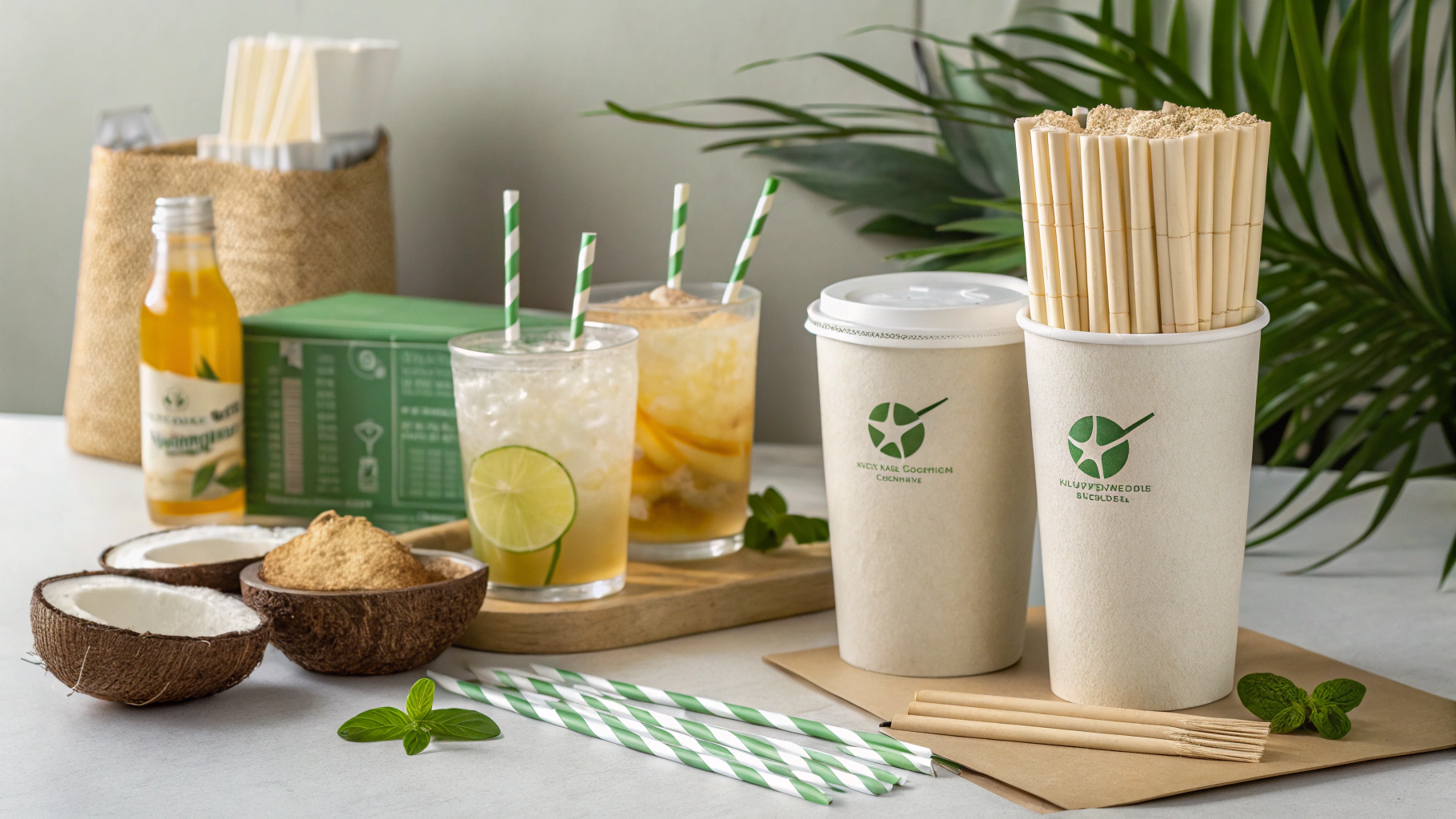
The journey towards sustainable beverage service often begins with understanding the diverse spectrum of materials available for biodegradable drinking tubes. From the resurgence of paper to advanced bioplastics, each material presents unique characteristics and performance profiles. Common options include:
- Papero:Widely adopted, but historically criticized for sogginess and taste alteration.
- Polilaktika acido (PLA):A bioplastic derived from fermented plant starches (like corn), mimicking traditional plastic but requiring industrial composting.
- Bambuo:Natural, reusable, and sturdy, though cleaning can be a factor.
- Wheat:Made from wheat stalks, offering a natural and biodegradable option.
- Rice:Edible and gaining traction for its unique qualities.
- Bagazo de Sukerkano:A fibrous byproduct that can be home-compostable and withstand higher temperatures.
- Polihidroksialcanoato (PHA):A cutting-edge biopolymer that offers a plastic-like feel and true biodegradability in various environments, including marine water and soil.
The evolution of these materials, from early paper straw limitations to the promise of advanced biopolymers, is continuous. Key industry players are investing heavily in innovative materials, sustainable sourcing, and advanced manufacturing to enhance performance and consistency. To dive deeper into the science behind these innovations, refer to our guide onMaterialoj Reformas la Pajlan Industrion por B2B.
Tamen, la vojo al daŭripovo ne estas sen siaj malfacilaĵoj. Fruaj ripetoj de biodiserigeblaj pajleroj, precipe papero, ofte mankis al uzantosperto, iĝante malsekaj rapide aŭ ŝanĝante trinkaĵguston. PLA-pajloj, kvankam bioplastaj, povas esti fragilaj kaj postulas specifajn industriajn kompoŝtajn kondiĉojn (ĉirkaŭ 60 °C dum ĝis 10 tagoj) por rompi efike, kritika punkto ofte miskomprenita. Se ne konvene forigita en industriaj kompoŝtaj instalaĵoj, PLA povas konduti tre kiel konvencia plasto en rubodeponejoj, malkonstruante en mikroplastojn kaj eble liberigante damaĝajn kemiaĵojn. Ĉi tiu malegaleco inter merkataj asertoj kaj faktaj degradaj vojoj kontribuas al zorgoj pri "verda lavado", kie produktoj ŝajnas pli ekologiaj ol ili vere estas.
Eble la plej alarma diskutado estas la malkovro de per- kaj polifluoroalkil-substancoj (PFAS), konataj kiel "eterne kemiaĵoj", en multaj paperaj kaj bambuaj pajloj. Esplorado en Eŭropo en 2023 trovis PFAS en 90% de testitaj paperpajloj. Ĉi tiuj persistaj kemiaĵoj akumuliĝas en la medio kaj estis ligitaj al diversaj sanproblemoj, grave subfosante la ekologiajn asertojn de tuŝitaj produktoj. Ĉi tio elstarigas la kritikan bezonon de entreprenoj ekzameni provizantajn asertojn kaj postuli travideblecon pri materiala konsisto kaj veraj degradaj profiloj.

Pionira Agado: La Sekva Generacio de Daŭrigeblaj Solvoj
La estonteco de daŭrigebla trinkservo kuŝas en avangardaj novigoj, kiuj traktas pasintajn limojn. Altnivelaj biopolimeroj kiel PHA gvidas la akuzon, ofertante veran biodiserigeblan solvon, kiu imitas la senton kaj agadon de tradicia plasto dum efike malkonstruas en diversaj medioj, inkluzive de mara akvo kaj grundo. Esploristoj ankaŭ esploras novajn materialojn kiel ekzemple markonko-bazitaj plastoj (POC-CC), kiuj integras kalcian karbonaton de markonkoj kun biodiserigeblaj polimeroj, ofertante fortikaj, oceanamikaj, kaj biokongruaj alternativoj kiuj ne enkondukas damaĝajn mikroplastojn. Sukcesoj en tegaĵoj, kiel ekzemple polibutilensuccinato (PBS) kun celulozaj nanokristaloj, revolucias paperpajlerojn, igante ilin pli akvorezistaj, daŭremaj, kaj, grave, PFAS-liberaj. Ĉi tiuj progresoj certigas superan uzantan sperton, venkante la malsekajn kaj fragilecajn problemojn, kiuj turmentis pli fruajn biodiserigeblajn elektojn.
For procurement and sustainability leaders, making an informed material selection is paramount. Here’s a comparative analysis to guide your decision-making:
| Feature / Benefit | Tradiciaj Plastaj Pajloj | Conventional Biodegradable (e.g., Standard Paper/PLA) | Advanced Biodegradable (e.g., PHA, Sugarcane, Coated Paper without PFAS) |
|---|---|---|---|
| Media Efiko | High (pollution, microplastics, slow decomposition) | Moderate (variable decomposition, industrial composting often needed) | Low (true biodegradability in various environments, reduced microplastics) |
| Uzanto-Sperto | High (durability, no taste alteration) | Variable (sogginess, taste alteration, brittleness) | High (mimics plastic, enhanced durability, no taste alteration) |
| Chemical Safety (PFAS) | Not applicable | Potential presence of PFAS | Explicitly PFAS-free, non-toxic formulations |
| Reguliga Konformeco | High risk of non-compliance/fines | Modera (dependas de specifaj regularoj kaj forigo) | Alta (proaktiva observo, estonteca) |
| Marka Percepto | Negativa (malmoderna, ekologie nerespondeca) | Miksita (pozitiva intenco, sed agado-problemoj notitaj) | Tre Pozitiva (noviga, respondeca, merkatgvidanto) |
| Kosto (Komenca) | Plej malalta | Modera | Pli alta (sed kompensita per longperspektivaj avantaĝoj) |
Investing in truly biodegradable solutions, such as those made from PHA or advanced sugarcane bagasse, aligns perfectly with stringent corporate sustainability goals and offers a significant competitive advantage. These materials represent not just a compliance measure, but a commitment to a greener future that resonates deeply with consumers. For instance, a 2023 McKinsey & Company survey revealed that 50% of U.S. consumers are willing to pay more for products with sustainable packaging, a sentiment echoed by a 2024 survey in Vietnam where 57.4% expressed similar willingness if the premium is reasonable. This willingness to pay translates directly into enhanced brand value and customer loyalty.
Beyond the immediate bottom line, transitioning to advanced biodegradable tubes offers substantial operational benefits. It streamlines waste management, reduces exposure to future regulatory penalties, and enhances supply chain resilience by reducing reliance on petroleum-based products. Being an early adopter in this rapidly expanding market, projected to reach USD 217.54 billion by 2032 for the global beverage packaging market, allows businesses to secure a leadership position in sustainable beverage service. Choosing the right supplier is paramount in this process; our guide onHow to Choose a Compostable Straw Distributoroffers practical advice.

Kaptu la Daŭrigebla Avantaĝo: Via Vojo Antaŭen
The choice of drinking tube is no longer a minor operational detail; it is a critical brand statement and a strategic investment in your business’s future. Embracing advanced biodegradable options allows your business to meet evolving consumer expectations, ensure robust regulatory compliance, and proactively contribute to a healthier planet. This strategic shift presents an unparalleled opportunity for market leadership and differentiation in the competitive global beverage industry. Leading companies are increasingly recognizing the value of truly compostable and biodegradable solutions that go beyond simple “eco-friendly” claims, moving towards materials with demonstrated environmental benefits, like the faster-degrading bioplastics being developed by institutions such as the Woods Hole Oceanographic Institute (WHOI). You can learn more about such innovations atEurekAlert!. The global biodegradable straw market’s significant growth, with projections to nearly double from $22 billion in 2021 to almost $50 billion by 2025, and then skyrocket to nearly $250 billion by 2033, underscores this imperative. Detailed market insights are available from reputable sources likeVerified Market Research.
It’s time to move beyond conventional alternatives and explore the latest innovations in truly biodegradable and PFAS-free drinking tubes.
See Our Responsive Design in Action
Toggle between device views to experience how our content adapts seamlessly to different screen sizes, ensuring optimal readability and user experience on any device.Mobile ViewTablet ViewDesktop View
Drive Innovation, Enhance Brand Value.
Ready to elevate your sustainability strategy? Request a personalized consultation with our sustainability experts to assess your current needs and discover advanced biodegradable solutions tailored to your operational demands and sustainability goals.Request Consultation
Partner for a Greener Future.
Download our comprehensive guide: “Navigating the New Era of Sustainable Beverage Service: A Buyer’s Guide to Advanced Biodegradable Tubes,” for in-depth insights into material science, regulatory compliance, and supplier selection.