In an era defined by escalating environmental consciousness, businesses across the hospitality and foodservice sectors are confronting unprecedented pressure to pivot towards truly sustainable practices. The global exodus from single-use plastics isn’t merely a fleeting trend; it represents a fundamental operational realignment and a critical challenge to brand reputation. As procurement managers, operations directors, sustainability officers, and supply chain executives navigate this complex landscape, the search for viable, eco-friendly alternatives intensifies. Among the numerous contenders, bamboo straws have emerged as a prominent choice, often lauded for their natural origins. Yet, a pivotal question persists for decision-makers grappling with long-term strategy:Do bamboo straws truly decompose, and what are the precise implications for your enterprise’s environmental footprint and bottom line?This deep dive will dissect the scientific realities, dynamic market forces, and crucial operational considerations surrounding bamboo straws, equipping your business with the insights needed to make informed, high-impact, eco-conscious decisions.
The stakes are considerable. The 2015 viral video of a plastic straw extracted from a sea turtle’s nostril ignited a global reckoning, underscoring the severe ecological damage wrought by single-use plastics. This public outcry rapidly translated into concrete legislative action. Cities like Seattle led the charge, implementing the first major U.S. plastic straw ban in July 2018, followed by widespread adoption of “straw upon request” policies (e.g., California in 2019) and comprehensive bans, such as the European Union’s directive on single-use plastics, effective July 2021. Major corporations, including Starbucks and McDonald’s, responded by committing to eliminate plastic straws from global operations by 2020. Ignoring these shifts risks not only regulatory penalties and fines but also significant reputational damage, alienating an increasingly eco-aware customer base and potentially forfeiting crucial market share.
La Malpakado de Biodegradebleco: Kio Okazas al Bambuaj Pajloj Post-Uzo?
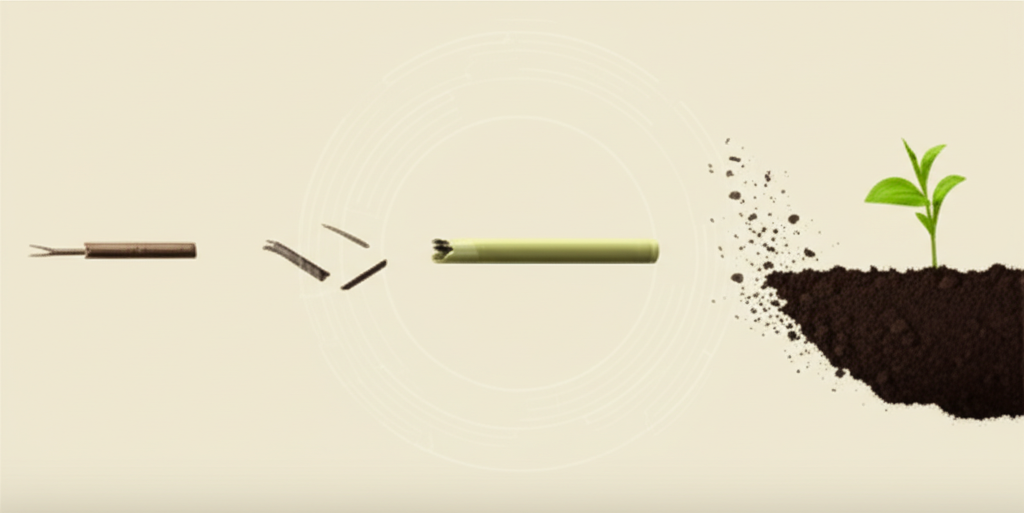
Kompreni la malkomponan vojon de bambuaj pajloj ne estas nur media kuriozaĵo; ĝi estas fundamenta imperativo por iu ajn komerco kompromitita al aŭtentaj malŝparo-redukto kaj cirkulekonomiaj principoj. Male al siaj sintezaj ekvivalentoj, kiuj povas daŭri jarcentojn, bambuaj pajloj estas esence naturaj, faritaj el 100% biodiserigeblaj materialoj. Ĉi tiu eneca kvalito permesas al ili reveni al la tero sen kontribui al konstanta mikroplasta poluado aŭ lasi damaĝajn kemiajn restaĵojn.
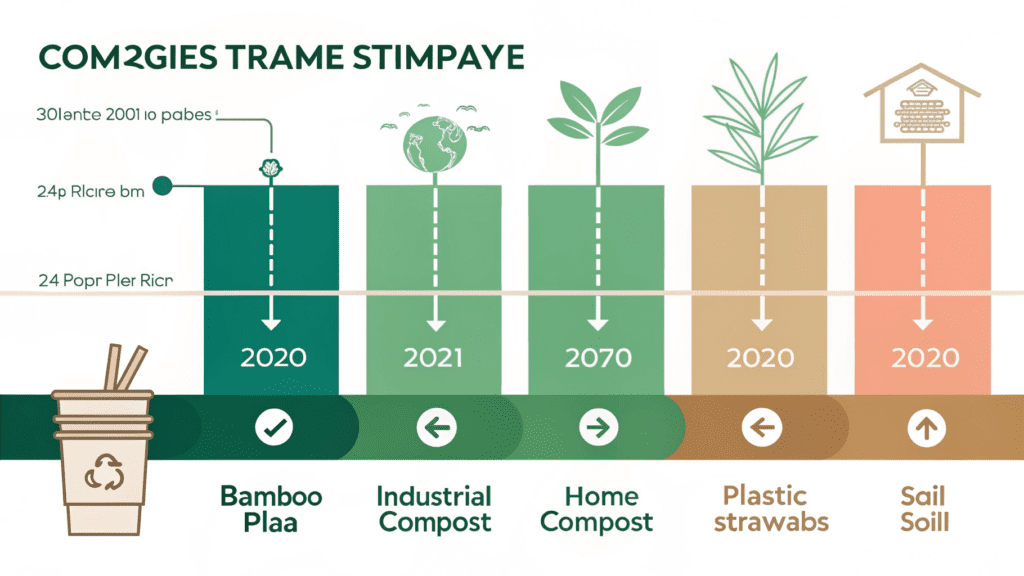
La rapideco kaj efikeco de bambua pajlo-rompiĝo dependas, tamen, de pluraj kritikaj medifaktoroj. Ilia dikeco, denseco, kaj la ĉirkaŭaj kondiĉoj - kiel ekzemple ĉirkaŭa temperaturo, humidecniveloj, kaj la mikroba kunmetaĵo de la grundo - ĉiuj ludas signifan rolon. Ĝenerale, en optimuma industria kompoŝta instalaĵo, kie kondiĉoj estas precize kontrolitaj por varmo, humido, kaj aktiva mikroba vivo, bambuaj pajloj povas putriĝi rapide, ofte ene de malpli ol 5 monatoj (tipe 45 ĝis 180 tagoj). Por entreprenoj kun aliro al tiaj instalaĵoj, ĉi tio ofertas klaran kaj mezureblan vojon al malŝparo distraĵo.
En malpli kontrolitaj medioj, la malkompona tempokadro etendiĝas. En hejma kompoŝtoujo, kie kondiĉoj estas malpli unuformaj, bambuaj pajloj kutime daŭras proksimume 1,5 ĝis 2 jarojn por rompiĝi. Kiam simple entombigita en grundo, precipe en humidaj klimatoj, netraktita, morta bambuo povas putriĝi en proksimume 1 jaro. Entute, kiam forigita en naturaj medioj aŭ ĝeneralaj rubfluoj kiuj permesas iun biologian agadon, la procezo povas varii de pluraj monatoj ĝis ĝis 2 jaroj. Esence, rekta sunlumo, intima kontakto kun grundo kaj konsekvenca humideco signife akcelas ĉi tiun naturan disrompan procezon, transformante la materialon reen en ĝiajn bazajn organikajn komponantojn.
La komercaj avantaĝoj de akcepti vere malkomponeblajn alternativojn kiel bambuo estas multfacetaj kaj ampleksaj:
- Reduced Landfill Burden: By opting for materials that naturally return to the earth, businesses directly contribute to lowering their operational waste volume and lessening dependence on overburdened landfills. This translates into potential cost savings on waste management and a tangible reduction in environmental impact.
- Compliance with Evolving Regulations: Proactive adoption of biodegradable solutions positions your business ahead of the regulatory curve. As governments globally continue to implement and tighten single-use plastic bans, using genuinely decomposable products ensures compliance, mitigates legal risks, and avoids costly penalties.
- Enhanced Brand Image and Market Positioning: Demonstrating a tangible commitment to sustainability resonates powerfully with today’s eco-conscious consumers and corporate clients. Integrating bamboo straws into your operations provides a visible, actionable statement of environmental stewardship, enhancing brand perception, attracting new customers, and strengthening loyalty. This commitment aligns with broader trends towards responsible consumption and can significantly uplift your brand’s value in a competitive market. For a deeper dive into the broader implications for the hospitality sector, explore how sustainable straw choices, including bamboo, compare against other options at Sugarcane vs. Bamboo Straws: Sustainable Hospitality.
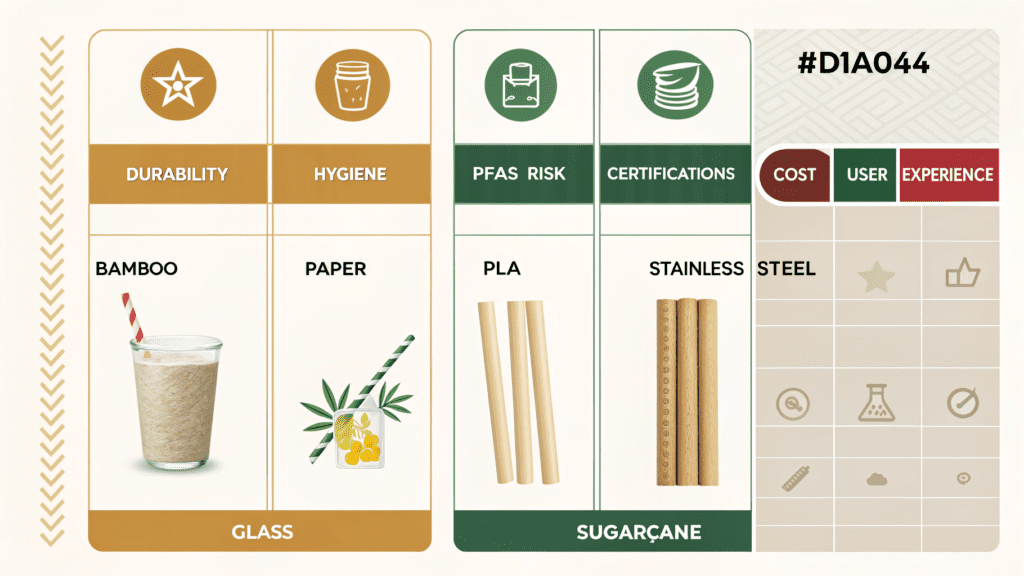
Strategic Comparison: Evaluating Bamboo Straws Against the Alternatives
The decision to adopt a specific straw alternative extends far beyond mere biodegradability. For procurement managers and operations directors, a comprehensive evaluation must encompass factors such as cost-efficiency, product durability, hygiene standards, and the overall customer experience. A critical comparative analysis is essential to inform strategic purchasing decisions that align with both sustainability goals and operational realities.
Comparative Analysis of Straw Materials
- Plastic Straws:
- Malkomponiĝo: A staggering environmental liability, taking up to 200 years to break down. Their degradation pathway leads to pervasive microplastic pollution, a growing global health concern.
- Business Impact: Face widespread bans and significant negative public perception. Continued use poses high environmental liability, reputational risk, and potential regulatory fines.
- Paperaj Pajloj:
- Malkomponiĝo: Generally biodegradable, breaking down in 2-6 weeks.
- Business Impact: Prone to getting soggy quickly, compromising user experience. A significant recent controversy highlights that many brands contain PFAS “forever chemicals,” which do not decompose and raise serious health and environmental concerns. This inconsistency in safety and user experience makes them a mixed choice for businesses.
- Metal (Stainless Steel) Straws:
- Malkomponiĝo: Non-biodegradable; however, they are highly recyclable.
- Business Impact: Designed for extensive reusability and exceptional durability, making them a long-term investment. They generally do not contain PFAS. However, they require rigorous cleaning protocols (often special brushes), can be costly upfront, and pose safety concerns such as choking hazards or heat conduction with hot beverages.
- Glass Straws:
- Malkomponiĝo: Non-biodegradable but recyclable.
- Business Impact: Highly reusable and aesthetically pleasing, offering a premium feel. However, they are fragile, posing breakage risks and potential injury. Cleaning can be challenging, and their initial cost is high.
- Sugarcane & Grass Straws:
- Malkomponiĝo: Highly biodegradable, decomposing in less than 3 months.
- Business Impact: Reprezentu promesplenan emerĝantan kategorion kun bonega biodegradebleco. Ili ofertas naturan senton sed povas alfronti defiojn ligitajn al produkta konsistenco kaj havebleco dum ili akiras merkatan tiradon. Por kompreni kiel ili amasiĝas kontraŭ bambuo, vidu nian detalan komparon ĉe Daŭrigeblaj Pajloj: Sukerkano kontraŭ Bambuo por Gastamo.
- Rizaj Pajloj:
- Malkomponiĝo: Biodiserigebla, tipe putriĝanta en 1-3 monatoj.
- Business Impact: Plene biodiserigebla kaj ofte manĝebla. Tamen, ili povas moliĝi en trinkaĵoj, precipe varmaj, kaj havas limigitan reuzeblecon, igante ilin ĉefe unuuza elekto.
Decida Matrico: Ŝlosilaj Konsideroj por Komerca Akiro
| Karakterizaĵo / Pajla Tipo | Bambuo | Plasto | Papero | Metalo | Vitro | Sukerkano/Herbo |
|---|---|---|---|---|---|---|
| Biodegradebleco | Alta | Tre Malalta | Alta | Neniu | Neniu | Alta |
| Decomp. Tempo | Monatoj-2Y | 200Y+ | Semajnoj | N/A | N/A | <3 Months |
| Reuzebleco | Monatoj-Jaroj | Unuopa Uzo | Unuopa Uzo | Jaroj | Jaroj | Unuopa Uzo/Limigita |
| PFAS Risko | Alta (kelkaj markoj estis pozitivaj) | Neniu | Alta (kelkaj markoj estis pozitivaj) | Neniu | Neniu | Malalta/Nekonata |
| Higiena Defio | Meza (pora, postulas diligentan purigadon) | Malalta | Malalta | Meza (postulas peniko) | Malalta | Malalta/Meza |
| Kosto (unuo) | Meza | Malalta | Malalta | Alta (komenca) | Alta (komenca) | Meza |
| Fortikeco | Bona (rezistas malsekecon, povas fendiĝi) | Alta | Malalta (malsekega) | Alta | Meza (malforta) | Bona (povas moligi) |
| Uzanto-Sperto | Natura sento, povas doni iometan lignecan guston | Fleksebla, sengusta | Sogs facile, sen gusto | Malmola, sen gusto, povas konduki varmegon | Klara, sen gusto, eleganta | Natura sento, povas moligi |
| B2B Reputacio | Alta (ekologia percepto) | Negativo (media paria) | Miksita (malsekeco, zorgoj pri PFAS) | Pozitiva (daŭra, premio) | Pozitiva (eleganta, reuzebla) | Pozitiva (noviga, ekologia) |
Navigante la Pejzaĝon: Esencaj Industriaj Scioj por B2B Gvidantoj
La bambua pajla merkato ne estas senmova; ĝi estas rapide evoluanta segmento ene de la pli larĝa daŭrigebla pakumindustrio, prezentante kaj grandegajn ŝancojn kaj nuancajn defiojn por entreprenoj serĉantaj integri efikajn, respondecajn solvojn. Resti flank-al-flanke pri merkattrajektorio, teknologiaj novigoj kaj evoluantaj plenumaj normoj estas plej grava por B2B-gvidantoj.
Merkata Trajektorio kaj Kreskaj Ŝancoj
The global bamboo straw market is experiencing exponential growth, reflecting a significant shift in consumer and corporate priorities. Valued at approximately USD 175 million in 2023, projections indicate a robust expansion, potentially reaching around USD 490 million by 2032, demonstrating a Compound Annual Growth Rate (CAGR) of about 12%. More ambitious forecasts suggest the market could even surpass USD 7.7 billion by 2034, driven by a consistent CAGR of 5.0% from 2024.
Ĉi tiu impona kresko estas fundamente impulsata de kreskanta media konscio inter konsumantoj tutmonde kaj la proliferado de striktaj registaraj regularoj. La ampleksa unuuza malpermeso de plasto de EU, kunligita kun similaj politikoj kaj iniciatoj tra multaj usonaj ŝtatoj kaj urboj, kreas reguligan imperacion por entreprenoj serĉi alternativojn. Ĉi tiu reguliga premo, kombinita kun forta prefero de konsumanto por ekologiaj produktoj, igas bambuajn pajlerojn elekto por la manĝservo, gastamo (inkluzive de hoteloj, feriejoj, restoracioj kaj kafejoj), kaj podetalaj sektoroj - ĉiuj identigitaj kiel ĉefaj kresksegmentoj. Dum Azio-Pacifiko nuntempe havas la plej grandan merkatparton pro sia establita produktinfrastrukturo, Nordameriko kaj Eŭropo atestas signifajn adoptoprocentojn, nutritajn de siaj fortikaj reguligaj kadroj kaj tre ekologie koncernaj konsumantbazoj.
Innovations Driving Performance and Consistency
The bamboo straw industry is not resting on its natural laurels; it’s undergoing continuous innovation to address previous limitations and enhance product viability for commercial use.
- Enhanced Durability and Consistency: Advances in harvesting and processing techniques are leading to higher quality, more durable bamboo straws that resist cracking, splintering, and premature softening. Manufacturers are increasingly focused on achieving greater consistency in length and diameter, which is crucial for operational efficiency in commercial settings where uniformity matters for dispensing and user experience.
- Cost-Effective Production: Research-backed methods are democratizing access to high-quality bamboo straws. Researchers from the International Centre for Bamboo and Rattan (ICBR) in China, for example, have pioneered a method for producing biodegradable bamboo straws by winding ultra-thin slices of Moso bamboo. These innovative straws boast superior mechanical properties, including high tensile strength, exceptional flexibility, and remarkable resistance to breakage. Crucially, their production cost is estimated at a remarkably low 0.014 yuan (approximately US $0.002) per straw, making them highly competitive against other biodegradable alternatives.
- Novel Features: The future of bamboo straws could even integrate circular economy principles at their core. Some visionary developments include seed-embedded straws, designed to be planted after use, promoting new plant growth and offering a truly regenerative end-of-life solution.
Compliance and Certifications: Ensuring Trust and Safety
For B2B procurement, certifications are not just badges; they are non-negotiable proof of product quality, safety, and genuine sustainability claims. In a market where “greenwashing” can be a concern, validated certifications empower businesses to make confident, responsible choices.
- Food Safety Certifications: Always prioritize suppliers who can provide proof of food safety compliance, such as FDA (U.S. Food and Drug Administration), LFGB (German Food and Feed Code), or SGS (Société Générale de Surveillance) certifications. These confirm that the straws are safe for beverage contact and free from harmful substances.
- Biodegradability & Compostability: To ensure products genuinely break down as claimed, look for certifications like ASTM D6400 (U.S.), ASTM D6868 (U.S.), EN 13432 (European), BPI (Biodegradable Products Institute), and ABA SEEDLING (Australasian Bioplastics Association). These certifications guarantee that the straws will decompose within specified timeframes under industrial composting conditions without leaving toxic residues.
- Sustainable Sourcing: The Forest Stewardship Council (FSC) certification is vital. It verifies that the bamboo used is harvested from responsibly managed forests, promoting biodiversity, supporting local communities, and preventing deforestation.
- Biobased Content: The USDA BioPreferred Program certifies products for their biobased composition, indicating they are derived from renewable agricultural or marine resources. A high biobased content (e.g., 100%) signifies a strong commitment to renewable materials.
- PFAS-Free Verification: This is a crucial and evolving area. A significant controversy arose from an August 2023 study published in Manĝaĵaj Aldonaĵoj kaj Malpurigaĵoj, which found that 80% of tested bamboo straw brands contained PFAS (“forever chemicals”). These persistent chemicals are linked to various health issues and environmental contamination. Businesses must prioritize suppliers who proactively test and provide explicit certification that their bamboo straws are PFAS-free. This directly addresses health concerns and ensures the integrity of your sustainability claims. Learn more about the potential disadvantages of bamboo straws in commercial settings, including hygiene and PFAS concerns, at Bamboo Straw Disadvantages in Hospitality & Foodservice.
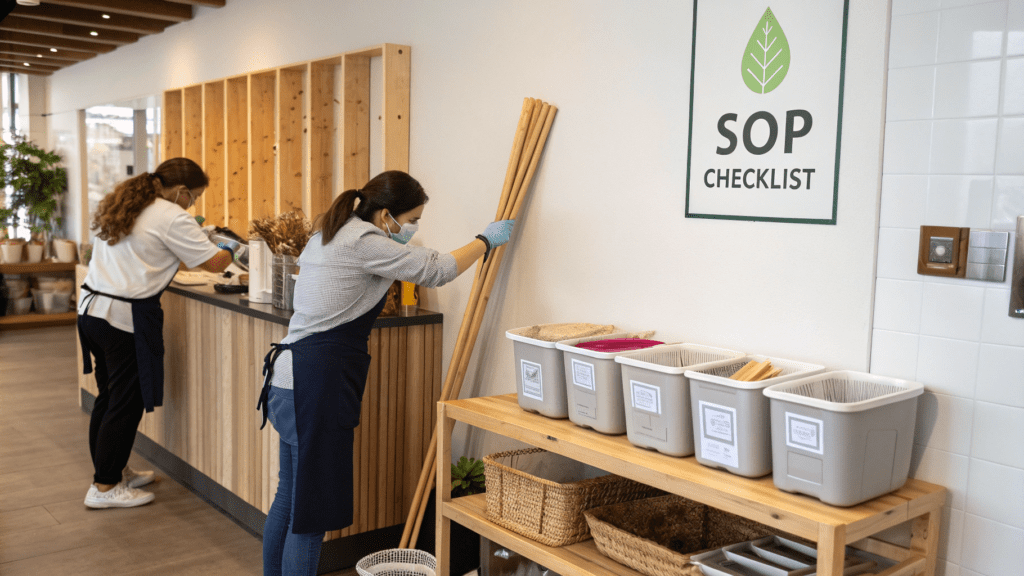
- Higienaj Protokoloj: While bamboo possesses natural antibacterial properties due to “bamboo kun,” its porous nature demands rigorous cleaning for reusable applications. For commercial settings, especially high-volume ones, ensuring thorough and consistent cleaning to prevent mold and bacterial growth can be challenging. Businesses should clarify supplier guidance on sanitation and consider if single-use certified compostable bamboo straws are a more practical solution where reususability poses operational hurdles.
Addressing the Hurdles: Hygiene, Lifespan, and Cost Realities
While the benefits of bamboo straws are compelling, a pragmatic approach necessitates acknowledging and addressing the operational hurdles:
- Hygiene Challenges: The porous and fibrous structure of bamboo can absorb liquids and organic residues. If not meticulously cleaned with specialized brushes and thoroughly dried after each use, bamboo straws can become breeding grounds for mold and bacteria. This poses a significant hygiene concern, particularly for commercial operations, often making reusable bamboo straws impractical for high-volume foodservice, where single-use compostable options are preferred. The German Federal Institute for Risk Assessment (BfR) advises against multi-use straws if thorough cleaning cannot be guaranteed.
- Lifespan Expectations: While more durable than paper, bamboo straws generally have a shorter operational lifespan compared to robust alternatives like metal or glass. With proper care, they can last “several months to a year.” Frequent use, especially with hot liquids, can accelerate degradation, leading to cracking, splintering, or softening, necessitating more frequent replacements than fully rigid reusable options.
- Initial Cost: Bamboo straws typically carry a higher per-unit cost than traditional disposable plastic straws due to the labor-intensive crafting process and treatment. However, this initial investment must be weighed against the significant long-term environmental benefits, enhanced brand perception, and potential avoidance of regulatory non-compliance costs. The declining cost of innovative production methods, as evidenced by the ICBR research, suggests future price competitiveness.
Pioneering Sustainable Practices: Your Next Steps
Brakumi bambuajn pajlojn signifas pli ol nur produktan ŝaltilon; ĝi enkorpigas palpeblan, antaŭrigardan engaĝiĝon al media administrado kaj funkcia plejboneco. Ĉi tiu strategia elekto resonas profunde kun ĉiam pli ekokonscia konsumanto kaj plifortigas la kernvalorojn de via entrepreno, poziciigante vin kiel gvidanto en daŭrigeblaj komercaj praktikoj. Vere komprenante iliajn malkomponajn vojojn, kritike komparante ilin kontraŭ spektro de alternativoj kaj utiligante la dinamikajn industriajn komprenojn detaligitajn supre, via komerco povas strategie integri ĉi tiun potencan daŭrigeblan solvon.
Por optimumigi vian transiron, taksu viajn specifajn funkciajn bezonojn. Por alt-volumaj, rapidaj medioj, atestitaj unu-uzaj kompoŝteblaj bambuaj pajloj ofertas praktikan kaj konforman solvon. Por manĝaj spertoj aŭ scenaroj, kie reuzebleco estas vere realigebla, esploru altkvalitajn, daŭrajn reuzeblajn opciojn, certigante fortikajn internajn purigadprotokolojn en la loko. Antaŭ ĉio, partneru kun provizantoj, kiuj ofertas ampleksajn atestojn, inkluzive de kontrolebla senpaga statuso de PFAS, por garantii kaj aŭtentan median integrecon kaj neŝanceleblan sekurecon de konsumantoj.
Faru la definitivan paŝon al pli verda, pli rezistema estonteco por via komerco. Esplorumomoio.com’sextensive range of certified bamboo and other cutting-edge sustainable packaging solutions, meticulously curated and designed for the demands of the modern enterprise. By making informed choices today, your business can mitigate regulatory risks, reduce operational waste by up to 30% annually, uplift brand value by appealing to the estimated 70% of consumers willing to pay more for sustainable brands, and seize a significant share in the rapidly expanding green market.
Frequently Asked Questions (Bamboo Straws)
Q1: How quickly do bamboo straws decompose?
In optimal industrial composting facilities, bamboo straws can decompose rapidly, often in less than 5 months (45 to 180 days). In a home compost bin, it typically takes 1.5 to 2 years, and when buried in soil in a humid climate, decomposition can occur in about 1 year.
Q2: Are bamboo straws truly eco-friendly, given concerns like PFAS?
Yes, bamboo straws are generally considered eco-friendly due to their natural, rapidly renewable source and inherent biodegradability. However, recent studies have detected PFAS (“forever chemicals”) in some bamboo straw brands. To ensure true environmental safety and avoid health concerns, source exclusively from suppliers who explicitly test and certify their products as PFAS-free.
Q3: Can bamboo straws be reused in a commercial setting?
Bamboo straws are designed for reuse and can last for months with proper care, but commercial settings face hygiene challenges due to their porous nature. Thorough cleaning with specialized brushes and complete drying are essential after each use to prevent mold and bacterial growth. For many high-volume foodservice operations, single-use, certified compostable bamboo straws are often a more practical and hygienically compliant option.
Q4: How do bamboo straws compare in durability to other eco-friendly alternatives?
Bamboo straws are generally more durable than paper straws, resisting sogginess and maintaining integrity better. However, they are typically less durable and have a shorter operational lifespan (several months to a year) than robust options like stainless steel or glass. They can also crack or soften with prolonged exposure to very hot liquids or extensive use.
Q5: What certifications should businesses look for when purchasing bamboo straws?
Prioritize suppliers who can provide:
- Food safety: FDA, LFGB, SGS test reports.
- Kompostebleco: ASTM D6400, EN 13432, BPI or CMA participation (as applicable).
- Sustainable sourcing: FSC (Forest Stewardship Council).
- Biobased content: USDA BioPreferred certification (where applicable).
- PFAS-free: Explicit verification and periodic lab testing for PFAS-free status.