Navigante la Verdan Ŝanĝon: B2B Gvidilo al Alt-Efikecaj Planto-Bazitaj Pajloj
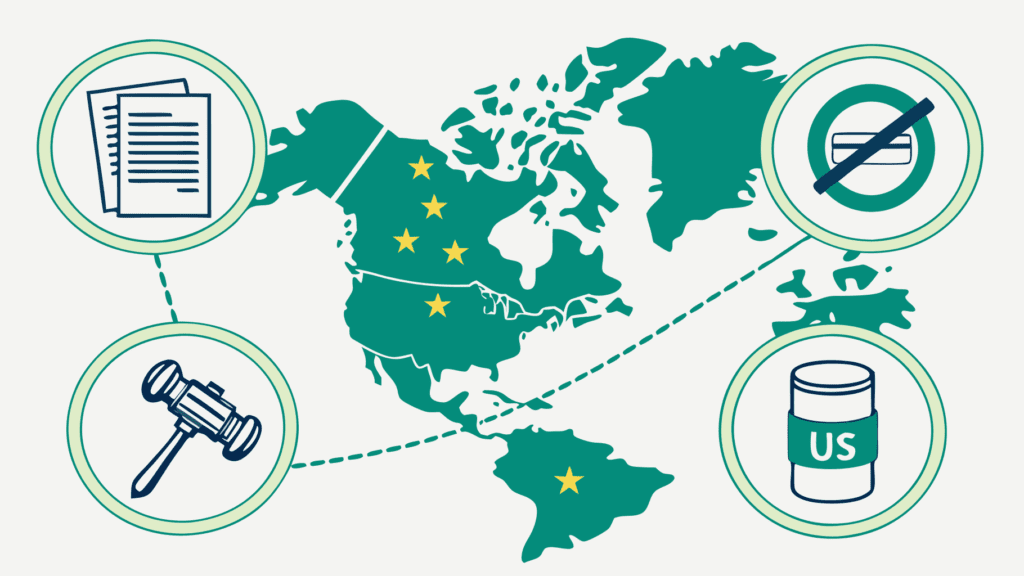
La tajdo turniĝis, kaj por entreprenoj pri manĝservo kaj gastamo, la tutmonda forigo de unu-uzaj plastoj ne plu estas elekto sed urĝa mandato. Reguligaj korpoj tra Nordameriko kaj Eŭropo faras vastajn malpermesojn kaj restriktojn de plasto-pajlo - de la tutlanda malpermeso de Kanado antaŭ la fino de 2023 ĝis diversaj ŝtatnivelaj leĝoj en Usono kaj ampleksaj EU-direktivoj. Ignori ĉi tiun nekontesteblan tendencon ne temas nur pri plenumado; ĝi portas signifajn riskojn, inkluzive de grandaj monpunoj, severa reputacia damaĝo, kaj la fremdiĝo de rapide kreskanta ekokonscia konsumanta bazo. Efektive, esplorado indikas, ke mirindaj 78% de konsumantoj aktive preferas entreprenojn, kiuj ampleksas ekologiajn elektojn. Por antaŭpensantaj aĉetaj kaj operaciaj gvidantoj, ampleksi plant-bazitajn pajlojn ne estas nur malhelpo por venki; ĝi estas strategia ŝanco transformi plenumajn defiojn en potencan konkurencivan avantaĝon, vicigante vian markon kun pli verda estonteco.
La vojaĝo de antikva raigraso al modernaj plant-bazitaj solvoj.
For centuries, our methods of sipping have evolved, from ancient Mesopotamians using ryegrass to avoid beer sediment to modern innovations. Rye grass was once a common choice in the 1800s, but it soon gave way to Marvin Stone’s pioneering paper straw in 1888, solving the problem of a grassy taste and sogginess. The mid-20th century saw the ubiquitous rise of cheap, durable plastic straws, which dominated the market for decades. However, this convenience came at a monumental environmental cost, leading us to today’s “green revolution” in sipping solutions. Yet, this modern shift isn’t without its own set of complexities and pitfalls. Many early plastic alternatives, particularly some paper straws, quickly gained a reputation for becoming soggy and imparting an unwanted taste, frustrating both businesses and consumers. More concerning is the issue of “forever chemicals,” or PFAS (per- and polyfluoroalkyl substances), which have been found in a high percentage of so-called “eco-friendly” paper and bamboo straws. These persistent chemicals are linked to various health problems and defy true biodegradability. Furthermore, claims of “biodegradable” or “compostable” can be misleading; materials like Polylactic Acid (PLA), derived from corn starch, often require highly specific industrial composting facilities that are not widely available, meaning they can persist for hundreds of years in standard landfills, potentially releasing potent greenhouse gases like methane. The true promise of sustainability lies in advanced plant-based solutions designed to overcome these challenges, offering superior performance without environmental compromises.
The strategic selection of plant-based straws is critical for B2B operations. Understanding the diverse options available and their performance indicators is key to making an informed decision that benefits both your business and the planet.
Understanding Your Options: A Decision Matrix for High-Performance Plant-Based Straws
- Polilaktika acido (PLA): Derived from fermented plant sugars (e.g., corn starch), PLA straws mimic the feel of traditional plastic. They are industrially compostable, meaning they require specific high-heat facilities to break down effectively (typically within 3-6 months). If not composted correctly, they can persist in landfills for extended periods.
- Sugarcane Bagasse: Faritaj el la fibreca kromprodukto de sukerkana suko-ekstraktado, ĉi tiuj pajloj estas fortikaj, multflankaj, kaj ofte hejmkomposteblaj. Ili ofertas bonegan fortikecon kaj povas manipuli temperaturojn ĝis 90 °C.
- Tritika Pajlo: Kreitaj el naturaj, senglutenaj tritikaj tigoj, ĉi tiuj pajloj estas esence firmaj, imunaj al malsekeco, kaj plene biodiserigeblaj kaj kompoŝteblaj. Ili ekspluatas agrikulturan rubon, kontribuante al cirkla ekonomio.
- Bambuo: Rapide renovigebla rimedo, bambuaj pajloj ofertas naturan estetikon kaj povas esti reuzeblaj. Ili estas kompoŝteblaj kaj konservas sian formon en kaj varmaj kaj malvarmaj trinkaĵoj.
- Polihidroksialcanoato (PHA): This represents a next-generation biopolymer, often derived from canola oil, cornstarch, or sugarcane. PHA straws look and feel remarkably like traditional plastic, offering superior thermal stability (up to 212°F/100°C) and resistance to sogginess. Crucially, PHA is marine-degradable and can break down in diverse environments, including home composts and even oceans, without producing microplastics. This makes it a truly future-proof solution. For more on cutting-edge materials, visit momoio.com/advanced-materials.
- Rice & Tapioca / Coffee Grounds / Agave Fibers: These innovative options are derived from agricultural waste, offering unique characteristics. Rice and tapioca straws can even be edible, while coffee ground straws repurpose waste into a functional, odorless, and tasteless product. Agave fiber straws are sturdy and some are certified landfill-degradable.
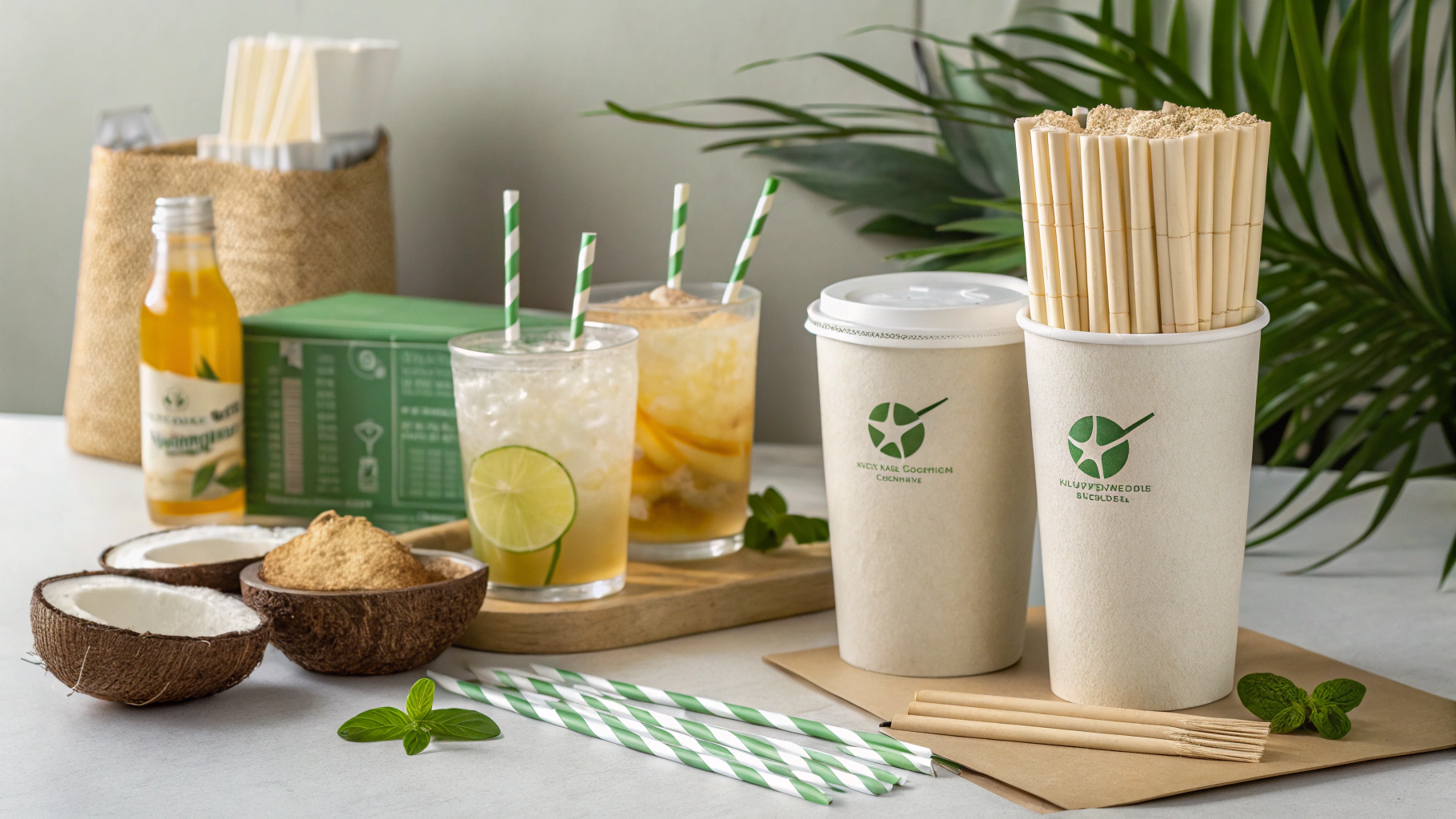
A visual guide to different plant-based straw materials.
For successful B2B procurement, focus on these key performance indicators:
- Durability and Thermal Stability: Ensuring straws can hold up in both hot and cold beverages for extended periods, preventing premature disintegration and customer complaints.
- Taste Neutrality and User Experience: Providing a pleasant, untainted drinking experience is crucial for brand perception. Soggy or flavored straws can negatively impact customer satisfaction.
- True Compostability vs. Industrial Requirements: Clarify disposal pathways. Prioritize options genuinely suitable for your waste management infrastructure, or those like PHA that offer broad degradability.
The adoption of high-performance plant-based straws drives significant business value, enhancing both operational efficiency and brand reputation. Businesses canreduce waste management complexity and associated feesby integrating genuinely biodegradable and compostable options. Minimizing replacements due to sogginess or breakage also improves stock management and customer satisfaction. While upfront costs for premium plant-based straws can be marginally higher, the long-term ROI derived from reduced waste, improved operational flow, and critically, enhanced brand loyalty, often offsets this initial investment. Consider exploring our guide tosustainable supply chain management at momoio.com/supply-chain.
Driving business value through sustainable choices.
Elevating your brand reputation is another compelling benefit. By demonstrating a tangible commitment to environmental stewardship, your business deeply resonates with eco-conscious consumers, particularly millennials and Gen Z, who actively seek out sustainable brands. This commitment differentiates your business in a crowded market, positioning you as a leader in sustainability. The positive word-of-mouth and enhanced public image that follow can significantly attract new customers and boost retention. Across theUS and Europe, regulatory landscapes are constantly evolving, with stringent single-use plastic bans becoming the norm. Embracing advanced solutions like PHA straws, which offer broad biodegradability, including in marine environments, helps you stay ahead of the curve, future-proofing your supply chain against stricter regulations and avoiding potential fines and legal complexities. The global plant-based straw market is projected to grow at an impressive Compound Annual Growth Rate (CAGR) of 15% from 2025 to 2033, indicating a significant and expanding demand. This booming market creates immense opportunities to innovate your marketing strategies and tap into new segments of the eco-conscious economy. For insights into global sustainability trends, refer to reports from theMedia Programo de Unuiĝintaj Nacioj (UNEP)or theEllen MacArthur Foundation.
The time for decisive action on single-use plastics is unequivocally now. Driven by both evolving market demands and escalating regulatory pressures, transitioning to the right plant-based straw solution is far more than an environmental choice; it’s a strategic business imperative that directly impacts your bottom line, brand perception, and long-term operational longevity. Don’t risk falling behind competitors who are already embracing sustainable practices or facing the penalties of non-compliance. Embrace advanced, truly sustainable options that align seamlessly with your corporate values and the rising expectations of your customers.
Take the Next Step Towards a Greener Future:
Planu KonsultonPetu Specimena IlaroDownload Resource Guide
Access market insights onŜtatistoor regulatory guidance from theEnvironmental Protection Agency (EPA).