La Neevitebla Ŝanĝo: Kial Komercoj Devas Ampleksi Ne-Plastajn Pajlojn Nun
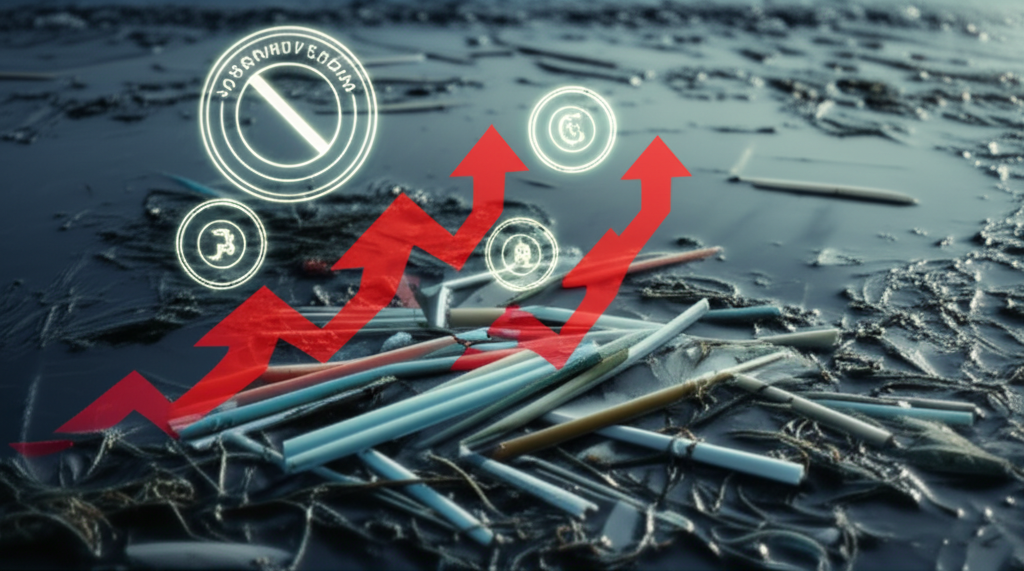
La tajdo de plasta poluado altiĝis al kritika nivelo, postulante tujan kaj decidan agadon de industrioj tutmonde. Dum jaroj, unu-uzaj plastaj pajleroj, iam ĉiea oportuno, fariĝis potenca simbolo de ĉi tiu media krizo, kontribuante signife al oceana rubo kaj mikroplasta poluado, kiu infiltras niajn ekosistemojn kaj eĉ niajn nutroĉenojn. Ĉi tiu kreskanta tutmonda zorgo ne estas nur abstrakta media afero; ĝi rapide transformas la funkcian pejzaĝon por modernaj entreprenoj, kunportante torenton de reguliga premo, kiun ne povas ignori. Registaroj kaj municipoj tutmonde, de la ampleksa Unuuzaj Plastoj-Directivo de la Eŭropa Unio ĝis multaj usonaj ŝtataj kaj tuturban malpermesoj, devigas striktajn limigojn al ĉi tiuj unuĵetaĵoj, necesigante fundamentan ŝanĝon en komercaj praktikoj.
La tuja efiko al kompania markobildo estas profunda. Konsumantoj, nun pli ekologie konsciaj ol iam ajn, aktive serĉas kaj rekompencas entreprenojn, kiuj pruvas aŭtentan engaĝiĝon al daŭripovo. Malsukceso adapti ne nur riskas reguligan nekonformecon, sed ankaŭ gravan baton al la marka reputacio, fremdigante kreskantan segmenton de ekokonsciaj klientoj. En konkurenciva merkato, la transiro al ne-plastaj trinkpajloj ne plu estas laŭdinda elekto sed strategia imperativo por longdaŭra vivebleco kaj merkata graveco. Temas pri pruvo de kompania socia respondeco (CSR) kaj estonteco de via komerco kontraŭ evoluantaj atendoj de konsumantoj kaj strikta media leĝaro.
Navigante la Daŭrigebla Pajla Pejzaĝo: Opcioj kaj Merkataj Tendencoj
La vojaĝo preter tradicia plasto rivelis riĉan spektron de ekologiaj pajlaj alternativoj, ĉiu kun unikaj trajtoj kaj avantaĝoj. De la historia revigliĝo de paperpajloj, unue patentitaj en la malfrua 19-a jarcento fare de Marvin C. Stone, ĝis novigaj modernaj materialoj, entreprenoj nun havas diversajn elektojn. Ĉi tiu ŝanĝo estas pelita ne nur de media konscio sed ankaŭ de fortika merkatdinamiko. La tutmonda ekologia pajlo-merkato spertas gravan kreskon, projektita atingi preskaŭ 25,1 miliardojn USD antaŭ 2035 de 12,3 miliardoj USD en 2025, reflektante kunmetitan jaran kreskorapidecon (CAGR) de 7,3%. Tiu pliiĝo estas precipe forta en regionoj kiel Nordameriko kaj Eŭropo, kie media konscio kaj striktaj regularoj estas precipe influaj. Ekzemple, la ĝeneraligita adopto de plastaj pajlaj malpermesoj en multaj eŭropaj landoj akcelis la postulon je alternativoj, dum en Usono, ŝtatoj kiel Kalifornio kaj Vaŝingtono gvidis la akuzon en postulado de daŭrigeblaj elektoj.
Preter la reguliga puŝo, konsumanta postulo estas potenca katalizilo. Kreskanta segmento de la populacio aktive serĉas kaj preferas entreprenojn kompromititajn al daŭrigeblaj praktikoj. Adopti ne-plastajn pajlojn, do, estas pli ol nur plenumado; ĝi estas ŝanco plibonigi viajn iniciatojn pri kompania socia respondeco kaj plifortigi la pozitivan pozicion de via marko. Ĉi tiu strategia movo akordigas vian komercon kun tutmondaj daŭripovaj klopodoj, resonante kun demografio, kiu aprezas median administradon. Kompreni la nuancojn de ĉi tiuj alternativoj estas ŝlosilo por fari informitan decidon, kiu profitigas kaj vian fundon kaj la planedon. Por pliaj komprenoj pri integrigado de daŭrigeblaj praktikoj, esploru niajn rimedojnmomoio.compri daŭrigeblaj akirstrategioj.
Elektante la Ĝustan Daŭrigeblan Pajlon: Strategia Decido por Operacia Plejboneco
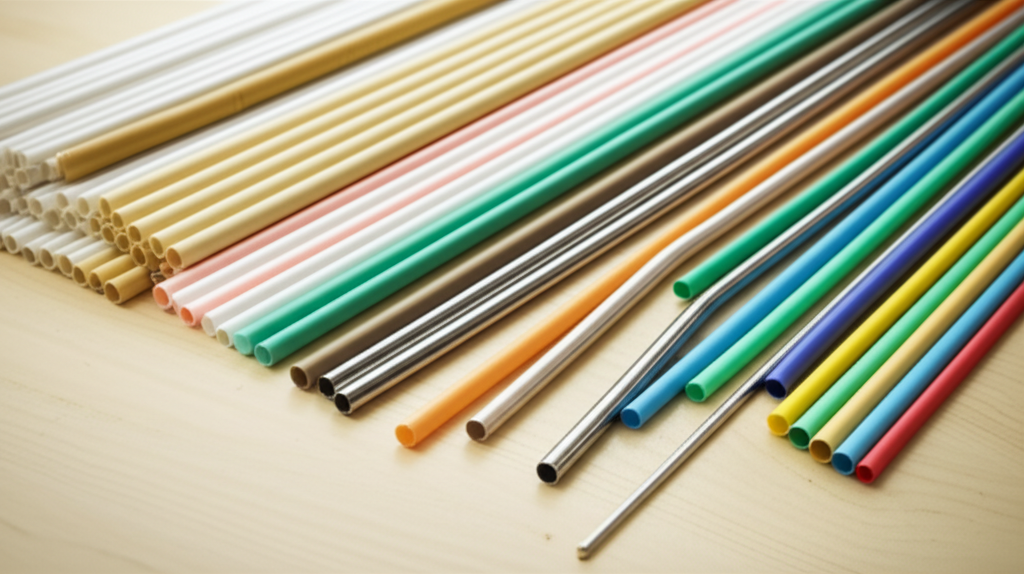
Elekti la taŭgan ne-plastan pajlon estas kritika strategia decido kiu postulas ĝisfundan taksadon de materialaj atributoj, efikeco, kostimplicoj kaj taŭgeco por specifaj funkciaj modeloj. La ĝusta elekto plibonigas la klientan sperton, optimumigas funkcian efikecon kaj plifortigas la devontigon de via marko al daŭripovo. Konsideru la sekvan komparon de popularaj ne-plastaj pajlaj materialoj:
| Pajla Tipo | Ŝlosilaj Avantaĝoj (B2B Fokuso) | Konsideroj (B2B Fokuso) | Idealaj Komercaj Uzaj Kazoj |
|---|---|---|---|
| Paperaj Pajloj | Biodiserigebla, Kompostebla, Tre Agordigebla, Amasproduktebla | Povas moligi rapide, Produktado-intensa rimedo, Ebla PFAS-diskutado | Altvoluma rapida servo, Elprena manĝo, Eventa manĝoprovizo |
| Bambuaj Pajloj | Rapide renovigebla, Natura estetiko, Nature kontraŭbakteria | Pli mallonga vivdaŭro ol metalo/vitro, Postulas ĝisfundan purigadon por higieno, Subtila gusto | Ekologiaj kafejoj, Subĉiela manĝado, Daŭrigebla marka vicigo |
| Metalaj Pajloj (SS) | Tre fortika, Reuzebla, Reciklebla, Vazlavilo | Pli alta komenca media efiko (uzu pli ol 37 fojojn por ebeniĝi kun plasto) | Altnivelaj trinkejoj, Restoracioj, Dungitaj avantaĝoj/donacoj |
| Vitraj Pajloj | Tre higiena, Travidebla, Eleganta estetiko, Sen gusto-translokigo | Rompebla se falite, Pli Peza, Pli alta komenca efiko (uzu pli ol 23 fojojn por ebeniĝi) | Bona manĝado, Metiaj koktelaj trinkejoj, Kafejoj koncentritaj pri estetiko |
| Siliconaj Pajloj | Fleksebla, Daŭrebla, Reuzebla, Vazlavilo-sekura, Infanamika | Ne biodiserigebla (reciklebla per specialaj programoj), Povas altiri polvon, Fleksebla purigado | Familiaj restoracioj, Neformala manĝado, Sanservoj |
| Planto-bazitaj/Manĝeblaj Pajloj | Nula malŝparo solvo, Biodiserigebla, Noveca faktoro | Sogginess (pasto), Specifaj industriaj kompoŝtaj postuloj (PLA), Niĉaj aplikoj | Novigaj markoj, Specialaj kafejoj, Nul-malŝparo-iniciatoj, Eventoj |
Preter simple observado de regularoj, investado en ne-plastaj pajloj povas doni signifajn konkurencivajn avantaĝojn kaj palpeblajn longtempajn ŝparojn. Dum la komenca akirkosto por iuj alternativoj povas esti pli alta ol tradicia plasto, la reuzebleco de opcioj kiel metalo, vitro kaj silikono povas konduki al grandaj reduktoj en daŭranta aĉetado kaj forigo-elspezoj laŭlonge de la tempo. Ekzemple, kvalita metala pajlo, uzata pli ol 37 fojojn, povas fariĝi pli ekologiema ol unuuza plasta, pruvante favoran profiton de investo.
Ĉi tiu strategia movo plifortigas marklojalecon, altirante la kreskantan segmenton de ekologie konsciaj konsumantoj kaj poziciigante vian komercon kiel daŭrigebla gvidanto. Progresemaj operaciaj strategioj, kiel efektivigado de "pajlo laŭ peto" politikoj, kiel tiuj adoptitaj de ĉefaj ĉenoj kiel ekzemple Starbucks kun siaj senpajlaj kovriloj, plu reduktas malŝparon kaj plibonigas klientkontenton proponante elekton kaj pruvante iniciateman median administradon. Esploru kiel novigaj ekologiaj solvoj povas transformi viajn operaciojn ĉemomoio.com. Ĉi tiuj strategiaj elektoj ne nur reduktas vian median spuron, sed ankaŭ malŝlosas novajn merkatajn ŝancojn kaj solidigas vian reputacion kiel antaŭpensa entrepreno.

Via Sekva Paŝo Al Pli Verda Estonteco: Partnerado por Daŭrigeblaj Solvoj
La imperativo por entreprenoj transiri definitive al daŭrigeblaj pajlaj solvoj estas klara. La kreskanta tutmonda plasta krizo, kunligita kun plifortiga reguliga premo kaj evoluantaj atendoj de konsumantoj, faras ĉi tiun ŝanĝon ne nur etika elekto sed komerca neceso. La vasta aro de ne-plastaj elektoj disponeblaj hodiaŭ signifas, ke ekzistas daŭrigebla pajlo adaptita al ĉiu komerca modelo kaj marko-estetiko, de alt-volumaj rapidaj operacioj ĝis altnivelaj bonmanĝaj establaĵoj. La kritika graveco kuŝas en elekti la ĝustan tipon, konsiderante faktorojn kiel materiala agado, kostefikeco kaj kongruo kun viaj specifaj funkciaj bezonoj kaj markvaloroj.
The market is poised for significant growth in eco-friendly alternatives, as detailed in reports by organizations like the World Economic Forum, highlighting the widespread commitment to a circular economy. Businesses that act now will not only meet compliance requirements but also gain a competitive edge by demonstrating leadership in environmental responsibility. The journey towards a greener future for your business starts with informed decisions and strategic partnerships. For further information on the environmental impact of plastic pollution, consider resources from theAgentejo pri Mediprotekto.
Ready to elevate your business’s sustainability profile and meet evolving consumer demands?
Visitmomoio.comto learn more about our commitment to empowering businesses with green solutions. Embrace the future of sustainable business and become a leader in the global shift away from single-use plastics.