Bambuo kontraŭ Sukerkanaj Pajloj: Optimumigo de Daŭrigeblaj Gringoj por Gastumadaj Komercoj
La tutmonda gastama industrio alfrontas kritikan krucvojon, prematan de pliiĝantaj mediaj regularoj kaj rapide ŝanĝiĝanta konsumanta pejzaĝo. Tradiciaj plastaj pajleroj, iam ĉieaj, nun estas simbolo de media degenero, daŭranta dum centoj da jaroj kaj lesivado de toksaj kemiaĵoj en ekosistemojn. La amplekso de ĉi tiu problemo estas ŝanceliĝanta; Usonanoj sole forĵetas ĉirkaŭ 500 milionojn da plastaj pajleroj ĉiutage, signifa parto de kiuj finfine poluas oceanojn kaj rubodeponejojn.
Ĉi tiu kreskanta media krizo estis renkontita per decida leĝdona agado. La Direktivo pri Unuuzaj Plastoj (SUPD) de Eŭropa Unio, valida en julio 2021, eksplicite malpermesis multajn unuuzajn plastajn aĵojn, inkluzive de pajleroj, tra siaj membroŝtatoj. Similaj limigoj multiĝas tutmonde, kaj urboj kiel Novjorko efektivigas monpunojn de $100 ĝis $400 pro nerespekto de plastaj pajlaj limigoj. Por aĉetaj administrantoj, operaciaj direktoroj, daŭripovaj oficiroj kaj provizoĉenaj oficuloj, navigi ĉi tiun reguligan labirinton konservante funkcian efikecon kaj klientkontenton prezentas altan defion. Ignori ĉi tiun ŝanĝon kunportas ne nur signifajn plenumajn riskojn kaj eblajn financajn punojn, sed ankaŭ riskas fremdigi potencan konsuman bazon. Studoj montras, ke ĝis 70% de konsumantoj aktive preferas gastamajn markojn, kiuj montras klarajn daŭripovajn iniciatojn, preferon kiu rekte influas rezervdecidojn kaj nutras longdaŭran lojalecon. La transiro al daŭrigeblaj alternativoj ne plu estas nur ekologia elekto; ĝi estas komerca imperativo.
Ampleksi daŭrigeblajn pajlerojn estas komerca imperativo por modernaj gastamaj entreprenoj.
Sukerkanaj Pajloj: Konvena Kompostebla Solvo por Alt-Vomena Servo
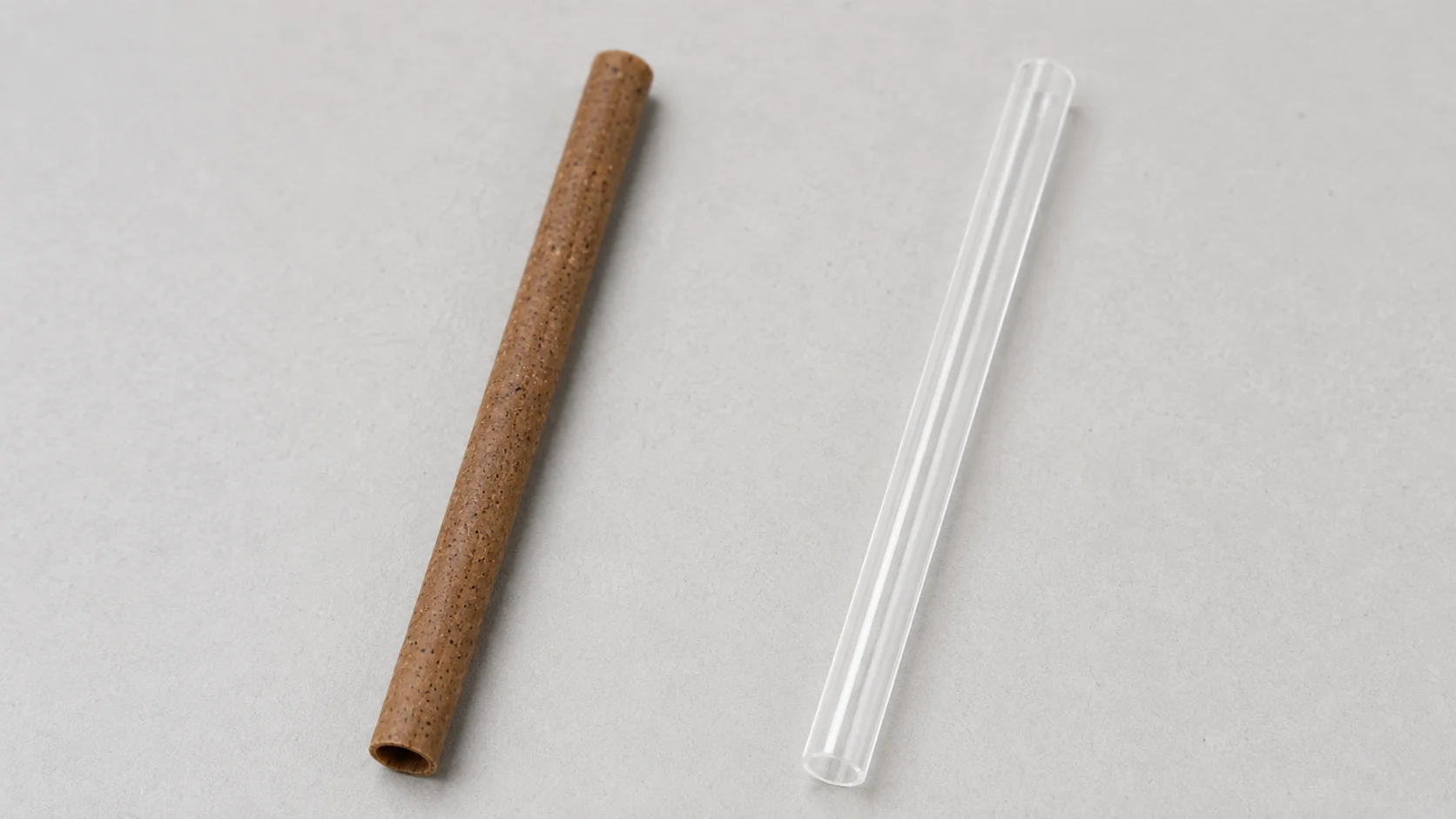
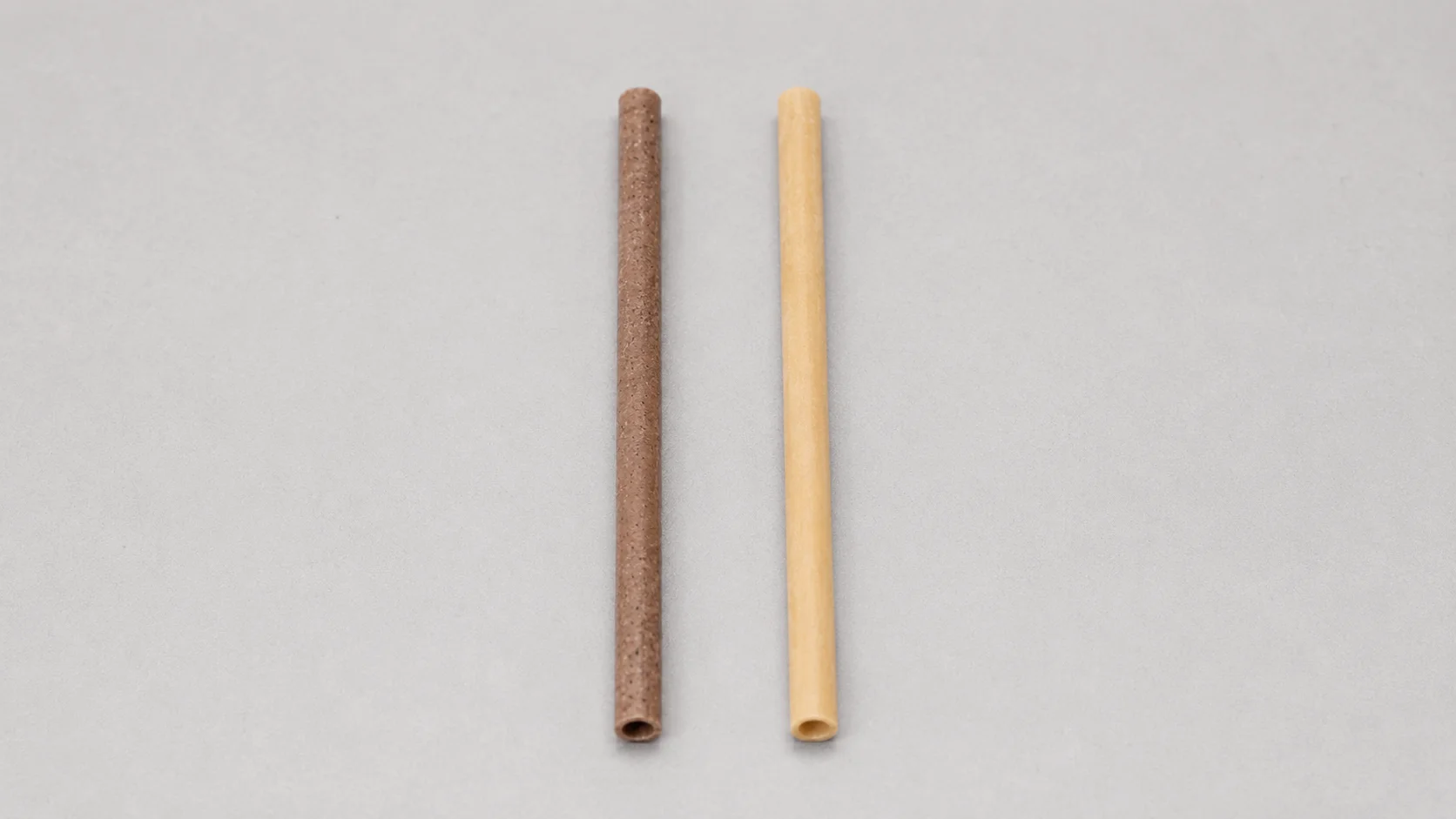
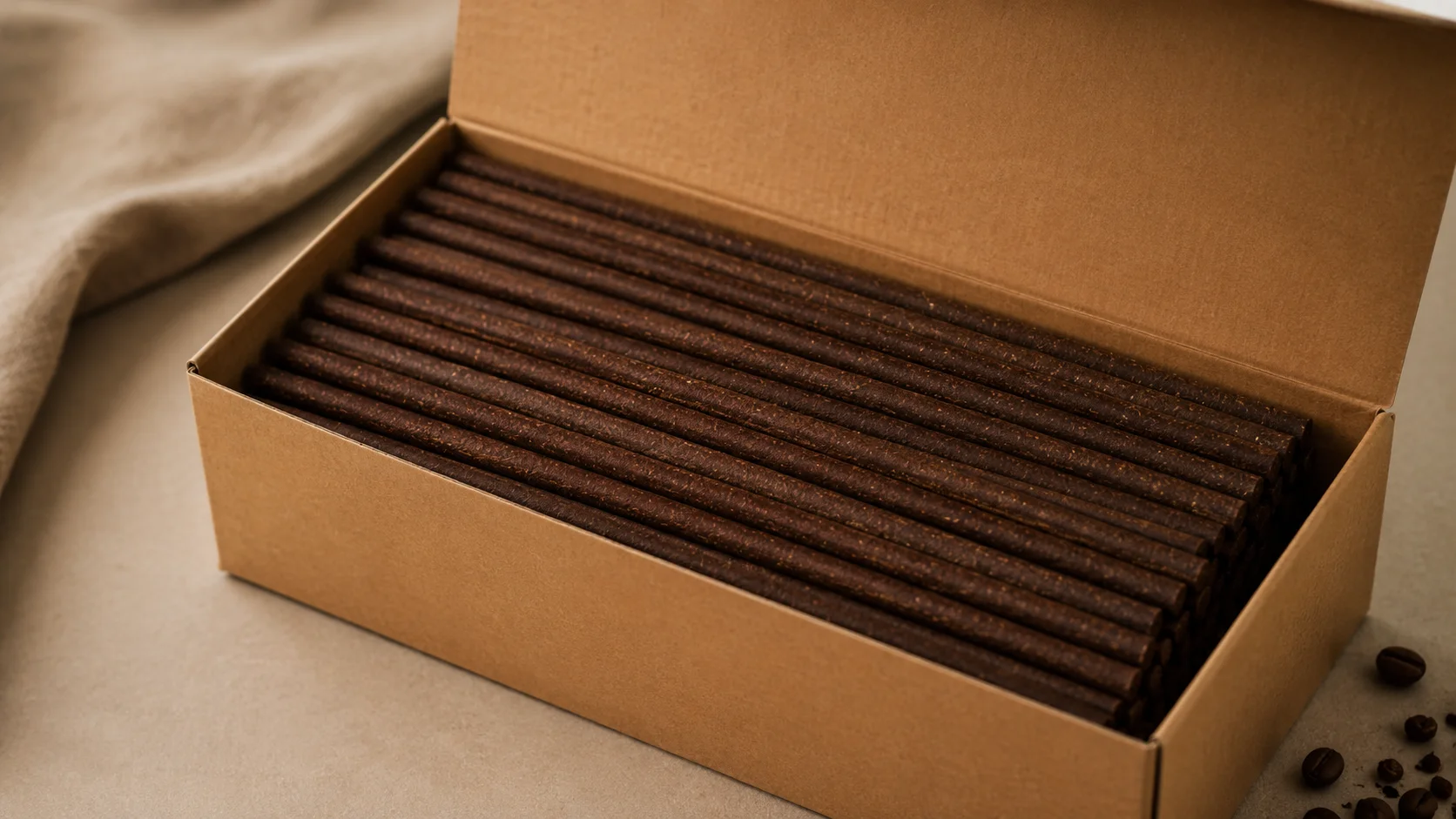
Por gastamaj entreprenoj serĉantaj pragmatan, altvoluman alternativon al plastaj pajloj, sukerkanaj pajloj aperas kiel konvinka solvo. Ĉi tiuj novigaj pajleroj estas kreitaj el bagaso, la fibro restaĵo post kiam sukerkanaj tigoj estas disbatitaj por eltiro de suko. Ĉi tiu sprita utiligo de agrikultura kromprodukto transformas tion, kio alie estus industria rubo en valoran, kompoŝteblan rimedon, pledante cirkulajn ekonomiajn principojn.
Hygienic Single-Use & Superior Performance:
Sukerkanaj pajloj estas desegnitaj kiel higienaj unu-uzaj aĵoj, forigante la laborintensajn purigajn protokolojn kaj kruc-poluadajn riskojn asociitajn kun reuzeblaj alternativoj. Male al paperaj pajloj, kiuj fifame malsekiĝas en minutoj, sukerkanaj pajloj konservas sian strukturan integrecon dum horoj en ambaŭ varmaj trinkaĵoj (eltenantaj temperaturojn ĝis 90 °C/194 °F) kaj malvarmaj trinkaĵoj, certigante konsekvencan kaj agrablan trinketon. Ĉi tiu fortika agado estas kritika por okupataj gastamaj agordoj, kie klienta kontento dependas de fidindeco.
Biodegradability & Low Environmental Impact:
Kiel 100% plant-bazita solvo, sukerkanpajloj estas atestitaj kompoŝteblaj. Ili estas kreitaj por rompiĝi nature, tipe ene de 90-180 tagoj en komercaj kompoŝtaj instalaĵoj, kaj eĉ ene de semajnoj ĝis monatoj en hejmaj kompoŝtsistemoj, postlasante neniujn damaĝajn restaĵojn aŭ mikroplastojn. Ĉi tiu rapida putriĝo signife reduktas rubodeponejŝarĝon kaj kontribuas pozitive al la celoj de redukto de karbonpiedsigno de gastama establado. La produktada procezo mem estas rimarkinde efika, postulante malpli da energio kompare kun multaj aliaj pajlaj alternativoj. Por pli profunde plonĝi en la mediajn avantaĝojn de sukerkanaj produktoj, esploru nian artikolon priDaŭrigeblaj Sukerkanaj Pajloj por B2B Gastamo.
Regulatory Compliance & Purity:
Konformeco estas plej grava por B2B-deciduloj. Sukerkanaj pajloj estas rigore testitaj kaj ofte portas atestojn kiel BPI Industrial, TUV OK Compost Home kaj TUV OK Compost Industrial. Esence, ili estas usonaj FDA aprobitaj, PLA-liberaj, BPA-liberaj, kaj PFAS-liberaj (per- kaj polifluoroalkil substancoj). Ĉi tiu pura kunmetaĵo certigas plenan konformecon al striktaj regularoj kiel la EU-Unuuza Plastika Direktivo, provizante entreprenojn trankvilon pri merkataliro kaj reguliga sekvado.
Sukerkanaj pajloj ofertas fidindan, kompoŝteblan kaj konformeblan unuuzan solvon por gastamo.
Bambuaj Pajloj: La Reuzebla Eco-Chic Elekto por Plibonigita Marka Bildo
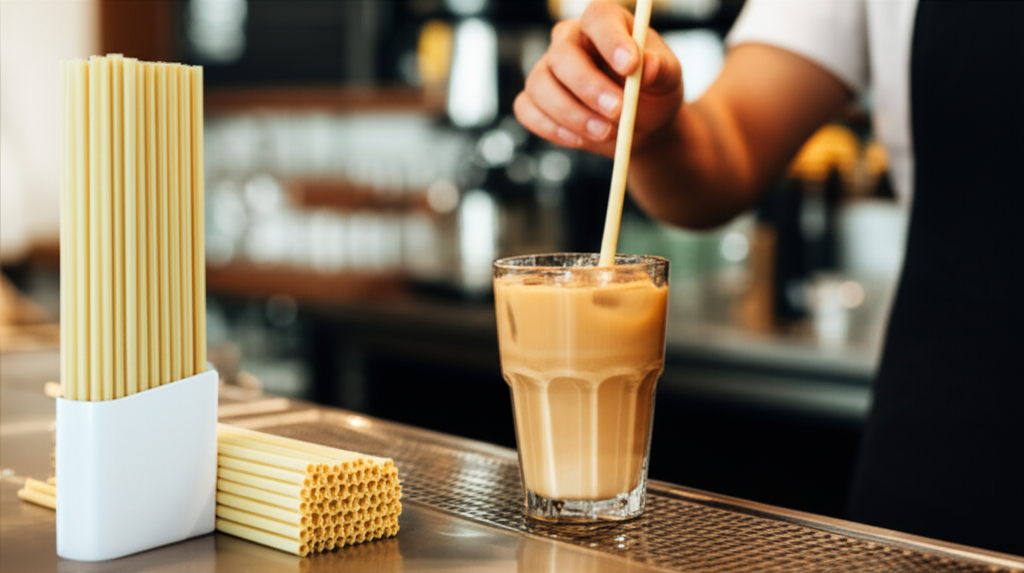
Kontraste al la unuuza oportuno de sukerkano, bambuaj pajloj ofertas daŭran, reuzeblan kaj klare eko-ŝikan opcion, kiu povas signife plibonigi la bildon de gastama marko. Rikoltita el unu el la plej rapide kreskantaj plantoj sur la Tero, bambuo estas escepte renovigebla rimedo, absorbante pli da CO2 kaj liberigante pli da O2 ol la plej multaj arboj, kontribuante pozitive al aerkvalito kaj karbonsekvada klopodoj.
Robust Reusability & Natural Aesthetic:
Bambuaj pajloj estas esence daŭraj kaj dezajnitaj por multoblaj uzoj, igante ilin longdaŭra investo por establaĵoj devontigitaj por minimumigi malŝparon. Ilia natura, rustika ĉarmo aldonas aŭtentikan organikan tuŝon, kiu resonas ĉe ekokonsciaj konsumantoj kaj altigas la perceptitan valoron de la trinka sperto, precipe en altnivelaj aŭ artmetiaj medioj. Ĉi tiu estetika allogo povas funkcii kiel potenca diferenciganto, plifortigante la engaĝiĝon de marko al daŭripovo.
Impona Mekanika Forto:
Preter sia vida allogo, bambuaj pajloj posedas imponan mekanikan integrecon. Studoj de esploristoj kiel Yu Luan kaj kolegoj ĉe la Internacia Centro por Bambuo kaj Rotano (ICBR) pruvis, ke bambuaj pajloj elmontras kunpremajn fortojn de 16.42–19.01 MPa kaj flekseblajn fortojn de 14.21–15.02 MPa. Ĉi tiuj figuroj signife superas paperon kaj eĉ PLA-pajlojn, donante al bambuo rigidan, fortikan senton kompareblan al tradicia plasto. Ĉi tiu eneca forto certigas kontentigan sperton de uzanto, minimumigante zorgojn pri rompo aŭ kolapso.
Water Resistance & Purity:
Bambuaj pajloj ankaŭ elstaras je akvorezisto, absorbante signife malpli da akvo ol paperaj pajloj kaj konservante 4.36 fojojn pli grandan malsekan forton. Ĉi tio signifas, ke ili ne degradiĝos aŭ moliĝos, eĉ en plilongigita kontakto kun likvaĵoj. Nature liberaj de malutilaj kemiaĵoj, bambuaj pajloj ofertas puran kaj sekuran trinketon, evitante la enkondukon de nedezirataj gustoj aŭ substancoj en trinkaĵojn. Kvankam nekredeble daŭrigebla, estas gravaj konsideroj kiam oni adoptas reuzeblajn bambuajn pajlojn. Por lerni pli pri oftaj malfacilaĵoj, konsultu nian rimedonMalavantaĝoj de Bambuo-Pajlo en Gastamanĝservo.
Bambuaj pajloj ofertas daŭran reuzeblecon kaj naturan estetikon por plibonigita markobildo.
Rekta Komparo: Bambuo kontraŭ Sukerkanaj Pajloj por Gastamaj Komercoj
Elekti la optimuman daŭrigeblan pajlon postulas nuancan komprenon de la B2B-funkcia efiko de ĉiu opcio, konformaj implicoj kaj ROI-potencialo. La suba tabelo ofertas rektan komparon al helpaj decidantoj.
| Karakterizaĵo | B2B Operacia Efiko | Konformo-Noto | ROI Potencialo |
|---|---|---|---|
| Materiala Fonto | Sukerkano utiligas agrikulturan rubon (bagaso), kreskigante cirklan ekonomian modelon. Bambuo estas rapide kreskanta sed postulas etikan, daŭrigeble administritan fonton por eviti monokultivadon kaj trokultivadon. | Sukerkano akordiĝas perfekte kun cirkulekonomiaj principoj; EU-Anti-Senarbariga Regularo (EUDR) devus esti pripensita por tutmondaj provizoĉenoj. Bambuo-provizado devas esti de atestitaj daŭrigeblaj arbaroj por certigi median integrecon. | Sukerkano: Reduktitaj forĵetkostoj (15-25% por grandaj operacioj), pli malalta materialkosto ol virgaj alternativoj. Bambuo: Pli alta komenca unuokosto, sed potencialo por longperspektivaj ŝparadoj per reuzeblo, reduktante reaĉetoftecon kaj minimumigante malŝparon. |
| Fortikeco/Uzo | Sukerkano: Unuuza, konstante malseka dum horoj, ideala por alta volumena, rapida spezo. Bambuo: Multuzo (kun diligenta zorgo), tre rigida, ofertas kompareblan teksturon al plasto; ideala por pli longaj glutoj. | Ambaŭ ĝenerale renkontas malpermesojn de unu-uzaj plastoj. Sukerkano forigas kruc-poluadajn zorgojn, idealajn por publika sano. Bambuo postulas striktajn purigajn protokolojn kaj zorgeman uzadon; HACCP-konsideroj estas kritikaj por komercaj agordoj pro pora naturo. | Sukerkano: Optimumigas efikecon por altvolumaj operacioj, reduktas laboron por purigado, certigante konsekvencan higienon. Bambuo: Reduktas konsumeblan rubon, eble kreskigas pli profundan klientlojalecon de gastoj taksantaj reuzeblecon, sed altiras laboron por purigado kaj potencialon por trofrua forigo se ne konservita, influante ĝeneralan kostefikecon. |
| Biodegradebleco | Sukerkano: Hejme kaj industria kompoŝtebla (90-180 tagoj), kontribuante al rubodeponejo distraĵo. Bambuo: Biodiserigebla/kompostebla, sed povas postuli industrian kompostadon se traktite; zorgoj pri PFAS en kelkaj markoj. | Sukerkano atestita BPI, TUV OK Compost Home/Industrial, EN 13432, certigante plenan konformecon al kompoŝtaj normoj kaj liberecon de "eterne kemiaĵoj." Bambuo tipe USDA BioPreferred (99-100% biobazita), sed lastatempa PFAS-detekto en kelkaj markoj postulas zorgeman provizantan ekzamenadon. | Sukerkano: Reduktas rubodeponejojn, plibonigas la rakonton pri redukto de karbonspuro de marko. Bambuo: Reduktas rubodeponejon, akordigas kun karbonneŭtralecceloj, sed unuuza scenaro por reuzebla bambuo havas pli altan Tutmondan Varmigan Potencialon (GWP) ol plasto, emfazante la gravecon de fakta reuzo. |
| Higieno | Sukerkano: Unuuza, forigante purigajn bezonojn, enecan preventadon de kruc-poluado. Bambuo: Reuzebla, postulas ĝisfundan purigadon kaj sekiĝon por malhelpi ŝimon/bakteriojn; pora naturo malfaciligas komercan kloakigon. | Sukerkano: Usona FDA aprobita, certigante manĝaĵsekurecon por tuja uzo. Bambuo: Posedas naturajn kontraŭbakteriajn ecojn, sed taŭga zorgo estas plej grava por konservi manĝaĵsekurecon en komercaj manĝservomedioj. | Sukerkano: Malaltaj laborkostoj por purigado, konsekvencaj higienaj normoj, minimumigante operaciajn riskojn. Bambuo: Alta laboro por purigado, potencialo por trofrua forigo se higienaj protokoloj ne estas strikte sekvataj, influante kostefikecon kaj pliigante funkcian kompleksecon. |
| Estetiko/Gusto | Sukerkano: Neŭtrala gusto/odoro, glata, minimumisma, unuforma aspekto. Larĝa alogo por diversaj gastamaj agordoj. Bambuo: Natura rustika aspekto, povas doni subtilan "lignecan" guston aŭ malkolorigi kun la tempo kun malhelaj likvaĵoj. | Both are generally taste-neutral for most applications, but sensory preferences can vary. | Sugarcane: Broad market appeal, consistent user experience, adaptable to various brand aesthetics. Bamboo: Niche appeal, enhances “eco-chic” brand identity, potential for custom logo engraving for premium establishments. |
Choosing the right straw impacts operations, compliance, and ROI for hospitality businesses.
Operationalizing Your Choice: Key Considerations for Hospitality
Implementing sustainable straw solutions effectively requires strategic foresight and meticulous planning across several operational pillars:
- Hygiene Protocols and HACCP Compliance: Por reuzeblaj bambuaj pajloj, striktaj protokoloj pri purigado kaj sanigado estas nenegoceblaj. Entreprenoj devas certigi, ke elektitaj pajleroj plenumas kritikajn nutraĵsekurecnormojn kiel HACCP (Danĝera Analizo kaj Kritikaj Kontrolaj Punktoj). Dum bambuo havas naturajn kontraŭbakteriajn ecojn, ĝia pora naturo postulas ĝisfundan sekiĝon por malhelpi ŝiman kreskon, kio povas esti loĝistika defio en altvolumaj komercaj kuirejoj. Sukerkanaj pajloj, estante unuuzataj, esence flankenlasas ĉi tiujn kompleksajn higienaj defioj.
- Kosto-Benefita Analizo Preter Unua Prezo: Kvankam estas vere, ke iuj ekologiaj alternativoj komence ŝajnas pli multekostaj - paperaj pajloj, ekzemple, povas esti 400% pli multekostaj ol plasto - ampleksa kosto-profita analizo devas etendiĝi preter la unuoprezo. Faktoro en la potencialo por reduktitaj rubforigkotizoj (kiuj povas esti 15-25% pli malaltaj por grandaj operacioj pro rubdistraĵo), evitado de ne-respektomonpunoj, kaj la signifa plialtiĝo en markbildo. La plibonigita markpercepto kaj pliigita klienta lojaleco de ekokonsciaj konsumantoj tradukiĝas en palpebla ROI.
- Sourcing Transparency & Certifications: Partneri kun kontrolitaj provizantoj estas plej grava. Postulu klarajn, fortigajn atestojn kiel BPI (Biodegradable Products Institute), EN 13432 (eŭropa normo por kompoŝteblo), aŭ USDA BioPreferred. Por sukerkano, certigu, ke ĝi estas sen PLA kaj sen PFAS. Por bambuo, demandu pri daŭrigeblaj rikoltpraktikoj por eviti trokultivadon kaj konfirmi neniun PFAS-poluadon. Travidebla fontado helpas mildigi riskojn asociitajn kun regularoj kiel la EU-Anti-Deforestation Regulation (EUDR), certigante etikajn kaj konformajn provizoĉenojn.
- Trejnado de dungitaro kaj edukado de klientoj: A successful transition requires comprehensive training for staff on proper handling, serving, and disposal methods for the new straws. Equally important is educating customers on the benefits of sustainable straws, managing their expectations regarding texture or reusability, and clearly communicating proper disposal instructions (e.g., dedicated composting bins). This engagement fosters a shared commitment to sustainability and enhances the overall customer experience. Consider showcasing your efforts by partnering with suppliers offering eco-friendly restaurant supplies like sugarcane and bamboo options, as highlighted in our article on Eco-Friendly Restaurant Supplies.
Effective sustainable straw implementation requires strategic planning and staff education.
Real-Monda Efiko: Ŝanĝo en la Pajla Pejzaĝo (Mini Kazesploro)
La transiro al daŭrigeblaj pajloj ne estas nur teoria; ĝi estas pruvebla sukceso por antaŭpensantaj gastamaj entreprenoj. Aŭstralia firmao STRWD disponigas konvinkan kazesploron de ĉi tiu ŝanĝo. Ene de ĝia inaŭgura jaro, STRWD sukcese anstataŭigis pli ol 500,000 tradiciajn paperpajlerojn kun sukerkanalternativoj trans 60 ejoj. Ĉi tiu granda transiro ne nur draste reduktis ilian rubspuron sed ankaŭ signife plibonigis klientkontenton forigante la oftan plendon de malsekaj paperpajloj. La sperto de STRWD substrekas la funkcian fareblecon kaj superforte pozitivan ricevon de sukerkanpajloj en alt-volumaj gastamaj medioj, pruvante, ke daŭrigeblaj elektoj povas liveri percepteblajn plibonigojn en kaj media efiko kaj klienta sperto.
La sukceso de STRWD pruvas, ke daŭripovaj pajloj plibonigas operaciojn kaj kontentigon de la klientoj.
Estonta Perspektivo: La Evoluanta Daŭrigebla Pajla Merkato
La trajektorio por daŭrigeblaj pajloj estas unu el akcelita kresko kaj kontinua novigado, pelita de kaj reguligaj premoj kaj evoluanta merkata dinamiko.
- Merkata Kresko Projekcioj: La tutmonda kompoŝtebla pajlo-merkato estas antaŭvidita signife ekspansiiĝi, de USD 1.9 miliardoj en 2025 ĝis impona USD 3.8 miliardoj antaŭ 2035, montrante fortikan Kunmetita Jara Kreskoprocento (CAGR) de 7.1%. Ĉi tio indikas fortan kaj daŭran postulon je ekologiaj alternativoj.
- Regado de Manĝserva Segmento: La manĝservo-segmento, kiu inkluzivas restoraciojn, rapidservajn restoraciojn (QSRs), hotelojn kaj kafejojn, antaŭvidas plifirmigi sian pozicion kiel la plej granda merkata ŝoforo, projektita por teni 52.8% de la kompoŝtebla pajlo-merkato en 2025. Ĉi tio reflektas la iniciateman ŝanĝon de la gastama industrio al daŭripovo.
- Novigado en Bio-bazitaj Pajloj: Daŭra esplorado kaj evoluo estas koncentritaj al plibonigado de la agado-atributoj de bio-bazitaj pajleroj por egali aŭ eĉ superi tradiciajn plastojn konservante plenan biodegradeblecon. Ĉi tio inkluzivas progresojn en materiala scienco por krei pajlerojn, kiuj estas pli daŭraj, varmecrezistaj kaj estetike plaĉaj, traktante iujn daŭrajn rendimentajn breĉojn. Ekzemple, firmaoj kiel Sulapac Ltd. certigis signifan financadon por pligrandigi produktadon de siaj bio-bazitaj kaj PLA-liberaj kompoŝteblaj pajloteknologioj.
- Reguligaj Movadaj Fortoj: Pli striktaj plastaj pajlaj malpermesoj kaj ampleksaj mediaj direktivoj daŭre estos ĉefaj kataliziloj por merkata postulo. Preter la EU SUPD, lokaj regularoj, kiel la limigoj de Novjorko de novembro 2021 pri plastaj pajloj (kun monpunoj de 100 USD ĝis 400 USD por malobservoj), ekzempligas la kreskantan leĝdonan impeton puŝantan entreprenojn al konformaj alternativoj. Ĉi tiu reguliga medio kreas kaj defion kaj signifan merkatan ŝancon por entreprenoj adoptantaj daŭrigeblajn solvojn.
- Vivo-Ciklo-Taksado-Komprenoj: Dum la merkato maturiĝos, Vivociklo-Taksoj (LCAs) ludos ĉiam pli kritikan rolon. Dum kelkaj LCAoj sur reuzeblaj bambuaj pajloj indikas pli altan komencan karbonpiedsignon kompare kun plasto se uzite nur unufoje, ilia media efiko per uzo signife malpliiĝas kun ripeta uzo. Ĉi tio plifortigas la bezonon de konsumanta edukado kaj operaciaj sistemoj, kiuj vere subtenas reuzeblon. Male, sukerkanpajloj, utiligantaj agrikulturan rubon, ofte prezentas pli malaltan totalan median ŝarĝon pro sia produktado de kromproduktoj kaj rapida putriĝo. Ambaŭ opcioj pruveble reduktas la karbonpiedsignon kompare kun plasto, kiu povas esti 10-15 kg CO2e per 1,000 pajloj, kontraŭ 2-4 kg CO2e por biodiserigeblaj alternativoj.
La daŭrigebla pajla merkato kreskas, pelita de novigo kaj regularoj.
Competitive Advantage & Business Case
Por B2B-deciduloj, la strategia pivoto al daŭrigeblaj pajloj ofertas multfacetan konkurencivan avantaĝon. Preter nura plenumo, ĉi tiu movo rekte influas vian fundon kaj merkatan reputacion:
- Kvantigebla Kosta Ŝparado: Dum komencaj unukostoj por daŭrigeblaj pajloj povus esti marĝene pli altaj, la longperspektivaj ŝparadoj estas signifaj. Reduktita forigo de rubkotizoj, ofte malpliiĝantaj je 15-25% por grandaj operacioj, rekte efikas supre. Evito de grandaj nekonformaj monpunoj de eskalado de lokaj kaj internaciaj regularoj kiel la EU SUPD protektas financan stabilecon.
- Mildigo de Risko: Proactive adoption of eco-friendly solutions mitigates regulatory risks, ensuring continuous market access and preventing costly operational disruptions. It future-proofs your business against tightening environmental mandates.
- Brand Value Uplift: Aligning with strong sustainability initiatives can boost your brand image scores by 15-20% among environmentally conscious consumers. This translates into increased customer satisfaction (up to 15% improvement in scores), stronger loyalty, and enhanced reputation within the industry. In a market where 70% of consumers value sustainability, this is a direct pathway to greater bookings and patronage.
- Merkata Kuna Oportuneco: Demonstrante aŭtentan ekologian administradon, via komerco diferencigas sin en plenplena merkato. Ĉi tio poziciigas vin kiel gvidanton, allogante kreskantan segmenton de ekokonsciaj konsumantoj kaj eble kaptante merkatparton de konkurantoj postrestataj en daŭrigeblaj praktikoj. La tutmonda ekologia pajlomerkato estas antaŭvidita atingi USD 25.1 miliardojn antaŭ 2035, klara indiko de la burĝona postulo atendanta novigajn entreprenojn.
Daŭrigeblaj pajloj ofertas signifajn konkurencivajn avantaĝojn kaj financajn avantaĝojn.
Konkludo: Altigu Vian Markon kun Penema Daŭripovo
La elekto inter bambuaj kaj sukerkanaj pajloj estas strategia decido, kiu influas funkcian efikecon, reguligan plenumon kaj, grave, la percepton de via marko en la konkurenciva gastama sektoro. Sukerkano ofertas oportunan, alt-efikan unuuzan solvon derivitan de agrikultura rubo, certigante konsekvencan kvaliton kaj plenan kompoŝteblecon. Bambuo provizas fortikan, reuzeblan opcion, kiu transdonas aŭtentikan, eko-ŝikan estetikon, idealan por establaĵoj prioritatantaj reuzeblon kaj altkvalitan naturan bildon.
Zorge taksante viajn specifajn funkciajn bezonojn, celgrupon kaj longdaŭrajn daŭripovcelojn, vi povas elekti la optimuman daŭrigeblan pajlan solvon. Ĉi tiu iniciatema paŝo ne temas nur pri redukto de plasta malŝparo; temas pri fari klaran deklaron pri la valoroj de via marko, plifortigi klientan lojalecon kaj certigi konkurencivan avantaĝon en ĉiam pli ekologie konscia merkato.
Transformu viajn operaciojn kaj altigu vian median administradon hodiaŭ; akiru atestitajn daŭrigeblajn pajlojn, kiuj kongruas kun la valoroj de via marko kaj kaptas la lojalecon de la ekokonscia konsumanto.Kontaktu Nin por Daŭrigeblaj Pajlaj Solvoj
Oftaj Demandoj
Kial gastamaj entreprenoj moviĝas for de plastaj pajloj?
Gastamaj entreprenoj malproksimiĝas de plastaj pajleroj pro kreskantaj mediaj regularoj (kiel la EU SUPD), konsumanta postulo pri daŭripovo kaj la signifa media efiko de plasta rubo, kondukante al plenumaj riskoj kaj maltrafitaj ŝancoj por marko-plibonigo.
El kio estas faritaj sukerkanpajloj kaj kiel ili profitas gastamon?
Sukerkanpajloj estas faritaj el bagaso, kromprodukto de sukerkanpretigo. Ili ofertas higienan unuuzan oportunecon, superan fortikecon super papero, estas 100% kompoŝteblaj kaj certigas reguligan konformecon, igante ilin idealaj por altvolumaj gastamaj agordoj.
Ĉu bambuaj pajloj estas reuzeblaj, kaj kiaj estas iliaj avantaĝoj por gastamo?
Yes, bamboo straws are durable and reusable, offering an eco-chic aesthetic and impressive mechanical strength. They are ideal for hospitality brands aiming to enhance their sustainable image and provide a premium, natural sipping experience.
How do hygiene protocols differ for sugarcane vs. bamboo straws in commercial settings?
Sugarcane straws are single-use, eliminating complex cleaning needs. Reusable bamboo straws require stringent cleaning, sanitization, and thorough drying to prevent mold and bacteria, necessitating robust HACCP-compliant protocols in commercial kitchens.
What are the long-term cost benefits of switching to sustainable straws for hospitality?
Preter unuoprezo, daŭrigeblaj pajleroj ofertas longperspektivajn ŝparaĵojn per reduktitaj forĵetkotizoj (15-25% pli malaltaj), evitado de nekonformaj monpunoj, kaj signifa plialtiĝo en markobildo kaj klientolojaleco, tradukiĝante al pliigitaj rezervoj kaj patroneco.