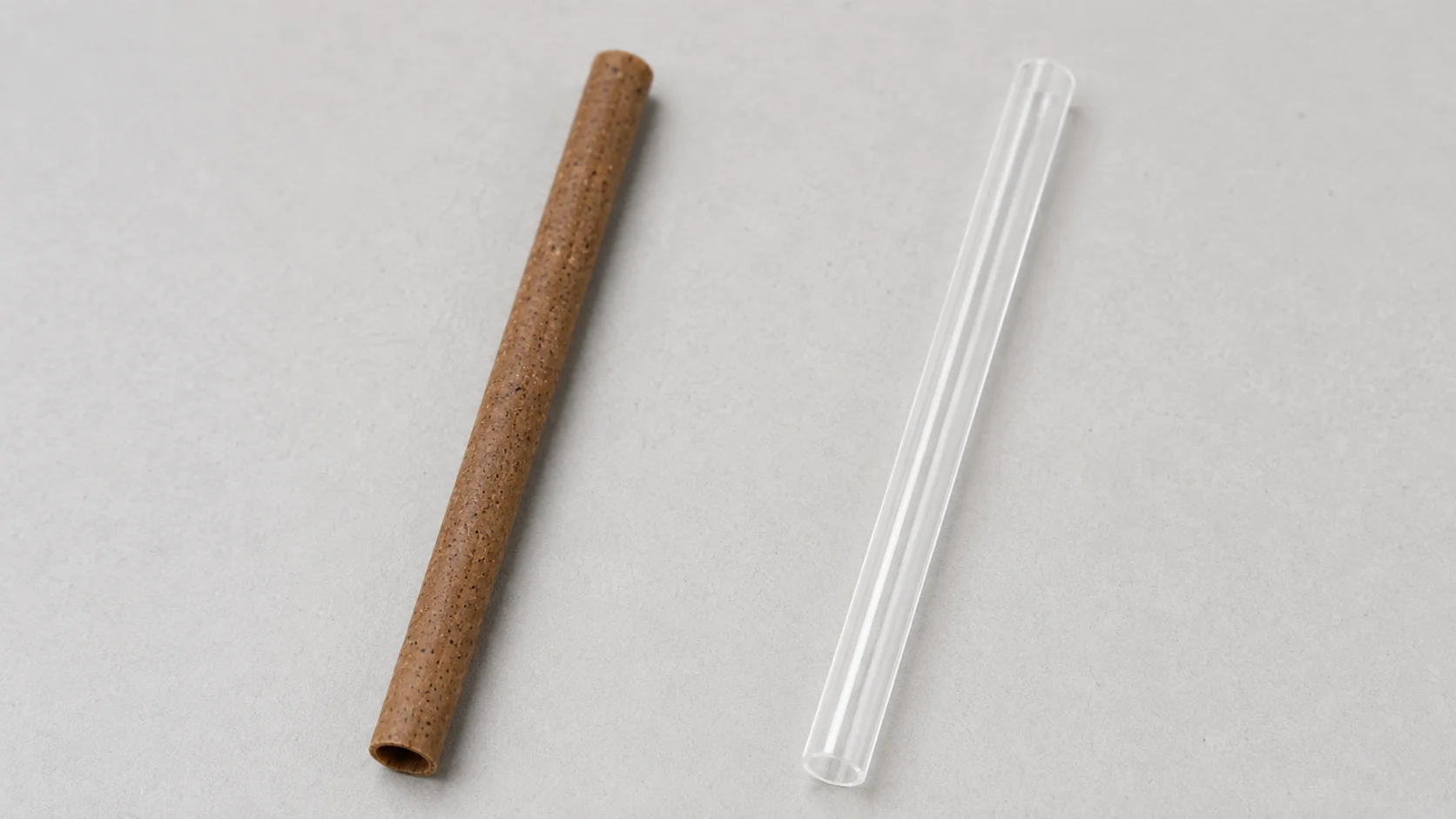
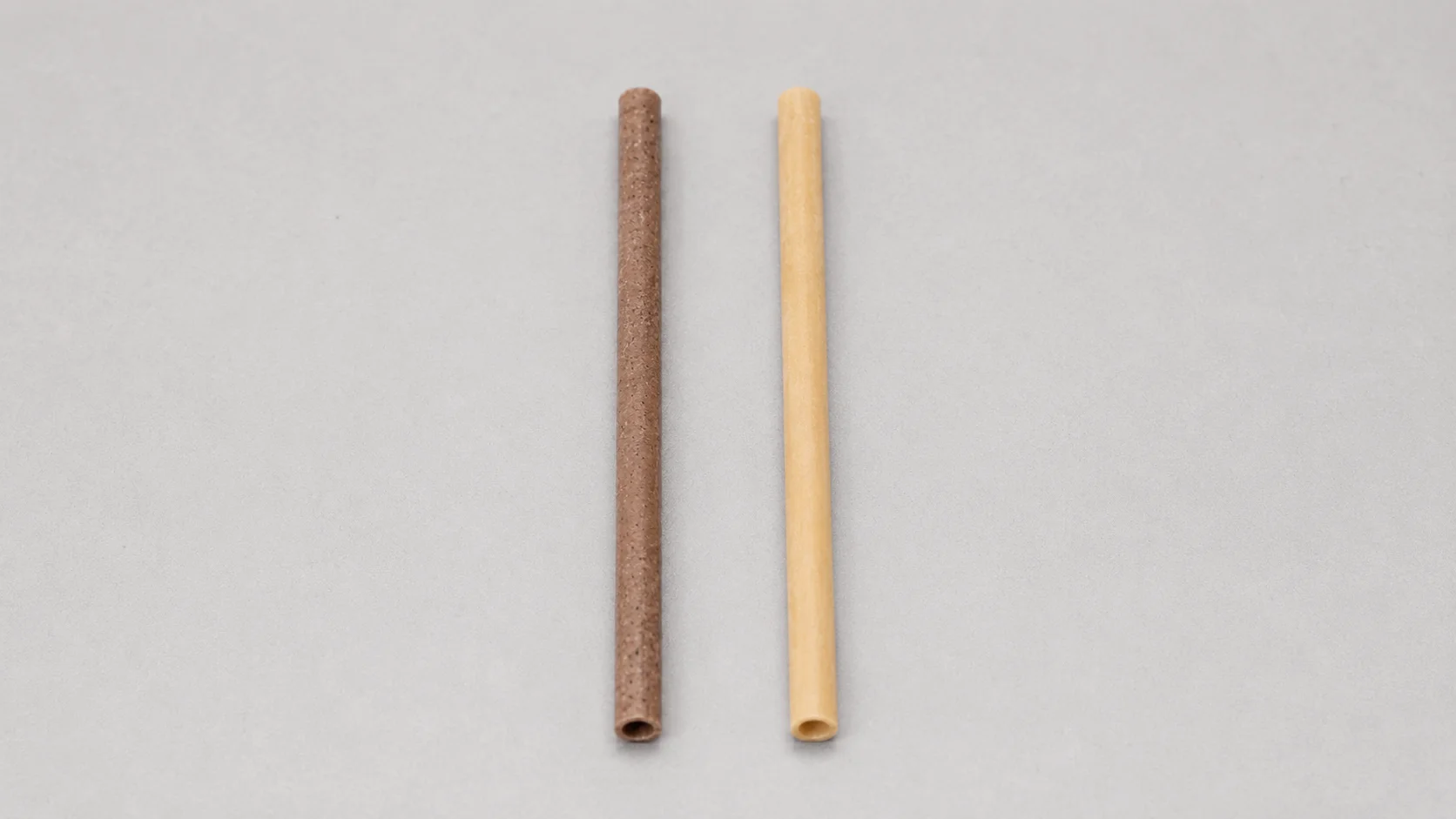
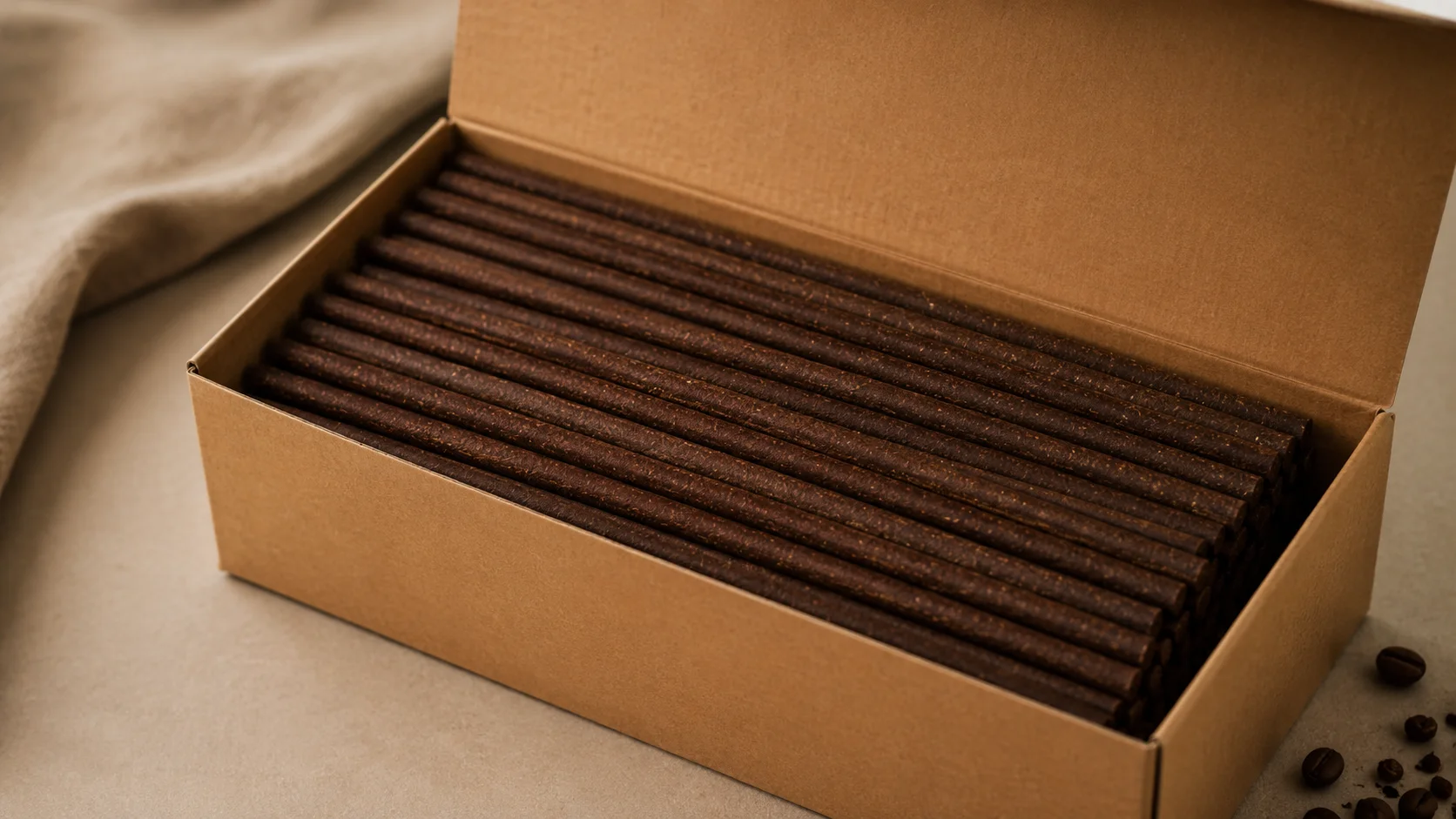
¿Las pajitas de caña de azúcar afectan el sabor de la bebida?

The Neutral & PFAS-Free Choice for Sustainable Sips
Las empresas buscan constantemente alternativas sostenibles que no comprometan la experiencia del cliente. ¿Estás cansado de las pajitas “ecológicas” que dejan un regusto a papel o se desmoronan a mitad de sorbo? Para cafeterías, restaurantes y hoteles, una mala experiencia con una pajita puede socavar incluso la bebida elaborada con mayor destreza, impactando directamente en la satisfacción del cliente y la percepción de la marca. Pero, ¿qué pasaría si una pajita de origen vegetal realmente permitiera que sus bebidas brillaran, preservando su sabor puro sin notas o texturas no deseadas?
La pregunta urgente para muchos en el sector HoReCa es: ¿Afectan las pajitas de caña de azúcar al sabor de las bebidas? La respuesta es un rotundo no: una revelación que puede deleitar a sus clientes y alinear su marca con una sostenibilidad genuina.
El problema de las alternativas comunes
For years, businesses striving for sustainability reluctantly turned to paper straws. While well-intentioned, these alternatives quickly became a source of widespread customer frustration and brand reputation risk. Paper straws frequently introduce an undesirable, woody or papery taste, detracting from the beverage’s intended flavor. Compounding this, their structural integrity rapidly deteriorates, leading to soggy, collapsed tubes that frustrate users and diminish the overall drinking experience. This isn’t just an inconvenience; it’s a direct assault on your brand’s quality perception.
Other well-meaning alternatives also present challenges. Pasta straws, for instance, can soften and become chewy in warm liquids, altering consistency and sometimes imparting a starchy taste. Early bioplastic straws also faced taste neutrality or durability issues. Such solutions risk trading plastic pollution for compromised customer experience.

Sugarcane Straws: Engineered for Neutrality
The Science of No Flavor
This is where sugarcane straws emerge as a superior solution. They are crafted from bagasse, the fibrous residue left behind after sugarcane stalks have been pressed to extract their juice. Crucially, the advanced manufacturing process meticulously removes all sugar content from this fibrous byproduct, resulting in a naturally neutral, tasteless, and odorless material perfectly suited for beverage consumption. This scientific refinement ensures the straw acts purely as a conduit, allowing the unadulterated taste of any drink to come through, exactly as intended.
Overwhelming Consensus
Los expertos de la industria y los primeros usuarios confirman abrumadoramente esta neutralidad en el sabor. Desde tés helados y refrescos refrescantes hasta cafés calientes y delicadas infusiones de hierbas, las pajitas de caña de azúcar mantienen su integridad y, lo que es más importante, no aportan sabores extraños. Este rendimiento constante garantiza que sus clientes puedan saborear el perfil de sabor puro y deseado de sus bebidas desde el primer sorbo hasta el último, sin sorpresas desagradables.
La excepción "sutilmente dulce" (y cómo es un beneficio)
While the vast majority of experiences highlight taste neutrality, a rare few users have reported a “subtly sweet taste” when using sugarcane straws. Far from being a negative flavor alteration, this is often perceived as an occasional, pleasant enhancement, particularly in certain beverages, adding a gentle, natural sweetness that complements the drink. This nuance, when it occurs, is typically mild and never intrusive, unlike the chemical or papery notes associated with less refined alternatives.

Beyond Taste: Superior Performance & Purity
Durability You Can Trust
The advantages of sugarcane straws extend far beyond taste. Unlike their flimsy paper counterparts, which often succumb to sogginess within minutes, sugarcane straws boast remarkable structural integrity. They maintain their firmness and usability for hours, performing consistently in a wide range of temperatures—from sub-zero iced coffees to steaming hot chocolates. This prevents the all-too-common “soggy straw frustration” that can negatively impact a customer’s perception of quality and service, thereby safeguarding your brand reputation.
Chemical-Free Assurance
En una era de escrutinio cada vez mayor sobre los materiales en contacto con alimentos, la pureza de la solución de pajita elegida es primordial. Las pajitas de caña de azúcar normalmente no contienen productos químicos nocivos como BPA, plásticos derivados del petróleo, lejía y metales pesados. Muchas versiones de alta calidad también están 100% libres de PLA, lo que aborda las preocupaciones relacionadas con los bioplásticos que aún requieren compostaje industrial y, en ocasiones, están prohibidos según estrictas directivas sobre plásticos de un solo uso. Lo más importante es que las pajitas genuinas de caña de azúcar sonSin PFAS. This is a monumental differentiator. Recent studies have revealed alarming findings: many paper and bamboo straws, often marketed as eco-friendly, contain “forever chemicals” (Per- and Polyfluoroalkyl Substances, or PFAS). These synthetic compounds are used to impart water repellency but are highly persistent in the environment and human body, linked to serious health issues. By choosing PFAS-free sugarcane straws, businesses can confidently offer a safer, more natural drinking experience, safeguarding both customer well-being and environmental integrity. This commitment to purity is not just a preference; it’s rapidly becoming a regulatory imperative.

The Growing Imperative for True Sustainability
Navigating Regulatory Landscape
The global push to combat plastic pollution has profoundly reshaped the regulatory environment for single-use items. The European Union’s Single-Use Plastics Directive (EU SUPD), which came into force on July 3, 2021, stands as a landmark example. This directive explicitly prohibits traditional plastic straws across all EU member states. Critically, this ban extends to many bioplastics, including PLA, bio-based plastics, and even some “biodegradable” or “compostable” plastics, because they are still classified as “plastic” under the directive’s stringent definition. Such regulations are not isolated; similar bans and restrictions are proliferating globally, driving an urgent need for genuinely compliant, non-plastic alternatives. The hospitality, restaurant, and catering (HoReCa) sector, in particular, faces immense pressure to pivot to solutions that meet these evolving legal frameworks, ensuring operational continuity and avoiding costly penalties.La Comisión Europea proporciona información completa sobre el SUPD de la UE.
Responsabilidad extendida del productor (EPR)
Complementando estas prohibiciones están las tendencias aceleradas en la Responsabilidad Extendida del Productor (EPR). Los marcos EPR están obligando a los fabricantes y marcas a asumir total responsabilidad financiera y operativa durante todo el ciclo de vida de sus productos y embalajes, desde el diseño hasta el final de su vida útil. Esto significa que la carga de la gestión de residuos, el reciclaje y la eliminación segura se está desplazando cada vez más de los municipios a los propios productores, incentivando materiales genuinamente sostenibles. La elección de pajitas de caña de azúcar compostables certificadas se alinea perfectamente con los objetivos de EPR, lo que demuestra un compromiso con la circularidad y la reducción del impacto ambiental, lo que podría conducir a tarifas reducidas en esquemas de EPR ecomodulados. Se prevé que el mercado mundial de pajitas ecológicas alcance aproximadamente 25 100 millones de dólares en 2035, lo que subraya el imperativo comercial detrás de estos cambios.

Eleve su marca con calidad sin concesiones
La experiencia del cliente primero
En el competitivo mercado actual, la experiencia del cliente es el principal diferenciador. Ofrecer a sus clientes una experiencia de pajita de primera calidad, de sabor neutro y excepcionalmente duradera indica un profundo compromiso con la calidad y la satisfacción. Las pajitas de caña de azúcar eliminan las quejas comunes asociadas con las alternativas de papel empapadas y que pierden sabor, asegurando que cada sorbo sea tan agradable como la bebida misma. Esto eleva el valor percibido de sus ofertas, fomentando la lealtad del cliente y el boca a boca positivo.
Alinearse con valores eco-conscientes
Más allá de la satisfacción inmediata, los consumidores dan cada vez más prioridad a las empresas que demuestran una auténtica responsabilidad medioambiental. Al adoptar pajitas de caña de azúcar verdaderamente ecológicas, usted satisface activamente esta creciente demanda, mejorando su perfil de Responsabilidad Social Corporativa (RSC). Esta alineación resuena profundamente entre los clientes conscientes del medio ambiente, fortalece su imagen de marca y atrae a un grupo demográfico cada vez más leal a las prácticas sostenibles.
Cut Through “Greenwashing” with Confidence & Compliance
The FTC Green Guides & Honest Claims
La proliferación de afirmaciones “ecológicas” ha llevado a un “lavado verde” generalizado, en el que las empresas hacen declaraciones medioambientales engañosas o sin fundamento. Navegar por este panorama requiere vigilancia y cumplimiento de marcos regulatorios claros. En los Estados Unidos, las Guías Verdes de la Comisión Federal de Comercio (FTC) proporcionan directrices cruciales para prevenir afirmaciones engañosas de marketing medioambiental. Las afirmaciones sin fundamento sobre que los productos son “biodegradables” o “compostables” sin la evidencia científica adecuada para su eliminación típica pueden dar lugar a sanciones importantes. Afirmaciones amplias e incondicionales como “ecológico” suelen ser engañosas. Comprender y adherirse a estas guías es fundamental para la confianza del consumidor y evitar la aplicación de las leyes.You can find the official FTC Green Guides documentation here.
Certification Matters
To counter greenwashing and ensure compliance, reputable third-party certifications are indispensable. These certifications provide verifiable proof of a straw’s eco-credentials, offering transparency and accountability.
- EN 13432 (Europa): This European standard defines requirements for industrially compostable packaging: 90% breakdown into CO2 within six months; 90% disintegration into pieces smaller than 2mm within 12 weeks, without leaving harmful residues.
- ASTM D6400 / D6868 (North America): Estas normas ASTM son los equivalentes norteamericanos para la compostabilidad industrial. ASTM D6400 especifica requisitos para plásticos diseñados para ser compostados aeróbicamente en instalaciones municipales o industriales, que requieren un 90% de biodegradación en seis meses y un 90% de desintegración en 12 semanas. La norma ASTM D6868 se centra en productos compostables, lo que garantiza que se descompongan en elementos naturales y no sean visualmente distinguibles en un plazo de 90 días.
- BPI & TÜV OK Compost: These are leading certification bodies. The Biodegradable Products Institute (BPI) certifies products to ASTM D6400/D6868 for industrial composting, strictly requiring products to be free of intentionally added PFAS and have total organic fluorine below 100 parts per million. TÜV Austria offers “OK compost INDUSTRIAL” (equivalent to EN 13432/ASTM D6400) and the more stringent “OK compost HOME” certifications, assuring breakdown in less controlled home composting environments. They also offer “OK biodegradable MARINE” for marine environments.
The following table provides a clear comparison of key compostability certifications:
| Estándar de certificación | Geographic Focus | Ambiente de compostaje | Key Requirements (General) | Requisito de PFAS | Recognizable Label (Example) |
|---|---|---|---|---|---|
| EN 13432 | Europa | Industrial | 90% biodegradation in 6 months; 90% disintegration in 12 weeks; no ecotoxicity | No specific PFAS ban | Seedling Logo |
| ASTM D6400 | América del norte | Industrial | 90% biodegradation in 6 months; 90% disintegration in 12 weeks; no ecotoxicity | No specific PFAS ban | BPI Compostable Logo |
| ASTM D6868 | América del norte | Industrial | Visually indistinguishable in 90 days; no toxic residue | No specific PFAS ban | BPI Compostable Logo |
| Certificado BPI | América del norte | Industrial | Meets ASTM D6400/D6868; 90% biodegradation in 90-180 days; 90% disintegration in 84 days | <100 ppm total organic fluorine | BPI Compostable Logo |
| TÜV OK compost INDUSTRIAL | Global | Industrial | Meets EN 13432; full compost formation in 180 days | PFAS often restricted | OK compost INDUSTRIAL Logo |
| TÜV OK compost INICIO | Global | Hogar | 90% biodegradation in 1 year; 90% disintegration in 26 weeks; non-toxic | PFAS often restricted | OK compost HOME Logo |
For businesses, relying on products with these certifications is critical.Learn more about BPI certification and search for certified products on their official website.
The PFAS Advantage: A Critical Differentiator
The presence of PFAS in “eco-friendly” alternatives is a significant concern that businesses must address. Recent studies, including one published inFood Additives & Contaminants, revealed PFAS in a startling 90% of paper straws and 80% of bamboo straws tested in Europe. These “forever chemicals” are added for water repellency but are highly persistent and linked to severe health issues. This contaminates the very notion of “eco-friendly.” By offering genuinely PFAS-free sugarcane straws, you provide a critical differentiator. This ensures safety for your customers and aligns with increasingly stringent global regulations. Several states in the US (e.g., California, Maine, Minnesota, Colorado) have already implemented or are phasing in bans on PFAS in food packaging and other products, with the EU proposing a “Universal PFAS Restriction.” Choosing PFAS-free sugarcane straws is not just an ethical choice; it’s a strategic move to future-proof your business against evolving regulatory pressures and consumer expectations.
Momoio’s Solution: Sustainable, Taste-Neutral Sugarcane Straws
At MOMOIO, we understand the complexities of balancing sustainability, performance, and compliance for your business. OurPajitas de caña de azúcar ecológicas y sosteniblesoffer the perfect blend of performance, purity, and proven sustainability. Made from natural bagasse, they are meticulously designed to be taste-neutral, exceptionally durable, and rigorously free from harmful chemicals, including BPA, petroleum, bleach, heavy metals, and most importantly, PFAS. They are an ideal choice for businesses seeking to elevate their customer experience while championing true environmental stewardship.
We believe in a holistic approach to sustainability. Beyond our premium sugarcane straws, MOMOIO offers a comprehensive range of certified eco-friendly solutions to support your entire operation. Discover our innovativePajitas de café molidofor another unique, sustainable option, or explore our diverse selection of packaging. Complete your sustainable offerings with our certifiedEnvases de alimentos biodegradablessolutions, designed to minimize environmental impact from farm to fork.
MOMOIO is committed to providing tailored solutions for your unique business needs:
- For Cafes: Elevate your coffee experience and meet eco-conscious demand with our durable, taste-neutral straws and complementary sustainable packaging.
- For Hotels: Enhance your hospitality offerings with premium, compliant, and environmentally responsible beverage accessories.
- For Retail: Boost your brand image and attract discerning customers with sustainable products that align with modern consumer values.
Make the Switch Today
Don’t let inferior straws detract from your customers’ experience or your brand’s vital commitment to sustainability. The time for genuine change is now. Choose a solution that guarantees taste integrity, superior performance, and verifiable environmental responsibility, allowing your business to thrive in a rapidly evolving market.
Explore Momoio’s Sustainable CollectionGet a Custom Quote
Preguntas frecuentes
Taste • Durability • PFAS • Compliance • Certifications
No—sugarcane straws are engineered to be taste-neutral. During manufacturing, sugar content is removed from bagasse (the fibrous residue), so beverages retain their original flavor. Unlike many paper straws that can leave a papery aftertaste, sugarcane straws maintain a clean drinking experience. In rare cases users may perceive a very subtle sweetness, typically considered pleasant.
Sugarcane straws are significantly more durable. Paper straws often become soggy and lose rigidity, while sugarcane straws maintain structure and firmness for hours in both hot and cold beverages—eliminating “soggy straw” frustration and delivering a consistently pleasant user experience.
High-quality sugarcane straws are typically free from BPA, petroleum-derived plastics, bleach, heavy metals—and critically, PFAS (per- and polyfluoroalkyl substances). Always verify with reputable third-party certifications and request batch COA/TOF (total organic fluorine) results to ensure PFAS-free compliance.
Yes. Genuine sugarcane straws align with global regulations such as the EU Single-Use Plastics Directive (SUPD) when supplied as plastic-free, fiber-based products. Their certified compostability also supports Extended Producer Responsibility (EPR) goals and broader circular economy targets.
Look for third-party marks such as:
EN 13432 (EU industrial compostability), ASTM D6400/D6868 (North America), BPI certification, and TÜV OK compost (INDUSTRIAL / HOME). These confirm biodegradation, disintegration, eco-toxicity limits, and—where applicable—PFAS-free criteria.