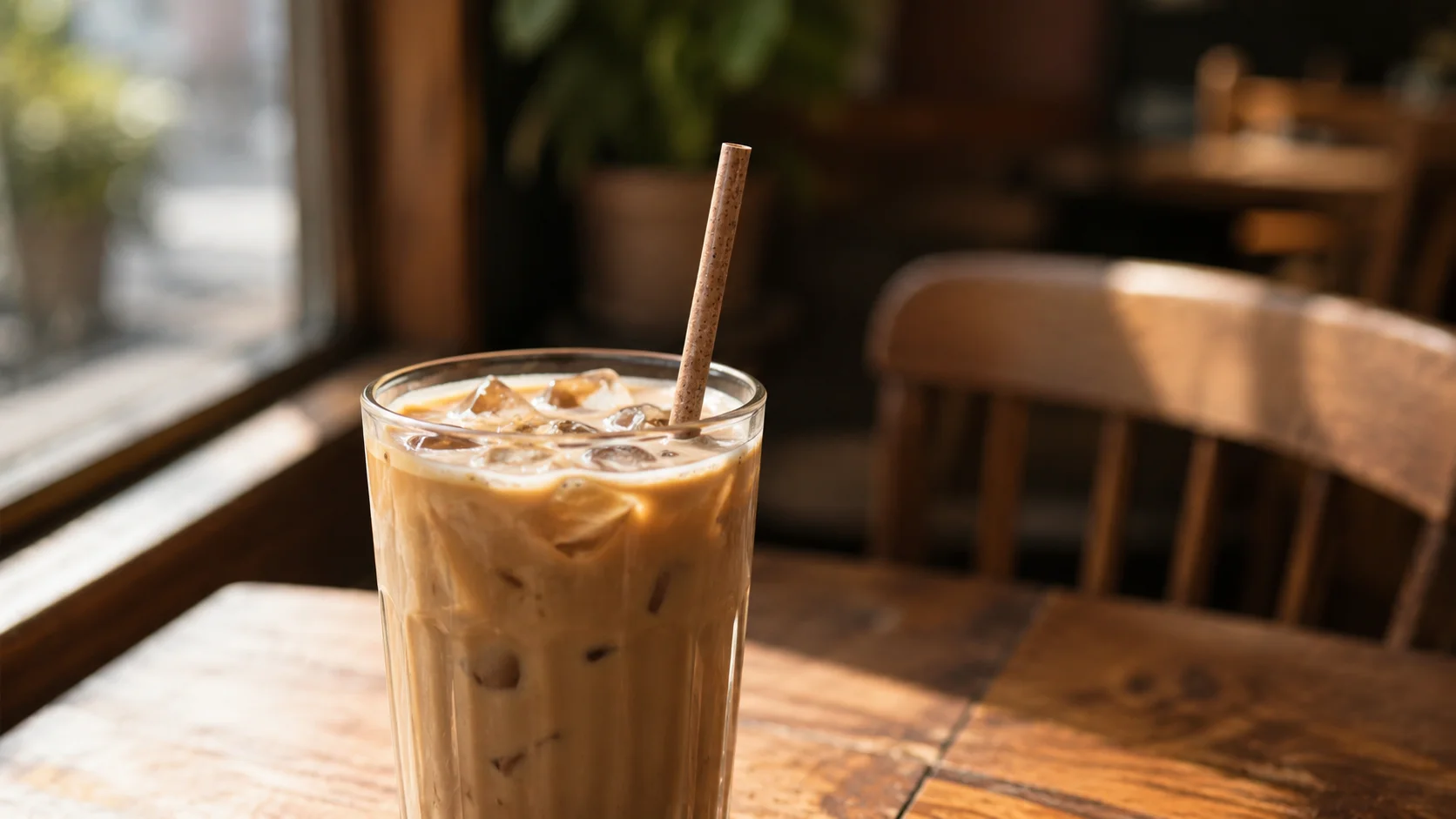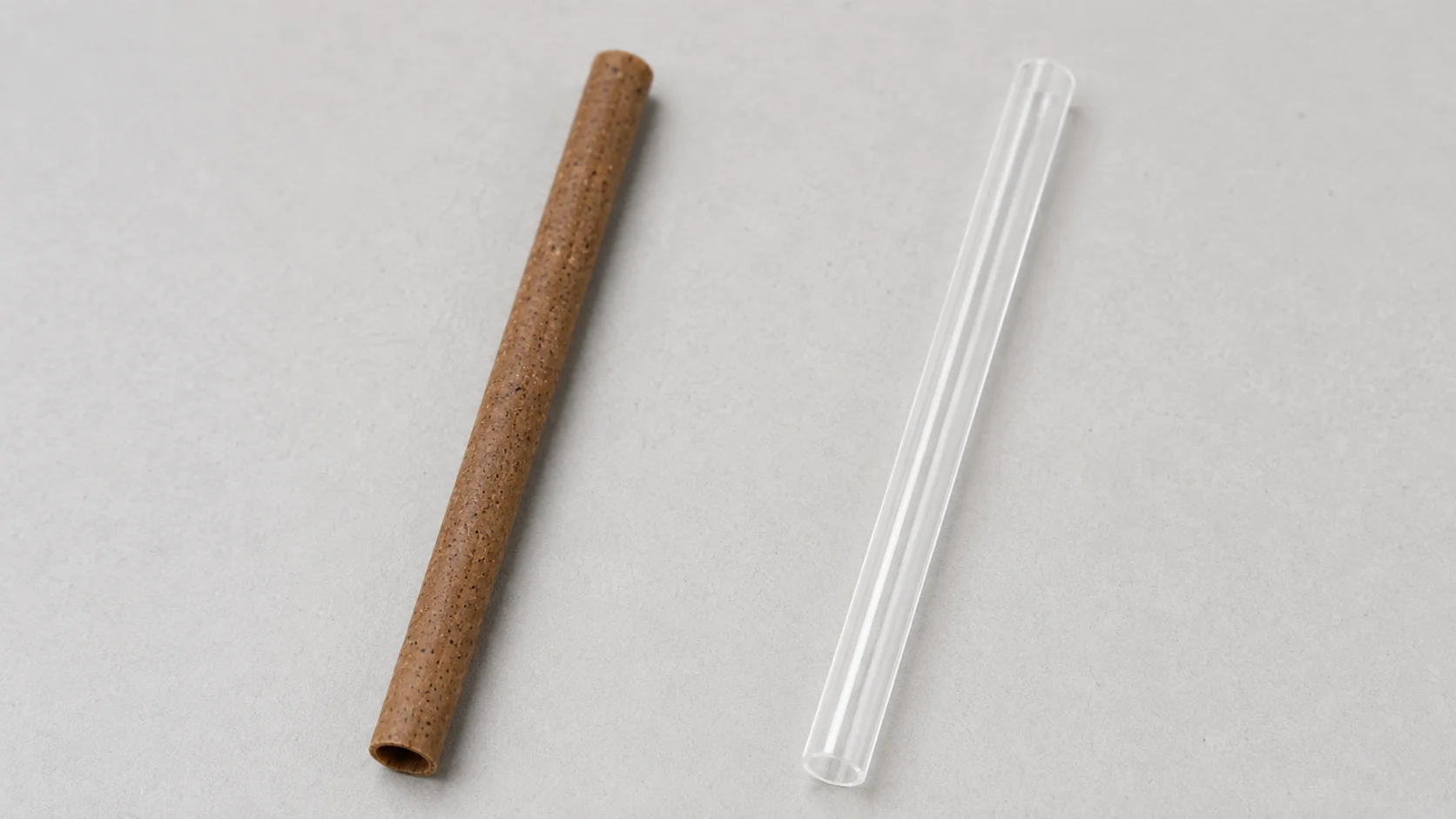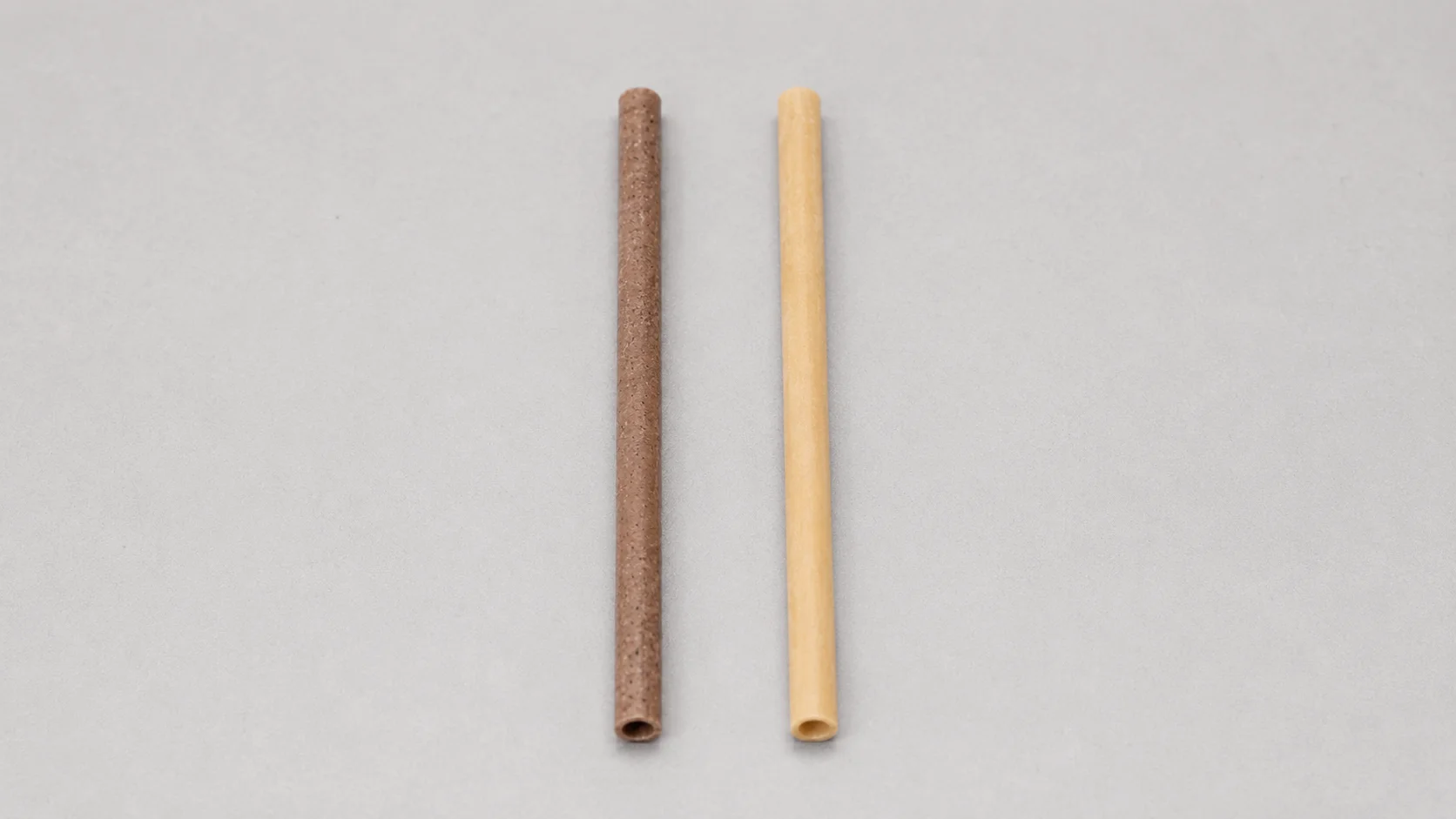
Maailmanlaajuinen ympäristötietoisuuden tulva on muuttanut nopeasti yritysten maisemaa maailmanlaajuisesti, erityisesti kertakäyttöisten muovien osalta. Hankintapäälliköt, toimintajohtajat, kestävän kehityksen johtajat ja toimitusketjun johtajat eivät ole vieraita lisääntyvälle paineelle, jota ilmentävät laajat muovipilleriä koskevat kiellot – Euroopan unionin kunnianhimoisesta kertakäyttömuovedirektiivistä osavaltiotason rajoitusten tilkkutäkkiin kaikkialla Yhdysvalloissa. Tämä sääntelyn muutos yhdistettynä yhä ympäristötietoisempaan kuluttajapohjaan on vauhdittanut nopeaa kääntymistä kohti "biohajoavia" vaihtoehtoja. Matka perinteisestä muovista aitoon kestävyyteen on kuitenkin täynnä monimutkaisuutta, piilotettuja sudenkuoppia ja kriittisiä näkökohtia, jotka ulottuvat paljon muutakin kuin pelkkä tuotteen vaihto. Yritykset, jotka eivät ymmärrä näitä vivahteita, uhkaavat paitsi toiminnan tehottomuutta ja sääntöjenmukaisuussakkoja, myös merkittäviä mainevaurioita ja asiakkaiden luottamuksen murenemista. Näillä kehittyvillä markkinoilla liikkuminen vaatii strategista etenemissuunnitelmaa, joka ylittää pintatason vihreitä väitteitä, jotta voidaan tehdä todella tietoisia valintoja, jotka vastaavat kaupallisia tavoitteita, vähentävät riskejä ja tuottavat mitattavissa olevia ympäristövaikutuksia. Maailmanlaajuiset ympäristöystävälliset pillimarkkinat, joiden ennustetaan saavuttavan huikeat 25,1 miljardia dollaria vuoteen 2035 mennessä ja kasvavan vahvalla 7,3 %:n CAGR:llä, tarjoaa sekä pakollisen että ennennäkemättömän mahdollisuuden alan johtajille.
Juuri niitä termejä, joita käytetään kuvaamaan ympäristöystävällisiä vaihtoehtoja – "biohajoava", "kompostoituva" ja "meressä hajoava" - käytetään usein vaihtokelpoisina, mikä johtaa laajaan hämmennykseen B2B-ostajien keskuudessa. Päättäjille täsmällinen ymmärrys on ensiarvoisen tärkeää. "Biohajoava" tarkoittaa yksinkertaisesti sitä, että materiaali voi hajota luonnollisesti, mutta ratkaisevaa on, että se ei määrittele, kuinka kauan se kestää tai missä olosuhteissa. "Kompostoituva" on tiukempi väite, mikä tarkoittaa, että materiaali hajoaa ravinnerikkaaksi orgaaniseksi aineeksi, mutta se vaatii yleensä erityisiä olosuhteita. "Teollisesti kompostoitavat" materiaalit, kuten monet polylaktihappo (PLA) -pillit, vaativat korkeita lämpötiloja (usein 60 celsiusastetta 10 peräkkäisenä päivänä) ja hallittua kosteutta, joita löytyy vain erikoistiloista. Ilman näitä olosuhteita ne voivat säilyä kaatopaikoilla satoja, jopa tuhansia vuosia, aivan kuten perinteiset muovit, ja lisätä metaanipäästöjä. "Kotikompostoitava" on helppokäyttöisen hajoamisen kultastandardi, joka hajoaa takapihan kompostikasaan. "Merissä hajoava" viittaa erityisesti materiaaleihin, jotka on suunniteltu hajoamaan valtameriympäristöissä, mikä koskee kriittistä saastelähdettä.
Ymmärtääksesi nykyisen ongelman, se auttaa katsomaan taaksepäin juomaputkien historiaan. Muinaisista Mesopotamian kultaisista oljista 1800-luvun ruisruohoon, mukavuus on aina ollut avainasemassa. Marvin C. Stonen vuonna 1888 keksimä parafiinivahattu paperipilli tarjosi puhtaamman, maukkaamman ratkaisun, joka hallitsi 1900-luvun puoliväliin asti. Halvan, kestävän muovin tulo sivuutti paperin, mikä johti vuosikymmeniä kaikkialla olevaan ongelmalliseen muovijätteeseen. 2000-luvun kestävien vaihtoehtojen elpyminen on suoraan yhteydessä kiistattomaan maailmanlaajuiseen meteliin valtamerten muovisaastuksesta ja mikromuovien leviämisestä. Nykypäivän B2B-markkinat tarjoavat monipuolisen valikoiman materiaaleja. Näitä ovat kasvipohjaiset polymeerit, kuten PLA, polyhydroksialkanoaatit (PHA) ja selluloosadiasetaatti (CDA; tyypillisesti selluloosaesteri). Luonnonkuidut, kuten paperi, bambu, vehnän varret, agave ja ruoho, tarjoavat vaihtoehtoisia tekstuureja ja estetiikkaa. Uudet innovaatiot työntävät rajoja pidemmälle merilevän, riisin, tapiokapohjaisten syötävien olkien ja bakteeriselluloosan kanssa, joista jokainen lupaa ainutlaatuisia etuja ja haasteita. Näiden vaihtoehtojen taustalla olevan materiaalitieteen ymmärtäminen on ratkaisevan tärkeää tietoisen hankinnan ja vastuullisen hävittämisen kannalta. Tätä aihetta tutkimme perusteellisesti oppaassammeBiohajoavat olkimateriaalit, valmistus ja hävittäminen B2B:lle.

Yrityksille siirtyminen biohajoaviin pilleihin on harvoin saumaton siirtyminen. Tarraiskun lisäksi voi nopeasti ilmaantua operatiivisia päänsärkyä ja vaatimustenmukaisuusriskejä. Suorituskyky- ja käytännöllisyyskysymykset ovat listan kärjessä: pahamaineinen ”märän oljen” dilemma vaivaa monia paperivaihtoehtoja, liukenee ennenaikaisesti juomiin, muuttaa makua tai ei kestä paksuja juomia, kuten smoothieita. Tämä vaikuttaa suoraan asiakaskokemukseen ja brändikäsitykseen. Operatiivisen henkilöstön edessä on myös uusia haasteita, jotka liittyvät varastointivaatimuksiin, säilyvyyteen ja helppokäyttöisyyteen. Kustannustekijä on kiistatta suuri este; Biohajoavien pillien hankinta on yleensä kalliimpaa kuin niiden muoviset edeltäjät. Vaikka globaalien kompostoivien pillien markkinoiden ennustetaan kasvavan 3,8 miljardiin dollariin vuoteen 2035 mennessä, kun se vuonna 2025 oli 1,9 miljardia dollaria kysynnän vetämänä, nämä korkeammat materiaali- ja tuotantokustannukset johtavat usein pienempiin voittomarginaaleihin yrityksille, mikä edellyttää huolellisia kustannusten vähentämisstrategioita tinkimättä kestävän kehityksen sitoumuksista.
Ehkä merkittävin haaste on navigointi "vihreänpesun" miinakentällä. PLA-paradoksi on hyvä esimerkki: PLA-pillit, joita markkinoidaan biohajoavina tai kompostoitavina, vaativat usein erikoistuneita teollisia kompostointilaitoksia hajottaakseen tehokkaasti, kuten aiemmin todettiin. Kun nämä pillit päätyvät tavallisille kaatopaikoille, niiden hajoaminen voi kestää vuosisatoja ja aiheuttaa metaanikaasupäästöjä, joka on voimakas kasvihuonekaasu. Tämä markkinointiväitteiden ja todellisten hävittämismahdollisuuksien välinen ero aiheuttaa merkittävän riskin johtaa kuluttajia harhaan ja heikentää todellisia kestävän kehityksen pyrkimyksiä. Toinen hälyttävä huolenaihe on "ikuisten kemikaalien" eli poly- ja perfluorialkyyliaineiden (PFAS) esiintyminen joissakin paperi- ja bambupilleissa. Esimerkiksi vuonna 2023 tehty tutkimus paljasti, että 18 20:stä Euroopassa testatusta paperi- ja bambupillistä sisälsi näitä hitaasti hajoavia ja mahdollisesti myrkyllisiä kemikaaleja, joita käytetään vettä hylkivissä pinnoitteissa tai jotka voivat olla epäpuhtauksia. Tämä havainto herättää vakavia epäilyksiä näiden vaihtoehtojen ympäristöhyödyistä ja terveysturvallisuudesta, mikä osoittaa, että kaikkia "ympäristöystävällisiä" vaihtoehtoja ei ole luotu tasavertaisina. Yritysten on tarkastettava toimitusketjunsa tiukasti välttääkseen näiden haitallisten aineiden vahingossa tuomisen. Lisätietoja näiden monimutkaisten säännösten ja materiaalien noudattamiseen liittyvien ongelmien ratkaisemisesta on artikkelissammeBiohajoavien pillien tuontivaatimusten mukainen.

Lisäksi muovipillien kieltäminen on toisinaan jättänyt huomiotta vammaisten, kroonisista sairauksista tai terveysongelmista kärsivien henkilöiden kriittiset tarpeet, jotka usein luottavat muovipillien joustavuuteen, kestävyyteen ja turvallisuuteen itsenäisessä juomisessa. Monet biohajoavat tai uudelleenkäytettävät vaihtoehdot eivät täytä näitä erityistarpeita, mikä aiheuttaa riskejä, kuten vammoja terävistä reunoista (metalli/lasi), tukehtumisvaarat, allergiset reaktiot tai vaikeuksia puhdistamisessa ja steriloinnissa. Saavutettavuuteen ja osallisuuteen puuttumisen on oltava olennainen osa vastuullista hankintastrategiaa, jotta kestävät valinnat eivät vahingossa luo esteitä. Edunvalvontaryhmät, kutenVammaisten oikeuksien keskuskorostaa osallistavien ratkaisujen merkitystä ja kannustaa yrityksiä ja päätöksentekijöitä ottamaan huomioon erilaisia tarpeita. Jos haluat ymmärtää enemmän PFAS:stä ja niiden vaikutuksista, tutustu tieteellisten organisaatioiden, kutenAmerican Chemical Society.
Aidosti kestävän olkistrategian laatiminen yrityksellesi edellyttää syvällistä sukellusta saatavilla oleviin vaihtoehtoihin, niiden etujen, haittojen ja todellisten hävittämisvaatimusten punnitsemista. Valikoima laajenee, ja niiden vivahteiden ymmärtäminen on keskeistä hankintapäälliköille ja kestävän kehityksen johtajille:
| Materiaalityyppi | Tärkeimmät edut (B2B-keskeisyys) | Tärkeimmät haitat (B2B keskittyminen) | Parhaat käyttökotelot (B2B Focus) | Hävitysvaatimukset (todelliset vaikutukset) |
|---|---|---|---|---|
| Paperi | Laajalti saatavilla, vahva "ympäristöystävällinen" käsitys, monipuoliset mallit, kustannustehokas vaihtoehtojen joukossa. | Altis kosteutta, voi muuttaa makua, vaihteleva kestävyys, mahdollinen PFAS. | Pikapalvelujuomat, kylmät juomat, lyhytaikainen käyttö. | Mieluummin teollinen kompostointi (30-60 päivää), muuten kaatopaikka. Tarkista PFAS-sisältö. |
| PLA | Samanlainen tuntu kuin muovilla, saatavilla selkeät vaihtoehdot, kasvipohjainen. | Vaatii teollista kompostointia (60°C 10 päivää), pitkäaikaista kaatopaikkapysyvyyttä, viherpesuriskiä. | Kylmiä juomia, joissa toivotaan muovimaista tuntua ja teollinen kompostointimahdollisuus. | Vain teollinen kompostointi; muuten toimii kuin tavallinen muovi kaatopaikoilla/ympäristössä. |
| PHA/CDA | Kotikäyttöön kompostoitava, nopeammin hajoava (mukaan lukien meri), valmistettu uusiutuvista luonnonvaroista, vahva tulevaisuuden potentiaali. | Uudempi tekniikka, mahdollisesti korkeammat kustannukset, rajoitettu saatavuus, vähemmän vakiintunut toimitusketju. | Premium-merkit, erikoistuneet ekoaloitteet, paikat, joissa on kotikompostointi tai meritietoinen hävitys. | Kotikäyttöön kompostoitava, osittain meressä hajoava (8-20 kuukautta). |
| Bambu/vehnä/agave | Luonnollinen, maalaismainen esteettinen, uusiutuva, usein uudelleenkäytettävä (bambu). | Vaihteleva kestävyys, voi antaa makua, ei aina tasaista, puhdistusongelmia uudelleenkäytettäväksi. | Tasokkaita rentoja ravintoloita, ekoteemoja ja tapahtumia luonnonbrändeillä. | Kompostointi (vaihtelee käsittelyn mukaan) tai kaatopaikalle, jos sitä ei käsitellä kunnolla. |
| Syötävä/merilevä | Nollajätepotentiaali, uutuustekijä, parantaa asiakaskokemusta. | Rajoitettu säilyvyys, erityinen säilytys, voi muuttaa makua, korkeammat kustannukset, ei sovellu kaikille juomille. | Erikoiskahviloita, ainutlaatuisia tapahtumia, jälkiruokakauppoja, rajoitetun ajan tarjouksia. | Kulutuskelpoinen (ihanteellinen), muuten ruokajätteen kompostointi/kaatopaikka. |
| Uudelleenkäytettävä (metalli/lasi/silikoni) | Äärimmäistä kestävyyttä, ensiluokkainen tuntuma (metalli/lasi), joustava (silikoni). | Toiminnan monimutkaisuus (pesu, sterilointi, varastointi), rikkoontumisriski (lasi), joidenkin saavutettavuusongelmia. | Laadukkaat ravintolat, yritysten toimistot, joihin asiakkaita kannustetaan tuomaan omat. | Kierrätys (metalli/lasi), erikoiskierrätys (silikoni) tai pitkäaikainen uudelleenkäyttö. |

Ympäristöystävällisten pillien markkinat eivät vain kasva; se uudistuu nopeasti. Pelkästään maailmanlaajuisten kompostoivien pillien markkinoiden ennustetaan lähes kaksinkertaistuvan 1,9 miljardista dollarista vuonna 2025 3,8 miljardiin dollariin vuoteen 2035 mennessä, mikä osoittaa vahvan 7,1 prosentin CAGR:n. Paperipillien odotetaan säilyttävän määräävän asemansa ja omistavan arviolta 44,3 %:n osuuden kompostoivista markkinoista vuoteen 2025 mennessä niiden vakiintuneen ympäristöystävällisyyden ja laajan saatavuuden ansiosta. Tätä laajentumista vauhdittavat suoraan kertakäyttömuoveja koskevat lainsäädännölliset rajoitukset, kuten kattavaEU:n kertakäyttöisten muovien direktiivi, joka on luonut ennakkotapauksen globaalille politiikalle. Myös Yhdysvaltain osavaltiotason kiellot kehittyvät edelleen ja luovat monimutkaisen mutta mahdollisuuksia rikkaan sääntelymaiseman.
Yritysten on myös tunnustettava muuttuvien kuluttajien vaatimusten voimakas vaikutus. Ympäristötietoiset sukupolvet, kuten Millennials ja Gen Z, eivät vain aseta kestävyyttä etusijalle, vaan ovat yhä valmiimpia maksamaan palkkion ympäristöystävällisistä tuotteista ja palveluista. Näiden arvojen mukauttaminen voi parantaa merkittävästi brändin mainetta, edistää asiakkaiden uskollisuutta ja jopa avata uusia markkinasegmenttejä. Esimerkiksi pikapalveluravintolaketju, joka siirtyy onnistuneesti kestäviin, aidosti kompostoitaviin pilleihin, kuten kehittyneestä PHA:sta valmistettuihin pilleihin, saa usein positiivista asiakaspalautetta ja parempaa tuotekuvaa, mikä vahvistaa heidän sitoutumistaan kestävään kehitykseen. Tällainen liike ylittää pelkän noudattamisen ja edistää vahvempaa, arvostetumpaa brändiä.
5-10 vuotta eteenpäin biohajoavien pillien tulevaisuutta määrittelee jatkuva innovaatio. Tutkijat kehittävät uraauurtavia ratkaisuja, kuten bakteeriselluloosapillejä, jotka lupaavat olla vahvempia kuin paperi, kustannuksiltaan verrattavissa muoviin ja jotka pystyvät hajoamaan ilman teollista kompostointia. Muita edistysaskeleita ovat nopeammin hajoavat biomuovit, kuten selluloosadiasetaatti (CDA) ja polyhydroksialkanoaatit (PHA), joiden tutkimukset viittaavat hajoamiseen meriympäristöissä 8–20 kuukauden kuluessa, erityisesti vaahdotettuna. Uudet kasvipohjaiset materiaalit, kuten merilevät ja syötävät oljet, saavat myös vetovoimaa ja pyrkivät kohti aidosti jätteettömiä ratkaisuja. Rajoitetun teollisen kompostointiinfrastruktuurin kriittinen haaste on kuitenkin edelleen olemassa. Yritysten on otettava tämä aukko huomioon jätehuoltostrategioissaan, tutkittava kumppanuuksia erikoistuneiden laitosten kanssa, jos niitä on saatavilla, tai asetettava etusijalle aidosti kotikompostoitavia tai meressä hajoavia vaihtoehtoja. Näiden kehittyneiden materiaalien ja läpinäkyvien hävitysmenetelmien omaksuminen on keskeistäB2B-kestävyys biohajoavilla muovipilleillä.
Aidon kestävän kehityksen suunnan kartoittaminen vaatii ennakoivaa, strategista lähestymistapaa reaktiivisen ostamisen sijaan. Ensimmäinen,tehdä kattava tarvearviointikohdistaa olkivalinnat tiettyihin juomatyyppeihin, toimintavirtaan, kohdeasiakkaiden demografisiin tietoihin ja alueellisiin säädöksiin. Tarjoiletko kuumia vai kylmiä juomia? Smoothiet vai kivennäisvettä? Vastauksesi määräävät kestävyyden ja materiaalitarpeen. Seuraavaksitarkasta toimittajasi perusteellisesti. Vaadi selkeitä sertifikaatteja arvostetuilta tahoilta (esim. BPI kompostoitavalle, TÜV Austria meressä hajoavalle) ja vaadi täyttä avoimuutta materiaalien koostumuksen, valmistusprosessien ja täsmällisten hävittämisohjeiden suhteen. Tämä on suojasi viherpesua ja PFAS-kontaminaatiota vastaan.
Kehitä akokonaisvaltainen jätehuoltostrategia. Tämä tarkoittaa kumppanuutta paikallisten jätehuoltopalvelujen tarjoajien kanssa, jotka voivat aidosti käsitellä valitsemasi biohajoavat materiaalit, kouluttaa henkilöstöäsi oikeanlaiseen lajitteluun ja välittää selkeät hävitysohjeet asiakkaillesi. Ilman tehokkaita ratkaisuja elinkaaren loppumiseen, jopa "ympäristöystävällisimmistä" oljista voi tulla kaatopaikkaongelma. Ainaottaa huomioon tuotteen koko elinkaaren, joka arvioi biohajoavuuden lisäksi myös luonnonvarojen talteenottoa, valmistuksen hiilijalanjälkeä ja kuljetuslogistiikkaa. Lopuksi,omaksua jatkuva parantaminen ja innovaatio. Markkinat kehittyvät nopeasti; Pysy ajan tasalla uusista teknologioista, kokeile uusia materiaaleja ja ole valmis mukauttamaan strategiaasi, kun määräykset tiukentuvat ja aidosti kestävämpiä vaihtoehtoja tulee käyttökelpoisiksi.
Älä anna biohajoavien pillien monimutkaisuuden lamauttaa edistymistäsi kohti ympäristövastuuta. Tartu tähän hetkeen ja johda rehellisesti: arvioi strategisesti, hanki vastuullisesti ja hävitä avoimesti. Ottamalla käyttöön vankan, tietoihin perustuvan kestävän kehityksen strategian nyt, yrityksesi voi merkittävästi vähentää vaatimustenmukaisuusriskejä, saavuttaa huomattavia kustannussäästöjä optimoiduilla jätevirroilla ja nostaa dramaattisesti brändisi arvoa ja varmistaa johtavan markkinaosuuden yhä tietoisemmassa taloudessa.