Voitko pureskella tai niellä sokeriruokokuitua?
Voitko pureskella tai niellä sokeriruokokuitua? Tämä näennäisesti yksinkertainen kysymys sisältää monimutkaisen vastauksen, joka paljastaa sokeriruokokuidun merkittävän kaksoisluonteen – ikivanhasta herkkupalasta nykyaikaiseen kestävyyden ihmeeseen.
Beyond the Sweetness – Sokeriruokokuidun yllättävän roolin paljastaminen
Voitko pureskella tai niellä sokeriruokokuitua? Tämä näennäisesti yksinkertainen kysymys sisältää monimutkaisen vastauksen, joka paljastaa sokeriruokokuidun merkittävän kaksoisluonteen – ikivanhasta herkkupalasta nykyaikaiseen kestävyyden ihmeeseen. Ihmiset ympäri maailmaa ovat sukupolvien ajan nauttineet sokeriruokoa sen makeasta, virkistävästä mehusta, luonnollisesta nautinnosta, joka on nautittu yksinkertaisella, suoralla pureskelulla. Kuitenkin jäljelle jäänyt kuitujäännös, joka tunnetaan nimellä bagassi, muodostaa ainutlaatuisen haasteen ruoansulatusjärjestelmällemme, kun sitä kulutetaan raakana.
Paradoksaalista kyllä, juuri tämä kuitu on ympäristöystävällisen vallankumouksen eturintamassa muuttaen toimialoja ja määrittelemässä uudelleen kestäviä käytäntöjä. Yritykset, jotka ovat yhä enemmän kuluttajien ja sääntelyviranomaisten painostuksen alaisena vihreämpien ratkaisujen käyttöönotossa, ovat löytämässä sokeriruokosokerin syvän teollisen potentiaalin. Sitä käytetään uudelleen, suunnitellaan uudelleen ja muotoillaan uudelleen arvokkaaksi, ympäristötietoiseksi resurssiksi, joka edistää aitoa kestävyyttä.
Seuraavissa osioissa selvitämme, miksi raakasokeriruokokuitu on parasta sylkeä pois, kun sen sokerimainen essenssi on nautittu, ja kuinka siitä tulee huolellisesti käsitellyssä muodossaan välttämätön, ympäristötietoinen ratkaisu yrityksille, jotka etsivät todellista ympäristöjohtajuutta ja tehokkaita, vaatimustenmukaisia pakkauksia. Tämä kaksoiskertomus sulamattomista raaka-aineista ja teollisista mahdollisuuksista korostaa innovatiivista polkua kohti kestävämpää tulevaisuutta.
Sulamaton totuus vs. teollinen mahdollisuus
Sokeriruokokuidun ymmärtäminen edellyttää sen kahta eri muotoa: raakaa, käsittelemätöntä kasvimateriaalia ja teollisesti muunnettua johdannaista. Kestävyyttä tavoitteleville yrityksille tämä ero on kriittinen sekä kuluttajaviestinnän että tuotekehityksen kannalta.
Raaka todellisuus: Miksi pureskelu on erilaista kuin nieleminen
Tuoreen sokeriruo'on nauttiminen on elävä kulttuuriperinne monissa osissa maailmaa. Se on yksinkertainen nautinto, johon liittyy suora vuorovaikutus raakakasvin kanssa, mutta siihen liittyy tärkeä, biologinen varoitus.
Pureskelua mehua varten: selkeät rajat kulttuurisesti
When people chew sugarcane, they are primarily engaging in a process akin to chewing gum. The goal is to extract the sweet, succulent juice locked within the tough, fibrous stalks. This involves an initial preparation: washing the cane thoroughly, cutting off about an inch from each end to remove any dried or less palatable parts, and then peeling the outer bark. Once peeled and portioned into manageable pieces (typically around 6 inches), the inner, fibrous flesh is chewed. As the teeth break down the plant’s cellular structure, the sweet juice is released and enjoyed. Beyond its delightful taste, this traditional chewing can even offer benefits such as natural teeth cleaning due to the abrasive action of the fiber.
Sulamaton este: Miksi ihmiset eivät pysty käsittelemään raakakuitua
Makeuudestaan huolimatta mehun uuttamisen jälkeen jäljelle jäävä kuituaines – eli bagassi – on ihmiselle pohjimmiltaan sulamatonta. Syy on biologiassamme. Sokeriruokokuitu koostuu pääasiassa sitkeistä kasvin soluseinäkomponenteista: selluloosasta, hemiselluloosasta ja ligniinistä. Toisin kuin märehtijöillä, ihmisiltä puuttuu erityisiä entsyymejä (kuten sellulaasi), joita tarvitaan hajottamaan nämä monimutkaiset polysakkaridit absorboituviksi sokereiksi. Vaikka soluseinät hajoavatkin perusteellisesti voimakkaalla pureskelulla, näiden kuitujen luontainen kemiallinen rakenne kestää ihmisen ruoansulatusentsyymejä. Se muistuttaa puumassan sulattamista; vaikka voit pureskella sitä, kehollasi ei yksinkertaisesti ole entsymaattista koneistoa, joka muuttaisi sen ravintoaineiksi.
Mahdolliset ruuansulatusongelmat: Raa'an bagassin nielemisen riskit
Given its tough, straw-like, or even wood-like consistency, swallowing large quantities of raw sugarcane fiber is generally not recommended. While small, accidental amounts may pass through the digestive system harmlessly for individuals with robust digestive health, consuming significant volumes can lead to various digestive upsets. These can range from discomfort and irritation in the throat and gastrointestinal tract to, in severe and extreme cases, intestinal blockages. The physical nature of the undigested fiber can be abrasive and challenging for the body to process and eliminate, reinforcing the traditional wisdom and expert recommendation: after extracting the sweet juice, the fibrous bagasse should be spit out and disposed of responsibly.
The Industrial Revelation: Sugarcane Fiber Reimagined
While raw bagasse presents a digestive challenge for humans, its inherent properties make it an extraordinary resource when transformed through industrial processes. This pivot from an agricultural byproduct to a high-value industrial raw material unlocks its immense potential for sustainable business growth.
Transformation of Bagasse: From Waste to Wonder Material
The “indigestible” bagasse is no longer a waste product. Instead, it undergoes sophisticated industrial processing, including pulping, pressing, and molding, to create a versatile material. This transformation gives sugarcane fiber a new life, turning it into a cornerstone of the eco-friendly packaging and disposable products sector. Its fibrous structure, which makes it challenging for human digestion, provides excellent strength and form stability in manufactured goods.
Beyond Diet: Health Benefits ofProcessedSokeriruokokuitu
It’s important to distinguish the raw, indigestible bagasse fromprocessedsugarcane fiber used in dietary supplements. When refined and incorporated into specific food products or supplements (e.g., powders or capsules), sugarcane fiber can offer considerable health benefits. Rich in both soluble and insoluble fiber, it is known for aiding digestion, promoting gut health by acting as a prebiotic (feeding beneficial gut bacteria), supporting bowel regularity, and preventing constipation. Furthermore, processed sugarcane fiber can assist in weight management by promoting feelings of fullness and has been linked to potentially lowering LDL cholesterol levels. This dietary context, however, is far removed from the raw, unprocessed material.
The Eco-Packaging Powerhouse: Bagasse for Sustainable Solutions
The most impactful industrial application of sugarcane bagasse for businesses lies in its emergence as a premier material for eco-friendly, biodegradable, and compostable food packaging. This is where MOMOIO.com’s expertise shines. Sugarcane bagasse products boast an impressive array of properties that make them superior to conventional alternatives:
- Safe for Food Contact: Unlike many plastics, bagasse-based packaging is inherently safe, non-toxic, and does not leach harmful chemicals into food or beverages, a critical concern for both consumers and regulatory bodies.
- Heat-Resistant and Microwave-Safe: Its natural structure allows it to withstand high temperatures, making it suitable for hot foods and microwave reheating, offering convenience without compromising safety or structural integrity.
- Durable and Functional: Processed bagasse offers robust performance, handling various food types and temperatures without quickly degrading or becoming soggy, a common issue with some paper alternatives.
- Truly Sustainable: Sourced from a rapidly renewable resource (a byproduct of sugar production), its use reduces reliance on virgin timber and fossil fuels, embodying true circular economy principles.
This industrial transformation makes sugarcane fiber an invaluable asset for businesses committed to sustainability, compliance, and consumer well-being.
Harnessing Sugarcane Fiber for Sustainable Business Growth
In today’s global marketplace, the shift towards genuine sustainability is no longer a niche preference; it’s a strategic imperative. Consumers are more environmentally aware than ever, and regulatory bodies worldwide are enacting stringent legislation to curb plastic pollution and promote circular economy principles. For B2B enterprises, embracing sugarcane fiber-based packaging is not just about meeting demand; it’s about leading in environmental responsibility, future-proofing operations, and building a resilient, ethical brand image.
Meeting the Demand for Genuine Sustainability
Ympäristöystävällisten tuotteiden markkinat kukoistavat tietoisen kuluttajapohjan vetämänä, joka etsii aktiivisesti arvojensa mukaisia brändejä. Yritykset, jotka integroivat aidosti kestäviä ratkaisuja, kuten sokeriruokokuidusta johdettuja ratkaisuja, saavat merkittävän kilpailuedun. Tämä sitoutuminen merkitsee parannettua brändin mainetta, lisääntynyttä asiakasuskollisuutta ja pääsyä uusille markkinasegmenteille, jotka asettavat etusijalle ympäristönsuojelun. Se on mahdollisuus siirtyä pelkän noudattamisen ulkopuolelle ja tulla kestävän talouden edelläkävijäksi.
Navigointi säätelymaisemassa luottavaisesti
The complex and rapidly evolving regulatory environment for packaging demands careful attention. Missteps can lead to fines, reputational damage, and market exclusion. Sugarcane bagasse products, when properly certified, offer a clear and compliant path forward, especially in light of key global and regional frameworks.
EU:n kertakäyttöisten muovien direktiivi (SUPD): pelin vaihtaja
The European Union’s Single-Use Plastics Directive (SUPD), which came into force on July 3, 2021, represents a landmark effort to curb plastic pollution. It imposes a broad ban on certain single-use plastic items, including straws, cutlery, plates, and beverage stirrers. Crucially, the SUPD defines “plastic” broadly to include bioplastics and even biodegradable/compostable plastics if they are single-use. This means that many “eco-friendly” alternatives that still contain plastic components, even plant-based ones, are caught in the ban.
For businesses operating in or exporting to the EU, this directive pushes an urgent shift towards genuinely sustainable, non-plastic alternatives. Sugarcane bagasse products, by being entirely plant-fiber-based and free from plastic coatings or additives, offer a compliant and future-proof solution. They are designed to degrade naturally and effectively, aligning with the directive’s core objective of reducing environmental impact.
Compostability Standards – The Gold Standard for End-of-Life
Demonstrating true compostability is paramount for eco-friendly packaging. Without robust, internationally recognized standards, claims of “biodegradable” can easily devolve into greenwashing. These standards provide a scientific benchmark for how materials must perform in industrial composting facilities.
- European Standards (EN 13432): In Europe, EN 13432 is the stringent benchmark for industrial compostability. To achieve this standard, packaging materials must meet rigorous criteria:
- Biologinen hajoavuus: At least 90% of the material must biodegrade into carbon dioxide, water, and biomass within six months.
- Hajoaminen: Within 12 weeks, at least 90% of the material must physically fragment into pieces smaller than 2mm.
- Kemiallinen koostumus: Strict limits are placed on heavy metals and other regulated substances to ensure the resulting compost is non-toxic.
- Ekotoksisuus: The compost produced must not negatively impact plant growth.
Products that meet EN 13432 can proudly display the “Seedling” logo, a key identifier for certified compostable packaging across Europe.
- North American Standards (ASTM D6400 & D6868): Across the Atlantic, the American Society for Testing and Materials (ASTM) sets equivalent standards for compostability.
- ASTM D6400: “Standard Specification for Labeling of Plastics Designed to be Aerobically Composted in Municipal or Industrial Facilities” applies to plastic films and solid plastic products.
- ASTM D6868: “Standard Specification for Labeling of End Items that Incorporate Plastics and Polymers as Coatings or Additives with Paper and Other Substrates Designed to be Aerobically Composted in Municipal or Industrial Facilities” addresses composite products like plastic-coated paper.
Both standards require materials to achieve significant biodegradation (60-90% conversion to CO2 within 180 days, depending on polymer type), disintegration (less than 10% residue on a 2mm sieve within 84-120 days), and no ecotoxicity to the finished compost.
These standards are critical for establishing credibility and ensuring that products genuinely contribute to organic waste diversion.
Comparison Table: Industrial Compostability Standards
| Ominaisuus | EN 13432 (Europe) | ASTM D6400 / D6868 (North America) |
|---|---|---|
| Scope | Packaging materials | Plastics & products (D6400); Coated products (D6868) |
| Composting Type | Industrial Composting (55-60°C) | Municipal/Industrial Aerobic Composting (Thermophilic) |
| Biologinen hajoaminen | ≥ 90% in 6 months (CO2 evolution) | 60% in 180 days (single polymers); 90% in 180 days (co-polymers) |
| Hajoaminen | ≥ 90% to < 2mm in 12 weeks | < 10% residue on 2mm sieve in 84-120 days |
| Raskasmetallit | Restricted limits | Restricted limits |
| Ekotoksisuus | No negative impact on plant growth | No negative impact on plant growth |
| Identification | Seedling Logo (via certifiers like TÜV AUSTRIA) | BPI Certification Mark |
Crucial Certifications for Credibility
Beyond the technical standards, independent third-party certifications are essential for market acceptance and consumer trust.
- BPI Certification (Biodegradable Products Institute): In North America, BPI certification is the gold standard for compostable products. This non-profit organization independently verifies that products meet ASTM D6400 and D6868 standards, ensuring they safely break down in commercial composting facilities. BPI maintains a searchable database of certified products, providing transparency and verifiable proof for businesses, composters, and consumers. Furthermore, BPI has implemented strict requirements regarding PFAS, ensuring that certified products contain no intentionally added fluorinated chemicals and have total organic fluorine below 100 ppm. This commitment to PFAS-free materials enhances the credibility and safety of BPI-certified products. For more information, visit BPI’s official website. [External link 1: bpiworld.org]
- TÜV AUSTRIA’s OK Compost: Globally recognized, TÜV AUSTRIA offers the “OK compost” certification.
- OK komposti TEOLLISUUS certifies products meeting EN 13432 for industrial composting environments, often granting the “Seedling” logo.
- OK compost HOME addresses the distinct conditions of home composting, ensuring biodegradability at lower, less consistent temperatures. These certifications provide undeniable proof of environmental claims, distinguishing truly compostable items from ambiguous “biodegradable” products.
Comparison Table: Key Compostability Certifications
| Ominaisuus | BPI Certification (North America) | TÜV AUSTRIA OK Compost (Global, Europe-centric) |
|---|---|---|
| Administering Body | Biodegradable Products Institute (Non-profit) | TÜV AUSTRIA (International certification body) |
| Primary Standards | ASTM D6400 & D6868 | EN 13432 (for Industrial); Internal standard (for Home) |
| Certification Logos | BPI Certification Mark | OK compost INDUSTRIAL / OK compost HOME (also Seedling for EN 13432) |
| Scope of Composting | Commercial/Industrial | Industrial (OK compost INDUSTRIAL) & Home (OK compost HOME) |
| PFAS Requirements | No intentionally added PFAS; <100 ppm total organic fluorine | Evaluates chemical composition; no specific explicit PFAS threshold in summary info but aligned with clean compost outcomes |
| Verification | Publicly accessible online database of certified products | Certification numbers and logos, often cross-referenced with standards |
The PFAS Imperative: Eliminating “Forever Chemicals”
Kriittinen huolenaihe ympäristöystävällisissä pakkaustiloissa on per- ja polyfluoroalkyl Substances (PFAS) -aine, jota usein kutsutaan "ikuisiksi kemikaaleiksi". Näitä yhdisteitä lisätään usein "ympäristöystävällisiin" vaihtoehtoihin, kuten paperi- ja bambupilleihin veden- ja rasvankestävyyden aikaansaamiseksi. Tutkimukset ovat kuitenkin paljastaneet, että monet näennäisesti vihreät tuotteet sisältävät PFAS:a, joka voi huuhtoutua ruokaan ja juomiin ja aiheuttaa merkittäviä terveys- ja ympäristöriskejä pysyvyyden ja myrkyllisyyden vuoksi.
This hidden problem led to critical legislation like California’s AB 1200, which, effective January 1, 2023, prohibits PFAS in paper, paperboard, or plant-based food packaging. Other states and the EU are also moving to restrict these chemicals. For businesses, guaranteeing PFAS-free products is no longer optional; it’s a compliance necessity and a moral obligation. MOMOIO.com’s unwavering commitment to PFAS-free products, meeting not only regulatory demands but also stringent certifications like BPI’s <100 ppm total organic fluorine limit, offers a truly safe and compliant solution. The shift away from PFAS is a cornerstone of genuine sustainability and consumer safety. For detailed guidance on avoiding deceptive environmental claims, the Federal Trade Commission (FTC) provides the Green Guides, which offer crucial insights for businesses.[External link 2: ftc.gov/green-guides]
Extended Producer Responsibility (EPR): Shifting the Burden
Extended Producer Responsibility (EPR) laws are a growing global trend, fundamentally reshaping how packaging waste is managed. EPR shifts the financial and, in some cases, operational responsibility for a product’s entire lifecycle – from design to end-of-life – from municipalities and taxpayers to the producers who introduce packaging to the market.
States across the U.S., including California, Oregon, and Minnesota, have enacted EPR legislation. These laws typically require producers to join Producer Responsibility Organizations (PROs) and pay fees, which are often “eco-modulated” – meaning fees are lower for packaging that is easily recyclable, compostable, or contains recycled content. For businesses, this creates a clear financial incentive to adopt truly recyclable or compostable packaging, like MOMOIO.com’s sugarcane bagasse products. By choosing materials that align with EPR principles, businesses can significantly reduce their financial obligations, ensure compliance, and contribute to a more circular economy, preventing their products from becoming a burden in landfills. Understanding these frameworks is vital for sustainable business strategy; a comprehensive resource on packaging EPR trends can be found at the Sustainable Packaging Coalition.[External link 3: sustainablepackaging.org]
FTC Green Guides: Avoiding Greenwashing Pitfalls
In the increasingly crowded market of “eco-friendly” products, avoiding greenwashing is critical for maintaining consumer trust and regulatory compliance. The Federal Trade Commission (FTC) Green Guides provide essential guidance for marketers to ensure their environmental claims are truthful, substantiated, and not misleading. These guides cover a wide range of claims, including “compostable,” “biodegradable,” and general environmental benefit claims. They emphasize the need for competent and reliable scientific evidence to back up all assertions. By adhering to the FTC Green Guides, businesses using sugarcane fiber products can confidently make substantiated environmental claims, reinforce their credibility, and protect their brand from accusations of deception. MOMOIO.com helps partners navigate these guidelines, ensuring their sustainability messaging is both accurate and impactful.
Momoio’s Solution: Sustainable Sugarcane Fiber Products
At MOMOIO.com, we harness the powerful resource of sugarcane fiber to create truly sustainable, compliant, and high-performance packaging solutions. Our commitment goes beyond merely offering alternatives; we provide products meticulously designed to meet the most rigorous global standards and address the complex regulatory challenges businesses face today.
Discover how MOMOIO.com leverages sugarcane fiber to offer superior, eco-conscious options:
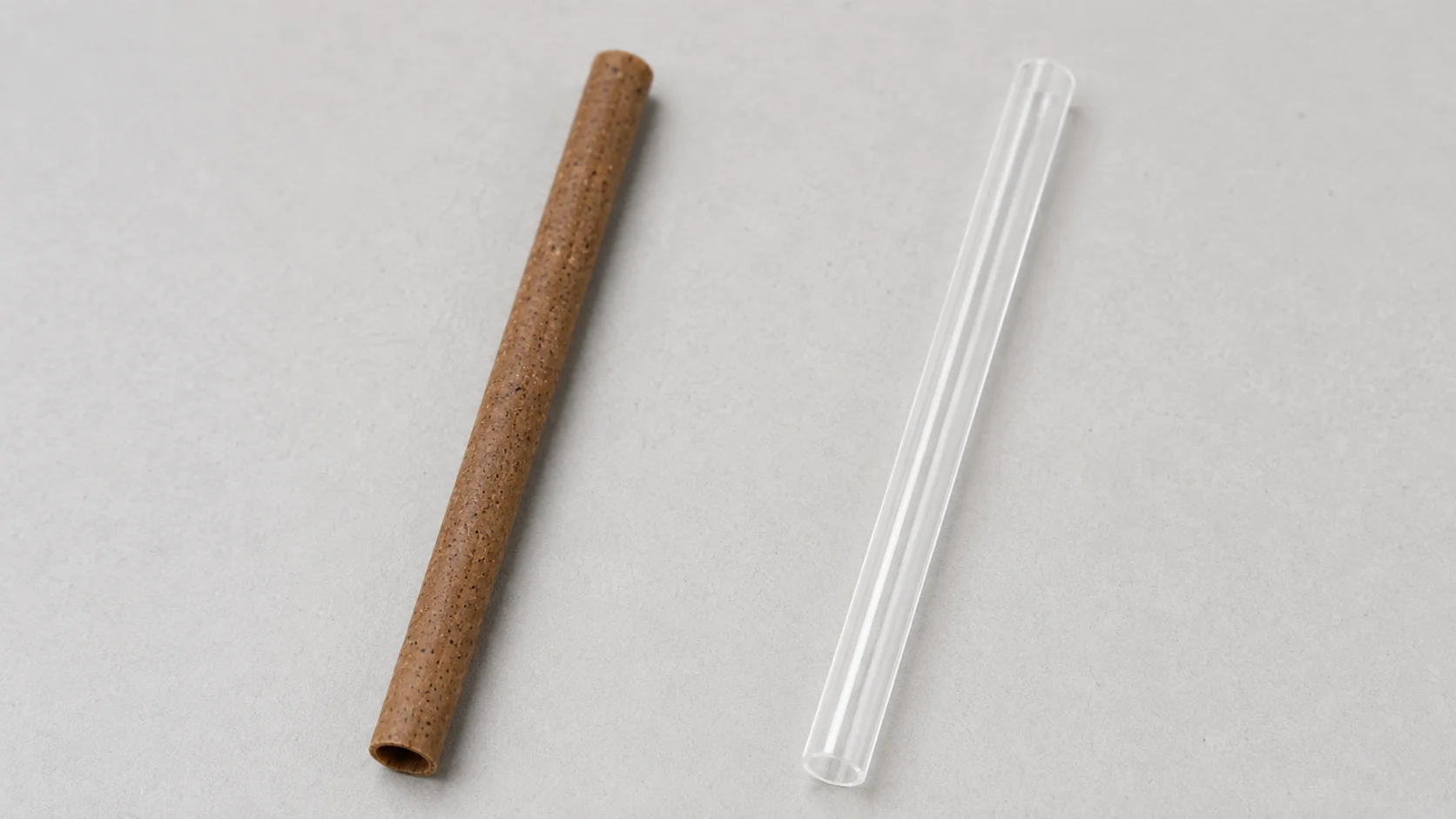
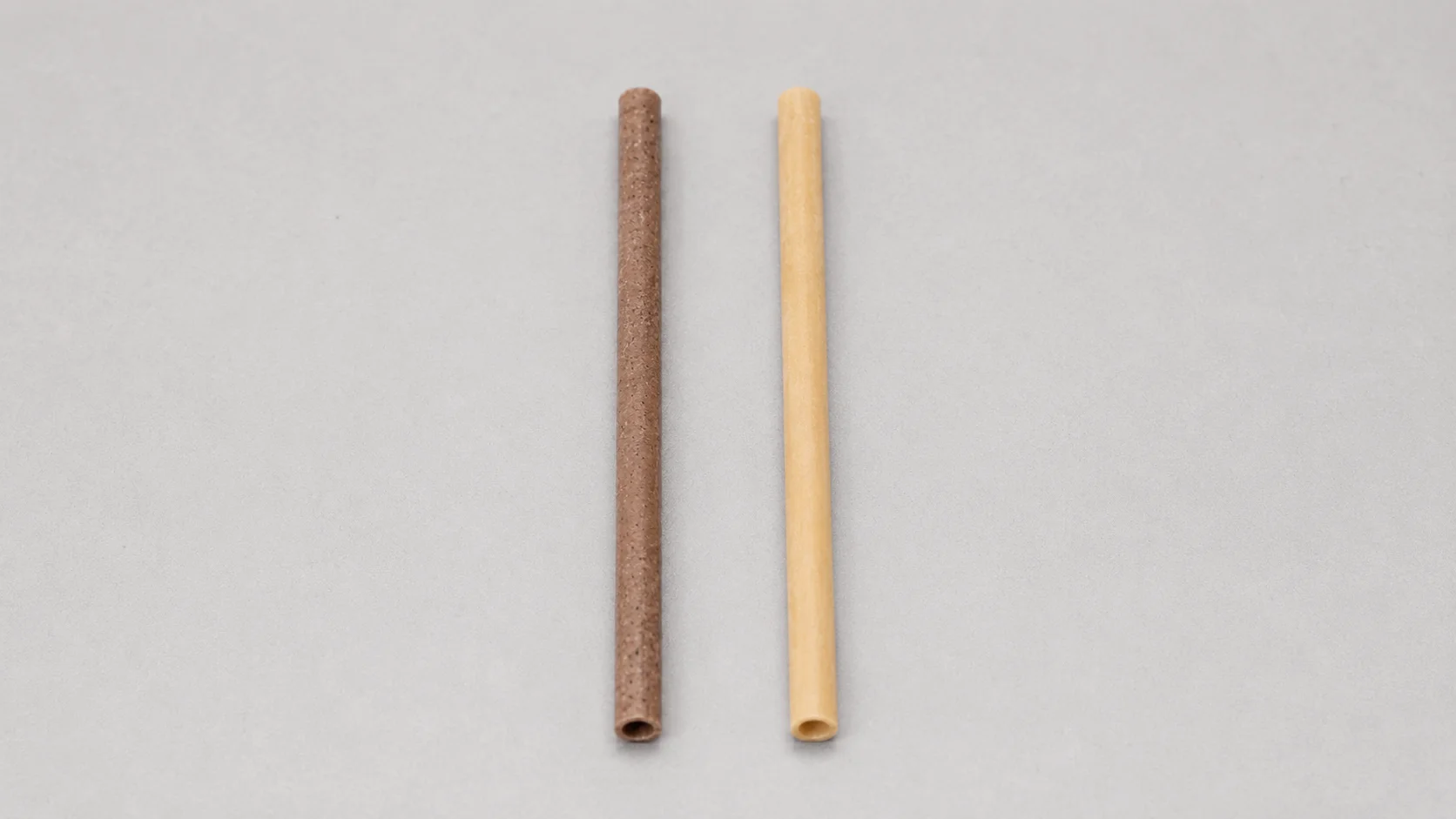
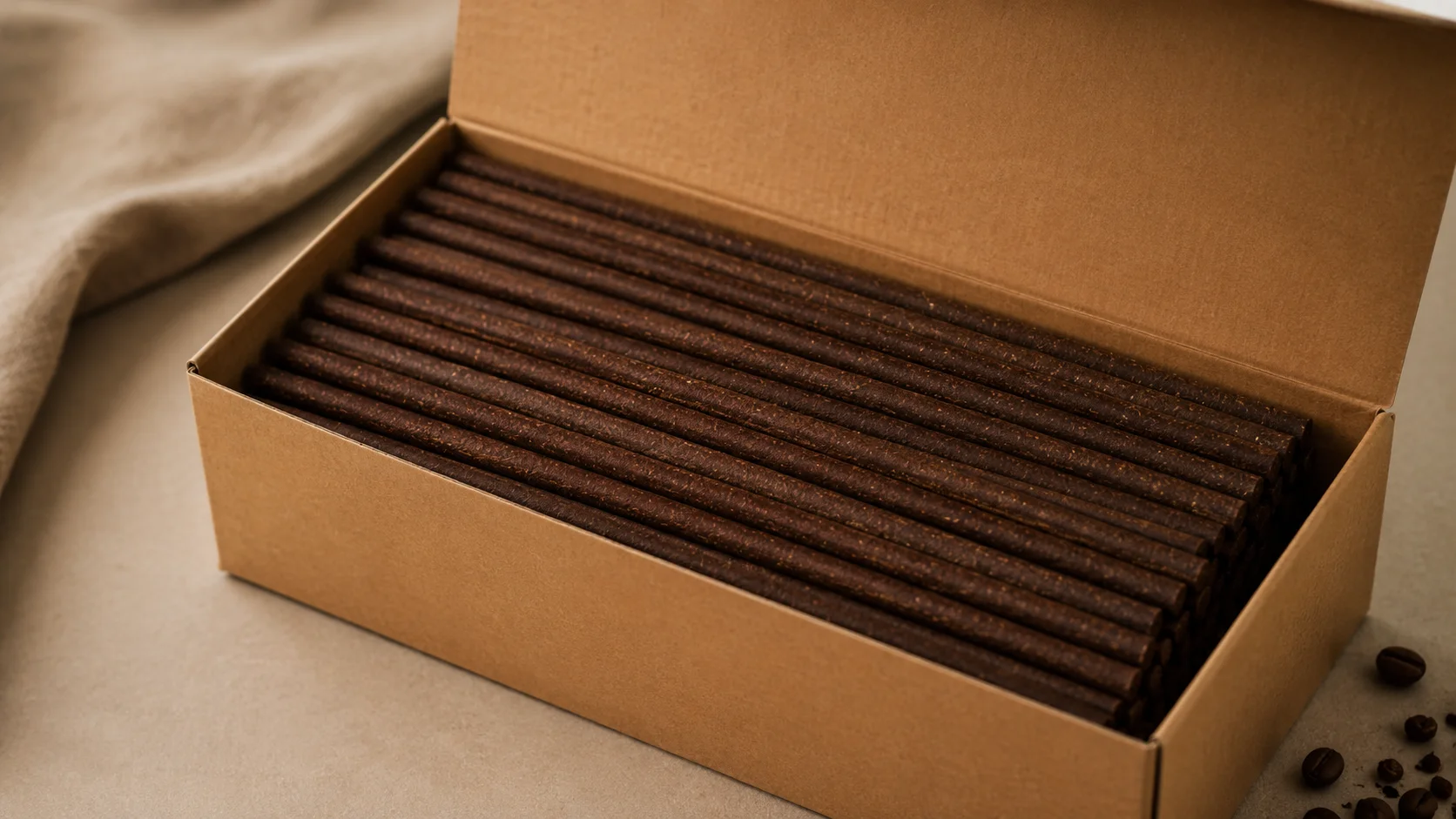
- Momoio’s Sustainable Eco-Friendly Sugarcane Straws: Our sugarcane straws are a prime example of innovation meeting compliance. Certified compostable and rigorously tested to be PFAS-free, these straws offer a robust, functional, and environmentally responsible alternative to conventional plastics and even many problematic paper and bamboo options. They don’t get soggy, withstand various temperatures, and provide a premium user experience while ensuring your business stays ahead of regulatory curves. Explore our range of sugarcane straws and redefine your beverage service. https://momoio.com/sustainable-eco-friendly-sugarcane-straws/
- Momoio’s Biodegradable Food Packaging: Beyond straws, our commitment extends to a comprehensive suite of biodegradable food packaging options. From versatile containers to sturdy plates, each product is engineered from sustainable sugarcane bagasse, designed for optimal performance in various food service environments. These solutions are not only safe for food contact, heat-resistant, and microwave-safe, but they also meet stringent compostability standards, helping your business comply with evolving regulations like the EU SUPD and EPR mandates. Discover the full potential of truly sustainable food packaging. https://momoio.com/biodegradable-food-packaging/
- Momoio Bagasse Bowl: A standout in our collection, the Momoio Bagasse Bowl exemplifies the strength, versatility, and eco-credentials of sugarcane fiber. Perfect for soups, salads, and a variety of hot or cold dishes, these bowls offer exceptional durability and leak resistance. Like all our bagasse products, they are certified compostable, free from harmful chemicals, and designed to seamlessly integrate into circular economy initiatives. Elevate your takeout and dine-in experience with packaging that performs for your business and the planet. https://momoio.com/bagasse-bowl/
By partnering with MOMOIO.com, businesses can confidently navigate the complexities of environmental regulations, avoid the pitfalls of greenwashing, and make verifiable, positive environmental claims. Our certified, PFAS-free sugarcane fiber solutions empower your brand to genuinely embrace sustainability, meet growing consumer expectations, and lead the way towards a healthier planet.
Usein Kysytyt Kysymykset
Focused on PFAS, certifications, and compliance
Yes — some plant-based straws, including sugarcane straws, have been found to contain multiple PFAS compounds. PFAS are persistent, bioaccumulative “forever chemicals” linked to environmental pollution and health risks. Their presence undermines biodegradability and compostability claims and creates compliance and brand reputation risks.
Two main pathways: (1) intentionally added by manufacturers to improve water and grease resistance; (2) unintended contamination, such as recycled fibers containing PFAS, raw materials from contaminated soil, or processing water. This complexity highlights the need for strict supply chain controls and independent testing.
EU: The Packaging and Packaging Waste Regulation (PPWR, 2025/40) prohibits PFAS in food contact packaging from August 12, 2026, with strict limits (25 ppb for individual PFAS; 100 ppm total fluorine for compostability certification).
USA: States like California (AB 1200, effective Jan 2023) ban plant-fiber food packaging exceeding 100 ppm total organic fluorine or with intentionally added PFAS. Additional restrictions are being adopted in New York, Maine, Colorado, and others. Federal action from FDA and EPA is also progressing.
Look for verifiable third-party certifications. BPI -sertifioitu products (ASTM D6400/D6868, ≤100 ppm total organic fluorine) and TÜV OK Compost (Industrial / Home, aligned with EN 13432) ensure authentic compostability and PFAS-free compliance. Always request certificates of analysis for each production batch.
Biohajoava: Can break down into natural elements, but timing and conditions are undefined. In landfills, this often doesn’t occur effectively.
Kompostoitu: Designed to break down into usable compost within a set timeframe under specific composting conditions (industrial or home). Certifications like BPI, TÜV OK Compost, EN 13432, ASTM D6400/D6868 are critical to verify these claims and prevent greenwashing.