Kiellon ulkopuolella: miksi "ympäristöystävälliset" pitkät oljesi voivat silti olla vaatimustenmukaisuusriski
Maailmanlaajuinen pyrkimys luopua perinteisistä muovipillistä on kiistaton, ja sen taustalla on yleinen halu kestävämmälle tulevaisuudelle. Säännökset, erityisesti EU:n kertakäyttömuovidirektiivi (SUPD), ovat jo säätäneet tavanomaisten muoviversioiden suorat kiellot, mikä pakottaa yritykset ympäri maailmaa etsimään elinkelpoisia ympäristöystävällisiä vaihtoehtoja. Tämä kiire on erityisen akuutti cocktaileja ja juomia tarjoileville yrityksille, joissa pitkä, tukeva pilli ei ole vain käyttömukavuus, vaan usein olennainen osa asiakaskokemusta.
Matka todelliseen kestävään kehitykseen on kuitenkin täynnä piilotettuja monimutkaisia asioita. Monet yleisesti markkinoidut "bioperäiset" tai "kompostoitavat" oljet, vaikka ne näyttävätkin hyvänlaatuisilta, eivät itse asiassa ole tiukkojen kansainvälisten määräysten mukaisia, mikä tekee niistä laittomia EU:n kaltaisilla markkinoilla. Vielä pahempaa on, että joissakin vaihtoehdoissa on piilotettuja vaaroja, kuten per- ja polyfluorialkyyliaineita (PFAS) – "ikuisia kemikaaleja", joilla on ympäristö- ja terveysvaikutuksia. Liikkuminen tässä monimutkaisessa maisemassa aidosti ympäristöystävällisistä pitkistä oljista vaatii paljon muutakin kuin hyviä aikomuksia; se vaatii syvällistä, vivahteikkaallista ymmärrystä monimutkaisista maailmanlaajuisista vaatimustenmukaisuuskehyksistä. Yrityksille, jotka ovat sitoutuneet sekä ympäristönsuojeluun että toiminnan rehellisyyteen, markkinoinnin hypetyksen ja todennettavissa olevan kestävyyden erottaminen toisistaan ei ole vain hyvä käytäntö – se on ehdottoman välttämätöntä.
Kestävien olkien säännösten mukaisen miinakentän purkaminen
Aikana, jolloin kuluttajan arvot asettuvat yhä enemmän yhteen ympäristövastuun kanssa, yksinkertaisilta vaikuttavien tuotteiden, kuten pillien, valinta voi vaikuttaa merkittävästi brändin maineeseen ja lailliseen asemaan. B2B-ostajien kannalta sääntelyn vivahteiden ymmärtäminen on ensiarvoisen tärkeää. Sääntöjen noudattamatta jättäminen ei ole vain eettinen virhe. Se voi johtaa valtaviin sakkoihin, toimitusketjun häiriöihin ja peruuttamattomiin vahinkoihin brändiluottamukselle.
Sääntelyn välttämättömyys: Miksi vaatimustenmukaisuudesta ei voida neuvotella?
Kertakäyttömuoveista luopuminen ei ole ohimenevä trendi, vaan maailmanlaajuinen lainsäädännöllinen valtuutus, jossa EU johtaa.
- EU:n kertakäyttömuovidirektiivi (direktiivi EU 2019/904): pelin muuttajaKesäkuussa 2019 voimaan tullut ja 3. heinäkuuta 2021 voimaan tullut EU:n SUPD on keskeinen hetki muovisaasteen torjunnassa. Siinä kielletään nimenomaisesti kertakäyttöisten muovipillien saattaminen EU:n markkinoille, ja mikä tärkeintä, tämä kielto ulottuu perinteisten öljypohjaisten muovien ulkopuolelle. Monet biomuovit, kuten polylaktihappo (PLA), vaikka ne olisi merkitty "biolähteiseksi" tai "kotikompostoituvaksi", kuuluvat tämän direktiivin kiellon piiriin, jos niitä pidetään "muovina" SUPD-määritelmän mukaan (polymeeri, johon on saatettu lisätä lisäaineita tai muita aineita ja joka voi toimia lopputuotteiden päärakennekomponenttina). Poikkeukset myönnetään vain lääketieteellisiin käyttötarkoituksiin, mikä edellyttää lopullista siirtymistä aidosti ei-muovisiin, täysin biohajoaviin tai aidosti uudelleenkäytettäviin materiaaleihin kaikissa muissa sovelluksissa. EU:ssa toimiville yrityksille tai EU:hun toimittaville yrityksille tämä tarkoittaa nykyisten olkien hankinnan perusteellista uudelleenarviointia ja siirtymistä pintapuolisista "ympäristöystävällisistä" merkinnöistä pidemmälle, jotta varmistetaan syvälle juurtunut vaatimustenmukaisuus.
Totuus "kompostoitavasta": standardit, joilla on merkitystä
Termiä "kompostoituva" käytetään usein väärin, mikä johtaa laajaan sekaannukseen ja vahingossa tapahtuvaan viherpesuun. Todellinen kompostoituvuus ei ole subjektiivinen väite, vaan tiukasti määritelty tieteellinen standardi, joka on vahvistettu erityisillä sertifikaateilla.
- Eurooppalaiset standardit (EN 13432): Vaativa teollinen kompostointikykyEuroopassa EN 13432 on kultainen standardi pakkausmateriaaleille, jotka väittävät teollisen kompostoitumisen. Tämä tiukka kehys edellyttää, että tuotteet saavuttavat vähintään 90-prosenttisen biologisen hajoamisen kuuden kuukauden kuluessa ja 90-prosenttisen hajoamisen alle 2 mm:n paloiksi 12 viikossa, kaikki korkeissa lämpötiloissa (tyypillisesti 40-60 °C) ja valvotuissa olosuhteissa, joita esiintyy teollisissa kompostointilaitoksissa. Lisäksi EN 13432 asettaa tiukat rajat raskasmetalleille ja ekomyrkyllisyydelle varmistaen, että tuloksena oleva komposti on turvallista ja hyödyllistä kasvien kasvulle. EN 13432 -standardin noudattamisesta ei voida neuvotella minkään tuotteen, joka haluaa saada merkinnän "kompostoitava" ja myydään EU:n markkinoilla.
- American Standards (ASTM D6400 & D6868): Ensuring Industrial Compostability in North AmericaAtlantin toisella puolella American Society for Testing and Materials (ASTM) tarjoaa vertailukelpoisia standardeja teolliselle kompostoitavuudelle pääasiassa ASTM D6400:n ja ASTM D6868:n kautta.
- ASTM D6400: Tämä standardi koskee erityisesti kunnallisissa tai teollisuuslaitoksissa aerobiseen kompostointiin suunniteltujen muovien kompostoitumista. Se edellyttää vähintään 90 %:n biologista hajoamista 180 päivässä (kuudessa kuukaudessa) ja hajoamista 12 viikossa. Standardin EN 13432 tapaan tuotteiden on oltava myrkyttömiä ja niissä ei saa olla raskasmetalleja tai fluoria.
- ASTM D6868: This standard is crucial for composite products, particularly paper straws with bioplastic linings or coatings. It ensures that the entire product, including its various components, breaks down appropriately in an industrial composting environment. Both ASTM standards require the finished compost to be non-toxic and capable of supporting plant growth. Adherence to ASTM D6400 is a prerequisite for a product to achieve certification from the Biodegradable Products Institute (BPI).
These certifications are not interchangeable. While they share common goals, their specific requirements and testing methodologies can differ, underscoring the importance of sourcing products explicitly certified for your target market.
Table 1: Key Industrial Compostability Standards Comparison
| Ominaisuus | EN 13432 (Europe) | ASTM D6400 (North America) | ASTM D6868 (North America) |
|---|---|---|---|
| Keskity | Packaging materials | Compostable plastics | Products with compostable plastic films/coatings |
| Biologinen hajoaminen | ≥90% in 6 months | ≥90% in 180 days (6 months) | ≥90% of organic carbon into CO2 in 180 days |
| Hajoaminen | ≥90% fragments <2mm in 12 weeks | ≥90% fragments <2mm in 12 weeks | Visually indistinguishable in 12 weeks |
| Composting Env. | Industrial (40-60°C) | Industrial/Municipal | Industrial/Municipal |
| Ekotoksisuus | Required (safe for plant growth) | Required (non-toxic to plants) | Required (non-toxic to plants) |
| Raskasmetallit | Strict limits | Strict limits | Strict limits |
| PFAS/Fluorine | Limits total fluorine (often <100ppm implicitly) | Explicitly requires no heavy metals/fluorine | Explicitly requires no heavy metals/fluorine |
| Primary Cert. | TÜV AUSTRIA OK compost INDUSTRIAL | BPI, TÜV AUSTRIA OK compost INDUSTRIAL | BPI, TÜV AUSTRIA OK compost INDUSTRIAL |
- BPI (Biodegradable Products Institute) Certification’s Strong StanceBPI is the leading certification body in North America, offering third-party verification that a product will truly break down safely in industrial composting facilities. By certifying against ASTM D6400 and D6868, BPI ensures products decompose into natural elements without leaving behind harmful chemicals. Critically, since January 1, 2020, BPI has elevated its standards: all certified items must now be PFAS-free, with total organic fluorine levels below 100 ppm. This proactive measure establishes a vital industry benchmark for safety and environmental integrity.
- TÜV AUSTRIA (OK compost) CertificationsTÜV AUSTRIA offers a comprehensive suite of “OK compost” certifications that provide granular detail about a product’s end-of-life pathway:
- OK komposti TEOLLISUUS: Aligns with EN 13432 and ASTM D6400/D6868, signifying industrial compostability under controlled conditions.
- OK komposti KOTI: A more rigorous certification, guaranteeing that a product will compost safely and completely in a typical home compost heap, where temperatures are lower and less consistent. This certification significantly broadens disposal options and consumer convenience.
- Both TÜV AUSTRIA’s industrial and home compost certifications also mandate PFAS-free status, reinforcing the industry’s commitment to eliminating “forever chemicals.”
The Silent Threat: PFAS and the “Forever Chemicals” Problem
Beyond compostability claims, a more insidious threat has emerged in the world of eco-friendly alternatives: Per- and polyfluoroalkyl substances (PFAS). These “forever chemicals” are notorious for their persistence in the environment and their documented links to various health issues.
Tutkimukset ovat hälyttävästi havainneet PFAS:ää erityyppisistä "kestävän kehityksen" pilleistä, mukaan lukien paperista ja bambusta, joita usein lisätään vedenkestävyyden aikaansaamiseksi tai toimitusketjun saastumisen seurauksena. Kasvava maailmanlaajuinen huoli PFAS:sta on innostanut merkittäviin lainsäädäntötoimiin. Samalla kun Euroopan kemikaalivirasto (ECHA) keskustelee aktiivisesti PFAS:n yleisestä rajoittamisesta kaikkialla EU:ssa, yksittäiset Yhdysvaltain osavaltiot ovat jo säätäneet kieltoja, kuten Kalifornian AB 1200, joka rajoittaa PFAS:n käyttöä elintarvikepakkauksissa.
The industry is responding forcefully. As mentioned, BPI certification already requires all certified items to be PFAS-free (total organic fluorine <100 ppm). Similarly, TÜV AUSTRIA’s OK compost certifications also mandate PFAS-free status for certified products. Savvy businesses are now prioritizingPFAS-vapaita tuotteitanot just for compliance, but as a critical component of genuine environmental responsibility and consumer safety. Sourcing from manufacturers with explicit “no PFAS” clauses in their charters of trust and robust testing protocols is quickly becoming a non-negotiable aspect of sustainable procurement.
Avoiding “Greenwashing”: FTC Green Guides and Verifiable Claims
"Ympäristöystävällisten" tuotteiden yleistyminen on valitettavasti johtanut "vihreän pesun" lisääntymiseen – harhaanjohtaviin markkinointikäytäntöihin, jotka johtavat kuluttajia harhaan tuotteen ympäristöhyötyjen suhteen. Tämän torjumiseksi Yhdysvaltain liittovaltion kauppakomissio (FTC) tarjoaa senFTC Green Guides.
While not legally binding regulations, the Green Guides offer critical guidance for marketers on how to make environmental claims without deceiving consumers, functioning as an interpretative rule outlining acceptable practices under Section 5 of the FTC Act. They emphasize the need for specific, verifiable, and clearly evidenced claims. General claims like “eco-friendly” or “green” are discouraged unless substantiated with robust scientific data. The Guides address various environmental labels, including “compostable,” “biodegradable,” and “recyclable,” stressing that marketers must qualify claims to prevent deception. For instance, a product should not be labeled “compostable” if it can only be composted in specialized industrial facilities that are not readily available to most consumers. The FTC is currently reviewing and revising the Green Guides, signaling heightened scrutiny and a stricter enforcement landscape for environmental marketing claims. Businesses must therefore ensure their marketing accurately reflects the certified environmental attributes of their products. You can review the full guidance on theFTC:n verkkosivuilla.
Laajennettu tuottajavastuu (EPR): Vaihtuva taakka
Toinen merkittävä B2B-ostajiin vaikuttava globaali trendi on Extended Producer Responsibility (EPR). EPR-järjestelmät siirtävät taloudellista ja organisatorista vastuuta tuotteiden ja pakkausten käytöstä poistettaessa kunnilta ja veronmaksajilta tuottajille itselleen.
EU SUPD sisältää EPR-järjestelmät tietyille kertakäyttöisille muovituotteille, mukaan lukien muovia sisältävät ruoka-astiat ja juomakupit. Euroopan lisäksi useat Yhdysvaltain osavaltiot ovat jo ottaneet käyttöön EPR-ohjelmia pakkausten osalta, ja lisää on kehitteillä. Nämä lait vaativat tuottajia yleensä rekisteröitymään, raportoimaan pakkausmateriaaliensa tyypeistä ja määristä sekä maksamaan maksuja, jotka vaihtelevat usein materiaalien kierrätettävyyden tai kompostoitumisen mukaan.
EPR programs are designed to incentivize producers to design more sustainable packaging, reduce waste generation, and increase recycling and composting rates. For businesses sourcing eco-friendly long straws and other packaging, this translates to a critical need to rethink supply chain strategies, partner with compliant suppliers, and align operations with these evolving regulatory and consumer expectations. Proactive engagement with EPR ensures not just compliance, but a competitive advantage in a rapidly changing market.
Delivering Genuinely Compliant and Sustainable Long Straw Solutions
In this complex regulatory environment, businesses need more than just a label; they need verifiable compliance, transparency, and a partner who deeply understands the intricate regulatory landscape. The risk of greenwashing, non-compliance, and the presence of harmful chemicals like PFAS demands a higher standard from your suppliers.
The Solution: Partnering for True Sustainability and Peace of Mind
Momoio stands at the forefront of this evolution, offering genuinely compliant and sustainable long drinking straw solutions. Our commitment goes beyond superficial claims, focusing on rigorous certification and unwavering transparency. By partnering with Momoio, your brand ensures it meets the highest environmental and regulatory standards, effectively mitigating risks, enhancing your sustainable reputation, and demonstrating true leadership in environmental stewardship. We empower businesses to confidently navigate the compliance maze, providing peace of mind in every sip.
Momoio’s Industry-Leading Certifications and Materials:
We believe in substantiating our claims with concrete evidence. Our comprehensive product range for long drinking straws is meticulously designed and certified to meet the most stringent global standards.
- Comprehensive Compliance: Our products are rigorously tested and align with leading certifications, guaranteeing genuine biodegradability and compostability where applicable:
- EN 13432: For European industrial compostability.
- ASTM D6400/D6868: For North American industrial compostability.
- BPI Certified: Meeting the highest standards for industrial compostability in North America, including PFAS-free requirements.
- TÜV AUSTRIA OK compost (Industrial & Home): Verifying compostability under both industrial and home conditions, offering broader end-of-life solutions.
These certifications are our promise that our straws break down safely, returning to nature without harmful residues, thereby fulfilling the true spirit of eco-friendliness.
- Guaranteed PFAS-Free: We adhere to a strict “no PFAS” policy across our entire straw portfolio. This means our products are guaranteed to be free from “forever chemicals,” ensuring they meet the most rigorous safety and environmental requirements. Our commitment to PFAS-free solutions protects your customers, your brand, and the planet from these persistent contaminants, aligning with the rising global demand for safer food contact materials.
- Innovative Materials for Diverse Needs: Momoio offers a curated selection of advanced, eco-conscious materials, each engineered to provide superior performance and meet specific long drinking straw requirements:
- Sustainable Sugarcane Straws: Crafted from reclaimed sugarcane fiber (bagasse), these straws offer exceptional durability and heat resistance, making them a robust, compostable alternative perfect for long drinks and cocktails. They are a testament to circular economy principles, transforming agricultural waste into a high-value product. Learn more about Sustainable Eco-Friendly Sugarcane Straws
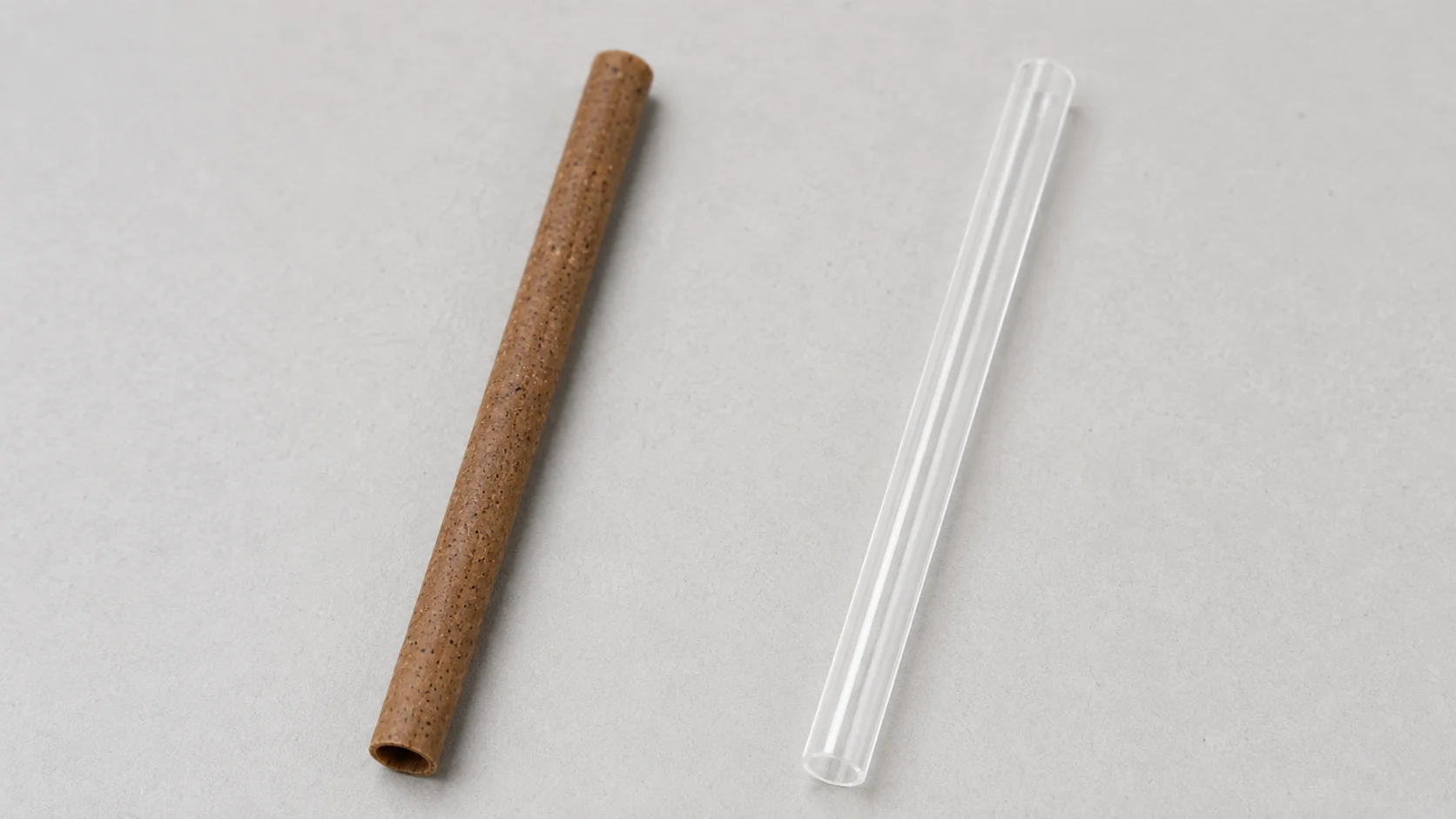
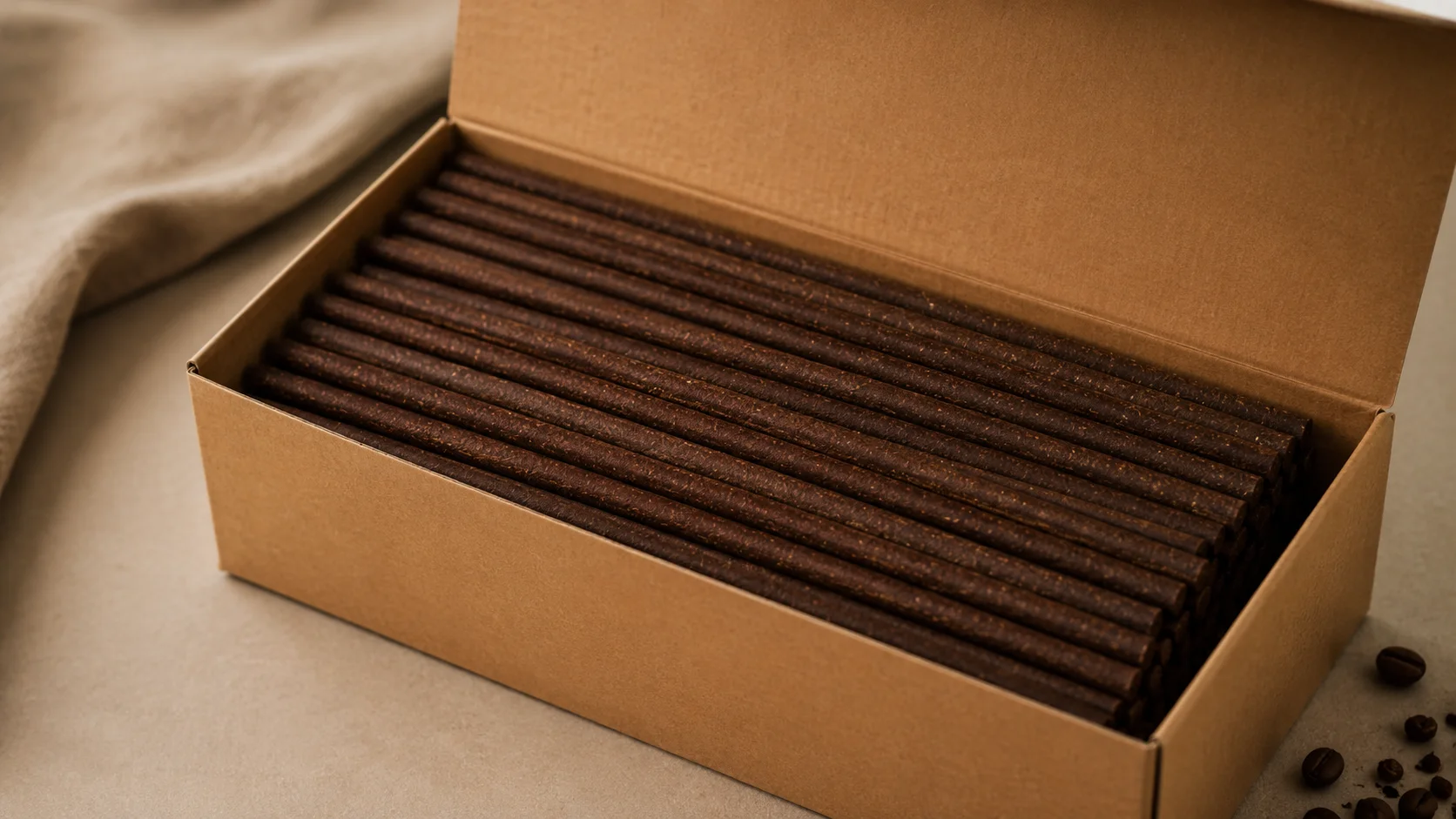
- Revolutionary Coffee Ground Straws: Unique and highly sustainable, our coffee ground straws leverage another abundant waste stream, offering a distinctive aesthetic and strong environmental credentials. These straws are a pioneering example of upcycling, providing a novel and compliant option for businesses seeking to stand out. Discover Coffee Ground Straws
- Eco-Conscious Bamboo Drinking Straws: For a natural, reusable, and premium feel, our bamboo drinking straws offer an elegant solution. Sourced responsibly, these durable straws are ideal for establishments aiming for a high-end, sustainable presentation. Explore Bamboo Drinking Straws
We understand that every business has unique needs. Explore our full range of certified eco-friendly long drinking straws and find the perfect match for your operation at Momoio Products.
Beyond Straws: A Holistic Approach to Sustainable Packaging
Momoio’s commitment to sustainability extends far beyond just drinking straws. We offer a comprehensive ecosystem of compliant, sustainable solutions designed to meet the diverse needs of businesses across various sectors. Frompaper food packagingto advancedbiohajoavat elintarvikepakkauksetand our elegantbamboo cutlery, our product lines are developed with the same rigorous adherence to compliance and environmental integrity.
We help businesses across sectors, including cafes, hotels, and retail, not only meet escalating consumer demand for genuine sustainability but also navigate complex EPR obligations. By partnering with Momoio, you gain access to a complete portfolio of responsibly sourced and certified products that support your holistic sustainability goals, streamline your supply chain, and reduce your overall environmental footprint. Our expertise ensures that every aspect of your packaging strategy is future-proof and compliant.
The Momoio Advantage: Reduce Risk, Enhance Reputation
Choosing Momoio means choosing a partner dedicated to your success and the planet’s well-being. Our advantage lies in:
- Reduced Environmental Impact: Our certified products ensure genuine biodegradability and compostability, actively contributing to waste reduction and a circular economy.
- Avoidance of Greenwashing Pitfalls: With our transparent certifications and PFAS-free guarantee, your brand can confidently make verifiable environmental claims, building genuine trust with your customers.
- Seamless Compliance: We continuously monitor and adapt to evolving global regulations, providing solutions that meet current and anticipated compliance frameworks, protecting your business from fines and reputational damage.
- High-Quality, Functional Products: Sustainability never compromises quality. Our long drinking straws are designed for superior performance, durability, and a positive customer experience, ensuring your sustainable choice doesn’t mean a sacrifice in functionality or aesthetics.
In a market saturated with vague “green” claims, the Momoio difference is clear: verifiable compliance, uncompromised quality, and a genuine commitment to a sustainable future. An organization likeEurooppalainen biomuoviprovides excellent insights into the broader bioplastics industry, underscoring the importance of industry standards and certified products, which Momoio consistently champions. This dedication allows you to focus on your core business, secure in the knowledge that your sustainable choices are rigorously vetted and truly impactful.
Choose Proven Compliance. Choose Momoio.
The imperative for genuinely eco-friendly long drinking straws is no longer a choice—it’s a business necessity, shaped by evolving regulations and a discerning consumer base. Don’t let the complexity of compliance and the risk of greenwashing compromise your brand’s integrity or future growth.
Ready to Make the Right Choice for Your Business?
Partner with Momoio to ensure your long drinking straws, and all your packaging solutions, meet the highest global standards for sustainability and compliance. Our expert team is ready to guide you through our certified product lines, offering tailored solutions that perfectly align with your operational needs and environmental commitments.
Browse Our Sustainable Straws and PackagingContact Us Today for a Consultation
Download Resources:Empower your purchasing decisions with valuable insights and access our complete portfolio of certifications and product specifications. This knowledge will solidify your understanding of true sustainability and compliance. For a broader understanding of industry best practices and standards, consider exploring resources from reputable organizations such as theBiohajoavien tuotteiden instituutti (BPI). Their work highlights the critical role of certification in ensuring product compostability and safety.
By choosing Momoio, you’re not just buying straws; you’re investing in a compliant, sustainable, and responsible future for your brand.
Usein Kysytyt Kysymykset
Why are “eco-friendly” long straws still a compliance risk for businesses?
Many “bio-sourced” or “compostable” long straws are non-compliant with strict frameworks like the EU Single-Use Plastics Directive (SUPD), making them illegal in the EU. Some alternatives also contain hidden PFAS (“forever chemicals”). Non-compliance risks fines, supply disruption, and brand damage—so a precise grasp of global rules is essential.
What certifications ensure a long drinking straw is truly compostable and compliant?
Look for EN 13432 (EU) and ASTM D6400/D6868 (North America). Prefer third-party marks such as BPI and TÜV AUSTRIA OK komposti TEOLLISUUS / OK compost HOME. These verify safe breakdown without harmful residues and typically include PFAS-free requirements.
What are PFAS and why must long straws be PFAS-free?
PFAS (per- and polyfluoroalkyl substances) persist in the environment and are linked to health risks. They have been detected in some paper/bamboo straws (added for water/grease resistance or via supply-chain contamination). Laws such as California AB 1200 and expected EU-wide restrictions—plus BPI/TÜV criteria—now push PFAS-free products for safety and compliance.
How does the EU Single-Use Plastics Directive (SUPD) affect long drinking straws?
The SUPD (EU 2019/904), effective July 3, 2021, bans placing single-use plastic straws on the EU market. The ban extends to many bioplastics (e.g., PLA) if they meet the SUPD definition of “plastic.” Businesses must shift to truly non-plastic, fully compostable/biodegradable, or reusable materials (medical exceptions apply).
What is “greenwashing,” and how can businesses avoid it when selecting sustainable long straws?
Greenwashing is misleading environmental marketing. Follow the FTC Green Guides: make specific, verifiable claims backed by science. Demand third-party proofs (BPI, TÜV AUSTRIA, EN 13432, ASTM D6400/D6868) instead of vague “eco-friendly” labels, and clearly qualify any “compostable/biodegradable” claims.