Vaikuttavatko sokeriruokopillit juoman makuun?

The Neutral & PFAS-Free Choice for Sustainable Sips
Yritykset etsivät jatkuvasti kestäviä vaihtoehtoja, jotka eivät vaaranna asiakaskokemusta. Oletko kyllästynyt "ympäristöystävällisiin" pilleihin, jotka antavat paperimaisen jälkimaun tai murenevat puolivälissä? Kahviloiden, ravintoloiden ja hotellien huono olkikokemus voi heikentää jopa asiantuntevimmin valmistettua juomaa, mikä vaikuttaa suoraan asiakastyytyväisyyteen ja brändin käsitykseen. Mutta entä jos kasvipohjainen pilli voisi todella antaa juomiesi loistaa ja säilyttää niiden puhtaan maun ilman ei-toivottuja vivahteita tai tekstuureja?
The pressing question for many in the HoReCa sector is: Do sugarcane straws affect beverage taste? The answer is a resounding no—a revelation that can delight your customers and align your brand with genuine sustainability.
The Problem with Common Alternatives
For years, businesses striving for sustainability reluctantly turned to paper straws. While well-intentioned, these alternatives quickly became a source of widespread customer frustration and brand reputation risk. Paper straws frequently introduce an undesirable, woody or papery taste, detracting from the beverage’s intended flavor. Compounding this, their structural integrity rapidly deteriorates, leading to soggy, collapsed tubes that frustrate users and diminish the overall drinking experience. This isn’t just an inconvenience; it’s a direct assault on your brand’s quality perception.
Other well-meaning alternatives also present challenges. Pasta straws, for instance, can soften and become chewy in warm liquids, altering consistency and sometimes imparting a starchy taste. Early bioplastic straws also faced taste neutrality or durability issues. Such solutions risk trading plastic pollution for compromised customer experience.

Sugarcane Straws: Engineered for Neutrality
The Science of No Flavor
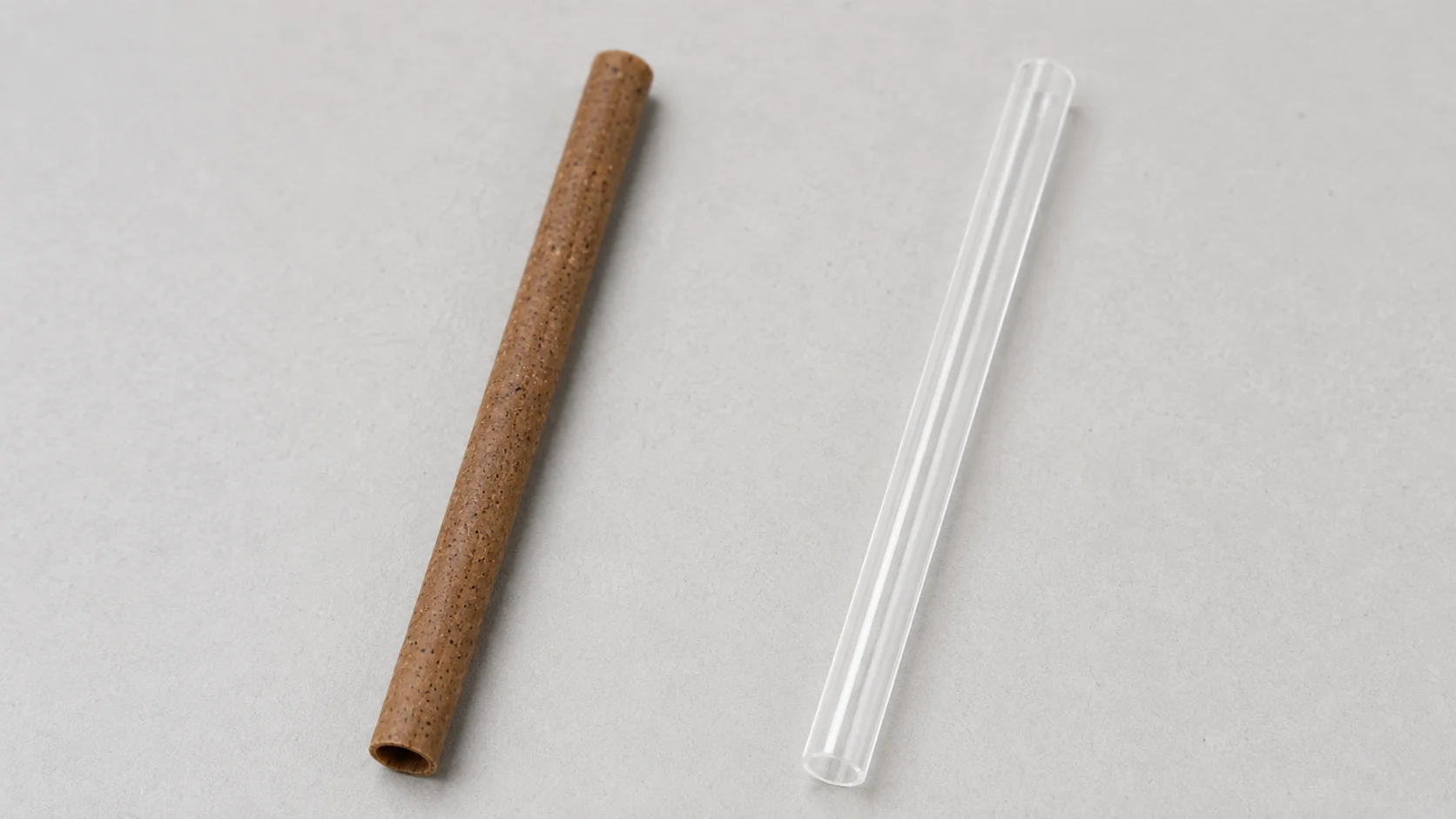
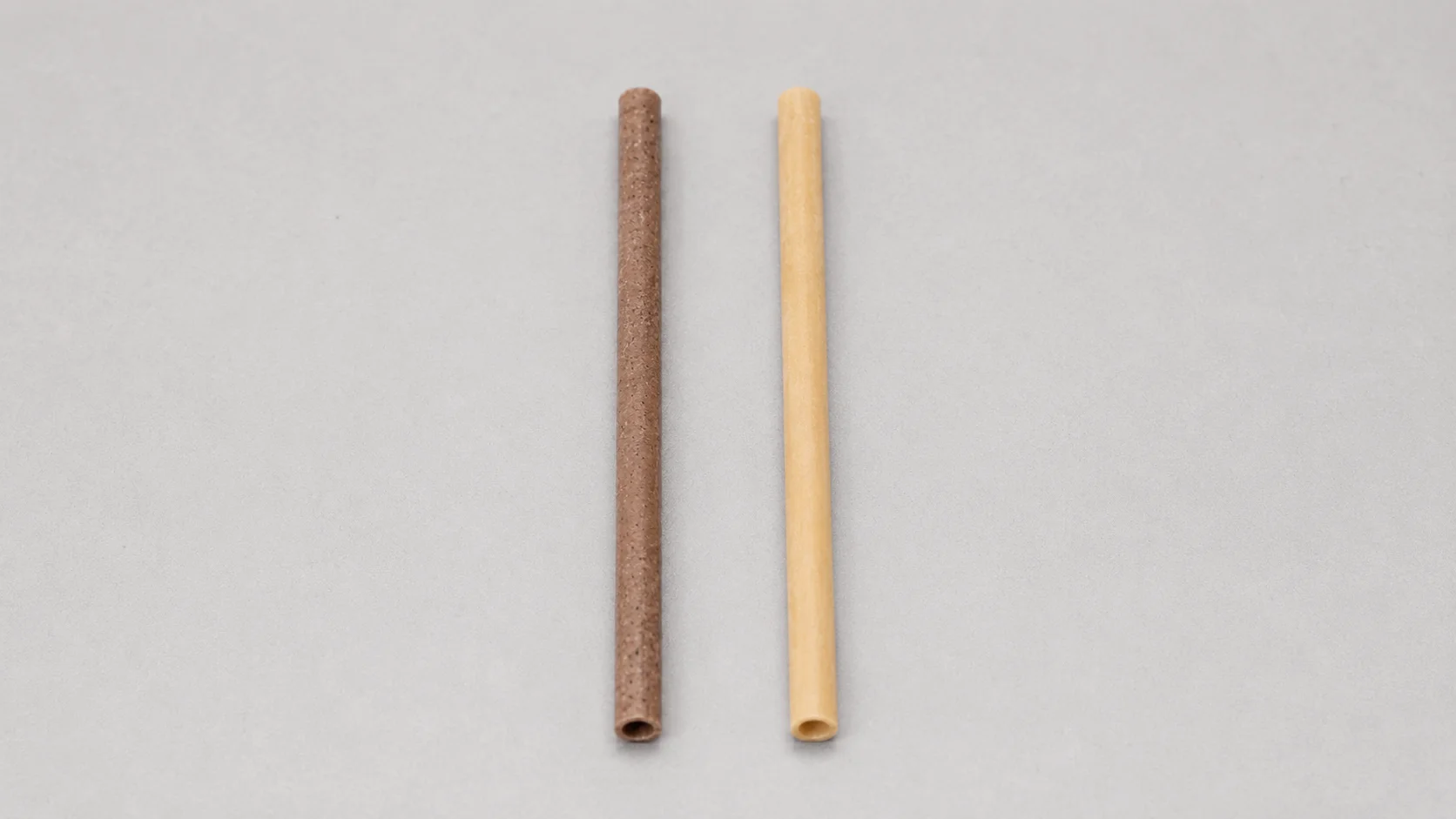
This is where sugarcane straws emerge as a superior solution. They are crafted from bagasse, the fibrous residue left behind after sugarcane stalks have been pressed to extract their juice. Crucially, the advanced manufacturing process meticulously removes all sugar content from this fibrous byproduct, resulting in a naturally neutral, tasteless, and odorless material perfectly suited for beverage consumption. This scientific refinement ensures the straw acts purely as a conduit, allowing the unadulterated taste of any drink to come through, exactly as intended.
Overwhelming Consensus
Alan asiantuntijat ja varhaiset käyttäjät vahvistavat ylivoimaisesti tämän makuneutraaliuden. Jäähdytetyistä jääteistä ja virkistävästä virvoitusjuomasta voimakkaisiin kuumiin kahveihin ja herkkiin yrttijuoksuihin, sokeriruokopillit säilyttävät eheyden ja mikä tärkeintä, ne eivät anna vieraita makuja. Tämä tasainen suorituskyky varmistaa, että asiakkaasi voivat nauttia juomiensa puhtaasta, suunnitellusta makuprofiilista ensimmäisestä kulauksesta viimeiseen ilman ikäviä yllätyksiä.
"Hienoa makea" poikkeus (ja miten siitä on hyötyä)
While the vast majority of experiences highlight taste neutrality, a rare few users have reported a “subtly sweet taste” when using sugarcane straws. Far from being a negative flavor alteration, this is often perceived as an occasional, pleasant enhancement, particularly in certain beverages, adding a gentle, natural sweetness that complements the drink. This nuance, when it occurs, is typically mild and never intrusive, unlike the chemical or papery notes associated with less refined alternatives.

Beyond Taste: Superior Performance & Purity
Durability You Can Trust
Sokeriruokopillien edut ulottuvat paljon makua pidemmälle. Toisin kuin hauraat paperit, jotka usein perääntyvät kosteudelle muutamassa minuutissa, sokeriruo'on pilleillä on huomattava rakenteellinen eheys. Ne säilyttävät kiinteytensä ja käyttökelpoisuutensa tuntikausia ja toimivat tasaisesti useissa lämpötiloissa pakkaskahveista höyryäviin kaakaisiin. Tämä estää aivan liian yleisen "märän oljen turhautumisen", joka voi vaikuttaa negatiivisesti asiakkaan käsitykseen laadusta ja palvelusta ja näin turvata brändisi mainetta.
Kemikaaliton vakuutus
Elintarvikkeiden kanssa kosketuksiin joutuvien materiaalien lisääntyvän valvonnan aikakaudella valitsemasi olkiliuoksen puhtaus on ensiarvoisen tärkeää. Sokeriruokopillit eivät yleensä sisällä haitallisia kemikaaleja, kuten BPA:ta, öljyperäisiä muoveja, valkaisuainetta ja raskasmetalleja. Monet korkealaatuiset versiot ovat myös 100-prosenttisesti PLA-vapaita, mikä vastaa biomuoviin liittyviin huolenaiheisiin, jotka vaativat edelleen teollista kompostointia ja ovat joskus kiellettyjä tiukkojen kertakäyttömuovidirektiivien nojalla. Mikä tärkeintä, aidot sokeriruo'on pillit ovatPFAS-vapaa. Tämä on monumentaalinen erottaja. Viimeaikaiset tutkimukset ovat paljastaneet hälyttäviä löydöksiä: monet paperi- ja bambupillit, joita usein markkinoidaan ympäristöystävällisinä, sisältävät "ikuisia kemikaaleja" (Per- ja Polyfluoroalkyl Substances tai PFAS). Näitä synteettisiä yhdisteitä käytetään antamaan vettä hylkiväksi, mutta ne ovat erittäin pysyviä ympäristössä ja ihmiskehossa, mikä liittyy vakaviin terveysongelmiin. Valitsemalla PFAS-vapaat sokeriruokopillit yritykset voivat tarjota turvallisemman, luonnollisemman juomakokemuksen, joka turvaa sekä asiakkaiden hyvinvoinnin että ympäristön eheyden. Tämä puhtauteen sitoutuminen ei ole vain etusija; siitä on nopeasti tulossa sääntelyvaatimus.

Kasvava vaatimus todelliselle kestävyydelle
Navigointi sääntelevässä maisemassa
The global push to combat plastic pollution has profoundly reshaped the regulatory environment for single-use items. The European Union’s Single-Use Plastics Directive (EU SUPD), which came into force on July 3, 2021, stands as a landmark example. This directive explicitly prohibits traditional plastic straws across all EU member states. Critically, this ban extends to many bioplastics, including PLA, bio-based plastics, and even some “biodegradable” or “compostable” plastics, because they are still classified as “plastic” under the directive’s stringent definition. Such regulations are not isolated; similar bans and restrictions are proliferating globally, driving an urgent need for genuinely compliant, non-plastic alternatives. The hospitality, restaurant, and catering (HoReCa) sector, in particular, faces immense pressure to pivot to solutions that meet these evolving legal frameworks, ensuring operational continuity and avoiding costly penalties.Euroopan komissio tarjoaa kattavaa tietoa EU:n SUPD:stä.
Laajennettu tuottajavastuu (EPR)
Näitä kieltoja täydentävät laajennetun tuottajavastuun (EPR) nopeutuvat suuntaukset. EPR-kehykset pakottavat valmistajat ja tuotemerkit ottamaan täyden taloudellisen ja toiminnallisen vastuun tuotteidensa ja pakkausten koko elinkaaresta suunnittelusta käyttöiän loppuun. Tämä tarkoittaa, että jätehuollon, kierrätyksen ja turvallisen hävittämisen taakka siirtyy yhä enemmän kunnilta itse tuottajille kannustaen aidosti kestäviin materiaaleihin. Sertifioitujen kompostoitavien sokeriruokopillien valitseminen sopii täydellisesti EPR-tavoitteiden kanssa, mikä osoittaa sitoutumista kiertokulkuun ja ympäristövaikutusten vähentämiseen, mikä saattaa johtaa maksujen alenemiseen ekomoduloiduissa EPR-järjestelmissä. Maailman ympäristöystävällisten pillien markkinoiden ennustetaan nousevan noin 25,1 miljardiin dollariin vuoteen 2035 mennessä, mikä korostaa näiden muutosten taustalla olevaa kaupallista tarvetta.

Elevate Your Brand with Uncompromised Quality
Customer Experience First
In today’s competitive market, customer experience is the ultimate differentiator. Offering your patrons a premium, taste-neutral, and exceptionally durable straw experience signals a deep commitment to quality and satisfaction. Sugarcane straws eliminate the common complaints associated with soggy, flavor-leaching paper alternatives, ensuring every sip is as enjoyable as the beverage itself. This elevates the perceived value of your offerings, fostering customer loyalty and positive word-of-mouth.
Align with Eco-Conscious Values
Välittömän tyytyväisyyden lisäksi kuluttajat asettavat yhä enemmän etusijalle yrityksiä, jotka osoittavat aitoa ympäristövastuuta. Ottamalla käyttöön aidosti ympäristöystävällisiä sokeriruokopillejä, vastaat aktiivisesti tähän kasvavaan kysyntään, mikä parantaa yritysten sosiaalisen vastuun (CSR) profiiliasi. Tämä linjaus resonoi syvästi ympäristötietoisten asiakkaiden keskuudessa, vahvistaa tuotekuvaasi ja houkuttelee kestäville käytännöille yhä uskollisempaa väestöä.
Cut Through “Greenwashing” with Confidence & Compliance
The FTC Green Guides & Honest Claims
The proliferation of “eco-friendly” claims has led to widespread “greenwashing,” where businesses make unsubstantiated or misleading environmental statements. Navigating this landscape requires vigilance and adherence to clear regulatory frameworks. In the United States, the Federal Trade Commission (FTC) Green Guides provide crucial guidelines to prevent deceptive environmental marketing claims. Unsubstantiated claims about products being “biodegradable” or “compostable” without proper scientific evidence for typical disposal can lead to significant penalties. Broad, unqualified claims like “eco-friendly” are often deceptive. Understanding and adhering to these guides is critical for consumer trust and avoiding enforcement.You can find the official FTC Green Guides documentation here.
Certification Matters
To counter greenwashing and ensure compliance, reputable third-party certifications are indispensable. These certifications provide verifiable proof of a straw’s eco-credentials, offering transparency and accountability.
- EN 13432 (Eurooppa): This European standard defines requirements for industrially compostable packaging: 90% breakdown into CO2 within six months; 90% disintegration into pieces smaller than 2mm within 12 weeks, without leaving harmful residues.
- ASTM D6400 / D6868 (North America): These ASTM standards are the North American equivalents for industrial compostability. ASTM D6400 specifies requirements for plastics designed to be aerobically composted in municipal or industrial facilities, requiring 90% biodegradation within six months and 90% disintegration within 12 weeks. ASTM D6868 focuses on compostable products, ensuring they break down into natural elements and are not visually distinguishable within 90 days.
- BPI & TÜV OK Compost: These are leading certification bodies. The Biodegradable Products Institute (BPI) certifies products to ASTM D6400/D6868 for industrial composting, strictly requiring products to be free of intentionally added PFAS and have total organic fluorine below 100 parts per million. TÜV Austria offers “OK compost INDUSTRIAL” (equivalent to EN 13432/ASTM D6400) and the more stringent “OK compost HOME” certifications, assuring breakdown in less controlled home composting environments. They also offer “OK biodegradable MARINE” for marine environments.
The following table provides a clear comparison of key compostability certifications:
| Sertifiointistandardi | Geographic Focus | Kompostointiympäristö | Key Requirements (General) | PFAS Requirement | Recognizable Label (Example) |
|---|---|---|---|---|---|
| EN 13432 | Euroopassa | Teollinen | 90% biodegradation in 6 months; 90% disintegration in 12 weeks; no ecotoxicity | No specific PFAS ban | Seedling Logo |
| ASTM D6400 | Pohjois-Amerikka | Teollinen | 90% biodegradation in 6 months; 90% disintegration in 12 weeks; no ecotoxicity | No specific PFAS ban | BPI Compostable Logo |
| ASTM D6868 | Pohjois-Amerikka | Teollinen | Visually indistinguishable in 90 days; no toxic residue | No specific PFAS ban | BPI Compostable Logo |
| BPI -sertifioitu | Pohjois-Amerikka | Teollinen | Meets ASTM D6400/D6868; 90% biodegradation in 90-180 days; 90% disintegration in 84 days | <100 ppm total organic fluorine | BPI Compostable Logo |
| TÜV OK komposti INDUSTRIAL | Maailmanlaajuinen | Teollinen | Meets EN 13432; full compost formation in 180 days | PFAS often restricted | OK compost INDUSTRIAL Logo |
| TÜV OK komposti KOTI | Maailmanlaajuinen | Koti | 90% biodegradation in 1 year; 90% disintegration in 26 weeks; non-toxic | PFAS often restricted | OK compost HOME Logo |
For businesses, relying on products with these certifications is critical.Learn more about BPI certification and search for certified products on their official website.
PFAS-etu: kriittinen erottaja
PFAS:n esiintyminen "ympäristöystävällisissä" vaihtoehdoissa on merkittävä huolenaihe, johon yritysten on puututtava. Viimeaikaiset tutkimukset, mukaan lukien yksi julkaistu vuonnaFood Additives & Contaminants, revealed PFAS in a startling 90% of paper straws and 80% of bamboo straws tested in Europe. These “forever chemicals” are added for water repellency but are highly persistent and linked to severe health issues. This contaminates the very notion of “eco-friendly.” By offering genuinely PFAS-free sugarcane straws, you provide a critical differentiator. This ensures safety for your customers and aligns with increasingly stringent global regulations. Several states in the US (e.g., California, Maine, Minnesota, Colorado) have already implemented or are phasing in bans on PFAS in food packaging and other products, with the EU proposing a “Universal PFAS Restriction.” Choosing PFAS-free sugarcane straws is not just an ethical choice; it’s a strategic move to future-proof your business against evolving regulatory pressures and consumer expectations.
Momoio’s Solution: Sustainable, Taste-Neutral Sugarcane Straws
At MOMOIO, we understand the complexities of balancing sustainability, performance, and compliance for your business. OurKestävät ympäristöystävälliset sokeriruokopillitoffer the perfect blend of performance, purity, and proven sustainability. Made from natural bagasse, they are meticulously designed to be taste-neutral, exceptionally durable, and rigorously free from harmful chemicals, including BPA, petroleum, bleach, heavy metals, and most importantly, PFAS. They are an ideal choice for businesses seeking to elevate their customer experience while championing true environmental stewardship.
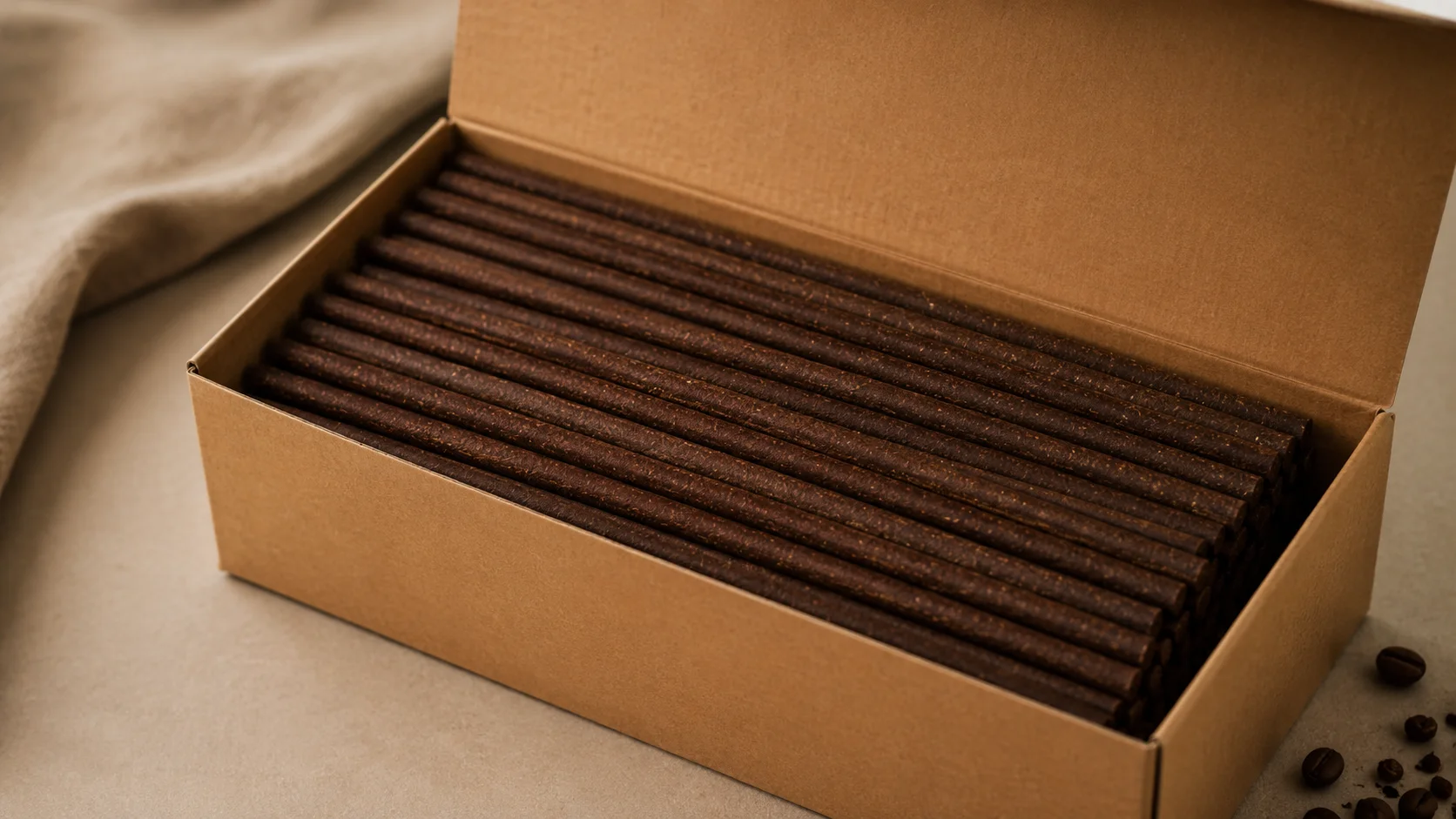
We believe in a holistic approach to sustainability. Beyond our premium sugarcane straws, MOMOIO offers a comprehensive range of certified eco-friendly solutions to support your entire operation. Discover our innovativeKahvijauhetut pillitfor another unique, sustainable option, or explore our diverse selection of packaging. Complete your sustainable offerings with our certifiedBiohajoavat elintarvikepakkauksetsolutions, designed to minimize environmental impact from farm to fork.
MOMOIO is committed to providing tailored solutions for your unique business needs:
- For Cafes: Elevate your coffee experience and meet eco-conscious demand with our durable, taste-neutral straws and complementary sustainable packaging.
- For Hotels: Enhance your hospitality offerings with premium, compliant, and environmentally responsible beverage accessories.
- For Retail: Boost your brand image and attract discerning customers with sustainable products that align with modern consumer values.
Make the Switch Today
Don’t let inferior straws detract from your customers’ experience or your brand’s vital commitment to sustainability. The time for genuine change is now. Choose a solution that guarantees taste integrity, superior performance, and verifiable environmental responsibility, allowing your business to thrive in a rapidly evolving market.
Explore Momoio’s Sustainable CollectionGet a Custom Quote
Usein Kysytyt Kysymykset
Taste • Durability • PFAS • Compliance • Certifications
No—sugarcane straws are engineered to be taste-neutral. During manufacturing, sugar content is removed from bagasse (the fibrous residue), so beverages retain their original flavor. Unlike many paper straws that can leave a papery aftertaste, sugarcane straws maintain a clean drinking experience. In rare cases users may perceive a very subtle sweetness, typically considered pleasant.
Sugarcane straws are significantly more durable. Paper straws often become soggy and lose rigidity, while sugarcane straws maintain structure and firmness for hours in both hot and cold beverages—eliminating “soggy straw” frustration and delivering a consistently pleasant user experience.
High-quality sugarcane straws are typically free from BPA, petroleum-derived plastics, bleach, heavy metals—and critically, PFAS (per- and polyfluoroalkyl substances). Always verify with reputable third-party certifications and request batch COA/TOF (total organic fluorine) results to ensure PFAS-free compliance.
Yes. Genuine sugarcane straws align with global regulations such as the EU Single-Use Plastics Directive (SUPD) when supplied as plastic-free, fiber-based products. Their certified compostability also supports Extended Producer Responsibility (EPR) goals and broader circular economy targets.
Look for third-party marks such as:
EN 13432 (EU industrial compostability), ASTM D6400 / D6868 (North America), BPI certification, and TÜV OK compost (INDUSTRIAL / HOME). These confirm biodegradation, disintegration, eco-toxicity limits, and—where applicable—PFAS-free criteria.