Beyond the Sip: Mistä kahvipillit on tehty ja miksi sillä on merkitystä yrityksellesi
A B2B Guide for Procurement, Operations, and Sustainability Leaders in Hospitality & Foodservice
Maailmanlaajuinen kahviteollisuus, jonka arvo on yli 400 miljardia dollaria, on kriittisessä vaiheessa. Kerran jälkikäteen, nöyrä juomapilli on noussut korkean panoksen toiminnalliseksi ja vaatimustenmukaisuuden haasteeksi hankintapäälliköille, toimintajohtajille ja toimitusketjun johtajille. Kun sääntelypaineet kovenevat ja kuluttajien odotukset kestävästä kehityksestä nousevat, kahvin oljen materiaalin valinta ei ole enää vähäpätöinen ostopäätös – se on strateginen välttämättömyys, joka muokkaa markkinoille pääsyä, brändin mainetta ja pitkän aikavälin kannattavuutta.
Kertakäyttöiset muovit, mukaan lukien perinteiset muovipillit, kohtaavat aggressiivisia maailmanlaajuisia kieltoja, joista esimerkkinä EU:n kertakäyttömuovidirektiivi, joka on jo poistanut muovipillit jäsenmaista. Yhdysvalloissa Kalifornian kaltaiset osavaltiot (AB1276, voimassa 1. kesäkuuta 2022) määräävät pillit vain pyynnöstä, kun taas Filippiinien vuoden 2022 EPR-laki asettaa valmistajat taloudellisesti vastuuseen muovipakkausjätteistä, mukaan lukien pillit. Tämän kehittyvän maiseman huomiotta jättäminen merkitsee sakkojen riskiä, korkeampia jätteenkäsittelykustannuksia ja nopeasti kasvavan ympäristötietoisten kuluttajien syrjäytymistä. Pelkästään maailmanlaajuisten ei-muovisten juomapillimarkkinoiden ennustetaan kasvavan arviolta 9,84 miljardista dollarista vuonna 2023 huomattavaan 17,55 miljardiin dollariin vuoteen 2028 mennessä, mikä korostaa B2B-päättäjien kiireellistä tarvetta mukauttaa toimintansa näiden ympäristötietoisten trendien mukaisesti.
Kestävien kahvipillien valitseminen on ratkaisevan tärkeää vieraanvaraisuuden ja tarjoilun kannalta, jotta ne voivat vastata muuttuviin säädöksiin ja kuluttajien vaatimuksiin.
Ydin: Mistä kahvipillit on tehty? Tärkeimpien materiaalien tutkiminen
Yhden, kaikkialla olevan muovipillen aika on ohi. Nykyään markkinat tarjoavat monipuolisen valikoiman innovatiivisia materiaaleja, joista jokainen on suunniteltu vastaamaan tiettyihin suorituskyky-, ympäristö- ja kaupallisiin tarpeisiin sekä kuumille että kylmille juomille. Näiden koostumusten ymmärtäminen on olennaista tietoon perustuvien hankintapäätösten tekemisessä.
A. Innovatiiviset kahvijauheen pillit: kiertotalousratkaisu
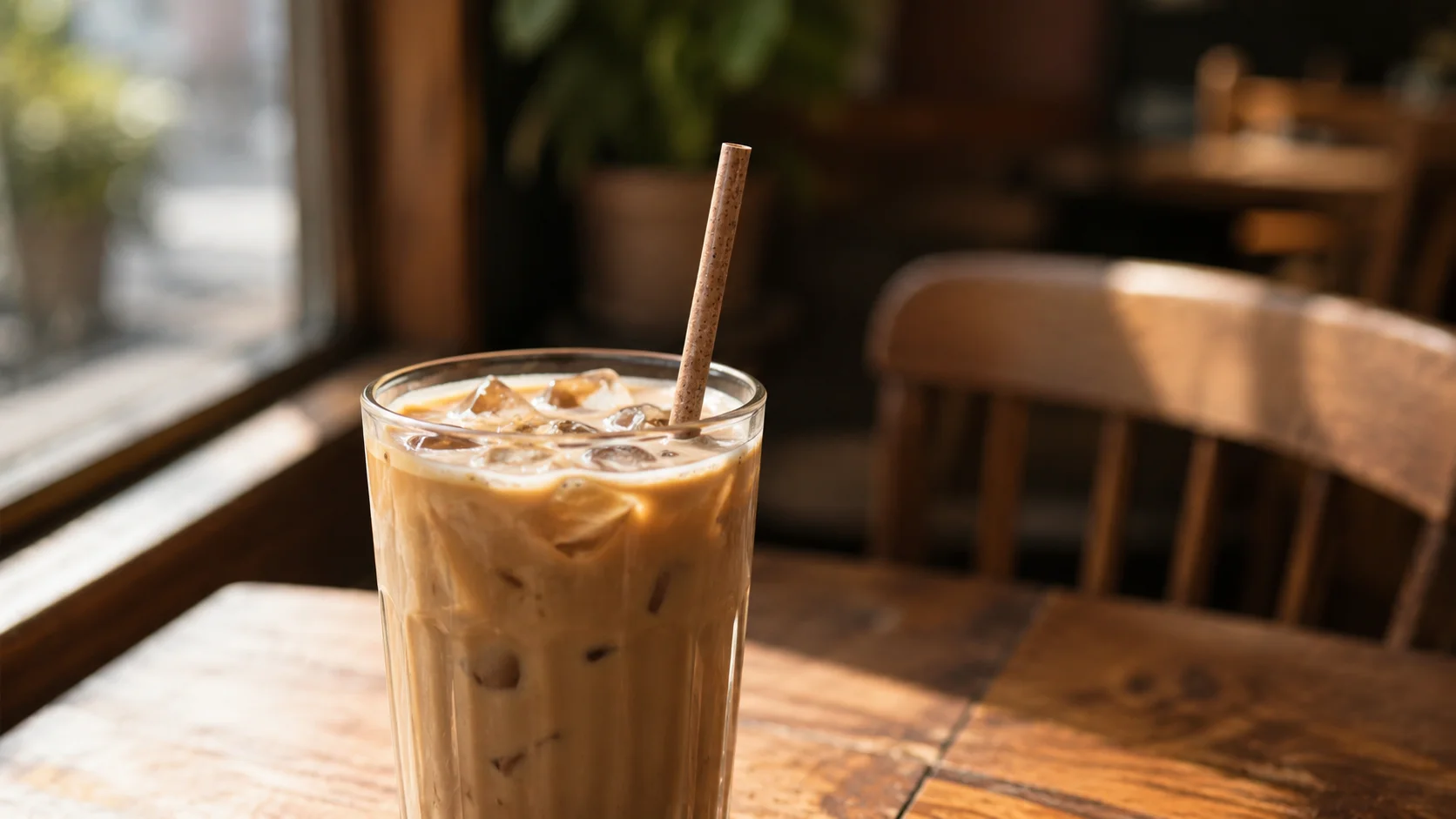
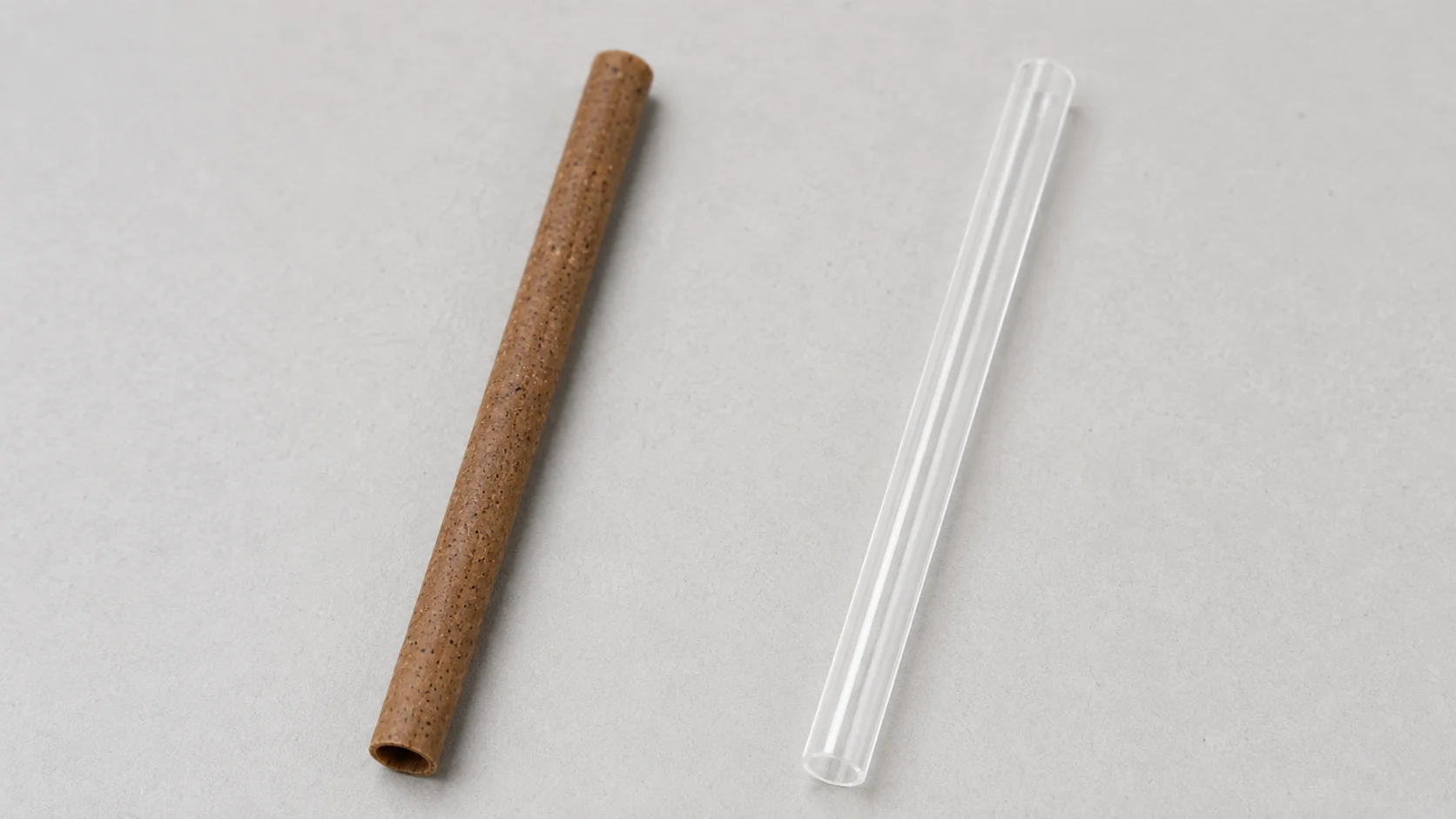
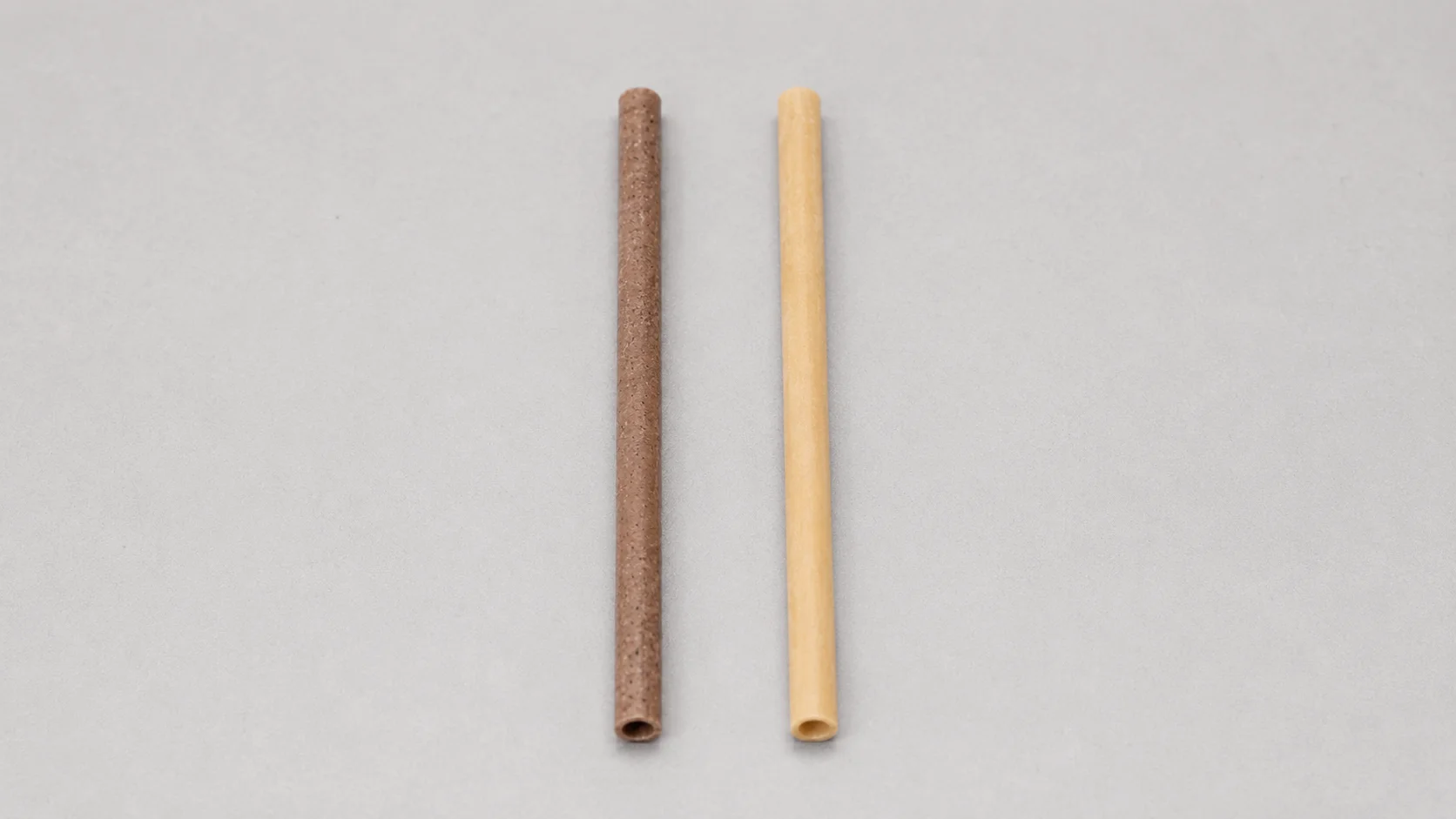
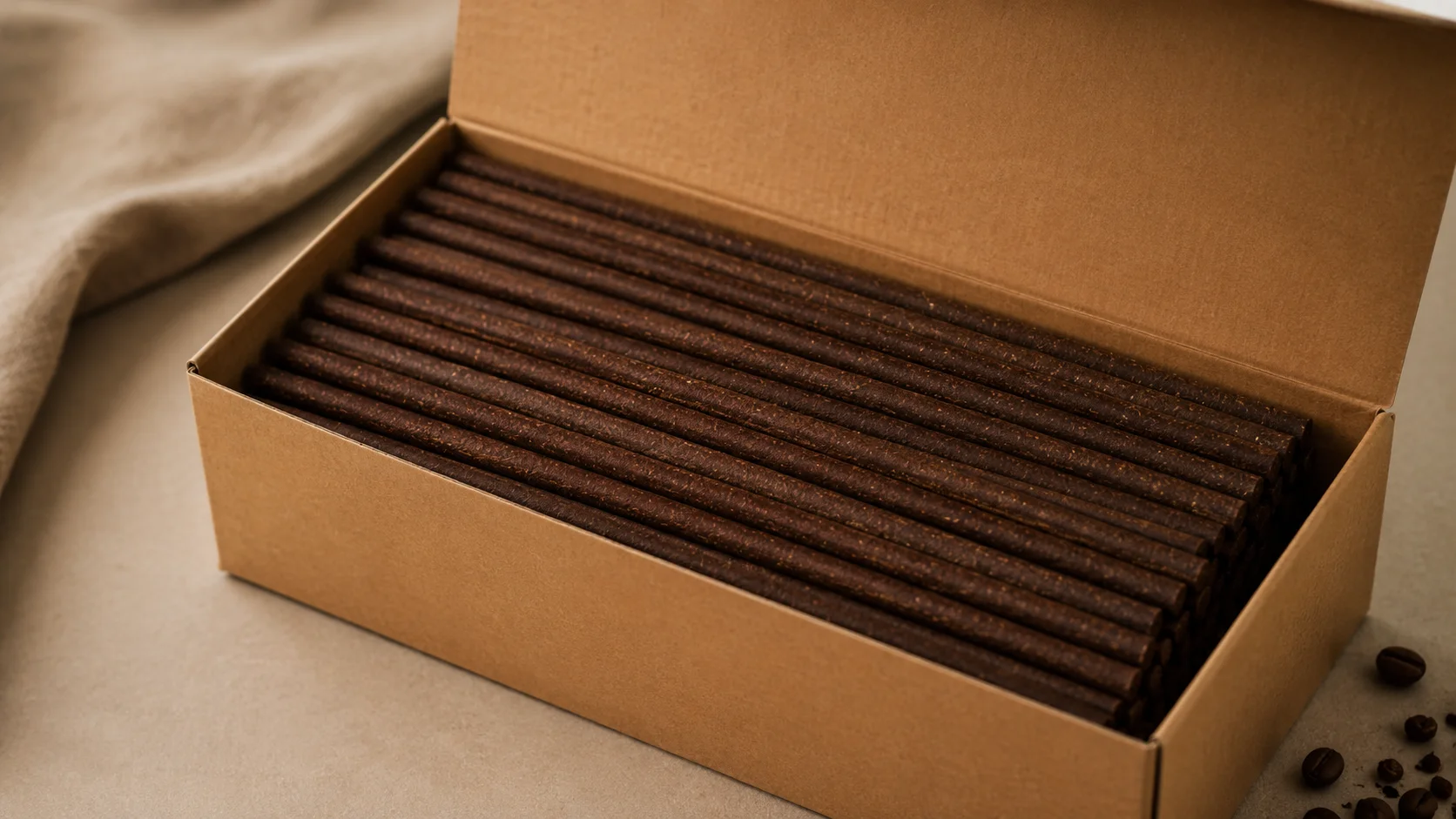
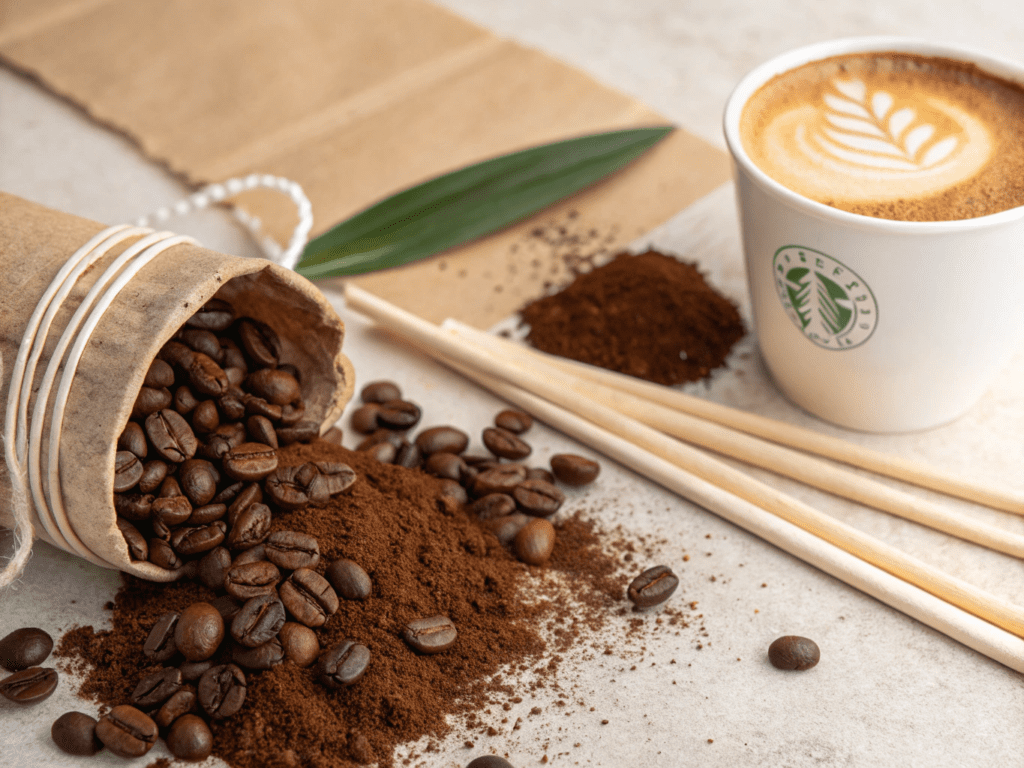
Yksi houkuttelevimmista innovaatioista kestävän kehityksen pillien alalla on peräisin suoraan itse kahviteollisuudesta: kahvinporopillit. Nämä merkittävät pillit valmistetaan kierrätetyistä kahvinporoista, jotka ovat kahvintuotannon sivutuote, ja ne yhdistetään sitten luonnonhartseihin, kasvipohjaisiin kuituihin ja tärkkelyksiin. Tämä nerokas lähestymistapa käsittelee kahta kriittistä jätevirtaa samanaikaisesti: muovisaastetta ja maailmanlaajuisesti vuosittain syntyvää yli 6 miljardia kiloa kahvijätettä.
Tuloksena oleva materiaali on 100 % kompostoitava ja muoviton, suunniteltu hajoamaan luonnollisesti teollisissa kompostointilaitoksissa 90-180 päivässä tai jopa koti- ja puutarhakompostiympäristöissä 12-18 kuukaudessa. Vaikuttavan biologisen hajoavuuden lisäksi kahvinporopillit on suunniteltu suorituskykyisiksi. Ne tarjoavat huomattavan kestävyyden ja joustavuuden jäljittelemällä perinteisten muovipillien tuntua ilman ympäristökuormitusta. Kahviloiden kannalta ratkaisevaa on, että ne kestävät jopa 75 °C:n (167 °F) lämpötiloja, ja ne eivät ole märkiä, mikä on yleinen kipukohta aikaisempien paperivaihtoehtojen kanssa. Niissä on myös hienovarainen, luonnollinen kahvin aromi, mikä parantaa juomakokemusta antamatta makua. Monet niistä ovat Biohajoavien tuotteiden instituutin (BPI) sertifioimia ja täyttävät standardit, kuten ASTM D6400 ja EN13432.
B. Syötävien kahvipillien nousu: jätteetön hemmottelu
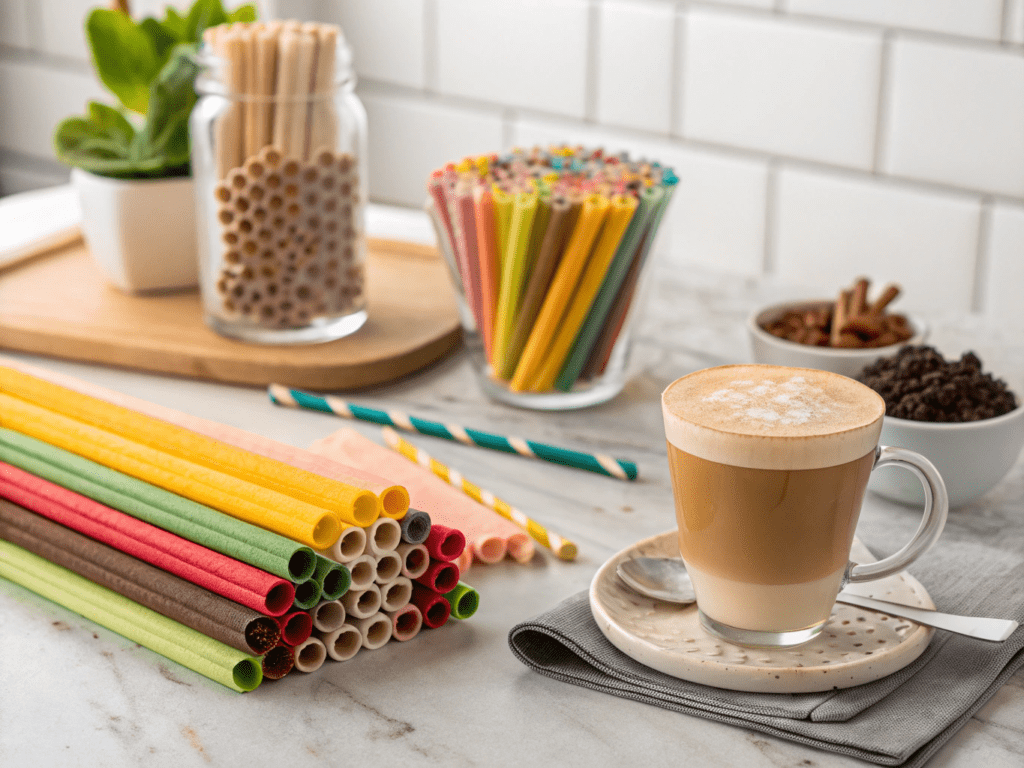
Yrityksille, jotka haluavat tarjota todella jätteetöntä asiakaskokemusta, syötävät kahvipillit ovat jännittävä raja. Nämä innovatiiviset pillit on valmistettu erilaisista kasvipohjaisista materiaaleista, kuten uudelleenkäyttöisistä kahvinporoista, tapiokatärkkelyksestä, riisijauhosta tai muista luonnollisista ainesosista, kuten sokerista ja maissitärkkelyksestä. Brändit, kuten Sorbos ja EQUO, ovat olleet edelläkävijöitä syötävillä pilleillä, jotka eivät toimi vain juomapillinä, vaan joita voidaan käyttää käytön jälkeen.
Syötävät pillit on suunniteltu vaikuttavaan rakenteelliseen eheyteen, ja ne säilyttävät muotonsa tuntikausia kylmissä juomissa ja jopa tunnin kuumissa juomissa. Niitä on saatavilla maustamattomina vaihtoehtoina, jotka antavat kahvin luonnollisen maun paistaa läpi, tai erilaisina makuina, kuten kahvi, vanilja tai suklaa, tarjoten ainutlaatuisen, hemmottelevan ja todella jätteetön asiakaskokemuksen. Yksittäin pakattuina ne käsittelevät myös suuria määriä käytettävien toimintojen hygieniaa koskevia huolenaiheita, ja niiden säilyvyys on jopa kaksi vuotta. Syötävien pillien markkinoiden ennustetaan nousevan 446,96 miljoonaan dollariin vuonna 2030, mikä korostaa niiden kasvavaa vetovoimaa.
C. Kasvipohjaiset biohajoavat pillit: Sokeriruoko, PLA ja muut
Kahvinporojen ja syötävien lajikkeiden lisäksi laaja valikoima kasviperäisiä biohajoavia pillejä tarjoaa erilaisia ratkaisuja:
- Sokeriruokopillit (Bagasse): Sokeriruo'on käsittelyn kuituisesta sivutuotteesta, bagassista valmistetut pillit ovat erittäin kestäviä. Niillä on erinomainen lämmönkestävyys, ne kestävät jopa 90 °C:n (194 °F) lämpötiloja, ja ne kestävät huomattavasti märkää kuin perinteiset paperipillit. Ne ovat 100 % kompostoitavia, vapaita PLA:sta ja PFAS:sta, ja tarjoavat vankan, luotettavan vaihtoehdon kuumalle kahville.
- PLA-pillit (polymaitohappo): Uusiutuvista luonnonvaroista, kuten maissitärkkelyksestä tai sokeriruo'osta, johdettu PLA on suosittu biomuovi läpinäkyvän, muovimaisen tuntunsa ansiosta. Vaikka PLA-pillit ovat teollisesti kompostoitavia, ne voivat muotoutua tai pehmentyä yli 60 °C:n (140 °F) lämpötilassa, mikä tekee niistä vähemmän sopivia erittäin kuumalle kahville, ellei niitä ole erityisesti formuloitu lämmönkestäväksi (kiteytynyt PLA, joka kestää jopa 85 °C). On tärkeää huomata, että PLA vaatii erityisiä teollisia kompostointilaitoksia hajottaakseen, mikä ei välttämättä ole yleisesti saatavilla.
- PHA-pillit (polyhydroksialkanoaatti): Seuraavan sukupolven biopolymeerejä edustavat PHA-pillit ovat mikro-organismien tuottamia, ja ne tarjoavat erinomaisen lämmönkestävyyden, parannetun kestävyyden ja laajan biohajoavuuden eri ympäristöissä, mukaan lukien merivedet, maaperä ja kompostointitilat, jättämättä mikromuovia.
- Muita luonnollisia vaihtoehtoja: Materiaalit, kuten ruoko, ruoho, bambu ja vehnän oljet, tarjoavat myös erilaisia sovelluksia. Bambu- ja ruokopillit ovat erittäin kestäviä ja niitä voidaan usein käyttää uudelleen. Nurmipillit tunnetaan kemikaalivapaista ja hajoavat luonnollisesti kuudessa kuukaudessa.
D. Uudelleen käytettävät kahvipillit: Kestävyys kohtaa kestävyyden
Tietyissä toimintamalleissa, erityisesti niissä, joissa asiakkaita kannustetaan tuomaan omat kuppinsa, uudelleenkäytettävät kahvipillit ovat edelleen erittäin kestävä valinta. Nämä on yleensä valmistettu kestävistä materiaaleista, kuten:
- Ruostumaton teräs: Erittäin kestävät ja pitkäkestoiset kylmille juomille, vaikka ne voivat johtaa lämpöä nopeasti käytettäessä kuumien juomien kanssa, mikä voi aiheuttaa palovammavaaran.
- Lasi (borosilikaatti): Kestävät erittäin korkeita lämpötiloja antamatta makua, mutta ovat alttiita rikkoutumaan.
- Silikoni: 100 % BPA-vapaat ja erittäin joustavat silikonipillit (esim. KoffieStraw) ovat turvallisia kuumille juomille ja ovat konepesun kestäviä, joten ne ovat käteviä kuluttajille. Google Trends -tiedot heinäkuussa 2025 osoittivat "uudelleenkäytettävien kahvipillien" hakujen äkillisen kasvun, mikä korosti kuluttajien kasvavaa kiinnostusta näitä pitkän aikavälin ratkaisuja kohtaan.
Vaikka uudelleenkäytettävät pillit tarjoavatkin huomattavan pitkän aikavälin jätteen vähentämisen, ne vaativat vankan puhdistus- ja sanitaatioinfrastruktuurin B2B-asetuksissa, ja ne ovat edelleen riippuvaisia asiakkaiden omaksumisesta ja sitoutumisesta säännölliseen pesuun.
Monipuoliset kestävät olkimateriaalit tarjoavat monipuolisia suorituskyky- ja ympäristöhyötyjä B2B-kahvitoiminnalle.

Navigointi markkinoilla: kahvipillien suorituskyky, vaatimustenmukaisuus ja hinta
Hankintapäälliköille ja toimintajohtajille oikean kestävän olkimateriaalin valinta edellyttää suorituskyvyn, säädöstenmukaisuuden ja taloudellisen kannattavuuden huolellista arviointia.
A. Suorituskyvyn vertailuarvot kestävälle kahvipillille: märkää paperia pidemmälle
Varhaisen sukupolven paperipillit, yleinen ensimmäinen askel muovista pois, kastuivat usein 20 minuutissa, mikä vaaransi vakavasti asiakaskokemuksen ja johti tyytymättömyyteen. Tämä "märän oljen" dilemma korosti edistyneiden materiaalien kriittistä tarvetta.
Nykypäivän innovatiiviset materiaalit tarjoavat merkittäviä parannuksia:
- Edistyneet materiaalit: Esimerkiksi sokeriruo'on ja kahvinporopillit on suunniteltu säilyttämään eheytensä tuntikausia, jopa kuumissa juomissa, tarjoten tasaisen ja nautinnollisen juomakokemuksen.
- Lämmönkestävyys on ratkaisevan tärkeää: Monet tavalliset kasvipohjaiset pillit, erityisesti aiemmat PLA-versiot, rikkoutuvat tai muodostuvat yli 60–90 °C:ssa, joten ne eivät sovellu kuumalle kahville. Yritysten on tarkastettava lämmönkestävyysvaatimukset toiminnallisten vikojen ja negatiivisen asiakaspalautteen välttämiseksi. Materiaalit, kuten sokeriruoko ja PHA, on erityisesti suunniteltu erinomaisesti korkeiden lämpötilojen sovelluksiin.
- Maku ja rakenne: Laadunvalvonta on ensiarvoisen tärkeää. Tehokkaiden kestävien pillien tulee olla hajuttomia ja mauttomia, jotta ne eivät muuta kahvin herkkää makuprofiilia. Niiden rakenteen tulisi myös tarjota mukava, paperiton tunne.
B. Regulatory Landscape & Compliance for Sustainable Straws: Navigating Global Bans
Maailmanlaajuinen siirtyminen pois kertakäyttömuovista ei ole vapaaehtoista; se on laillisesti velvoitettu monilla keskeisillä markkinoilla. Hankintastrategioissa on asetettava vaatimusten noudattaminen etusijalle merkittävien riskien vähentämiseksi.
- Maailmanlaajuiset muovikiellot: EU:n kertakäyttömuovidirektiivi (SUPD) kieltää jo jäsenmaissa muovipillit, mukaan lukien PLA. Tämä edellyttää täydellistä käännettä kohti aidosti muovittomia vaihtoehtoja Euroopan markkinoille pääsyä varten. Filippiinien vuoden 2022 EPR-laki velvoittaa nostamaan muovipakkausten, mukaan lukien pillit, hyötykäyttötavoitteita saavuttaen 50 % vuonna 2025 ja 80 % vuodesta 2028 eteenpäin, mikä vaikuttaa suoraan valmistajien velvollisuuksiin.
- Yhdysvaltain osavaltion lait: Yhdysvalloissa Kalifornian kaltaiset osavaltiot (AB1276) edellyttävät pillejä vain pyynnöstä, kun taas New York City otti käyttöön vastaavat säännöt vuonna 2021. Yritysten on oltava tarkkaan tietoisia muovikieltojen ja "pilliä pyynnöstä" -lakien alueellisista eroista.
- PFAS-huolet: Kasvava huolenaihe ympäröi "ikuisesti kemikaaleja" (PFAS), joita havaitaan joissakin paperi- ja kasvipohjaisissa oljeissa, joita käytetään vedenkestävyyteen. Nämä kemikaalit voivat huuhtoutua kuumiin juomiin ja aiheuttaa merkittäviä terveys- ja vaatimustenmukaisuusriskejä, mikä johtaa juridisiin vastuisiin ja mainevaurioihin. Sertifioitujen PFAS-vapaiden vaihtoehtojen hankinta ei ole nyt neuvoteltavissa.
- Sertifikaatit: Vaatimustenmukaisuuden ja aidosti kestävän hankinnan varmistamiseksi B2B-ostajien on vaadittava todennettavia sertifikaatteja. Etsiä:
- BPI (Biodegradable Products Institute) -sertifikaatti: Vahvistaa teollisen kompostoitumisen Pohjois-Amerikassa (täyttää ASTM D6400/D6868 standardit).
- EN13432: Teollisen kompostoitumisen eurooppalainen standardi.
- FDA:n hyväksyntä: Varmistaa elintarviketurvallisuuden.
- Muoviton vahvistus: Välttämätön useimpien muovikieltomääräysten täyttämiseksi.
C. Taloudelliset vaikutukset: B2B-toiminnan ROI ja kustannus-hyöty
Vaikka kestävillä pilleillä voi olla korkeammat ennakkokustannukset – esimerkiksi PLA-pillien hinta nousi 67 % vuonna 2020 ja paperipillit voivat olla huomattavasti kalliimpia kuin muovi –, pitkän aikavälin ROI on vakuuttava.
- Kuluttajien maksuhalu: Merkittävä 74 % kuluttajista on valmis maksamaan enemmän kestävistä pakkauksista, ja ympäristöystävällisten ratkaisujen käyttöönotto voi lisätä asiakasuskollisuutta jopa 20 %. Tämä tarkoittaa suoraan liikevaihdon kasvua ja vahvempaa brändipääomaa.
- Alennetut käyttökustannukset: Siirtyminen kompostoitaviin olkiin voi vähentää jätteenkäsittelymaksuja ohjaamalla materiaalia kaatopaikoille. Lisäksi parannettu tuotekuva houkuttelee ympäristötietoisia asiakkaita ja kasvattaa markkinaosuutta ilman suuria markkinointikustannuksia.
- Toimitusketjun optimointi: Strateginen massaostaminen erikoistuneilta B2B-alustoilta ja suorilta valmistajilta voi auttaa optimoimaan kustannuksia. Hankintapäälliköiden tulee arvioida omistamisen kokonaiskustannukset ottaen huomioon yksikköhinnan lisäksi myös vaatimustenmukaisuusriski, tuotemerkin vahvistuminen ja jätehuollon säästöt. Saat lisätietoja kestävien vaihtoehtojen hankinnasta lukemalla oppaamme sustainable” target=”_blank” class=”text-primary-dark hover:underline”>sustainable coffee straws for B2B.
D. Vertailutaulukko: Keskeiset kestävät kahvipillityypit B2B:lle
| Ominaisuus | B2B-toiminnan vaikutus | Vaatimustenmukaisuushuomautus | ROI-potentiaali |
|---|---|---|---|
| Kahvijauheet | Vähentää jätevirtaa, hienovaraista kahvin aromia, kestää kuumia/kylmiä juomia 75°C asti. | 100 % kompostoitava (esim. ASTM D6400, BPI), muoviton, PFAS-vapaa. | Parempi tuotekuva, jätteiden ohjaaminen, ensiluokkainen käsitys, asiakasuskollisuus. |
| Syötävät oljet | Nolla jätettä, korkea uutuustekijä, henkilökohtainen hygienia. Säilyy tunteja kylmässä, 1h kuumassa. | Täysin biohajoava, kuluva; tarkista allergeenien noudattaminen. | Ensiluokkainen tarjonta, virusmarkkinointipotentiaali, eliminoi jätteiden keräämisen. |
| Sokeriruoko (bagasse) | Korkea lämmönkestävyys (jopa 90 °C), minimaalinen märkä, tukeva. | 100 % kompostoitava, ei PLA/PFAS:ia, täyttää muovikiellot. | Miellyttää ympäristötietoisia kuluttajia, vankka suorituskyky, kustannustehokas irtotavarana. |
| PLA (biomuovi) | Muovin tuntuinen, selkeät vaihtoehdot, laajasti saatavilla. | Industrial composting required; may soften >60°C; restricted in some bans. | Laajalti saatavilla, täyttää joitakin "vihreitä" kriteerejä, sopii kylmiin juomiin. |
| Uudelleenkäytettävä (metalli/silikoni) | Korkeat alkukustannukset, vaatii pesu-/varastointiinfrastruktuurin, mahdollinen lämmönjohtavuusongelma (metalli). | Pitkäaikainen jätteiden poistaminen; tarvitaan erityisiä puhdistusprotokollia. | Merkittävät pitkän aikavälin kustannussäästöt, vahva kestävyysviestintä, vähentää toistuvia ostoja. |
Suorituksen, vaatimustenmukaisuuden ja kustannusten arviointi on olennaista kestävälle B2B-oljen hankinnalle.
IV. Ajo-oppiminen: B2B-mahdollisuudet ja kahvipillien tulevaisuus
Välttämätön siirtyminen kestäviin olkiin ulottuu muutakin kuin pelkkä noudattaminen; se on yrityksille loistava mahdollisuus saada kilpailuetua, syventää asiakasuskollisuutta ja edistää kestävämpää tulevaisuutta.
A. Enhanced Brand Image & Customer Loyalty: The Sustainability Dividend
Ympäristöystävällisten ratkaisujen käyttöönotto parantaa suoraan yrityksen yhteiskuntavastuun (CSR) profiilia. Tämä resonoi syvästi nykyajan kuluttajien keskuudessa, erityisesti nuorempien väestöryhmien keskuudessa, jotka painottavat ympäristövaikutuksia yhä enemmän ostopäätöksissään. Yritykset, jotka pienentävät aktiivisesti muovijalanjälkeään käyttämällä sertifioituja kompostointivaihtoehtoja, kuten kahvinporoja tai sokeriruo'on olkia, saavat merkittävän kilpailuedun. Tämä viestii aidosta sitoutumisesta muovisaasteen vähentämiseen, meren elämään vaikuttamiseen ja kiertotalouden edistämiseen. Tällaiset konkreettiset toimet voivat houkutella uusia, uskollisia asiakkaita ja vahvistaa positiivista tuotekuvaa ja muuttaa vaatimustenmukaisuushaasteen tehokkaaksi markkinointivaltiksi.
B. Pieni tapaustutkimus: Starbucksin kehitys kestävän kehityksen oljessa
Starbucks, maailmanlaajuinen kahvijätti, on ollut alan kamppailussa kertakäyttöisten muovien kanssa. Vuonna 2018 yritys sitoutui eliminoimaan 1 miljardi muovipilliä vuosittain vuoteen 2020 mennessä ja esitteli aluksi oljettomat kannet ja FSC®-sertifioidut paperipillit. Tämä askel oli merkittävä askel kohti heidän laajempia kestävyystavoitteitaan, joihin kuuluu jätteiden, hiilidioksidipäästöjen ja vedenkäytön 50 prosentin vähentäminen vuoteen 2030 mennessä.
Matka ei kuitenkaan ole ollut ilman haasteita. Merkittävässäpilottiohjelma kesäkuussa 2025, Starbucks Korea otti uudelleen käyttöön sokeriruokopohjaiset muovipillit noin 200 myymälässä. Tämä päätös tuli vastauksena asiakkaiden toistuviin valituksiin märkien paperipillien toimivuudesta, mikä korosti jatkuvaa jännitettä kestävyyden, asiakaskokemuksen ja toiminnan toteutettavuuden välillä. Tämä tapaus korostaa elintärkeää opetusta B2B-päättäjille: todellisen kestävän innovaation on tasapainotettava ympäristövastuu ja tuotteen tinkimätön suorituskyky. Hanki lämmönkestäviä, märkämättömiä vaihtoehtoja, kuten ne, jotka ovat saatavilla osoitteessaMomoio” target=”_blank” class=”text-primary-dark hover:underline”>Momoio Heat-Resistant Coffee Strawson ratkaisevan tärkeää.
C. Kestävän kahvipilli-innovoinnin tulevaisuuden trendit: 2025–2035 näkymät
Seuraavat 5–10 vuotta ovat todistamassa kestävän kehityksen mukaisten kahvipillien innovaatioiden kiihtymistä kehittyvien säädösten ja materiaalitieteen läpimurtojen vauhdittamana.
- Markkinoiden kasvu: Ympäristöystävällisten olkimarkkinoiden ennustetaan saavuttavan lähes 25,1 miljardia dollaria vuoteen 2035 mennessä ja kasvavan vahvalla 7,3 prosentin CAGR:llä. Biohajoavien pillien (mukaan lukien paperi, bambu, PHA ja PHBH) odotetaan saavuttavan hallitsevan 60 prosentin markkinaosuuden vuoteen 2030 mennessä.
- Advanced Materials & Coatings: Odotettavissa on vahva keskittyminen edistyneisiin vedenkestäviin pinnoitteisiin paperipilleille ja hybridimateriaaleille kestävyyden parantamiseksi. Seuraavan sukupolven biomuovit, kuten PHA (polyhydroksialkanoaatti) ja PHBH (polyhydroxybutyrate-co-hydroxyhexanoate), jotka on johdettu biomassasta, saavat näkyvyyttä muovimaisen suorituskyvyn ja laajan biohajoavuuden vuoksi erilaisissa ympäristöissä, mukaan lukien merivesissä.
- Jätteen arvostus: Jätevirtoja hyödyntävät innovaatiot, kuten kahviporot ja sokeriruokosokeri, jatkavat laajentumistaan edistäen kiertotaloutta.
- Tekoälykäyttöinen valmistus: Tekoälyllä tulee olemaan kasvava rooli materiaalitutkimuksessa, mikä edistää uusien biopohjaisten polymeerien löytämistä ja optimoi tuotantotehokkuutta kestävien olkien kannalta.
- Integroidut ratkaisut: Markkinoille tulee lisää monikäyttöisiä olkiratkaisuja, mukaan lukien kokoontaitettavat uudelleen käytettävät pillit ja integroidut juomapullo-pillituotteet, jotka tarjoavat entistä mukavuutta tien päällä kulutukseen.
- Älykäs kompostointi: Älykkäiden kompostointitekniikoiden edistyminen helpottaa yritysten kompostoivien olkien käsittelyä ja sulkee niiden elinkaaren.
Tulevaisuuden trendit osoittavat merkittävää kasvua ja innovaatiota kestävien kahvivarsien materiaaleissa ja ratkaisuissa.
Johtopäätös: Paranna kahvikokemustasi kestävillä valinnoilla
Kertakäyttömuoveista luopuminen ei ole vain ohimenevä trendi; se on perustavanlaatuinen muutos, joka muuttaa liiketoimintaa ja kuluttajien odotuksia kaikkialla maailmassa. Ymmärryksellämistä kahvipillit on tehtyja hyödyntämällä innovatiivisia, tehokkaita kestäviä vaihtoehtoja, kuten kahviporot ja syötävät oljet, yrityksesi voi saavuttaa kriittisen säädöstenmukaisuuden, parantaa toiminnan tehokkuutta ja vangita kasvavien ympäristötietoisten markkinoiden uskollisuuden. Tämä ennakoiva lähestymistapa vähentää riskejä, mittaa kustannussäästöjä vähentämällä jätettä ja nostaa merkittävästi brändin arvoa, mikä tekee yrityksestäsi kestävän kehityksen markkinajohtajan.
Kestävien kahvipillien omaksuminen varmistaa vaatimustenmukaisuuden, parantaa tehokkuutta ja lisää brändiuskollisuutta.
Toimi nyt varmistaaksesi hankintastrategiasi tulevaisuuden.Momoio.com” target=”_blank” class=”btn-primary inline-block”>Explore Truly Compostable Options for Your Coffee Shop
Usein kysytyt kysymykset (FAQ)
K: Miten kahvinporopillit toimivat kuumissa juomissa paperipilleihin verrattuna?
V: Kahviporopillit on suunniteltu kestämään jopa 75 °C:n (167 °F) lämpötiloja, ja ne kestävät huomattavasti kosteutta paremmin kuin perinteiset paperipillit, mikä tarjoaa tasaisen ja nautinnollisen kokemuksen kuuman kahvin juojille vieraanvaraisissa tiloissa.
K: Ovatko syötävät kahvipillit hygieeninen vaihtoehto suurille tarjoiluille?
V: Kyllä, monet syötävät pillit on kääritty yksittäin, mikä vastaa hygieniaongelmiin suuria määriä käytettäessä. Niiden säilyvyys on jopa kaksi vuotta, mikä tekee niistä käytännöllisen ja jätteetön ratkaisun kahviloihin ja ravintoloihin.
K: Mitä sertifikaatteja hankintapäälliköiden tulee etsiä varmistaakseen kestävän oljen vaatimustenmukaisuuden?
V: Tärkeimmät sertifikaatit sisältävät BPI (Biodegradable Products Institute) teollisen kompostoitumisen Pohjois-Amerikassa (ASTM D6400/D6868), EN13432 eurooppalaisen teollisen kompostoitumisen, FDA:n hyväksynnän elintarviketurvallisuudelle ja nimenomaisen muovittoman tarkastuksen maailmanlaajuisten muovikieltomääräysten täyttämiseksi.
K: Miten kestävien pillien käyttöönotto voi vaikuttaa ravintola-alan brändikuvaan ja asiakasuskollisuuteen?
V: Ympäristöystävällisten pillien ottaminen käyttöön parantaa merkittävästi yrityksen sosiaalisen vastuun (CSR) profiilia ja resonoi ympäristötietoisten kuluttajien keskuudessa. Tämä voi houkutella uusia, uskollisia asiakkaita ja vahvistaa positiivista tuotekuvaa, mikä muuttaa vaatimustenmukaisuushaasteen tehokkaaksi markkinointivälineeksi.
K: Mitkä ovat pitkän aikavälin kustannushyödyt kompostoivien pillien vaihtamisesta tarjoilupalveluissa?
V: Vaikka alkukustannukset voivat olla korkeammat, kompostoituvat pillit voivat vähentää jätteenkäsittelymaksuja ohjaamalla materiaalit pois kaatopaikoilta. Parannettu tuotekuva houkuttelee myös ympäristötietoisia asiakkaita, mikä saattaa lisätä tuloja ja markkinaosuutta ilman suuria markkinointikustannuksia, mikä johtaa vakuuttavaan pitkän aikavälin sijoitetun pääoman tuottoprosenttiin.