
Bamboo vs canne à sucre: Approvisionnement stratégique pour les chaînes d'approvisionnement hôtelières durables
Une plongée approfondie pour les responsables des achats, les directeurs des opérations et les responsables du développement durable
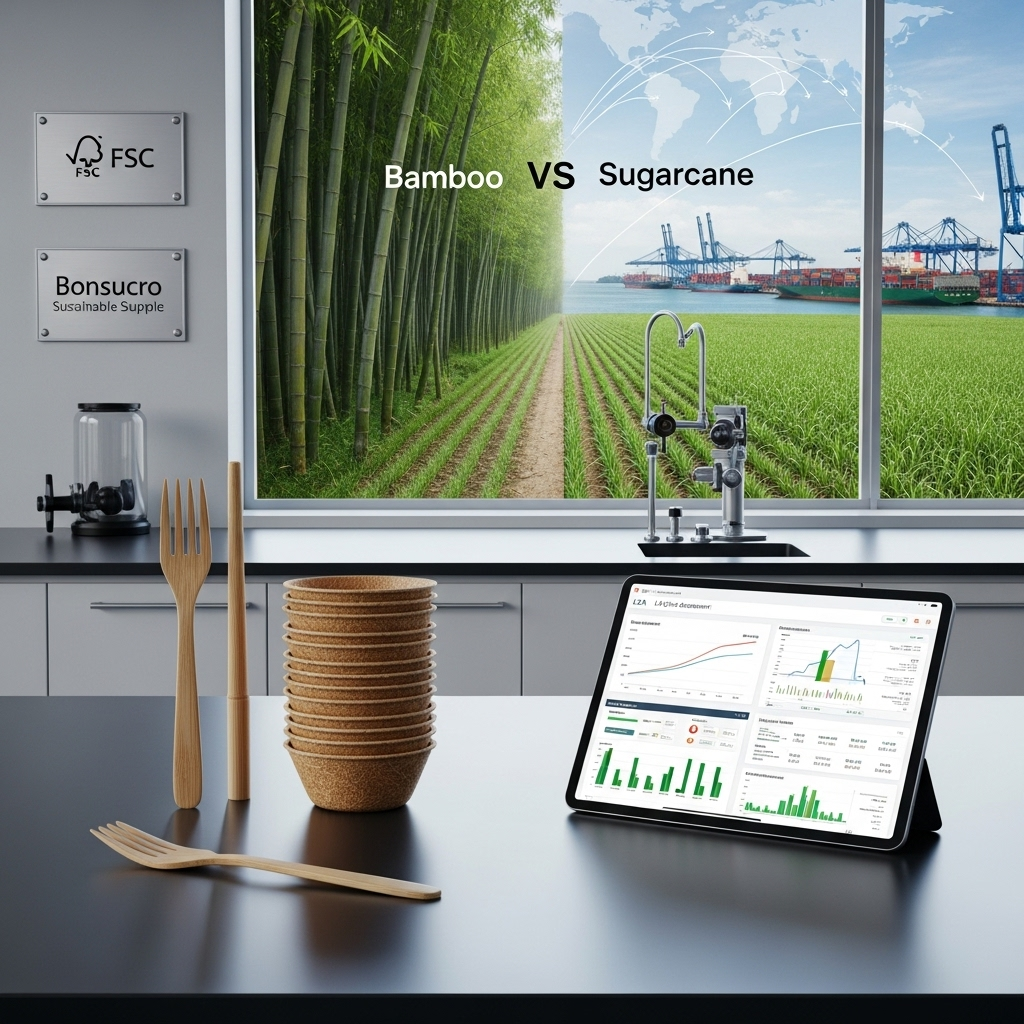
1. Introduction convaincante du problème de l’industrie
Les achats mondiaux se transforment ; la durabilité est désormais au cœur des opérations, stimulée par la demande croissante d’éco-matériaux et le renforcement des réglementations.
Le paysage des achats mondiaux subit une profonde transformation. Les décideurs B2B ne se contentent plus de gérer les économies de coûts et la logistique de la chaîne d'approvisionnement ; ils sont confrontés à un impératif urgent : intégrer la durabilité au cœur de leurs opérations. La demande d'éco-matériaux est en plein essor, et le marché global des bioplastiques à lui seul devrait atteindre un niveau stupéfiant.5 630 milliards de dollars d’ici 2029, avec une croissance à un TCAC impressionnant de 18,3 % (Grand View Research, 2022).
Cette pression croissante découle non seulement de l’évolution des préférences des consommateurs, mais également du resserrement des cadres réglementaires et d’une conscience accrue du risque lié aux marques. De nouvelles réglementations, comme laRèglement anti-déforestation de l’UE (EUDR)pour les dérivés de la canne à sucre et plus strictesDirectives de la FDAsur des matériaux de qualité alimentaire, exigent une traçabilité et une conformité rigoureuses. La non-conformité n’est plus seulement un obstacle juridique ; il s’agit d’une menace opérationnelle et de réputation importante. En outre, les récentes perturbations mondiales ont mis à nu la fragilité des chaînes d’approvisionnement traditionnelles, soulignant le besoin crucial de résilience. Les responsables des achats et des opérations doivent désormais réduire les risques liés aux stratégies d'approvisionnement, en garantissant la continuité de l'approvisionnement tout en s'efforçant simultanément d'atteindre des objectifs ambitieux en matière de développement durable.
Pour les secteurs de l’hôtellerie et de la restauration, ce défi est particulièrement aigu. Le secteur dépend fortement d'articles jetables (des pailles et couverts aux assiettes et emballages), ce qui en fait un contributeur important aux flux de déchets. Les risques commerciaux sont clairs : ne pas adopter des alternatives durables peut conduire àatteinte à la réputation, perte de clients soucieux de l'environnement et amendes potentiellespour non-respect des interdictions locales et internationales sur le plastique. Les opportunités manquées incluentune fidélité accrue à la marque, des économies de coûts grâce à la réduction des déchets et un accès à de nouveaux marchésdonner la priorité aux références vertes. Une étude réalisée en 2023 par Deloitte a révélé que 55 % des consommateurs sont prêts à payer plus pour des marques durables, soulignant un net changement de marché.
À retenir :Les secteurs de l’hôtellerie et de la restauration sont confrontés à une pression urgente pour intégrer la durabilité dans les achats, en raison de la demande du marché, des évolutions réglementaires et de la nécessité de chaînes d’approvisionnement résilientes, présentant à la fois des risques et des opportunités significatives.
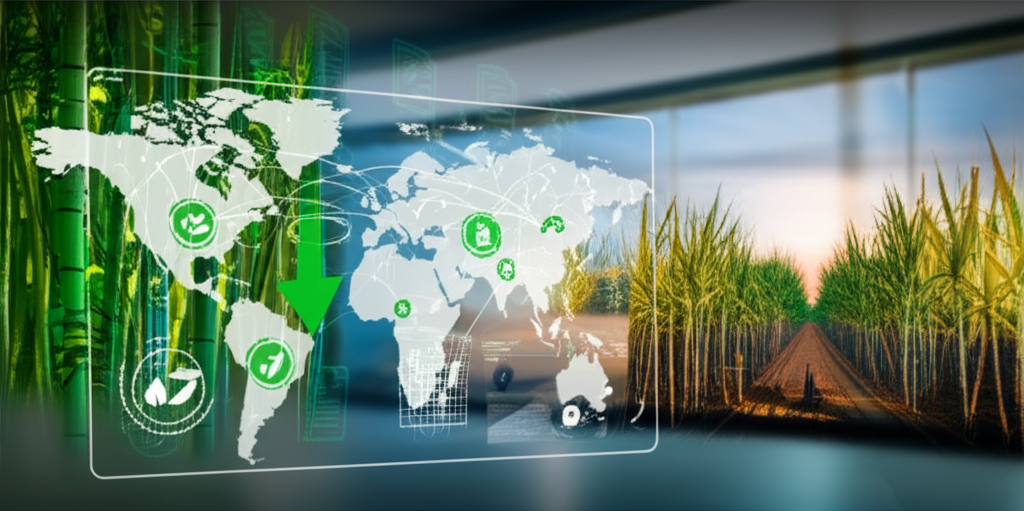
2. Market & Regulation Insights (EU, US, Asia-Pacific)
Il est primordial de s'y retrouver dans les réglementations mondiales pour accéder au marché des biomatériaux, avec diverses normes influençant l'approvisionnement et le commerce.
Naviguer dans le labyrinthe réglementaire est primordial pour l’accès au marché des biomatériaux. Les principales réglementations régionales, telles queExigences strictes de traçabilité de l’EUDRpour les dérivés de la canne à sucre brésilienne etNormes de sécurité alimentaire de la FDA en Amérique du Nord, influencent directement l’approvisionnement et le commerce. Ces différentes normes environnementales et de sécurité créent des complexités opérationnelles pour les entreprises opérant sur divers marchés. Par exemple,La politique RenovaBio du Brésilencourage la production de biocarburants à partir de la canne à sucre, tandis queMission nationale du bambou en Indepromeut l’industrie du bambou, affectant directement la disponibilité de l’approvisionnement et les prix.
Des certifications commeFSC (Conseil de gestion forestière)pour le bambou etBonsucrocar la canne à sucre est vitale. Adhérer aux normes internationales (par ex.ASTM, OIN) pour la compostabilité et la gestion environnementale renforce la confiance des acheteurs et ouvre de nouvelles opportunités de marché dans une économie mondiale qui donne de plus en plus la priorité à la durabilité. L'adoption croissante de matériaux durables comme le bambou pour les articles jetables est un fait marquantla montée des pailles de bamboucomme un indicateur clair des changements du marché entraînés à la fois par la demande des consommateurs et par les pressions réglementaires.
Pour un guide complet sur les détails réglementaires spécifiques, y compris les quantités minimales de commande (MOQ) et les considérations de marque dans les régions, reportez-vous à notreguide complet des fournitures de restaurant écologiques. Cette ressource fournit des informations détaillées sur les exigences de conformité et l’approvisionnement stratégique pour les entreprises de l’hôtellerie et de la restauration.
À retenir :Les réglementations et certifications régionales sont essentielles à l’accès au marché des biomatériaux, exigeant une traçabilité et une conformité rigoureuses de la part des chaînes d’approvisionnement mondiales de l’hôtellerie.
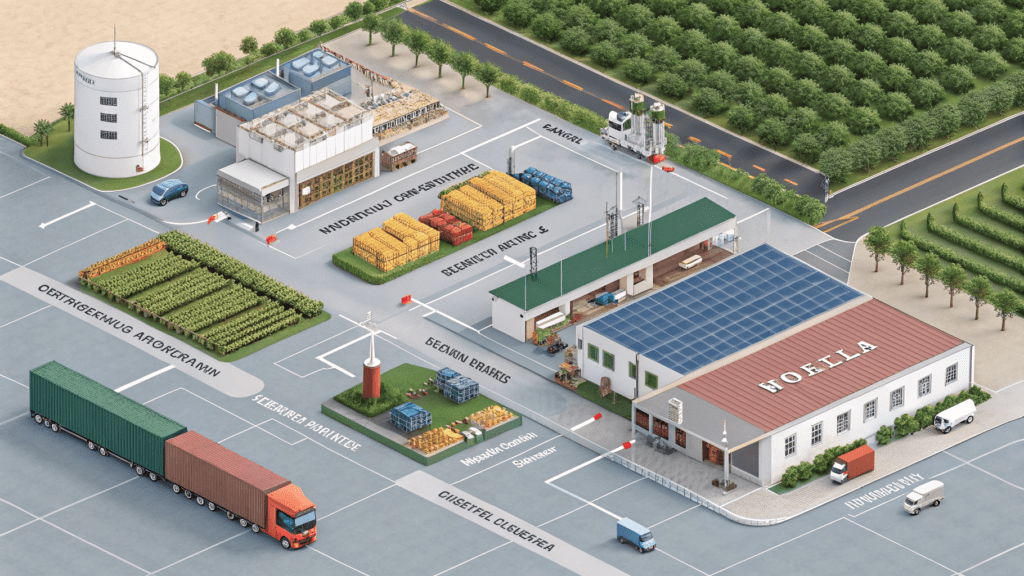
3. Solution: Bio-materials (Sugarcane & Bamboo)
Le bambou et la canne à sucre offrent des solutions renouvelables et respectueuses de l'environnement pour l'hôtellerie, chacune ayant des empreintes environnementales et des applications distinctes.
Au milieu de cette révolution verte, deux concurrents naturels émergent souvent pour un approvisionnement durable : le bambou et la canne à sucre (plus précisément son sous-produit, la bagasse). Bien que les deux soient célébrés pour leurs propriétés renouvelables, une approche plus approfondie et basée sur les donnéesAnalyse du Cycle de Vie (ACV)la comparaison révèle des empreintes environnementales nuancées.
Bambou : la ressource rapidement renouvelable
Le bambou, réputé pour son cycle de croissance rapide (certaines espèces poussent jusqu'à 3 pieds par jour) et ses capacités importantes de séquestration du carbone, nécessite un minimum de terre, d'eau ou de pesticides. Sa culture constitue un puissant outil d’atténuation du changement climatique. Cependant, les résultats de l’ACV soulignent que la consommation d’électricité pendant la transformation constitue un impact environnemental majeur, en particulier si elle provient de réseaux à forte intensité de carbone. Malgré cela, grâce à des pratiques de culture durables et à la production d’énergie en fin de vie, les produits en bambou peuvent potentiellement avoir une empreinte carbone nette négative, ce qui en fait un choix respectueux de l’environnement. Les entreprises se tournent de plus en plus vers des solutions polyvalentes en bambou, explorant tout, des matériaux de construction auxpailles de bambouen raison de ses propriétés uniques et de ses avantages environnementaux.
Canne à sucre (Bagasse) : valoriser les déchets agricoles
La canne à sucre, en revanche, joue un double rôle en tant que matière première majeure pour les biocarburants et source de sous-produits précieux comme la bagasse. Les informations fournies par l'ACV pour la canne à sucre mettent souvent en évidence les charges environnementales résultant de pratiques agricoles intensives, notamment l'utilisation d'engrais et de pesticides, et de pratiques historiques telles que le brûlage des cultures. Les transformations gourmandes en énergie, notamment pour l'éthanol ou la cellulose nanocristalline, contribuent également à son profil environnemental. Cependant, l’utilisation de la bagasse comme déchet améliore considérablement l’efficacité des ressources. Il est crucial de noter les compromis liés à la concurrence dans la production alimentaire et au besoin potentiel d’enrobages chimiques dans certains produits à base de bagasse. Lorsque l’on envisage des articles jetables pour la restauration, il est essentiel de comprendre les attributs uniques des deux matériaux. Pour un aperçu complet de la façon dont ces matériaux s'intègrent dans les fournitures de restaurant durables, unguide des fournitures de restaurant écologiquespeut fournir des informations précieuses.
Quantified Benefits for Hospitality & Foodservice:
- Empreinte carbone réduite : Le passage aux produits jetables en bambou ou en bagasse peut réduire les émissions Scope 3 d’un hôtel jusqu’à 30 % par rapport aux plastiques traditionnels, ce qui s’aligne sur les objectifs de zéro émission nette.
- Réputation de marque améliorée : 70 % des consommateurs préfèrent les marques hôtelières ayant des initiatives claires en matière de développement durable, conduisant à une augmentation des réservations et à la fidélisation des clients.
- Waste Diversion & Cost Savings: Les articles en bagasse compostables peuvent détourner jusqu'à 80 % des déchets à usage unique des décharges, réduisant potentiellement les coûts d'élimination des déchets de 15 à 25 % pour les opérations à grande échelle.
- Regulatory Compliance & Risk Mitigation: L’adoption proactive garantit le respect de l’évolution des interdictions sur le plastique et des réglementations environnementales, évitant ainsi les amendes et les perturbations opérationnelles.
- Expérience client améliorée : Proposer des options respectueuses de l'environnement trouve un écho auprès des clients, 60 % d'entre eux déclarant avoir une perception plus positive des établissements utilisant des produits durables.
Considérations sur le retour sur investissement pour les achats d'hôtellerie :
| Variable | Impact sur le ROI (Bambou/Canne à sucre) | Contexte de l'hospitalité |
|---|---|---|
| Coût du matériel | Le coût initial peut être plus élevé que celui des plastiques conventionnels. | Compensé par des économies à long terme grâce à la réduction des déchets et à la valeur de la marque. |
| Frais d'élimination des déchets | Réduction significative grâce à la compostabilité/biodégradabilité. | Impact direct sur le budget opérationnel, en particulier pour les grandes salles. |
| Brand Value & Marketing | Fidélisation accrue de la clientèle, relations publiques positives, avantage concurrentiel. | Attire les voyageurs/dîners soucieux de l’environnement, justifie des prix plus élevés. |
| Conformité réglementaire | Évitement des amendes, accès au marché dans les régions éco-strictes. | Assure la continuité des activités et la situation juridique. |
| Résilience de la chaîne d’approvisionnement | Un approvisionnement diversifié atténue les risques et garantit la disponibilité. | Crucial pour un service ininterrompu dans les opérations à volume élevé. |
À retenir :Le bambou et la canne à sucre offrent tous deux des avantages incontestables en matière de durabilité pour l'hôtellerie, avec un retour sur investissement déterminé par la réduction des déchets, l'amélioration de la marque et la conformité réglementaire, malgré d'éventuelles différences de coûts initiaux.
4. Industry Misconceptions & Clarifications
Clarifier les mythes courants sur les biomatériaux garantit des décisions d'approvisionnement éclairées pour une hospitalité durable.
Mythe 1 : Tous les biomatériaux « compostables » se décomposent dans n’importe quel environnement.
Clarification:Bien que la bagasse de canne à sucre soit généralement adaptée au compostage domestique, de nombreux produits en bambou et certains articles en bagasse nécessitent des conditions de compostage industriel spécifiques (chaleur élevée, activité microbienne spécifique) pour se décomposer complètement et efficacement. Sans une infrastructure adéquate de gestion des déchets, ces éléments risquent de finir dans les décharges, où leur décomposition est considérablement plus lente. Les entreprises hôtelières doivent s’assurer que leurs flux de déchets correspondent aux exigences de fin de vie des matériaux.
Mythe 2 : Les produits à base de canne à sucre sont toujours en concurrence avec la production alimentaire.
Clarification:Il s’agit d’une préoccupation courante, mais la bagasse, le matériau utilisé pour de nombreux produits jetables, est un sous-produit de la production de sucre. Il utilise des déchets agricoles qui autrement seraient jetés ou brûlés, ne concurrençant donc pas directement les cultures vivrières. Le défi réside davantage dans les pratiques agricoles de culture de la canne à sucre elle-même (par exemple, utilisation de l’eau, pesticides) que dans le détournement des ressources alimentaires.
Mythe 3 : Le bambou provient toujours de sources durables et éthiques.
Clarification:Bien que le bambou soit une ressource hautement renouvelable, sa durabilité dépend fortement des pratiques d'approvisionnement. Une récolte non réglementée peut conduire à la déforestation ou à la destruction de l'habitat. Il est crucial que les responsables des achats vérifient les certifications telles queFSC (Conseil de gestion forestière)pour garantir que le bambou provient de forêts gérées de manière responsable, garantissant à la fois la durabilité environnementale et sociale.
À retenir :Comprendre les nuances de la décomposition, de l'approvisionnement et des sous-produits de production des biomatériaux est crucial pour un approvisionnement durable efficace dans le secteur de l'hôtellerie.

5. B2B Customization & Supply Chain Optimization
L'optimisation des chaînes d'approvisionnement en biomatériaux pour l'hôtellerie nécessite une personnalisation stratégique, une gestion du MOQ et une logistique robuste.
Pour l’hôtellerie et la restauration, la personnalisation B2B est essentielle pour intégrer de manière transparente des matériaux durables. Cela comprendoptions de marque(par exemple, logos personnalisés sur des contenants de canne à sucre ou des couverts en bambou), spécifiquesexigences d'emballagepour la livraison en vrac et des dimensions de produits adaptées aux configurations opérationnelles existantes (par exemple, longueurs de paille spécifiques pour les bars à cocktails, tailles d'assiettes pour les services de banquet).
Les quantités minimales de commande (MOQ) pour les biomatériaux peuvent varier considérablement. Pour les articles en grand volume comme les assiettes et les gobelets jetables, les MOQ peuvent être importants pour réaliser des économies. Cependant, pour les articles spécialisés ou les essais initiaux, les fournisseurs peuvent proposer des MOQ inférieurs. Il est essentiel de négocier avec les fournisseurs pour aligner les MOQ sur votre échelle opérationnelle et votre capacité de stockage. Par exemple, une grande chaîne hôtelière pourrait bénéficier de commandes groupées de vaisselle en bagasse, tandis qu’un petit café préférerait des livraisons plus petites et plus fréquentes de pailles en bambou.
Conseils logistiques pour les chaînes d’approvisionnement de l’hôtellerie :
- Diversification géographique : S'approvisionner dans plusieurs régions (par exemple, bambou d'Asie du Sud-Est, canne à sucre du Brésil/Inde) pour atténuer les risques liés aux perturbations localisées.
- Gestion des stocks : Mettez en œuvre des systèmes robustes pour suivre les niveaux de stock et prévoir la demande avec précision, minimisant ainsi le gaspillage et garantissant un approvisionnement continu.
- Visibilité numérique : Utilisez un logiciel de gestion de la chaîne d'approvisionnement pour un suivi en temps réel, permettant une identification proactive et une résolution des retards potentiels.
- Partenariat avec les prestataires logistiques : Collaborez avec des partenaires logistiques expérimentés qui comprennent les exigences spécifiques de manipulation des biomatériaux (par exemple, contrôle de l'humidité pour le stockage).
- Approvisionnement local lorsque cela est possible : Même si un approvisionnement mondial est souvent nécessaire, recherchez des fournisseurs locaux ou régionaux de biomatériaux pour réduire les émissions liées aux transports et soutenir les économies locales.
À retenir :Une personnalisation B2B efficace et une optimisation de la chaîne d'approvisionnement pour les biomatériaux dans l'hôtellerie impliquent des MOQ stratégiques, un approvisionnement diversifié et une logistique avancée pour garantir la résilience et l'efficacité.
6. CTA solide avec des résultats mesurables
Transformez votre stratégie d'approvisionnement grâce à des informations basées sur des données pour créer des chaînes d'approvisionnement résilientes, conformes et durables.
Les projections de croissance du marché sont convaincantes : le marché mondial du bambou devrait atteindre102,38 milliards de dollars d'ici 2033, alors que le marché de la vaisselle en bagasse devrait à lui seul atteindre5,87 milliards de dollars d'ici 2035. Les progrès technologiques transforment continuellement ces matériaux ; le bambou d'ingénierie atteint une résistance structurelle supérieure à celle du bois traditionnel, et la canne à sucre connaît des améliorations génétiques pour des rendements et une résilience plus élevés. L’avenir recèle également un potentiel pour les matériaux mélangés, combinant les meilleures propriétés des deux pour des performances et une rentabilité optimales. La demande mondiale croissante d'emballages durables, comme en témoignent les rapports des principales sociétés d'études de marché commeRecherche sur Grand View, renforce encore la justification économique de l’adoption de ces matériaux.
L’adoption proactive de biomatériaux durables offre un avantage concurrentiel significatif. Il répond à la demande croissante des consommateurs et des B2B pour des produits respectueux de l'environnement et renforce la responsabilité sociale des entreprises. Un approvisionnement stratégique en bambou et en canne à sucre, éclairé par une ACV approfondie, une cartographie réglementaire complète et des stratégies d'approvisionnement résilientes, peut conduire à des économies à long terme, atténuer les risques réglementaires et élargir l'accès au marché dans une économie en évolution rapide et axée sur la durabilité. En intégrant ces informations, les responsables des achats et des opérations peuvent créer des chaînes d'approvisionnement qui sont non seulement conformes et efficaces, mais également intrinsèquement résilientes à la volatilité future du marché et aux mandats environnementaux. Pour des détails complets sur les méthodologies et les impacts de l'ACV, consultez des ressources telles que leCentre commun de recherche de la Commission européenne. Les entreprises qui naviguent sur les marchés européens doivent également se familiariser avec des réglementations spécifiques telles que laRèglement européen anti-déforestation, dont les informations peuvent souvent être trouvées sur le site officiel de la Commission européenne.
À retenir :L’adoption de biomatériaux offre un avantage concurrentiel, permet de réaliser des économies, d’atténuer les risques et d’élargir l’accès au marché dans une économie axée sur la durabilité.
Foire aux questions (FAQ)
Quels sont les principaux avantages environnementaux du bambou par rapport à la canne à sucre pour les produits jetables d'hôtellerie ?
Le bambou nécessite généralement moins d'eau, de pesticides et d'engrais pendant la culture, et sa croissance rapide et ses capacités de séquestration du carbone contribuent à une empreinte écologique plus faible, en particulier pour les articles réutilisables.
Quel est l’impact du règlement anti-déforestation de l’UE (EUDR) sur l’approvisionnement en produits à base de canne à sucre pour les entreprises hôtelières européennes ?
L'EUDR impose des exigences strictes en matière de traçabilité pour les dérivés de la canne à sucre, exigeant la preuve que les produits ne proviennent pas de terres déboisées, ce qui nécessite une transparence et une conformité solides de la chaîne d'approvisionnement pour les entreprises hôtelières européennes.
Les produits à base de bagasse de canne à sucre peuvent-ils être compostés à la maison ou nécessitent-ils des installations industrielles ?
Les produits à base de bagasse de canne à sucre sont généralement hautement compostables et conviennent souvent au compostage domestique, se décomposant plus rapidement que de nombreux autres biomatériaux, bien que les certifications spécifiques des produits doivent toujours être vérifiées.
Qu’est-ce qu’une « stratégie d’approvisionnement à double ligne » pour les biomatériaux et pourquoi est-elle cruciale pour les achats d’hôtellerie ?
Une stratégie d'approvisionnement à deux lignes implique de diversifier les sites de culture et de transformation et de nouer des partenariats avec plusieurs fournisseurs indépendants de biomatériaux comme le bambou et la canne à sucre. Cela est crucial pour que les achats d’hôtellerie puissent atténuer les risques liés aux tensions géopolitiques, aux catastrophes naturelles et aux ruptures d’approvisionnement localisées, garantissant ainsi la continuité de l’approvisionnement.
Comment les entreprises hôtelières peuvent-elles évaluer le véritable retour sur investissement du passage aux produits jetables en bambou ou en canne à sucre ?
L'évaluation du retour sur investissement implique d'évaluer non seulement les coûts initiaux, mais également les avantages à long terme tels que la réduction des frais d'élimination des déchets, l'amélioration de la réputation de la marque, la fidélité accrue des clients, la conformité aux réglementations en évolution et l'accès potentiel au marché pour les consommateurs soucieux du développement durable.