As procurement managers, operations directors, sustainability officers, and supply chain executives, you navigate a complex landscape where environmental mandates intersect with customer satisfaction and operational efficiency. The global push for sustainability has transformed expectations, with an estimated 70% of consumers globally willing to pay more for sustainable brands. Yet, the transition to eco-friendly disposables often comes with unforeseen challenges, particularly in high-volume environments like foodservice and hospitality.
The paper straw dilemma serves as a stark reminder of solutions that fall short. Designed as a quick fix for single-use plastic bans, these alternatives frequently disappoint, quickly succumbing to liquids, imparting an unpleasant taste, and generating a cascade of customer complaints. Beyond the immediate dissatisfaction, this translates into hidden costs: increased replacement rates, damaged brand perception, and wasted effort in sourcing “sustainable” options that fail to perform.
Imagine a solution that not only meets your sustainability goals but also elevates the customer experience, enduring through a meal or drink without compromise. This is where high-quality bamboo straws emerge as a promising candidate, offering a durable, natural alternative to the pervasive problem of flimsy disposables. For businesses aiming to balance ecological responsibility with operational excellence, the critical question arises: Do bamboo straws truly get soggy?
The definitive answer is no, not in the way traditional paper straws do. Bamboo straws, crafted from sturdy, natural fibers, are engineered to maintain their structural integrity for significantly longer periods when exposed to liquids. This inherent resilience positions them as a compelling choice for organizations committed to genuinely sustainable and high-quality guest experiences.

The shift away from single-use plastics is more than a trend; it’s a regulatory imperative and a cornerstone of modern brand identity across the US and Europe. Businesses face increasing pressure from comprehensive directives, such as the EU’s Single-Use Plastics Directive, and state-level bans across the United States. Failing to adopt robust, sustainable alternatives carries not only compliance risks but also the tangible cost of eroding customer trust and loyalty. Flimsy paper straws, which often become mushy or disintegrate within minutes, directly impact customer satisfaction and signal a disconnect between a brand’s stated eco-values and its actual product quality.
Bamboo’s natural composition offers a compelling counterpoint to these challenges. Its unique fibrous structure provides inherent resistance to liquid absorption, allowing it to retain its form and functionality far longer than paper. Unlike paper, which relies on chemical treatments or thick layers to delay inevitable saturation, bamboo’s tough, natural fibers are inherently more water-resistant. While bamboo straws can absorb some liquid over prolonged periods, subtly altering their texture, this does not lead to the rapid disintegration or mushiness characteristic of their paper counterparts. Some innovative products, like “bamboo pulp paper straws,” even combine the benefits of bamboo’s resilience with the convenience of paper, designed specifically for enhanced durability and to resist sogginess.
The science behind bamboo’s stability lies in its dense cellular structure. This allows it to withstand temperature variations remarkably well, making high-quality bamboo straws suitable for both hot and cold beverages. While frequent use with extremely hot drinks might eventually shorten their lifespan by drying out the bamboo and potentially causing cracks, their general performance far surpasses paper. For the discerning foodservice and hospitality sectors, this means a reliable straw that doesn’t compromise the integrity or temperature of the drink. They offer a natural aesthetic that enhances presentation, are reusable with proper care, and importantly, do not impart any undesirable taste to beverages, ensuring the customer enjoys their drink as intended. For businesses committed to the longevity of their sustainable choices, understanding how to best care for these products is paramount. Our guide onDo Bamboo Straws Decompose B2B Sustainability?offers deeper insights into maximizing the life and end-of-life benefits of these natural alternatives.

Strategic procurement in today’s landscape demands a holistic view, balancing initial cost with long-term value, environmental impact, and unwavering customer satisfaction. When evaluating sustainable straw alternatives, a detailed comparison is crucial for B2B decision-makers.
Comparison of Sustainable Straw Alternatives: A B2B Perspective
| Fonctionnalité | Pailles en bambou | Pailles en papier | Pailles en acier inoxydable | Paies de verre | Paies en silicone | Edible Straws (e.g., pasta, seaweed) |
|---|---|---|---|---|---|---|
| Impact B2B | Durable, reusable, natural aesthetic, no taste alteration, natural antibacterial. Enhances eco-friendly brand image. | À usage unique, mauvaise expérience client (détrempé, goût), taux de remplacement élevé. Endommage la perception de la marque. | Très durable, réutilisable, élégant, sans goût. Fait appel aux segments premium. | Élégant, réutilisable, transparent pour le nettoyage. Sensation haut de gamme. | Flexible, sans danger pour les enfants, réutilisable. Bon pour des données démographiques spécifiques. | Nouveauté, zéro déchet. Argument de vente unique pour certaines expériences. |
| Risque de conformité | Faible (biodégradable, compostable). Les préoccupations concernant les PFAS dans certaines marques nécessitent un approvisionnement minutieux. | Modéré-élevé (PFAS courant, excrétion de microplastiques provenant des revêtements). Échouent souvent aux attentes de performance pour les interdictions. | Faible (entièrement recyclable, sans PFAS). | Faible (recyclable). Préoccupations concernant les PFAS dans certaines marques. | Faible (réutilisable, inerte). Non biodégradable. | Faible (biodégradable, compostable). |
| Potentiel de retour sur investissement | Higher initial cost, but reusability drives long-term savings. Improved customer loyalty & brand value. | Low initial cost, but high hidden costs (replacements, customer complaints, reputational damage). | High initial cost, very low replacement rate (long lifespan). Strong brand value proposition. | High initial cost, low replacement rate if handled carefully. | Moderate initial cost, good lifespan. | Variable initial cost (can be high), single-use. Higher novelty value than direct ROI. |
| Key Considerations | Proper cleaning & drying essential for reuse. Source PFAS-free. | Prone to sogginess, can alter drink taste. Widespread PFAS contamination concerns. | Heat/cold conductivity risk, potential for injury, not ideal for all demographics. | Fragile, breakage risk. | Less premium aesthetic for some brands. | Durée de conservation limitée, peut altérer le goût de la boisson, exigences de stockage spécifiques. |
Les entreprises qui évaluent ces options doivent prendre en compte non seulement les matériaux, mais aussi les implications sur l’ensemble du cycle de vie. Par exemple, même si les pailles de canne à sucre offrent une alternative biodégradable intéressante, il est crucial de comprendre leurs performances, notamment en matière de détrempe. Pour en savoir plus sur un autre choix populaire, explorezLes pailles de canne à sucre deviennent-elles détrempées ?
Aperçu de l'industrie : naviguer sur le marché de la paille durable
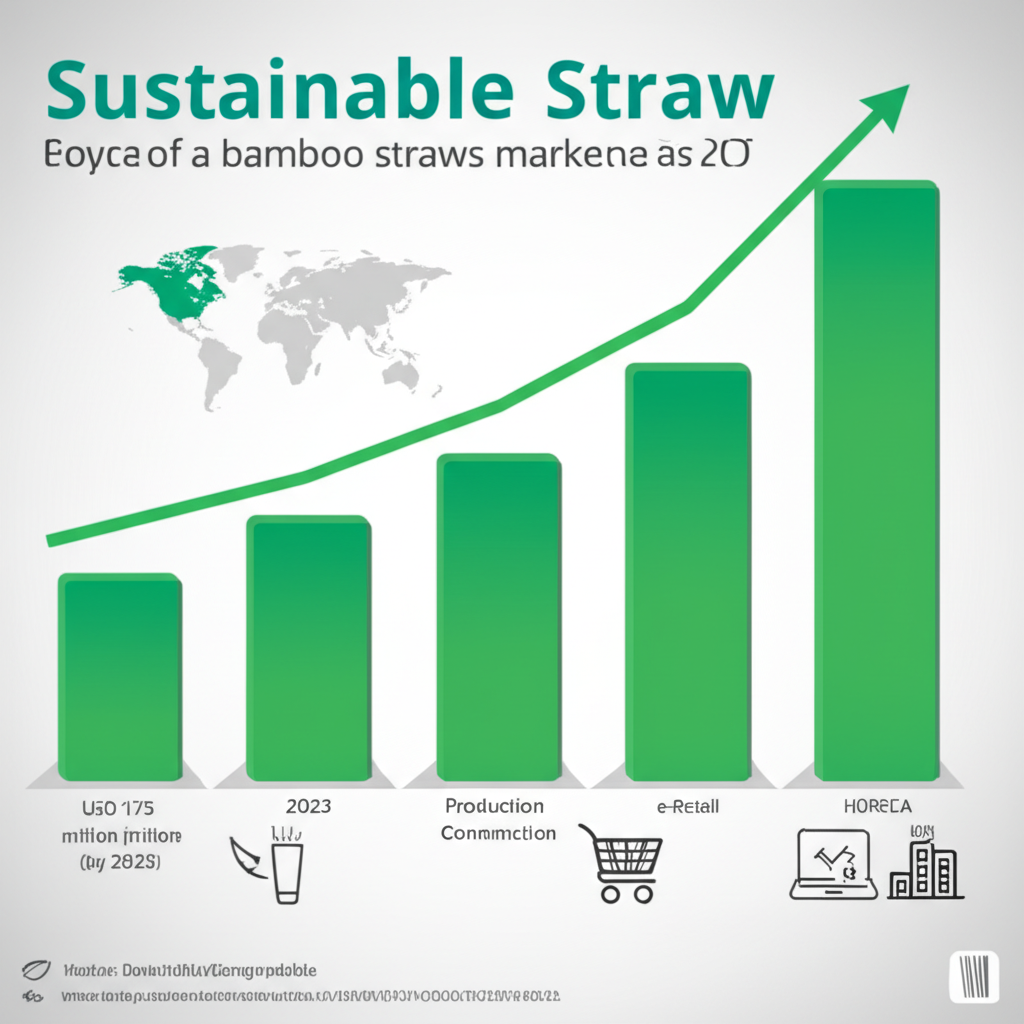
Le marché mondial de la paille de bambou connaît une forte expansion, reflétant une conscience environnementale accrue et un besoin urgent de solutions durables. Évaluées à environ 175 millions de dollars en 2023, les projections prévoient une augmentation substantielle jusqu'à environ 490 millions de dollars d'ici 2032, propulsée par un taux de croissance annuel composé (TCAC) compris entre 5 % et 12 % au cours de la prochaine décennie. Cette croissance est principalement due à des réglementations gouvernementales plus strictes sur les plastiques à usage unique dans des régions comme l'UE et divers États américains, ainsi qu'à une demande croissante des consommateurs pour des produits respectueux de l'environnement.
Le secteur de la restauration, qui englobe les hôtels, les restaurants et les cafés (HORECA), constitue le principal catalyseur et devrait représenter une part significative de 58,6 % du marché d'ici 2025. Le commerce électronique détient également une part substantielle, détenant 38 % en 2024. Au niveau régional, l'Asie-Pacifique domine à la fois la production et la consommation, tandis que l'Amérique du Nord est sur le point d'être le marché à la croissance la plus rapide. Cette dynamique régionale souligne l’importance d’une stratégie d’approvisionnement informée à l’échelle mondiale. De plus amples informations sur la durabilité comparative de l’hôtellerie peuvent être trouvées dans notre analyse deCanne à sucre ou pailles de bambou pour une hospitalité durable.
Innovations et perspectives d'avenir :
The sustainable straw industry is far from stagnant. Manufacturers are actively pursuing product differentiation and enhanced performance. Innovations include new lines of bamboo straws specifically designed for hot beverages to address durability concerns at higher temperatures. Research is also delving into hybrid materials combining plant-based polymers with water-resistant coatings, and even seed-embedded straws that can be planted after use to promote new plant growth, signaling a future where disposables actively contribute to ecological regeneration.
Addressing Business Concerns: Hygiene, Lifespan, and Quality Control
Even with their clear advantages, concerns around hygiene, lifespan, and quality control are valid for B2B applications.
- Hygiene Protocols: Bamboo’s porous nature necessitates diligent cleaning. For reusable bamboo straws in commercial settings, prompt cleaning after each use, using dedicated brushes, and occasional boiling for thorough sanitization are crucial. Proper air drying in a well-ventilated area, avoiding airtight containers, is vital to prevent mold growth. Fortunately, bamboo naturally contains “bamboo kun,” an antibacterial agent that helps limit germ proliferation.
- Maximizing Lifespan: With appropriate care, a high-quality reusable bamboo straw can last for several months to a year. Signs of degradation like visible cracks, splitting, persistent odors, or significant softening indicate it’s time for replacement.
- The PFAS Controversy and Quality Sourcing: A critical development for procurement professionals was a 2023 study published in Additifs alimentaires et contaminants journal, which revealed that four out of five bamboo straw brands tested contained “forever chemicals” (PFAS). This finding, alongside similar contamination in many paper straws, underscores the paramount importance of meticulous supplier vetting. Reputable companies like Bambu® have established rigid quality control practices and inspection processes since 2012, offering products like their “Precision Bamboo Straws” which are identical in size and shape, and crucially, are verified PFAS-free. Sourcing from suppliers with transparent manufacturing processes and third-party certifications is no longer optional; it’s a necessity. This ensures that your sustainable choice doesn’t inadvertently introduce other environmental or health hazards. You can find more information about the PFAS issue in various environmental and scientific publications, such as those from the U.S. Environmental Protection Agency (EPA) or European Chemicals Agency (ECHA).
- Carbon Footprint Considerations: While bamboo is a rapidly renewable resource, the carbon footprint associated with harvesting, processing, and particularly international shipping, must be acknowledged. Businesses should prioritize suppliers committed to sustainable cultivation practices, minimizing transport distances where possible, and utilizing eco-friendly packaging to mitigate this impact.

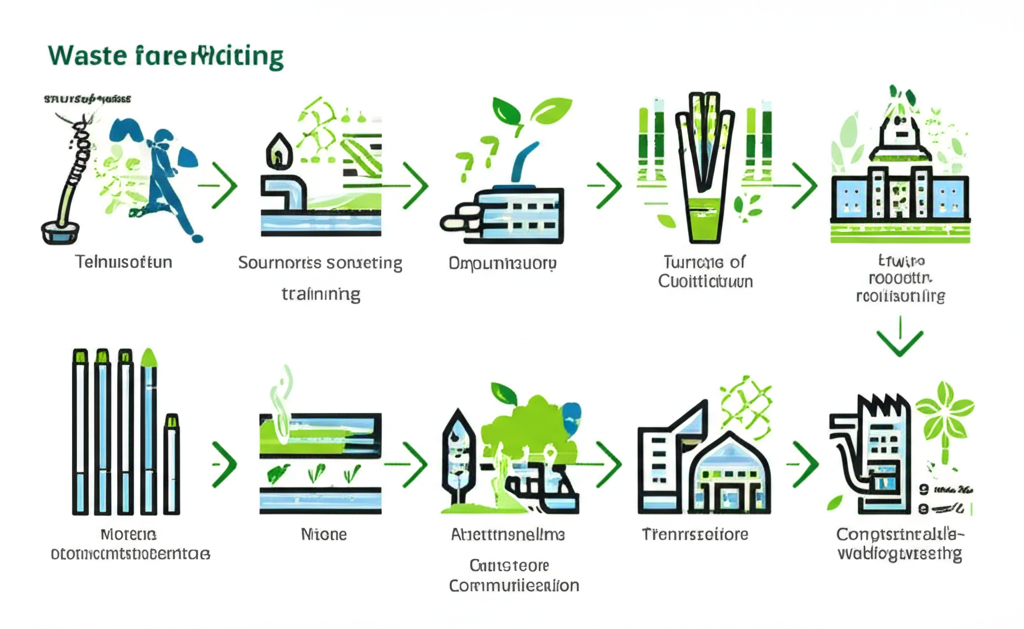
Moving towards truly sustainable operations demands a strategic shift from reactive problem-solving to proactive, informed decision-making. Implementing high-quality bamboo straws in your operations offers a tangible pathway to achieving this. The first step involves rigorous supplier vetting: ask critical questions about sourcing transparency, manufacturing processes, and quality control. Insist on third-party certifications, especially those verifying PFAS-free products and sustainable forestry practices.
Crucially, invest in staff training. Educate your team on the proper handling, cleaning protocols (including sanitization for reusable options), and optimal storage methods for bamboo straws to maximize their lifespan and maintain hygiene standards. Simultaneously, engage in clear and consistent customer communication. Inform your patrons about your commitment to sustainable choices and guide them on proper disposal for single-use bamboo straws or how to return reusable ones. By tracking waste reduction metrics and observing enhanced brand perception, you can quantify the positive impact of these initiatives.
Choosing high-quality bamboo straws is more than an eco-friendly gesture; it’s a strategic business decision that enhances your brand’s reputation, mitigates compliance risks, and delivers a superior customer experience. By embracing a durable, natural, and genuinely sustainable solution, your organization can significantly reduce operational costs associated with flimsy alternatives, safeguard brand value in an eco-conscious market, and capture a larger share of the growing demand for responsible consumer and business practices.
Take the next step towards sustainable excellence today.
Explore our curated selection of certified, high-quality bamboo straws, specifically engineered for B2B needs. Contact our experts for a personalized consultation on seamlessly integrating sustainable straw solutions into your operations, or request a sample kit to experience the difference firsthand and witness true durability.
Contactez nos expertsDemander un kit d'échantillon
Questions fréquemment posées
No, high-quality bamboo straws generally do not get soggy in the same way traditional paper straws do. Their sturdy, natural fibers maintain structural integrity significantly longer when exposed to liquids, although prolonged soaking can subtly alter their texture.
Yes, with proper care and maintenance, bamboo straws are reusable. For commercial use, this involves prompt cleaning after each use, thorough drying, and occasional sanitization (e.g., boiling). They can last for several months to a year under these conditions.
Bamboo straws offer several advantages for businesses, including enhanced brand image, compliance with single-use plastic regulations, improved customer satisfaction due to their durability and neutral taste, natural antibacterial properties, and the ability to reduce waste.
A 2023 study found PFAS in some bamboo straw brands. It is crucial for businesses to source bamboo straws from reputable suppliers who provide transparent manufacturing processes and third-party certifications ensuring their products are PFAS-free to avoid unintended environmental or health hazards.
For reusable bamboo straws, clean them promptly after each use with a straw brush and warm soapy water, rinse thoroughly, and allow them to dry completely in a ventilated area. Store them in a dry, clean container to prevent mold or bacterial growth. Occasional sanitization, such as boiling, helps extend their lifespan and maintain hygiene.