The shift away from single-use plastics isn’t just an environmental trend; it’s a critical business imperative reshaping global procurement and operational strategies. Procurement managers, operations directors, and sustainability officers across the US and Europe are grappling with mounting pressure to adopt greener solutions, particularly for high-volume consumables like drinking straws. The stakes are significant: ignore this shift, and companies risk not only regulatory non-compliance but also a substantial erosion of brand trust and market share. The global eco-friendly straws market, estimated at approximately USD 12.3 billion in 2025, is projected to nearly double to USD 25.1 billion by 2035, underscoring an irreversible transition. This isn’t merely about consumer preference; it’s about navigating a complex landscape of evolving legislation, supply chain resilience, and a profound redefinition of corporate social responsibility. Businesses failing to adapt face operational bottlenecks, punitive fines, and a significant commercial disadvantage in an increasingly conscious marketplace where 80% of consumers actively prefer eco-friendly options.
Le cheminement vers une consommation durable a une longue histoire, mais l’urgence de trouver des alternatives « respectueuses de l’environnement » est un phénomène relativement moderne. Pendant des millénaires, les pailles ont été fabriquées à partir de matériaux naturels – de l’or sumérien aux tubes de lapis-lazuli en 3000 avant notre ère jusqu’au ray-grass du XIXe siècle. Cependant, les années 1960 ont vu l'essor généralisé des pailles en plastique durables et peu coûteuses, qui ont remplacé leurs prédécesseurs en papier (brevetés pour la première fois en 1888 par Marvin Stone) pour devenir omniprésentes. Cette commodité a eu un coût environnemental monumental, transformant un simple ustensile en symbole de pollution mondiale. Le tournant dans la conscience publique remonte souvent à une vidéo virale de 2015 montrant une paille en plastique retirée de la narine d’une tortue de mer, déclenchant le mouvement des « pailles anti-plastique » et propulsant les discussions sur les déchets plastiques marins dans le grand public.

Aujourd’hui, ce tollé mondial s’est traduit par des mesures réglementaires concrètes. La directive sur les plastiques à usage unique de l’Union européenne, par exemple, interdit les pailles en plastique et autres articles à usage unique depuis 2021, obligeant les entreprises de ses États membres à réorienter leurs stratégies d’approvisionnement. (Source:Commission européenne). Aux États-Unis, divers États et villes, comme Seattle (qui les a interdits en 2018) et la Californie (qui a mis en œuvre la « paille sur demande » en 2019), ont adopté des restrictions similaires. Cette pression législative, combinée à une conscience environnementale accrue des consommateurs, signifie que les responsables des achats ne peuvent plus considérer les pailles durables comme une offre de niche mais comme un élément essentiel de la conformité opérationnelle et de l'expérience client. Le défi va au-delà de la simple recherche d’un remplaçant ; cela implique de comprendre le véritable impact des alternatives sur le cycle de vie et de s’aligner sur des initiatives plus larges de réduction des déchets et d’économie circulaire. Ce changement a un impact sur tout, depuis la logistique de la chaîne d’approvisionnement jusqu’à la perception même de l’engagement d’une marque en faveur du développement durable, influençant si une entreprise est considérée comme un leader responsable ou comme un retardataire. Pour une plongée plus approfondie dans le paysage plus large des matériaux durables, en explorant diverses applications telles queenvironmentally friendly packaging solutionscan offer valuable insights for comprehensive green initiatives.
Strategic Choices for Sustainable Operations: A Deep Dive into Eco-Friendly Straws
Moving beyond the recognition of the problem, the critical next step for businesses is to strategically select solutions that align with their operational needs, brand values, and long-term sustainability goals. The market now offers a diverse array of eco-friendly drinking straws, each with distinct advantages and considerations.
Single-Use Biodegradable & Compostable Options
For many businesses, particularly in high-volume foodservice, single-use biodegradable and compostable options remain essential.
- Pailles en papier : Fabriquées à partir de ressources renouvelables, les versions de haute qualité peuvent désormais résister au détrempage pendant de longues périodes grâce à des revêtements avancés. Ils sont largement disponibles et offrent une excellente personnalisation pour l’image de marque. De nombreuses pailles en papier sont conçues pour se décomposer en 2 à 6 semaines. Cependant, leur production peut être gourmande en ressources, nécessitant beaucoup d’eau et de bois, et peut avoir une empreinte carbone plus élevée que le plastique traditionnel. Fondamentalement, une controverse importante entoure la présence potentielle de « produits chimiques éternels » (PFAS) dans de nombreuses pailles de papier et de bambou, utilisées pour améliorer la durabilité, qui peuvent entraver la décomposition et présenter des risques pour la santé. Les entreprises doivent donner la priorité à l’approvisionnement en pailles en papier sans PFAS et rechercher des certifications telles que l’approbation du FSC (Forest Stewardship Council) et de la FDA, ainsi que le BPI (Biodegradable Products Institute) pour le compostage industriel.
- Impact commercial : Des opportunités de marque fortes et rentables, mais nécessitent un approvisionnement minutieux pour éviter les « produits chimiques éternels » et garantir une véritable biodégradabilité.
- Pailles PLA (acide polylactique) : Dérivées de matériaux végétaux comme l'amidon de maïs ou la canne à sucre, les pailles PLA imitent fidèlement la sensation et la durabilité du plastique traditionnel sans recourir à des combustibles fossiles. Ils sont généralement sans BPA. Le principal inconvénient réside dans la nécessité de recourir à des installations de compostage industriel spécifiques pour se décomposer efficacement ; ils ne se dégraderont pas dans les composts domestiques ou dans les décharges, ce qui limitera leurs avantages environnementaux réels s’ils ne sont pas éliminés correctement.
- Impact commercial : Bonne expérience utilisateur, informations d'identification basées sur les plantes, mais nécessite un accès à une infrastructure de compostage industriel et une éducation claire des clients sur l'élimination.
- Pailles PHA (Polyhydroxyalcanoate) : Il s’agit là d’un grand pas en avant. Produites par des micro-organismes, les pailles PHA sont véritablement biodégradables dans divers environnements, notamment le compostage industriel et domestique, les sols et même les écosystèmes marins, sans laisser de microplastiques. Ils sont fabriqués à partir de sources renouvelables et offrent une bonne durabilité. Le principal obstacle réside dans leur coût plus élevé et leur offre actuellement limitée, même si ces facteurs devraient s’améliorer avec l’augmentation de la production. Par exemple, la distribution par Wincup de la « paille Phade » en 2021 met en évidence l’adoption précoce par le marché de la technologie PHA, signalant une évolution vers des solutions hautement performantes et véritablement biodégradables.
- Impact commercial : Premium sustainability offering, excellent environmental credentials, strong market differentiator, positioning the business at the forefront of eco-innovation.
- Wheat Straws: Made from the stalks of wheat plants, an agricultural byproduct, these offer a genuinely zero-waste, 100% natural, and biodegradable solution. They are durable in both hot and cold beverages and are naturally gluten-free as they are derived from the stem, not the grain. Some sources indicate they can be more costly than conventional plastics.
- Impact commercial : Strong natural aesthetic, aligns with organic and eco-conscious branding, excellent story for consumer engagement.
- Reed (Grass) Straws: Similar to wheat straws, these are crafted from abundant grass plant stems, making them fully biodegradable and compostable. They are durable and suitable for all beverage temperatures, offering a distinctive natural appearance.
- Impact commercial : Unique, natural offering, suitable for brands emphasizing authenticity and ecological commitment.
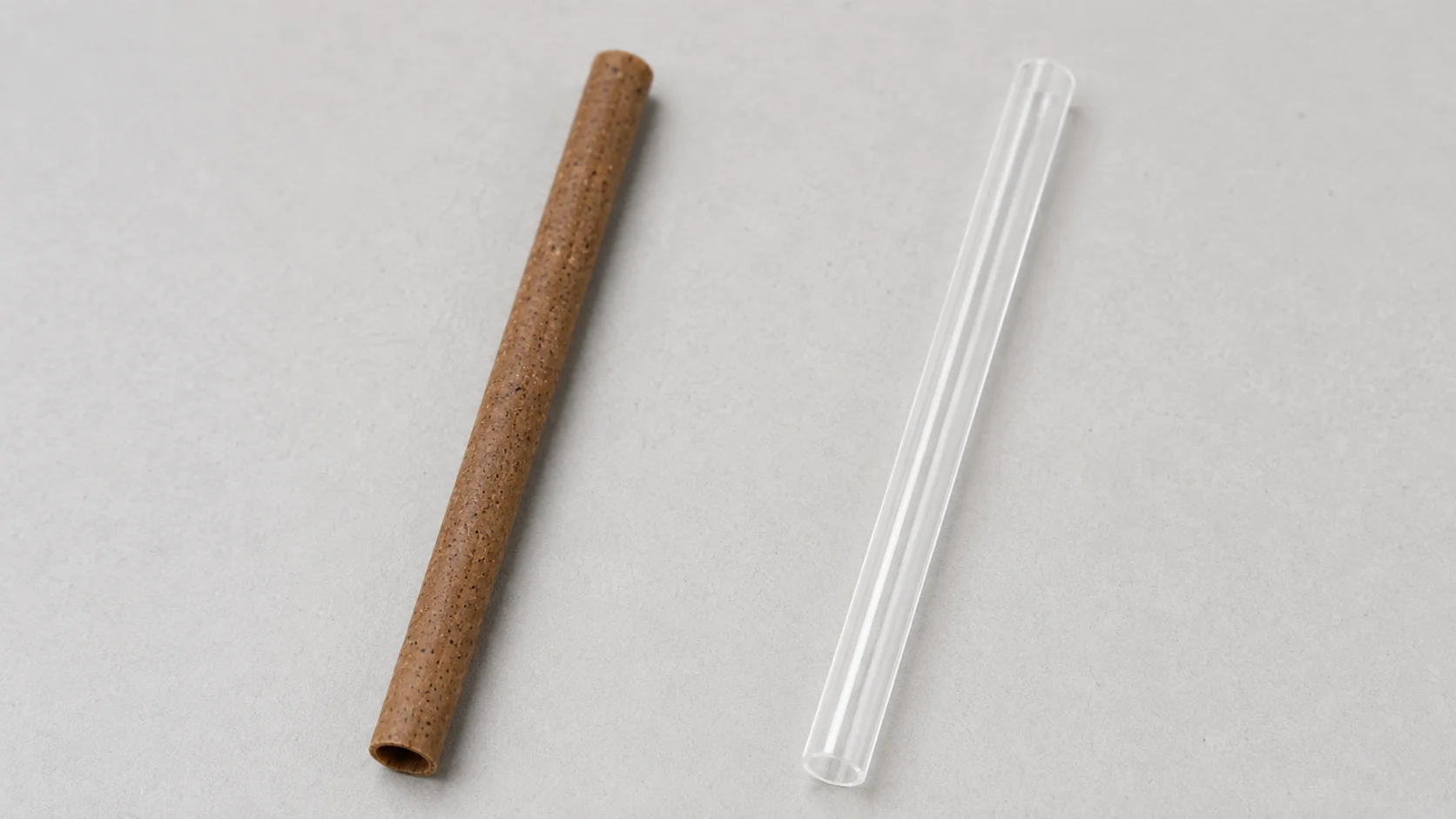
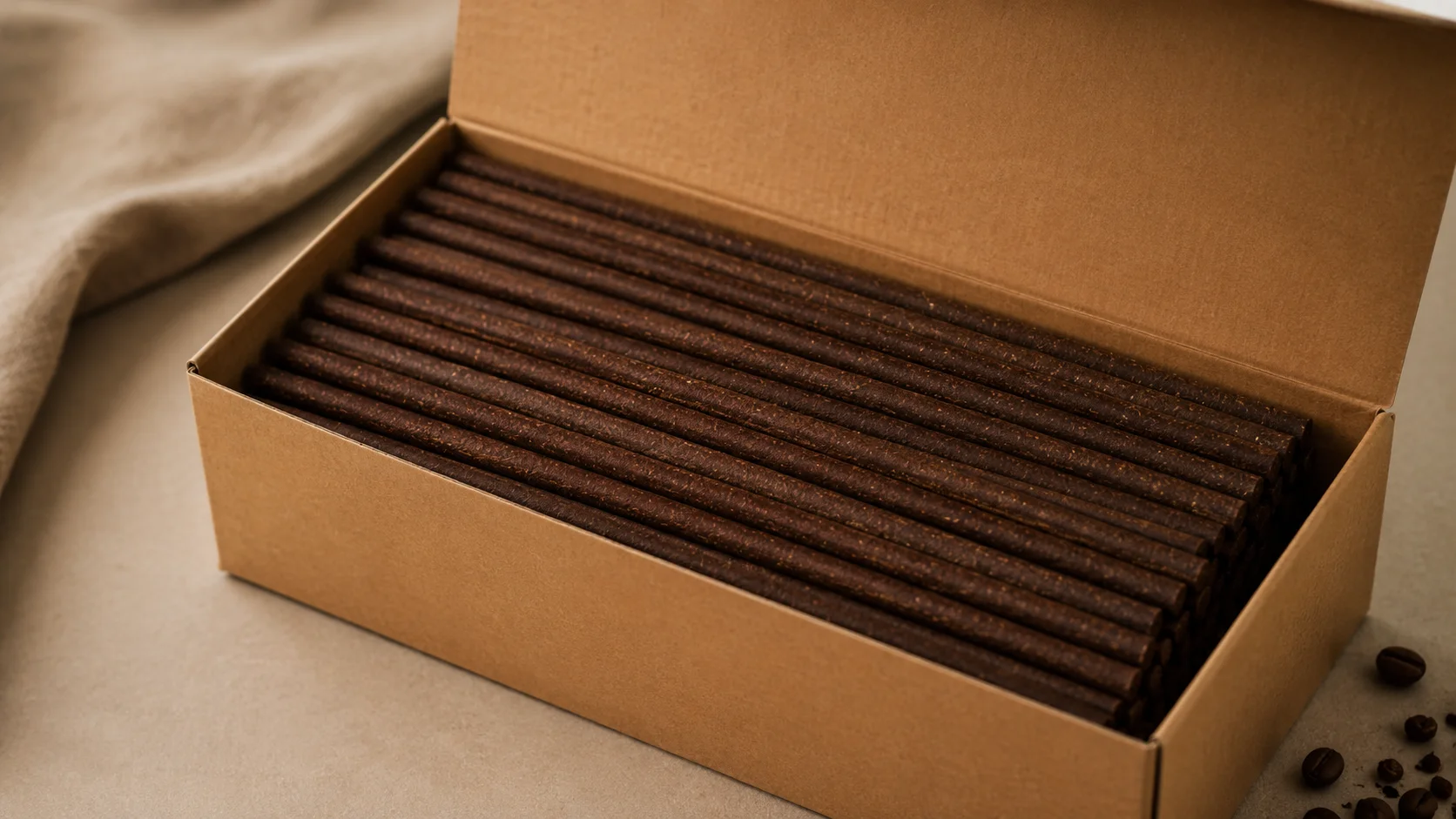
- Other Plant-Based Options: The market is rapidly expanding with innovative materials like sugarcane (bagasse), rice and tapioca starch, agave, and even pailles de café moulu. Many of these utilize agricultural waste, boast high durability, are fully biodegradable, and are taste-neutral. Sugarcane straws, for instance, are sturdy and home compostable, while rice straws can even be edible.
- Impact commercial : Diverse aesthetic options, strong sustainability narratives, some offer unique functional benefits like edibility.

Reusable Straw Innovations
For operations prioritizing maximum waste reduction and a premium, long-term solution, reusable straw innovations are a compelling choice.
- Pailles en acier inoxydable : Extremely durable, long-lasting, and 100% recyclable. They are dishwasher safe and do not leach chemicals. However, they conduct heat/cold, can pose a safety risk for children or if bitten due to hardness, and their opaque nature makes internal cleaning a visual challenge. Some users report a metallic aftertaste. To offset their production impact, metal straws need to be used at least 37 times compared to plastic. (Source: Anthropocene Magazine).
- Impact commercial : Robust for in-house use (e.g., bars, full-service restaurants), significant long-term cost savings, reduced waste volume, requires cleaning protocols and potentially silicone tips for comfort/safety.
- Pailles en verre : Made from durable, non-toxic borosilicate glass, these are safe for hot and cold drinks, transparent for easy cleaning inspection, and taste-neutral. Their smooth mouthfeel offers a premium experience. While durable, they can break if dropped. Production requires significant energy, and silica sand extraction can have environmental impacts.
- Impact commercial : Elevates brand image in high-end establishments, excellent for presentation, clear visibility for hygiene, requires careful handling.
- Pailles en bambou : Très durable grâce à la croissance rapide du bambou sans pesticides. Ils sont naturellement antibactériens, biodégradables et offrent une esthétique authentique et naturelle. Cependant, ils peuvent donner un goût terreux, ne vont souvent pas au lave-vaisselle et leur nature poreuse nécessite un nettoyage manuel approfondi pour éviter la moisissure ou les fissures, ce qui entraîne une durée de vie plus courte que les autres options réutilisables.
- Impact commercial : Fait appel à des thèmes naturels et rustiques, une forte éco-histoire, nécessite des protocoles de nettoyage et de séchage spécifiques, mieux adaptés à certains profils de boissons.
- Pailles en silicone : Flexible, durable, and soft, making them ideal for children and those who bite straws. They are heat and cold resistant, dishwasher safe, and free from BPA/phthalates. While reusable, they are not biodegradable and may not be widely recyclable through curbside programs.
- Impact commercial : Prioritizes safety and comfort, particularly in family-friendly or healthcare settings, durable but not a “circular economy” disposal solution.

Choosing the Right Straw for Your Business: A Comparative Analysis
To streamline your decision-making, consider this strategic matrix, evaluating each option against key business criteria:
| Fonctionnalité | Impact B2B | Risque de conformité | Potentiel de retour sur investissement |
|---|---|---|---|
| Papier(PFAS-free) | Broad appeal, customizable branding, familiar | Low (if certified & PFAS-free) | Moderate (initial cost higher, but disposable) |
| PLA | Plastic-like feel, eco-conscious messaging | High (if no industrial composting access) | Moderate (disposal costs if not composted) |
| Pha | Premium eco-status, true biodegradability | Low (broad degradability) | High (long-term brand value, potential future cost reductions) |
| Blé/Roseau | Natural/organic brand alignment, unique | Low (natural, biodegradable) | Moderate (niche appeal, varying cost) |
| Sugarcane/Rice | Innovative, waste-reducing, strong eco-story | Low (often home compostable) | Moderate-High (brand differentiation) |
| Acier inoxydable | Durable, premium, reusable | Low (reusable, but cleaning protocols needed) | High (long-term cost savings, asset) |
| Verre | High-end appeal, hygiene visibility | Moderate (breakage risk) | High (premium experience, asset) |
| Bambou | Authentic, rustic, sustainable | Low (biodegradable, but short lifespan) | Moderate (niche appeal, replacement cost) |
| Silicone | Safety-focused, kid-friendly, durable | Low (reusable, but not biodegradable) | Moderate (longevity, but not end-of-life eco-friendly) |
Navigating Certifications:For any single-use biodegradable or compostable straw, certifications are paramount. Look for theInstitut des produits biodégradables (BPI)ouTúV Austria(for industrial composting), orCMA(Compost Manufacturing Alliance). For truly bio-based content,USDA BioPreferredis relevant. These certifications ensure that products meet rigorous standards for decomposition and environmental safety. For instance, Veggie Straws are certified by USDA BioBased, ASTM, and ISO International, while HAY! Straws Original wheat straws are BPI certified and compost in 42 days.
Navigating the Green Wave: Key Industry Insights for Business Leaders
The eco-friendly straws market is not just growing; it’s evolving rapidly. Projections show the market reaching USD 25.1 billion by 2035 with a 7.3% CAGR, led by paper straws capturing a 44.3% share of the compostable segment by 2025. Regional dynamics highlight Asia-Pacific as the fastest-growing market, while North America and Europe lead in early adoption due to stringent regulations and consumer demand.
A critical point for procurement is thePFAS controversy. Recent studies in Europe have found that a majority of paper and bamboo straws tested contained poly- and perfluoroalkyl substances (“forever chemicals”). These chemicals, used for water resistance, are persistent, potentially harmful to health and the environment, and undermine biodegradability claims. (Source:ScienceDaily). Rigorous supplier vetting forProduits sans PFASis essential for maintaining brand integrity and true sustainability.

Moreover, while plastic straw bans are a visible starting point, a comprehensiveAnalyse du Cycle de Vie (ACV)is crucial. The environmental impact extends beyond disposal to include raw material extraction, manufacturing processes, and transportation. This holistic view is vital for true environmental stewardship, pushing beyond mere “plastic-free” claims to evaluate the full ecological footprint.
Supply chain resiliencealso becomes a key concern. As demand for these diverse materials grows, securing reliable, ethically sourced, and sustainably manufactured products is paramount. Companies must anticipate shifts and build robust supply networks. Consumer sentiment, with 80% preferring eco-friendly options, creates a strong opportunity for enhanced brand image and customer retention. However, businesses must also addressproblèmes d'accessibilité, ensuring that a shift away from flexible plastic straws does not disadvantage individuals with disabilities who rely on them for independent drinking. Thoughtful provision of suitable alternatives is a social responsibility.
Emerging Innovations: The Future Landscape
Looking forward, the next 5-10 years are set to transform the sustainable straw landscape. Researchers are developingbacterial cellulose strawsthat are stronger than paper and comparable in cost to plastic, breaking down without industrial composting. Seaweed and carrageenan straws, often edible, promise quick degradation and novel applications. Innovations also include ultra-strong, hydro-stable wood straws infused with chitosan, which are cost-effective and can even be made with a bendable feature. Additionally, advancements in AI-powered automation are set to revolutionize manufacturing, optimizing supply chains and reducing waste in eco-friendly straw production, ensuring scalability and customization. To explore robust and truly sustainable options, particularly regarding the very foundation of eco-friendly packaging, understandingwhat constitutes the most environmentally friendly type of packagingcan provide a foundational perspective for holistic material sourcing.
Paving Your Path to Sustainable Operations
Paving your path to sustainable operations requires a methodical approach. Begin by conducting a thorough internal assessment of your current straw usage, waste streams, and specific operational needs, whether you’re a quick-service restaurant, a fine dining establishment, or a food delivery service. This granular understanding will inform pilot programs where you can test different eco-friendly straw types in real-world scenarios, gathering invaluable feedback on durability, user experience, and disposal logistics. Concurrently, rigorously vet potential suppliers, scrutinizing their certifications (BPI, TúV Austria, USDA BioPreferred) for authenticity, transparency in material sourcing (especially for PFAS-free claims), and consistency in product quality.
Effective communication is equally vital. Educate your staff on the new sustainable choices and proper disposal protocols, empowering them to answer customer queries confidently. Extend this education to your customers, clearly communicating your sustainable commitment and guiding them on how to correctly dispose of compostable items to maximize their environmental benefit. By proactively embracing these shifts, you not only ensure compliance with evolving regulations but also future-proof your business, mitigating risks and enhancing brand value. Strategic partnerships with certified eco-friendly product suppliers and specialized waste management companies will further optimize your sustainability efforts, creating a resilient and responsible supply chain.
The future of sustainable sipping is not a distant vision—it is an immediate opportunity. Embracing innovation in environmentally friendly drinking straws allows businesses to lead the charge in environmental stewardship, demonstrating tangible commitment to a healthier planet. By quantifying cost savings through reduced waste penalties, enhancing brand loyalty, and capturing a significant share of the burgeoning eco-conscious market, your organization can realize substantial, measurable benefits. Don’t just adapt; differentiate and dominate. We invite you to explore tailored solutions and consult with our experts to craft a sustainable straw strategy that elevates your brand and optimizes your operations.Learn how to source environmentally friendly drinking straws.
Questions fréquemment posées
Businesses are shifting due to increasing consumer demand for sustainable products (80% prefer eco-friendly options),
stringent regulatory actions like the EU’s Single-Use Plastics Directive and US state bans,
and the need to enhance brand reputation while mitigating operational and compliance risks.
The eco-friendly straws market is projected to reach USD 25.1 billion by 2035, indicating a critical business imperative.
Environmentally friendly straws fall into two main categories: single-use biodegradable/compostable and reusable.
Single-use options: paper (PFAS-free improved), PLA (Polylactic Acid), PHA (Polyhydroxyalkanoate), wheat, reed (grass), sugarcane, rice, agave, and coffee ground straws.
Reusable options: stainless steel, glass, bamboo, and silicone straws.
The PFAS (Per- and Polyfluoroalkyl Substances) controversy refers to the detection of these “forever chemicals”
in many paper and bamboo straws. PFAS are used for water resistance but are persistent in the environment,
potentially harmful to health, and hinder the biodegradability of these products,
raising concerns about their true “eco-friendly” claims. Sourcing PFAS-free options is crucial for businesses.
The biodegradability of compostable straws varies. Many, like PLA straws, require specific industrial composting
facilities with high temperatures and microbial conditions to break down effectively.
Others, such as PHA straws, are truly biodegradable in a wider range of environments
including home compost, soil, and marine settings.
Proper disposal and adherence to certifications like BPI or TúV Austria are essential to ensure they decompose as intended.
Businesses should conduct an internal assessment of usage and operational needs, then pilot different straw types.
Key considerations include initial and long-term costs, durability, disposal complexity, user experience,
environmental impact (including PFAS risk and LCA), and relevant certifications.
Supplier vetting for transparency and product consistency is also vital,
along with educating staff and customers on sustainable choices and disposal.
stringent regulatory actions like the EU’s Single-Use Plastics Directive and US state bans,
and the need to enhance brand reputation while mitigating operational and compliance risks.
The eco-friendly straws market is projected to reach USD 25.1 billion by 2035, indicating a critical business imperative.
Single-use options: paper (PFAS-free improved), PLA (Polylactic Acid), PHA (Polyhydroxyalkanoate), wheat, reed (grass), sugarcane, rice, agave, and coffee ground straws.
Reusable options: stainless steel, glass, bamboo, and silicone straws.
in many paper and bamboo straws. PFAS are used for water resistance but are persistent in the environment,
potentially harmful to health, and hinder the biodegradability of these products,
raising concerns about their true “eco-friendly” claims. Sourcing PFAS-free options is crucial for businesses.
facilities with high temperatures and microbial conditions to break down effectively.
Others, such as PHA straws, are truly biodegradable in a wider range of environments
including home compost, soil, and marine settings.
Proper disposal and adherence to certifications like BPI or TúV Austria are essential to ensure they decompose as intended.
Key considerations include initial and long-term costs, durability, disposal complexity, user experience,
environmental impact (including PFAS risk and LCA), and relevant certifications.
Supplier vetting for transparency and product consistency is also vital,
along with educating staff and customers on sustainable choices and disposal.