Optimiser les résidus agricoles : accélérer la décomposition de la paille pour un gain commercial

À une époque exigeant des pratiques durables et une gestion efficace des ressources, la paille agricole présente un atout important, mais souvent sous-utilisé. Au-delà d’être simplement un sous-produit ou un déchet, il représente un apport précieux pour l’enrichissement des sols, un élément essentiel de l’économie circulaire en plein essor et une voie vers une durabilité accrue des entreprises. Pourtant, pour les producteurs agricoles, les entreprises de gestion des déchets et les fabricants de produits durables, le parcours depuis la paille brute jusqu’au compost utilisable peut être long et incohérent. Cette variabilité pose d’importants défis opérationnels et financiers aux entreprises qui dépendent d’amendements organiques prévisibles et de haute qualité. Qu'est-ce qui dicte véritablement le calendrier de décomposition de la paille et, plus important encore, comment les entreprises peuvent-elles optimiser ce processus naturel pour une efficacité maximale, des coûts réduits et un retour sur investissement convaincant ? Comprendre la science et la stratégie derrière le compostage de la paille n’est pas seulement une préoccupation écologique ; il s’agit d’un impératif stratégique pour toute entreprise visant à réduire son empreinte environnementale, à améliorer la santé des sols et à débloquer de nouvelles sources de revenus à partir de ce qui était autrefois considéré comme un déchet.
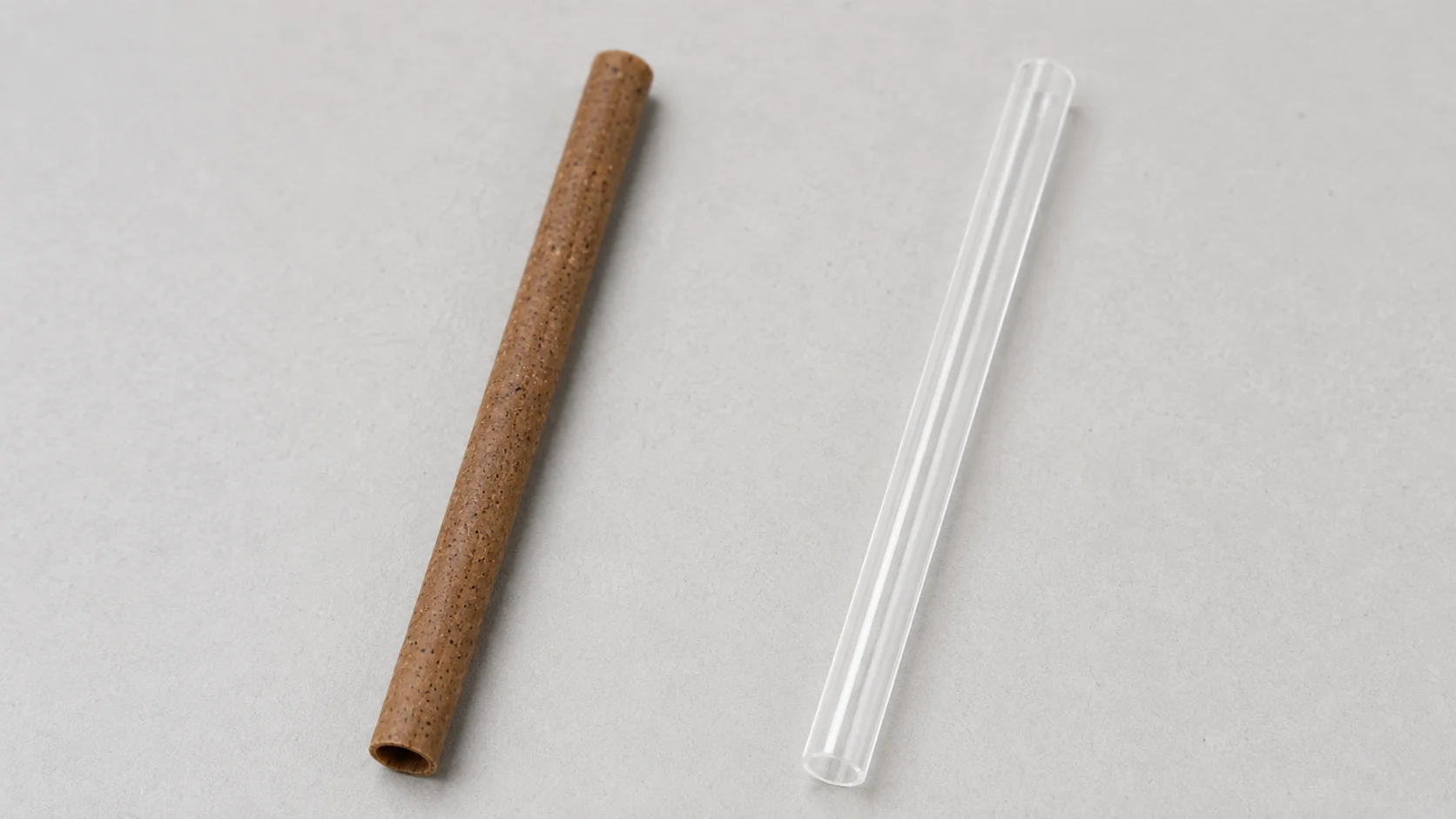
Illustration 1 : Le parcours de la paille du champ au compost fini.
Décoder la décomposition : la science et les variables derrière les délais du compostage de la paille
Le processus de transformation de la matière organique est complexe et la paille, de par sa nature fibreuse, ne fait pas exception. Dans des conditions typiques de compostage dans la cour, vous pouvez vous attendre à ce que la paille se décompose en compost utilisable en six à neuf mois environ. Cependant, s’il est laissé sans surveillance dans une pile passive, non déchiqueté, ce délai peut s’étendre jusqu’à un an ou plus. À l’inverse, avec des conditions optimales et une gestion diligente, cette période de décomposition peut être considérablement réduite à trois mois seulement. Pour les entreprises, ce spectre met en évidence la différence cruciale entre la gestion passive des déchets et la valorisation active des ressources. La vitesse et la qualité de la décomposition ne sont pas aléatoires ; ils sont minutieusement contrôlés par une série de facteurs interconnectés, chacun offrant un levier d’optimisation opérationnelle.
Au cœur d’un compostage efficace de la paille se trouveRapport carbone/azote (C:N). La paille est intrinsèquement riche en carbone (un matériau « brun »), avec un rapport C:N allant généralement de 40:1 à 100:1. Pour une activité microbienne rapide et une décomposition efficace, le rapport C:N idéal du compost oscille autour de 30:1. Cela signifie que la paille doit être stratégiquement équilibrée avec des matières « vertes » riches en azote telles que l’herbe coupée, les restes de cuisine ou, plus efficacement pour les opérations à grande échelle, le fumier animal. Un déséquilibre peut conduire à une décomposition lente, voire à un résultat désagréable et moisi. Au-delà de l'équilibre chimique,Niveaux d'humiditésont primordiaux ; le tas de compost doit maintenir une humidité constante, semblable à une éponge essorée, idéalement entre 45 et 55 % d'humidité pour un compostage à chaud. Trop d’eau conduit à des conditions anaérobies, produisant des odeurs nauséabondes et ralentissant le processus, tandis qu’une quantité insuffisante inhibe l’activité microbienne cruciale.
Aération et retournementsont également non négociables pour accélérer la décomposition. Le retournement régulier du tas de compost introduit de l’oxygène, vital pour les micro-organismes aérobies – les travailleurs infatigables qui décomposent la matière organique. Le retournement empêche également le compactage et aide à maintenir des températures idéales, généralement entre 90 et 140 °F (32 et 60 °C). Un retournement constant peut réduire le temps de compostage jusqu'à 50 %. Pour les matériaux comme la paille de riz, il est recommandé de les retourner toutes les trois à quatre semaines. LeTaille des particulesla qualité de la paille influence également profondément la vitesse de décomposition ; couper ou déchiqueter la paille en morceaux plus petits (idéalement de 1 à 3 pouces) augmente considérablement la surface disponible pour la colonisation et la décomposition des micro-organismes, garantissant ainsi un délai d'exécution plus rapide. En revanche, les matériaux non broyés prennent beaucoup plus de temps.
Gestion de la températureà l'intérieur du tas est un sous-produit naturel de l'activité microbienne. La surveillance et la gestion de cette chaleur sont cruciales ; si les températures dépassent 140°F (60°C), retourner le tas peut le refroidir et empêcher la mort des microbes bénéfiques. Pour les déchets agricoles, une phase initiale chaude (55-65°C) est particulièrement bénéfique car elle aide à tuer les graines de mauvaises herbes et les agents pathogènes, garantissant ainsi un produit final plus propre et plus sûr. Par ailleurs, leMéthode de compostage et intensité de gestiondictent directement la vitesse. Des tas passifs « déversés » qui peuvent prendre un an, aux systèmes aérobies bien gérés qui se terminent en 40 à 60 jours (ou même 20 jours avec des conditions optimales et du fumier de bétail), le choix de la méthode est une décision commerciale stratégique. Enfin, l'ajout stratégique deInoculants et micro-organismes efficaces (EM)peut augmenter considérablement les taux de décomposition, en particulier dans les étapes initiales. Ces agents microbiens introduisent ou renforcent les bactéries et champignons bénéfiques nécessaires à la décomposition des matériaux récalcitrants comme la lignine et la cellulose présentes dans la paille. Toutefois, une considération cruciale pour les entreprises est laType de paille et contaminants potentiels. Bien que différents types de paille (p. ex. blé, riz) présentent des taux de décomposition variables, la présence d'herbicides persistants, souvent présents dans le foin, constitue une préoccupation importante. Ces produits chimiques peuvent rester actifs même après le compostage, posant un risque pour les cultures et rendant potentiellement le sol inutilisable pendant des années. S’approvisionner en paille avec soin et s’assurer qu’elle n’est pas traitée est donc primordial pour l’intégrité et la conformité du produit final. Pour une analyse plus approfondie des facteurs qui influencent la décomposition de divers matériaux compostables, explorez cette ressource surtemps de décomposition de la paille compostable.
Illustration 2 : Conditions idéales pour l’activité microbienne dans un tas de compost.
Compostage stratégique : tirer parti de la paille pour améliorer la santé des sols et la durabilité des entreprises
L’optimisation du compostage de paille à l’échelle commerciale nécessite une approche stratégique, alliant méthodes éprouvées et technologies innovantes. Pour des volumes plus petits et contrôlés ou des applications spécifiques,Composteurs électriquesoffrent une décomposition rapide, convertissant les déchets en quelques semaines à un an. Toutefois, pour les exploitations agricoles de plus grande envergure, des méthodes évolutives sont essentielles.Compostage aérobie, lorsqu'il est bien géré avec des amendements, peut se décomposer en 40 à 60 jours, et dans certains systèmes intensifs avec retournement quotidien et fumier de bétail, cela peut être aussi court que 20 jours.Compostage en andains, une méthode hautement évolutive, mûrit généralement en 110 à 120 jours, ce qui la rend adaptée aux flux de déchets agricoles à volume élevé.
L'efficacité de ces méthodes est considérablement améliorée par une utilisation intelligente deAdditifs et amendements. Les additifs riches en carbone comme les copeaux de bois, les résidus de champignons, le son de riz et le biochar ne sont pas de simples agents de charge ; ils améliorent activement la porosité, régulent la perte d’azote et contrôlent les émissions de gaz à effet de serre. Le biochar, en particulier, s'est révélé prometteur pour améliorer la stabilité du compost et la rétention des nutriments. À l’inverse, les additifs riches en azote comme le fumier, l’herbe coupée et les restes de nourriture sont essentiels pour équilibrer la teneur élevée en carbone de la paille. De plus, le domaine en plein essor de la biotechnologie microbienne offre des outils puissants. SpécifiqueInoculants microbienstel queC. iranensisIl a été scientifiquement prouvé que les micro-organismes efficaces (EM) et les décomposeurs de déchets (WD) accélèrent la dégradation de la lignocellulose complexe dans la paille, raccourcissant considérablement les périodes de compostage et améliorant la minéralisation des nutriments. Les recherches menées par des institutions comme l'Iowa State University mettent constamment en évidence l'interaction critique de ces facteurs pour obtenir un compost optimal.
Considérons la viabilité commerciale des différentes méthodes de compostage :
| Fonctionnalité | Pieux passifs | Pieux régulièrement retournés | Systèmes d'andains | Systèmes mécanisés (par exemple, IRRI Tech) | Composteur/Bio-digesteurs électriques |
|---|---|---|---|---|---|
| Impact B2B | Minime, concentration sur l'élimination | Amendement du sol modéré et basique | Volume élevé et sortie constante | Haute efficacité, qualité supérieure | Solution de niche, rapide et localisée |
| Temps de compostage | 1 an+ | 6-9 mois | 110-120 jours | 20-60 jours | Semaines à un an (variable) |
| Intensité de la gestion | Minimal | Modéré | Supérieur, structuré | High-tech, moins manuel | Faible manuel (automatisé) |
| Qualité de sortie | Variable, souvent grossier | Bon, conforme | Cohérent et à grande échelle | Élevé, riche en nutriments, sans agents pathogènes | Élevé, concentré |
| Investissement en capital | Très faible | Faible-Modéré | Modéré | Plus haut | Haut |
| Risque de conformité (herbicides) | Élevé (si paille non vérifiée) | Modéré (si paille non vérifiée) | Modéré | Inférieur (entrées contrôlées) | Inférieur (entrées contrôlées) |
| Potentiel de retour sur investissement | Faible (économies d’élimination) | Modéré (santé des sols, quelques ventes) | Bon (ventes à grande échelle) | Très élevé (produit premium, efficacité) | Modéré-Élevé (marchés de niche, rapidité) |
Illustration 3 : Viabilité commerciale des différentes méthodes de compostage.
Un excellent exemple d'innovation dans ce domaine est la technologie primée de compostage mécanisé à base de paille de riz, un effort de collaboration lancé par l'Institut international de recherche sur le riz (IRRI) et le Département de la production végétale et de la protection des plantes de Can Tho au Vietnam. Ce système convertit avec succès les résidus agricoles en engrais organiques de haute qualité, incarnant une approche agricole sans gaspillage et à faible émission de carbone qui vise à augmenter la productivité, la valeur et la rentabilité agricoles tout en réduisant considérablement l'empreinte environnementale. De tels progrès propulsent le marché des déchets agricoles vers une croissance constante, avec des projections suggérant qu'il pourrait atteindre 3,3 milliards de dollars d'ici 2033. Cette croissance est tirée par la demande croissante de gestion durable des déchets et la valorisation croissante des résidus agricoles pour la bioénergie, le compost et les engrais organiques.
L’industrie connaît une transformation significative, passant d’un modèle axé sur les déchets à un modèle axé sur les produits. Cela signifie mettre davantage l’accent sur la création de produits de compostage spécialisés adaptés à diverses applications urbaines et agricoles, conduisant à des prix et une qualité différenciés. Ce changement alimente le marché mondial des pailles compostables, qui devrait passer de 1,9 milliard de dollars en 2025 à 3,8 milliards de dollars d'ici 2035, à un taux de croissance annuel composé (TCAC) de 7,1 %. Cette expansion est largement stimulée par l’interdiction croissante du plastique, une conscience environnementale accrue et l’adoption généralisée d’alternatives respectueuses de l’environnement dans les secteurs de la restauration et de l’hôtellerie. Vous pouvez approfondir la façon dont les entreprises adoptent le développement durable en explorant des sujets tels queles pailles de bambou se décomposent-elles pour la durabilité B2B.
La frontière technologique en matière de compostage évolue rapidement.Avancées biotechnologiquesconduisent à de nouvelles technologies microbiennes qui accélèrent la décomposition des matières organiques, permettant une production de compost plus rapide et permettant des processus de compostage ciblés optimisés pour des besoins agricoles spécifiques. Cela inclut des innovations telles que le lombricompostage intégré aux méthodes traditionnelles pour améliorer la teneur en nutriments.Compostage de précisionest également en train d'émerger, où les épandeurs guidés par GPS et les technologies à débit variable permettent une application précise du compost, minimisant les déchets et maximisant les avantages pour le sol. En outre,Compostage intelligentintègre l'IoT dans les machines de compostage pour surveiller la température, les niveaux d'humidité et d'autres paramètres critiques en temps réel. Ces appareils connectés dotés de commandes automatisées minimisent les interventions manuelles, rendant le compostage à grande échelle plus accessible et plus efficace.
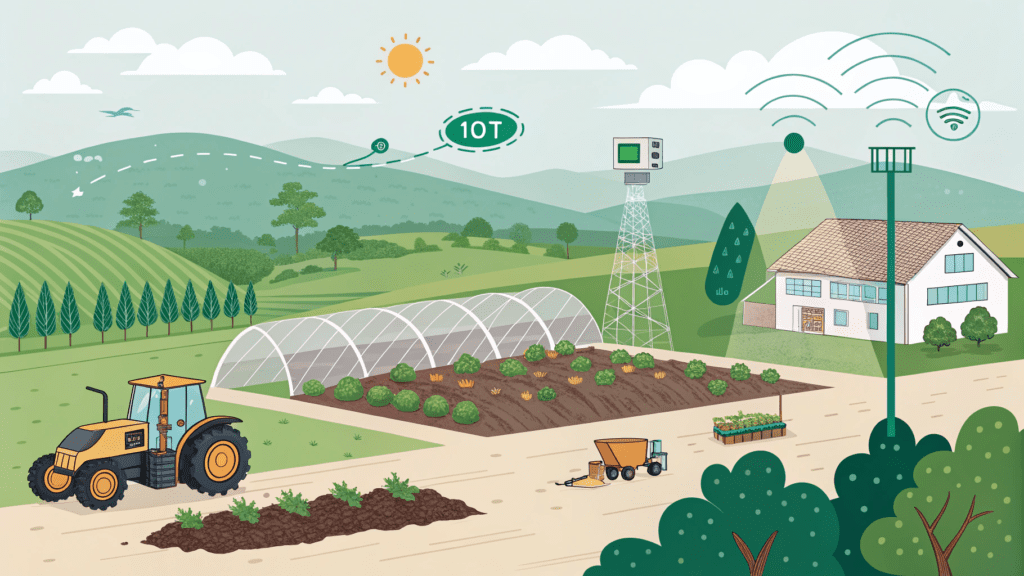
Illustration 4 : Technologie d’agriculture de précision dans l’application du compost.
Au cœur de cette évolution se trouveIntégration de l’économie circulaire. Le compostage de la paille agricole devient la pierre angulaire d’un modèle agricole sans déchets et bas carbone. En détournant les déchets organiques des décharges, il prévient activement les émissions de méthane (un puissant gaz à effet de serre). Lorsqu’il est appliqué sur le sol, le compost fini séquestre le carbone, améliore la résilience à la sécheresse et réduit considérablement la dépendance aux engrais synthétiques, s’alignant ainsi parfaitement sur les efforts mondiaux d’atténuation du climat. Alors que des défis persistent, tels que le long cycle de compostage, les besoins en espace, les émissions de gaz à effet de serre et la compétitivité-coût du compost par rapport aux engrais chimiques, les interventions scientifiques explorent activement des solutions. Le soutien réglementaire croissant des gouvernements et des organisations environnementales, associé aux partenariats stratégiques entre les fournisseurs de matériaux, les fabricants et les entreprises de gestion des déchets, crée un cadre solide pour une bioéconomie circulaire et durable. La recherche sur les matériaux d'origine biologique et la dynamique complexe de la diversité microbienne lors du compostage continuera à façonner l'avenir, garantissant des méthodes toujours plus efficaces et efficientes de valorisation des déchets agricoles.
Transformez votre flux de déchets : étapes pour mettre en œuvre un compostage optimisé de la paille
Transformer vos résidus agricoles d'un défi d'élimination en un actif de grande valeur commence par une évaluation stratégique. Tout d’abord, évaluez votre volume actuel de paille, la qualité souhaitée du compost et vos ressources disponibles. Cette évaluation constitue la base de l’élaboration d’un plan de compostage sur mesure. Sur cette base, sélectionnez la méthode la plus appropriée – qu’il s’agisse d’andains améliorés, de systèmes mécanisés ou d’une combinaison – et identifiez les modifications et technologies nécessaires. Il est essentiel de vous procurer votre paille de manière stratégique, en donnant la priorité aux matériaux exempts d'herbicides persistants et en minimisant la contamination des graines de mauvaises herbes pour garantir un produit final sûr et de haute qualité. Mettez en œuvre les meilleures pratiques avec diligence, en vous concentrant sur un équilibre méticuleux du rapport C:N, une gestion cohérente de l'humidité, une réduction optimisée de la taille des particules et une aération régulière et constante. Pour les opérations à grande échelle recherchant une efficacité maximale, explorez des solutions avancées telles que des systèmes mécanisés, des inoculants microbiens spécifiques ou des technologies de compostage intelligentes. Enfin, connectez-vous avec des experts du secteur et des services de vulgarisation agricole. Leurs connaissances spécialisées peuvent optimiser davantage votre processus, vous assurant de tirer pleinement parti d’un compostage efficace de la paille : réduction des coûts d’élimination, génération d’amendements de sol précieux, rendements des cultures améliorés et augmentation tangible de l’engagement de votre marque en faveur du développement durable, capturant potentiellement une plus grande part de marché dans une économie à verdissement rapide.
Prêt à transformer vos résidus agricoles en un actif de grande valeur, à réduire votre impact environnemental et à débloquer de nouvelles opportunités commerciales ?Contactez-nous aujourd'hui
Compostage de paille – Foire aux questions
Dans des conditions typiques de jardin, la paille prend souvent 6 à 9 mois composter.
Avec une gestion optimale, il peut être raccourci à ≈3 mois; s'il est laissé sans surveillance et non déchiqueté,
ça peut prendre 12+ mois.
Les leviers critiques comprennent : le rapport C:N ≈30:1; humidité 45 à 55 %; aération/retournement régulier ;
taille des particules 1 à 3 po (2,5 à 7,5 cm); température 90 à 140 °F (32 à 60 °C); méthode (andain, ASP, en cuve);
et l'utilisation d'inoculants microbiens. Le type de paille et les contaminants (par exemple, les herbicides persistants) sont également importants.
Utiliser des systèmes aérobies bien gérés (p. ex. andains avec retournement programmé, tas statiques aérés, réacteurs en cuve),
mélanger les matières riches en azote, ajouter biochar, et appliquer des inoculants microbiens (par exemple, EM, ZJW-6).
La mécanisation (retourneurs, souffleurs, sondes) améliore le débit et la qualité.
Coûts d'élimination inférieurs ; création d'amendements de qualité des sols (nouveaux revenus) ; gains d'efficacité; recours réduit aux produits synthétiques
engrais; des références de marque et ESG plus solides ; et de nouvelles opportunités d’économie circulaire.
Passer d’un compostage axé sur les déchets à un compostage axé sur les produits ; marché des déchets agricoles projeté vers 3,3 milliards de dollars d’ici 2033;
biotech & smart-composting advances; deeper circular-economy integration (incl. carbon sequestration); and expanding
soutien politique à la gestion durable des déchets.