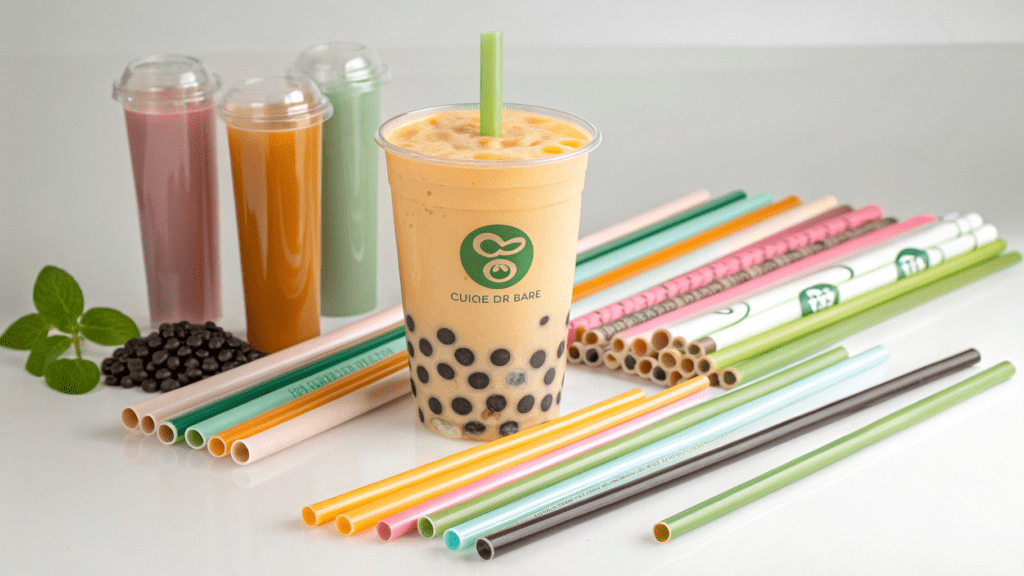
The global bubble tea phenomenon, projected to reachUSD 6.50 billion by 2032 with a robust 9% Compound Annual Growth Rate (CAGR), continues its upward trajectory, creating a unique and escalating demand for specialized straws. For procurement managers, operations directors, sustainability officers, and supply chain executives, the question of “What are bubble tea straws made of?” has transcended simple material composition to become a critical strategic imperative.
Historically, the primary function of a bubble tea straw was to effectively manage the beverage’s signature tapioca pearls, requiring a substantial10-15mm diameterpour siroter sans problème. Cependant, la prolifération incontrôlée des plastiques à usage unique, associée à une prise de conscience environnementale croissante et à des pressions réglementaires strictes, transforme fondamentalement le paysage matériel. Les entreprises sont aujourd’hui confrontées au défi complexe consistant à équilibrer l’efficacité opérationnelle et la rentabilité avec l’impératif d’adopter des solutions respectueuses de l’environnement, sous peine de répercussions commerciales et de réputation importantes.
Source : Grand View Research (2023), Allied Market Research (2022), Fortune Business Insights (2023).
Adopter des pailles de thé à bulles durables est crucial pour l'hôtellerie afin d'éviter les risques et de saisir les opportunités du marché.
Pailles de thé à bulles traditionnelles : comprendre leur empreinte environnementale
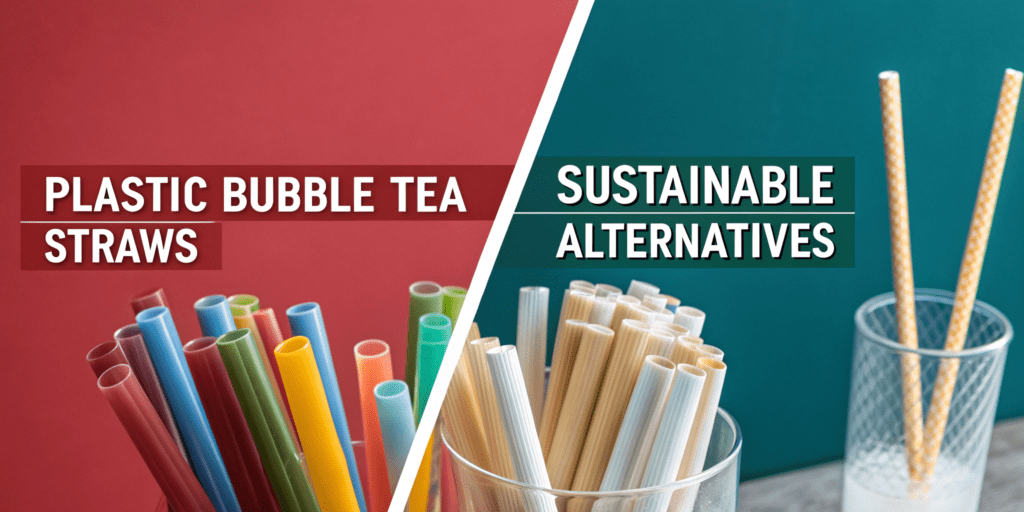
Pendant des décennies,plastique polyéthylène (PE) ou polypropylène (PP)a constitué le choix par défaut et rentable de l'industrie pourpailles de thé à bulles. Leur durabilité et leur facilité de fabrication les ont rendus omniprésents. Pourtant, cette commodité a un coût environnemental important. Le volume de déchets générés est stupéfiant : on estime500 millions de pailles sont jetées quotidiennement rien qu’aux États-Unis, contribuant de manière significative à la crise mondiale de la pollution plastique. Ces déchets plastiques peuvent persister dans les décharges et les environnements naturels pendant des centaines d’années, se décomposant lentement en microplastiques nocifs qui imprègnent les écosystèmes.
La conception inhérente de plus largepailles de thé à bulles en plastique, essentiel à la consistance unique de la boisson, exacerbe ce volume de déchets. Souvent emballés individuellement dans du plastique supplémentaire, ils contribuent à une empreinte d’emballage multicouche alarmante. Bien que techniquement recyclables, de nombreuses pailles en plastique sontnon acceptés par toutes les installations de recyclage en raison de leur petite taille et de leur forme spécifique, entravant une gestion efficace des déchets et détournant de grandes quantités vers les décharges ou, pire, dans nos océans. Cela constitue une menace directe pour la vie marine et exige une action immédiate de la part des décideurs B2B.
Les pailles de thé à bulles en plastique traditionnelles présentent des risques environnementaux importants et des défis opérationnels pour les entreprises.
Pailles pionnières et durables pour le thé à bulles : innovations dans les matériaux
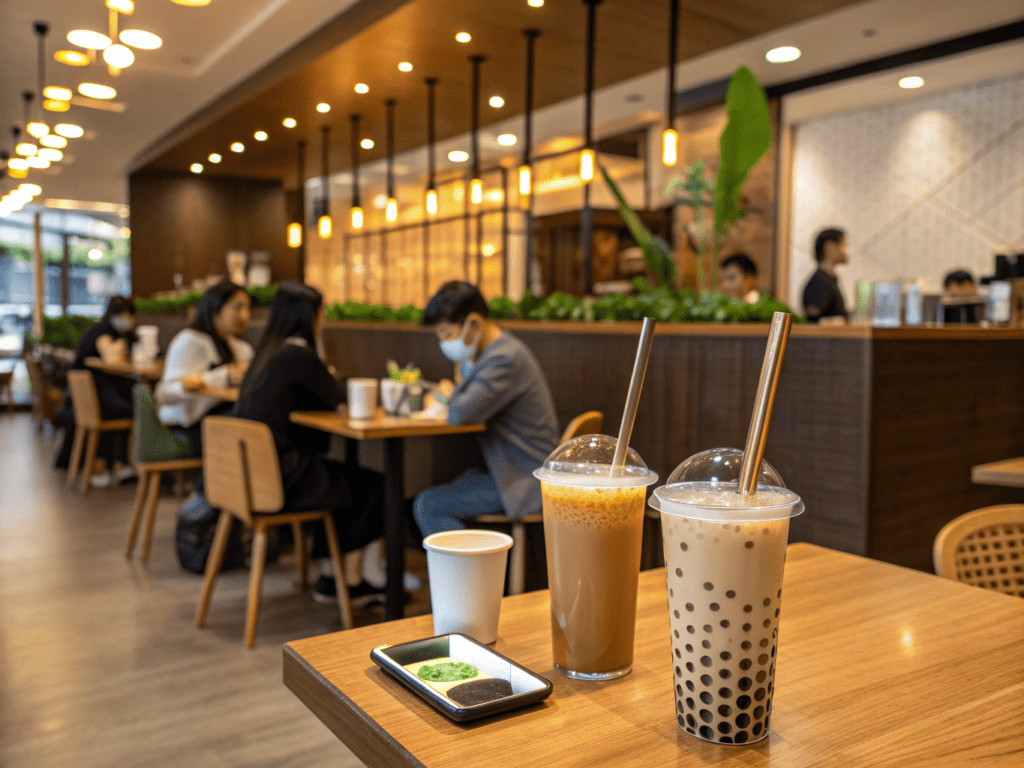
In stark contrast to the unsustainable legacy of traditional plastics, the market for eco-friendly straws is experiencing an unprecedented boom, with some segments anticipating aCAGR exceeding 22% by 2031. This explosive growth is driven by a confluence of evolving consumer values, corporate sustainability mandates, and a rapidly tightening regulatory environment. Businesses are increasingly adopting materials that meet stringent international compostability standards such asASTM D6400 and EN13432to align with environmental mandates forsustainable bubble tea straws. Au-delà de la conformité, l’adoption proactive de ces innovations permet aux entreprises d’améliorer considérablement leur image de marque, d’attirer un segment croissant de consommateurs soucieux de l’environnement et de se différencier sur un marché encombré. Fondamentalement, ces nouveaux matériaux sont conçus pour résoudre les problèmes de performances qui affectaient les premières alternatives au papier, tels que le détrempage, garantissant ainsi une expérience client haut de gamme.
Pailles de thé à bulles compostables : des solutions biodégradables pour les opérations modernes
L’évolution vers des solutions compostables représente un pas en avant significatif, offrant une fonctionnalité à usage unique avec un impact environnemental considérablement réduit.
- Pailles PLA (Acide Polylactique), derived from renewable resources like corn starch, represent a popular biodegradable option. While they offer a plant-based alternative to traditional plastics, it’s vital to note that PLA typically requires industrial composting facilities to break down effectively. Regulations in regions like France, under the AGEC law, highlight the nuances of PLA’s environmental performance, sometimes restricting its use due to these decomposition limitations outside of specialized infrastructure.
- Tea Fibre straws, a pioneering innovation, leverage a byproduct of Taiwan’s expansive tea industry. These straws are 100% compostable, demonstrating a truly circular economy model by repurposing agricultural waste. Research indicates they fully decompose in 4-6 weeks dans des conditions de compostage, une accélération remarquable par rapport aux autres alternatives. Taipec, l'un des principaux fournisseurs, a défendu ces pailles hautes performances et durables qui maintiennent leur intégrité dans les liquides.
- Pailles en fibre de canne à sucre, fabriqués à partir de bagasse (le résidu fibreux laissé après l'extraction du jus de canne à sucre), sont réputés pour leur robustesse et leurs propriétés compostables à domicile. Ils sont certifiés compostables par des organismes de premier plan tels que BPI, DIN CERTCO et CMA, garantissant le respect de normes environnementales strictes. Ces pailles offrent une excellente expérience client en raison de leur durabilité et de leur absence d'impact sur le goût.
- Pailles en fibres végétales, souvent fabriqué à partir de déchets de cultures agricoles recyclés, gomme végétale et amidon, offer a unique combination of durability and flexibility, mimicking the tactile experience of traditional plastic without the environmental burden. They meet rigorous standards like ASTM D6400, making them a reliable choice for eco-conscious operations. Greenmunch is a notable supplier in this space.
- PHA (Polyhydroxyalcanoates) straws represent a cutting-edge bioplastic derived from renewable plant sources. A key advantage of PHA is its full compostability in home compost, industrial facilities, and even marine environments, showcasing superior biodegradability.
- Pailles de riz, made with vegetable flour, are another home-compostable option that breaks down naturally within a few days, providing a robust solution for tapioca pearls.
Reusable Bubble Tea Straws: Durability and Long-Term Value
For businesses and consumers committed to minimizing waste through repeated use, reusable options offer long-term value and a premium brand perception.
- Stainless steel straws, such as those offered by Steelys® Straws, are highly durable, dishwasher-safe, and resistant to microbial buildup. Their robust construction and sleek appearance make them a popular choice for long-term investment.
- Pailles en bambou provide a lightweight, organic, and rapidly renewable alternative. Their natural aesthetic and ability to withstand various temperatures make them a favored choice, with companies like Boba Guys incorporating them into their sustainability initiatives.
- Silicone straws offer flexibility and portability, making them convenient for on-the-go consumption. However, their pliable nature often means they cannot easily puncture sealed film lids, necessitating pre-made cup holes or alternative lid designs. Boba Tribe offers popular silicone boba straws.
- Pailles en verre deliver a pure taste experience and an elegant aesthetic appeal, allowing the vibrant colors of bubble tea to shine through. However, they are typically more fragile than metal or some plastic alternatives, which can impact their suitability for high-volume or fast-paced operational environments.
For a wholesale solution that aligns with these sustainable materials, consider exploring options athttps://momoio.com/sustainable-boba-drinking-straws-b2b/.
Innovative materials offer diverse sustainable bubble tea straw solutions for modern B2B operations.
Comparison Table: Bubble Tea Straw Material Evaluation

| Fonctionnalité | Impact opérationnel B2B | Note de conformité | Potentiel de retour sur investissement |
|---|---|---|---|
| Plastique (PP) | Low initial cost, easy piercing; recycling often problematic. | Increasingly banned (e.g.,UK’s 2020 Plastic Straws Regulationsfor single-use). | Low initial cost; high long-term environmental liability and potential fines. |
| Papier | Readily available, but can get soggy, impacting customer satisfaction. | Generally compostable/biodegradable; however, check forPFAS concernsand true biodegradability in typical landfill conditions. | Lower sustainability score; potential for increased waste if quality is poor; risk of brand damage. |
| PLA | Requires industrial composting infrastructure; good pierceability for film lids. | Compostable (e.g.,ASTM D6400 certified), but sometimes banned (e.g., France’s AGEC law) due to decomposition limitations outside industrial facilities. | Reduced environmental footprint; good for eco-conscious branding; dependent on local composting infrastructure. |
| Canne à sucre | Durable, home-compostable; excellent customer experience due to sturdiness. | BPI, DIN CERTCO, CMA certified; adheres to stringent environmental laws; highly compliant. | High sustainability ROI; enhanced brand reputation; appeals to eco-aware consumers. |
| Acier inoxydable | Requires cleaning protocols and initial investment in cleaning equipment. | Reusable, meets food-safe standards (e.g., FDA-approved). Significantly reduces single-use waste. | High long-term savings on disposables; premium brand perception; attracts eco-conscious customers. |
| Tea Fiber | Durable, maintains integrity in liquid; excellent pierceability for sealed lids. | 100% compostable(e.g., Taipec); contributes to a circular economy model. | High environmental and brand value; potential for premium pricing; strong market differentiation. |
Choosing the right bubble tea straw material balances operational impact, compliance, and ROI.
Navigating the Regulatory Landscape and Market Dynamics for Bubble Tea Straws
The global bubble tea market’s projected growth fromUSD 3.96 billion in 2025 to USD 9.72 billion by 2035fuels an undeniable demand for innovativepailles de thé à bullessolutions. This growth occurs within a broader context where theeco-friendly packaging market is forecasted to reach USD 498.29 billionat a7.6% CAGR, démontrant un changement mondial indéniable vers des produits jetables durables. Les fournisseurs avisés répondent à cette demande en proposant des options d'achat en gros flexibles et des services de personnalisation, qui sont cruciaux pour les opérations de bubble tea à grand volume cherchant à maintenir la cohérence de la marque et l'efficacité opérationnelle. En outre, l'innovation continue dans les matériaux tels que le PHA et les pailles de canne à sucre avancées offre des avantages concurrentiels significatifs grâce à des performances améliorées, une durabilité supérieure et des profils environnementaux améliorés pourpailles de thé à bulles écologiques.
Interdictions mondiales du plastique et leur impact sur les opérations de Bubble Tea
L’abandon des pailles en plastique traditionnelles n’est pas simplement une préférence ; il s'agit de plus en plus d'un mandat légal. Des réglementations gouvernementales strictes, telles queSan Francisco’s comprehensive plastic straw ban, directly threaten businesses that continue to rely on conventional plastic options. Non-compliance can lead to severeoperational penalties and significant brand damage, as evidenced by the proactive measures seen in municipalities likeFredericton, which plans to include bubble tea straws in its future plastic bans. LeDirective européenne sur les plastiques à usage unique, enacted to combat marine litter and plastic pollution, is a landmark example of how major economies are accelerating the shift away from conventional plastics. Beyond government mandates, industry giants likeStarbucks and McDonald’sare setting aggressive internal targets for100% recyclable, reusable, or compostable packaging by 2025-2030, setting a clear precedent for their extensive supply chains.
Challenges and Barriers to Adopting Sustainable Bubble Tea Straws
Despite the clear imperative for sustainability, the path to widespread adoption of sustainable bubble tea straws is not without its hurdles. One of the most significant barriers for food service businesses is theperceived higher costof compostable and reusable alternatives compared to cheap, traditional plastic. This initial investment can deter smaller operators.
Beyond cost,functionality issuespersist as a major concern. Early generations ofpaper straws becoming soggyor somecompostable bubble tea strawsfailing to adequately pierce the sealed lids common in the industry directly impact customer satisfaction and operational efficiency, sometimes requiring manual lid pre-punching. A major systemic hurdle is thelimited industrial composting infrastructurein many regions, which undermines the effective decomposition of bio-compostable materials like PLA, diverting them to landfills where they may not break down as intended.
Furthermore, widespread“product greenwashing”– where products are marketed as environmentally friendly without genuine sustainability credentials – creates confusion among businesses and consumers, leading tolow compliance ratesand hindering effective transitions to truly sustainable solutions. Finally, critical accessibility concerns exist for individuals with disabilities who may rely on the flexibility and specific properties of traditional plastic straws, posing a complex challenge for blanket bans.
Businesses looking for reliable wholesale options that meet current sustainability standards can find more information athttps://momoio.com/b2b-sustainable-boba-straws-wholesale/.
Navigating regulations and overcoming adoption barriers are key to sustainable bubble tea straw integration.
Case Study: Boba Guys’ Sustainable Straw Journey in a Regulated Market
The journey towards sustainable bubble tea straws is exemplified by the proactive steps taken by innovative brands. Faced withSan Francisco’s pioneering plastic straw ban, popular bubble tea chain Boba Guys demonstrated strategic foresight by swiftly sourcing the firstpolylactic acid (PLA) bubble tea straws in the U.S.This decision was a direct response to regulatory pressure and a commitment to environmental responsibility.
The chosen PLA material, derived fromcorn starch, was a crucial factor as it was accepted bySan Francisco’s composting program, directly aligning with local environmental regulations. This transition not only addressed the immediate environmental concern posed by single-use plastics but also provided a functional alternative for their widepailles de thé à bulles, crucial for the brand’s core offering. Boba Guys’ experience, however, also highlighted the dual necessity for robustsupply chainsto ensure consistent availability of new materials and comprehensiveconsumer educationcampaigns regarding the proper disposal of these innovative sustainable solutions. This real-world example underscores the strategic importance of adaptability and collaboration in navigating evolving environmental mandates.
Boba Guys’ case highlights successful adaptation to plastic bans through strategic sustainable straw sourcing.
The Future Outlook for Bubble Tea Straws: Innovation and Market Imperatives
The trajectory forpailles de thé à bullesover the next 5-10 years is unequivocally defined by continued innovation and an unyielding commitment to sustainability. Thebio-based biodegradable plastics market is projected to reach USD 15.6 billion by 2035, growing at a9.5% CAGR, indicating a sustained surge in material science advancements that will directly impact the availability and performance ofsustainable bubble tea straws.
Expect significantadvances in paper straw production, creating even more durable, naturally decomposing options that finally address the long-standing performance issues of past iterations. Breakthroughs in material science are being accelerated by technology;AI is increasingly aiding in identifying and testing new biodegradable and compostable materialsmore rapidly, shortening R&D cycles forpailles de thé à bulles écologiques.
Beyond material innovation, the market will be shaped by shifting corporate priorities and consumer demands. Aggressiveobjectifs de développement durable de l'entreprisefrom global brands, coupled with increasing consumer demand forESG-aligned suppliers, will drive widespread adoption of these advanced materials. The broadercompostable packaging marketis forecasted to grow fromUSD 112.49 billion in 2025 to USD 232.47 billion by 2034 (8.4% CAGR), providing a robust ecosystem for sustainable straw development. Furthermore, theglobal biodegradable disposable tableware marketis poised for a7.6% CAGR from 2023 to 2030, with compostable goods expected to hold asignificant 57% share of the zero-waste packaging market by 2025. These projections solidify the imperative for businesses to invest in future-proof straw solutions.
For a comprehensive range of sustainable and eco-friendly options for your business, explore the offerings athttps://momoio.com/sustainable-bubble-tea-straws-b2b-wholesale/.
The future of bubble tea straws is driven by innovation, AI, and strong market demand for sustainability.
Competitive Advantage & Business Case: Why Sustainability is Non-Negotiable
For B2B decision-makers, embracing sustainable bubble tea straws is not merely about environmental compliance; it’s a strategic move that delivers quantifiable competitive advantages and a compelling business case.
- Quantified Cost Savings: While initial costs for sustainable alternatives might seem higher, a holistic view reveals significant long-term savings. Reduced waste disposal fees, avoidance of penalties from non-compliance with plastic bans, and potential tax incentives for green businesses can dramatically offset upfront investments. For instance, reusable straws, despite their initial capital outlay, eliminate recurring procurement costs for disposables.
- Atténuation des risques : Proactive adoption of certified sustainable straws insulates your business from the escalating risks associated with plastic pollution. This includes mitigating the risk of operational penalties from stricter regulations (e.g., EU Single-Use Plastics Directive) and safeguarding against irreversible brand damage du sentiment négatif des consommateurs ou des campagnes militantes ciblant les déchets plastiques. La conformité n’est plus un fardeau mais un bouclier.
- Augmentation de la valeur de la marque : Sur le marché actuel, les consommateurs privilégient de plus en plus les marques qui font preuve d’une véritable responsabilité environnementale. Proposer des pailles de bubble tea certifiées durables améliore considérablement la réputation de votre marque, attirant un segment croissant de clients soucieux de l’environnement. Cela se traduit par une fidélité accrue des clients, un bouche-à-oreille positif et une position plus forte sur le marché. Les marques perçues comme leaders en matière de développement durable imposent souvent des prix plus élevés et bénéficient d'une plus grande résilience sur des marchés volatils.
- Opportunité de part de marché : By differentiating your offering with superior, compliant, and environmentally responsible packaging, you can capture market share from competitors lagging in sustainability. This strategic positioning allows you to align with the evolving demands of both consumers and B2B partners who increasingly prioritize ESG (Environmental, Social, and Governance) factors in their procurement decisions.
This is an opportune moment for procurement managers, operations directors, sustainability officers, and supply chain executives to lead the charge. The market is evolving, and those who adapt swiftly will reap the rewards of enhanced brand equity, reduced operational risks, and a stronger competitive stance.
Sustainable bubble tea straws offer significant competitive advantages and a strong business case.
Questions fréquemment posées
Why should hospitality businesses switch to sustainable bubble tea straws?
Switching to sustainable bubble tea straws helps hospitality businesses comply with growing plastic bans, enhances brand reputation among eco-conscious consumers, and mitigates risks of fines and negative publicity, ensuring long-term operational viability.
Are compostable bubble tea straws truly biodegradable in a typical hospitality setting?
While many compostable straws (like PLA) require industrial composting facilities, materials like sugarcane fiber and rice straws are home-compostable, breaking down naturally within days or weeks, making them ideal for diverse hospitality waste streams.
How do sustainable bubble tea straws impact the customer experience?
Modern sustainable bubble tea straws, especially those made from sugarcane or tea fiber, are designed for durability and maintain integrity, ensuring a premium sipping experience without sogginess or taste alteration, enhancing customer satisfaction.
What are the main types of sustainable bubble tea straws available for B2B procurement?
B2B options include compostable straws (PLA, sugarcane, tea fiber, PHA, rice) and reusable straws (stainless steel, bamboo, silicone, glass), each offering distinct benefits for various operational needs.
How can procurement managers ensure a consistent supply of sustainable bubble tea straws?
Procurement managers should partner with reputable suppliers offering flexible bulk purchasing, customization, and robust supply chains for sustainable materials like sugarcane or tea fiber to ensure consistent availability.
Conclusion: Driving Sustainable Procurement in the Bubble Tea Industry
The landscape forpailles de thé à bullesis rapidly evolving, moving decisively towards sustainability. From traditional plastics to innovative compostable and reusable solutions, the industry is responding to both stringent regulations and heightened consumer demand for eco-conscious practices. Businesses that prioritize high-performance, certifiedsustainable bubble tea strawsnot only ensure regulatory compliance but also unlock significant brand value and operational efficiencies.
Act now to elevate your brand’s sustainability profile and secure your supply chain with certified, high-performance sustainable bubble tea straws.Contact us today to request a consultation and discover tailored solutions for your business.