Démystifier les couleurs de paille : implications stratégiques pour les opérations B2B et l'approvisionnement durable
For procurement managers, operations directors, and sustainability officers in hospitality & foodservice.
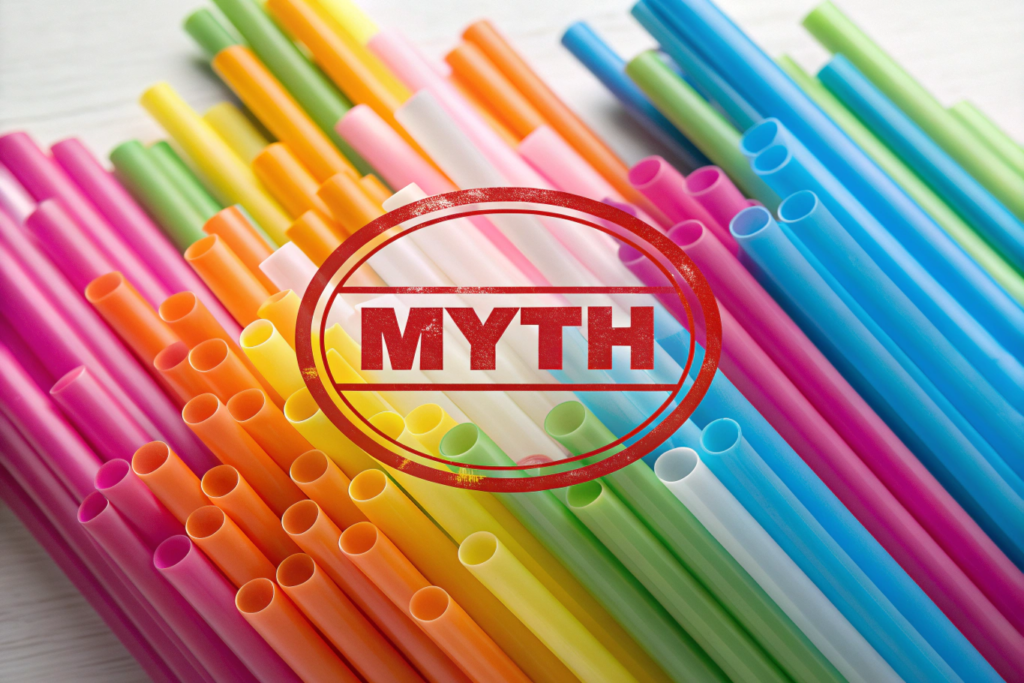
Pour de nombreux consommateurs, le thème des « pailles de différentes couleurs » évoque des images des théories des médias sociaux, en particulier le fameux « code de la paille » popularisé par Dutch Bros Coffee. Cette légende urbaine très répandue suggère que les baristas utilisent des pailles colorées – rose pour « mignon », verte pour « inesthétique », orange pour « mystérieux », jaune pour « moyen » et bleue pour « grossier » – pour transmettre des messages secrets sur leurs clients. Bien que cette curiosité centrée sur le consommateur ait alimenté d’innombrables discussions en ligne depuis début 2017 sur des plateformes comme TikTok et Instagram, elle manque de validation officielle, de nombreux employés de Dutch Bros déclarant publiquement que les pailles sont sélectionnées au hasard.
Cependant, pour les décideurs B2B (responsables des achats, directeurs des opérations, responsables du développement durable et responsables de la chaîne d'approvisionnement), les implications réelles des couleurs paille s'étendent bien au-delà du folklore Internet. Le déploiement stratégique de la couleur dans des contextes opérationnels, en particulier dans le paysage en évolution rapide de l’approvisionnement durable, représente un défi à enjeux élevés et une opportunité significative. Ignorer le rôle essentiel du code couleur dans des domaines tels que la conformité et la sécurité, ou ne pas tirer parti de la couleur pour la différenciation de la marque et les messages de développement durable, peut entraîner des risques de non-conformité, des inefficacités opérationnelles et des opportunités de marché manquées. La véritable valeur de la compréhension des différentes couleurs de pailles ne réside pas dans le déchiffrement des opinions des baristas, mais dans l'exploitation de la couleur comme un outil puissant pour l'excellence opérationnelle et l'avantage concurrentiel. Pour approfondir les nuances des couleurs paille et leur impact plus large, explorez comment cet élément apparemment simple joue un rôle dans les perceptions des consommateurs et les stratégies commerciales.
I. L’idée fausse omniprésente : décrypter le phénomène du « code paille »
Le « code de la paille », popularisé sur Internet, notamment lié à Dutch Bros Coffee, suggère aux baristas d'utiliser les couleurs de la paille pour exprimer leurs opinions sur les clients. Cette théorie, bien que largement diffusée sur des plateformes comme TikTok et Instagram depuis début 2017, n’a pas de validation officielle de la part de Dutch Bros. Les significations alléguées vont du rose pour « mignon », du vert pour « disgracieux/moyen », de l’orange pour « mystérieux », du jaune pour « moyen/régulier » au bleu pour « grossier ». Malgré sa viralité et les « expériences » anecdotiques partagées par les consommateurs, de nombreux employés de Dutch Bros ont déclaré publiquement qu'ils sélectionnaient les pailles au hasard, démystifiant le mythe comme une théorie en ligne non prouvée.
Cette fascination du consommateur, bien que infondée, met en lumière une vérité psychologique plus profonde : les couleurs suscitent des réponses immédiates et viscérales et influencent la perception. Bien que le « code paille » soit une idée fausse et ludique, la tendance humaine sous-jacente à attribuer une signification à la couleur a de profondes implications pour les environnements B2B où le codage couleur est tout sauf aléatoire.Le « code paille » est un mythe de consommation, mais l’impact psychologique de la couleur est réel pour le B2B.
II. Au-delà de la légende urbaine : un codage couleur légitime dans les environnements B2B
Bien qu'il existe des interprétations récréatives, le codage couleur dans les environnements B2B remplit des fonctions critiques telles que la sécurité et l'efficacité. Contrairement au fantaisiste « code de la paille », les applications industrielles et médicales de la couleur sont délibérées, standardisées et souvent régies par la réglementation. Les couleurs fournissent des repères visuels universels, surmontant les barrières linguistiques et améliorant la clarté opérationnelle au sein de divers effectifs. Ces systèmes robustes s'alignent sur les meilleures pratiques de l'industrie et les directives réglementaires visant à la prévention des dangers, à l'atténuation des risques et à la rationalisation des opérations.
A. Code couleur pour la restauration : une norme de sécurité et d’efficacité
Dans le secteur de la restauration, le codage couleur est une pratique indispensable, principalement conçue pour prévenir la contamination croisée et gérer les allergènes, essentiels à la sécurité alimentaire. Cette pratique est soutenue par des lignes directrices complètes telles quePrincipes d'analyse des risques et de maîtrise des points critiques (HACCP) de la FDA, qui préconisent des approches systématiques en matière de sécurité alimentaire.
Les désignations de couleurs courantes pour divers ustensiles et zones de cuisine comprennent :
- Rouge: Généralement réservé aux viandes crues, minimisant le risque de transfert bactérien.
- Jaune: Désigné pour la volaille crue, assurant sa séparation des autres types d'aliments.
- Bleu: Utilisé pour les fruits de mer, empêchant la contamination croisée avec d'autres protéines ou allergènes.
- Vert: Affecté aux fruits et légumes, en préservant les produits frais.
- Blanc: Pour les produits laitiers ou les viandes cuites, empêchant la contamination par les matières premières.
- Violet: De plus en plus adopté pour le contrôle des allergènes, l’isolation des outils et des surfaces utilisés pour les préparations sans allergènes.
Pour les opérations B2B, l'impact est substantiel : ce code couleur standardisé réduit le risque de maladies d'origine alimentaire, protège la réputation de la marque contre des rappels coûteux ou des poursuites judiciaires et améliore considérablement l'efficacité de la formation du personnel dans les environnements à fort taux de rotation. Les nouvelles recrues peuvent rapidement comprendre et adhérer aux protocoles de sécurité essentiels, quelle que soit leur maîtrise de la langue, maintenant ainsi des normes de sécurité alimentaire cohérentes dans toute l'organisation.
B. Code couleur des soins de santé : améliorer la sécurité des patients et la gestion des déchets
In healthcare settings, color coding is equally vital, primarily for equipment classification, patient alerts, and the critical segregation of waste. TheWorld Health Organization (WHO)strongly recommends color coding for healthcare waste disposal, recognizing its role in preventing infections, managing costs, and ensuring compliance with stringent environmental regulations.
Examples of color-coded systems in healthcare include:
- Waste Management: Red containers are used for biohazardous waste (e.g., blood-contaminated items, sharps waste), ensuring proper incineration or specialized treatment. Yellow containers are typically for infectious waste, including items used in chemotherapy or radiotherapy. Black containers are for hazardous chemical waste, and blue for non-hazardous pharmaceutical waste.
- Patient Safety Alerts: Standardized wristbands use color to communicate critical patient information, enhancing safety and preventing errors. For instance, a Red wristband universally signifies an “Allergy Alert,” while a Yellow wristband indicates “Fall Risk.” Improper use or misinterpretation of these colors can have severe, even life-threatening, impacts on patient outcomes.
For procurement and operations within healthcare, adhering to these color-coded guidelines is not just about compliance; it’s about minimizing liability, optimizing waste disposal costs, and supporting the safe, efficient delivery of patient care amidst growing workforce shortages.B2B color coding ensures safety, efficiency, and compliance in food service and healthcare.

III. The Evolution of Straws: From Ancient Utility to Modern Sustainability
The journey of straws reflects evolving material science and societal needs, dating back millennia. From humble reeds to sophisticated polymers, and now to innovative sustainable alternatives, the straw’s evolution highlights humanity’s persistent quest for convenient consumption tools.
Historical Data:La première utilisation connue des pailles remonte aux Sumériens vers 3000 avant notre ère, qui utilisaient de longs tubes en or ou en roseau pour consommer de la bière, probablement pour éviter les sous-produits solides. La paille en papier moderne a été brevetée par l'inventeur américain Marvin C. Stone en 1888, motivé par sa frustration face aux pailles de seigle qui affectaient le goût de son julep à la menthe. En 1937, Joseph Friedman invente la paille pliable, inspiré par la difficulté de sa fille à boire avec une paille droite. Ces innovations ont jeté les bases de l’adoption massive de la paille.
A. L’essor et le déclin du plastique : un changement motivé par des impératifs environnementaux
Après la Seconde Guerre mondiale, les pailles en plastique sont devenues dominantes en raison de leur faible coût, de leur durabilité et de leur capacité à rester intactes indéfiniment dans les liquides. Cela a conduit à une production de masse dans les années 1960, et dans les années 1980, le marché a connu un boom des pailles en plastique colorées et fantaisistes, devenant omniprésentes dans les établissements de restauration rapide. Cependant, cette ère de commodité a entraîné des conséquences environnementales imprévues. Les préoccupations mondiales croissantes concernant la pollution plastique, en particulier son impact dévastateur sur les écosystèmes marins, ont conduit à un changement de réglementation. De nombreux gouvernements et organisations à travers le monde ont mis en place des interdictions et des restrictions sur les plastiques à usage unique, y compris les pailles, marquant la fin du règne incontesté du plastique. L’Union européenne, par exemple, a lancé une interdiction des produits en plastique à usage unique en 2021, visant des objectifs de recyclage ambitieux.
B. Sustainable Straws: Color and Design in the Eco-Conscious Era
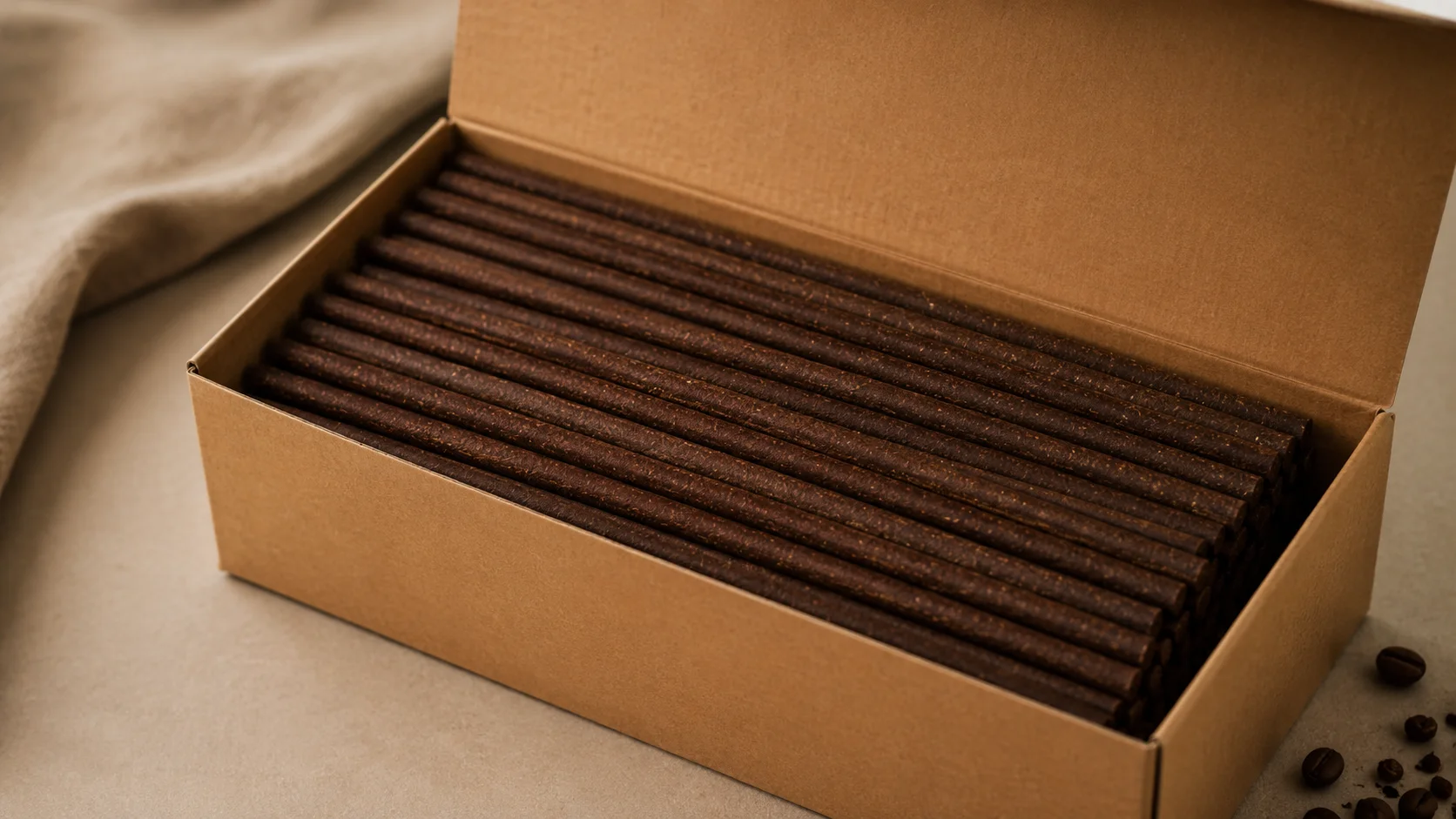
La demande d’alternatives respectueuses de l’environnement entraîne désormais une innovation significative en matière de matériaux et de conception esthétique. Les pailles durables sont disponibles dans une riche palette, allant des teintes naturelles trouvées dans le bambou, l'herbe, la canne à sucre, le marc de café et les fibres de noix de coco aux options teintes de manière éclatante à base de papier, de PLA (acide polylactique végétal), de silicone et de riz.
Cette diversité de matériaux et cette personnalisation du design présentent une puissante opportunité pour les entreprises. Les marques peuvent tirer parti de l'impression personnalisée avec des logos et des couleurs assorties à la marque sur des pailles en papier, améliorant ainsi la visibilité de la marque tout en s'alignant sur les objectifs de développement durable. Par exemple, les pailles PLA sont disponibles en différentes couleurs comme le rose, le vert et l'orange, et peuvent être compostables certifiées BPI®, offrant à la fois un attrait esthétique et une crédibilité environnementale. Les pailles d'agave, fabriquées à partir de fibres végétales d'agave, illustrent encore davantage ce progrès, offrant une garantie de décomposition de 95 % en 180 jours dans une décharge active.L’évolution de la paille reflète le passage de la commodité du plastique à une innovation durable et colorée.

IV. Strategic Value of Colored Straws in B2B Branding and Operations
Beyond simple utility, colored straws serve as a subtle yet powerful branding and operational tool for businesses. In an increasingly competitive market, every touchpoint with a customer or client offers an opportunity to reinforce brand identity and communicate core values.
A. Brand Recognition and Customer Experience via Color Psychology
Color psychology plays a significant role in influencing consumer perception and brand association. Studies indicate that up to 90% of a subconscious judgment about a product is formed based on color alone. Consistent use of specific colored straws reinforces brand identity and recognition, making brands memorable and instantly recognizable.
Consider theStarbucks Green Straw: The distinctive green straw is instantly recognizable, acting as a subtle yet powerful brand identifier and a status symbol for the company. This seemingly minor detail contributes to a cohesive brand experience that customers associate with Starbucks’ premium image and commitment to quality. Similarly, McDonald’s strategically uses red and yellow in its branding, including straws, to evoke excitement, appetite, happiness, and friendliness, consistently reinforcing its brand promise of fast, enjoyable food.
Custom or strategically colored straws elevate the customer experience, fostering loyalty and encouraging repeat business. They transform a mundane item into a part of the brand narrative, making the consumption experience more memorable and shareable, especially in an age dominated by social media visual content.
B. Driving Sustainability and Market Differentiation with Strategic Color Choices
Adopting eco-friendly colored straws signals a brand’s commitment to sustainability, attracting environmentally conscious consumers who actively seek out and support green businesses. This alignment with growing consumer values can translate directly into market share gains and enhanced brand equity.
The market trend unequivocally points towards sustainability. The global straw market is projected to reach USD 24.26 billion by 2030, growing at a Compound Annual Growth Rate (CAGR) of approximately 6.18% from 2025 to 2030. Within this, the paper straw market alone is projected to reach USD 6.17 billion by 2030, with a remarkable CAGR of 16.30% from 2025-2034. Businesses that proactively transition to sustainable, often colorful, alternatives are not just complying with future regulations; they are tapping into a rapidly expanding market segment. Companies can further differentiate themselves by offering custom colors or unique designs in sustainable materials, turning an operational necessity into a competitive advantage. This strategic approach to procurement can position a brand as an industry leader in both innovation and corporate responsibility.Colored straws offer powerful branding and sustainability differentiation for B2B operations.
V. Comparison of Sustainable Straw Options for B2B Procurement
Selecting the right straw involves balancing operational needs, compliance, and sustainability goals. The table below outlines key considerations for B2B procurement professionals evaluating sustainable straw options:
| Fonctionnalité | Impact opérationnel B2B | Note de conformité | Potentiel de retour sur investissement |
|---|---|---|---|
| Pailles en papier | Readily biodegradable; may soften with extended use. | FSC certified supports sustainable sourcing. | Reduced plastic waste, meets ban regulations, attracts eco-consumers. |
| PLA (à base de plantes) | Biodegradable in industrial compost; requires specific disposal. | BPI® certified compostable aligns with green initiatives. | Enhanced brand image, potential for premium pricing for sustainable offerings. |
| Acier inoxydable | Highly durable, reusable; requires cleaning infrastructure. | Compliance with reusability goals; long-term asset. | Significant long-term cost savings over disposable options, strong eco-friendly perception. |
| Sugarcane/Agave Fiber | Natural, compostable; unique texture, natural aesthetic. | OK Home Compostable (sugarcane); agave straws break down 95% in 180 days in landfill. | Brand differentiation, appeals to natural/organic markets, reduced environmental footprint. |
Choosing sustainable straws balances operational needs, compliance, and ROI for B2B procurement.

VI. Overcoming Challenges in the Colored Straw Supply Chain
The widespread shift towards sustainable and colored straws introduces new complexities for procurement and supply chain management. While the benefits are clear, navigating these challenges requires foresight and robust strategies.
A. Procurement Challenges and Market Volatility
One significant manufacturing challenge lies in achieving consistent color quality across batches, especially with natural or plant-based materials. These materials often possess varying physical properties, making pigment dispersion and uniform coloration more difficult than with traditional plastics. A critical compliance hurdle involves ensuring food-grade pigments do not leach into beverages. This necessitates stringent testing and unwavering adherence to international regulations such as those from the FDA in the US and equivalent bodies in the EU.
Furthermore, supply chain volatility for new raw materials can significantly impact availability and pricing, leading to production delays and cost overruns. Original Equipment Manufacturers (OEMs) have historically been hesitant to switch from stable, well-understood plastics to natural materials with less predictable physical properties, creating inertia in the supply chain. Accurate demand forecasting for specific colored sustainable straws is also critical, as misjudging consumer preference for a particular hue can lead to excess inventory or costly stockouts.
B. The Future Outlook: Innovation and Responsible Sourcing
Despite these challenges, the market for sustainable straws is robustly driven by persistent consumer and regulatory demand for eco-friendly solutions. Innovation is rampant, with market leaders pushing the boundaries of material science and design. Companies like FinalStraw, holding an estimated 14-18% share in the reusable market, have launched innovations such as integrated self-cleaning rods and compact, self-dispensing cases. Klean Kanteen, with an estimated 12-16% share, has introduced reusable straw kits with steel cores, silicone tips, and color-coded sets with antimicrobial finishes.
For discerning B2B buyers, this translates into a strategic opportunity. Prioritizing suppliers with proven traceability and robust quality control for colored sustainable straws is paramount. This ensures not only compliance with evolving regulations but also the delivery of a consistent, high-quality product that enhances brand image and supports long-term sustainability goals. The future of colored straws lies in embracing these innovations, overcoming manufacturing hurdles with collaborative R&D, and committing to genuinely responsible sourcing practices that benefit both business and planet.Navigating sustainable straw supply chain challenges requires foresight, innovation, and responsible sourcing.
Conclusion: Harnessing the Power of Color for Sustainable B2B Advantage
While the whimsical “straw code” may capture consumer imagination, the strategic application of different color straws within a B2B context offers tangible benefits from enhanced food safety and healthcare compliance to potent brand differentiation and sustainability alignment. Forward-thinking procurement and operations leaders must evaluate new material innovations and partner with suppliers capable of delivering high-quality, compliant, and responsibly sourced sustainable straws. This proactive approach will drive operational excellence, mitigate regulatory risks, enhance brand perception, and secure long-term market leadership in an increasingly eco-conscious global economy. Request a compliance-ready sustainable straw sample pack today to secure your market advantage before Q3 regulatory shifts take full effect.
Request Your Sustainable Straw Sample Pack Today!
Questions fréquemment posées
Do different colored straws have secret meanings at Dutch Bros Coffee?
No, the popular ‘straw code’ theory linked to Dutch Bros Coffee is an urban legend. Dutch Bros employees have publicly stated that straw colors are selected randomly, and there is no official validation for the alleged secret meanings.
How is color coding used in B2B food service operations?
In B2B food service, color coding is crucial for preventing cross-contamination and managing allergens. For example, red is for raw meats, yellow for raw poultry, blue for seafood, green for fruits/vegetables, white for dairy/cooked meats, and purple for allergen control. This enhances safety and training efficiency.
What are the benefits of using sustainable colored straws for hospitality businesses?
Sustainable colored straws enhance brand recognition, align with eco-conscious consumer values, and differentiate businesses in the market. They also help comply with single-use plastic regulations and reduce environmental footprint, leading to market share gains.
What are the main challenges in the supply chain for colored sustainable straws?
Challenges include achieving consistent color quality with natural materials, ensuring food-grade pigments don’t leach, managing supply chain volatility for new raw materials, and accurate demand forecasting for specific hues. Overcoming these requires robust R&D and responsible sourcing.
How can procurement managers ensure compliance when sourcing colored straws?
Procurement managers should prioritize suppliers with proven traceability and robust quality control. This ensures food-grade pigments meet international regulations (e.g., FDA, EU standards) and that materials like PLA are BPI® certified compostable, aligning with green initiatives.