Lorg carbóin na sopanna in -bhithmhillte vs plaisteach: riachtanas inbhuanaitheachta B2B

Maidir le bainisteoirí soláthair, stiúrthóirí oibríochtaí, oifigigh inbhuanaitheachta, agus feidhmeannaigh an tslabhra soláthair, ní ábhar imní forimeallach a thuilleadh é an sainordú chun tionchar comhshaoil a laghdú - is bunriachtanas straitéiseach é. Teastaíonn tuiscint láidir, bunaithe ar shonraí, ar a bhfíor-lorg carbóin chun roghanna aon-úsáide tuí a mheas, ag bogadh thar éilimh ar leibhéal an dromchla chuig anailís dhomhain saolré. Má dhéantar neamhaird ar an gcastacht seo is féidir acmhainní a mhí-leithdháileadh, neamhchomhlíonadh rialála, agus damáiste suntasach do chlú i margadh atá ag éirí níos íogaire maidir le fíor-mhaoirseacht comhshaoil.
Tá na geallta ard. Tá toirmisc dhomhanda ar phlaisteach aonúsáide ag luasghéarú go tapa ar an aistriú chuig roghanna eile inbhuanaithe, agus réamh-mheastar go mbainfidh an margadh domhanda tuí in-bhithmhillte USD 178.87 billiún faoi 2031, ag fás ag Ráta Fáis Bliantúil Comhdhúil 23.20% (CAGR). Éilíonn an t-athrú suntasach seo cinntí eolasacha chun a chinntiú go gcuireann do shlabhra soláthair go dearfach le spriocanna inbhuanaitheachta d’eagraíochta, seachas cur lena ualach comhshaoil gan chuimhneamh.
Fíor Lorg Carbóin Tuí Plaisteacha a Thuiscint
Is ionann sopaí plaisteacha traidisiúnta, a dhéantar go príomha as polapróipiléine (PP), agus dliteanas suntasach comhshaoil ar feadh a saolré. Tá a dtáirgeadh dian ar charbón, ag brath go mór ar bhreoslaí iontaise.
Production’s Energy Intensity & Emissions
Is próiseas atá dian ar fhuinneamh é déantús sopaí plaisteacha a bhfuil lorg carbóin suntasach aige. Ídíonn táirgeadh 1,000 kg polapróipiléine (PP) thart ar 75 kg ola agus 61 kg de ghás nádúrtha. Is ionann é sin agus lorg carbóin measta de 10–15 kg CO2 coibhéiseach in aghaidh 1,000 sop plaisteach. Chun é seo a chur i bpeirspictíocht, tá an tionchar CO2 iomlán ó tháirgeadh tuí plaisteach sna Stáit Aontaithe amháin in aghaidh na meánastaíochtaí de 19 milliún gluaisteán tiomáinte ar feadh bliana. Ina theannta sin, scaoileann an cás deiridh ré coiteann do phlaisteach, loscadh, tuairim is 1,343 kg CO2 coibhéiseach in aghaidh an tonna de sopaí plaisteacha, de réir sonraí UK DEFRA.
End-of-Life: Persistent Pollution & Microplastic Threat
Seachas an táirgeadh, cruthaíonn nádúr marthanach na sopaí plaisteacha dúshlán mór don chomhshaol. Tá siad neamh-bhith-dhíghrádaithe, marthanach ar feadh na céadta bliain i líonadh talún agus éiceachórais nádúrtha. Léiríonn meastacháin go truaillíonn 8.3 billiún sop plaisteach tránna an domhain, le 7.5 milliún le fáil ar chóstaí na SA amháin. Cuireann na hearraí seo atá cosúil le neamhurchóideach 73,000 tonna méadrach de dhramhaíl tuí plaisteach bliantúil sna SA.
De réir mar a dhíghrádaíonn siad go mall, briseann sopaí plaisteacha síos ina micriphlaisteacha — blúirí beaga bídeacha a théann tríd ár dtimpeallacht. Fuarthas na micreaplaistigh seo i 80% de shamplaí fola daonna, ag iompar ceimiceáin tocsaineacha cosúil le BPA. Ní hamháin go mbíonn tionchar ag an éilliú forleathan seo ar éiceachórais agus ar fhiadhúlra ach cuireann sé imní méadaitheach faoi shláinte an duine, rud a chruthaíonn riosca suntasach fadtéarmach tráchtála agus comhlíonta do ghnólachtaí atá fós ag brath ar ghnáthphlaisteach.Tá rioscaí suntasacha comhshaoil ag baint le sopaí plaisteacha ó tháirgeadh go truailliú leanúnach micriphlaisteach.
Lorg Carbóin Tuí In-bhithmhillte a Dhíchruthú: Radharc Nua
Is minic a chuireann an téarma “in-bhithmhillte” íomhánna de dhianscaoileadh tapa neamhdhíobhálach as. Mar sin féin, tá an réaltacht níos nuanced. Athraíonn lorg carbóin na sopaí in-bhithmhillte go mór ag brath ar an ábhar agus na coinníollacha sonracha a theastaíonn dá ndíghrádú.
Straws PLA: Acmhainneacht Bithphlaisteacha vs Riachtanais Mhúiríniú Tionscail
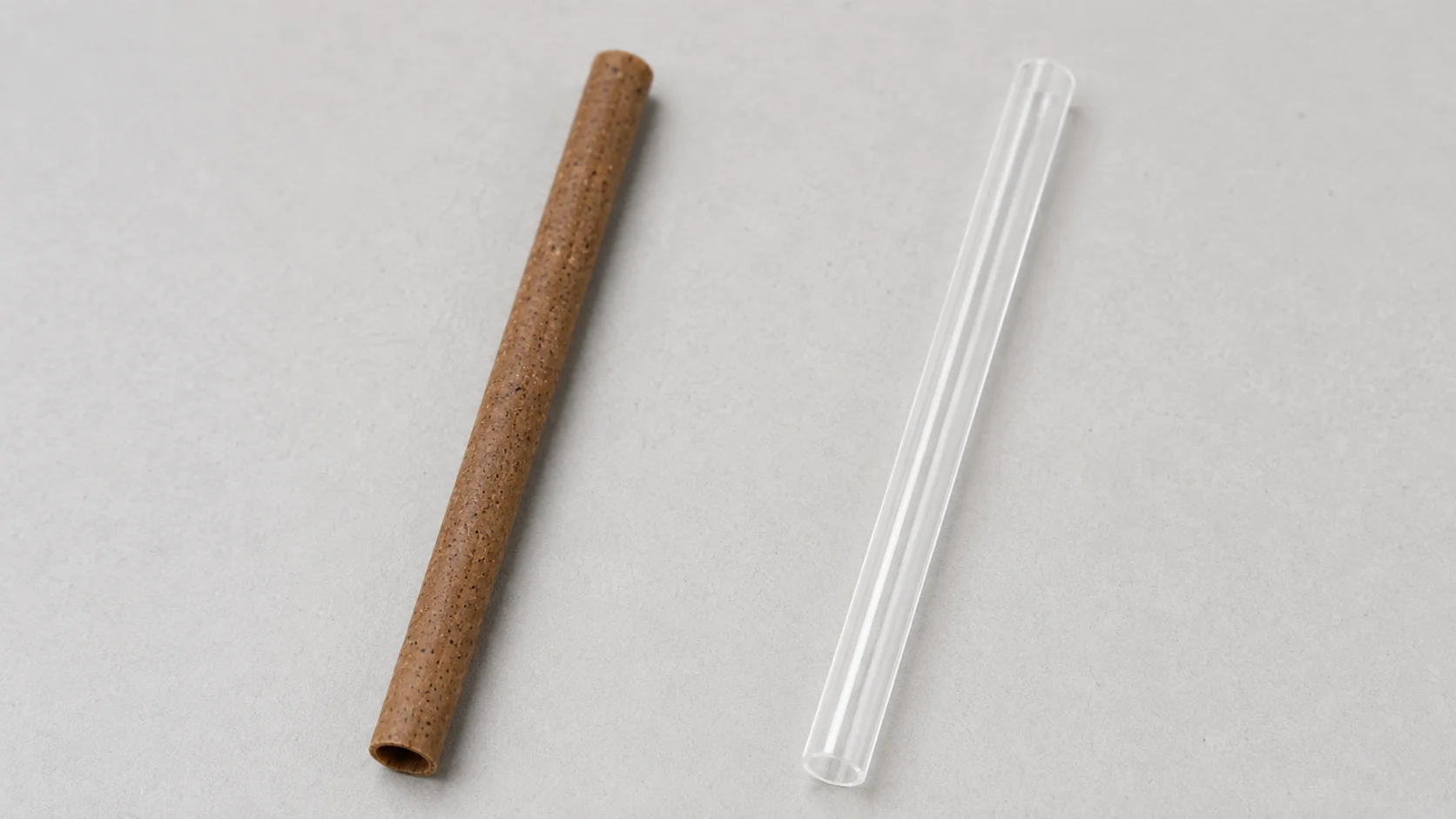
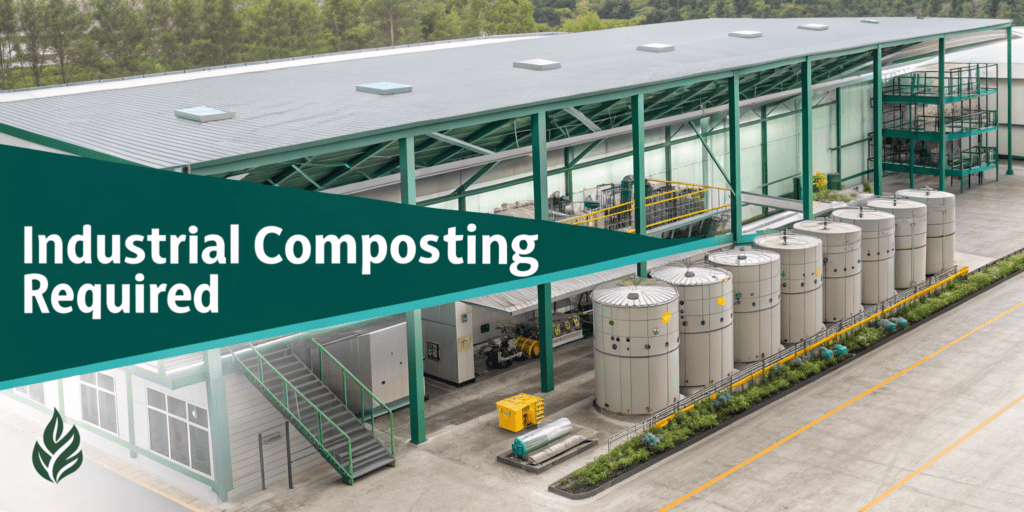
Díorthaítear sopanna Aigéad Polalachtach (PLA) ó acmhainní in-athnuaite ar nós stáirse arbhair. Cé gur dealraitheach go bhfuil an tionscnamh planda-bhunaithe seo tuar dóchais inti, léiríonn roinnt Measúnuithe Saolré (LCAanna) go bhféadfadh ualach iomlán comhshaoil níos airde a bheith ag sopaí PLA i gcomparáid le sopaí PP (Tionchar Coibhneasta Timpeallachta ilchodach (REI) 6.4-6.8 do PLA versus 2.4-3.2 do PP i gcásanna diúscartha áirithe). Is príomhfhachtóir é go dteastaíonn saoráidí múirínithe tionsclaíocha sonracha chun bith-dhíghrádú éifeachtach PLA, nach bhfuil ar fáil go huilíoch. Má chríochnaíonn sopaí PLA i láithreáin líonta talún gan na coinníollacha riachtanacha (easpa ocsaigine agus solais), féadfaidh siad díghrádú go mall, cosúil le plaistigh thraidisiúnta, rud a bhainfeadh an bonn de na buntáistí comhshaoil atá beartaithe dóibh. Is féidir leis an dramhaíl déantúsaíochta a ghintear le linn táirgeadh tuí bithphlaisteacha lorg carbóin PLA a ardú freisin, cé gur féidir leis an leas iomlán a bhaint as próisis é seo a mhaolú.
Paper Straws: Resource Consumption & PFAS Concerns
Glactar go forleathan le sopaí páipéir mar rogha eile plaisteach agus is gnách go mbíonn siad in-bhithmhillte. Mar sin féin, tá a dtáirgeadh go háirithe dian ar acmhainní, éilíonn siad uisce agus fuinneamh suntasach, agus féadfaidh siad a bheith ina mbaol dífhoraoisithe mura bhfaightear iad go hinbhuanaithe. Tuairiscíonn roinnt LCAnna lorg carbóin de 2–3 kg CO2 in aghaidh an 1,000 sop páipéir, agus léiríonn cinn eile go bhfuil Poitéinseal Téamh Domhanda i bhfad níos airde de choibhéis 2.58E+06 kg CO2. Ábhar imní ríthábhachtach ar tugadh aird air i staidéar a rinneadh in 2023 a foilsíodh inFood Additives & Contaminantsaimsítear substaintí in aghaidh agus ilfhluara-ailcile (PFAS), nó “ceimiceáin go deo,” i 90% de na sopaí in-bhithmhillte a tástáladh, lena n-áirítear páipéar, rud a ardaíonn rioscaí suntasacha comhshaoil agus sláinte. Ina theannta sin, is minic go mbíonn tomhaltas méadaithe mar thoradh ar na saincheisteanna marthanachta a bhaineann le go leor sopaí páipéir, rud a dhiúltaíonn cuid dá ngnóthachain chomhshaoil féideartha.
Tuí Eile atá Bunaithe ar Phlandaí (Rís, Bambú, Cruithneacht): Buntáiste um Dhianscaoileadh Nádúrtha
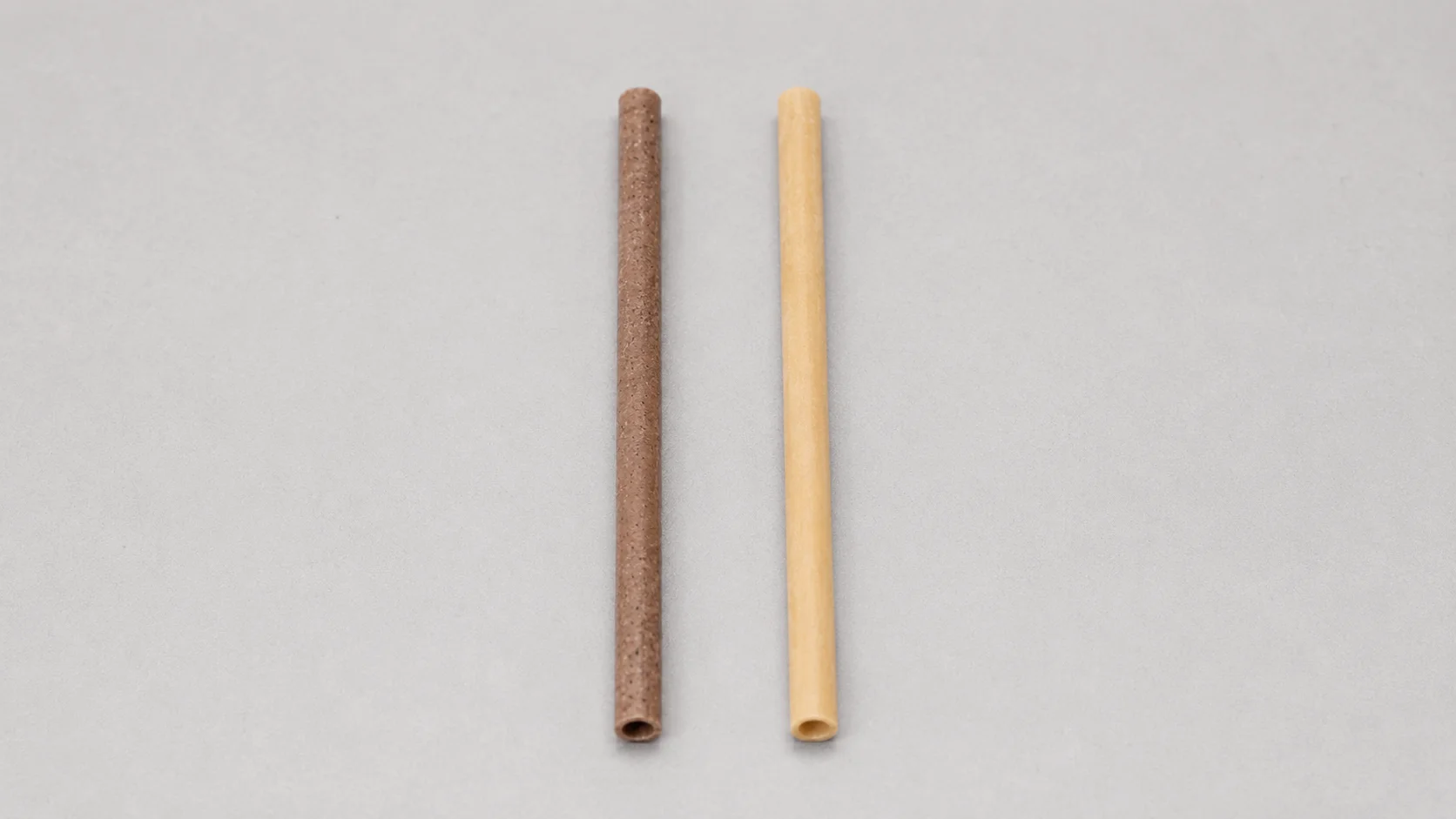
Materials like rice, bamboo, and wheat offer a more genuinely natural decomposition advantage. These alternatives leverage rapidly renewable resources, reducing reliance on fossil fuels. For instance, rice straws can decompose within 3–6 months. Their production generally involves less processing and is less reliant on synthetic chemicals, making them naturally more eco-friendly and reducing concerns around hidden contaminants like PFAS.Biodegradable straw impacts vary by material, requiring specific conditions for effective decomposition.
Life Cycle Assessment (LCA): The Gold Standard for Carbon Footprint Comparison
Chun tionchar comhshaoil aon táirge, lena n-áirítear sopaí, a thuiscint go fírinneach, tá measúnú cuimsitheach ar an saolré (LCA) fíor-riachtanach. Déanann LCA measúnú ar speictream iomlán an tionchair chomhshaoil, ó eastóscadh amhábhar, trí mhonarú agus iompar, go dtí diúscairt deireadh ré táirge. Cloíonn an cur chuige dian seo le caighdeáin idirnáisiúnta cosúil le ISO 14040, ag cinntiú dearcadh iomlánaíoch a théann níos faide ná pointí sonraí iargúlta. I gcás gach cineál tuí, seasann déantús stoic chothaithe amach go seasta mar ranníocóir mór lena n-ualach comhshaoil iomlán.
Torthaí an LCA atá ag teacht salach ar a chéile: Cén Fáth a bhfuil Buntáistí ag Nuance
Tá sé ríthábhachtach do chinnteoirí B2B a aithint gur féidir le LCAnna torthaí éagsúla a thabhairt. Is minic a tharlaíonn sé seo mar gheall ar dhifríochtaí modheolaíochtaí, teorainneacha córais, agus na meascáin fuinnimh réigiúnacha a úsáidtear le haghaidh táirgeadh. Mar shampla, beidh astuithe athraithe aeráide níos airde ag táirgeadh plaisteach san Afraic Theas, a bhraitheann go mór ar ghual, ná mar a bheidh ag táirgeadh i réigiúin le foinsí fuinnimh níos glaine. D’fhéadfadh roinnt staidéir a thaispeáint go bhfuil PLA le hAcmhainn Téamh Domhanda níos ísle (4.28E+05 kg CO2 eq) ná PP (5.66E + 05 kg CO2 eq), agus taispeánann staidéir eile, ag baint úsáide as paraiméadair éagsúla, an droim ar ais. Leagann sé seo béim ar an ngá atá le dícheall cuí críochnúil agus le tuiscint níos fearr ar éilimh soláthraithe, ag tathant ort breathnú níos doimhne ar an LCA sonrach taobh thiar d'aon éileamh inbhuanaitheachta.LCA provides a holistic view of environmental impact, but results vary based on methodology and regional factors.
Navigating Regulatory Landscapes and Market Dynamics for Sustainable Straws
Global governmental regulations are rapidly accelerating the shift away from single-use plastics, creating an urgent and expanding demand for sustainable alternatives. This regulatory pressure is a primary driver behind the explosive growth of the biodegradable straw market, projected to reach USD 178.87 billion by 2031 with a 23.20% CAGR. Businesses that proactively embrace compliant, eco-friendly products gain a critical competitive edge.

B2B Market Opportunities: Foodservice Dominance & Regional Growth
The foodservice sector is the largest application segment for straws, representing a substantial 55.0% revenue share in 2024. This segment, encompassing restaurants, cafes, and fast-food chains, is particularly susceptible to regulatory changes and consumer preferences for sustainability. North America leads the biodegradable straw market, holding over 40% market share (USD 16.61 billion in 2024), while Asia-Pacific dominates the overall straw market with a 38.5% revenue share in 2024, driven by a booming foodservice industry. These regional dynamics highlight significant opportunities for B2B suppliers and buyers to capitalize on evolving market demands.
The Rise of Certified Compostable Straws
Sa tírdhreach casta seo, soláthraíonn deimhnithe dearbhú ríthábhachtach. Áirithítear le marcanna ar nós “BPI Certified Compostable” agus “DIN CERTCO” go bhfíoraítear maímh an táirge go neamhspleách, rud a chinntíonn go mbrisfidh táirge i ndáiríre ina ábhar orgánach i saoráidí múirínithe tionsclaíochta gan iarmhar díobhálach. Tá príomhsholáthraithe, ar nós Singreen Packaging, ag freagairt le réitigh atá ní hamháin slán ó thaobh an chomhshaoil de ach a chloíonn freisin le caighdeáin dhiana sábháilteachta bia amhail FDA agus ISO 22000, agus a chomhlíonann HACCP. Tá an tiomantas seo do réitigh dheimhnithe ríthábhachtach do ghnóthais atá ag iarraidh rioscaí comhlíonta a mhaolú agus muinín na dtomhaltóirí a neartú. Le léargas níos mionsonraithe a fháil ar cad is féidir le tuí a mhúiríniú i ndáiríre, féach ar ár dtreoir chuimsitheach arBPI In Compostable vs. In-bhithdhíghrádaithe: Treoir Inbhuanaitheachta.Regulations drive market growth for sustainable straws, with certifications crucial for B2B compliance and trust.
Comparison Table: Evaluating Straw Alternatives for B2B Operations
The choice of straw material has direct implications for operational costs, compliance, and brand perception. The table below provides a strategic overview for B2B decision-makers.
| Gné | Tionchar Oibriúcháin B2B | Nóta Comhlíonta | Acmhainneacht ROI |
|---|---|---|---|
| Plaisteach (PP) | Low initial cost, widespread availability. | Increasing bans/regulations; high environmental pollution risk. | Negative long-term brand impact; potential for fines/penalties. |
| PLA (Bithplastic) | Moderate cost, similar feel to plastic; requires specific industrial composting. | Requires access to industrial composting infrastructure; “compostable” vs. “biodegradable” confusion. | Positive brand perception; reduced landfill fees if properly composted. |
| Páipéar | Moderate cost, widely available; durability issues (soggy). | Generally biodegradable; check for PFAS content. | Meets consumer eco-demand; higher consumption may increase purchasing volume. |
| Bamboo/Rice/Wheat | Higher cost (niche), strong eco-credentials; some texture variation. | Highly biodegradable; aligns with strict sustainability mandates. | Strongest brand halo; niche market appeal for premium segments. |
| In-athúsáidte (Miotal/Gloine) | Higher upfront cost; requires washing/storage infrastructure. | Zero-waste champion; long-term regulatory resilience. | Lowest long-term cost per use; strong alignment with corporate sustainability goals. |
Choosing straw materials impacts B2B operations, compliance, and ROI, requiring careful evaluation.
Case Study: Eco-Forward Foodservice Adopts Local Bioplastic Straws for Reduced Carbon Footprint
A major U.S. restaurant chain faced the urgent challenge of eliminating single-use plastic straws and committed to reducing its supply chain carbon footprint by 20% by 2025. This ambitious target required a comprehensive re-evaluation of its procurement practices.
The solution involved a strategic partnership with UrthPact, a US-based manufacturer producing BPI Certified compostable straws from renewable plant-based biopolymers, including canola oil and corn starch. By prioritizing domestic sourcing, the chain significantly reduced transportation emissions, a major component of Scope 3 emissions. This decision not only ensured compliance with emerging regional regulations but also bolstered their commitment to supporting local economies.
The impact was measurable and impactful. Within 18 months, the initiative contributed to a 15% reduction in Scope 3 emissions related to packaging, exceeding initial targets. This tangible outcome enhanced the brand’s reputation as an environmental leader and provided a powerful narrative for their sustainability reporting. This case demonstrates that strategic supplier partnerships and material choices can yield significant environmental and commercial benefits.Strategic bioplastic straw adoption reduced a restaurant chain’s carbon footprint and enhanced brand reputation.
Strategic Considerations for Procurement & Operations Leaders
The shift towards sustainable straw solutions requires more than just a material swap; it demands a strategic overhaul of procurement, operations, and waste management.

Prioritizing “Reduce, Reuse” Before “Replace”
While exploring alternative materials, the most impactful approach remains the hierarchy of “reduce, reuse, recycle.” Actively encouraging customers to forgo straws or opt for reusable alternatives should be a primary strategy. The reusable straw market is projected to grow at a 6.5% CAGR to USD 4.0 billion by 2033, signaling a significant market shift and consumer readiness for such options. Reusable straws, particularly those made from durable materials like metal or glass, boast the lowest long-term environmental impact when used consistently. Our guide onBiodegradable Drinking Tubes: A B2B Guideexplores innovative solutions that support this approach.
Due Diligence: Avoiding Greenwashing and Hidden Risks
The proliferation of “biodegradable” claims necessitates rigorous due diligence. Many products marketed as such still require specific industrial composting facilities, which may not be available in all operating regions. Procurement teams must scrutinize certifications carefully. A significant concern, as highlighted by recent studies, is the presence of PFAS “forever chemicals” in up to 90% of tested biodegradable straws, posing environmental and health risks. Businesses must actively seek PFAS-free certified options and verify third-party certifications like BPI Compostable to ensure genuine environmental benefits and avoid inadvertently falling victim to greenwashing.
Investing in Proper Waste Management Infrastructure
The environmental benefits of many biodegradable straws are maximized only when integrated with robust industrial composting infrastructure. In the absence of sufficient oxygen and light, common in landfills, many bioplastics fail to degrade as intended and can even produce methane, a potent greenhouse gas. Businesses must collaborate closely with waste management partners to understand local capabilities and ensure appropriate end-of-life solutions for their chosen materials. Choosing the right supplier is also paramount in this process; our guide onTuí In-bhithmhillte: Conas an Soláthraí Ceart a Roghnúoffers crucial insights.Strategic straw solutions demand prioritizing reuse, rigorous due diligence, and proper waste management infrastructure.
Future Trends & Innovation in Sustainable Straws
The landscape of sustainable straw solutions is continually evolving, driven by innovation and increasingly stringent environmental mandates. Looking ahead 5-10 years, several key trends will shape the market:
- Advanced Biopolymers:Expect the development of next-generation biopolymers that offer enhanced biodegradability across a wider range of environments, potentially even marine environments, without requiring specialized industrial composting facilities. Innovations like BioCal™ carbon-negative, compostable straws, which actively remove CO2 from the atmosphere, signal a new era of environmentally regenerative materials. (Reuters)
- PFAS-Free Solutions as Standard:Growing awareness and regulation around PFAS will push the industry towards universally PFAS-free biodegradable straw options. Certifications specifically for PFAS-free products will become standard.
- Comhtháthú Geilleagar Ciorclach:Greater emphasis on truly circular solutions will emerge, focusing on materials that can be repeatedly composted or recycled, minimizing waste and maximizing resource efficiency. This will likely involve partnerships between straw manufacturers, foodservice providers, and composting facilities.
- Smart Packaging & Traceability:Integration of smart packaging technologies that allow for transparent tracking of a product’s life cycle, from raw material sourcing to disposal, will become more prevalent, aiding in demonstrating genuine sustainability claims.
- Regulatory Harmonization:Increased global harmonization of single-use plastic regulations and biodegradability standards will provide greater clarity and consistency for international businesses, simplifying compliance and encouraging broader adoption of sustainable materials. The European Union, for instance, continues to lead with ambitious directives on single-use plastics.
- Shift to Reusables in Specific Segments:While single-use alternatives will persist, certain B2B segments, particularly those with closed-loop systems (e.g., corporate campuses, event venues), will see a significant shift towards reusable straw solutions due to their long-term cost and environmental benefits.
These innovations will empower B2B decision-makers with more effective, verifiable, and compliant choices, ensuring their operations align with future sustainability demands and provide a competitive advantage.Future trends include advanced biopolymers, PFAS-free standards, circular economy integration, and increased regulatory harmonization.
Competitive Advantage & Business Case
For procurement and operations leaders, transitioning to truly sustainable straw solutions is not merely about compliance; it’s a strategic move that delivers quantifiable competitive advantages.
By proactively addressing the carbon footprint of your straw supply chain, you can realize significantcoigilteas costais. Reduced reliance on fossil fuels for production, combined with potential lower landfill fees if industrial composting is accessible, directly impacts your bottom line. Furthermore, avoiding penalties and fines associated with non-compliance to increasingly stringent single-use plastic bans mitigates substantialrisk.
Beyond cost, theardú luach brandais immense. Consumers and B2B partners alike are prioritizing sustainability. Demonstrating a genuine commitment to reducing environmental impact, backed by verifiable certifications and transparent LCAs, enhances your corporate reputation, strengthens customer loyalty, and attracts environmentally conscious talent. This proactive approach allows you to capturedeis sciar den mhargadhin a rapidly growing segment. The global shift towards sustainable alternatives creates a vast, underserved market for businesses that can authentically deliver on eco-friendly promises. By aligning with corporate sustainability goals and embracing certified compostable or truly biodegradable solutions, your organization can position itself as a leader, not just a follower, in the journey towards a lower carbon footprint and a more sustainable future.Sustainable straw adoption offers B2B competitive advantages through cost savings, risk mitigation, and enhanced brand value.
Conclusion: Driving Sustainable Procurement Decisions with Data
The journey toward truly sustainable straw solutions is complex, requiring a deep dive into carbon footprints across the entire life cycle. While biodegradable alternatives offer significant advantages in mitigating plastic pollution, their production impacts and disposal requirements demand careful scrutiny. For B2B decision-makers, understanding these nuances, leveraging comprehensive Life Cycle Assessments, and prioritizing certified, responsibly sourced products are paramount to achieving genuine environmental stewardship.
Implement a robust straw sustainability strategy informed by data, optimize your supply chain for verified eco-friendly solutions, and lead your organization towards a genuinely lower carbon footprint and enhanced brand value in a rapidly evolving market.Sustainable procurement requires data-driven decisions, optimizing supply chains for verified eco-friendly solutions.
Ceisteanna Coitianta
What is the primary environmental concern with traditional plastic straws?▼
Traditional plastic straws are non-biodegradable, persisting for hundreds of years and breaking down into harmful microplastics that contaminate ecosystems and potentially human health.
Do all biodegradable straws decompose easily?▼
No, many biodegradable straws, like PLA, require specific industrial composting facilities to break down effectively; without these, they may degrade slowly in landfills.
What are PFAS and why are they a concern in biodegradable straws?▼
PFAS (per- and polyfluoroalkyl substances) are ‘forever chemicals’ found in some biodegradable straws, posing environmental and health risks due to their persistence and toxicity.
How can foodservice businesses ensure their sustainable straw choices are genuinely eco-friendly?▼
Businesses should prioritize certified compostable or PFAS-free options, conduct thorough due diligence on supplier claims, and invest in proper waste management infrastructure.
What is the most impactful strategy for reducing straw-related environmental impact?▼
The most impactful strategy is to prioritize ‘reduce, reuse’ by encouraging customers to forgo straws or opt for reusable alternatives before considering single-use replacements.