Príomh-Mhargaí a Thiomáineann Éileamh ar Shíolta Inchomparáide: Forbhreathnú Straitéiseach do Cheannairí B2B
Navigating the shift to sustainable solutions in hospitality & foodservice supply chains.
Tá aistriú bunúsach á dhéanamh ag an ngeilleagar domhanda ar shiúl ó phlaistigh aonúsáide, á thiomáint ag riachtanas nach féidir a shéanadh: inbhuanaitheacht comhshaoil. Maidir le cinnteoirí B2B trasna soláthair, oibríochtaí, inbhuanaitheachta, agus bhainistíocht an tslabhra soláthair, ní imní comhshaoil amháin é seo; is dúshlán oibríochta agus tráchtála ard-geallta é. Níl an t-aistriú go roghanna eile atá neamhdhíobhálach don éiceolaíocht roghnach a thuilleadh ach ainliú straitéiseach ríthábhachtach chun rochtain ar an margadh a chothabháil, chun comhlíonadh a áirithiú, agus chun freastal ar éilimh mhéadaitheacha na dtomhaltóirí agus na ngeallsealbhóirí.
Tháinig sopanna in-chomhdhéanta chun cinn mar réiteach ríthábhachtach san aistriú paradigm seo. Tá dlús á chur lena nglacadh, arna spreagadh ag cóineasú cumhachtach sainorduithe rialála déine, bonn tomhaltóra atá ag éirí níos airdeallaí ar an gcomhshaol, agus tionscnaimh inbhuanaithe corparáidí réamhghníomhacha. Gnóthais a dteipeann orthu fíneálacha suntasacha a oiriúnú, tá baol ann go ndéanfaí dochar do chlú, agus go gcreimtear muinín na gcustaiméirí, rud a imreoidh tionchar ar deireadh lena n-inmharthanacht fhadtéarmach. Scrúdaíonn an anailís seo na príomh-mhargaí, rud a spreagann an t-éileamh ar shopaí inmhúirín, ag tairiscint treochlár straitéiseach do cheannairí B2B atá ag dul tríd an tírdhreach forásach seo.
Foinsí: UNEP (2023) maidir le truailliú plaisteach domhanda, an Coimisiún Eorpach (2021) maidir le forfheidhmiú SUPD, NielsenIQ (2023) maidir le roghanna inbhuanaitheachta tomhaltóirí.Is riachtanas straitéiseach é do cheannairí B2B san fhlaithiúlacht agus sa tseirbhís bia a ghlacadh le sopaí inmhúirín.
The Foodservice & Hospitality Sector: A Primary Driver for Compostable Straws
Tá na tionscail seirbhíse bia agus fáilteachais ar thús cadhnaíochta na réabhlóide tuí inmhúirín, á thiomáint ag an gcomhéadan díreach atá acu le tomhaltóirí agus an líon mór earraí aonúsáide a dháileann siad go laethúil.
Glacadh Luaidhe le Bialanna Mearseirbhíse (QSRanna) agus Slabhraí Caife le 52.8% Sciar den Mhargadh

Is iad an bhialann seirbhíse mear (QSR) agus na codanna slabhra caife na ceannairí gan amhras maidir le glacadh tuí inmhúirín. Meastar go mbeidh ceannasach ag an earnáil seirbhíse bia seo52.8%den mhargadh sopanna inmhúirín in 2025. Bhí imreoirí móra domhanda ar nós McDonald’s agus Starbucks chun tosaigh san aistriú seo, á dtiomáint ag spriocanna inbhuanaitheachta corparáideacha uaillmhianacha agus na noirm itheacháin atá ag athrú a thugann tosaíocht do phacáistiú glas.
Leagann a n-aistriú forleathan fasach amach don tionscal ar fad. De réir mar is fearr le tomhaltóirí roghanna atá neamhdhíobhálach don chomhshaol de réir a chéile, aithníonn QSRs agus slabhraí caife go mbaineann glacadh le réitigh inmhúirín ní hamháin le comhlíonadh, ach le híomhá branda a fheabhsú agus le teascán méadaitheach de phátrúin atá comhfhiosach don chomhshaol a mhealladh.
Glacann Bialanna, Óstáin agus Lónadóireacht Lánseirbhíse Tuí Inbhuanaithe
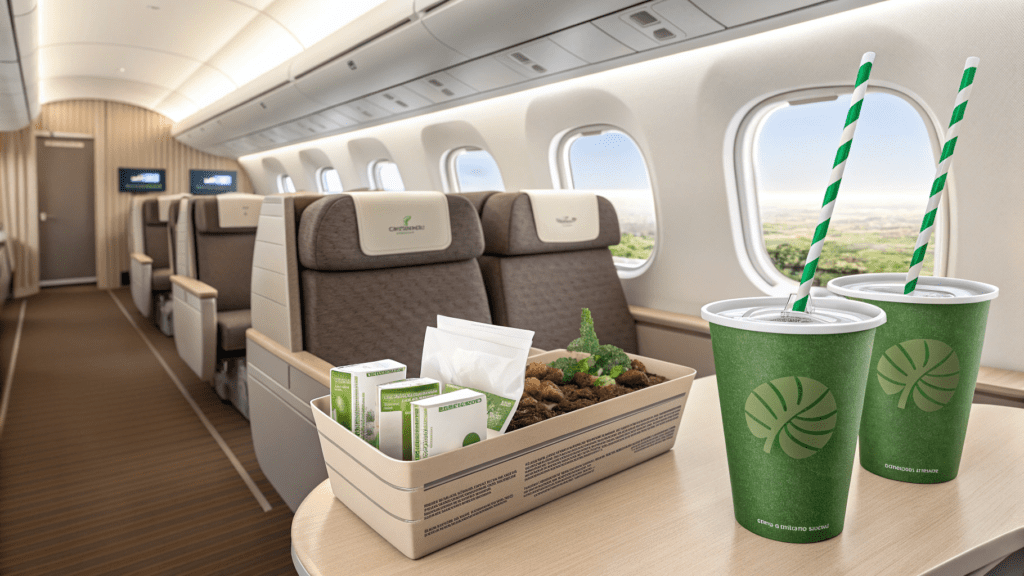
Taobh amuigh de thapa mear-ócáideach, tá bialanna lánseirbhíse, óstáin agus seirbhísí lónadóireachta ag comhtháthú sopaí inmhúirín ina gcuid oibríochtaí go tapa. Tá an t-aistriú seo ar aon dul lena chuspóirí comhlíonta níos leithne maidir le dramhaíl náid agus Comhshaol, Sóisialta agus Rialachas (ESG). Mar gheall ar thomhaltas méadaitheach táirgí réidh le n-ól laistigh de na socruithe seo, tá gá le rogha tuí inscálaithe atá neamhdhíobhálach don chomhshaol. Le haghaidhóstáin agus aerlínte, go sonrach, tá buntáiste straitéiseach ag baint le sopaí inmúirín atá fillte ina n-aonar, ag comhcheangal comhlíonadh sláinteachais le deiseanna suntasacha ROI trí aireachtáil branda feabhsaithe agus costais laghdaithe dramhaíola a bhainistiú. Faigh amach níos mó faoin gcaoi a mbaineann na hearnálacha seo leas as ár gcuid léargais arconas a ghnóthaíonn óstáin agus aerlínte buntáiste straitéiseach le sopaí inmúirín fillte ina n-aonar.Is iad na hearnálacha fáilteachais agus seirbhísí bia na príomhthiománaithe don éileamh ar thuí inmhúirín.
Creataí Rialála Domhanda a Luathaíonn Glacadh Tuí Inmhúiríte
Government legislation and regulatory mandates are undeniably the most forceful catalysts for the widespread adoption of compostable straws, compelling businesses to adapt or face significant repercussions.
European Union’s Single-Use Plastics Directive (EU SUPD) Impact
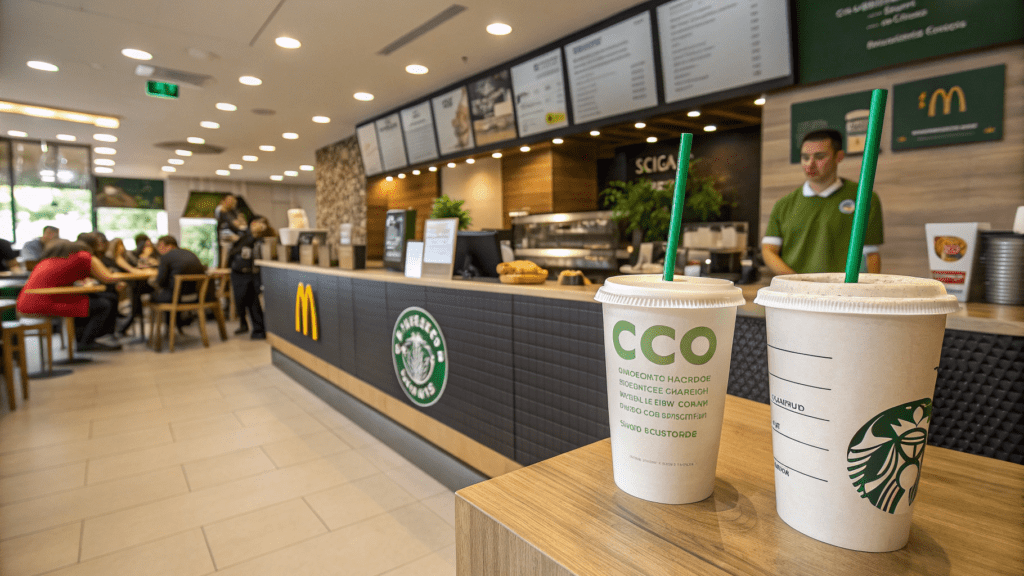
Ba spreagadh reachtach ríthábhachtach í Treoir an Aontais Eorpaigh maidir le Plaistigh Aonúsáide (EU SUPD), a forfheidhmíodh go dian ó 2021 i leith. Go héifeachtach, cuireann an treoir seo cosc ar go leor míreanna plaisteacha aonúsáide, lena n-áirítear sopaí, ar fud na mBallstát. Dá bhrí sin tá méadú tagtha ar éileamh ar roghanna deimhnithe inmúirín i dtíortha mar an RA, an Ghearmáin, an Fhrainc agus an Iodáil.
The EU SUPD’s comprehensive nature means that hospitality venues operating within Europe must procure straws that are certified compostable to ensure compliance. Failure to adhere to these regulations can result in substantial fines and operational disruptions, highlighting the critical need for robust procurement strategies that prioritize certified solutions. More details on the EU SUPD can be found on theEuropean Commission website.
North American State and City Bans Propel Demand, with US CAGR of 7.5%
Cé nach bhfuil toirmeasc plaisteach feidearálach ag na SA, tá Meiriceá Thuaidh i gceannas ar an sciar den mhargadh domhanda le haghaidh sopaí in-mhúirín, atá á thiomáint den chuid is mó ag raidhse de rialacháin ionsaitheacha stáit agus cathrach. Meastar go dtiocfaidh fás ar mhargadh na SA, go háirithe, ag Ráta Comhdhlúite Fáis Bliantúil (CAGR) de7.5%. Tá srianta scuabtha curtha i bhfeidhm ag stáit mar California agus Nua-Eabhrac ar phlaistigh aonúsáide, rud a spreag uchtú forleathan.
Is sampla suntasach é dlí San Francisco 2020, a shainíonn go gcaithfidh gach bia-earraí aonúsáide, lena n-áirítear sopaí, a bheith deimhnithe BPI (Institiúid Táirgí In-bhithmhillte) nó TÜV AUSTRIA in-mhúirín. Leagann an bhéim seo ar dheimhniúchán tríú páirtí béim ar an ngá atá le ceannaitheoirí B2B barántúlacht agus fíor-inmhúirín na réitigh a roghnaíonn siad a fhíorú. D’achtaigh Ceanada freisin toirmisc cónaidhme ar phlaistigh aonúsáide, lena n-áirítear sopaí, ag daingniú ceannaireacht Mheiriceá Thuaidh sa mhargadh seo.
Seasamh Réamhghníomhach na hÁise-Aigéan Ciúin ar Bhreoslaí Plaisteacha Dramhaíola an Fháis is Tapúla
Tá an réigiún Áise-Aigéan Ciúin ag teacht chun cinn mar an margadh is mó fáis do shíoga in-mhúirín, á thiomáint ag uirbiú tapa, ioncam indiúscartha ag ardú, agus tionscnaimh rialtais atá ag éirí níos réamhghníomhaí chun srian a chur le dramhaíl plaisteach. Tá spriocanna uaillmhianacha leagtha síos ag tíortha ar nós na Cóiré Theas, amhail neodracht charbóin a bhaint amach faoi 2050, rud a chuireann go díreach le glacadh roghanna cairdiúla don chomhshaol. Tá an tSeapáin agus an India ag déanamh taighde agus ag cur i bhfeidhm straitéisí chun tomhaltas plaisteach a laghdú go suntasach. Tá an móiminteam réigiúnach seo ag cruthú deiseanna ollmhóra do mhonaróirí agus soláthraithe táirgí inmhúirín.Is catalaíoch cumhachtach iad rialacháin dhomhanda chun tuí inmhúirín a ghlacadh ar fud na margaí go léir.
Consumer Demand & Corporate ESG Drive the Shift to Compostable Straws
Taobh amuigh de rialacháin, is fórsaí cumhachtacha iad an t-athrú seismeach i roghanna tomhaltóirí agus an bhéim mhéadaithe ar Fhreagracht Shóisialta Chorparáideach (CSR) agus ESG chun cinntí soláthair a mhúnlú.
Is fearr le 80% de Thomhaltóirí Táirgí Éicea-Cháirdiúla, Tionchar acu ar Sholáthar
A staggering80%Is fearr le tomhaltóirí ar fud an domhain anois táirgí atá neamhdhíobhálach don chomhshaol, a imríonn tionchar díreach ar chinntí ceannaigh ag gach leibhéal. Tá an comhfhios domhanda méadaitheach seo ar shaincheisteanna comhshaoil agus an tionchar millteach atá ag truailliú plaisteach ar aigéin agus ar éiceachórais ag iarraidh ar ghnólachtaí gníomhú. Tá níos mó tomhaltóirí sásta préimh a íoc as roghanna inbhuanaithe, rud a chuireann brú ollmhór ar ghnóthais pacáistiú agus cleachtais ghlasa a chomhtháthú. Maidir le cinnteoirí, ní hamháin gur treocht é glacadh le tairiscintí táirgí atá neamhdhíobhálach don chomhshaol; tá sé ina riachtanas straitéiseach maidir le buntáiste iomaíoch agus dílseacht branda fadtéarmach.
Infheistíonn Mórchorparáidí i Tuí Inbhuanaithe mar Chuid de Thionscnaimh Ghlais
Tá príomhchorparáidí, agus iad ag aithint na tairbhí déacha a bhaineann le maoirseacht comhshaoil agus clú branda feabhsaithe, ag infheistiú go gníomhach i réitigh tuí inbhuanaithe. Tá an Chuideachta Coca-Cola, mar shampla, tar éis aistriú go sopanna páipéir in-bhithmhillte agus athchúrsáilte atá creidiúnaithe ag an FSC i margaí éagsúla, ag cur deireadh le roghanna eile plaisteacha de réir a chéile. Léiríonn glacadh le réitigh dheimhnithe inmhúirín fíor-thiomantas do CSR, ag comhlíonadh ionchais athraitheacha na bpáirtithe leasmhara, na n-infheisteoirí agus na gcustaiméirí araon. Cuidíonn an cur chuige réamhghníomhach seo le cuideachtaí iad féin a idirdhealú i margadh plódaithe agus íomhá branda athléimneach a thógáil.
Mini Case Study: Starbucks Korea & Paris Baguette Lead South Korean Market Shift

Léiríonn an Chóiré Theas an meascán cumhachtach de shainorduithe rialtais agus ceannaireacht chorparáideach a spreagann claochlú an mhargaidh. Ag teacht le feachtas “Zero Waste” an náisiúin agus a sprioc uaillmhianach maidir le neodracht carbóin 2050, tá beart cinntitheach déanta ag slabhraí móra. Bhí Starbucks Korea ina shárscáileoir, ag glacadh go gníomhach le sopaí inmhúirín ar fud a líonra fairsing caiféanna. Tar éis agra a dhéanamh, chuir Paris Baguette, slabhra bácála agus caifé mór le rá eile, go mór leis an úsáid a bhaintear as sopaí inmhúirín. Ní hamháin gur laghdaigh na huchtálacha ardphróifíle seo dramhaíl phlaisteach ach tá siad tar éis leathnú suntasach ar an margadh a thiomáint do mhonaróirí tuí inmúirín sa réigiún, rud a léiríonn éifeacht ripple na ngealltanas corparáideach ar scála mór.Is fórsaí cumhachtacha iad éileamh na dtomhaltóirí agus spriocanna corparáideacha ESG chun tuí a ghlacadh go hinbhuanaithe.
Emerging Markets & Expanding Applications for Eco-Friendly Straws
Síneann teacht na sopaí inmhúirín i bhfad níos faide ná seirbhís bia thraidisiúnta, ag dul trí earnálacha agus feidhmeanna nua de réir mar a théann gluaiseacht na hinbhuanaitheachta chun cinn.
Leathnaíonn Cainéil Mhiondíola agus Ríomhthráchtála Inrochtaineacht
Tá méadú suntasach tagtha ar inrochtaineacht roghanna éagsúla tuí atá neamhdhíobhálach don chomhshaol de bharr fás na gcainéal miondíola agus ríomhthráchtála. Tá ollmhargaí, hypermhargaí agus siopaí ar líne ag stocáil níos mó éagsúlachta sopaí inmhúirín, ag freastal go díreach ar thomhaltóirí aonair atá ag glacadh le stíleanna maireachtála gan dramhaíl lena n-úsáid ag teaghlaigh. Cruthaíonn an t-iomadú seo bealaí nua dáileacháin agus deighleoga margaidh, ag dul níos faide ná a bheith ag brath ar sholáthar seirbhísí bia traidisiúnta tráchtála.
Imeachtaí agus Féilte Glactar le Tuí Éicea-chairdiúla le haghaidh Tionóil Mhóra
Tá imeachtaí poiblí ar mhórscála, féilte ceoil, ionaid spóirt, agus ceolchoirmeacha ag cur inbhuanaitheacht chun cinn níos mó trí chleachtais ghlasa. Áiríonn sé seo glacadh go forleathan le sopaí inmhúirín chun tionchar comhshaoil ó earraí aonúsáide a íoslaghdú. Mar an gcéanna, tá imeachtaí corparáideacha ag comhtháthú réitigh inmhúirín chun ailíniú lena ngealltanais inbhuanaitheachta, ag léiriú tiomantas do lucht éisteachta leathan agus ag treisiú cleachtais ghnó atá freagrach.
Forais Chúram Sláinte agus Oideachais a bheith páirteach sa Ghluaiseacht Ghlais
Tá dul chun cinn á dhéanamh fiú ag earnálacha a bhí níos moille go traidisiúnta maidir le tionscnaimh ghlasa a ghlacadh. Tá áiseanna leighis agus ospidéil ag tosú ar úsáid a bhaint as sopaí in-bhithmhillte chun ailíniú lena mbeartais inbhuanaitheachta níos leithne agus lena spriocanna laghdaithe dramhaíola. Ar an gcaoi chéanna, tá scoileanna agus ollscoileanna ag spreagadh úsáid a bhaint as roghanna atá neamhdhíobhálach don chomhshaol, ní hamháin ar chúiseanna praiticiúla ach freisin mar chuid ríthábhachtach den oideachas comhshaoil agus ag cothú tomhaltas freagrach i measc mac léinn agus foirne. Tá institiúidí na hearnála poiblí ag tabhairt tosaíochta níos mó do chomhlíonadh an ESG ina bpróisis soláthair, ag cur leis an margadh do réitigh inmhúirín.Tá soipí iniompair ag leathnú isteach i margaí nua mar mhiondíol, imeachtaí, cúram sláinte agus oideachas.
Innovation & Market Projections for Compostable Straws
Tá nuálaíocht thapa in eolaíocht agus déantúsaíocht na n-ábhar mar thréith ag margadh na sopán inmhúirín, rud a thacaíonn le réamh-mheastacháin fáis suntasacha.
Dul Chun Cinn in Ábhair: Páipéar, PLA, agus Thairis sin le haghaidh Tuí Inchomhdhéanta CRUA
The landscape of compostable straw materials is continuously evolving to enhance performance, durability, and user experience. Paper straws are currently projected to dominate the market, holding a44.3%market share in 2025, largely due to their established eco-friendly credentials and widespread availability. However, innovations are pushing beyond basic paper, incorporating new multi-layered coatings that significantly improve durability and prevent the common issue of sogginess.
Polylactic Acid (PLA), derived from renewable plant-based bioplastics (like cornstarch), offers a compostable alternative with a feel closer to traditional plastic, known for its rigidity. Other emerging materials include sugarcane, bamboo, wheat, rice, seaweed, and even pasta. These advancements are critical for ensuring that compostable straws meet the practical demands of various beverage applications without compromising the consumer experience. Understanding the distinctions between these materials is crucial for procurement, and ourTreoir B2B ar shopaí inmhúirín vs. in-bhithmhillteprovides further detail.
Global Market Growth Projections: From $1.9 Billion to $3.8 Billion by 2035
The robust growth trajectory of the compostable straws market signifies a major, irreversible shift in the beverage packaging industry. The global compostable straws market is projected to expand significantly, from USD1.9 billion in 2025 to USD 3.8 billion by 2035, exhibiting a Compound Annual Growth Rate (CAGR) of 7.1%. When looking at the broader eco-friendly straws market, which includes all sustainable alternatives, the value is estimated at approximately USD 12.3 billion in 2025, with projections indicating growth to nearly USD 25.1 billion by 2035 at a CAGR of 7.3%. This substantial market expansion underscores the accelerating demand and investment in sustainable solutions.
Navigating Disposal Infrastructure Challenges for Optimal Composting
Despite the advancements in materials, a significant challenge for the compostable straw market remains the disposal infrastructure. For many compostable materials, particularly PLA, effective biodegradation requires specific industrial composting facilities. The lack of widespread access to such infrastructure in all regions can hinder the full circularity of these products, leading to them potentially ending up in landfills if not properly sorted. Strategic collaborations between B2B suppliers and waste management companies are essential to develop robust collection and processing systems. Businesses must understand the proper disposal methods for certified compostable products to ensure their environmental benefits are fully realized. OurLeabhar súgartha B2B do bhainistiú dramhaíola inbhuanaitheoffers practical guidance.Innovation in materials and strong market projections define the compostable straw industry.
Comparison Table: Compostable Straw Technologies for B2B Adoption
Making the right procurement decision requires understanding the operational, compliance, and financial implications of various compostable straw options.
| Gné | Tionchar Oibriúcháin B2B | Nóta Comhlíonta | Acmhainneacht ROI |
|---|---|---|---|
| Tuí Páipéir | Widely available, cost-effective for high volume use; diverse sizes. | Generally compliant with most single-use plastic bans; check for durability (sogginess) depending on application. | High customer satisfaction due to eco-friendly choice; positive brand image; reduces plastic waste fines; broad market acceptance. |
| Strains PLA | Offers superior rigidity and mouthfeel compared to paper, similar to traditional plastic. | Requires industrial composting facilities; certified to ASTM D6400 or EN 13432 standards. | Enhanced user experience leading to repeat business; strong alignment with sustainability goals; appeals to discerning eco-conscious consumers; supports circular economy initiatives. |
| Sugarcane/Bamboo Straws | Durable, unique natural texture; often higher unit cost than paper or PLA; artisanal appeal. | Excellent natural biodegradability; ensures compliance with strict environmental policies and green certifications. | Premium brand perception and differentiation; niche market appeal for high-end or specialty venues; long-term environmental benefits and reduced ecological footprint. |
Choosing the right compostable straw requires understanding operational, compliance, and financial implications.
Competitive Advantage & Business Case
For B2B leaders, the decision to adopt compostable straws extends beyond mere compliance; it’s a powerful opportunity to forge competitive advantage and build a robust business case.
Quantifiable benefits include significant risk mitigation. By proactively transitioning to certified compostable solutions, businesses can avoid substantial fines associated with evolving plastic bans and safeguard their operations against future regulatory changes. This foresight ensures uninterrupted market access in regions with strict environmental policies, such as the EU.
Moreover, the brand value uplift is considerable. With 80% of consumers favoring eco-friendly products, embracing compostable straws directly enhances brand reputation and cultivates consumer loyalty. This positive public perception can translate into increased sales and market share. For instance, in the foodservice sector, which commands over 50% of the market, offering sustainable options can be a key differentiator, attracting eco-conscious customers and potentially allowing for premium pricing. Beyond direct sales, a strong sustainability commitment also appeals to ESG-focused investors and talented employees, bolstering a company’s overall market standing and long-term resilience. The transition also supports the broader circular economy by reducing reliance on finite resources and promoting waste diversion.Adopting compostable straws offers significant competitive advantages and a strong business case.
Ceisteanna Coitianta (CCanna)
What are compostable straws and why are they important for hospitality and foodservice?
Compostable straws are eco-friendly alternatives to traditional plastic straws, designed to break down into natural elements. They are crucial for hospitality and foodservice to meet regulatory mandates, consumer demand for sustainability, and enhance brand reputation while reducing plastic waste.
How do global regulations impact the adoption of compostable straws in B2B sectors?
Regulations like the EU Single-Use Plastics Directive and various state/city bans in North America compel businesses to switch to certified compostable straws. Failure to comply can result in significant fines and operational disruptions, making compliance a key driver for B2B procurement.
What are the key benefits for hotels and airlines adopting individually wrapped compostable straws?
Hotels and airlines gain a strategic advantage by combining hygiene compliance with significant ROI opportunities. This includes enhanced brand perception, reduced waste management costs, and meeting the expectations of environmentally conscious travelers, leading to increased customer loyalty.
What are the different types of materials used for compostable straws?
Common materials include paper, Polylactic Acid (PLA) derived from plant starches, and natural materials like sugarcane, bamboo, wheat, rice, and even pasta. Each offers different characteristics in terms of durability, feel, and composting requirements.
What challenges exist in the disposal of compostable straws?
A significant challenge is the need for specific industrial composting facilities for many compostable materials, particularly PLA. Lack of widespread access to such infrastructure can lead to these products ending up in landfills if not properly sorted, hindering their full environmental benefit.
How can adopting compostable straws provide a competitive advantage for businesses?
Beyond compliance, adopting compostable straws mitigates risks from evolving plastic bans, ensures market access, and significantly uplifts brand value. It attracts eco-conscious consumers, appeals to ESG-focused investors, and differentiates businesses in a crowded marketplace, fostering long-term resilience.FAQs address common pain points and provide actionable solutions for B2B leaders.
Conclusion: Seizing the Sustainable Advantage with Compostable Straws
The demand for compostable straws is no longer a niche trend but a critical imperative, driven by the powerful forces of regulatory mandates, consumer preferences, and corporate sustainability goals. Key markets, especially the foodservice and hospitality industries, are at the forefront of this transformation, supported by rapid innovation in materials and encouraging market projections. B2B leaders who proactively adopt certified compostable solutions will not only ensure compliance with evolving standards but also capture significant market share, enhance brand loyalty, and build enduring competitive advantage in the evolving sustainable economy.Act now: Evaluate your current straw usage and transition to certified compostable straw solutions to enhance your environmental stewardship and secure a competitive edge in the evolving sustainable economy. Don’t wait for regulation to dictate your strategy—lead the change.Proactive adoption of compostable straws secures competitive advantage and ensures compliance.