An mbíonn tionchar ag Tuí Siúcra ar Blas na Dí?

The Neutral & PFAS-Free Choice for Sustainable Sips
Businesses constantly seek sustainable alternatives that don’t compromise customer experience. Are you tired of “eco-friendly” straws that impart a papery aftertaste or crumble mid-sip? For cafes, restaurants, and hotels, a poor straw experience can undermine even the most expertly crafted drink, directly impacting customer satisfaction and brand perception. But what if a plant-based straw could truly let your beverages shine, preserving their pure flavor without unwanted notes or textures?
The pressing question for many in the HoReCa sector is: Do sugarcane straws affect beverage taste? The answer is a resounding no—a revelation that can delight your customers and align your brand with genuine sustainability.
The Problem with Common Alternatives
For years, businesses striving for sustainability reluctantly turned to paper straws. While well-intentioned, these alternatives quickly became a source of widespread customer frustration and brand reputation risk. Paper straws frequently introduce an undesirable, woody or papery taste, detracting from the beverage’s intended flavor. Compounding this, their structural integrity rapidly deteriorates, leading to soggy, collapsed tubes that frustrate users and diminish the overall drinking experience. This isn’t just an inconvenience; it’s a direct assault on your brand’s quality perception.
Other well-meaning alternatives also present challenges. Pasta straws, for instance, can soften and become chewy in warm liquids, altering consistency and sometimes imparting a starchy taste. Early bioplastic straws also faced taste neutrality or durability issues. Such solutions risk trading plastic pollution for compromised customer experience.

Sugarcane Straws: Engineered for Neutrality
The Science of No Flavor
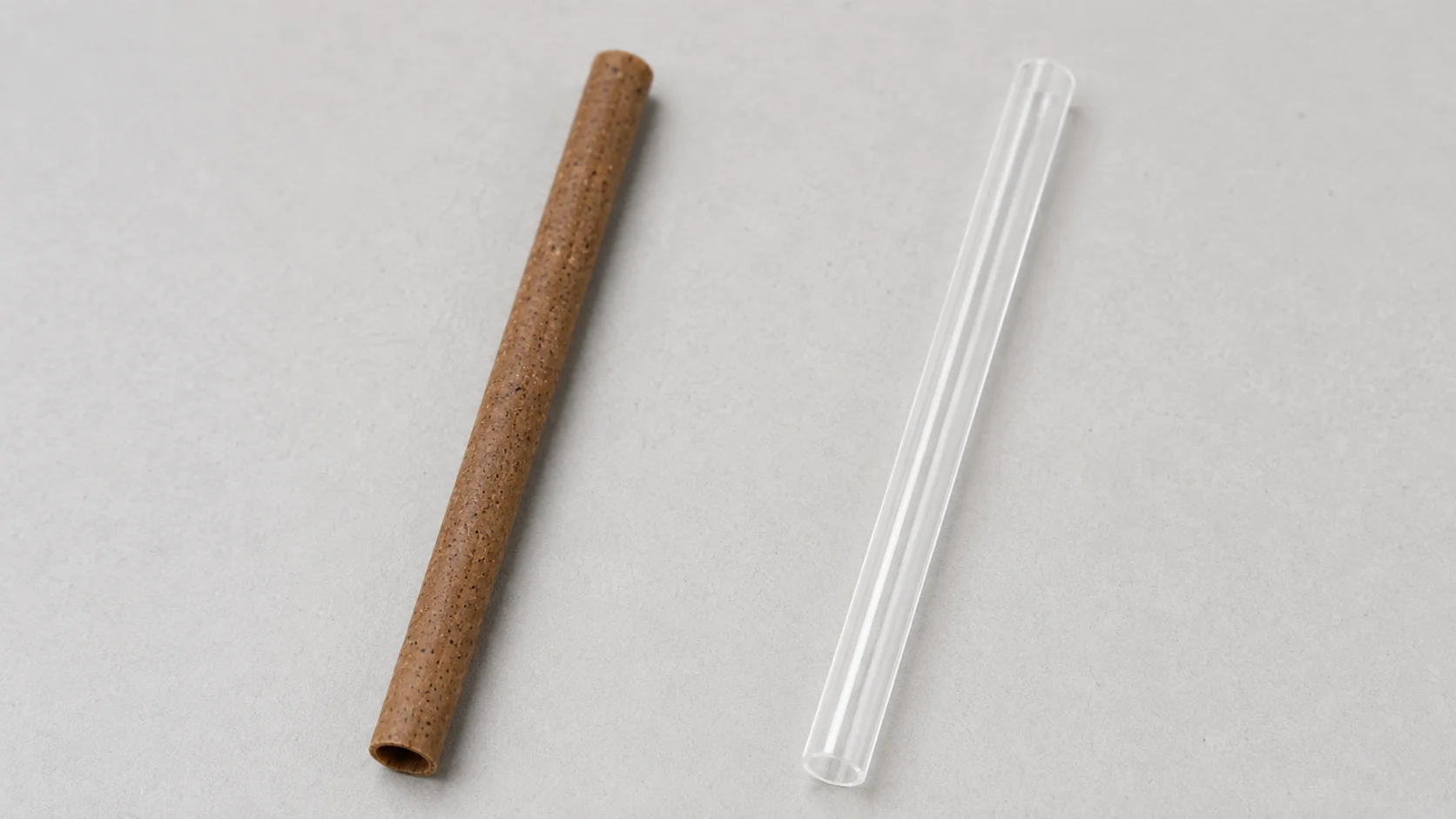
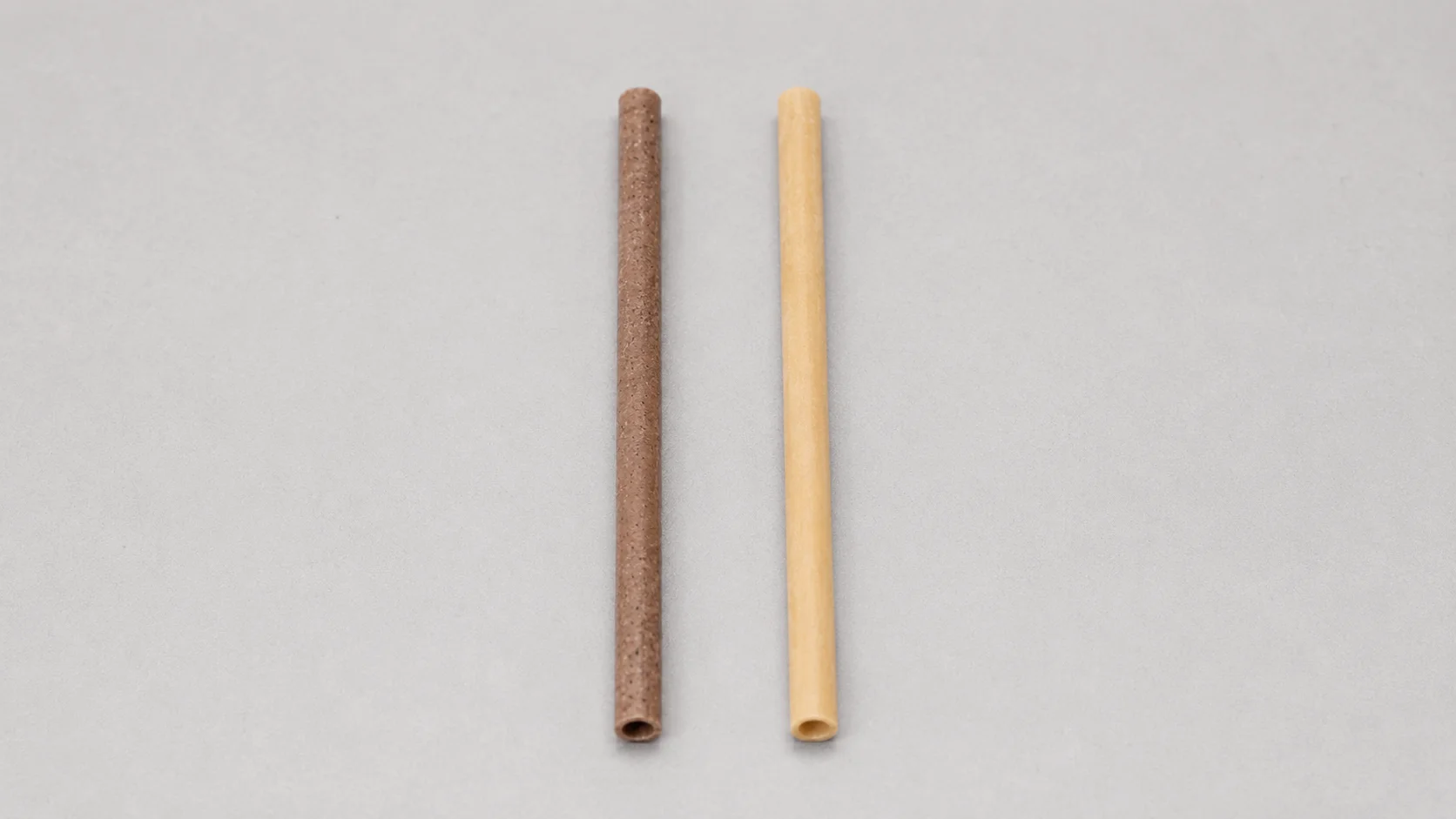
This is where sugarcane straws emerge as a superior solution. They are crafted from bagasse, the fibrous residue left behind after sugarcane stalks have been pressed to extract their juice. Crucially, the advanced manufacturing process meticulously removes all sugar content from this fibrous byproduct, resulting in a naturally neutral, tasteless, and odorless material perfectly suited for beverage consumption. This scientific refinement ensures the straw acts purely as a conduit, allowing the unadulterated taste of any drink to come through, exactly as intended.
Overwhelming Consensus
Industry experts and early adopters overwhelmingly confirm this taste neutrality. From chilled iced teas and refreshing sodas to robust hot coffees and delicate herbal infusions, sugarcane straws maintain integrity and, more importantly, do not contribute any extraneous flavors. This consistent performance ensures that your customers can savor the pure, intended taste profile of their beverages from the first sip to the last, without any unpleasant surprises.
The “Subtly Sweet” Exception (and how it’s a benefit)
While the vast majority of experiences highlight taste neutrality, a rare few users have reported a “subtly sweet taste” when using sugarcane straws. Far from being a negative flavor alteration, this is often perceived as an occasional, pleasant enhancement, particularly in certain beverages, adding a gentle, natural sweetness that complements the drink. This nuance, when it occurs, is typically mild and never intrusive, unlike the chemical or papery notes associated with less refined alternatives.

Beyond Taste: Superior Performance & Purity
Durability You Can Trust
The advantages of sugarcane straws extend far beyond taste. Unlike their flimsy paper counterparts, which often succumb to sogginess within minutes, sugarcane straws boast remarkable structural integrity. They maintain their firmness and usability for hours, performing consistently in a wide range of temperatures—from sub-zero iced coffees to steaming hot chocolates. This prevents the all-too-common “soggy straw frustration” that can negatively impact a customer’s perception of quality and service, thereby safeguarding your brand reputation.
Chemical-Free Assurance
I ré ina bhfuil scrúdú méadaitheach ar ábhair theagmhála bia, tá íonacht an tuaslagáin tuí roghnaithe ríthábhachtach. Go hiondúil bíonn sopaí súcrach saor ó cheimiceáin dhochracha amhail BPA, plaistigh díorthaithe peitriliam, bleach, agus miotail throma. Tá go leor leaganacha ardcháilíochta 100% saor ó PLA freisin, ag tabhairt aghaidh ar imní a bhaineann le bithphlaisteacha a dteastaíonn múiríniú tionsclaíoch uathu go fóill agus uaireanta a gcuirtear toirmeasc orthu faoi threoracha dochta plaisteacha aonúsáide. Níos tábhachtaí fós, tá sopanna siúcraí fíorSaor ó PFAS. This is a monumental differentiator. Recent studies have revealed alarming findings: many paper and bamboo straws, often marketed as eco-friendly, contain “forever chemicals” (Per- and Polyfluoroalkyl Substances, or PFAS). These synthetic compounds are used to impart water repellency but are highly persistent in the environment and human body, linked to serious health issues. By choosing PFAS-free sugarcane straws, businesses can confidently offer a safer, more natural drinking experience, safeguarding both customer well-being and environmental integrity. This commitment to purity is not just a preference; it’s rapidly becoming a regulatory imperative.

The Growing Imperative for True Sustainability
Navigating Regulatory Landscape
Tá an brú domhanda chun dul i ngleic le truailliú plaisteach tar éis an timpeallacht rialála d'earraí aonúsáide a athmhúnlú go mór. Is sampla suntasach é Treoir an Aontais Eorpaigh maidir le Plaistigh Aonúsáide (EU SUPD), a tháinig i bhfeidhm an 3 Iúil, 2021. Toirmisctear go sainráite leis an treoir seo sopaí plaisteacha traidisiúnta ar fud bhallstáit uile an AE. Go ríthábhachtach, leathnaíonn an toirmeasc seo chuig go leor bithphlaisteacha, lena n-áirítear PLA, plaistigh bithbhunaithe, agus fiú roinnt plaistigh “bhith-dhíghrádaithe” nó “in-múirín”, toisc go bhfuil siad fós aicmithe mar “plaisteach” faoi shainmhíniú docht na Treorach. Níl rialacháin dá leithéid leithlisithe; tá toirmisc agus srianta comhchosúla ag méadú ar fud an domhain, rud a spreagann géarghá le roghanna eile neamhphlaisteacha atá comhlíontach i ndáiríre. Tá brú ollmhór ar an earnáil fáilteachais, bialainne agus lónadóireachta (HoReCa), go háirithe, dul i ngleic le réitigh a shásaíonn na creataí dlí seo atá ag forbairt, ag cinntiú leanúnachas oibriúcháin agus ag seachaint pionóis chostasacha.The European Commission provides comprehensive information on the EU SUPD.
Extended Producer Responsibility (EPR)
Mar chomhlánú ar na toirmisc seo tá na treochtaí luathaithe i bhFreagracht Mhéadaithe ar an Táirgeoir (EPR). Cuireann creataí EPR iallach ar mhonaróirí agus ar bhrandaí freagracht iomlán airgeadais agus oibriúcháin a ghlacadh as saolré iomlán a dtáirgí agus a bpacáistithe, ón dearadh go dtí deireadh a ré. Ciallaíonn sé seo go bhfuil an t-ualach a bhaineann le bainistiú dramhaíola, athchúrsáil agus diúscairt shábháilte ag aistriú níos mó ó na bardais agus chuig na táirgeoirí féin, rud a spreagann ábhair atá fíor-inbhuanaithe. Tagann roghnú sopaí cána siúcra inmhúirín deimhnithe go foirfe le cuspóirí EPR, rud a léiríonn tiomantas do chiorclaíocht agus laghdú ar an tionchar ar an gcomhshaol, rud a d’fhéadfadh táillí laghdaithe i scéimeanna EPR éicea-mhodúla a bheith mar thoradh air. Meastar go sroichfidh an margadh sopaí domhanda atá neamhdhíobhálach don chomhshaol thart ar USD 25.1 billiún faoi 2035, rud a léiríonn an riachtanas tráchtála atá taobh thiar de na hathruithe seo.

Elevate Your Brand with Uncompromised Quality
Customer Experience First
In today’s competitive market, customer experience is the ultimate differentiator. Offering your patrons a premium, taste-neutral, and exceptionally durable straw experience signals a deep commitment to quality and satisfaction. Sugarcane straws eliminate the common complaints associated with soggy, flavor-leaching paper alternatives, ensuring every sip is as enjoyable as the beverage itself. This elevates the perceived value of your offerings, fostering customer loyalty and positive word-of-mouth.
Align with Eco-Conscious Values
Beyond immediate satisfaction, consumers are increasingly prioritizing businesses that demonstrate genuine environmental responsibility. By adopting truly eco-friendly sugarcane straws, you actively meet this growing demand, enhancing your Corporate Social Responsibility (CSR) profile. This alignment resonates deeply with environmentally conscious customers, strengthens your brand image, and attracts a demographic increasingly loyal to sustainable practices.
Cut Through “Greenwashing” with Confidence & Compliance
The FTC Green Guides & Honest Claims
Mar gheall ar an iomadú éileamh atá “cairdiúil don éiceolaíocht” tá “glasuchadh” forleathan, áit a ndéanann gnólachtaí ráitis comhshaoil gan bhunús nó míthreorach. Teastaíonn forairdeall agus cloí le creataí soiléire rialála chun dul tríd an tírdhreach seo. Sna Stáit Aontaithe, cuireann Treoracha Glasa an Choimisiúin Chónaidhme Trádála (FTC) treoirlínte ríthábhachtacha ar fáil chun éilimh mhargaíochta comhshaoil mealltacha a chosc. D’fhéadfadh pionóis shuntasacha a bheith mar thoradh ar éilimh nach bhfuil bunús leo faoi tháirgí a bheith “in-bhithmhillte” nó “in-múirín” gan fianaise eolaíoch chuí le haghaidh diúscartha tipiciúil. Is minic a bhíonn éilimh leathana neamhcháilithe cosúil le “éicea-chairdiúil” mealltach. Tá sé ríthábhachtach na treoracha seo a thuiscint agus cloí leo chun muinín a bheith ag tomhaltóirí agus chun forfheidhmiú a sheachaint.You can find the official FTC Green Guides documentation here.
Certification Matters
To counter greenwashing and ensure compliance, reputable third-party certifications are indispensable. These certifications provide verifiable proof of a straw’s eco-credentials, offering transparency and accountability.
- EN 13432 (An Eoraip): This European standard defines requirements for industrially compostable packaging: 90% breakdown into CO2 within six months; 90% disintegration into pieces smaller than 2mm within 12 weeks, without leaving harmful residues.
- ASTM D6400 / D6868 (North America): These ASTM standards are the North American equivalents for industrial compostability. ASTM D6400 specifies requirements for plastics designed to be aerobically composted in municipal or industrial facilities, requiring 90% biodegradation within six months and 90% disintegration within 12 weeks. ASTM D6868 focuses on compostable products, ensuring they break down into natural elements and are not visually distinguishable within 90 days.
- BPI & TÜV OK Compost: These are leading certification bodies. The Biodegradable Products Institute (BPI) certifies products to ASTM D6400/D6868 for industrial composting, strictly requiring products to be free of intentionally added PFAS and have total organic fluorine below 100 parts per million. TÜV Austria offers “OK compost INDUSTRIAL” (equivalent to EN 13432/ASTM D6400) and the more stringent “OK compost HOME” certifications, assuring breakdown in less controlled home composting environments. They also offer “OK biodegradable MARINE” for marine environments.
The following table provides a clear comparison of key compostability certifications:
| Caighdeán Deimhniúcháin | Geographic Focus | Timpeallacht Mhúiríniú | Key Requirements (General) | Ceanglas PFAS | Recognizable Label (Example) |
|---|---|---|---|---|---|
| GA 13432 | Eoraip | Tionscail | 90% biodegradation in 6 months; 90% disintegration in 12 weeks; no ecotoxicity | No specific PFAS ban | Seedling Logo |
| ASTM D6400 | Meiriceá Thuaidh | Tionscail | 90% biodegradation in 6 months; 90% disintegration in 12 weeks; no ecotoxicity | No specific PFAS ban | BPI Compostable Logo |
| Tiománaí ASTM D6868 | Meiriceá Thuaidh | Tionscail | Visually indistinguishable in 90 days; no toxic residue | No specific PFAS ban | BPI Compostable Logo |
| BPI Deimhnithe | Meiriceá Thuaidh | Tionscail | Meets ASTM D6400/D6868; 90% biodegradation in 90-180 days; 90% disintegration in 84 days | <100 ppm total organic fluorine | BPI Compostable Logo |
| TÜV OK múirín TIONSCAIL | Domhanda | Tionscail | Meets EN 13432; full compost formation in 180 days | PFAS often restricted | OK compost INDUSTRIAL Logo |
| TÜV OK múirín BAILE | Domhanda | Baile | 90% biodegradation in 1 year; 90% disintegration in 26 weeks; non-toxic | PFAS often restricted | OK compost HOME Logo |
For businesses, relying on products with these certifications is critical.Learn more about BPI certification and search for certified products on their official website.
The PFAS Advantage: A Critical Differentiator
Is ábhar imní suntasach é láithreacht PFAS i roghanna “éiceabhácha” nach mór do ghnólachtaí aghaidh a thabhairt orthu. Staidéir le déanaí, lena n-áirítear ceann a foilsíodh iFood Additives & Contaminants, revealed PFAS in a startling 90% of paper straws and 80% of bamboo straws tested in Europe. These “forever chemicals” are added for water repellency but are highly persistent and linked to severe health issues. This contaminates the very notion of “eco-friendly.” By offering genuinely PFAS-free sugarcane straws, you provide a critical differentiator. This ensures safety for your customers and aligns with increasingly stringent global regulations. Several states in the US (e.g., California, Maine, Minnesota, Colorado) have already implemented or are phasing in bans on PFAS in food packaging and other products, with the EU proposing a “Universal PFAS Restriction.” Choosing PFAS-free sugarcane straws is not just an ethical choice; it’s a strategic move to future-proof your business against evolving regulatory pressures and consumer expectations.
Réiteach Momoio: Tuí Siúcra Inbhuanaithe, Blas-Neodracha
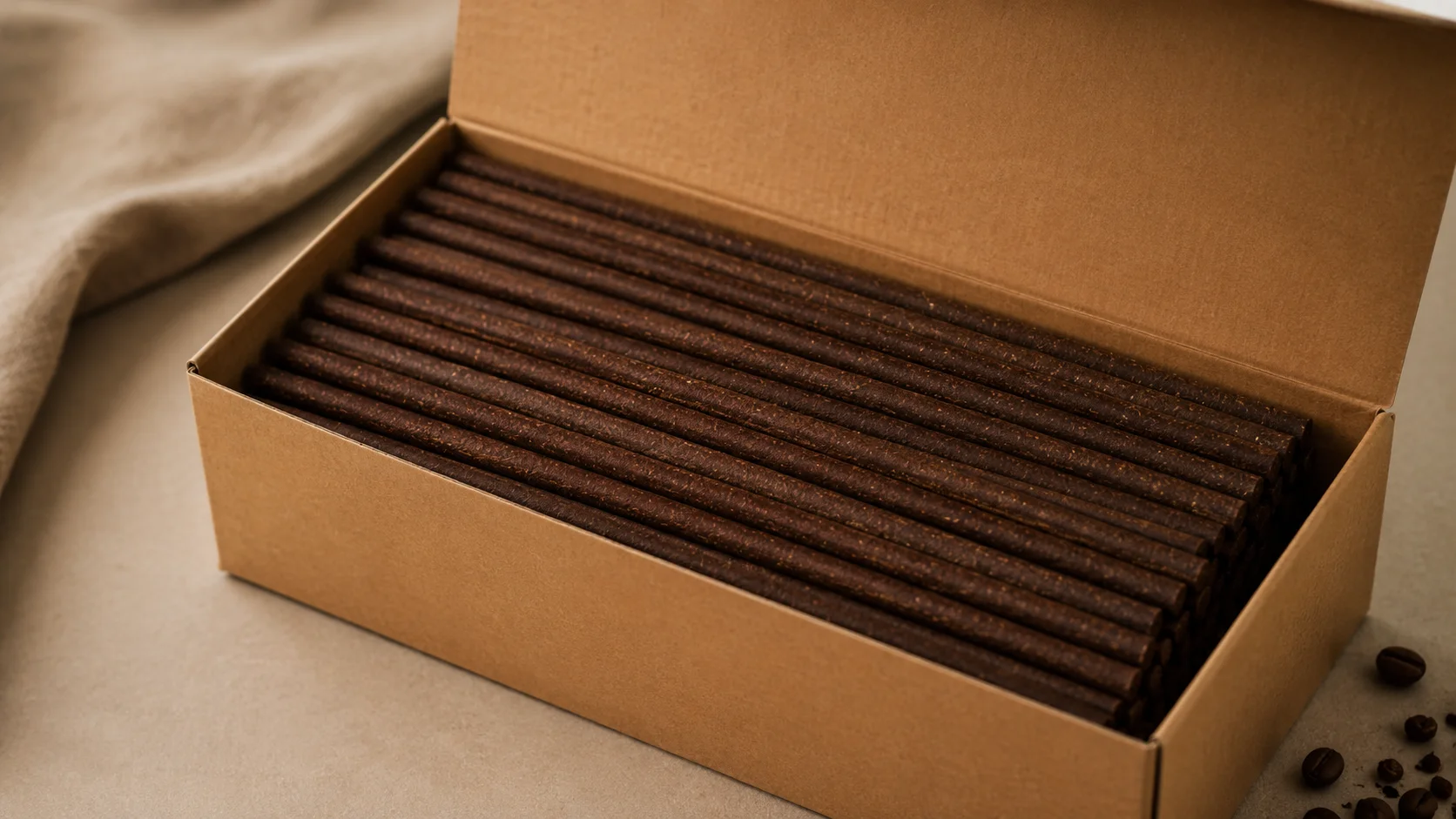
Ag MOMOIO, tuigimid na castachtaí a bhaineann le hinbhuanaitheacht, feidhmíocht agus comhlíonadh a chothromú do do ghnó. ÁrTuí Siúcra Inbhuanaithe Éicea-Cháirdiúilan cumasc foirfe feidhmíochta, íonachta, agus inbhuanaitheacht chruthaithe a thairiscint. Déanta as bagasse nádúrtha, tá siad deartha go cúramach le bheith blas-neodrach, thar a bheith buan, agus go dian saor ó cheimiceáin díobhálacha, lena n-áirítear BPA, peitriliam, bleach, miotail throma, agus níos tábhachtaí fós, PFAS. Is rogha iontach iad do ghnólachtaí atá ag iarraidh a dtaithí custaiméara a ardú agus iad ag tacú le fíor-mhaoirseacht comhshaoil.
We believe in a holistic approach to sustainability. Beyond our premium sugarcane straws, MOMOIO offers a comprehensive range of certified eco-friendly solutions to support your entire operation. Discover our innovativeTuí Talún Caifefor another unique, sustainable option, or explore our diverse selection of packaging. Complete your sustainable offerings with our certifiedPacáistiú Bia In-bhithmhilltesolutions, designed to minimize environmental impact from farm to fork.
MOMOIO is committed to providing tailored solutions for your unique business needs:
- For Cafes: Elevate your coffee experience and meet eco-conscious demand with our durable, taste-neutral straws and complementary sustainable packaging.
- For Hotels: Enhance your hospitality offerings with premium, compliant, and environmentally responsible beverage accessories.
- For Retail: Boost your brand image and attract discerning customers with sustainable products that align with modern consumer values.
Make the Switch Today
Don’t let inferior straws detract from your customers’ experience or your brand’s vital commitment to sustainability. The time for genuine change is now. Choose a solution that guarantees taste integrity, superior performance, and verifiable environmental responsibility, allowing your business to thrive in a rapidly evolving market.
Explore Momoio’s Sustainable CollectionGet a Custom Quote
Ceisteanna Coitianta
Taste • Durability • PFAS • Compliance • Certifications
No—sugarcane straws are engineered to be taste-neutral. During manufacturing, sugar content is removed from bagasse (the fibrous residue), so beverages retain their original flavor. Unlike many paper straws that can leave a papery aftertaste, sugarcane straws maintain a clean drinking experience. In rare cases users may perceive a very subtle sweetness, typically considered pleasant.
Sugarcane straws are significantly more durable. Paper straws often become soggy and lose rigidity, while sugarcane straws maintain structure and firmness for hours in both hot and cold beverages—eliminating “soggy straw” frustration and delivering a consistently pleasant user experience.
High-quality sugarcane straws are typically free from BPA, petroleum-derived plastics, bleach, heavy metals—and critically, PFAS (per- and polyfluoroalkyl substances). Always verify with reputable third-party certifications and request batch COA/TOF (total organic fluorine) results to ensure PFAS-free compliance.
Yes. Genuine sugarcane straws align with global regulations such as the EU Single-Use Plastics Directive (SUPD) when supplied as plastic-free, fiber-based products. Their certified compostability also supports Extended Producer Responsibility (EPR) goals and broader circular economy targets.
Look for third-party marks such as:
GA 13432 (EU industrial compostability), ASTM D6400/D6868 (North America), BPI certification, and TÜV OK compost (INDUSTRIAL / HOME). These confirm biodegradation, disintegration, eco-toxicity limits, and—where applicable—PFAS-free criteria.