Tá pointe ríthábhachtach roimh an tionscal fáilteachais domhanda, faoi bhrú ag rialacháin chomhshaoil atá ag dul i méid agus tírdhreach tomhaltóirí atá ag athrú go tapa. Siombail de dhíghrádú comhshaoil is ea sopaí plaisteacha traidisiúnta, a bhíodh uileláithreach tráth, agus iad ag maireachtáil leis na céadta bliain agus ag láisteadh ceimiceáin tocsaineacha isteach in éiceachórais. Tá scála ollmhór na faidhbe seo ag dul thar barr; Caitheann Meiriceánaigh leo féin tuairim is 500 milliún sop plaisteach gach lá, agus éillíonn cuid shuntasach díobh aigéin agus láithreáin líonta talún ar deireadh.
Tá gníomh reachtach cinntitheach tar éis dul i ngleic leis an ngéarchéim chomhshaoil mhéadaithe seo. Chuir Treoir an Aontais Eorpaigh maidir le Plaistigh Aonúsáide (SUPD), le héifeacht Iúil 2021, toirmeasc sainráite ar go leor míreanna plaisteacha aonúsáide, lena n-áirítear sopaí, ar fud na mBallstát. Tá srianta comhchosúla ag méadú ar fud an domhain, le cathracha mar Nua-Eabhrac ag cur fíneálacha ó $100 go $400 i bhfeidhm ar neamhchomhlíonadh na dteorainneacha tuí plaisteacha. Do bhainisteoirí soláthair, stiúrthóirí oibríochtaí, oifigigh inbhuanaitheachta, agus feidhmeannaigh an tslabhra soláthair, is dúshlán mór é má dhéantar nascleanúint a dhéanamh sa chathair ghríobháin rialála seo agus éifeachtacht oibriúcháin agus sástacht na gcustaiméirí a chothabháil. Ní hamháin go bhfuil rioscaí suntasacha comhlíonta agus pionóis airgeadais ionchasacha ag baint le neamhaird a dhéanamh den athrú seo ach tá baol ann freisin bonn cumhachtach tomhaltóirí a choimhthiú. Léiríonn staidéir gur fearr le suas le 70% de thomhaltóirí go gníomhach brandaí fáilteachais a léiríonn tionscnaimh inbhuanaitheachta soiléire, tosaíocht a imríonn tionchar díreach ar chinntí áirithinte agus a chothaíonn dílseacht fhadtéarmach. Ní rogha éiceolaíoch amháin atá san aistriú chuig roghanna eile inbhuanaithe a thuilleadh; is riachtanas tráchtála é.
Is riachtanas tráchtála do ghnólachtaí fáilteachais nua-aimseartha é glacadh le sopaí inbhuanaithe.
Tuí Siúcra: Réiteach Áisiúil In-chomhdhéanta do Sheirbhís Ard-Imleabhar
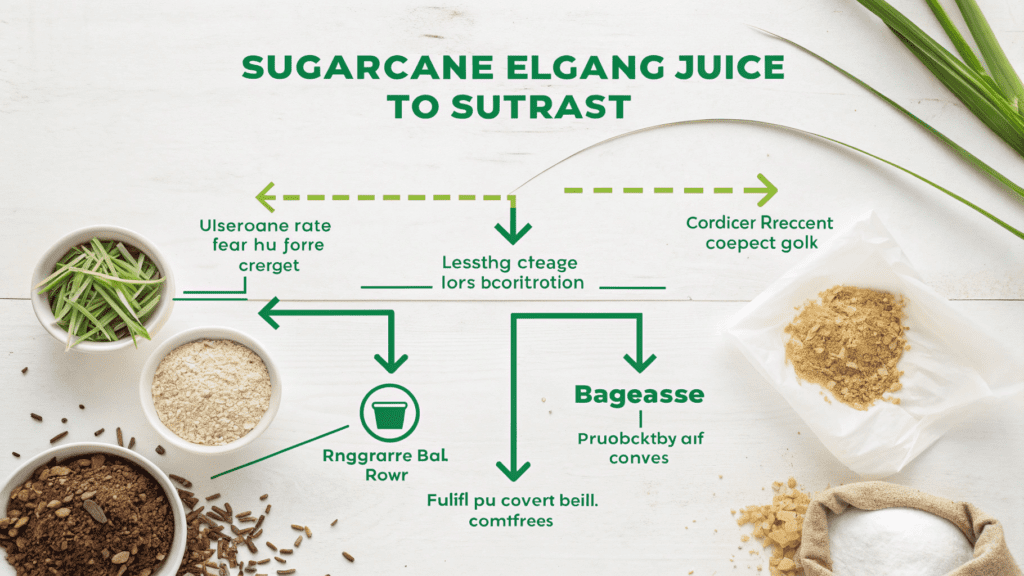
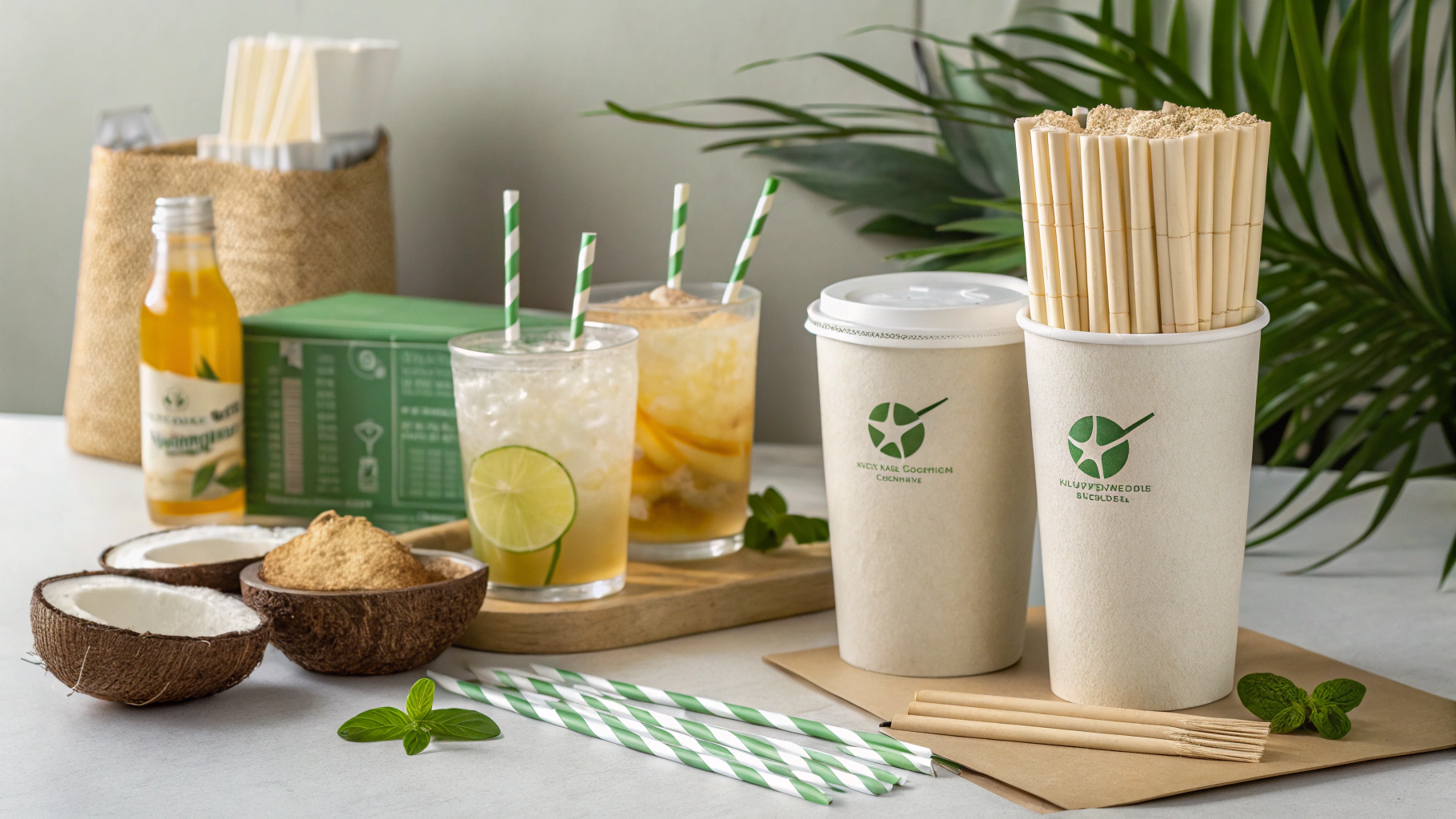
I gcás gnólachtaí fáilteachais atá ag lorg rogha phragmatach ard-toirte seachas sopaí plaisteacha, tagann sopaí cána siúcra chun cinn mar réiteach an-láidir. Déantar na sopaí nuálacha seo a dhéanamh as bagasse, an t-iarmhar snáithíneach a fhágtar tar éis na gais siúcraí a bhrú chun sú a eastóscadh. Aistrítear an dramhaíl thionsclaíoch, murach sin, go hacmhainn luachmhar inmhúirín, ag tacú le prionsabail an gheilleagair chiorclaigh, leis an úsáid éirimiúil seo a bhaintear as fotháirge talmhaíochta.
Hygienic Single-Use & Superior Performance:
Deartar sopáin siúcra mar ítimí aonúsáide sláinteachais, rud a chuireann deireadh leis na prótacail glantacháin atá dian ar shaothar agus na rioscaí tras-éillithe a bhaineann le roghanna eile in-athúsáidte. Murab ionann agus sopanna páipéir, a n-éiríonn soggy go suntasach laistigh de nóiméid, coinníonn sopanna súcra a n-ionracas struchtúrach ar feadh uaireanta i ndeochanna te (in ainneoin teochtaí suas le 90°C/194°F) agus i ndeochanna fuara, rud a chinntíonn eispéireas sipeála comhsheasmhach agus taitneamhach. Tá an fheidhmíocht láidir seo ríthábhachtach do shuímh ghnóthach fáilteachais ina bhfuil sásamh an chustaiméara ag brath ar iontaofacht.
Biodegradability & Low Environmental Impact:
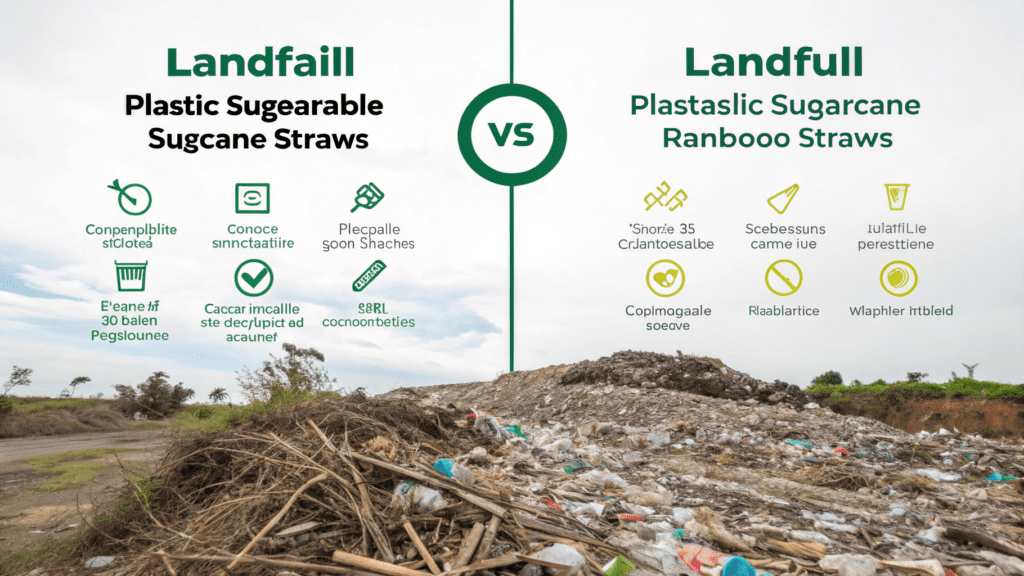
Mar thuaslagán plandaí-bhunaithe 100%, deimhnítear sopaí cána siúcra in-mhúirín. Déantar iad a innealtóireacht le briseadh síos go nádúrtha, go hiondúil laistigh de 90-180 lá in áiseanna múirínithe tráchtála, agus fiú laistigh de sheachtainí go míonna i gcórais mhúirín baile, rud a fhágann nach bhfuil aon iarmhar díobhálach nó micreaplaistigh ina ndiaidh. Laghdaíonn an dianscaoileadh tapa seo an t-ualach líonadh talún go suntasach agus cuireann sé go dearfach le spriocanna laghdaithe lorg carbóin na bunaíochta fáilteachais. Tá an próiseas táirgthe féin thar a bheith éifeachtach, a éilíonn níos lú fuinnimh i gcomparáid le go leor roghanna eile tuí. Chun léargas níos doimhne a fháil ar na buntáistí comhshaoil a bhaineann le táirgí atá bunaithe ar shiúcra, déan iniúchadh ar ár n-alt arTuí Siúcra Inbhuanaithe le haghaidh Fáilteachais B2B.
Regulatory Compliance & Purity:
Tá comhlíonadh ríthábhachtach do chinnteoirí B2B. Déantar dianthástáil ar shíbeanna siúcra agus is minic a bhíonn deimhnithe ar nós BPI Industrial, TUV OK Compost Home, agus TUV OK Compost Industrial. Tá sé ríthábhachtach go bhfuil siad ceadaithe ag US FDA, saor ó PLA, saor ó BPA, agus saor ó PFAS (substaintí in aghaidh agus polyfluoralkyl). Cinntíonn an comhdhéanamh glan seo go gcloítear go hiomlán le rialacháin dochta mar Threoir an AE maidir le Plaistigh Aonúsáide, rud a thugann suaimhneas intinne do ghnólachtaí maidir le rochtain ar an margadh agus cloí le rialúcháin.
Tairgeann sopaí siúcraí réiteach aonúsáide iontaofa, inmhúirín agus comhlíontach le haghaidh fáilteachais.
Tuí Bambú: An Rogha Éicea-Chic In-ath-inúsáidte le haghaidh Íomhá Branda Feabhsaithe
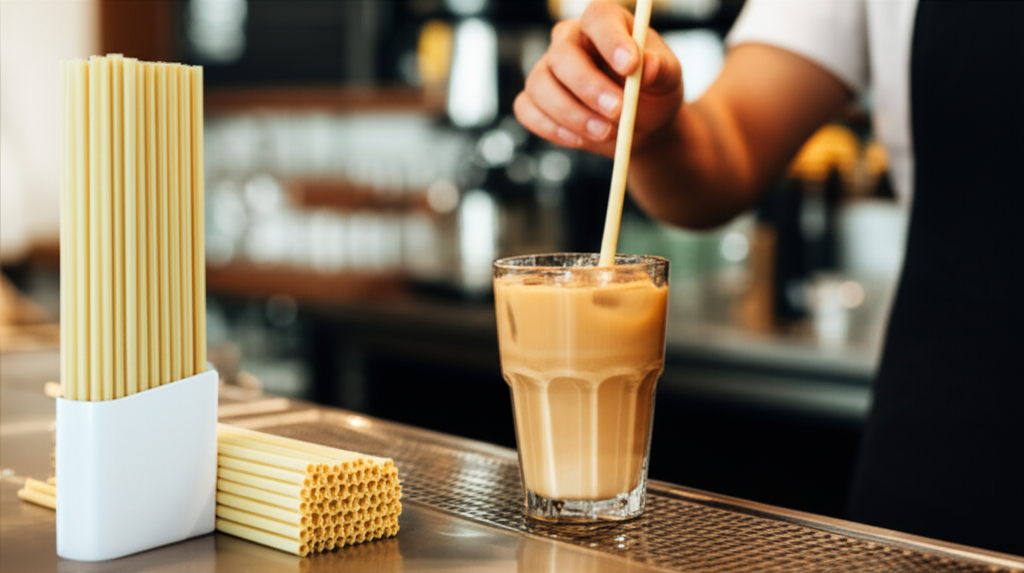
I gcodarsnacht leis an áisiúlacht aon-úsáide de sugarcane, sopanna bambú a thairiscint marthanach, ath-inúsáidte, agus go háirithe éicea-chic rogha is féidir a fheabhsú go suntasach íomhá branda fáilteachais. Baintear an bambú as ceann de na plandaí is mó fáis ar domhan, agus is acmhainn thar a bheith in-athnuaite é bambú, ag ionsú níos mó CO2 agus ag scaoileadh níos mó O2 ná an chuid is mó de chrainn, ag cur go dearfach le cáilíocht an aeir agus iarrachtaí leithlisithe carbóin.
Robust Reusability & Natural Aesthetic:
Is buanseasmhach iad sopaí bambú agus déantar iad a dhearadh le haghaidh ilúsáidí, rud a fhágann gur infheistíocht fhadtéarmach iad do bhunaíochtaí atá tiomanta do dhramhaíl a íoslaghdú. Cuireann a ndraíocht nádúrtha, tuaithe le teagmháil bharántúil, orgánach a bhaineann le tomhaltóirí éicea-chomhfhiosacha agus a ardaíonn luach braite an eispéiris óil, go háirithe i suíomhanna préimhe nó ceardaithe. Is féidir leis an achomharc aeistéitiúil seo feidhmiú mar dhifreálaí cumhachtach, ag treisiú tiomantas branda don inbhuanaitheacht.
Neart Meicniúil Treasach:
Seachas a n-tarraingt amhairc, tá sláine meicniúil iontach ag sopanna bambú. Léirigh staidéir a rinne taighdeoirí ar nós Yu Luan agus comhghleacaithe ag an Lárionad Idirnáisiúnta um Bambú agus RatánComment (ICBR) go léiríonn sopaí bambú láidreachtaí comhbhrúiteacha de 16.42–19.01 MPa agus láidreachtaí lúbthachta 14.21–15.02 MPa. Is fearr go mór na figiúirí seo ná sopaí páipéir agus fiú sopaí PLA, rud a thugann mothú docht, láidir do bambú atá inchomparáide le plaisteach traidisiúnta. Cinntíonn an láidreacht bhunúsach seo taithí shásúil don úsáideoir, rud a íoslaghdaíonn imní faoi bhriseadh nó titim.
Water Resistance & Purity:
Tá friotaíocht uisce ar fheabhas ag sopaí bambú freisin, ag ionsú i bhfad níos lú uisce ná sopaí páipéir agus ag cothabháil neart fliuch 4.36 uair níos mó. Ciallaíonn sé seo nach ndíghrádóidh siad ná nach laghdóidh siad, fiú i dteagmháil fhada le leachtanna. Ar ndóigh saor ó cheimiceáin dhochracha, cuireann sopaí bambú eispéireas sipeála íon agus sábháilte ar fáil, ag seachaint blasanna nó substaintí nach dteastaíonn a thabhairt isteach i ndeochanna. Cé go bhfuil sé thar a bheith inbhuanaithe, tá gnéithe tábhachtacha ann agus sopanna bambú ath-inúsáidte á nglacadh. Chun tuilleadh a fhoghlaim faoi ghasúir choitianta, féach ar ár n-acmhainn arTuí Bambú Míbhuntáistí i Seirbhís Bia Fáilteachais.
Tairgeann sopaí bambú ath-inúsáidteacht mharthanach agus aeistéitiúil nádúrtha le haghaidh íomhá branda feabhsaithe.
Comparáid Dhíreach: Tuí Bambú vs Siúcraí do Ghnóthaí Fáilteachais
Chun an tuí inbhuanaithe is fearr a roghnú, teastaíonn tuiscint níos fearr ar thionchar oibríochta B2B gach rogha, ar impleachtaí comhlíonta agus ar acmhainneacht ROI. Tugann an tábla thíos comparáid dhíreach le cinnteoirí cúnaimh.
| Gné | Tionchar Oibriúcháin B2B | Nóta Comhlíonta | Acmhainneacht ROI |
|---|---|---|---|
| Foinsiú Ábhar | Úsáideann Sugarcane dramhaíl talmhaíochta (bagasse), ag cothú múnla geilleagair chiorclaigh. Tá bambú ag fás go tapa ach teastaíonn foinsiú eiticiúil, arna bhainistiú go hinbhuanaithe chun monashaothrú agus róghearradh a sheachaint. | Ailíníonn Sugarcane gan uaim le prionsabail an gheilleagair chiorclaigh; Ba cheart Rialachán Frith-dhífhoraoisithe an AE (EUDR) a mheas le haghaidh slabhraí soláthair domhanda. Ní mór foinsiú bambú a bheith ó fhoraoisí inbhuanaithe deimhnithe chun sláine comhshaoil a chinntiú. | Sugarcane: Costais diúscartha dramhaíola laghdaithe (15-25% le haghaidh oibríochtaí móra), costas ábhair níos ísle ná roghanna eile maighdean. Bambú: Costas tosaigh aonaid níos airde, ach féidearthacht coigiltis fadtéarmacha trí ath-inúsáidteacht, minicíocht athcheannaigh a laghdú agus toirt dramhaíola a íoslaghdú. |
| Marthanacht/Úsáid | Sugarcane: Aonúsáide, comhsheasmhach soggy-saor in aisce ar feadh uaireanta, oiriúnach le haghaidh ard-toirte, láimhdeachas tapa. Bambú: Cuireann ilúsáid (le cúram dícheallach), an-righin, uigeacht inchomparáide le plaisteach; oiriúnach le haghaidh sips níos faide. | Comhlíonann an dá cheann toirmisc go ginearálta ar phlaistigh aonúsáide. Cuireann Sugarcane deireadh le buarthaí tras-éillithe, atá oiriúnach do shláinte an phobail. Éilíonn bambú prótacail ghlanadh dian agus láimhseáil chúramach; Tá breithnithe HACCP ríthábhachtach do shuíomhanna tráchtála mar gheall ar nádúr póiriúil. | Sugarcane: Optimizes éifeachtúlacht le haghaidh oibríochtaí ard-toirt, laghdaíonn saothair do ghlanadh, ag cinntiú sláinteachas comhsheasmhach. Bambú: Laghdaíonn sé dramhaíl inchaite, d'fhéadfadh go gcothaíonn sé dílseacht níos doimhne do chustaiméirí ó aíonna a bhfuil meas acu ar ath-inúsáidteacht, ach tabhaíonn sé saothair le haghaidh glantacháin agus féidearthacht diúscartha roimh am mura gcothaítear é, rud a chuireann isteach ar an gcostas-éifeachtúlacht iomlán. |
| In-bhithmhillteacht | Sugarcane: Baile agus tionsclaíoch inmúirín (90-180 lá), ag cur le atreorú líonadh talún. Bambú: In-bhithmhillte/múirín, ach b'fhéidir go mbeadh gá le múiríniú tionsclaíoch má chóireáiltear é; imní faoi PFAS i roinnt brandaí. | Sugarcane deimhnithe BPI, Baile/Tionsclaíoch Múirín OK TUV, EN 13432, EN 13432, lena n-áirithítear comhlíonadh iomlán na gcaighdeán múirínithe agus saoirse ó “cheimiceáin go deo”. Bambú go hiondúil USDA BioPreferred (99-100% bithbhunaithe), ach tá gá le seiceáil cúramach soláthraithe chun PFAS a bhrath le déanaí i roinnt brandaí. | Sugarcane: Laghdaíonn sé táillí líonadh talún, feabhsaítear scéal laghdaithe lorg carbóin an bhranda. Bambú: Laghdaíonn sé dramhaíl líonadh talún, ailínithe le spriocanna neodrachta carbóin, ach tá Poitéinseal Téamh Domhanda (GWP) níos airde (GWP) ná plaisteach ag cás aonúsáide le haghaidh bambú in-athúsáidte ná plaisteach, ag cur béime ar an tábhacht a bhaineann le hathúsáid iarbhír. |
| Sláinteachas | Sugarcane: Aonúsáide, deireadh a chur le riachtanais ghlantacháin, cosc dúchasach ar thras-éilliú. Bambú: In-athúsáidte, éilíonn glanadh agus triomú críochnúil chun múnla/baictéar a chosc; castaíonn nádúr scagach sláintíocht tráchtála. | Sugarcane: US FDA ceadaithe, ag cinntiú sábháilteacht bia le húsáid láithreach. Bambú: Tá airíonna antibacterial nádúrtha aige, ach tá cúram cuí ríthábhachtach chun comhlíonadh sábháilteachta bia a chothabháil i dtimpeallachtaí seirbhíse bia tráchtála. | Sugarcane: Costais saothair íseal do ghlanadh, caighdeáin sláinteachais comhsheasmhach, rioscaí oibriúcháin a íoslaghdú. Bambú: Ard-saothair glantacháin, féidearthacht diúscartha roimh am mura leantar go docht le prótacail sláinteachais, rud a chuireann isteach ar éifeachtúlacht costais agus ar chastacht oibriúcháin a mhéadú. |
| Aeistéitic/Blas | Siúcra: Blas/boladh neodrach, cuma mhín, íostach, aonfhoirmeach. Achomharc leathan do shuíomhanna fáilteachais éagsúla. Bambú: D'fhéadfadh cuma nádúrtha rustach blas "adhmadach" caolchúiseach nó mídhath a thabhairt le himeacht ama le leachtanna dorcha. | De ghnáth bíonn an dá cheann neodrach ó thaobh blas d’fhormhór na bhfeidhmchlár, ach is féidir roghanna céadfacha a athrú. | Sugarcane: Achomharc leathan sa mhargadh, taithí úsáideora comhsheasmhach, inoiriúnaithe d'aeistéitic branda éagsúla. Bambú: Achomharc nideoige, feabhsaíonn sé féiniúlacht branda “éicea-chic”, poitéinseal le haghaidh greanadh lógó saincheaptha do bhunaíochtaí préimhe. |
Bíonn tionchar ag roghnú na tuí ceart ar oibríochtaí, ar chomhlíonadh agus ar Phoblacht na hÉireann do ghnóthaí fáilteachais.
Do Rogha a Oibriú: Príomhghnéithe don Fháilteachas
Chun réitigh inbhuanaithe tuí a chur i bhfeidhm go héifeachtach tá gá le fadbhreathnaitheacht straitéiseach agus pleanáil mhionsonraithe thar roinnt piléir oibríochta:
- Prótacail Sláinteachais agus Comhlíonadh HACCP: Maidir le sopaí bambú ath-inúsáidte, tá prótacail dochta glantacháin agus sláintíochta neamh-shainaitheanta. Ní mór do ghnólachtaí a chinntiú go gcomhlíonann sopaí roghnaithe caighdeáin ríthábhachtacha sábháilteachta bia amhail HACCP (Anailís Guaise agus Pointí Rialaithe Criticiúla). Cé go bhfuil airíonna antibacterial nádúrtha ag bambú, éilíonn a nádúr scagach triomú críochnúil chun fás múnla a chosc, rud a d'fhéadfadh a bheith ina dhúshlán lóistíochta i gcistineacha tráchtála ard-toirte. Tá sopanna súcrachna, agus iad aonúsáide, ag dul i leataobh go bunúsach leis na dúshláin chasta sláinteachais seo.
- Anailís Costas-Tairbhe Thar Phraghas Aonaid: Cé go bhfuil sé fíor go bhfuil cuma níos costasaí ar roghanna eile atá neamhdhíobhálach don chomhshaol ar dtús – is féidir le sopaí páipéir, mar shampla, a bheith 400% níos costasaí ná plaisteach – caithfidh anailís chuimsitheach costais is tairbhe a bheith níos faide ná an praghas aonaid. Fachtóir ar an bpoitéinseal do tháillí diúscartha dramhaíola laghdaithe (is féidir a bheith 15-25% níos ísle i gcás oibríochtaí móra mar gheall ar atreorú dramhaíola), fíneálacha neamhchomhlíonta a sheachaint, agus an t-ardú suntasach ar an íomhá branda. Aistríonn an dearcadh branda feabhsaithe agus an dílseacht mhéadaithe do chustaiméirí ó thomhaltóirí éicea-chomhfhiosacha go ROI inláimhsithe.
- Sourcing Transparency & Certifications: Tá sé ríthábhachtach dul i gcomhpháirtíocht le soláthraithe fíoraithe. Teastais láidre, soiléire a éileamh amhail BPI (Institiúid Táirgí In-bhithdhíghrádaithe), EN 13432 (caighdeán Eorpach um in-mhúiríniú), nó USDA BioPreferred. Maidir le cána siúcra, cinntigh go bhfuil sé saor ó PLA agus saor ó PFAS. Maidir le bambú, fiafraigh faoi chleachtais bhuainte inbhuanaithe chun róbharra a sheachaint agus deimhnigh gan aon éilliú PFAS. Cuidíonn foinsiú trédhearcach le rioscaí a bhaineann le rialacháin amhail Rialachán Frith-Dhífhoraoisithe an AE (EUDR) a mhaolú, lena n-áirithítear slabhraí soláthair eiticiúla agus comhlíontacha.
- Oiliúint Foirne agus Oideachas do Chustaiméirí: Teastaíonn oiliúint chuimsitheach don fhoireann maidir le láimhseáil cheart, riar agus modhanna diúscartha le haghaidh soip nua chun go n-éireoidh leis an aistriú. Tá sé chomh tábhachtach céanna oideachas a chur ar chustaiméirí faoi thairbhí sopaí inbhuanaithe, a n-ionchais maidir le huigeacht nó ath-inúsáidteacht a bhainistiú, agus treoracha cuí diúscartha a chur in iúl go soiléir (m.sh. boscaí bruscair tiomnaithe). Cothaíonn an rannpháirtíocht seo comhthiomantas don inbhuanaitheacht agus cuireann sé le heispéireas iomlán an chustaiméara. Smaoinigh ar do chuid iarrachtaí a thaispeáint trí dhul i gcomhpháirtíocht le soláthraithe a thairgeann soláthairtí bialainne atá neamhdhíobhálach don chomhshaol mar roghanna cána siúcra agus bambú, mar a aibhsítear inár n-alt ar Soláthairtí Bialann Éicea-Cháirdiúil.
Teastaíonn pleanáil straitéiseach agus oideachas foirne le cur i bhfeidhm éifeachtach inbhuanaithe tuí.
Tionchar Fíordhomhanda: Athrú sa Tírdhreach Tuí (Mion-Chás-Staidéar)
Ní teoiriciúil amháin an t-aistriú chuig sopanna inbhuanaithe; is iontach an rath é do ghnólachtaí fáilteachais atá ag smaoineamh chun cinn. Soláthraíonn cuideachta Astrálach STRWD cás-staidéar láidir ar an athrú seo. Laistigh dá bhliain tionscnaimh, d'éirigh le STRWD roghanna malartacha siúcra-chána a chur in ionad níos mó ná 500,000 sop traidisiúnta thar 60 láithreán. Ní hamháin gur laghdaigh an t-aistriú substaintiúil seo a lorg dramhaíola go suntasach ach chuir sé feabhas suntasach ar shástacht na gcustaiméirí trí dheireadh a chur leis an ngearán coitianta maidir le sopaí boga páipéir. Leagann taithí STRWD béim ar fhéidearthacht oibriúcháin agus ar fháiltiú thar a bheith dearfach na sopaí cána siúcra i dtimpeallachtaí fáilteachais ardtoirte, rud a chruthaíonn gur féidir le roghanna inbhuanaithe feabhsuithe inláimhsithe a sheachadadh ar thionchar comhshaoil agus ar thaithí an chustaiméara araon.
Cruthaíonn rath STRWD go gcuireann sopanna inbhuanaithe le hoibríochtaí agus le sástacht na gcustaiméirí.
Forbhreathnú Amach Anseo: Margadh Tuí Inbhuanaithe atá ag Fás
Is é an bealach le haghaidh sopaí inbhuanaithe ná fás luathaithe agus nuálaíocht leanúnach, á thiomáint ag brúnna rialála agus dinimic an mhargaidh atá ag athrú.
- Réamh-mheastacháin Fáis Margaidh: Táthar ag tuar go méadóidh an margadh domhanda sopaí in-mhúirín go suntasach, ó USD 1.9 billiún in 2025 go dtí $3.8 billiún mórthaibhseach faoi 2035, rud a thaispeánann Ráta Comhdhúil Fáis Bliantúil (CAGR) de 7.1%. Léiríonn sé seo éileamh láidir agus leanúnach ar roghanna eile atá neamhdhíobhálach don chomhshaol.
- Ceannasacht na Deighleog Seirbhíse Bia: Táthar ag súil go ndaingneoidh an earnáil seirbhíse bia, lena n-áirítear bialanna, bialanna mearseirbhíse (QSRanna), óstáin agus caiféanna, a seasamh mar an tiománaí is mó sa mhargadh, réamh-mheasta go mbeidh 52.8% den mhargadh sopaí inmhúirín aige in 2025. Léiríonn sé seo aistriú réamhghníomhach an tionscail fáilteachais i dtreo na hinbhuanaitheachta.
- Nuálaíocht i Súnna Bithbhunaithe: Tá taighde agus forbairt leanúnach dírithe ar fheabhas a chur ar shaintréithe feidhmíochta sopaí bithbhunaithe chun plaistigh thraidisiúnta a mheaitseáil nó fiú dul thar barr leo, agus in-bhith-dhíghrádaithe iomlán á gcoinneáil. Áirítear leis seo dul chun cinn in eolaíocht an ábhair chun sopanna a chruthú atá níos marthanaí, teas-resistant, agus taitneamhach ó thaobh aeistéitiúil de, ag tabhairt aghaidh ar aon bhearnaí feidhmíochta fada. Mar shampla, tá maoiniú suntasach faighte ag cuideachtaí cosúil le Sulapac Ltd. chun táirgeadh a gcuid teicneolaíochtaí tuí inmúirín bithbhunaithe agus saor ó PLA a mhéadú.
- Fórsaí Tiomána Rialála: Leanfaidh toirmisc níos déine ar thuí plaisteacha agus treoracha cuimsitheacha comhshaoil de bheith ina bpríomh-chatalaíoch d'éileamh an mhargaidh. Taobh amuigh de SUPD an AE, léiríonn rialacháin áitiúla, amhail srianta Samhain 2021 Chathair Nua-Eabhrac ar shopaí plaisteacha (le fíneálacha idir $100 agus $400 as sáruithe), mar shampla den mhóiminteam reachtach atá ag dul i méid ag brú gnólachtaí i dtreo roghanna comhlíontacha. Cruthaíonn an timpeallacht rialála seo dúshlán agus deis shuntasach mhargaidh do ghnólachtaí a ghlacann réitigh inbhuanaithe.
- Léargais Mheasúnaithe Saolré: De réir mar a aibíonn an margadh, beidh ról níos tábhachtaí ag Measúnuithe Saolré (LCAnna). Cé go léiríonn roinnt LCAanna ar shíoga bambú ath-inúsáidte lorg carbóin tosaigh níos airde i gcomparáid le plaisteach mura n-úsáidtear é ach uair amháin, laghdaítear a dtionchar comhshaoil in aghaidh na húsáide go suntasach le húsáid arís agus arís eile. Treisíonn sé sin an gá atá le córais oideachais agus oibriúcháin do thomhaltóirí a thacaíonn go fírinneach le hath-inúsáidteacht. Os a choinne sin, is minic a bhíonn ualach iomlán comhshaoil níos ísle ag sopaí cána siúcra, a úsáideann dramhaíl talmhaíochta, mar gheall ar a dtáirgeadh ó fhotháirgí agus a dhianscaoileadh tapa. Is léir go laghdaíonn an dá rogha an lorg carbóin i gcomparáid le plaisteach, ar féidir leis a bheith 10-15 kg CO2e in aghaidh an 1,000 sop, i gcomparáid le 2-4 kg CO2e do roghanna in-bhithdhíghrádaithe.
Tá an margadh tuí inbhuanaithe ag fás, á thiomáint ag nuálaíocht agus rialacháin.
Competitive Advantage & Business Case
Do chinnteoirí B2B, cuireann an mhaighdeog straitéiseach i leith sopaí inbhuanaithe buntáiste iomaíoch ilghnéitheach. Seachas comhlíonadh amháin, imríonn an t-aistriú seo tionchar díreach ar do bhunlíne agus ar do sheasamh sa mhargadh:
- Coigilteas Costais Inchainníochtaithe: Cé go bhféadfadh costais tosaigh aonaid le haghaidh soip inbhuanaithe a bheith beagán níos airde, is suntasach an choigilt san fhadtéarma. Bíonn tionchar díreach ag táillí diúscartha dramhaíola laghdaithe, go minic ag laghdú 15-25% i gcás oibríochtaí móra, ar lastuas. Cosnaítear cobhsaíocht airgeadais trí fhíneálacha suntasacha neamhchomhlíonta a sheachaint mar gheall ar rialacháin áitiúla agus idirnáisiúnta atá ag dul i méid ar nós SUPD an AE.
- Maolú Riosca: Má ghlactar go réamhghníomhach le réitigh atá neamhdhíobhálach don éiceolaíocht, maolaítear rioscaí rialála, áirithítear rochtain leanúnach ar an margadh agus seachnaítear briseadh oibriúcháin costasacha. Cruthaíonn sé do ghnó don todhchaí in aghaidh géarú ar shainorduithe comhshaoil.
- Ardú Luach Branda: Má dhéantar ailíniú le tionscnaimh láidre inbhuanaitheachta is féidir do scóir íomhá branda a mhéadú 15-20% i measc tomhaltóirí atá meabhrach don chomhshaol. Aistríonn sé seo go sásamh custaiméirí méadaithe (suas le 15% feabhas ar scóir), dílseacht níos láidre, agus cáil feabhsaithe laistigh den tionscal. I margadh ina bhfuil luach ag 70% de thomhaltóirí ar inbhuanaitheacht, is bealach díreach é seo chuig áirithintí agus pátrúnacht níos mó.
- Deis Comhroinnte Margaidh: Trí fhíor-mhaoirseacht chomhshaoil a léiriú, déanann do ghnó idirdhealú idir é féin agus margadh plódaithe. Fágann sé seo go bhfuil tú i do cheannaire, ag mealladh deighleog mhéadaitheach de thomhaltóirí atá eolach ar an éiceachóras agus d’fhéadfadh sciar den mhargadh a ghabháil ó iomaitheoirí atá tite i gcleachtais inbhuanaithe. Meastar go mbainfidh an margadh domhanda tuí atá neamhdhíobhálach don chomhshaol USD 25.1 billiún faoi 2035, comhartha soiléir ar an éileamh méadaitheach atá ag fanacht le gnólachtaí nuálacha.
Tá buntáistí iomaíocha suntasacha agus tairbhí airgeadais ag baint le sopaí inbhuanaithe.
Conclúid: Ardaigh Do Bhranda le hInbhuanaitheacht Mheasúnach
Is cinneadh straitéiseach é an rogha idir sopaí bambú agus cána siúcra a mbíonn tionchar aige ar éifeachtúlacht oibriúcháin, ar chomhlíonadh rialála, agus, go ríthábhachtach, ar dhearcadh do bhranda san earnáil fáilteachais iomaíoch. Tairgeann Sugarcane réiteach aon-úsáide áisiúil, ardfheidhmíochta a dhíorthaítear ó dhramhaíl talmhaíochta, ag cinntiú cáilíocht chomhsheasmhach agus inmhúirín iomlán. Soláthraíonn bambú rogha láidir ath-inúsáidte a thugann aeistéitiúil barántúil, éicea-chic, oiriúnach do bhunaíochtaí a thugann tosaíocht d'ath-inúsáidteacht agus d'íomhá nádúrtha den scoth.
Trí do shainriachtanais oibriúcháin, do spriocghrúpaí agus do spriocanna inbhuanaitheachta fadtéarmacha a mheas go cúramach, is féidir leat an réiteach tuí inbhuanaithe is fearr a roghnú. Ní bhaineann an chéim réamhghníomhach seo le dramhaíl phlaisteach a laghdú amháin; is éard atá i gceist leis ná ráiteas soiléir a dhéanamh faoi luachanna do bhranda, dílseacht do chustaiméirí a fheabhsú, agus buntáiste iomaíoch a bhaint amach i margadh atá ag éirí níos comhfhiosach don chomhshaol.
Déan d'oibríochtaí a athrú agus do mhaoirseacht comhshaoil a ardú inniu; sopanna inbhuanaithe deimhnithe a fháil a ailíníonn le luachanna do bhranda agus a ghlacfaidh dílseacht an tomhaltóra éiceolaíoch.Déan Teagmháil Linn le haghaidh Réitigh Tuí Inbhuanaithe
Ceisteanna Coitianta
Cén fáth a bhfuil gnólachtaí fáilteachais ag imeacht ó shopaí plaisteacha?
Tá gnólachtaí fáilteachais ag bogadh ar shiúl ó sopaí plaisteacha mar gheall ar rialacháin chomhshaoil atá ag méadú (cosúil le SUPD an AE), éileamh na dtomhaltóirí ar inbhuanaitheacht, agus an tionchar suntasach atá ag dramhaíl phlaisteach ar an gcomhshaol, rud a fhágann go bhfuil rioscaí comhlíonta agus deiseanna caillte ann maidir le feabhsú branda.
Cad as a dhéantar sopáin siúcraí agus conas a théann siad chun leasa an fháilteachais?
Déantar sopaí siúcraí as bagasse, seachtháirge de phróiseáil cána siúcra. Cuireann siad áisiúlacht aonúsáide sláinteachais ar fáil, marthanacht níos fearr ná páipéar, tá siad 100% in-mhúirín, agus cinntíonn siad comhlíonadh rialála, rud a fhágann go bhfuil siad oiriúnach do shuíomhanna fáilteachais ard-toirte.
An féidir sopaí bambú a ath-úsáid, agus cad iad na buntáistí a bhaineann leo ó thaobh fáilteachais?
Sea, tá sopanna bambú buan agus in-athúsáidte, ag tairiscint aeistéitiúil éicea-chic agus neart meicniúil suntasach. Tá siad oiriúnach do bhrandaí fáilteachais a bhfuil sé mar aidhm acu a n-íomhá inbhuanaithe a fheabhsú agus eispéireas nádúrtha sipeála den scoth a sholáthar.
Cén difríocht atá idir na prótacail sláinteachais maidir le cána siúcra agus sopanna bambú i suíomhanna tráchtála?
Is sopaí súcrann aonúsáide iad, rud a chuireann deireadh le riachtanais chasta ghlantacháin. Teastaíonn glanadh dian, sláintíocht agus triomú críochnúil le sopaí bambú in-athúsáidte chun múnla agus baictéir a chosc, rud a éilíonn prótacail láidre a chomhlíonann HACCP i gcistineacha tráchtála.
Cad iad na buntáistí costais fadtéarmacha a bhaineann le hathrú chuig sopaí inbhuanaithe le haghaidh fáilteachais?
Lasmuigh de phraghas an aonaid, cuireann sopaí inbhuanaithe coigilteas fadtéarmach ar fáil trí tháillí diúscartha dramhaíola laghdaithe (15-25% níos ísle), seachaint fíneálacha neamhchomhlíonta, agus ardú suntasach ar íomhá branda agus dílseacht custaiméirí, ag aistriú go áirithintí agus pátrúnacht méadaithe.