I. Introduction: The Sip Heard ‘Round the World
A. Hook:
Remember when straws were just… straws? Well, times have changed, and your innocent sip has become a battleground for environmentalism and health!
B. The Big Problem:
Those seemingly harmless plastic straws? They’re tiny tubes creating a massive headache for our planet, polluting oceans, harming marine life, and breaking down into microplastics that end up everywhere (including us!). It’s a curious predicament, isn’t it? How did something so seemingly insignificant become a symbol of environmental degradation? It speaks volumes about our consumption habits, the sheer volume of “disposable” items we churn through, and the lasting impact of convenience culture.

C. The Solution? “Toxin-Free” Straws!
But what exactly are they, and are they truly as “free” of toxins as they sound? This quest for a guilt-free gulp has led us down some unexpected paths, raising questions about greenwashing, the true cost of sustainability, and the very definition of “eco-friendly.”
D. What this post will cover:
Get ready for a journey through sipping history, a peek into who loves (and loathes) the new alternatives, the controversies swirling around them, and a glimpse into the future of guilt-free gulping. We’ll unravel the complexities, the hidden agendas, and the surprising science behind this seemingly simple issue.
II. A Twisted Tale: The History of the Humble Straw

A. Bunús Ársa:
Creid é nó ná creid, tá sopanna ársa! Táimid ag caint 5,000 bliain ó shin i Mesopotamia, áit Bhain Sumerians úsáid as feadáin mhaisiúil óir agus lapis lazuli chun beoir a sileadh. Cé a fhios? Is díol spéise é a chur san áireamh, fiú le linn na seanaimsire, gur measadh gurbh fhiú ealaín agus ceardaíocht a dhéanamh. An raibh siad go simplí ag seachaint iarsmaí eorna, nó an raibh tábhacht deasghnátha níos doimhne ann?
B. Céad Tuí an Dúlra:
Go tapa ar aghaidh go dtí na 1800í - bhí gais seagal féir mar an gcéanna. Saor, nádúrtha… ach chuir siad blas ar do dheoch mar lomaire faiche agus d’iompaigh siad go smior go tapa. Comhlán. Is féidir na gearáin a shamhlú beagnach i dtithe tábhairne na linne: “Is beag an blaiseadh d’fhéar úrghearrtha ar mo leann!” Is meabhrúchán é nach bhfuil fiú réitigh “nádúrtha” idéalach i gcónaí.
C. Réabhlóid an Pháipéir:
Cuir isteach Marvin C. Stone, fear sa bhliain 1888 a bhí chomh bréan de mhiontaí féir gur chruthaigh sé an chéad tuí páipéir! Céir-brataithe, gan mush níos mó, agus tóir go forleathan faoi na 1930í. Ní réiteach praiticiúil amháin a bhí in aireagán Stone; ba theist é ar intleacht an duine, ar mhian dúchasach feabhas a chur ar ár gcúinsí, fiú amháin i réimse an tsipeála.
D. An Briseadh Bendy:
Just when you thought straws couldn’t get cooler, Joseph Friedman invents the flexible straw in 1937, initially for hospital patients (and soon, milkshake lovers everywhere!). This seemingly small innovation revolutionized accessibility, demonstrating how design can enhance the lives of those with specific needs. It’s a lesson in empathy and the power of simple solutions.
E. Plastic’s Reign:
The 1960s ushered in the plastic era. Cheap, durable, and seemingly indestructible, plastic straws took over, becoming an unquestioned part of daily life for decades. This period marks a turning point, a shift from mindful consumption to a culture of convenience. Plastic’s allure was undeniable, but its long-term consequences were unforeseen.
F. The Wake-Up Call:
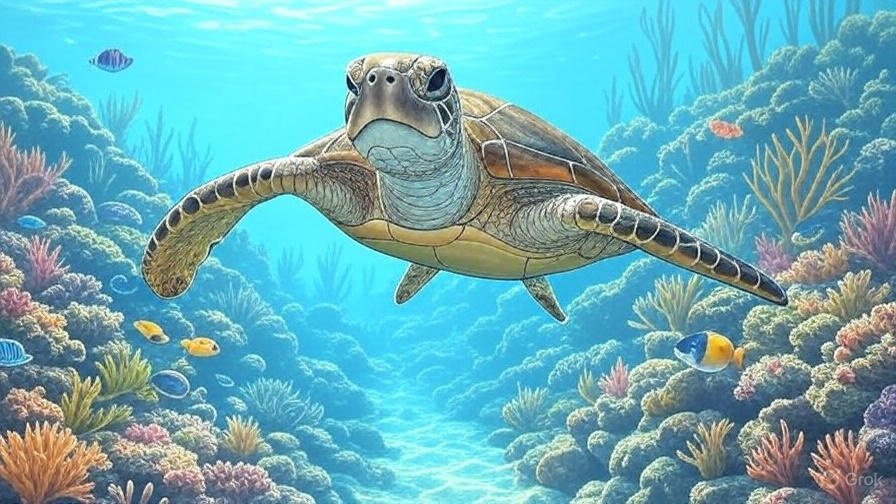
Then came the 21st century. Viral videos of sea turtles with straws stuck in their noses ignited a global outcry. Suddenly, convenience was overshadowed by ecological catastrophe, leading to a powerful “anti-plastic straw” movement. It was a visceral wake-up call, a stark reminder of the interconnectedness of our actions and their impact on the natural world. The image of that turtle became a symbol of our collective responsibility.
III. The Great Straw Debate: Who Thinks What?
A. Restaurant Owners: Balancing Green with Green (Money!)
The Upsides:
Tá fonn orthu plaisteach a chlaonadh chun a gcuid “éiceachreidmheasa” a mhéadú, chun a n-achomharc a dhéanamh chuig dinéirí a bhfuil aird acu ar an gcomhshaol (hello, Gen Z agus Millennials!), agus cloí leis na toirmisc phlaisteacha pesky sin. Faigheann cuid acu fiú roghanna eile cosúil le gloine nó agabhais sopanna cuir teagmháil préimhe. Ina theannta sin, go fadtéarmach, d'fhéadfadh sé airgead a shábháil dóibh ar bhainistiú dramhaíola agus ar fhíneálacha a sheachaint.
An Scioból Greamaitheach (nó Soggy):
Ach ní solas na gréine agus tuar ceatha inbhuanaithe é go léir. Is féidir leis an gcostas a bheith i bhfad níos airde (is féidir le sopaí páipéir a bheith 10 × níos costasaí!). Tá saincheisteanna feidhmíochta ann (is fíor-ghearán é an tuí páipéir soggy dreaded). Is tromluí é diúscairt cheart (an bhfuil áis mhúirín thionsclaíoch agat?). Agus ná déan dearmad ar an tinneas cinn lóistíochta a bhaineann le sopaí plaisteacha a choinneáil ar láimh do chustaiméirí faoi mhíchumas. Bíonn úinéirí bialann ag dul i ngleic le tírdhreach casta de chúinsí eiticiúla, srianta airgeadais agus dúshláin lóistíochta. Tá sé ríthábhachtach dá ngnó agus don chomhshaol araon an chothromaíocht cheart a aimsiú.

B. Achrann an Chustaiméara: Sip Safely, nó Soggy Surprise?
An Sip Idéalach:
Do thomhaltóirí, tá sé simplí: ba mhaith linn tuí nach bhfuil blas aisteach, a choinníonn a cruth, atá éasca a ghlanadh (le haghaidh earraí in-athúsáidte), agus is féidir linn teacht ar an mbealach. Is ionchas cothrom é, nach ea? Pléisiúir shimplí, nach bhfuil curtha i mbaol ag imní faoi thionchar comhshaoil nó rioscaí sláinte féideartha.
An Fiasco “Deo Cheimiceach”:
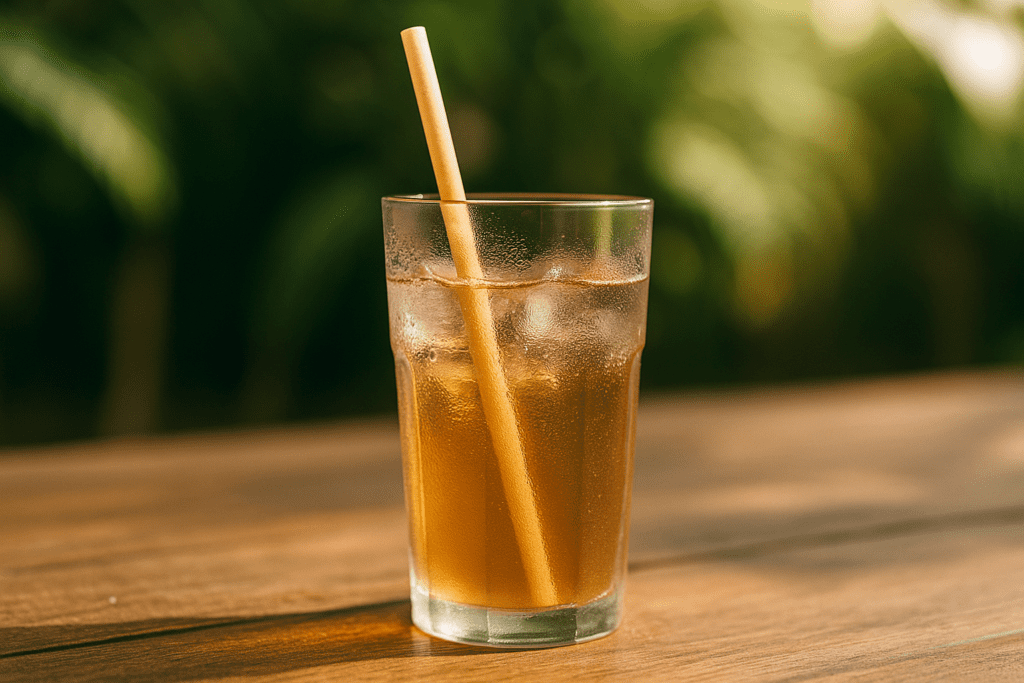
Seo é an cicéir – aimsíodh staidéir le déanaí “ceimiceáin go deo (PFAS)” in many supposedly “eco-friendly” straws, especially paper and bamboo! This is a huge concern for health and the environment, undermining their “toxin-free” claim. This revelation casts a shadow of doubt on the entire movement, forcing us to question the validity of “eco-friendly” labeling and the effectiveness of current regulations. How can we trust the alternatives when they might be just as harmful?
Straw Material Showdown (The Good, The Bad, The Meh):
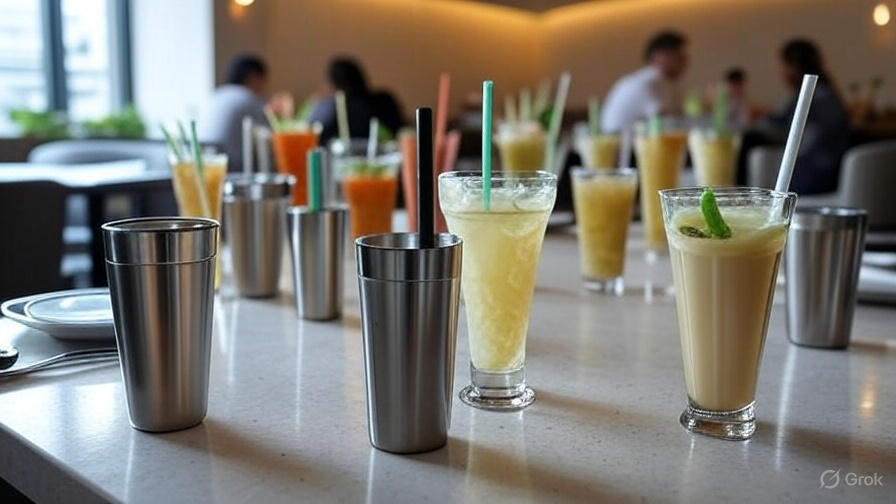
- Cruach Dhosmálta: The MVP for chemical safety (PFAS-free!), super durable, and reusable. But watch out for metallic taste and rigid edges!
- Gloine: Chic, transparent (so you can see if it’s clean!), non-toxic. But, oops, it broke! (And some even have PFAS!).
- sileacain: Soft, flexible, kid-friendly, and generally safe. Great for sensitive teeth.
- Páipéar: The original eco-darling, but often a soggy disappointment – and frequently loaded with PFAS.
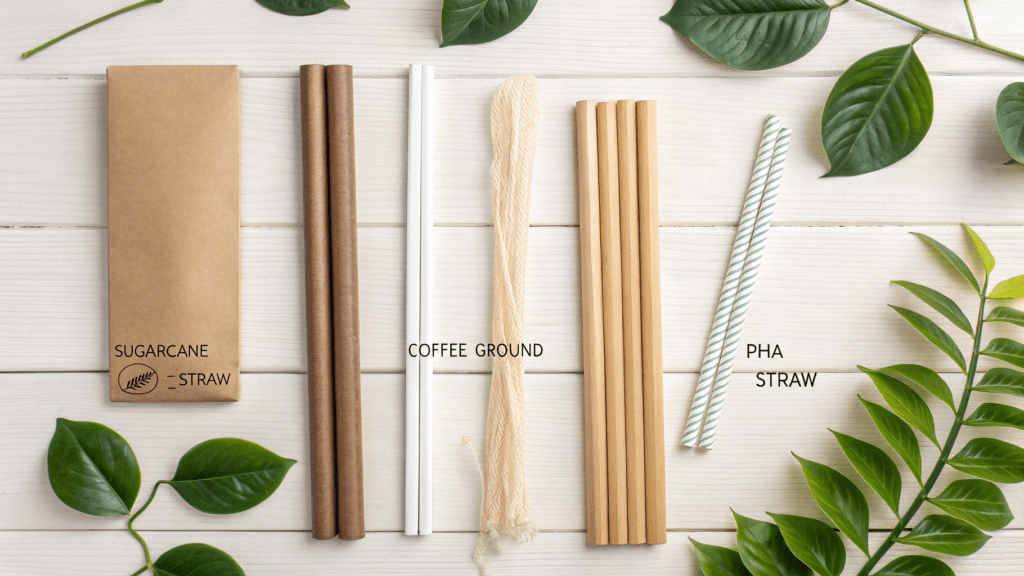
- The New Kids on the Block: Innovations like cornstarch, PHA, rice, sugarcane, agabhais, and even edible straws are stepping up, promising better performance, taste, and true biodegradability. Each material presents its own set of trade-offs, forcing consumers to weigh their priorities: safety, durability, environmental impact, and sensory experience. The ideal straw remains elusive, a testament to the complexity of material science and consumer preferences.
Hidden Allergens:
A quick heads-up: some eco-straws can hide allergens like latex, gluten, or soy. Always check! This is a crucial reminder that “eco-friendly” doesn’t necessarily equate to “allergy-friendly.” Transparency and clear labeling are essential to protect vulnerable individuals.
C. Environmental Advocates: Beyond the Ban
The War on Plastic:
Environmental groups were the driving force behind plastic straw bans, highlighting the massive pollution, microplastic spread, and devastating harm to marine life. Their efforts have raised awareness and sparked a global conversation about our relationship with plastic.
The PFAS Problem:
Now, they’re on a new mission: calling out the PFAS contamination in “eco-friendly” alternatives. They argue that “greenwashing” is just as bad as outright pollution. This shift in focus highlights the importance of continuous scrutiny and a refusal to accept superficial solutions.
The Composting Conundrum:
Many “compostable” straws need specialized industrial facilities to break down. If they end up in landfills or regular recycling, their eco-benefits are lost. This exposes a critical flaw in the system: the lack of adequate infrastructure to support the proper disposal of “compostable” products.
Their Broader Message:
Ní bhaineann sé le sopanna amháin; Baineann sé le hathrú bunúsach ar an gcaoi a n-ídímid agus a diúscarthaimid gach plaistigh aonúsáide. Diúltaigh, laghdaigh, athúsáid! Feidhmíonn an díospóireacht tuí mar mhicreacosm ar shaincheist i bhfad níos mó: an gá atá le hathrú córasach inár bpatrúin táirgthe agus tomhaltais.
IV. The Straw-mageddon of Controversies & Challenges
A. An mheabhlaireacht “saor ó thocsain”:
Is í an chonspóid is mó ná an íoróin a bhaineann le PFAS díobhálach a aimsiú i sopaí páipéir agus bambú atá “cairdiúil don éiceachóras”, rud a chuireann ar thomhaltóirí agus ar ghrúpaí comhshaoil a mbuntáiste fíor a cheistiú. Baineann an bhrath muiníne seo an bonn ó chreidiúnacht na gluaiseachta inbhuanaitheachta ar fad.
B. An Aincheist Diúscartha:
Most “compostable” straws are only truly compostable in industrial facilities, which are scarce. This means many still end up in landfills, where they don’t break down properly, nullifying their purpose. This highlights the disconnect between intention and reality, the gap between “compostable” labeling and actual composting infrastructure.
C. Performance Anxiety:
Remember that soggy paper straw in your milkshake? Or the metallic taste from steel? Or agabhais straws that splinter? Eco-friendly alternatives often struggle to match plastic’s convenient durability. Consumer acceptance hinges on performance, and if alternatives fail to deliver a satisfactory experience, adoption will be limited.
D. The Price Tag:
Sustainable options are often significantly more expensive for restaurants, impacting their bottom line and sometimes leading to resistance. The economic barrier to sustainability is a significant challenge, requiring innovative solutions and government incentives to level the playing field.
E. Hygiene Hurdles for Reusables:
For busy restaurants, thoroughly cleaning the inside of hundreds of reusable straws to health standards is a logistical and labor-intensive nightmare. Hygiene is paramount, and ensuring the safety of reusable straws requires significant investment in equipment, training, and monitoring.
F. Accessibility and Inclusivity:
Plastic straw bans often include clauses requiring restaurants to provide them upon request for those who need them due to medical conditions or disabilities, adding a layer of complexity. Accessibility must be a central consideration in any sustainability initiative, ensuring that the needs of all individuals are met.
V. Sipping into the Future: Innovations and Regulations Ahead
A. The Next Generation of Straws:
PHA:
This bio-based polymer is touted as the future! It mimics plastic’s feel and durability but breaks down in any environment – industrial compost, home compost, even marine environments. Game-changer!
Tuí Inite:
Imagine finishing your drink and then eating your straw! These innovative, flavored straws are zero-waste and surprisingly durable.
Smarter Paper Straws:
Manufacturers are learning from past mistakes, developing sturdier, less-soggy versions, and phasing out PFAS.
New Plant-Based Wonders:
Expect to see more straws made from agricultural waste like forais caife, banana fibers, and other inventive plant sources, turning trash into treasure. These innovations offer a glimmer of hope, a promise of a future where sustainability and convenience can coexist.
B. Restaurants Go Beyond Straws:
On-site Water Systems:
Many establishments are installing systems to filter and bottle their own water, ditching plastic bottles entirely.
Water Conservation:
The hospitality industry is a huge water user, so expect more technologies and regulations pushing for smarter water use.
Extended Producer Responsibility (EPR):
Get ready for manufacturers to be held accountable for their packaging’s entire lifecycle, pushing for more sustainable designs from the start. This broader approach to sustainability recognizes that straws are just one piece of a much larger puzzle.
C. The Regulatory Tsunami:
Global Bans:
The EU already banned single-use plastic straws, and more countries and cities worldwide are following suit with stricter bans and restrictions.
US State-Level Action:
States like California are leading the charge, requiring packaging to be recyclable or compostable and making straws “request-only.” More states are banning polystyrene foam and other single-use plastic items.
Push for Reusable Options:
Regulations will increasingly mandate that restaurants offer reusable packaging solutions. Government intervention is playing an increasingly important role in driving the transition to a more sustainable future.
VI. Conclusion: Cheers to a Cleaner Future (One Sip at a Time!)
A. Achoimre:
The journey from ancient golden tubes to modern-day “forever chemical” concerns has been wild. But the collective drive for healthier, greener sips is undeniable.
B. The Imperative:
This isn’t just a trend; it’s a vital shift. Restaurants, consumers, and policymakers are all playing a crucial role in creating a more sustainable future.
C. A Call to Action:
As a diner, support restaurants embracing sustainable choices. As a consumer, demand transparency about straw materials and choose wisely.
D. Final Thought:
The future of drinking is less about what you sip with, and more about protecting the planet we all share. Here’s to making every sip count! It’s a call for conscious consumption, for mindful choices that reflect our commitment to a healthier planet. The humble straw, once a symbol of convenience, now represents a challenge and an opportunity: to sip responsibly and build a more sustainable future, one gulp at a time.