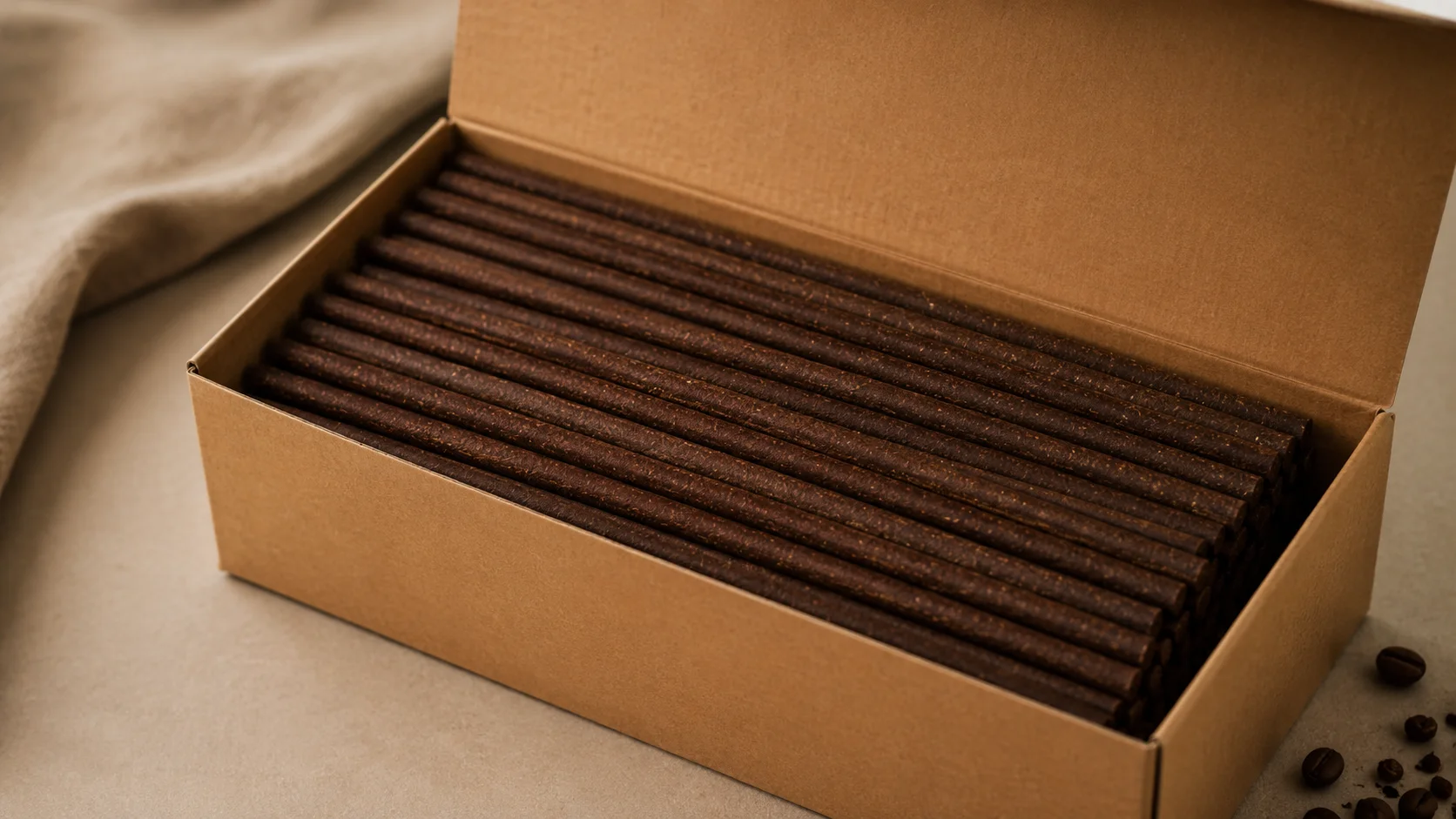
Navige APAC Paille Entèdiksyon: Yon Gid Estratejik pou enpòtatè yo rete devan nan mache a
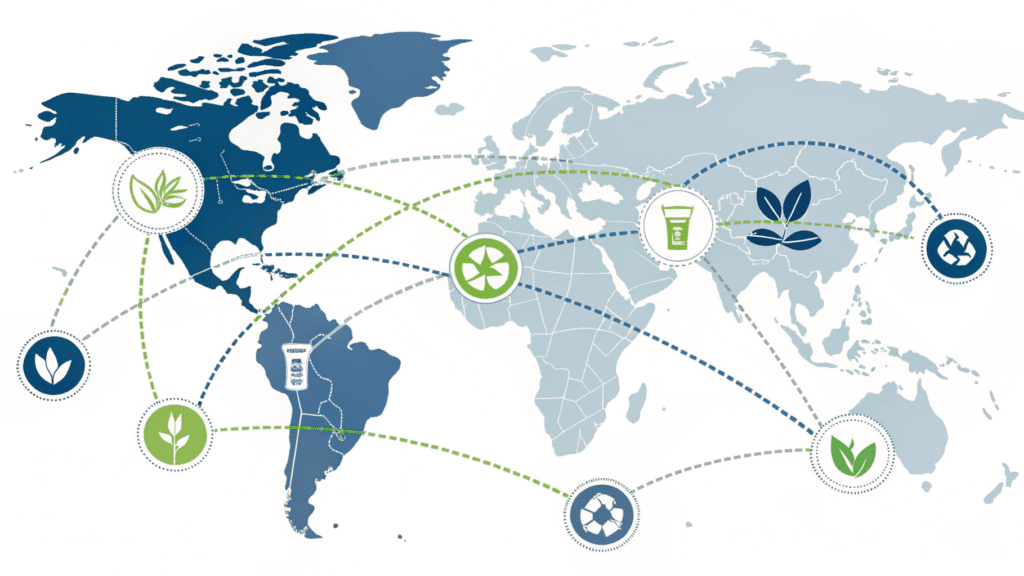
Rejyon Azi-Pasifik (APAC) kanpe nan yon moman kritik nan politik anviwònman li yo ak evolisyon mache. Kondwi pa yon kriz plastik mondyal ijan, repons rapid regilasyon yo ap bale atravè APAC, dirèkteman vize atik plastik pou yon sèl itilizasyon (SUP), ak pay kòm yon konsantre prensipal. Ogmantasyon lejislatif sa a ap chanje pwofondman dinamik mache pou biznis ki depann sou enpòtasyon yo, li poze tou defi enpòtan ak opòtinite san parèy.
Avèk APAC ki te jenere plis pase mwatye nan fatra plastik nan mond lan an 2021 - yon etonan 200 milyon tòn - ijans pou chanjman pa nye. Fado anviwonmantal sa a, ki vin pi grav pa ibanizasyon rapid ki fè apeprè 120,000 moun deplase nan sant iben chak jou, gen gwo enpak sou operasyon ak komèsyal yo. Yo estime ke polisyon plastik nan rejyon APAC pou kont li gen yon pri ekonomik 1.3 milya dola ameriken pa ane nan domaj nan endistri touris, lapèch ak transpò. Pou enpòtatè yo, yon konpreyansyon pwofon ak pwoaktif sou chanjman sa yo se pa sèlman sou konfòmite; li enpòtan anpil pou kenbe pati nan mache, pwoteje rentabilité, ak bati yon chèn ekipman fleksib nan yon peyizaj k ap transfòme rapidman.
Chanjman Peyizaj Regilasyon an nan APAC: Kondwi APAC Paille entèdiksyon
Gouvènman ak òganizasyon entègouvènmantal atravè APAC yo ap aplike aktivman politik solid ak kanpay pou entèdi oswa mete restriksyon sou pwodwi plastik ki sèvi ak yon sèl, tankou pay. Pousaj lejislatif omniprésente sa a se prensipal motè ki dèyè demann k ap ogmante pou materyèl altènatif, ki pouse enpòtatè yo re-evalye apwovizyone yo ak pòtfolyo pwodwi yo. Esansyèlman, rete metikuleuman enfòme sou règleman espesifik nan nivo peyi yo ak dat efektif souvan etap yo se esansyèl pou anpeche dezòd chèn ekipman pou, evite penalite ki koute chè, epi kenbe kontinwite operasyonèl.
Momentan regilasyon nan APAC te siyifikativman enfliyanse pa evènman mondyal esansyèl. Politik "National Sword" Lachin nan, aplike nan 2018, entèdi enpòte a nan 24 kalite dechè solid, ki gen ladan plastik. Mezi drastik sa a te refè globalman, detounen dechè plastik nan lòt nasyon Sidès Azyatik, tankou Endonezi, Malezi, Vyetnam, End, Taiwan, ak Thailand. Chanjman sa a, pandan ke okòmansman kreye defi anviwònman an nan peyi benefisyè sa yo akòz enfrastrikti ensifizan, te finalman ankouraje yo adopte pwòp kontwòl enpòtasyon yo pi sevè ak entèdiksyon SUP domestik. Pou egzanp, Thailand planifye yon entèdiksyon pwogresiv sou enpòtasyon bouyon plastik pa 2025, abouti nan yon entèdiksyon konplè, plis mete aksan sou enperatif pou enpòtatè yo sekirize chèn ekipman lokal oswa konfòme rejyonal yo.

Momentum rejyonal: pi lwen pase plastik pou yon sèl-itilize (SUPs)
Pouse regilasyon an nan APAC pwolonje pi lwen pase pay plastik, siyal yon angajman pi laj nan jerans anviwònman an. Nasyon kle yo ap fikse objektif anbisye epi mete ann aplikasyon plan aksyon konplè:
- Endonezi gen yon plan aksyon nasyonal anbisye ki vize diminye debri plastik maren pa 70% pa 2025. Angajman sa a sipòte pa inisyativ lokal yo, tankou entèdiksyon Jakarta sou sache plastik, ki te mennen nan yon diminisyon 42% nan konsomasyon pa 2021.
- Lachin entèdi pou sèvi ak pay plastik jetab nan endistri Restoration li nan tout peyi a nan fen 2021, epi pi laj entèdiksyon plastik li kontinye ap woule an faz jiska 2025.
- peyi Zend te aplike yon entèdiksyon nan tout peyi a sou yon sèl-itilize plastik, ki gen ladan pay, nan 2022. Mouvman sa a te kreye yon chanjman sibstansyèl, patikilyèman enpak sou rantabilite nan ti maj, bwason gaz ki pa gen anpil akòz ogmante pri altènatif konfòme yo.
- Malezi enpoze yon entèdiksyon pay plastik an 2018 e li te dekri yon plan konplè nan direksyon pou reyalize zewo plastik pou yon sèl itilizasyon soti nan 2018-2030.
- La Filipin Chanm Reprezantan yo te pase yon entèdiksyon sou divès kalite pwodwi plastik ki sèvi ak yon sèl, tankou pay ak baton brase, menmsi aksyon dirèk gouvènman an sou deziyasyon sa a poko konkretize konplètman.
- Singapore phased out plastic straws from over 270 food and beverage (F&B) outlets by July 2019, with many businesses proactively removing them or providing them only upon request.
- South Korea has faced challenges with its plastic straw ban, with the government indefinitely extending the “notice period,” impacting domestic paper straw manufacturers who had invested in alternatives.
- Vietnam’s National Action Plan on Sustainable Consumption and Production is focusing on limiting SUPs by integrating eco-friendly packaging throughout the supply chain, fostering collaboration among distributors, retailers, and suppliers.
These regional initiatives underscore a clear, irreversible trend: plastic straws are rapidly becoming an obsolete commodity in the APAC market, making proactive adaptation for importers a strategic imperative.
Extended Producer Responsibility (EPR) Schemes: A Regulatory Imperative
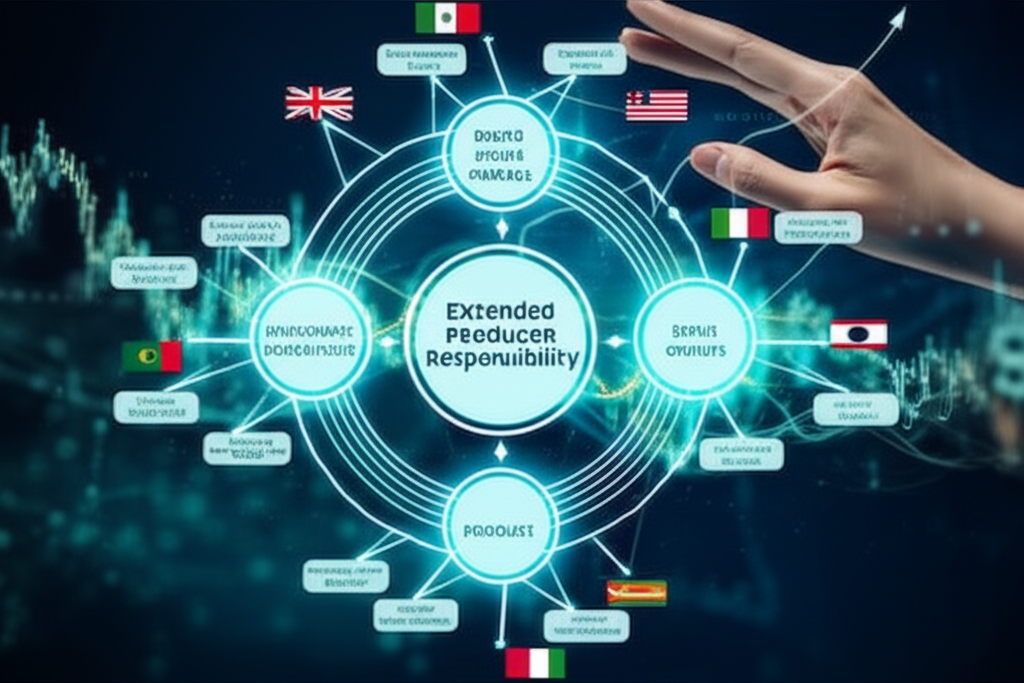
Pi lwen pase entèdiksyon kareman, plan Pwolonje Responsablite Pwodiktè (EPR) ap pran yon gwo momantòm atravè APAC, fondamantalman refòme responsablite antrepriz pou fatra anbalaj. Plan EPR legalman kenbe konpayi yo—ki gen ladan pwopriyetè mak, détaillants, distribitè, ak enpòtatè—finansman responsab pou jesyon nan fen lavi nan pwodwi yo ak anbalaj. Pandan ke yo komen an Ewòp ak Amerik, rapid sa yo relativman nouvo nan APAC, konvenkan biznis yo rapòte konsomasyon anyèl anbalaj yo epi asire fatra yo jere responsab, souvan atravè objektif rediksyon predefini. Non-konfòmite ka lakòz amann sibstansyèl ak konsekans legal, ajoute yon lòt kouch konpleksite pou enpòtatè.
Devlopman EPR remakab nan APAC yo enkli:
- Malezi is actively transitioning from voluntary to mandatory EPR policies, with full implementation planned by 2026. This signals a concrete shift towards shared responsibility across the value chain.
- La Philippines’ 2022 EPR Act mandates companies to recover an increasing percentage of their plastic packaging waste, starting with 20% by December 31, 2023, and escalating to 80% by the end of 2028.
- Singapore is set to introduce a deposit return scheme for pre-packaged beverage containers (plastic and metal) with a SGD 0.10 deposit, starting April 2025. This scheme will require large supermarkets to set up return points, placing direct responsibility on beverage companies for collection and recycling.
These evolving EPR frameworks require importers to not only manage the influx of goods but also consider the entire lifecycle of the packaging, pushing them towards more sustainable sourcing and product design.Proactive understanding of APAC regulations is crucial for importers to avoid disruptions and maintain market share.
Market Dynamics: Why Sustainable Alternatives are Crucial for Importers to Stay Ahead
Konfluans règleman sevè ak konsyans konsomatè ogmante konsènan polisyon plastik ap kreye yon demann san parèy pou pwodwi ekolojik-zanmitay nan APAC. Chanjman sa a se pa sèlman yon tandans nich; li se yon fenomèn endikap. Yon enpresyonan 80% nan konsomatè aktivman prefere pwodwi ekolojik-zanmitay, transfòme apwovizyone dirab soti nan yon inisyativ CSR nan yon diferansye mache kritik. Sektè sèvis manje, enstitisyonèl ak kay la ap adopte rapidman altènativ dirab, sa ki prezante yon opòtinite enpòtan pou enpòtatè aktif yo pwofite chanjman sa a epi jwenn yon avantaj konpetitif sibstansyèl.
Ogmantasyon demann pou anbalaj ekolojik-zanmi: yon opòtinite $ 124.36 milya dola
Echèl ekonomik chanjman sa a se estrawòdinè. Yo prevwa mache anbalaj ekolojik APAC pou rive nan 124.36 milya dola ameriken pa 2030, sa ki baze sou pozisyon rejyon an kòm mache k ap grandi pi rapid nan sektè sa a, ak yon CAGR antisipe 11.21% jiska 2030. Kwasans sa a baze sou santiman konsomatè klè: 86% nan pwodiksyon APAC ak reponden yo konsidere anbalaj enpòtan.
Chofè kle yo ki bay gwo demann sa a genyen ladan yo:
- Rapid Urbanization: With approximately 120,000 new urban residents daily, dense urban centers are escalating plastic consumption and waste generation, simultaneously driving demand for convenient yet sustainable packaging.
- E-commerce Growth: The booming e-commerce sector, accelerating at a 12.89% CAGR towards 2030, relies heavily on packaging. This creates immense pressure for lightweight, efficient, and increasingly sustainable solutions to minimize waste and carbon footprint associated with transportation.
- Corporate Sustainability Commitments: Major corporations are embedding sustainability into their core strategies. For instance, PepsiCo aims for 98% recyclable, compostable, or reusable packaging by 2025, signaling a clear trajectory for their supply chain partners, including importers.
Konfluans sa a nan faktè souliye ke mouvman an nan anbalaj ekolojik-zanmitay se yon tandans mache solid, alontèm, pa yon kapris pasaje.
Enperatif pou Altènativ Paille Dirab
Kòm pay plastik fè fas a entèdiksyon toupatou, enpòtatè yo dwe pivote nan direksyon pou yon dosye divès altènativ dirab. Chak materyèl ofri avantaj inik ak konsiderasyon:
- Papye pay: Mache pay papye a prevwa pou kwasans sibstansyèl akòz biodégradabilite li yo ak pri-efikasite. Inovasyon yo enkli opsyon bendable, adrese yon preferans konsomatè komen.
- Paille ki baze sou plant (PLA, PHA): Fèt nan resous renouvlab tankou lanmidon mayi oswa kann, pay sa yo imite santi a nan plastik tradisyonèl yo. Pwodiksyon mondyal plastik ki baze sou biyo plis pase double depi 2010, ak prèske mwatye nan 2.18 milyon tòn fabrike nan 2023 yo itilize pou anbalaj. Sepandan, anpil opsyon PLA mande pou enstalasyon konpostaj endistriyèl pou dekonpozisyon apwopriye, ki toujou limite nan anpil nan APAC.
- Opsyon ki kapab itilize ankò (metal, vè, silikon): Sa yo ofri siyifikatif depay pri alontèm pou biznis yo epi yo trè dirab. Paille metal yo (pa egzanp, Nerjaveèi) fasil pou netwaye, pandan y ap pay silikon yo fleksib ak zanmitay timoun.
- Inovasyon émergentes: Mache a ap temwen avansman enteresan nan opsyon "ipè-konpostab" ak maren-degradab, ki gen ladan pay manjab (100% ki baze sou plant, ki ofri yon eksperyans konsomatè inik), pay zèb (ki fèt ak tij plant ble, ki pa chè ak biodégradables), ak pay zèb oswa alg pou aplikasyon nich.
Enpòtatè yo dwe ak anpil atansyon evalye enpak anviwònman an, viabilite ekonomik, akseptabilite sosyal, ak kondisyon espesifik rejyonal regilasyon pou biodégradabilite oswa konpostabilite lè yo chwazi altènativ sa yo.
Pri ak bon jan kalite reyalite pou enpòtatè
While the transition to sustainable straws is essential, it comes with distinct cost and quality realities that importers must meticulously manage. Sustainable straws are typically3-4 times more expensive to producepase tokay tradisyonèl plastik yo. Ogmantasyon siyifikatif pri sa a ka gen yon enpak disproporsyonel sou pwodwi ki ba maj ak gwo volim, tankou ti pake (egzanp, 100-330ml bwason gaz), ki kapab afekte afè mache mas yo, jan yo obsève nan peyi Zend apre entèdiksyon SUP 2022 li yo.
Pi lwen pase pri, pèfòmans se yon faktè kritik. Jenerasyon byen bonè nan pay papye, pou egzanp, souvan soufri nan pwoblèm durability, pèdi 70% a 90% nan fòs konpresiv yo apre mwens pase 30 minit nan likid ak absòbe apeprè 30% nan pwa yo. Limit pèfòmans sa yo ka mennen nan yon eksperyans kliyan negatif ak to konsomasyon ogmante. Sepandan, pwogrè nan kouch ki enpèmeyab, melanj materyèl, ak desen dirab yo kontinye amelyore fonksyonalite a ak valè posiblite ekolojik-zanmitay, diminye enkyetid pi bonè. Enpòtatè yo dwe byen balanse pri-konpetitivite ak kenbe bon jan kalite pwodwi ak pèfòmans asire adopsyon toupatou ak satisfaksyon kliyan.Altènativ dirab yo enpòtan anpil pou enpòtatè yo satisfè demann k ap monte ak jwenn avantaj konpetitif.
Enperatif Estratejik pou Enpòtatè yo Navige APAC entèdiksyon Paille
To thrive amidst the evolving APAC straw bans, successful importers must move beyond mere compliance and proactively adapt to regulatory shifts and evolving consumer preferences. Building resilient, diversified supply chains and embracing circular economy principles are no longer optional but critical for long-term success and competitive advantage.
Building Supply Chain Resilience and Diversification
Frajilite yo ekspoze pa dezòd mondyal, tankou pandemi COVID-19, te souliye enperatif pou rezistans chèn ekipman pou solid. Pou enpòtatè nan APAC, sa a tradui nan ajisteman estratejik:
- Lokalize apwovizyone: Priyorite apwovizyone nan menm peyi a oswa rejyon an ranfòse patenarya, diminye tan plon, ak bese risk ki asosye ak konpleksite komès entènasyonal, ki gen ladan entèdiksyon enpòtasyon enprevizib. Pou egzanp, entèdiksyon pwogresif Thailand sou enpòtasyon bouyon plastik pa 2025 plis mete aksan sou bezwen an pou domestik oswa rejyonal konfòme pwodiksyon dirab.
- Divèsifye Sous Pwovizyon pou: Pou minimize depandans sou yon sèl pwen echèk oswa rejyon ki gen règleman ki chanje rapidman, enpòtatè yo ta dwe estratejik divèsifye sous rezèv yo pou enkli plizyè rejyon li te ye pou pwodiksyon dirab solid, konfòme.
- Kolabore atravè chèn valè a: Patenarya ak manifaktirè yo, founisè matyè premyè, e menm konpayi jesyon fatra atravè chèn valè a esansyèl. Kolaborasyon sa a ka akselere inovasyon dirab la ogmante, adrese defi polisyon plastik yo pi efikasman, epi asire yon rezèv fiks de altènativ konfòme yo.
Due Diligence ak Sètifikasyon pou Enpòtasyon Konfòme
Kòm mache a chanje nan nouvo materyèl, sevè diligence vin esansyèl. Enpòtatè yo dwe verifye sètifikasyon founisè yo pou sekirite ak bon jan kalite materyèl ekolojik-zanmi, asire yo satisfè nòm sevè rejyonal ak nasyonal yo. Pa egzanp,Lis pozitif Japon an pou rezin resikle ki gen kontak manje pral antre nan fòs nan mwa jen 2025, ki mande enpòtatè yo asire pwodwi yo konfòme yo ak nouvo direktiv sekirite materyèl sa yo. Konfòme ak direktiv nasyonal pou plastik kontak manje, ki gen ladan mezi sekirite sevè, pwotokòl tès, ak kondisyon trasabilite, se yon bagay enpòtan pou evite pwoblèm aksè nan mache ak pwoteje repitasyon mak. Transparans nan apwovizyone ak konpozisyon materyèl se de pli zan pli espere pa tou de regilatè ak konsomatè yo.
Anbrase Modèl APAC Ekonomi sikilè
Moving beyond single-use consumption towards a circular economy model is a fundamental shift that positions businesses for long-term success. The United Nations has prioritized the circular economy for plastics since 2018, underscoring its global importance. For importers, this involves:
- Product Redesign: Focusing on designing products with recyclability and reusability from the outset. This means selecting materials that can be easily reintegrated into the production loop, minimizing waste and resource depletion.
- Eliminating Unnecessary Items and Over-packaging: A critical step is to reduce the overall volume of plastic waste by streamlining packaging designs and eliminating superfluous components. This not only aligns with environmental goals but can also yield cost savings in materials and logistics.
- Promoting Reuse Systems: Where feasible, importers should explore and promote business models that facilitate reuse. This might involve supplying durable, reusable items or collaborating with partners on take-back and refill programs, contributing to a truly closed-loop system.
These strategic imperatives require significant upfront investment and a long-term vision but are essential for sustainable business operations in the evolving APAC market.Building resilient supply chains and embracing circularity are critical for importers’ long-term success in APAC.
Case Study: Proactive Adaptation in the Face of APAC Straw Bans
The proactive responses of global foodservice giants to plastic straw bans serve as powerful real-world examples for importers navigating similar shifts in APAC. These companies, facing immense consumer and regulatory pressure, demonstrate the tangible results of early adaptation and the ripple effect on their vast supply chains.

Starbucks and McDonald’s Global Commitments (2018-2025):
In a landmark move,Starbucks announced the elimination of single-use plastic straws from all of its 28,000 stores globally by 2020. This initiative involved offering innovative strawless lids or transitioning to alternative materials, directly influencing their global network of suppliers to adapt. This decision, driven by both environmental responsibility and consumer preference, showcased how a major player could drive significant market shifts.
Similarly,McDonald'shas been actively testing various plastic straw alternatives and has set an ambitious goal for 100% of its guest packaging to be sourced from renewable, recycled, or certified materials by 2025. This commitment sends a clear signal throughout their extensive supply chain, urging manufacturers and importers to innovate and provide sustainable options.
In Japan,Skylark, a major restaurant chain operator, took a significant step by banning disposable plastic straws from all its outlets by 2020, starting with its “Gusto” restaurants in 2018. This action by a prominent regional player underscores the localized momentum of the shift away from single-use plastics.
These actions by major foodservice players underscore a critical lesson for importers: market demand shifts rapidly, and proactive supplier adaptation is not just advantageous—it’s essential for maintaining large-scale partnerships and market relevance. These commitments create immediate, large-volume demand for compliant and high-quality sustainable straw alternatives, incentivizing importers to lead the transition.Major foodservice brands demonstrate that proactive adaptation to straw bans is essential for market relevance.
Comparison Table: Strategic Straw Alternatives for Importers
Selecting the right straw alternative is a critical decision for importers, balancing performance, cost, and compliance. The following table provides a comparative overview of strategic options:
| Patikilarite | B2B enpak operasyonèl | Remak Konfòmite | ROI potansyèl |
|---|---|---|---|
| Papier papye | Wide availability, lower initial cost; durability issues (70-90% strength loss in 30 min, 30% liquid absorption). | Biodegradable; check for PFAS (Per- and Polyfluoroalkyl Substances) content and local compostability regulations. | Medium; high volume sales, but lower perceived value, high consumption rate due to performance. |
| Pay metal | Higher upfront cost; requires cleaning and storage infrastructure for reuse; inventory management. | Reusable, highly durable; generally compliant across regions for long-term use. | High; significant long-term cost savings for businesses that can implement reuse programs; premium market appeal. |
| PLA/PHA Straws | Similar feel to traditional plastic; requires specialized industrial composting facilities for proper degradation. | Biodegradable, but industrial composting infrastructure is limited in APAC, creating disposal challenges. | Medium; appeals to eco-conscious consumers, but true circularity is infrastructure-dependent. |
| Banbou pay | Natural aesthetic, reusable/biodegradable; quality can vary significantly between suppliers; potential for splintering. | Biodegradable, natural product; ensure sustainable sourcing practices and proper hygiene for reuse. | Medium; niche market appeal, potential for unique brand positioning tied to natural materials. |
| Paille manjab | Unique consumer experience; eliminates post-consumer waste entirely; currently higher cost. | 100% plant-based, hyper-compostable, marine-degradable; generally aligns with most strict bans. | High; strong brand differentiation and innovation leader; eliminates post-consumer waste management. |
Importers should consider a multi-material strategy to cater to diverse client needs and regional regulatory variations.Choosing the right straw alternative balances performance, cost, and compliance for importers.
Overcoming Challenges and Maximizing Opportunities for Importers
While the rapid implementation of straw bans and broader plastic regulations presents clear challenges for importers, it simultaneously unlocks significant new market opportunities for adaptive players. Early movers in the sustainable straw market can establish strong, long-term relationships with key customers and gain a formidable competitive advantage. Successfully navigating the financial implications and addressing critical infrastructure gaps requires strategic planning, collaborative partnerships, and a commitment to long-term vision over short-term gains.

Addressing Infrastructure Gaps and Data Limitations
One of the most significant systemic challenges in APAC is thelack of robust waste management infrastructurefor collection, sorting, and recycling, particularly in emerging markets like India and Indonesia. This deficiency means that even if a product is technically recyclable, it may end up in landfills or polluting waterways due to inadequate systems. Many single-use plastics, including straws, are too small to be efficiently collected by existing systems, or they simply end up in the ocean from landfills.
Anplis de sa,limited data on the economic and social impact of plastic banshinders evidence-based policymaking. Policymakers struggle to quantify the full effects or design optimal interventions when comprehensive data on consumer behavior, industry adaptation costs, or the environmental benefits (such as reduced microplastic ingestion by marine life) is scarce. The prevalence of informal waste picking, especially for low-value flexible plastics like sachets, further complicates tracking and contributes to poor official recycling rates. Addressing these infrastructure and data gaps requires significant investment and concerted effort from governments, industry, and civil society.
Financial Implications and Investment
The transition to sustainable alternatives carries notable financial implications. As highlighted earlier, sustainable straws are typically 3-4 times more expensive than traditional plastic ones. This cost increase is not easily absorbed, especially for mass-market products with thin margins. In India, for example, the ban on plastic straws significantly impacted the soft drink industry, particularly sales of small packs (100ml-330ml), which contributed 35.1% of the overall soft drink volume in 2021. The higher cost of compliant straws could affect the affordability and mass-market appeal of these products.
However, this challenge simultaneously creates a compelling case for investment.Government support, including subsidies and incentives, can play a pivotal rolein promoting technological innovation and fostering the development of new, more affordable plastic straw substitutes and manufacturing capacities domestically. For importers, this may mean strategic investments in R&D partnerships, supply chain localization, or even direct manufacturing capabilities to reduce reliance on more expensive imported sustainable alternatives. Embracing sustainable practices can also lead to long-term cost savings through reduced waste disposal fees, improved resource efficiency, and enhanced brand value that commands premium pricing or secures preferential partnerships.Importers can overcome challenges by addressing infrastructure gaps and strategically investing in sustainable alternatives.
Conclusion: Proactive Positioning in the Evolving APAC Market
The landscape of APAC straw bans is undergoing a rapid and irreversible transformation, driven by increasingly stringent environmental regulations and an undeniable surge in consumer demand for sustainable alternatives. This dynamic environment presents a clear mandate for importers: proactive adaptation is no longer a choice but an imperative for long-term viability and success.
Importers who strategically adapt their supply chains, prioritize the diversification of their product offerings with eco-friendly alternatives, and fully embrace circular economy principles will not only ensure seamless compliance with evolving regulations but also secure a significant, defensible competitive advantage. This strategic shift is crucial for mitigating risks, unlocking new market opportunities, enhancing brand reputation, and ensuring sustained profitability in the burgeoning and increasingly eco-conscious APAC market.Proactive adaptation and diversification are crucial for importers to thrive in APAC’s evolving eco-conscious market.
Ready to Lead the Shift?
Assess your current supply chain and collaborate with sustainable manufacturers to lead the shift in APAC’s eco-conscious market. Explore our comprehensive guides for deeper insights:
Reusable Straw Solutions for Bars & NightclubsNavigating EU Single-Use Plastics DirectiveGuide to Sustainable Boba Straw Alternatives
Kesyon yo poze souvan (Kesyon yo mande anpil)
How do APAC straw bans impact my existing import contracts?
What are the most cost-effective sustainable straw alternatives for high-volume foodservice operations?
How can importers ensure their sustainable straw alternatives meet regional biodegradability standards?
Rigorous due diligence is essential. Verify supplier certifications (e.g., for industrial composting or marine degradability) and consult local regulatory bodies for specific country-level requirements and testing protocols.
What is Extended Producer Responsibility (EPR) and how does it affect importers in APAC?
Are there government incentives or subsidies for importers transitioning to sustainable packaging in APAC?