

Introduction
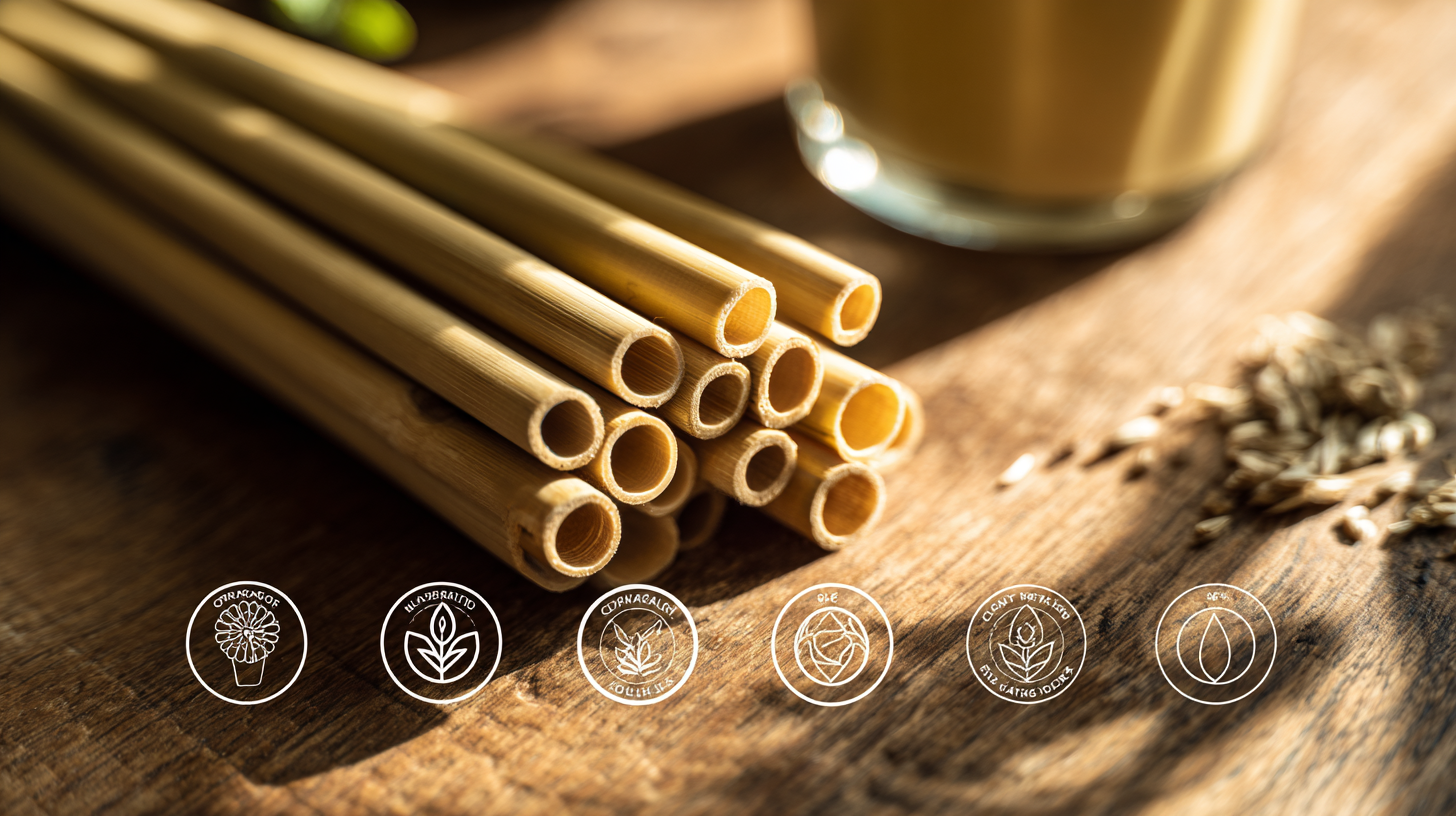
The global shift towards sustainable alternatives to single-use plastics has propelled sugarcane straws into the spotlight as a leading eco-friendly solution. For importers and wholesale buyers, navigating the complexities of sourcing these innovative products requires a deep understanding of various critical factors. This comprehensive guide provides five essential tips to ensure a smooth, compliant, and successful procurement process for sugarcane straws, helping you make informed decisions that benefit both your business and the planet.
Tip 1: Navigating Customs Codes (HS Codes)
Understanding the correct Harmonized System (HS) codes is paramount for seamless international trade. Misclassification can lead to costly delays, fines, or even seizure of goods. For sugarcane straws, classification depends heavily on their exact composition and manufacturing.
While interpretations can vary, commonly associated HS codes include:
- 4819400000: For sugarcane straws made from bagasse, biodegradable, plastic-free, eco-friendly, and compostable. Often sourced from China, pricing ranges from US$0.10 to US$0.065 per piece.
- 4823.70.0020: For molded sugarcane pulp items; may incur 25% duty from China.
- 39172990 or 3917.32.0050: For straws made with PLA or sugarcane-derived polymer, with a 3.1% duty.
- 1404.90.9090: For inedible vegetable-based straws like “Hay! Straws.”
- 39269099: General code for plastic drinking straws; widely used.
Actionable Advice: Always consult with a qualified customs broker. Provide detailed material composition and manufacturing process to avoid misclassification.
Tip 2: Essential Certifications (FDA & LFGB)
Certifications are non-negotiable for food contact materials like sugarcane straws, ensuring safety, compliance, and market access.
LFGB Certification (Germany & EU Market)
LFGB aligns with EU Regulation (EC) No 1935/2004. Known for rigorous testing:
- Overall Migration: ≤ 10 mg/dm²
- Specific Migration: e.g., lactic acid ≤0.05 mg/kg
- Sensory Test: No noticeable odor or taste
- Biodegradability: EN 13432 or ASTM D6400
- Prohibited: SVHCs, PAAs, PCBs
FDA Certification (U.S. Market)
The FDA regulates FCS under 21 CFR parts 170–199.
- Established Materials: 21 CFR 176.170
- FCN Program: 120-day review
- GRAS & Exemptions: Prior-sanctioned uses
Look for FDA, GMP, TUV OK Compost, BPI, EU 10/2011, Fluorine-Free, PFAS-Free, SVHC-Free certifications.
Actionable Advice: Work with suppliers offering verified LFGB and FDA certificates. Request copies and verify scope and validity.
Tip 3: Decoding Minimum Order Quantity (MOQ)
MOQ affects inventory, shipping costs, and purchasing strategy. For sugarcane straws, typical MOQ ranges from 100,000 to 300,000 units.
- Customization: MOQ ~300,000 (e.g., Renouvo)
- Standard Products: MOQ ~100,000 (e.g., Sumkoka)
- Small Quantities: Some suppliers offer 500–5,000 straws with higher cost
Actionable Advice: Ask about MOQ flexibility. Balance unit cost with your sales volume and warehouse space.
Tip 4: Maximizing Shelf Life & Storage
Shelf life: 6–12 months depending on source. Some state 10–12 months for optimal condition.
Storage Conditions:
- Temperature: Room temperature
- Environment: Cool, dry place
- Protection: Avoid heat, moisture, sunlight
Durability & Decomposition:
- Durable: Withstands hot/cold drinks up to 60–70°C
- Home Compost: Breaks down in 2–3 months
- Industrial Compost: 3–6 months
- Reusable: For cold drinks, dishwasher-safe (some types)
Actionable Advice: Follow supplier’s storage instructions. Rotate stock. Educate end users on composting.
Tip 5: Choosing Packaging Options

Packaging affects hygiene, branding, and sustainability goals.
- Bulk Packs (Unwrapped): 5,000 straws/case, 10 boxes/case
- Individually Wrapped: Ideal for food service; customizable wrappers
- Boxes & Cases: Multi-layer packaging for transport protection
- Custom Packaging: Eco-friendly, logo-printed, ESG aligned
Actionable Advice: Choose packaging based on hygiene requirements and customer expectations. Explore custom branding options.
Conclusion
Sourcing sugarcane straws for import and wholesale presents a significant opportunity to embrace sustainable business practices. By thoroughly understanding customs classifications, prioritizing comprehensive certifications, strategizing around Minimum Order Quantities, diligently managing shelf life, and selecting appropriate packaging, importers and wholesale buyers can navigate the market effectively. Investing in sugarcane straws is not just a commercial decision; it’s a commitment to a greener future. Partner with reliable suppliers who prioritize transparency and compliance to ensure your journey into the world of eco-friendly straws is a success.