Demistificare i colori della paglia: implicazioni strategiche per le operazioni B2B e l'approvvigionamento sostenibile
For procurement managers, operations directors, and sustainability officers in hospitality & foodservice.
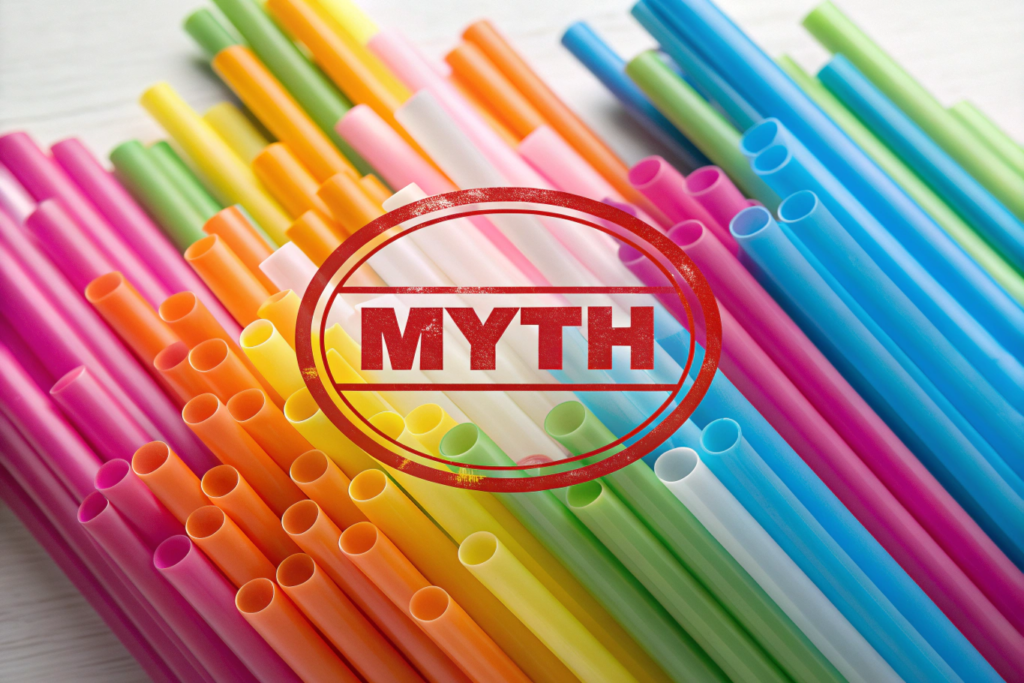
Per molti consumatori, il tema delle “cannucce di colore diverso” evoca immagini di teorie sui social media, in particolare il famigerato “codice della cannuccia” reso popolare da Dutch Bros Coffee. Questa diffusa leggenda metropolitana suggerisce che i baristi usino cannucce colorate – rosa per “carino”, verde per “antiestetico”, arancione per “misterioso”, giallo per “medio” e blu per “maleducato” – per trasmettere messaggi segreti sui loro clienti. Sebbene questa curiosità incentrata sul consumatore abbia alimentato innumerevoli discussioni online dall’inizio del 2017 su piattaforme come TikTok e Instagram, manca una convalida ufficiale, con numerosi dipendenti di Dutch Bros che affermano pubblicamente che le cannucce vengono selezionate in modo casuale.
Tuttavia, per i decisori B2B – responsabili degli approvvigionamenti, direttori delle operazioni, responsabili della sostenibilità e dirigenti della catena di fornitura – le reali implicazioni dei colori della paglia vanno ben oltre il folklore di Internet. L’implementazione strategica del colore all’interno dei contesti operativi, in particolare nel panorama in rapida evoluzione dell’approvvigionamento sostenibile, rappresenta una sfida ad alto rischio e un’opportunità significativa. Ignorare il ruolo fondamentale della codifica a colori in aree quali conformità e sicurezza, o non riuscire a sfruttare il colore per la differenziazione del marchio e i messaggi di sostenibilità, può portare a rischi di conformità, inefficienze operative e opportunità di mercato mancate. Il vero valore di comprendere le cannucce di diversi colori non sta nel decifrare le opinioni dei baristi, ma nello sfruttare il colore come potente strumento per l’eccellenza operativa e il vantaggio competitivo. Per approfondire le sfumature dei colori della paglia e il loro impatto più ampio, esplora come questo elemento apparentemente semplice gioca un ruolo nella percezione dei consumatori e nelle strategie aziendali.
I. L'equivoco diffuso: svelare il fenomeno del "codice paglia".
Il “codice della paglia” reso popolare su Internet, legato in particolare a Dutch Bros Coffee, suggerisce che i baristi utilizzino i colori della paglia per esprimere opinioni sui clienti. Questa teoria, sebbene ampiamente diffusa su piattaforme come TikTok e Instagram dall'inizio del 2017, manca di una convalida ufficiale da parte di Dutch Bros. I presunti significati vanno dal rosa per "carino", verde per "antiestetico/medio", arancione per "misterioso", giallo per "medio/normale" al blu per "maleducato". Nonostante la sua viralità e le “esperienze” aneddotiche condivise dai consumatori, numerosi dipendenti di Dutch Bros hanno dichiarato pubblicamente di selezionare le cannucce in modo casuale, sfatando il mito come teoria online non dimostrata.
Questa fascinazione guidata dal consumatore, sebbene infondata, evidenzia una verità psicologica più profonda: i colori suscitano risposte immediate e viscerali e influenzano la percezione. Sebbene il “codice di paglia” sia un malinteso scherzoso, la sottostante inclinazione umana ad assegnare un significato al colore ha profonde implicazioni per gli ambienti B2B in cui la codifica dei colori è tutt’altro che casuale.Il “codice della paglia” è un mito del consumatore, ma l’impatto psicologico del colore è reale per il B2B.
II. Oltre la leggenda urbana: codifica a colori legittima negli ambienti B2B
Sebbene esistano interpretazioni ricreative, la codifica a colori negli ambienti B2B svolge funzioni critiche come la sicurezza e l’efficienza. In netto contrasto con lo stravagante “codice della paglia”, le applicazioni industriali e sanitarie del colore sono deliberate, standardizzate e spesso guidate dalle normative. I colori forniscono segnali visivi universali, superando le barriere linguistiche e migliorando la chiarezza operativa tra le diverse forze di lavoro. Sistemi così robusti sono in linea con le migliori pratiche del settore e le linee guida normative volte alla prevenzione dei pericoli, alla mitigazione dei rischi e alla razionalizzazione operativa.
A. Codificazione a colori del servizio di ristorazione: uno standard di sicurezza ed efficienza
Nel settore della ristorazione, la codifica a colori è una pratica indispensabile, progettata principalmente per prevenire la contaminazione incrociata e gestire gli allergeni, fondamentali per la sicurezza alimentare. Questa pratica è supportata da linee guida complete come laPrincipi HACCP (Hazard Analysis and Critical Control Points) della FDA, che sostengono approcci sistematici alla sicurezza alimentare.
Le designazioni di colore comuni per vari utensili e aree da cucina includono:
- Rosso: Tipicamente riservato alle carni crude, riducendo al minimo il rischio di trasferimento batterico.
- Giallo: Destinato al pollame crudo, garantendone la separazione da altri tipi di alimenti.
- Blu: Utilizzato per i frutti di mare, prevenendo la contaminazione incrociata con altre proteine o allergeni.
- Verde: Destinato a frutta e verdura, salvaguardando i prodotti freschi.
- Bianco: Per latticini o carni cotte, prevenendo la contaminazione da prodotti crudi.
- Viola: Sempre più adottato per il controllo degli allergeni, isolando strumenti e superfici utilizzate per preparazioni prive di allergeni.
Per le operazioni B2B, l’impatto è sostanziale: questa codifica a colori standardizzata riduce il rischio di malattie di origine alimentare, protegge la reputazione del marchio da costosi richiami o azioni legali e migliora significativamente l’efficienza della formazione del personale in ambienti ad alto turnover. I nuovi assunti possono comprendere e aderire rapidamente ai protocolli di sicurezza critici, indipendentemente dalla competenza linguistica, mantenendo così standard di sicurezza alimentare coerenti in tutta l'organizzazione.
B. Codifica a colori nel settore sanitario: migliorare la sicurezza dei pazienti e la gestione dei rifiuti
Negli ambienti sanitari, la codifica a colori è altrettanto vitale, principalmente per la classificazione delle apparecchiature, gli avvisi ai pazienti e la separazione critica dei rifiuti. ILOrganizzazione Mondiale della Sanità (OMS)raccomanda vivamente la codifica a colori per lo smaltimento dei rifiuti sanitari, riconoscendone il ruolo nella prevenzione delle infezioni, nella gestione dei costi e nel garantire il rispetto delle rigorose normative ambientali.
Esempi di sistemi codificati a colori nel settore sanitario includono:
- Gestione dei rifiuti: I contenitori rossi vengono utilizzati per i rifiuti a rischio biologico (ad esempio, oggetti contaminati con sangue, rifiuti taglienti), garantendo un adeguato incenerimento o un trattamento specializzato. I contenitori gialli sono generalmente destinati ai rifiuti infetti, compresi gli articoli utilizzati nella chemioterapia o nella radioterapia. I contenitori neri sono per i rifiuti chimici pericolosi e quelli blu per i rifiuti farmaceutici non pericolosi.
- Avvisi sulla sicurezza del paziente: I braccialetti standardizzati utilizzano il colore per comunicare informazioni critiche sul paziente, migliorando la sicurezza e prevenendo errori. Ad esempio, un braccialetto rosso indica universalmente un "avviso di allergia", mentre un braccialetto giallo indica un "rischio di caduta". L'uso improprio o l'errata interpretazione di questi colori possono avere effetti gravi, persino letali, sugli esiti dei pazienti.
Per gli approvvigionamenti e le operazioni nel settore sanitario, aderire a queste linee guida codificate a colori non significa solo conformità; si tratta di ridurre al minimo la responsabilità, ottimizzare i costi di smaltimento dei rifiuti e supportare la fornitura sicura ed efficiente dell’assistenza ai pazienti in un contesto di crescente carenza di forza lavoro.La codifica a colori B2B garantisce sicurezza, efficienza e conformità nei servizi di ristorazione e nell'assistenza sanitaria.

III. L'evoluzione delle cannucce: dall'antica utilità alla moderna sostenibilità
Il viaggio delle cannucce riflette l’evoluzione della scienza dei materiali e dei bisogni della società, risalenti a millenni fa. Dalle umili canne ai sofisticati polimeri, e ora alle innovative alternative sostenibili, l’evoluzione della paglia evidenzia la persistente ricerca dell’umanità di strumenti di consumo convenienti.
Dati storici:Il primo uso conosciuto delle cannucce risale ai Sumeri intorno al 3000 a.C., che usavano lunghi tubi d'oro o di canna per consumare birra, probabilmente per evitare sottoprodotti solidi. La moderna cannuccia di carta fu brevettata dall'inventore americano Marvin C. Stone nel 1888, spinto dalla sua frustrazione per il fatto che le cannucce di segale influenzavano il gusto del suo Mint Julep. Nel 1937, Joseph Friedman inventò la cannuccia pieghevole, ispirato dalla difficoltà di sua figlia a bere da una cannuccia dritta. Queste innovazioni hanno gettato le basi per l’adozione di massa della cannuccia.
A. Ascesa e declino della plastica: un cambiamento guidato da imperativi ambientali
Dopo la seconda guerra mondiale, le cannucce di plastica divennero dominanti grazie al loro basso costo, alla loro durata e alla capacità di rimanere intatte nei liquidi a tempo indeterminato. Ciò portò alla produzione di massa negli anni '60 e negli anni '80 il mercato vide un boom di cannucce di plastica colorate e stravaganti, che diventarono onnipresenti nei fast food. Tuttavia, quest’era di convenienza ha portato conseguenze ambientali impreviste. Le crescenti preoccupazioni globali sull’inquinamento causato dalla plastica, in particolare sul suo impatto devastante sugli ecosistemi marini, hanno portato a un cambiamento normativo. Numerosi governi e organizzazioni in tutto il mondo hanno implementato divieti e restrizioni sulla plastica monouso, comprese le cannucce, segnalando la fine del regno incontrastato della plastica. L’Unione Europea, ad esempio, ha lanciato il divieto dei prodotti in plastica monouso nel 2021, puntando a obiettivi di riciclaggio ambiziosi.
B. Cannucce sostenibili: colore e design nell'era eco-consapevole
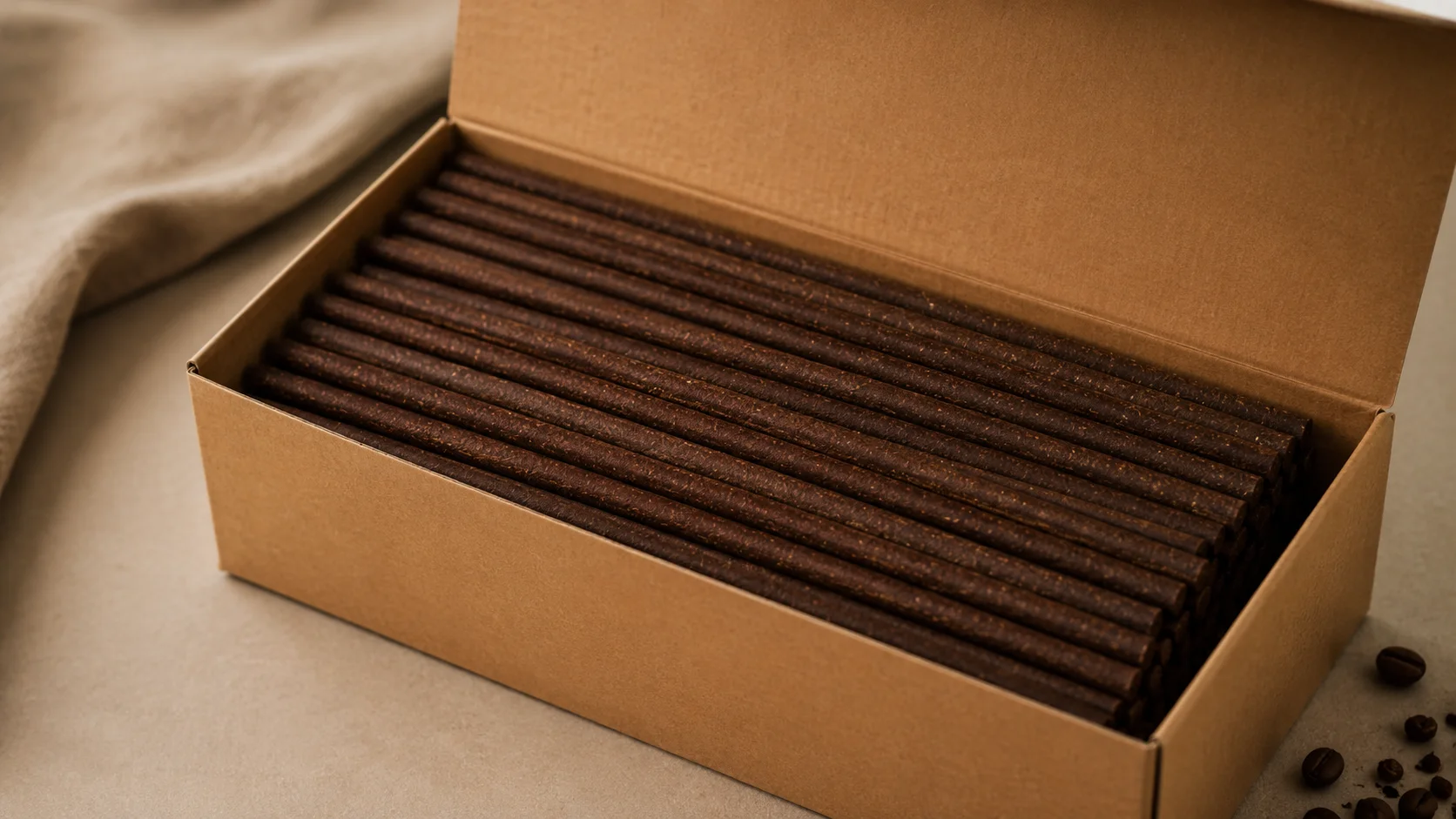
La richiesta di alternative eco-compatibili sta ora guidando una significativa innovazione nei materiali e nel design estetico. Le cannucce sostenibili sono disponibili in una ricca tavolozza, che va dalle tonalità naturali presenti nel bambù, nell'erba, nella canna da zucchero, nei fondi di caffè e nelle fibre di cocco alle opzioni dalle tinte vivaci realizzate con carta, PLA (acido polilattico a base vegetale), silicone e riso.
Questa diversità dei materiali e la personalizzazione del design rappresentano una potente opportunità per le aziende. I marchi possono sfruttare la stampa personalizzata con loghi e colori abbinati al marchio sulle cannucce di carta, migliorando la visibilità del marchio e allineandosi con gli obiettivi di sostenibilità. Ad esempio, le cannucce in PLA sono disponibili in vari colori come rosa, verde e arancione e possono essere compostabili certificate BPI®, offrendo sia fascino estetico che credibilità ambientale. Le cannucce di agave, realizzate con fibre vegetali di agave, esemplificano ulteriormente questo progresso, vantando una garanzia di decomposizione del 95% entro 180 giorni in una discarica attiva.L’evoluzione della cannuccia riflette il passaggio dalla praticità della plastica all’innovazione sostenibile e colorata.

IV. Valore strategico delle cannucce colorate nel branding e nelle operazioni B2B
Al di là della semplice utilità, le cannucce colorate fungono da strumento operativo e di branding sottile ma potente per le aziende. In un mercato sempre più competitivo, ogni punto di contatto con un cliente o cliente offre l'opportunità di rafforzare l'identità del marchio e comunicare valori fondamentali.
A. Riconoscimento del marchio ed esperienza del cliente attraverso la psicologia del colore
La psicologia del colore gioca un ruolo significativo nell’influenzare la percezione del consumatore e l’associazione al marchio. Gli studi indicano che fino al 90% del giudizio subconscio su un prodotto si forma solo in base al colore. L'uso coerente di cannucce colorate specifiche rafforza l'identità e il riconoscimento del marchio, rendendolo memorabile e immediatamente riconoscibile.
Considera ilPaglia verde di Starbucks: La caratteristica cannuccia verde è immediatamente riconoscibile e funge da sottile ma potente identificatore del marchio e da status symbol per l'azienda. Questo dettaglio apparentemente minore contribuisce a un’esperienza di marchio coerente che i clienti associano all’immagine premium di Starbucks e all’impegno per la qualità. Allo stesso modo, McDonald’s utilizza strategicamente il rosso e il giallo nel suo marchio, comprese le cannucce, per evocare eccitazione, appetito, felicità e cordialità, rafforzando costantemente la promessa del suo marchio di cibo veloce e piacevole.
Le cannucce personalizzate o colorate strategicamente migliorano l'esperienza del cliente, favorendo la fidelizzazione e incoraggiando la ripetizione degli affari. Trasformano un oggetto banale in una parte della narrativa del marchio, rendendo l'esperienza di consumo più memorabile e condivisibile, soprattutto in un'epoca dominata dai contenuti visivi dei social media.
B. Promuovere la sostenibilità e la differenziazione del mercato con scelte cromatiche strategiche
L’adozione di cannucce colorate ecologiche segnala l’impegno di un marchio verso la sostenibilità, attirando consumatori attenti all’ambiente che cercano e sostengono attivamente le imprese verdi. Questo allineamento con i crescenti valori dei consumatori può tradursi direttamente in guadagni di quote di mercato e in una maggiore equità del marchio.
La tendenza del mercato punta inequivocabilmente verso la sostenibilità. Si prevede che il mercato globale della paglia raggiungerà i 24,26 miliardi di dollari entro il 2030, crescendo a un tasso di crescita annuale composto (CAGR) di circa il 6,18% dal 2025 al 2030. All’interno di questo, si prevede che il solo mercato della paglia di carta raggiungerà i 6,17 miliardi di dollari entro il 2030, con un notevole CAGR del 16,30% dal 2025 al 2034. Le aziende che passano in modo proattivo ad alternative sostenibili, spesso colorate, non si limitano a rispettare le normative future; stanno attingendo a un segmento di mercato in rapida espansione. Le aziende possono differenziarsi ulteriormente offrendo colori personalizzati o design unici in materiali sostenibili, trasformando una necessità operativa in un vantaggio competitivo. Questo approccio strategico all’approvvigionamento può posizionare un marchio come leader del settore sia nell’innovazione che nella responsabilità aziendale.Le cannucce colorate offrono un potente branding e una differenziazione sostenibile per le operazioni B2B.
V. Confronto delle opzioni di paglia sostenibile per gli appalti B2B
Selezionare la paglia giusta implica bilanciare esigenze operative, conformità e obiettivi di sostenibilità. La tabella seguente delinea le considerazioni chiave per i professionisti degli appalti B2B che valutano le opzioni di paglia sostenibile:
| Caratteristica | Impatto operativo B2B | Nota di conformità | Potenziale ROI |
|---|---|---|---|
| Cannucce di carta | Facilmente biodegradabile; potrebbe ammorbidirsi con l'uso prolungato. | La certificazione FSC supporta l'approvvigionamento sostenibile. | Riduzione dei rifiuti di plastica, rispetto delle norme di divieto, attrazione degli eco-consumatori. |
| PLA (a base vegetale) | Biodegradabile nel compost industriale; richiede uno smaltimento specifico. | Il compostabile certificato BPI® si allinea con le iniziative ecologiche. | Immagine del marchio migliorata, potenziale di prezzi premium per offerte sostenibili. |
| Acciaio inossidabile | Altamente durevole, riutilizzabile; richiede la pulizia delle infrastrutture. | Rispetto degli obiettivi di riusabilità; risorsa a lungo termine. | Significativi risparmi sui costi a lungo termine rispetto alle opzioni usa e getta, forte percezione ecologica. |
| Fibra di canna da zucchero/agave | Naturale, compostabile; texture unica, estetica naturale. | OK Home Compostabile (canna da zucchero); le cannucce di agave si decompongono del 95% in 180 giorni in discarica. | Differenziazione del marchio, appeal sui mercati naturali/organici, ridotto impatto ambientale. |
La scelta di cannucce sostenibili bilancia le esigenze operative, la conformità e il ROI per gli appalti B2B.

VI. Superare le sfide nella filiera della paglia colorata
Il diffuso spostamento verso cannucce sostenibili e colorate introduce nuove complessità per l’approvvigionamento e la gestione della catena di fornitura. Sebbene i vantaggi siano chiari, affrontare queste sfide richiede lungimiranza e strategie solide.
A. Sfide nel procurement e volatilità del mercato
Una sfida produttiva significativa consiste nel raggiungere una qualità del colore uniforme tra i lotti, in particolare con materiali naturali o di origine vegetale. Questi materiali spesso possiedono proprietà fisiche diverse, rendendo la dispersione dei pigmenti e la colorazione uniforme più difficili rispetto alle plastiche tradizionali. Un ostacolo critico alla conformità consiste nel garantire che i pigmenti di qualità alimentare non penetrino nelle bevande. Ciò richiede test rigorosi e una costante aderenza alle normative internazionali come quelle della FDA negli Stati Uniti e degli organismi equivalenti nell’UE.
Inoltre, la volatilità della catena di approvvigionamento per le nuove materie prime può avere un impatto significativo sulla disponibilità e sui prezzi, portando a ritardi di produzione e superamento dei costi. I produttori di apparecchiature originali (OEM) sono stati storicamente riluttanti a passare da plastiche stabili e ben conosciute a materiali naturali con proprietà fisiche meno prevedibili, creando inerzia nella catena di fornitura. Anche una previsione accurata della domanda per cannucce sostenibili colorate specifiche è fondamentale, poiché valutare erroneamente la preferenza dei consumatori per una tonalità particolare può portare a un eccesso di scorte o a costosi esaurimenti delle scorte.
B. Le prospettive future: innovazione e approvvigionamento responsabile
Nonostante queste sfide, il mercato delle cannucce sostenibili è fortemente guidato dalla persistente domanda dei consumatori e delle normative per soluzioni ecocompatibili. L’innovazione è dilagante, con i leader di mercato che spingono i confini della scienza dei materiali e del design. Aziende come FinalStraw, che detengono una quota stimata del 14-18% nel mercato dei riutilizzabili, hanno lanciato innovazioni come bacchette autopulenti integrate e custodie compatte auto-distributive. Klean Kanteen, con una quota stimata del 12-16%, ha introdotto kit di cannucce riutilizzabili con anima in acciaio, punte in silicone e set codificati a colori con finiture antimicrobiche.
For discerning B2B buyers, this translates into a strategic opportunity. Prioritizing suppliers with proven traceability and robust quality control for colored sustainable straws is paramount. This ensures not only compliance with evolving regulations but also the delivery of a consistent, high-quality product that enhances brand image and supports long-term sustainability goals. The future of colored straws lies in embracing these innovations, overcoming manufacturing hurdles with collaborative R&D, and committing to genuinely responsible sourcing practices that benefit both business and planet.Affrontare le sfide della filiera sostenibile della paglia richiede lungimiranza, innovazione e approvvigionamento responsabile.
Conclusione: sfruttare il potere del colore per un vantaggio B2B sostenibile
Mentre lo stravagante “codice della cannuccia” può catturare l’immaginazione dei consumatori, l’applicazione strategica di cannucce di colore diverso in un contesto B2B offre vantaggi tangibili da una maggiore sicurezza alimentare e conformità sanitaria a una potente differenziazione del marchio e allineamento alla sostenibilità. I leader lungimiranti degli approvvigionamenti e delle operazioni devono valutare nuove innovazioni nei materiali e collaborare con fornitori in grado di fornire cannucce sostenibili di alta qualità, conformi e provenienti da fonti responsabili. Questo approccio proattivo favorirà l’eccellenza operativa, mitigherà i rischi normativi, migliorerà la percezione del marchio e garantirà la leadership di mercato a lungo termine in un’economia globale sempre più eco-consapevole. Richiedi oggi stesso un pacchetto campione di paglia sostenibile pronto per la conformità per garantire il tuo vantaggio di mercato prima che i cambiamenti normativi del terzo trimestre abbiano pieno effetto.
Richiedi oggi stesso il tuo pacchetto campione di paglia sostenibile!
Domande frequenti
Le cannucce di colore diverso hanno significati segreti al Dutch Bros Coffee?
No, la popolare teoria del “codice di paglia” legata a Dutch Bros Coffee è una leggenda metropolitana. I dipendenti di Dutch Bros hanno dichiarato pubblicamente che i colori della paglia vengono selezionati in modo casuale e che non esiste alcuna convalida ufficiale per i presunti significati segreti.
Come viene utilizzata la codifica a colori nelle operazioni di ristorazione B2B?
Nel servizio di ristorazione B2B, la codifica a colori è fondamentale per prevenire la contaminazione incrociata e gestire gli allergeni. Ad esempio, il rosso è per le carni crude, il giallo per il pollame crudo, il blu per i frutti di mare, il verde per frutta/verdura, il bianco per i latticini/carni cotte e il viola per il controllo degli allergeni. Ciò migliora la sicurezza e l’efficienza della formazione.
Quali sono i vantaggi dell’utilizzo di cannucce colorate sostenibili per le attività ricettive?
Le cannucce colorate sostenibili migliorano il riconoscimento del marchio, si allineano ai valori dei consumatori eco-consapevoli e differenziano le aziende sul mercato. Aiutano inoltre a rispettare le normative sulla plastica monouso e a ridurre l’impatto ambientale, portando a guadagni di quote di mercato.
Quali sono le principali sfide nella catena di fornitura delle cannucce colorate sostenibili?
Challenges include achieving consistent color quality with natural materials, ensuring food-grade pigments don’t leach, managing supply chain volatility for new raw materials, and accurate demand forecasting for specific hues. Overcoming these requires robust R&D and responsible sourcing.
Come possono i responsabili degli approvvigionamenti garantire la conformità nell'approvvigionamento di cannucce colorate?
I responsabili degli approvvigionamenti dovrebbero dare priorità ai fornitori con tracciabilità comprovata e controllo di qualità solido. Ciò garantisce che i pigmenti per uso alimentare soddisfino le normative internazionali (ad esempio, FDA, standard UE) e che materiali come il PLA siano compostabili certificati BPI®, in linea con le iniziative ecologiche.