Una cannuccia commestibile è la scelta sostenibile giusta per la tua attività?
Il futuro del sorso sostenibile: le cannucce commestibili sono la vera soluzione a rifiuti zero per le aziende?

Navigare nel futuro del servizio bevande
L’imperativo globale di ridurre i rifiuti di plastica monouso ha messo sotto i riflettori l’umile cannuccia, trasformandola da un semplice oggetto di consumo in un simbolo di responsabilità ambientale aziendale. I responsabili degli approvvigionamenti, i direttori delle operazioni, i responsabili della sostenibilità e i dirigenti della catena di fornitura si trovano oggi ad affrontare una sfida fondamentale: come abbandonare la plastica tradizionale mantenendo l’efficienza operativa, gestendo i costi e soddisfacendo le esigenze normative e dei consumatori in evoluzione. La posta in gioco è alta; le cannucce di plastica da sole rappresentano circa il 4% dei rifiuti di plastica sulle spiagge e un video virale del 2015 di una tartaruga marina con una cannuccia depositata ha galvanizzato un movimento globale per il cambiamento. Ignorare questo cambiamento può portare a impatti commerciali significativi, dalle sanzioni normative previste da direttive come la Direttiva UE sulla plastica monouso alla diminuzione del valore del marchio e alla perdita di quote di mercato tra i consumatori sempre più attenti all’ambiente. Questa guida approfondisce le sfumature delle cannucce ecologiche, offrendo una prospettiva strategica sulla possibilità che le soluzioni commestibili possano davvero rappresentare un'alternativa praticabile, scalabile e vantaggiosa per la tua azienda.
Disimballare lo spettro delle cannucce ecologiche
Il viaggio verso le cannucce sostenibili è spesso complesso, con una sconcertante serie di termini come “biodegradabile”, “compostabile” e “commestibile” che aggiungono strati di confusione. Per prendere decisioni aziendali informate, comprendere queste distinzioni è fondamentale:
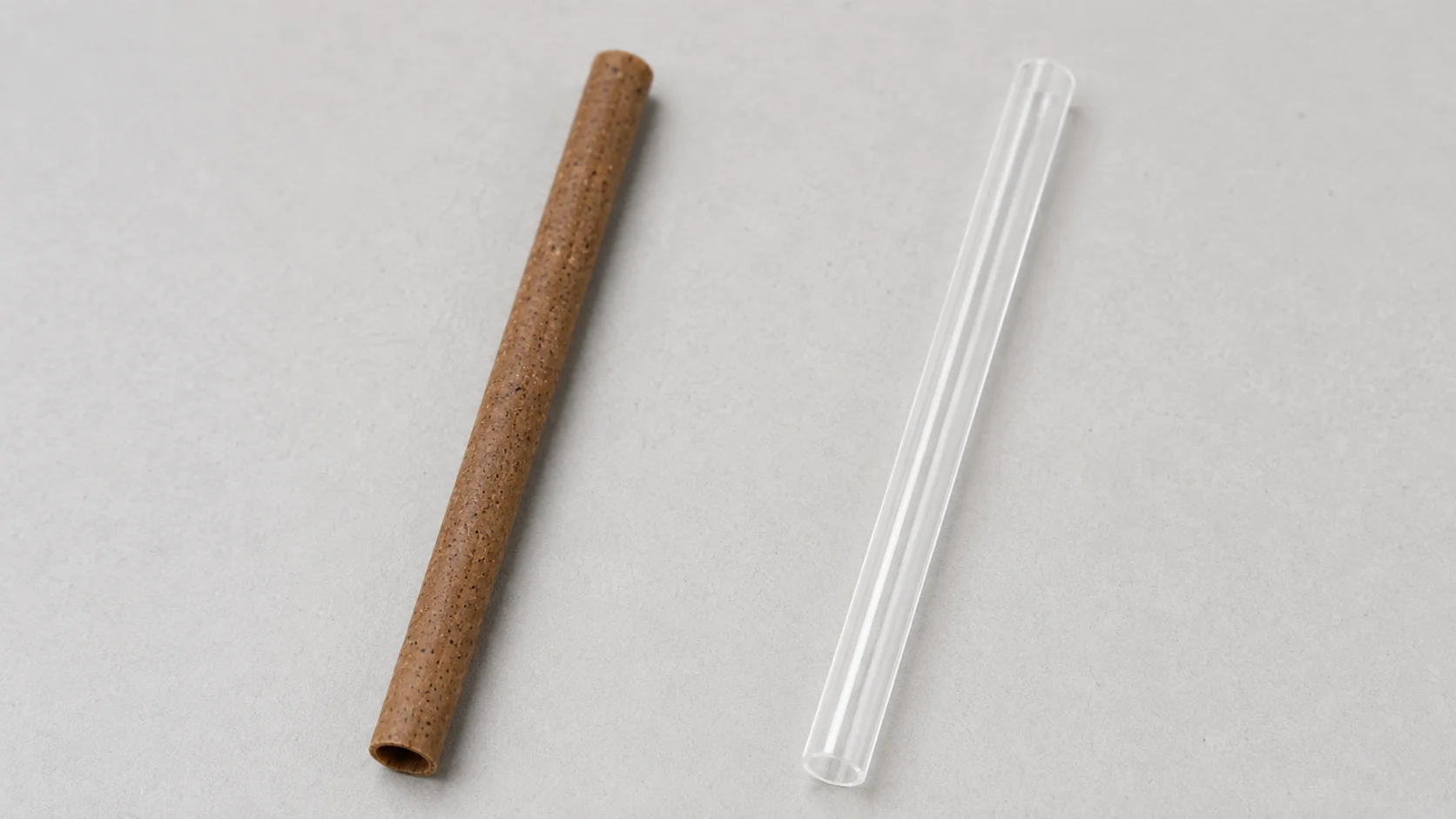
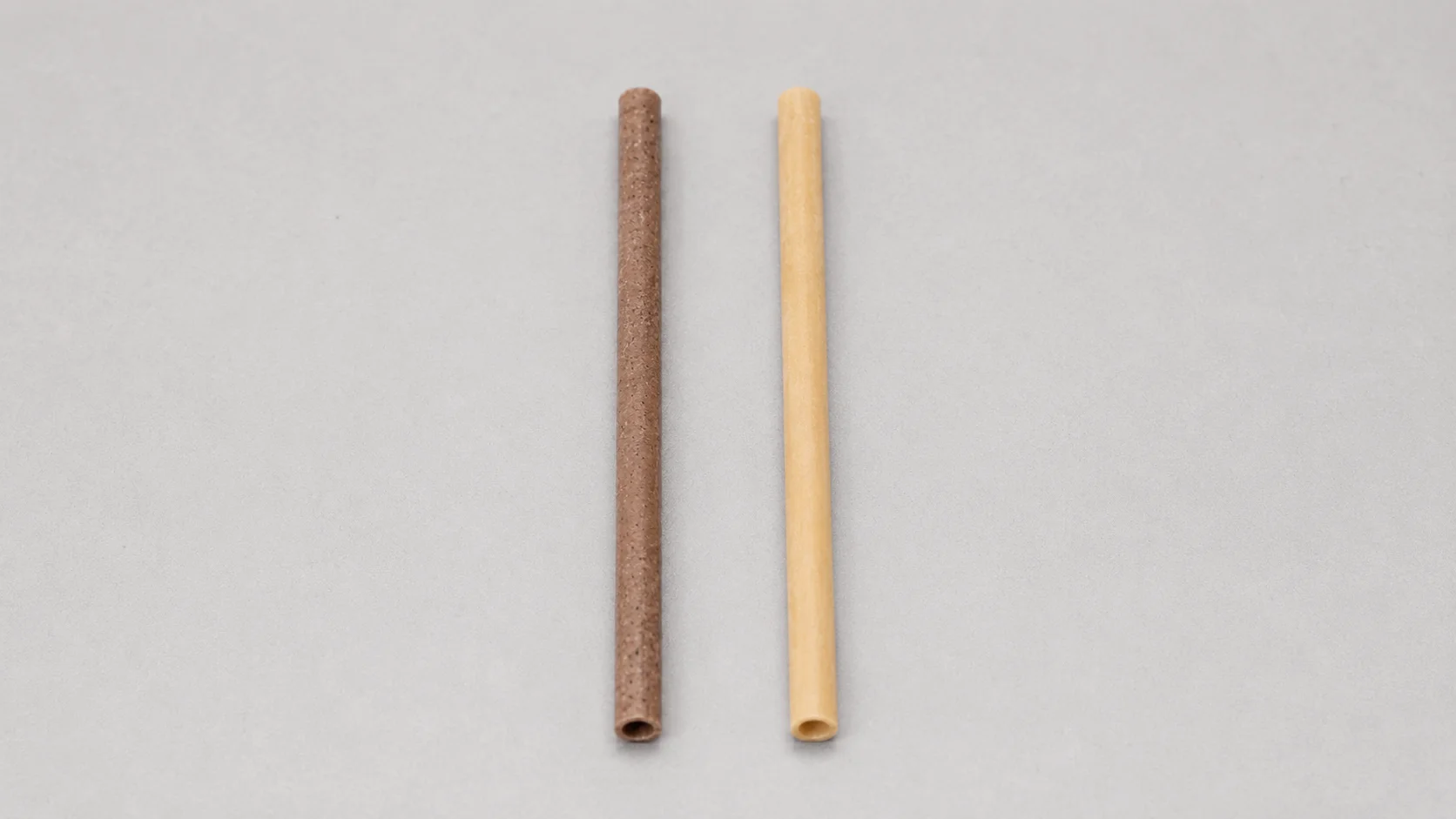
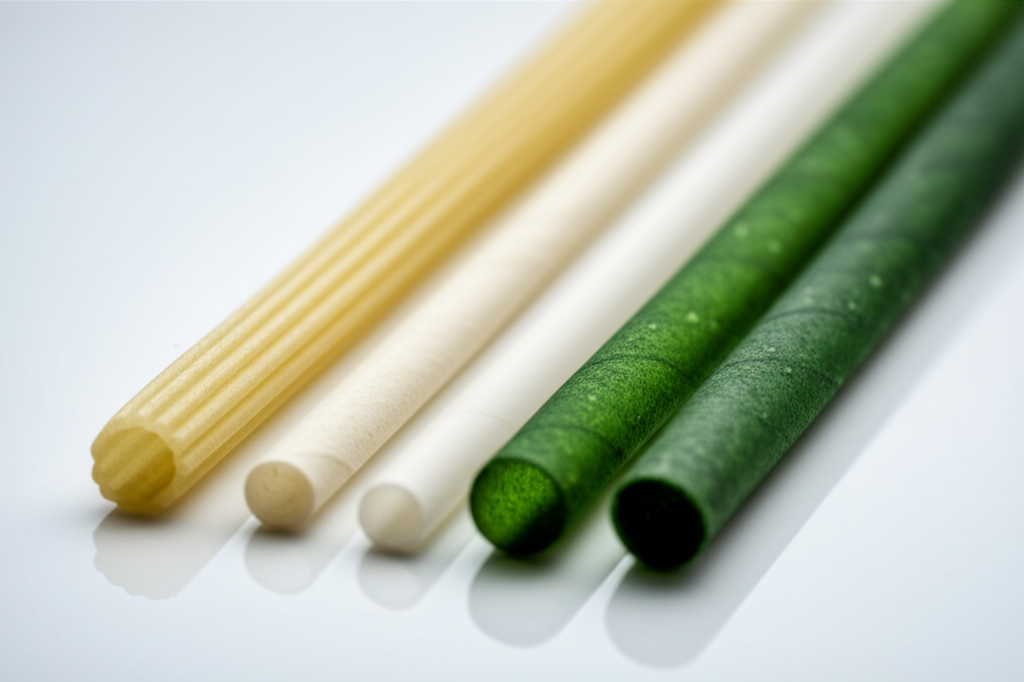
Cannucce commestibili definite:Queste alternative innovative sono progettate specificamente per essere consumate dopo l'uso, offrendo una soluzione veramente a zero rifiuti. Realizzati con ingredienti di qualità alimentare come riso, pasta (tipicamente grano o semola), amido di tapioca, amido di mais, alghe, zucchero o gelatina, sono sottoposti a severi test di sicurezza alimentare. Le cannucce commestibili sono progettate per essere solide e funzionali durante l'uso, spesso mantenendo la loro integrità nelle bevande fredde per diverse ore (le cannucce di riso, ad esempio, possono durare fino a 4-5 ore), prima di ammorbidirsi abbastanza da poter essere mangiate o, se non consumate, rompersi naturalmente. Molti sono progettati per essere insipidi o per conferire un sapore complementare e sottile, migliorando l'esperienza complessiva del bere.
Cannucce biodegradabili (non commestibili):Questa categoria più ampia comprende materiali che si decompongono naturalmente nel tempo, ma non sono destinati al consumo umano. Gli esempi includono:
- Cannucce di carta: Un'alternativa ampiamente adottata, spesso criticata perché si inzuppa rapidamente, in particolare nelle bevande calde o durante l'uso prolungato. Una preoccupazione significativa è emersa anche riguardo alla presenza di “sostanze chimiche per sempre” (PFAS), utilizzate per la resistenza all’acqua, in un’alta percentuale di cannucce di carta, che possono persistere nell’ambiente e comportare rischi per la salute.
- Cannucce in PLA (acido polilattico): Derivate da amidi vegetali fermentati come il mais o la canna da zucchero, le cannucce in PLA assomigliano alla plastica tradizionale e sono compostabili. Tuttavia, la loro biodegradabilità è condizionata; in genere richiedono specifici impianti di compostaggio industriale che operano a temperature elevate (superiori a 60°C) per essere decomposti in modo efficace. Se non smaltiti in queste strutture specializzate, possono persistere nelle discariche o negli oceani per centinaia o migliaia di anni, analogamente alla plastica convenzionale, e possono persino contaminare i flussi di riciclaggio a causa dei loro diversi punti di fusione.
- Altre cannucce a base vegetale: Materiali come la bagassa di canna da zucchero (un prodotto di scarto della lavorazione della canna da zucchero), il bambù e l'agave vengono utilizzati anche per produrre cannucce biodegradabili. Sebbene siano rispettosi dell'ambiente nella loro decomposizione, questi non sono progettati per essere mangiati dagli esseri umani.
Per i decisori B2B, l’imperativo ambientale va oltre il semplice rispetto dei crescenti divieti sulla plastica in tutta l’UE e in vari stati degli Stati Uniti. Abbracciare soluzioni autenticamente sostenibili come le cannucce commestibili può rafforzare in modo significativo le credenziali ambientali di un’azienda, avere una profonda risonanza con i consumatori eco-consapevoli e contribuire in modo significativo all’immagine del marchio e agli obiettivi di responsabilità sociale d’impresa. Le aziende possono anche ottenere informazioni su come ottimizzare la propria strategia di imballaggio sostenibile esaminando guide complete su argomenti comeconformità alle importazioni di cannucce biodegradabili.
Il vantaggio strategico: perché le cannucce commestibili sono in sintonia con le aziende moderne
Per le aziende lungimiranti che mirano a essere leader nella sostenibilità, le cannucce commestibili offrono vantaggi convincenti che vanno ben oltre il semplice fatto di essere "ecocompatibili":
- Operazioni a rifiuti zero: Il vantaggio più immediato e di maggiore impatto è la completa eliminazione dei rifiuti post-consumo. Quando una cannuccia commestibile viene consumata, non rimane letteralmente nulla da smaltire, riducendo significativamente i contributi in discarica e semplificando i processi di gestione dei rifiuti per il tuo stabilimento. Questa riduzione tangibile dei rifiuti si traduce direttamente in un’operazione più efficiente, meno costosa e rispettosa dell’ambiente.
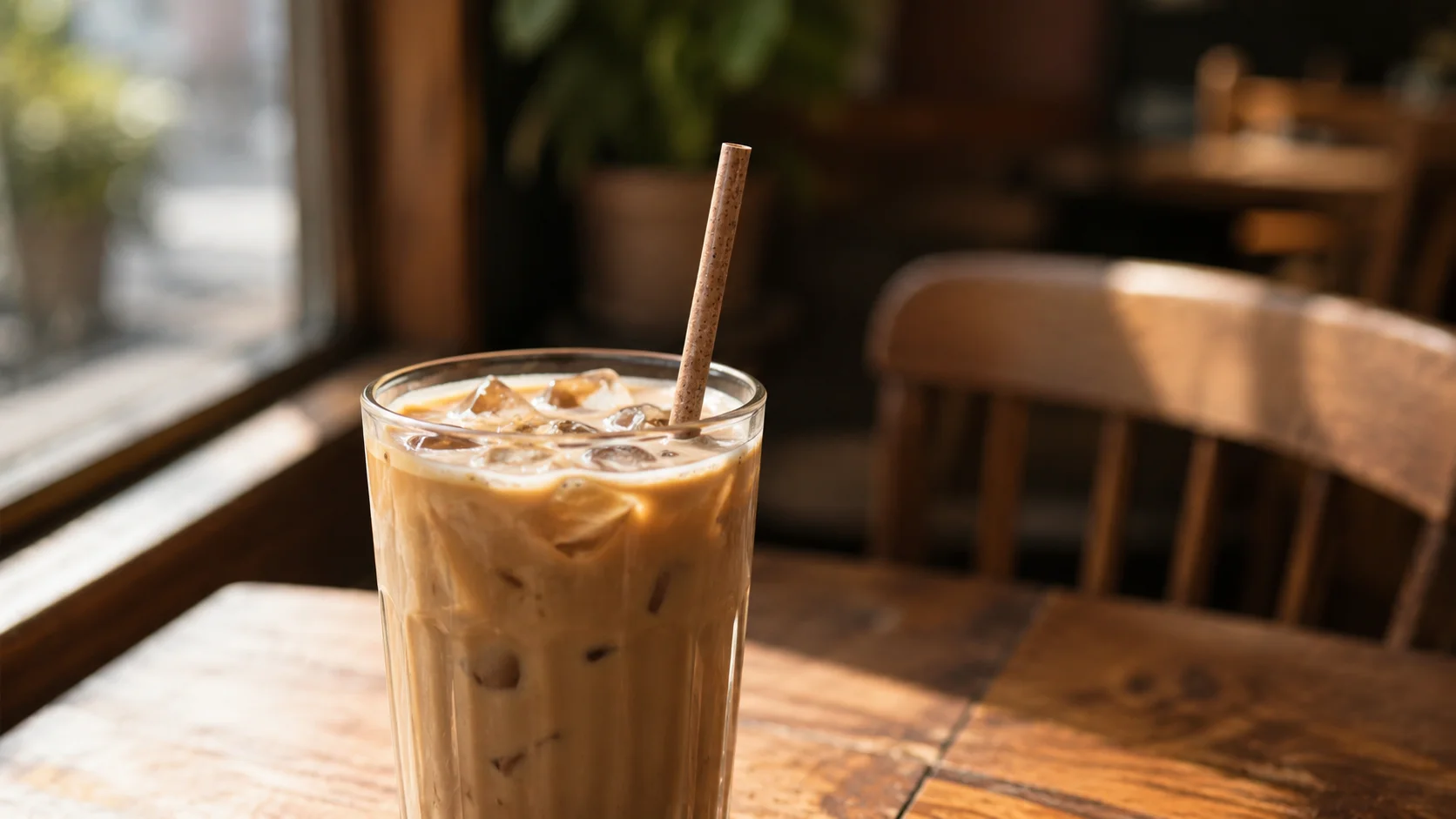
- Enhanced Customer Experience & Brand Differentiation: Le cannucce commestibili forniscono un'aggiunta unica, memorabile e spesso saporita alle bevande. Questa novità può essere un potente elemento di differenziazione in un mercato competitivo, attraendo fortemente i dati demografici più giovani che danno priorità a scelte sostenibili ed esperienze uniche. Le opzioni aromatizzate, come limone, fragola, cioccolato o persino zenzero, elevano l'esperienza del bere oltre la semplice utilità, favorendo un coinvolgimento positivo sui social media e il marketing del passaparola. Immagina di offrire un sottile sentore di cioccolato con un caffè o una rinfrescante nota di agrumi con un succo.
- Considerazioni sulla sicurezza e sulla salute: Realizzate con ingredienti naturali di qualità alimentare, le cannucce commestibili sono intrinsecamente prive di sostanze chimiche dannose comunemente presenti in alcune cannucce di plastica, come BPA e ftalati. Inoltre, a differenza di alcune alternative alla carta, sono privi di PFAS (sostanze per- e polifluoroalchiliche), note anche come “sostanze chimiche per sempre”, che sono state collegate a gravi problemi di salute. Molte opzioni commestibili sono inoltre formulate per essere prive di glutine e allergeni, ampliando la loro attrattiva e garantendo l’accessibilità per una base di clienti più ampia.
- Soddisfare le esigenze di accessibilità: L’abbandono globale delle cannucce di plastica ha, a volte, trascurato le esigenze delle persone con disabilità che fanno affidamento sulla flessibilità e sulla durata delle tradizionali cannucce di plastica per l’idratazione e i farmaci. Le cannucce commestibili, essendo più flessibili delle opzioni rigide riutilizzabili (come il metallo o il vetro) e più resistenti delle cannucce di carta che si degradano rapidamente, possono offrire un'alternativa più pratica e sicura, garantendo l'inclusione nei tuoi sforzi di sostenibilità. Comprendere l’intero panorama delle opzioni di paglia sostenibile, comprese quelle utilizzate dai principali marchi, può essere fondamentale per le strategie di approvvigionamento, come dettagliato nella nostra guida: Decodificare la strategia con la cannuccia di McDonald's: una guida B2B.
Orientarsi tra le scelte: una guida comparativa B2B per cannucce sostenibili
La scelta della soluzione di paglia ottimale richiede una comprensione approfondita delle prestazioni, delle implicazioni in termini di costi e del reale impatto ambientale. Ecco uno sguardo comparativo alle principali opzioni per i decisori B2B più esigenti:
| Caratteristica/Tipo di paglia | Cannucce commestibili (riso, pasta, alghe) | Cannucce di carta | Cannucce in PLA (bioplastica). | Cannucce tradizionali in plastica (PP/PS) (per contesto) |
|---|---|---|---|---|
| Materiali chiave | Farina di riso, amido di tapioca, frumento, amido di mais, alghe, zucchero, gelatina | Carta Virgin Kraft, carta riciclata (spesso con rivestimenti) | Amido di mais, canna da zucchero, agave (amido vegetale fermentato) | Polipropilene (PP), Polistirolo (PS) |
| Durabilità nei liquidi | Buono (30 minuti – 4 ore, a seconda del tipo/bevanda); progettato per ammorbidire | Variabile (può inzupparsi rapidamente, specialmente in caso di uso caldo/lungo); migliorando | Buono (simile alla plastica); adatto per caldo/freddo | Eccellente, ma si rompe in microplastiche |
| Smaltimento a fine vita | Consumare dopo l'uso; se non mangiato, completamente compostabile/biodegradabile | Biodegradabile, compostabile (se non PFAS); spesso finisce in discarica | Compostabile (richiede strutture industriali, non compostabile a casa) | Riciclabile (spesso non accettato); per lo più inquinamento da discariche/oceano |
| Impatto sul gusto/consistenza | Sapore neutro o complementare; consistenza unica e commestibile | Può conferire un sapore cartaceo; sensazione sgradevole in bocca quando è fradicio | Gusto neutro; sensazione simile alla plastica | Gusto neutro; sensazione liscia e familiare |
| Implicazioni sui costi | Costo unitario iniziale più elevato, ma zero rifiuti, riducono i costi di smaltimento | Moderato, ma può essere superiore a quello della plastica | Da moderato ad alto | Molto basso |
| Conformità normativa | Eccellente (soluzione zero rifiuti, rispetta i divieti sulla plastica) | Varia (soddisfa alcuni divieti, ma la preoccupazione per i PFAS è in aumento) | Varia (conforme se è disponibile e utilizzato il compostaggio industriale) | Alto rischio (sempre più vietato/limitato a livello globale) |
| Percezione del consumatore | Altamente positivo (punto di forza innovativo, divertente, eco-consapevole, unico) | Misto (intenzioni ecologiche, ma spesso esperienza negativa) | Misto (ecologico ma confusione sullo smaltimento, preoccupazioni di greenwashing) | Altamente negativo (principale colpevole ambientale, spesso evitato attivamente) |
| Rischi legati agli allergeni | Dipende dagli ingredienti (ad esempio, la pasta contiene glutine); molti sono GF/AF | Preoccupazioni PFAS basse, ma in crescita (ad esempio, in Europa e Nord America) | Basso, ma qualche preoccupazione per le colture OGM | Basso |
| Durata di conservazione | Tipicamente 12-24 mesi (richiede conservazione in luogo asciutto e con umidità controllata) | Varia, generalmente buono | Buono, simile alla plastica | Molto lungo (secoli nell'ambiente, decomposizione della microplastica) |

Market Dynamics & Forward-Looking Insights for Your Business
Lo spostamento globale verso le cannucce commestibili e biodegradabili non è semplicemente una tendenza passeggera, ma una profonda trasformazione del mercato, che presenta opportunità significative e sfide uniche per le aziende che ne comprendono le dinamiche.
Robusta crescita del mercato:Il mercato complessivo delle cannucce ecologiche sta vivendo una forte espansione, che si prevede raggiungerà quasi 25,1 miliardi di dollari entro il 2035 da una stima di 12,3 miliardi di dollari nel 2025, dimostrando un tasso di crescita annuale composto (CAGR) del 7,3%. All’interno di questo settore in espansione, si prevede che il solo segmento della paglia commestibile crescerà ad un forte CAGR di oltre il 9-10% nel periodo 2033-2035, con alcuni rapporti che indicano una crescita da 209,03 milioni di dollari nel 2020 a 446,96 milioni di dollari nel 2030, a testimonianza della crescente domanda e di un ambiente maturo per investimenti strategici.
Fattori chiave che spingono l’adozione:
- Pressioni normative: I governi di tutto il mondo stanno adottando divieti e restrizioni sempre più stringenti sulla plastica monouso. La Direttiva sulla plastica monouso dell’Unione Europea (SUPD), ad esempio, ha accelerato in modo significativo la transizione verso alternative, rendendo l’Europa leader nel mercato delle cannucce biodegradabili. Allo stesso modo, vari divieti a livello statale negli Stati Uniti stanno costringendo le aziende ad adattarsi.
- Domanda dei consumatori: Una maggiore consapevolezza ambientale a livello globale, in particolare tra le generazioni più giovani, determina una forte preferenza e disponibilità a pagare un premio per opzioni sostenibili. I consumatori cercano attivamente marchi in linea con i loro valori ecologici.
- Iniziative di sostenibilità aziendale: Le aziende stanno integrando sempre più pratiche ecocompatibili nella loro strategia di core business. L'adozione di cannucce sostenibili è un modo visibile e di grande impatto per migliorare la reputazione del marchio, migliorare il vantaggio competitivo e raggiungere gli obiettivi ESG (ambientali, sociali e di governance) interni.

Sector-Specific Adoption & Regional Insights:ILHoReCa (hotel, ristoranti e caffè)si distingue come uno dei principali utilizzatori di cannucce commestibili e biodegradabili. I principali marchi di ospitalità come W Hotels (Marriott) e Hilton Hotels stanno già incorporando cannucce commestibili nelle loro operazioni, riconoscendo sia i vantaggi ambientali che la migliore esperienza del cliente. Anche i ristoranti a servizio rapido (QSR) e i servizi di consegna di cibo stanno contribuendo in modo significativo alla domanda. A livello regionale, Europa e Nord America sono attualmente leader in termini di adozione e quota di mercato, con l’Europa che distribuisce circa 180 milioni di cannucce commestibili ogni anno, che rappresentano il 30% dell’uso globale. L’Asia-Pacifico è identificata come la regione in più rapida crescita per le cannucce ecologiche, guidata dalla rapida urbanizzazione, dall’espansione dei settori della vendita al dettaglio e da solide iniziative governative per controllare i rifiuti di plastica.

Innovation Hotbeds & Future Trends:Il settore è un focolaio di innovazione, che sviluppa costantemente nuovi materiali e migliora la funzionalità.
- Nuovi materiali: Cerca i continui progressi nelle cannucce PHA (poliidrossialcanoato), derivate da risorse rinnovabili come l'olio di canola, che stanno guadagnando terreno grazie alla loro capacità di biodegradarsi in diversi ambienti, compresi gli ambienti marini, in pochi mesi. Le cannucce di cellulosa batterica, prodotte da batteri che si nutrono di zucchero e rivestite con alginato di sodio, offrono una durata superiore rispetto alla carta e possono essere paragonabili in termini di costi alla plastica, poiché si decompongono senza compostaggio industriale. Anche le foglie di cocco essiccate vengono trasformate in cannucce multistrato, naturalmente antiossidanti.
- Funzionalità migliorata: L’attenzione rimane sul superamento delle carenze delle prime alternative. Le innovazioni stanno migliorando la resistenza all'umidità e la durata nelle bevande, con formulazioni specifiche di cannucce commestibili progettate per durare fino a 45 minuti nelle bevande fredde prima di ammorbidirsi. Anche i profili aromatici diversificati e accattivanti per le cannucce commestibili rappresentano un’area di crescita significativa, con le aziende che offrono un’ampia gamma dal limone e fragola al caffè e barbabietola.
- Efficienza produttiva: Le nuove tecnologie di estrusione e i metodi di produzione senza colla riducono costantemente i costi di produzione e migliorano la consistenza, rendendo le opzioni sostenibili più convenienti dal punto di vista economico.
- Soluzioni “intelligenti”: Sebbene siano ancora allo stato nascente, le innovazioni future potrebbero includere cannucce intelligenti riutilizzabili con filtraggio incorporato per la purificazione dell’acqua o analisi sulla riduzione dei rifiuti basate sull’intelligenza artificiale, offrendo soluzioni di sostenibilità realmente integrate.
Affrontare le sfide a testa alta:Sebbene la promessa delle cannucce commestibili sia immensa, le aziende devono riconoscere e superare i limiti esistenti. Il costo unitario iniziale più elevato rispetto alla plastica tradizionale rimane un ostacolo, anche se i risparmi a lungo termine derivanti dalla riduzione dello smaltimento dei rifiuti possono compensarlo. Anche la necessità di un’adeguata formazione sullo smaltimento, in particolare per le cannucce in PLA che richiedono rigorosamente il compostaggio industriale e possono contaminare il riciclaggio se indirizzate erroneamente, rappresenta una sfida operativa. Inoltre, le preoccupazioni relative ai “prodotti chimici per sempre” (PFAS) in alcune cannucce di carta evidenziano la necessità fondamentale di un attento approvvigionamento dei materiali e di catene di approvvigionamento trasparenti. Le aziende che si concentrano su opzioni genuinamente commestibili o degradabili in mare possono mitigare in modo significativo questi rischi, rafforzare la fiducia dei consumatori e differenziare il proprio marchio. Per un approfondimento sulla gestione efficace dei rifiuti per il settore alberghiero, considera la nostra guida:Smaltimento della paglia compostabile: una guida per l'ospitalità.
Fai la scelta intelligente e sostenibile per la tua azienda
La questione per i responsabili degli approvvigionamenti, i direttori delle operazioni, i responsabili della sostenibilità e i dirigenti della catena di fornitura lungimiranti non è più una questione da porsiSela tua azienda dovrebbe adottare cannucce sostenibili, maQualeLa paglia sostenibile si allinea al meglio con i valori aziendali, le esigenze operative e le aspettative dei clienti. Adottando strategicamente le cannucce commestibili, non stai solo rispettando una crescente ondata di normative; stai facendo un investimento tangibile in un futuro in cui il tuo marchio si distingue come innovatore e leader nella gestione ambientale. Questo approccio proattivo può portare a notevoli risparmi sui costi attraverso la riduzione delle spese di gestione dei rifiuti, mitigare i rischi normativi e aumentare sostanzialmente il valore del marchio, assicurandosi una quota maggiore di un mercato che premia sempre più la vera sostenibilità.
I tuoi prossimi passi strategici:
- Condurre una valutazione completa: Analizza i tuoi attuali modelli di utilizzo della paglia, i tipi di bevande servite, i dati demografici dei tuoi clienti principali e l'infrastruttura locale di gestione dei rifiuti e compostaggio disponibile per le tue operazioni.
- Avviare un programma pilota: Consideriamo un esperimento su piccola scala con cannucce commestibili in un ambiente controllato. Raccogli feedback preziosi sulla loro durabilità, sull'accettazione da parte dei clienti e su eventuali aggiustamenti operativi richiesti prima di un'implementazione più ampia.
- Creare partenariati strategici: Collabora con fornitori affidabili che offrono approvvigionamento trasparente, certificazioni solide (ad esempio, per uso alimentare, compostabile) e una vasta gamma di opzioni di paglia commestibile per identificare la soluzione perfetta per le esigenze specifiche del tuo marchio.
- Amplifica il tuo impegno: Sfrutta la transizione alle cannucce commestibili come potente narrazione nelle tue attività di marketing e coinvolgimento dei clienti. Comunica chiaramente la tua dedizione alla sostenibilità e all'innovazione, trasformando un cambiamento operativo necessario in una storia avvincente di leadership ambientale.
Prendendo oggi una decisione strategica e informata, la tua azienda può trasformare una sfida ambientale globale in un'interessante opportunità di crescita, di miglioramento della reputazione del marchio e di un significativo impatto positivo.
Domande frequenti (FAQ)
Tutte le cannucce biodegradabili sono sicure da mangiare?
Solo cannucce specificatamente etichettate come “cannucce commestibili” sono realizzati con ingredienti di qualità alimentare e destinati al consumo.
Altre opzioni biodegradabili, come le cannucce di bagassa di canna da zucchero o alcune cannucce di carta, sono progettate per rompersi naturalmente ma non sono destinate all'ingestione.
Di cosa sono fatte le cannucce commestibili?
Questi materiali consentono alle cannucce di mantenere la loro forma durante l'uso e quindi di essere consumate o compostate in modo sicuro.
Quanto durano le cannucce commestibili in una bevanda?
Molte cannucce commestibili possono mantenere la loro integrità nelle bevande fredde 30 minuti a un'ora.
Alcune cannucce di riso avanzate possono durare fino a 4–5 ore in bevande fredde, mentre altri sono progettati per ammorbidirsi nel tempo per un facile consumo.
Le cannucce commestibili influiscono sul gusto delle bevande?
Tuttavia, alcune varietà sono aromatizzate intenzionalmente (ad esempio, limone, cioccolato, fragola) per integrare bevande specifiche o offrire un'esperienza sensoriale unica.
I consumatori generalmente preferiscono le cannucce che non conferiscono un sapore sgradevole.
Quali sono i principali vantaggi delle cannucce commestibili per le aziende?
- Raggiungere operazioni a rifiuti zero (poiché possono essere mangiati)
- Migliorare l'esperienza del cliente attraverso novità e aggiunte di sapori
- Garantire la sicurezza alimentare (senza PFAS, certificato per uso alimentare)
- Supportare accessibilità per le persone con disabilità