Il mercato globale delle bevande è sotto un controllo sempre più intenso per quanto riguarda la sua dipendenza dalla plastica monouso. Con l’evolversi delle preferenze dei consumatori, la rapida espansione della popolarità del bubble tea ha portato con sé una domanda amplificata per le sue distintive e larghe cannucce di plastica, essenziali per consumare le perle di tapioca. Tuttavia, nel settore persiste un malinteso critico: la convinzione che queste cannucce di plastica Boba siano effettivamente riciclabili. La cruda realtà è che la maggior parte delle cannucce di plastica Boba, nonostante siano tecnicamente realizzate con polimeri riciclabili, non vengono trattate in modo efficiente dalle attuali infrastrutture di riciclaggio.
This systemic failure poses significant operational and reputational challenges for businesses operating within the beverage and food service sectors. Beyond the environmental impact, a lack of proactive engagement with sustainable procurement practices can lead to non-compliance with escalating regulations, increased waste management costs, and a diminishing brand image among an increasingly eco-conscious consumer base. Ignoring this issue means risking market access, eroding customer trust, and undermining long-term business viability.Proactive sustainable procurement is crucial for beverage businesses to avoid risks and enhance brand image.
The Unrecyclable Reality of Plastic Boba Straws: A Supply Chain Challenge
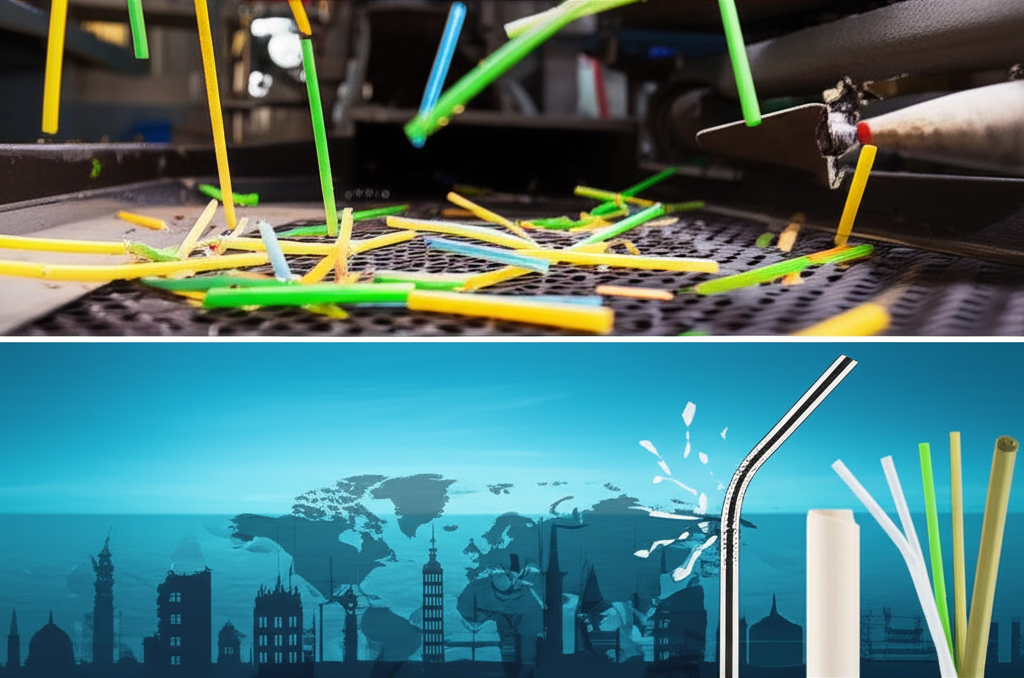
Plastic boba straws, typically crafted from polyethylene (PE) or polypropylene (PP), are indeed made from polymers that are technically recyclable. Yet, their journey through the recycling stream is fraught with systemic failures. The fundamental issue lies in their physical characteristics: their small size and lightweight nature, even with a diameter of 12mm or more to accommodate tapioca pearls, cause them to slip through the intricate mesh of automated waste-sorting systems. Instead of being sorted for recycling, they are frequently diverted to landfills or, worse, contaminate otherwise valuable recycling streams.
Ad aggravare questo guasto meccanico, il contenuto residuo di zucchero e bevande che si attacca all’interno delle cannucce usate complica ulteriormente il processo di riciclaggio. Questa contaminazione appiccicosa riduce la qualità del materiale riciclato, rendendolo meno desiderabile per il ritrattamento e spesso portando al suo rifiuto. Anche la redditività economica della raccolta e della lavorazione di articoli così leggeri e spesso contaminati è estremamente bassa, pesando meno di un grammo per cannuccia. Questo basso valore economico disincentiva i riciclatori dall’investire in attrezzature specializzate o nella manodopera necessaria per gestirli in modo efficace.
Perché i sistemi di riciclaggio standard falliscono sulle cannucce Boba in plastica
Il motivo principale per cui i sistemi di riciclaggio standard falliscono nelle cannucce di plastica Boba è in gran parte meccanico. Gran parte dei macchinari nei moderni impianti di riciclaggio sono progettati per smistare in modo efficiente oggetti più grandi e pesanti. La plastica piccola, sottile o di forma irregolare, comprese le cannucce, spesso cade attraverso i vagli, bypassa i selezionatori ottici o rimane impigliata nei macchinari, causando intasamenti e costosi tempi di inattività. Quando ciò accade, vengono generalmente deviati nel flusso dei rifiuti generali, finendo infine nelle discariche o negli inceneritori.
Anche le linee guida comunali locali per il riciclaggio mostrano variazioni significative, creando un panorama confuso sia per le imprese che per i consumatori. Ad esempio, mentre i programmi di riciclaggio di Los Angeles potrebbero accettare cannucce di plastica, quelli di Denver no, evidenziando la natura frammentata delle infrastrutture di riciclaggio in diverse regioni. Questa incoerenza significa che un approccio standardizzato allo smaltimento delle cannucce di plastica è praticamente impossibile per le catene di bevande nazionali o internazionali senza significativi aggiustamenti localizzati. Inoltre, la domanda complessivamente bassa del mercato per materiali riciclabili post-consumo di questo tipo specifico – spesso polipropilene di bassa qualità – significa che anche se una cannuccia riesce a superare la cernita, potrebbe comunque dover affrontare l’incenerimento o lo smaltimento in discarica a causa della mancanza di utilità per il mercato finale.Piccole cannucce di plastica contaminate spesso bypassano i sistemi di riciclaggio a causa di inefficienze meccaniche ed economiche.
Escalating Environmental Impact & Regulatory Pressure on Single-Use Plastics

Le conseguenze ambientali dell’uso persistente di cannucce di plastica sono profonde e di vasta portata. Le cannucce di plastica a base di petrolio non si biodegradano; invece, impiegano centinaia di anni per rompersi, disintegrandosi gradualmente in pezzi sempre più piccoli. Questa frammentazione porta al problema pervasivo dell’inquinamento da microplastiche, con circa 8 milioni di tonnellate di plastica che finiscono negli oceani ogni anno. Queste microplastiche si infiltrano nelle fonti d’acqua, nel suolo e nella catena alimentare globale, incidendo sugli ecosistemi, sulla vita marina e ponendo potenziali minacce ancora emergenti per la salute umana. Inoltre, sostanze chimiche dannose come il bisfenolo A (BPA) possono fuoriuscire dalla plastica degradata nell’ambiente, aggiungendo un altro strato di carico tossico.
Spostamenti globali verso divieti e riduzioni delle cannucce di plastica
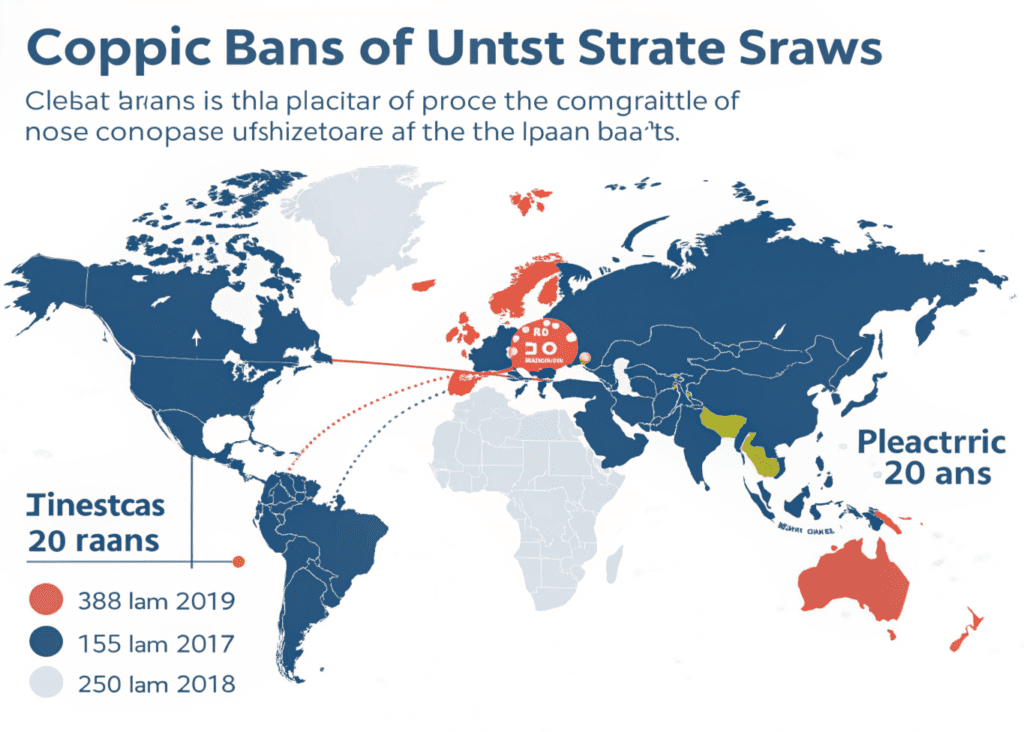
I governi di tutto il mondo hanno iniziato a riconoscere il grave danno ambientale causato dalle cannucce di plastica monouso, traducendo questa consapevolezza in azioni normative concrete. Seattle ha aperto la strada negli Stati Uniti, attuando il divieto delle cannucce di plastica nel gennaio 2018, seguita rapidamente da altre grandi città come San Francisco e Portland. Questa tendenza interna è rispecchiata da una solida legislazione internazionale. L’Unione Europea, ad esempio, ha implementato un divieto globale sulla plastica monouso nel 2021, segnalando una tendenza normativa forte e irreversibile che ha un impatto sulle catene di approvvigionamento globali.
Al di fuori dell’UE, anche i paesi asiatici stanno adottando politiche significative. La Thailandia ha adottato una tabella di marcia per la gestione dei rifiuti di plastica per il periodo 2020-2030, con l’obiettivo di ridurre i rifiuti di plastica di 0,78 milioni di tonnellate all’anno e risparmiare 3,9 miliardi di baht sui costi di gestione dei rifiuti. Questa ambiziosa tabella di marcia prevede il divieto di cannucce, bicchieri e sacchetti di plastica. Allo stesso modo, il governo dello stato di Selangor in Malesia ha imposto il divieto delle cannucce di plastica in tutti i ristoranti il 1° luglio 2019. Questi cambiamenti globali dimostrano una traiettoria chiara e irreversibile verso l’eliminazione della plastica monouso, esercitando un’enorme pressione sulle imprese affinché si adattino o affrontino significativi rischi di conformità e restrizioni di accesso al mercato.Global regulations are rapidly shifting towards banning single-use plastics, compelling businesses to adopt sustainable alternatives.
Operational Hurdles: Shifting from Plastic Boba Straws to Sustainable Alternatives
Transitioning away from conventional plastic straws presents a unique set of operational hurdles for businesses, particularly within the dynamic bubble tea sector. Food facilities frequently report increased costs when switching from traditional, inexpensive plastic straws to alternative materials. Furthermore, many existing business models, especially those heavily reliant on “to-go” beverages, are deeply integrated with single-use packaging components, making a seamless shift challenging.
Una sfida particolarmente impegnativa per le operazioni di bubble tea è trovare cannucce alternative sufficientemente robuste da forare in modo affidabile i bicchieri di plastica sigillati e accogliere la consistenza e le dimensioni uniche delle perle di tapioca. A differenza delle cannucce per bevande standard, le cannucce Boba richiedono un diametro maggiore (in genere 12 mm o più) e una rigidità sufficiente, che molte alternative ecologiche faticano a eguagliare. Garantire la continua soddisfazione del cliente durante questa transizione è fondamentale, poiché i sondaggi storici indicano che circa l’85% degli utenti inizialmente preferiva le tradizionali cannucce di plastica. Sebbene il 76% sia aperto ad alternative riutilizzabili, la curva di adozione iniziale può rappresentare una sfida per l’esperienza del cliente.
Navigating “Compostable” vs. “Biodegradable” Labeling for Eco-Friendly Boba Straw Alternatives
The landscape of eco-friendly straw alternatives is complex, often marked by ambiguous labeling. It is crucial for procurement and operations teams to understand the distinction between “compostable” and “biodegradable” to avoid missteps. “Compostable” straws, commonly made from plant-based materials like Polylactic Acid (PLA) from corn plastic or Polyhydroxyalkanoate (PHA) from canola/soy seeds, are designed to decompose into nutrient-rich organic matter. However, this decomposition typically requires specific industrial composting conditions, characterized by high heat and microbial activity, which are not universally available.
Fondamentalmente, queste plastiche alternative sono spesso considerate contaminanti nei tradizionali flussi di riciclaggio della plastica. Mescolare cannucce compostabili con plastica convenzionale può interrompere i macchinari di riciclaggio, portando a inefficienze operative e, in definitiva, a ridurre la qualità dei materiali riciclati. Etichettature errate o incomprensioni possono far sì che queste opzioni “ecocompatibili” finiscano comunque nelle discariche. Mentre alcune cannucce PHA avanzate offrono una soluzione promettente poiché sono degradabili in mare e si disintegrano anche in ambienti oceanici, la maggior parte dei materiali compostabili richiede percorsi di smaltimento specifici che non sono ancora diffusi. Per un approfondimento sulle opzioni sostenibili per la tua attività, esploraCannucce da tè Boba all'ingrosso.Comprendere il concetto di "compostabile" e "biodegradabile" è fondamentale per selezionare alternative alla cannuccia Boba efficaci e conformi.
Caso di studio: adattamento di Vancouver alle normative sulle cannucce di plastica
La città di Vancouver, nella Columbia Britannica, fornisce un esempio saliente di successo della conformità graduale alle normative sulla plastica monouso. La loro normativa sulle cannucce di plastica, in vigore dal 22 aprile 2020, ha avuto un impatto significativo sulle attività di produzione di bevande in tutta la città. Riconoscendo le sfide operative uniche affrontate dai venditori di bubble tea a causa della necessità di cannucce specializzate, la città ha saggiamente concesso un'esenzione di un anno, da aprile 2020 ad aprile 2021. Questa lungimiranza normativa ha concesso agli stabilimenti di bubble tea tempo sufficiente per ricercare, reperire e integrare solide soluzioni alternative con cannucce nelle loro catene di approvvigionamento e nei modelli di esperienza del cliente.
As of April 22, 2021, all bubble tea vendors in Vancouver were required to comply with the ban, demonstrating that with adequate planning and regulatory support, businesses can successfully transition to sustainable practices without compromising their core offerings. This case study underscores the importance of a proactive approach to regulatory changes and stakeholder engagement. It also highlights that some by-laws, like Vancouver’s, do mandate the provision of flexible plastic straws upon request for accessibility needs, ensuring inclusivity during the transition.Vancouver’s phased ban on plastic straws demonstrates successful industry adaptation with proactive planning and regulatory support.
Comparison Table: Sustainable Boba Straw Alternatives for B2B
Choosing the right sustainable boba straw alternative requires a careful evaluation of operational impact, compliance, and ROI. Below is a comparison of common options:
| Caratteristica | Impatto operativo B2B | Nota di conformità | Potenziale ROI |
|---|---|---|---|
| Cannucce di carta | Prone to sogginess, affecting drink experience; requires robust, PFAS-free options. | Generally compliant with single-use plastic bans; often compostable. | Lower initial cost than other alternatives; enhances brand sustainability. |
| Cannucce in PLA | Requires specific industrial composting facilities for proper decomposition. | Not accepted in traditional plastic recycling; may contaminate streams. | Higher cost than plastic; boosts green image if correctly composted. |
| Acciaio inossidabile | Durable, reusable; requires in-house or third-party cleaning infrastructure for dine-in; cannot puncture seals easily. | Highly compliant with reuse-focused regulations; significantly reduces single-use waste. | High upfront cost; significant long-term savings for dine-in; strong customer appeal. |
| Cannucce PHA | Biodegradable, including marine-degradable options; some break down in home compost. | High compliance potential with evolving regulations; avoids landfill. | Higher cost than PLA; strong environmental brand differentiation; premium offering. |
| Cannucce Di Bambù | Sturdy but may be too narrow for boba pearls; can retain residue and require thorough cleaning. | Compliant with single-use bans; natural, renewable resource. | Moderate cost; appeals to eco-conscious consumers; requires quality control. |
For businesses seeking a reliable partner in this transition, exploring dedicated suppliers of alternative boba straws can be beneficial. Find more options forsustainable boba drinking straws B2B.Evaluate sustainable boba straw alternatives based on operational impact, compliance, and ROI for informed procurement.
Strategic Imperatives for Sustainable Boba Straw Procurement and Operations
For supply chain executives and procurement managers, navigating the shift away from plastic boba straws transcends mere compliance; it represents a strategic imperative to secure future market position and brand equity. The foundational principle for this transition is to rigorously adopt the “Reduce, Reuse, Recycle” hierarchy, prioritizing waste reduction at the source and designing systems for circularity. This means questioning the necessity of single-use items where reusable alternatives are viable, especially for dine-in experiences.
A critical step is to conduct comprehensive Life Cycle Assessments (LCAs) for alternative materials. While counter-intuitive, some LCAs have indicated that traditional polypropylene (PP) straws can sometimes show a lower global warming potential than even stainless steel straws when considering their entire life cycle, including manufacturing and end-of-life. This highlights the complexity and the need for data-driven decisions rather than relying on perceived “green” options. Procurement teams must engage proactively and strategically with suppliers to develop and secure innovative, compliant boba straw alternatives that meet both environmental standards and operational demands, such as puncture strength and resistance to sogginess. Businesses like PMI Packaging Sdn Bhd in Malaysia, for example, have been manufacturing corn starch and PLA straws since 2016 and are researching materials like oil palm waste and tapioca for future solutions.
Investing in robust consumer education is also vital. While 85% of consumers historically preferred plastic straws, 76% are now open to reusable alternatives, indicating a significant shift in readiness. Educating customers on the proper disposal of new materials and the long-term benefits of reusable options can foster adoption and strengthen brand loyalty. Moreover, businesses must remain cognizant of accessibility needs, as some regulations, like Vancouver’s by-law, still mandate the provision of flexible plastic straws upon request for individuals with disabilities. This balanced approach ensures both environmental responsibility and social equity. To further understand wholesale procurement options, visitboba straws wholesale.Strategic procurement of sustainable boba straws requires LCAs, supplier engagement, and consumer education for market leadership.
Future Trends & Innovation
The trajectory for sustainable beverage packaging over the next 5-10 years points towards radical innovation and increasingly stringent regulatory frameworks. Expect continued global expansion of single-use plastic bans, extending beyond straws to other packaging components. The EU’s 2021 ban and Thailand’s 2020-2030 roadmap, which aims for widespread reduction and bans on plastic items until 2026, are harbingers of this global movement. Procurement strategies must anticipate these legislative shifts, not merely react to them.
Innovation in material science will bring forth new generations of truly sustainable alternatives. Expect to see increased adoption of advanced bioplastics like marine-degradable PHA, which offers a genuine end-of-life solution even in challenging environments. Research into novel, renewable plant-based resources, such as tapioca and agricultural waste products like oil palm empty fruit pulp, will likely yield commercially viable solutions. Furthermore, the concept of “integrated packaging,” where straws are part of the main beverage container (e.g., juice boxes), is also facing bans in regions like New South Wales, Australia, as of January 2025, pushing for even more fundamental shifts in design. The emphasis will move beyond just “compostable” to materials that are genuinely biodegradable across diverse natural environments or those that can be efficiently closed-loop recycled into high-value products. Future procurement will prioritize materials with transparent LCAs that demonstrate minimal environmental impact across their entire lifecycle, favoring products with high recycled content where plastics remain unavoidable.Future trends indicate stricter plastic bans and innovative bioplastics, demanding proactive procurement strategies.
Competitive Advantage & Business Case
The transition to sustainable boba straws is not merely a cost of doing business; it is a profound opportunity for competitive differentiation and long-term value creation. Quantifiable benefits include significant risk mitigation against escalating compliance penalties and brand reputation damage. By proactively adopting sustainable solutions, businesses can avoid the substantial fines associated with plastic bans and circumvent potential market access restrictions in increasingly eco-conscious regions. For example, countries implementing plastic waste reduction roadmaps, like Thailand, project billions in annual savings from reduced waste management, a benefit that can be partially realized by businesses minimizing their waste footprint.
Moreover, this shift offers a powerful brand value uplift. Consumers, especially the younger demographic, are increasingly making purchasing decisions based on a company’s environmental stewardship. A business that champions genuinely sustainable practices, such as offering truly eco-friendly boba straws, can significantly enhance its brand perception, foster stronger customer loyalty, and even capture a larger market share among environmentally aware consumers. This proactive stance transforms a potential compliance burden into a distinct competitive advantage, positioning the brand as a leader in sustainability and innovation within the crowded beverage market.Embracing sustainable boba straws offers competitive advantage through risk mitigation, brand uplift, and increased market share.
Conclusion: Pioneering a Plastic-Free Future for Boba
The widespread belief that plastic boba straws are recyclable is largely a misconception, with significant environmental and operational consequences for businesses. The transition away from these problematic single-use plastics is no longer merely an option; it is a strategic imperative driven by evolving consumer expectations and stringent global regulations. Proactive adoption of genuinely sustainable alternatives, coupled with a deep understanding of the nuanced differences between “compostable” and “biodegradable” materials, is crucial for long-term viability.
Transformyour supply chain now to meet sustainability mandates, mitigate regulatory risks, and profoundly enhance your brand’s environmental stewardship. Secure your market leadership in the sustainable beverage economy by embracing truly eco-friendly boba straw solutions today.Embrace sustainable boba straw solutions now to enhance brand stewardship and secure market leadership.
Domande frequenti
Are plastic boba straws truly recyclable in standard municipal systems?
No, despite being made from recyclable polymers like PE or PP, their small size and lightweight nature cause them to fall through sorting machinery, often ending up in landfills or contaminating other recycling streams.
What are the main environmental impacts of plastic boba straws?
Plastic boba straws contribute to microplastic pollution, taking hundreds of years to break down and infiltrating ecosystems, marine life, and potentially the food chain, with harmful chemicals leaching into the environment.
What operational challenges do bubble tea businesses face when switching to sustainable straws?
Challenges include increased costs, finding alternatives sturdy enough to puncture sealed cups and accommodate tapioca pearls, and ensuring customer satisfaction during the transition.
What is the difference between ‘compostable’ and ‘biodegradable’ straws?
‘Compostable’ straws require specific industrial composting conditions to decompose, while ‘biodegradable’ straws break down naturally in various environments, though the speed and conditions vary greatly.
How can businesses ensure compliance with evolving plastic straw regulations?
Proactive research, strategic sourcing of compliant alternatives, conducting Life Cycle Assessments, and engaging with suppliers are crucial for adapting to regulatory shifts and securing market position.