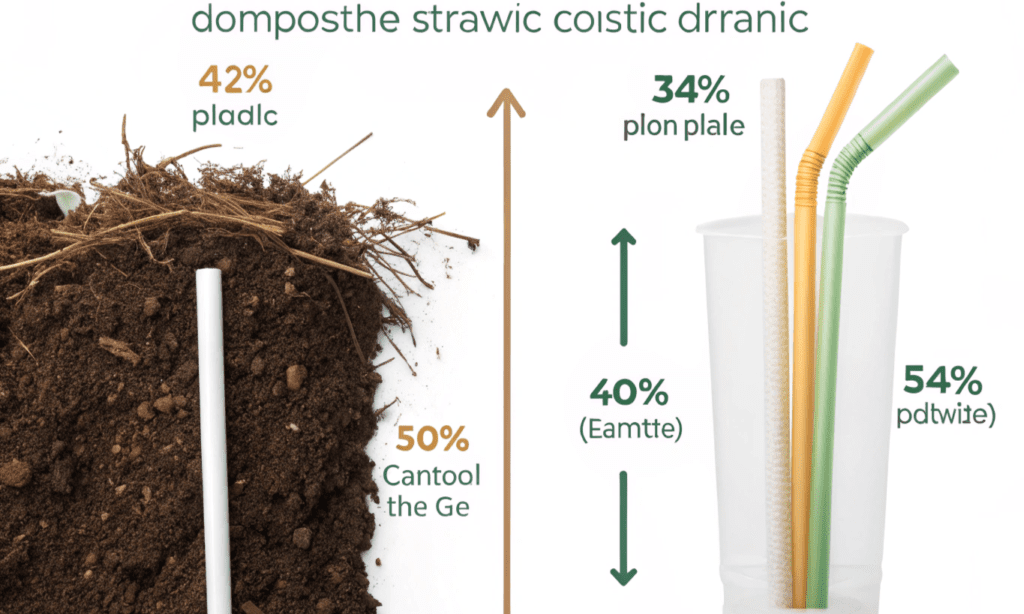
La crescente crisi globale dei rifiuti di plastica rappresenta una sfida innegabile e un’opportunità significativa per i decisori B2B. Con proiezioni che indicano che la produzione di plastica potrebbe raddoppiare entro il 2040 (Fonte: OCSE, 2018; UNEP, 2021; Pew Charitable Trusts, 2020), l’impatto ambientale e commerciale dell’inazione è profondo, rischiando interruzioni operative, crescenti sanzioni normative e gravi danni al marchio. Le imprese, in particolare quelle del settore alberghiero, della ristorazione e della vendita al dettaglio, si trovano a un bivio, sotto la pressione di consumatori, investitori e governi affinché adottino pratiche autenticamente sostenibili.
In mezzo a questa urgenza,Compostable & BPI Certified Compostable Strawsemergere non semplicemente come una scelta eco-friendly ma come un imperativo strategico. Queste alternative innovative offrono un percorso praticabile per ridurre l’inquinamento da plastica, soddisfare le richieste in evoluzione dei consumatori e affrontare in modo proattivo le rigorose pressioni normative. Integrando cannucce compostabili certificate nelle loro attività, le aziende possono portare avanti in modo significativo i propri obiettivi di sostenibilità, migliorando la reputazione del marchio e assicurandosi un vantaggio competitivo in un mercato in rapida trasformazione.Adottare cannucce compostabili certificate è un imperativo strategico per la sostenibilità B2B e il vantaggio competitivo.
Understanding Compostable & BPI Certified Compostable Straws: The Foundation for Responsible Sourcing

Muoversi nel panorama dei prodotti usa e getta sostenibili richiede una chiara comprensione della scienza dei materiali e degli standard di certificazione. Per gli appalti B2B, distinguere tra le varie affermazioni “ecocompatibili” è fondamentale per evitare il greenwashing e garantire un reale impatto ambientale.
Definizione dei materiali compostabili e del loro impatto ambientale
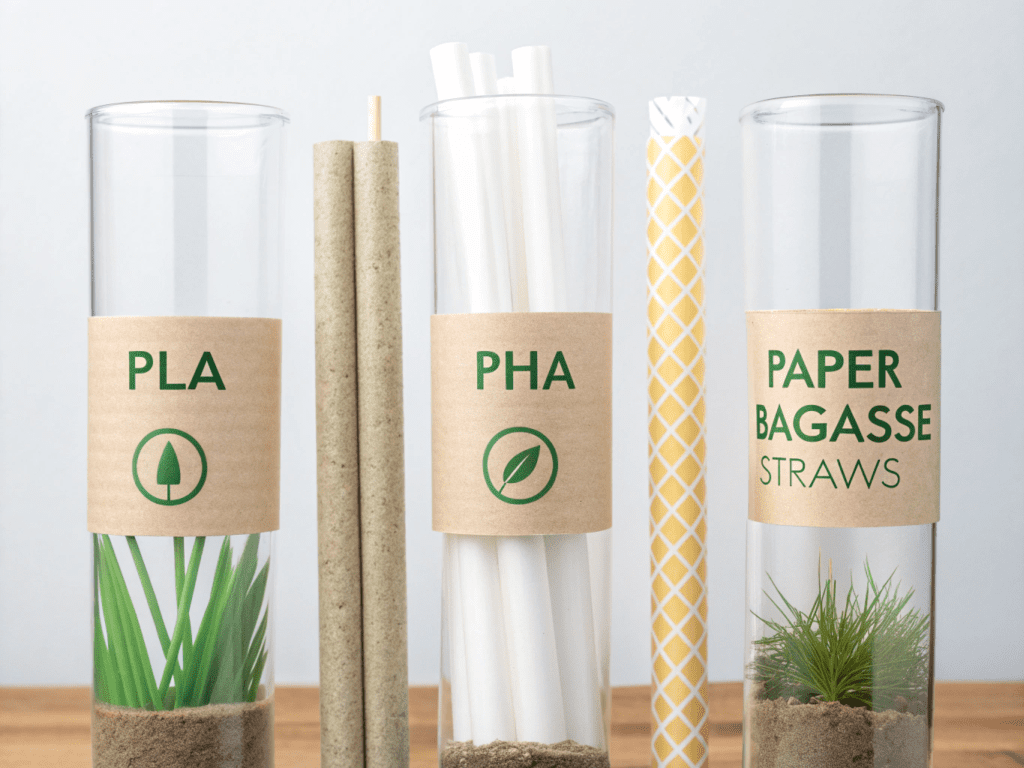
Le cannucce compostabili sono fondamentalmente diverse dalla plastica convenzionale. Sono generalmente realizzati con polimeri di origine vegetale derivati da risorse annualmente rinnovabili come la resina di mais (PLA), il poliidrossialcanoato (PHA) da oli vegetali o la bagassa di canna da zucchero. A differenza delle plastiche tradizionali che persistono nell’ambiente per secoli, questi materiali sono progettati per degradarsi attraverso l’azione microbica.
In un ambiente di compostaggio adeguato, si decompongono in elementi naturali: anidride carbonica, acqua e biomassa, senza lasciare residui nocivi o microplastiche. Questo processo contribuisce direttamente a un’economia circolare, trasformando i rifiuti in preziosi ammendanti del suolo e riducendo significativamente il carico delle discariche e l’inquinamento degli oceani. Comprendere i tempi e le condizioni di decomposizione richiesti per questi materiali è vitale per strategie efficaci di gestione dei rifiuti. Per un approfondimento su quanto tempo impiegano le varie cannucce compostabili per degradarsi, esplora la nostra guida sutempi di decomposizione della paglia compostabile.
BPI Certification: The Gold Standard for Compostable & BPI Certified Compostable Straws
Per le imprese nordamericane, ilIstituto dei prodotti biodegradabili (BPI)si pone come principale autorità per la certificazione di prodotti e imballaggi compostabili. La certificazione BPI fornisce una verifica indipendente e di parte terza che un prodotto soddisfa rigorosi standard scientifici per la compostabilità industriale. Ciò include l’adesione agli standard ASTM D6400 o D6868, che impongono requisiti specifici affinché i materiali si decompongano efficacemente negli impianti di compostaggio commerciali.
Products bearing the BPI certification mark are guaranteed to achieve at least 90% biodegradation within six months and demonstrate less than 10% residue after 12 weeks of industrial composting. Furthermore, BPI certification ensures that products leave no harmful residues, heavy metals, or toxic chemicals in the finished compost, providing a critical assurance of environmental safety and integrity. Businesses relying on BPI-certified products can confidently demonstrate their commitment to verifiable sustainability. For comprehensive details on BPI’s standards and certification process, visit the officialSito web BPI.
The Critical Distinction: “Compostable” vs. “Biodegradable” Products
Nel campo dei prodotti sostenibili, i termini “compostabile” e “biodegradabile” vengono spesso confusi, creando confusione e potenziale greenwashing. Per i decisori B2B, comprendere questa distinzione fondamentale è fondamentale per un approvvigionamento responsabile ed evitare insidie legali e reputazionali.
“Compostabile” è un termine altamente specifico, il che significa che un prodotto è in grado di scomporsi in componenti naturali e non tossici in un ambiente di compostaggio designato (compostaggio industriale o domestico). Implica un processo controllato che produce preziosi ammendanti del suolo. Al contrario, “biodegradabile” è un termine vago e spesso fuorviante. Anche se tecnicamente è vero che tutto prima o poi si “biodegrada”, questa etichetta non fornisce tempi, condizioni o garanzie specifiche riguardo all’assenza di residui nocivi. Molti prodotti etichettati come “biodegradabili” richiedono condizioni non presenti in natura o possono comunque lasciare frammenti di microplastica.
La legislazione riflette questa distinzione. Ad esempio, l’AB 1201 (2021) della California vieta l’uso di termini fuorvianti come “biodegradabile”, “degradabile” o “scomponibile” sui prodotti di plastica a meno che non siano certificati compostabili da una terza parte. Questa legislazione anti-greenwashing garantisce che gli investimenti B2B supportino realmente le dichiarazioni di sostenibilità, proteggendo le aziende dal marketing ingannevole e garantendo un’efficace diversione dei rifiuti. Per acquisire una comprensione più profonda di queste differenze cruciali e delle loro implicazioni per l’approvvigionamento sostenibile, consulta la nostra guida dettagliata:BPI compostabile e biodegradabile: guida alla sostenibilità.Comprendere il compostabile e il biodegradabile è fondamentale per un approvvigionamento sostenibile B2B responsabile.
The Regulatory Landscape: Driving Adoption of Compostable & BPI Certified Compostable Straws
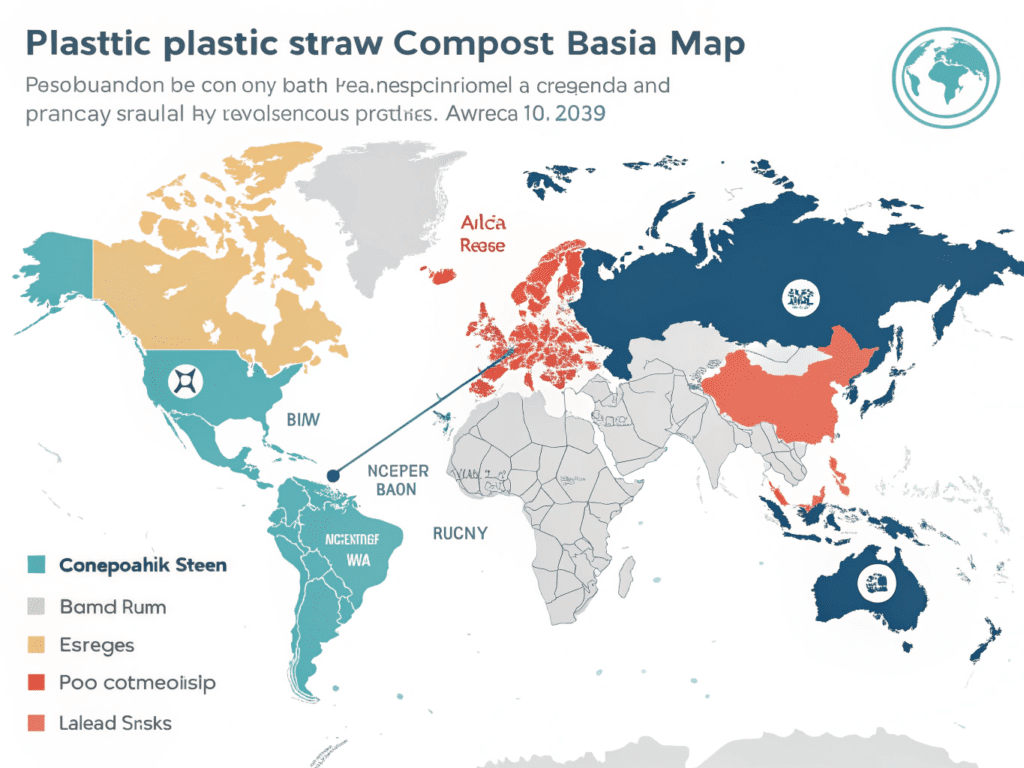
The global movement to reduce single-use plastics has rapidly evolved from consumer preference to legislative mandate, profoundly impacting B2B operations. Procurement managers and supply chain executives must proactively navigate this dynamic regulatory environment to ensure compliance and avoid costly penalties.
Navigating Plastic Straw Bans and “Straws Upon Request” Policies
Across the United States and Europe, a patchwork of regulations is reshaping the market for disposable straws. Cities and states have taken decisive action to curb plastic pollution:
- San Francisco, California: A partire dal 1 gennaio 2020, San Francisco ha vietato le cannucce di plastica monouso, richiedendo che le alternative in fibra naturale o carta siano certificate BPI o TÜV AUSTRIA, vietando specificamente le cannucce in PLA se abbandonate, trattandole come la plastica convenzionale.
- Seattle, Washington: A partire dal 1 luglio 2018, Seattle ha implementato un divieto totale di cannucce e utensili di plastica monouso, imponendo alternative compostabili o riutilizzabili.
- New York, New York: A partire dal 1° novembre 2021, alle aziende di servizi di ristorazione non sarà più consentito fornire cannucce per bevande in plastica monouso se non su richiesta. Questa politica delle “cannucce su richiesta”, comune in molte giurisdizioni, impone alle aziende di mantenere una fornitura per le persone con disabilità, scoraggiando al contempo l’uso routinario della plastica.
Queste politiche, insieme a misure simili nella Direttiva sulla plastica monouso dell’UE, sottolineano una chiara tendenza legislativa: un allontanamento concertato dai tradizionali prodotti usa e getta in plastica. Le aziende che adottano in modo proattivo soluzioni compostabili certificate ottengono un vantaggio significativo in termini di accesso al mercato e flessibilità operativa.
Per maggiori dettagli sugli sforzi della California per combattere l’inquinamento da plastica e garantire un’etichettatura accurata per i prodotti compostabili, fare riferimento alDipartimento di riciclaggio e recupero delle risorse della California (CalRecycle)sito.
La legislazione anti-greenwashing e il suo impatto sugli appalti
Al di là dei divieti diretti, uno sviluppo critico per gli appalti è l’ascesa della legislazione anti-greenwashing. Leggi come la AB 1201 della California sono specificamente progettate per combattere le affermazioni di marketing ingannevoli, imponendo la certificazione di terze parti per i prodotti commercializzati come “compostabili”. Questo cambiamento legislativo ha profonde implicazioni per gli appalti B2B:
- Diligenza dovuta: Le aziende devono ora eseguire una due diligence rafforzata per verificare le dichiarazioni sui prodotti, facendo affidamento su certificazioni come BPI per garantire che i loro investimenti supportino effettivamente gli obiettivi di sostenibilità.
- Mitigazione del rischio: La non conformità o l’associazione a pratiche di greenwashing possono portare a multe significative, contenziosi costosi e danni irreparabili alla reputazione. L’adozione di prodotti certificati mitiga questi rischi legali e reputazionali.
- Integrità del mercato: Queste leggi promuovono una maggiore trasparenza e integrità nel mercato dei prodotti sostenibili, garantendo che i prodotti certificati mantengano la loro promessa ambientale e che le catene di fornitura B2B siano costruite sulla fiducia.
La conformità proattiva alle normative in evoluzione è fondamentale per l’integrità della catena di fornitura B2B.
Operational Benefits: A Strategic Shift to Compostable & BPI Certified Compostable Straws
Beyond compliance, the transition to compostable and BPI-certified straws offers tangible operational and strategic benefits that resonate with today’s environmentally conscious consumers and stakeholders.
Enhanced Brand Reputation and Achieving ESG Targets with Sustainable Choices
In an era of increasing environmental awareness, a company’s commitment to sustainability directly influences its brand perception and market value. By prominently featuring BPI-certified compostable straws, businesses can:
- Align with Consumer Values: Meet the growing consumer demand for eco-friendly products, enhancing customer loyalty and attracting new, environmentally conscious clientele in hospitality and foodservice.
- Boost Corporate Social Responsibility (CSR): Signal a proactive commitment to reducing plastic pollution and landfill waste, bolstering CSR initiatives and demonstrating genuine environmental stewardship.
- Contribute to ESG Reporting: Directly contribute to Environmental, Social, and Governance (ESG) metrics, which are increasingly scrutinized by investors and financial markets. This can improve access to capital and enhance investor relations.
This strategic shift elevates a brand beyond mere product offerings, positioning it as a responsible and forward-thinking industry leader.
Compliance Assurance and Future-Proofing Supply Chains with Certified Straws
Proactive adoption of BPI-certified compostable straws is a robust strategy for navigating the complex and evolving regulatory landscape. This approach offers:
- Proactive Compliance: Garantire il rispetto delle normative locali, statali e internazionali attuali e previste, compresi i divieti sulle cannucce di plastica e le direttive sulla plastica monouso, particolarmente rilevanti per le catene di ospitalità con più sedi.
- Mitigazione del rischio: Mitigare i rischi finanziari e legali associati a multe, ricorsi legali e interruzioni operative derivanti dalla non conformità.
- Continuità aziendale: Catene di fornitura a prova di futuro contro l’inasprimento delle leggi ambientali, garantendo operazioni ininterrotte e accesso al mercato in regioni con rigide normative sulla plastica.
- Posizionamento della leadership: Distinguere l’azienda come leader nell’approvvigionamento sostenibile, promuovendo una catena di fornitura resiliente e adattabile, preparata per i futuri mandati ambientali.
L’adozione di cannucce compostabili certificate migliora la reputazione del marchio e catene di fornitura a prova di futuro.
Comparative Analysis: Selecting Optimal Compostable & BPI Certified Compostable Straws
Per scegliere la giusta cannuccia compostabile è necessario comprendere le proprietà dei vari materiali e le loro implicazioni per le operazioni B2B. Il mercato offre diverse opzioni ad alte prestazioni, ciascuna con vantaggi distinti.
Confronto delle caratteristiche: materiali di paglia compostabili
| Caratteristica | Impatto operativo B2B | Nota di conformità | Potenziale ROI |
|---|---|---|---|
| PLA (resina di mais) | Imita la plastica tradizionale in termini di sensazione e chiarezza; ideale per bevande fredde; durevole e resistente alle crepe. | Richiede impianti di compostaggio industriale; tipicamente certificato BPI secondo lo standard ASTM D6400. Se lasciato in disordine, si comporta come la plastica convenzionale nell'ambiente. | High brand appeal due to clear, plastic-like aesthetic; ensures regulatory compliance in areas with plastic bans; cost-effective alternative to other compostables, contributing to positive environmental image. |
| PHA (Plant Oils) | Exceptional durability, suitable for both hot and cold beverages (up to 212°F); some formulations offer marine biodegradability, reducing end-of-life concerns. | BPI and TÜV Austria certified for industrial compostability (ASTM D6400). Select PHA products also meet home compostability (ISO 14855) and marine biodegradability standards, offering broader disposal solutions. | Strong environmental statement with wider disposal options; enhances brand value through commitment to advanced sustainability; reduces disposal complexity and associated risks. |
| Paper (FSC) | Cost-effective and widely recognized by consumers; made from plant-based cellulose fibers; potential for sogginess or disintegration with prolonged liquid exposure. | FSC Certified for responsible forestry; some uncoated paper straws can be BPI certified. Compliance depends on specific regional regulations for “paper” straw definitions. | Low upfront cost makes it an accessible entry point for sustainability initiatives; immediate consumer recognition and acceptance as a plastic alternative; contributes to broad waste reduction goals. |
| Bagassa di canna da zucchero | Sturdy, natural feel and appearance; often PLA-free, appealing to consumers seeking petroleum-free options; performs well in both hot and cold beverages. | Typically BPI or TÜV Austria certified for industrial and sometimes home compostability. Meets rigorous standards for breakdown into natural elements. | Commands a premium perception due to natural origin and robust performance; broad compostability options simplify waste management; aligns with desire for plant-based, sustainable materials. |
Mini Case Study: phade® Straws – A Model for Biodegradable Products
L'innovazione nella tecnologia delle cannucce compostabili è esemplificata da prodotti come le cannucce phade®. Queste cannucce, realizzate con PHA (poliidrossialcanoati), rappresentano un significativo passo avanti nell'affrontare l'inquinamento causato dalla plastica, pur mantenendo prestazioni elevate.
phade® straws are distinguished by their dual certification: they are BPI and TÜV Austria certified for industrial compostability (meeting ASTM D6400 standards) and also TÜV Austria certified for home compostability (exceeding ISO 14855 and ISO 20200 standards). This versatility in decomposition environments underscores their superior environmental profile. By breaking down in industrial facilities, home compost piles, and even marine environments, phade® straws significantly reduce the complexity of disposal for businesses and consumers alike. Their development highlights how cutting-edge material science is meeting stringent environmental standards, providing robust, high-performing alternatives that genuinely contribute to a cleaner planet.Selecting the right compostable straw material optimizes B2B operational impact and ROI.
Addressing Key Challenges: Strategic Implementation of Compostable & BPI Certified Compostable Straws
While the benefits of compostable straws are clear, successful integration into B2B operations requires addressing practical challenges, particularly around infrastructure, cost, and education.
The Imperative of Industrial Composting Infrastructure
A critical hurdle for realizing the full environmental benefit of most BPI-certified compostable straws is the reliance on robust industrial composting infrastructure. These facilities provide the specific conditions—high temperatures, controlled moisture levels, and active microbial communities—necessary for the materials to break down effectively and efficiently.
Despite the growing demand for compostable products, widespread access to commercial composting facilities remains a significant challenge across many regions. If compostable straws are not properly diverted to these facilities and instead end up in landfills, their decomposition can be hindered by anaerobic conditions, negating their intended environmental benefit. The Biodegradable Products Institute (BPI) actively advocates for the expansion of composting infrastructure and improved organic waste collection programs. For businesses, this means understanding local waste management capabilities and actively engaging with waste service providers. For detailed strategies on managing BPI compostable materials within your waste streams, refer to our comprehensive guide:What do I do with BPI Compostable? A B2B Playbook for Sustainable Waste Management.
Cost-Benefit Analysis and ROI of Sustainable Straw Solutions
The initial investment inCompostable & BPI Certified Compostable Strawsmay sometimes be higher than that for conventional plastic alternatives. However, a comprehensive cost-benefit analysis reveals a compelling return on investment (ROI) that extends far beyond the unit price.
The long-term ROI includes:
- Enhanced Brand Value and Consumer Loyalty: A demonstrated commitment to sustainability resonates with consumers, fostering loyalty and attracting new business, which translates into increased revenue for hospitality and foodservice.
- Avoidance of Regulatory Fines and Litigation: Proactive compliance with evolving plastic bans and anti-greenwashing laws mitigates the substantial financial risks associated with non-compliance.
- Market Growth Opportunity: The global eco-friendly straws market is projected to reach nearly $25.1 billion by 2035, growing at a compound annual growth rate (CAGR) of 7.3%. Positioning your business as a leader in this burgeoning market opens significant market share opportunities. This growth forecast, as reported by market research, underscores the increasing economic viability and strategic importance of eco-friendly alternatives.
- Source: The global eco-friendly straws market projection is widely cited by various market research firms, for example, as detailed in reports available through Allied Market Research.
Considerando questi fattori, il costo iniziale più elevato delle cannucce compostabili certificate è spesso controbilanciato dai sostanziali vantaggi finanziari e reputazionali a lungo termine.
Educare le parti interessate per un'adozione efficace di cannucce a base vegetale
Il successo della transizione verso le cannucce a base vegetale dipende da un’educazione completa e da una comunicazione chiara tra tutti i gruppi di stakeholder.
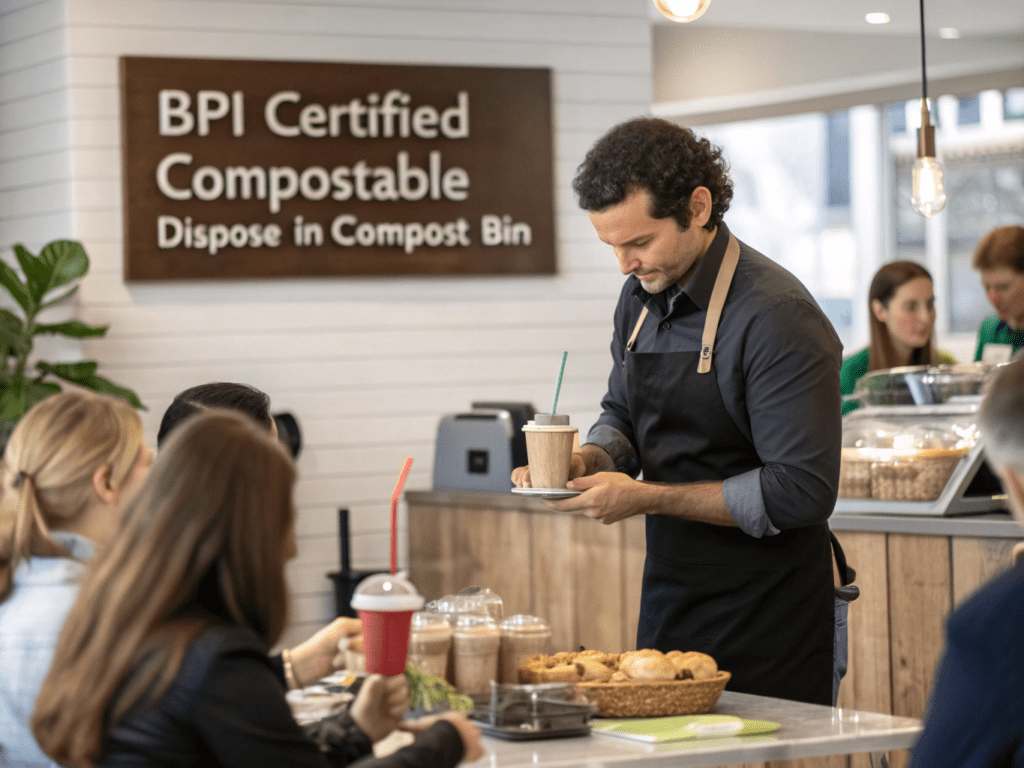
- Formazione del personale: Il personale operativo, in particolare quelli che svolgono ruoli a contatto con i clienti in hotel, bar e ristoranti, devono essere accuratamente formati sulla corretta gestione, conservazione e smaltimento degli articoli compostabili. Ciò include la comprensione del marchio di certificazione BPI e la distinzione dei materiali compostabili da quelli riciclabili o dai rifiuti generici.
- Informazioni sul cliente: Clearly inform customers about the compostable nature of the straws and guide them on correct waste streams. This can be achieved through signage, menu inserts, or direct communication. Clear labeling, often featuring the prominent BPI certification mark, is essential for consumer recognition and proper disposal.
- Waste Diversion: Effective education ensures that materials are correctly diverted to composting facilities, maximizing their environmental benefit and preventing contamination of recycling streams or landfills.
Without this crucial educational component, even the most certified and sustainable products can fail to achieve their intended environmental impact.Overcoming infrastructure, cost, and education challenges ensures successful compostable straw adoption.
Future Outlook: Innovations and Market Trajectories for Compostable & BPI Certified Compostable Straws
The trajectory for compostable and BPI-certified straws is one of continuous innovation and expanding market penetration, driven by both technological advancements and escalating regulatory pressure.
Emerging Materials and Certifications in Sustainable Straw Technology
The research and development landscape for sustainable straw technology is vibrant, with significant progress expected in the next 5-10 years:
- Advanced PHAs: Continued development of PHAs will lead to enhanced marine biodegradability, allowing for more robust performance in diverse end-of-life scenarios, including unintentional littering in aquatic environments.
- Cellulose and Acetate-Based Materials: Innovations in cellulose and acetate-based materials will offer new avenues for durable, plant-derived straws that biodegrade efficiently. These materials, derived from wood pulp and acetic acid, are poised to become more prevalent.
- Dual Certifications: A growing trend towards products aiming for dual industrial and home compostability will simplify disposal for both businesses and individual consumers.
- Stricter Certifications: The market will likely see an evolution towards even more rigorous certification standards, driving greater integrity, performance, and transparency in the compostable products sector. This ensures that environmental claims are backed by robust scientific validation.
These innovations promise a future where sustainable straw solutions are not only widely available but also increasingly effective and versatile in their environmental impact.
BPI’s Role in Policy Advocacy and Industry Standards
The Biodegradable Products Institute (BPI) will continue to play a pivotal role in shaping the future of compostable products through its policy advocacy and commitment to industry standards:
- Regulatory Engagement: BPI will remain actively engaged with regulatory bodies at local, state, and federal levels, working to expand composting programs and ensure favorable legislative frameworks for compostable materials.
- Organic Waste Mandates: BPI actively supports mandates for organic waste collection and processing, advocating for policies that ensure fees collected from compostable manufacturers directly fund the necessary composting infrastructure.
- Combating Greenwashing: Through its robust certification program and active involvement in labeling laws, BPI will continue its efforts to prevent greenwashing, ensuring that claims of compostability are genuine and verifiable.
- Broader Adoption: By setting clear standards and advocating for supporting infrastructure, BPI paves the way for the broader adoption of Compostable & BPI Certified Compostable Straws across various industries, making sustainable practices more accessible and impactful.
Future innovations and BPI advocacy will drive broader adoption of sustainable straw solutions.
Conclusion: Leading the Charge with Compostable & BPI Certified Compostable Straws
The adoption ofCompostable & BPI Certified Compostable Strawsis not merely a fleeting trend but a strategic imperative for modern B2B operations. In a global economy increasingly focused on environmental responsibility and regulatory compliance, embracing BPI-certified alternatives allows businesses to navigate complex regulatory landscapes with confidence, significantly enhance their brand’s sustainable reputation, and future-proof their supply chains against evolving mandates. This forward-looking commitment drives genuine environmental stewardship, reduces operational risks, and delivers tangible economic benefits through enhanced market position and consumer trust.
Agisci ora:Optimize your procurement strategyby integrating BPI-certified compostable straws to achieve immediate compliance, strengthen your brand’s commitment to a sustainable future, and lead your industry towards a more responsible and profitable operational model.Contact Us to Learn More
Domande frequenti
Q: Why should hospitality businesses switch to BPI certified compostable straws?
A: Switching to BPI certified compostable straws helps hospitality businesses comply with plastic bans, enhances their eco-friendly brand image, attracts sustainability-conscious guests, and contributes to ESG goals, reducing operational risks and improving market appeal.
Q: How do BPI certified straws impact waste management for foodservice operations?
A: BPI certified straws are designed to break down in industrial composting facilities, reducing landfill waste and potential contamination of recycling streams. This simplifies waste sorting for foodservice staff and aligns with circular economy principles, provided local composting infrastructure is available.
Q: Are compostable straws durable enough for busy cafe environments?
A: Yes, modern compostable straws, especially those made from PHA or sugarcane bagasse, offer excellent durability for both hot and cold beverages, making them suitable for the demanding pace of busy cafe environments without compromising customer experience.
Q: What is the difference between ‘compostable’ and ‘biodegradable’?
A: ‘Compostable’ means a product breaks down into natural, non-toxic components in a specific composting environment, yielding soil amendment. ‘Biodegradable’ is a broader, often vague term that doesn’t guarantee a timeframe, conditions, or absence of harmful residues, and can be misleading.
Q: How can businesses educate their staff and customers about proper disposal of compostable straws?
A: Businesses should implement clear signage, staff training on waste sorting, and customer-facing information (e.g., menu inserts) to guide proper disposal. Highlighting the BPI certification mark helps recognition and ensures materials are diverted to the correct composting streams.