Navigating BPI Compostable Solutions: A Strategic Imperative for Businesses
Businesses across sectors are facing an unprecedented surge in pressure to adopt sustainable practices. From evolving regulatory landscapes to heightened consumer and stakeholder expectations, the shift towards eco-conscious operations is no longer optional but a strategic imperative. The global compostable packaging market is a testament to this irreversible trend, projected to reach a staggering$113.88 billion by 2030with a Compound Annual Growth Rate (CAGR) of 6.5%. This exponential growth underscores a clear market signal: sustainable packaging solutions are rapidly becoming mainstream.
At the forefront of this transformation in North America stands BPI (Biodegradable Products Institute). Established in2002in quanto associazione senza scopo di lucro e multi-stakeholder, BPI offre il “gold standard” per i prodotti compostabili. Per responsabili degli acquisti, direttori delle operazioni, responsabili della sostenibilità e dirigenti della catena di fornitura nelsettori dell'ospitalità e della ristorazione, comprendere e sfruttare la certificazione BPI è fondamentale. Non si tratta solo di raggiungere obiettivi ambientali; si tratta di salvaguardare la reputazione del marchio, garantire la conformità normativa e sbloccare le efficienze operative che determinano un vantaggio competitivo in un mercato in rapida evoluzione. Questo manuale completo consente ai decisori B2B di integrare efficacemente i materiali certificati BPI nelle loro strategie di gestione sostenibile dei rifiuti, trasformando le sfide in opportunità di crescita e tutela ambientale.Adottare le soluzioni compostabili BPI è un imperativo strategico per le aziende del settore alberghiero e della ristorazione.
Decoding BPI Compostable: Certification & Compliance for B2B Decision-Makers
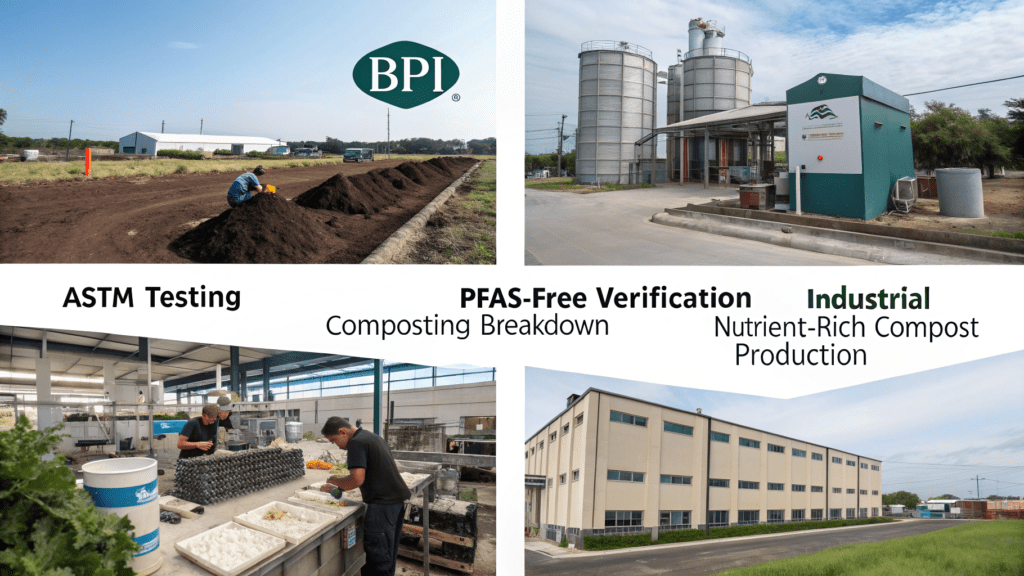
Comprendere le complessità della certificazione BPI è fondamentale per qualsiasi azienda impegnata in una vera sostenibilità. BPI è un'organizzazione senza scopo di lucro dedicata a garantire che i prodotti soddisfino rigorosi standard scientifici per la compostabilità. Nello specifico, i prodotti certificati BPI devono essere conformi alla norma ASTM D6400 (per la plastica compostabile) o ASTM D6868 (per la plastica biodegradabile utilizzata come rivestimento su carta e altri substrati compostabili). Questi standard rigorosi impongono un minimo diBiodegradazione del 90% entro 90 giorninegli impianti di compostaggio industriale, senza lasciare alcun residuo tossico.
Questo rigore scientifico è fondamentale perché affronta un importante punto dolente del settore: la questione pervasiva del “greenwashing”. Il mercato è invaso da affermazioni vaghe e spesso fuorvianti come “biodegradabile” o “degradabile”. A differenza dei prodotti compostabili BPI, questi articoli spesso non dispongono di standard verificabili per la completa disgregazione e possono lasciare microplastiche o residui nocivi, minando i veri sforzi ambientali. Ad esempio,California AB 1201vieta specificamente le affermazioni “biodegradabili” non certificate, evidenziando i rischi legali e reputazionali associati al marketing non conforme. Il logo ufficiale a spirale di BPI è quindi la chiave per l'identificazione, segnala la conformità e fornisce la garanzia sia alle aziende che agli impianti di compostaggio che un prodotto si decomporrà davvero. Questa distinzione è vitale per un’accurata deviazione del flusso di rifiuti e per prevenire costose contaminazioni. Per approfondire queste differenze critiche, fai riferimento alla nostra guida completa suBPI compostabile e biodegradabile: una guida alla sostenibilità.La certificazione BPI garantisce una reale compostabilità, prevenendo il greenwashing e garantendo la conformità.
Rendere operativo il compostabile BPI: massimizzare il ROI e l'impatto sulla sostenibilità
Integrare i prodotti certificati BPI nelle vostre attività non è semplicemente un gesto ambientale; è una mossa strategica che può produrre un ROI tangibile e un impatto significativo sulla sostenibilità. Il vantaggio principale risiede nel facilitare la deviazione dei veri rifiuti organici dalle discariche. Quando oggetti non compostabili contaminano i flussi di rifiuti organici, ciò può costare milioni all’industria del compostaggio ogni anno in termini di maggiori spese operative per la cernita e lo smaltimento. Garantendo che solo gli articoli certificati BPI entrino nel flusso di compost, le aziende prevengono questa contaminazione, sostenendo la produzione di terreno prezioso e ricco di sostanze nutritive.
Questo impegno per la compostabilità verificabile migliora anche l’integrità del marchio, una risorsa fondamentale in un’era di crescente domanda da parte dei consumatori per attività etiche ed ecosostenibili. Si prevede che il mercato globale delle bioplastiche raggiungerà33,3 miliardi di dollari entro il 2033, che riflette un CAGR del 10,18%. Questa crescita è guidata dalla crescente consapevolezza ambientale e dalla preferenza per prodotti ecologici, sottolineando che la sostenibilità si traduce direttamente in attrattiva del mercato e fidelizzazione dei clienti. Una corretta integrazione dei materiali compostabili BPI può anche portare a efficienze operative e riduzione dei costi di smaltimento dei rifiuti, soprattutto nelle regioni con infrastrutture di compostaggio consolidate. Per i decisori B2B nelsettore dell'ospitalità, this shift is particularly relevant. Learn more about how to navigate these changes in our article onBPI Compostable Certification in Hospitality Sustainability.
Real-World Application: KFC Canada’s Commitment
Major corporations are already demonstrating the tangible benefits of this shift.KFC Canada, for example, has publicly aimed forall consumer-facing compostable packaging by 2025. This commitment showcases how integrating BPI-certified materials is a viable and impactful strategy for large-scale operations. Such initiatives not only align with sustainability goals but also resonate deeply with environmentally conscious consumers, strengthening brand perception and market position.
A Comparison: BPI Compostable vs. Conventional Packaging for B2B Operations
| Caratteristica | Impatto operativo B2B | Nota di conformità | Potenziale ROI |
|---|---|---|---|
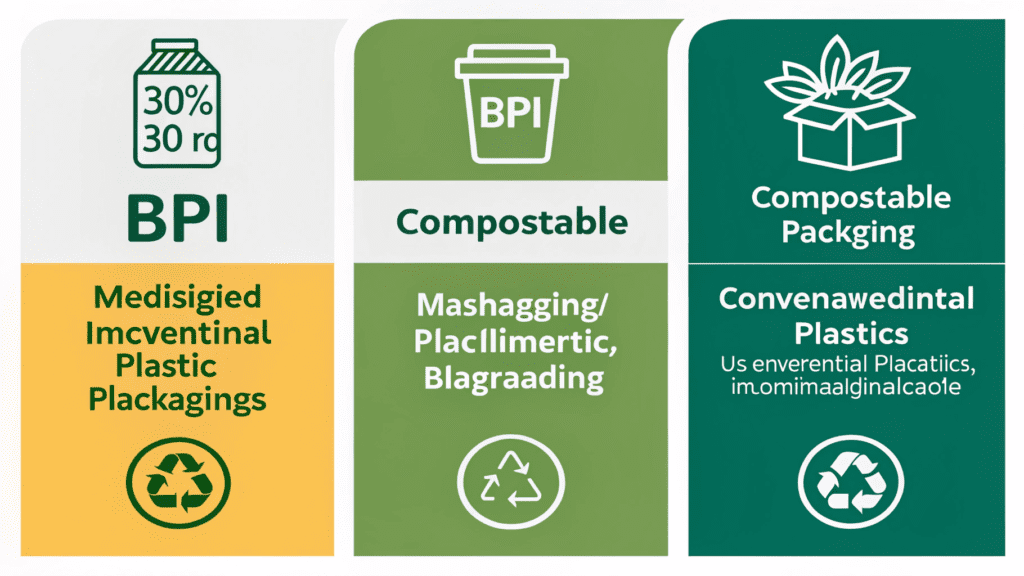
| BPI Compostable Packaging | Reduces landfill waste; supports organic waste streams; requires specific industrial composting infrastructure for proper breakdown; minimizes contamination in compost. | Meets ASTM D6400/D6868 standards; avoids “greenwashing” penalties (e.g., California AB 1201); aligns with evolving regulations like California SB 54 (all packaging recyclable/compostable by2032); can reduce future waste taxes/fees. | Enhanced brand reputation, attracting eco-conscious customers and partners; potential for reduced waste hauling costs where organics collection is available; improved ESG scores. |
| Conventional Plastic Packaging | Lower upfront cost; contributes significantly to landfill burden; lacks organic waste stream compatibility; poses long-term environmental concerns. | Faces increasing regulations (e.g., plastic bans inover 60 countries by 2024); contributes to environmental fines/PR risk from non-compliance; potential for future taxes/fees on plastic usage (e.g., plastic taxes in Europe). | Short-term cost savings; long-term brand risk due to negative environmental perception; vulnerability to future regulatory penalties and supply chain disruptions. |
BPI compostable products offer significant ROI through waste diversion and enhanced brand integrity.
The Core Directive: Disposing of BPI Compostable via Industrial Composting Facilities
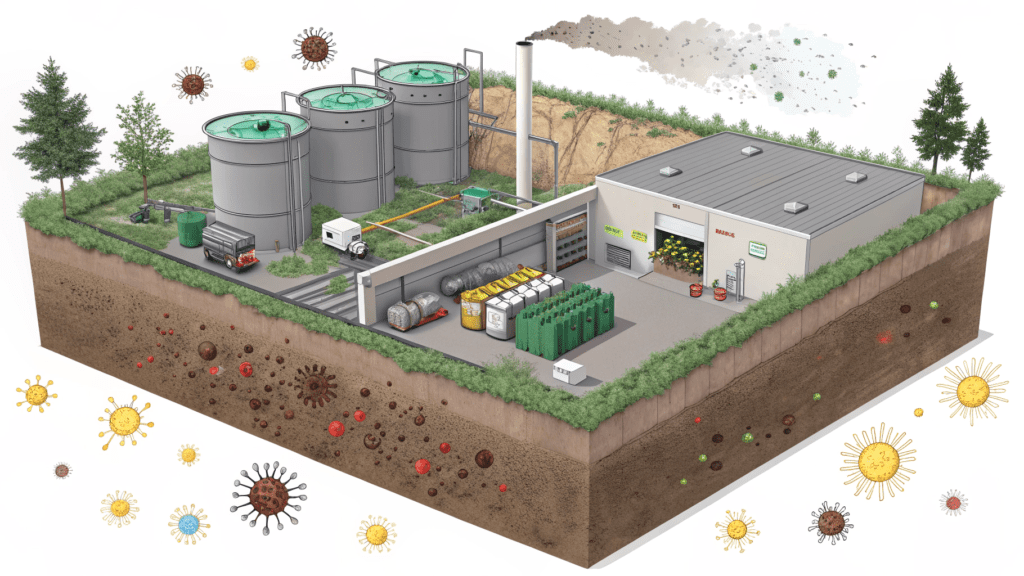
The success of BPI compostable products hinges entirely on their proper disposal.Industrial composting facilities are thesoltantocorrect disposal routefor BPI-certified items. These facilities are specifically engineered to provide the high temperatures (often exceeding 130°F), optimal moisture, and controlled aeration needed for BPI-certified materials to achieve their mandated90-day breakdown.
For procurement and operations managers inospitalità e ristorazione, this means a critical need to“Check Local Guidelines.”Municipal waste authorities are the definitive source for local composting rules. It is vital to confirm whether local programs and facilities accept BPI-certified plastics, as policies can vary significantly. For instance,Ann Arbor ceased accepting plastic BPI-certified items in 2024, che ora accettano solo materiali compostabili a base di fibra e carta. Ciò evidenzia la natura dinamica delle infrastrutture locali e la necessità di una vigilanza continua.
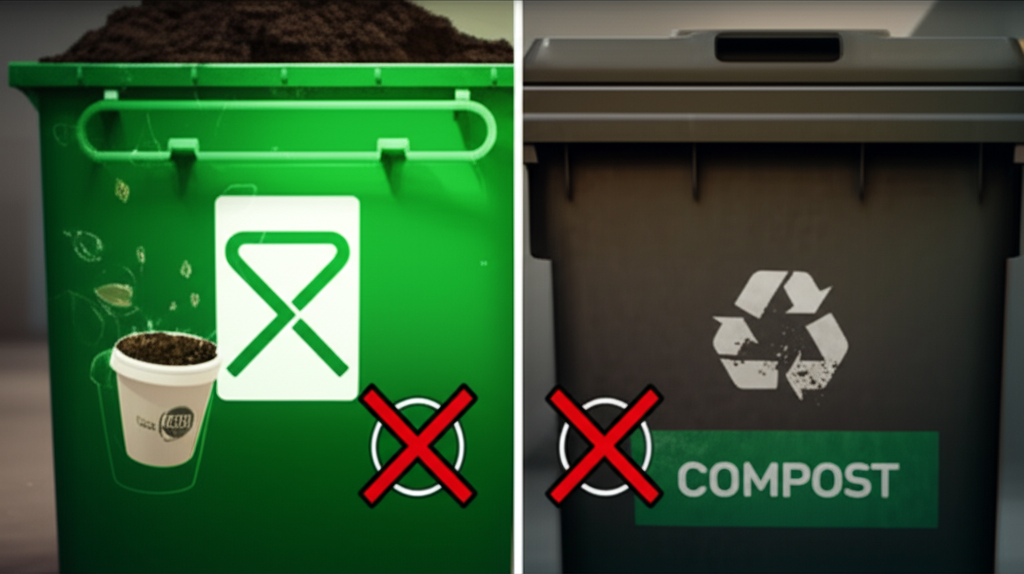
UNregola cruciale:NON farloposizionare gli articoli compostabili BPI nei tradizionali contenitori per il riciclaggio. Sono fondamentalmente diversi dalla plastica, dai metalli o dalla carta convenzionali. Realizzati con materiali di origine vegetale come l'acido polilattico (PLA) o fibre vegetali, richiedono l'azione microbica per la decomposizione, non il riciclaggio meccanico. Metterli nei contenitori per il riciclaggio contamina il flusso di riciclaggio, portando ad un aumento dei costi di lavorazione e allo smaltimento in discarica di materiali altrimenti riciclabili. Allo stesso modo, il compostaggio in giardino è generalmente inadatto ai prodotti BPI a causa delle condizioni insufficienti e incoerenti per la completa decomposizione del materiale. Senza l’accesso a un impianto di compostaggio industriale o a un programma locale che accetti articoli compostabili BPI, il metodo di smaltimento più responsabile rimane la spazzatura normale, anche se i benefici ambientali del compostaggio vengono persi.Industrial composting is the only correct disposal route for BPI-certified items.
Overcoming Hurdles: Challenges in BPI Compostable Infrastructure & Policy
Despite the clear benefits and growing market for compostable packaging, several systemic challenges impede the widespread adoption and effectiveness of BPI-certified solutions in thehospitality and foodservice supply chains.
Contamination remains a primary hurdle.When non-compostable items mistakenly enter the organic waste stream, they contaminate the compost, increasing operational costs for composting facilities by approximately17%in some cases, due to the need for manual sorting and removal. This issue stems largely from consumer confusion and inconsistent labeling. Indeed, a survey found that nearlya third of respondentsmistakenly put compostable packaging into recycling bins.
Limited access to industrial composting facilitiesposes another major challenge. Only an estimated15% delle strutture nordamericanesono attualmente attrezzati per accettare bioplastiche. Questo divario infrastrutturale significa che anche quando le aziende acquistano prodotti certificati BPI, il necessario trattamento di fine vita potrebbe non essere disponibile nella loro regione, portando allo smaltimento in discarica e annullando i benefici ambientali previsti.
Persistono anche gli ostacoli normativi. Il continuoDibattito sul Programma biologico nazionale (NOP) dell'USDAè un esempio significativo; le norme attuali vietano la bioplastica compostabile nel compost organico certificato, costringendo i produttori di compost a escluderle se desiderano vendere compost organico certificato USDA. Inoltre, sebbene la certificazione BPI sia rigorosa, deve essere sottoposta a controllo. Persistono opinioni e dibattiti di esperti riguardo al ruolo di BPI, comprese le critiche di organizzazioni come Beyond Plastics riguardo alla tossicità e alla composizione del cartone, che BPI confuta evidenziando il suo processo di test indipendente di terze parti tramite DIN Certco e i suoi rigorosi standard, incluso il divieto di PFAS aggiunti intenzionalmente dal 2020.
Soluzioni strategiche per espandere l'adozione del compostabile BPI
Addressing these challenges requires a multi-pronged approach involving industry collaboration, policy advocacy, and public education:
- Standardized Labeling and Education Campaigns: Advocating for clear, standardized labeling, such as the How2Compost label, is crucial to reduce consumer confusion and improve sorting at the source. Robust education campaigns targeting businesses and consumers can significantly reduce contamination rates and ensure proper disposal.
- Infrastructure Development and Support: Supporting industry-wide efforts like the US Composting Infrastructure Coalition (USCIC) and legislative initiatives, such as the federal COMPOST Act, which provides grants for food scrap composting, is essential. The U.S. Senate’s Recycling and Composting Accountability Act (RCAA) also aims to improve data collection and explore national composting strategies, laying the groundwork for future infrastructure investments.
- Extended Producer Responsibility (EPR) Programs: Emphasizing the need for EPR programs, as mandated by California’s SB 54, can generate necessary funding for the expansion and improvement of composting infrastructure, shifting the financial burden from municipalities to producers. This aligns with broader efforts to achieve circular economy principles.
- BPI’s Pivotal Role: Underscoring BPI’s critical role in working with manufacturers and composters since 1999 to verify compliance with ASTM standards fosters composter confidence and ensures that certified products genuinely meet industrial composting requirements. This sustained collaboration is key to building a robust and reliable compostable supply chain. The certification for specific products like straws, for instance, reinforces trust in the market. More information on such product-specific certifications can be found at BPI Certified Compostable Straws: Hospitality Sustainability.
Overcoming BPI compostable hurdles requires collaboration, education, and infrastructure development.
The Growth Trajectory: Future of BPI Compostable in Sustainable Business
The future of BPI compostable materials in sustainable business is poised for significant expansion, driven by continuous innovation and a supportive policy environment. Market projections reinforce this optimistic outlook, indicating strong growth for compostable packaging, with some estimates reaching$132.86 billion by 2032at a CAGR of 6.51%. This growth is not just about volume but also about the evolution of materials.
Innovations in bioplastics, particularly advanced materials likePHA (Poliidrossialcanoati), offer promising solutions. PHA-based materials are industrially compostable, non-toxic, and crucially, do not generate microplastics, addressing key environmental concerns. These advancements are making compostable alternatives more versatile and economically viable across a broader range of applications relevant tofoodservice and hospitality.
Supportive legislation is also paving the way. The U.S. Senate’s aforementionedRecycling and Composting Accountability Act (RCAA), aimed at improving data collection and exploring national composting strategies, signals a growing federal commitment to composting infrastructure. Similarly, California’s ambitiousSB 54mandates that all packaging sold in the state be recyclable or certified compostable by2032, establishing a strong regulatory push towards sustainable materials.
BPI continues to guide this transition, actively collaborating with industry stakeholders—from manufacturers to composters—to align B2B practices with circular economy principles. As research into biodegradation and composting efficacy advances, the confidence in BPI-certified solutions will only strengthen. The trajectory is clear: BPI compostable solutions are central to achieving a truly circular economy, minimizing waste, and maximizing resource value.The future of BPI compostable materials is bright, driven by innovation and supportive legislation.
Domande frequenti (FAQ)
What is BPI certification and why is it important for hospitality businesses?
BPI (Biodegradable Products Institute) certification ensures products meet rigorous ASTM standards for industrial compostability, breaking down within 90 days without toxic residue. For hospitality, it’s crucial for genuine organic waste diversion, avoiding greenwashing, enhancing brand reputation, and ensuring compliance with evolving regulations like California AB 1201.
How do I properly dispose of BPI-certified compostable items in my hotel or restaurant?
BPI-certified items must be disposed of in industrial composting facilities. Always check local municipal waste guidelines, as acceptance policies vary. Do NOT place them in traditional recycling bins or backyard compost, as this contaminates streams and prevents proper breakdown.
What are the ROI benefits of switching to BPI compostable packaging for foodservice operations?
Switching to BPI compostable packaging can enhance brand integrity, attract eco-conscious customers, potentially reduce waste hauling costs in areas with organic collection, and improve ESG scores. It also prevents costly contamination of organic waste streams, saving the composting industry millions annually.
Are there specific challenges in implementing BPI compostable solutions in large-scale hospitality settings?
Yes, challenges include consumer and staff confusion leading to contamination, limited access to industrial composting facilities (only ~15% in North America accept bioplastics), and evolving regulatory hurdles like the USDA NOP debate. Education and infrastructure development are key to overcoming these.
How can procurement managers ensure their BPI compostable product sourcing is effective and compliant?
Procurement managers should prioritize suppliers offering products with the official BPI swirl logo, verify local composting infrastructure, and educate staff on proper sorting. Staying informed on regulations like California SB 54 and supporting EPR programs will also ensure long-term compliance and impact.
Conclusion: Paving the Way for a Truly Circular BPI Compostable Economy
Navigating BPI compostable solutions is no longer a niche concern but a strategic imperative for modern B2B operations. By understanding the rigorous distinction of BPI certification, embracing proper industrial disposal protocols, and actively advocating for critical infrastructure development, businesses can unlock significant environmental and operational benefits. The robust growth of the compostable packaging market underscores a collective commitment to sustainability that permeates consumer demand, regulatory frameworks, and corporate social responsibility.
Businesses inospitalità e ristorazionethat proactively assess their current waste streams, partner with BPI-certified suppliers, and educate their teams will be best positioned to drive sustainable change. This proactive approach not only enhances an organization’s environmental impact but also bolsters brand reputation, ensures long-term regulatory compliance, and secures a competitive edge in a market increasingly prioritizing eco-conscious practices.
Valutareyour current waste streams,partnerwith BPI-certified suppliers, andeducateyour teams to drive sustainable change and enhance your organization’s environmental and commercial impact today.Proactive BPI compostable adoption enhances environmental impact, reputation, and competitive edge.