翻訳を編集します
による Transposh - translation plugin for wordpress

紙のストローは本当に持続可能ですか、それともグリーンウォッシングだけですか?情報に基づいたソーシングのためのB2Bの必須
調達マネージャー、オペレーションディレクター、サステナビリティ責任者が企業責任の複雑な状況を乗り越える中、プラスチックストローから紙ストローへの移行は、環境への取り組みの目に見える象徴となっています。しかし、一般の認識の表面下には、紙ストロー本来の持続可能性に対する広く信じられている信念に疑問を呈する微妙な現実が潜んでいます。この記事では、紙ストローの真の環境負荷を詳しく分析し、潜在的な「グリーンウォッシング」を明らかにし、B2B の意思決定者を真に持続可能なソリューションに導きます。これらの洞察を無視すると、業務の非効率性やコストの増大だけでなく、ますます厳しくなる市場において重大な風評被害や潜在的な規制上の罰則を受ける危険性があります。

持続可能な解決策とプラスチック禁止を求める世界的な推進

紙ストローの普及は主に、海洋プラスチック汚染への懸念によって高まる社会的圧力や規制当局への対応として行われた。プラスチックのストローに絡まるウミガメなどの鮮明な画像は世界的な行動を活性化し、プラスチックのストローが環境破壊の具体的な象徴となった。この国民の抗議はすぐに広範な立法措置につながった。英国は2020年に使い捨てプラスチックストローを禁止し、続いて2021年6月までに欧州連合27か国も禁止し、米国のさまざまな都市や州でも同様の措置が制定された。

政府の命令を超えて、航空会社、ホテル、テーマパークなどの大手企業は、プラスチック製のストローを代替することで積極的に取り組みを表明し、市場に大きな変化をもたらしました。この集団的な運動は、プラスチック廃棄物を削減し、環境認証を向上させ、環境に配慮したブランドに対する進化する消費者の期待に応えることを目的としていました。しかし、紙ストローへの急速な移行は、善意ではあるものの、複雑な隠れたコストや意図せぬ結果を明らかにしており、B2Bの意思決定者による厳しい精査が求められています。

世論と規制の圧力によって世界的に紙ストローへの移行が進んでおり、B2B の意思決定者にとって隠れたコストと予期せぬ結果が明らかになりました。

「持続可能性」を解体する: 紙ストローに対する初期の認識を超えて

The journey from plastic to paper straws was championed as a straightforward environmental win. Yet, a deeper dive into the life cycle of paper straws reveals a more intricate and often problematic reality, challenging their perceived eco-friendliness.

Beyond Biodegradability: The Hidden Environmental Costs of Paper Straws

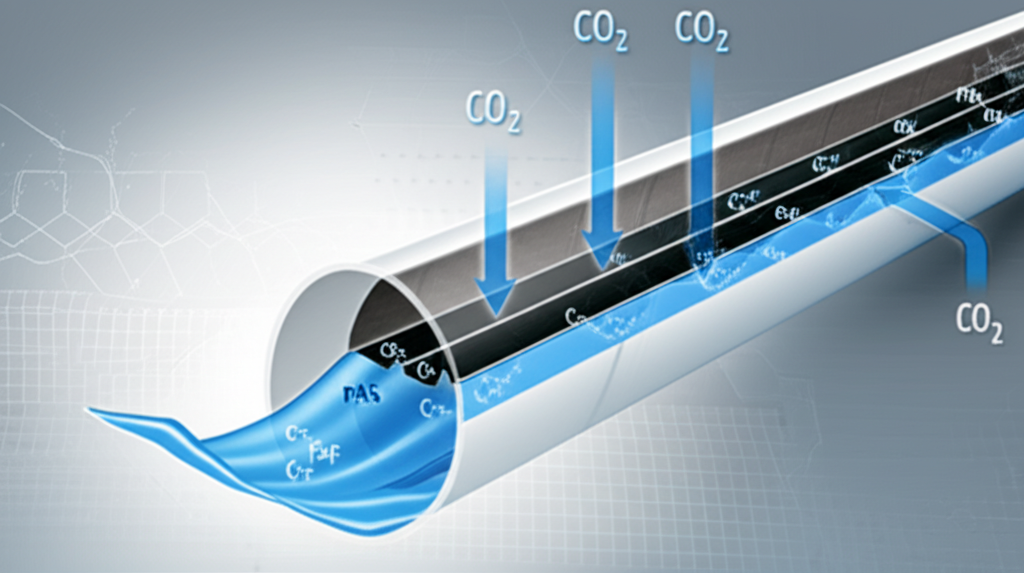
While paper straws are often lauded for their biodegradability, their production process tells a different story. The pulp and paper industry, which supplies the raw materials for these straws, is an energy-intensive sector, accounting for approximately 6% of global industrial energy use and 2% of direct industrial CO2 emissions. This substantial energy demand often relies on fossil fuels, contributing significantly to greenhouse gas emissions.

Life Cycle Assessment (LCA) insights further underscore these concerns. A 2022 study published inScience of the Total Environmentcompared the environmental impact of various straw materials and indicated that paper straws (PA) had a Global Warming Potential (GWP) of 2.58E+06 kg CO2 eq. This figure is significantly higher than that of polypropylene (PP) plastic straws, which measured 5.66E+05 kg CO2 eq in the same study. The research highlighted that replacing PP straws with paper alternatives to curb marine plastic pollution could incur environmental costs in other categories, such as climate change impact.

Moreover, paper production is notoriously water-intensive, consuming vast quantities of fresh water. If not sourced from responsibly managed forests certified by bodies like the Forest Stewardship Council (FSC), the demand for paper can also contribute to deforestation, leading to habitat loss and reduced carbon sequestration capacity. These factors demonstrate that the environmental footprint of paper straws extends far beyond their end-of-life decomposition.

The Troubling Reality of PFAS Chemicals in Paper Straws

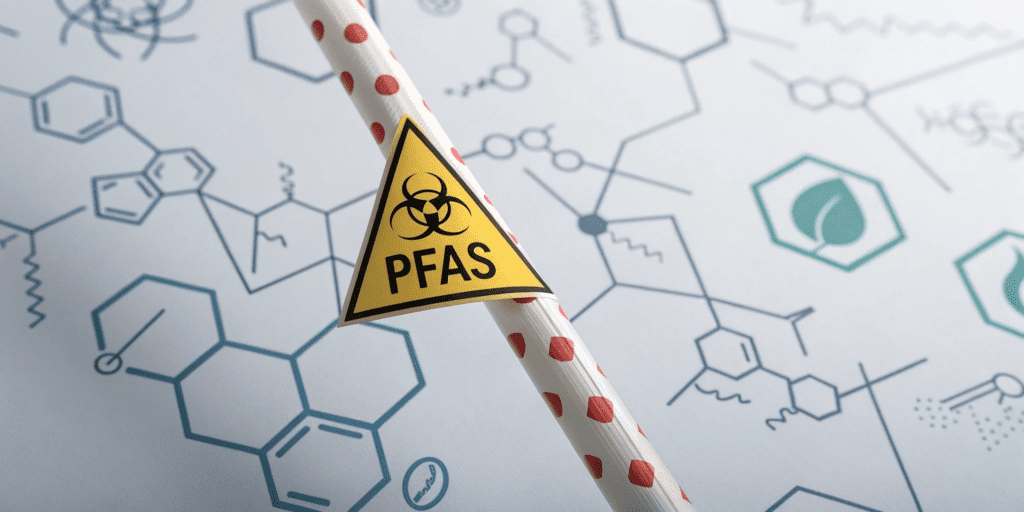
Perhaps one of the most alarming revelations regarding paper straws is the widespread presence of per- and polyfluoroalkyl substances (PFAS). These “forever chemicals” are often used as water-repellent coatings to improve the durability of paper straws, a critical design flaw in their inherent material. An August 2023 study published in食品添加物と汚染物質conducted by Belgian researchers found PFAS in 90% of tested paper straw brands in Europe, making them the most likely material to contain these problematic substances across all straw types examined.

The implications of PFAS are profound. These chemicals are highly persistent, breaking down incredibly slowly over thousands of years and accumulating in the environment and biological systems. They have been linked to a range of serious health issues, including thyroid disease, liver damage, kidney cancer, testicular cancer, increased cholesterol, and even lower vaccine response. The presence of PFAS directly contradicts the “eco-friendly” and “biodegradable” marketing claims of many paper straws, exposing companies to significant compliance risks, particularly with emerging regulations targeting these hazardous compounds.

Durability, Functionality, and Consumer Dissatisfaction

Beyond their hidden environmental costs, paper straws also present substantial operational and customer experience challenges. Their inherent material properties mean they struggle with durability, especially when exposed to liquids for extended periods. Research published inBioResourcesin 2019 demonstrated that paper straws can lose over 75% of their firmness and 70-90% of their compressive strength after only 20-30 minutes in liquids. This rapid degradation frequently leads to frustration among consumers as straws become soggy, collapse, or dissolve before a drink is finished.

This poor functionality has practical consequences for businesses. Customers may resort to using multiple straws per drink, inadvertently negating some of the intended environmental benefits and increasing waste volume. This can also lead to negative brand perception, with consumers associating the poor performance of the straw with the overall quality of the establishment’s offerings, thereby impacting brand loyalty and perceived value.

Paper straws’ production, PFAS content, and poor durability challenge their perceived eco-friendliness and impact customer satisfaction.

The “Greenwashing” Dilemma: Unpacking Misleading Claims

紙ストローの急速な普及により、企業が自社の環境活動や製品について根拠のない、または誤解を招く主張を行う「グリーンウォッシング」の土壌が図らずも生み出されてしまいました。

紙ストロー市場におけるグリーンウォッシングの懸念を明らかにする

グリーンウォッシングの顕著な例は、英国マクドナルドが2018年にプラスチック製ストローの代わりに「100%リサイクル可能な」紙製ストローを導入したときに発生した。環境保護を主張しているにもかかわらず、これらの紙ストローは、厚さやコーティングを処理するための適切なインフラストラクチャが不足しているため、最終的にはリサイクルできず、埋め立て地や焼却、さらには海洋に捨てられることになりました。これは、マーケティング上の主張と実際の耐用年数が終了した現実との間に重大な乖離があることを浮き彫りにしています。 EU の環境主張ガイダンスは、消費者を誤解させ、グリーンウォッシングを促進する可能性があるため、「環境に優しい」などの曖昧な一般的な主張を明確に禁止しています。

Many recycling facilities are not equipped to process food-contaminated paper products or paper straws with certain coatings, even if the base material is paper. This infrastructure gap significantly hinders the circularity of paper straws, pushing them into waste streams despite being labeled as recyclable or compostable. This challenge underscores the need for businesses to look beyond superficial claims and scrutinize the entire supply chain and disposal infrastructure.

Illustration of greenwashing concept

Superficial Solutions vs. Systemic Impact

The focus on banning plastic straws, while symbolic, addresses a relatively minor environmental issue when viewed in a broader context. Plastic straws constitute a minuscule 0.025% of the vast amount of plastic entering the ocean annually. This disproportionate focus can divert attention and resources from much larger sources of plastic pollution, such as abandoned fishing nets or industrial discharge.

Expert criticism, particularly from firms like Boston Consulting Group (BCG), has labeled the focus on paper straws as largely a “red herring.” BCG notes that this shift made very little overall impact on broader plastic waste and biodiversity issues. Worse, by tainting the reputation of genuinely sustainable products due to their poor performance or hidden environmental costs, it inadvertently pushed consumers back towards plastic, eroding trust in eco-friendly alternatives. For businesses, investing heavily in a “solution” that is ultimately superficial or even counterproductive carries significant strategic risk.

Greenwashing in the paper straw market highlights a critical disconnect between marketing claims and actual environmental impact.

Strategic Procurement: Evaluating Sustainability for B2B Operations

For procurement managers, operations directors, and sustainability officers, the nuanced reality of paper straws demands a sophisticated approach to sourcing. Simply switching from plastic to paper based on surface-level assumptions can lead to unforeseen challenges and undermine genuine sustainability goals.

The transition to paper straws, particularly those that are not truly sustainable, has led to escalated procurement costs. Paper straws are typically two to three times more expensive than their plastic counterparts, directly impacting operational budgets and potentially eroding profit margins if not offset by other efficiencies or price adjustments.

Furthermore, sourcing genuinely sustainable paper straws introduces significant supply chain complexity. It requires rigorous vetting for verifiable certifications, such as FSC for responsible forest management and independent third-party certifications (e.g., BPI, DIN CERTCO) for industrial compostability standards like ASTM D6400/D6868 (North America) and EN13432 (Europe). Crucially, businesses must demand PFAS-free assurance to mitigate health, environmental, and compliance risks. This increased due diligence necessitates deeper supplier relationships and robust auditing processes.

Perhaps most critically, companies that make unsubstantiated green claims, whether intentionally or inadvertently, face significant reputational risk. In an era of heightened consumer awareness and regulatory scrutiny, accusations of greenwashing can severely damage brand trust and loyalty, leading to consumer backlash, negative media coverage, and even potential legal penalties. For instance, the Korea Fair Trade Commission has proposed amendments to its “Review Guidelines Regarding Greenwashing” to prevent indiscriminate marketing. Proactive risk mitigation requires transparency and verifiable data.

特徴B2B運用上の影響コンプライアンスノートROIポテンシャル
プラスチック(PP)Low upfront cost, high durability, readily available.Increasingly banned globally (e.g., UK 2020, EU 2021 Single-Use Plastics Directive).Negative ROI due to potential fines, PR crises, and lost revenue.
Paper (Coated/PFAS)Moderate cost, poor durability, customer complaints.Risk of non-compliance with emerging PFAS regulations, greenwashing laws (e.g., EU Environmental Claims Guidance).Low ROI due to increased waste, consumer dissatisfaction, potential fines.
Paper (PFAS-Free, Certified Com.)Higher cost, improved but still limited durability.Adheres to ASTM D6400/EN13432 for industrial composting; FSC-certified sourcing.Moderate ROI from positive brand image, but higher operational cost.
PLA Bioplastic (Industrial Com.)Higher cost, better durability than paper, specific disposal needs.Requires industrial composting facilities (e.g., ASTM D6400 certified).Moderate ROI if robust industrial composting infrastructure available and aligned with local facilities.
Reusable (Stainless Steel/Bamboo)High upfront investment, requires cleaning/logistics infrastructure.Promotes circular economy principles, reduces single-use reliance.High long-term ROI from waste reduction, strong brand loyalty, reduced procurement.

Strategic procurement demands rigorous vetting of straw alternatives to mitigate costs, compliance risks, and reputational damage.

Innovating for True Sustainability: Next-Gen Solutions

Moving beyond the pitfalls of conventional paper straws requires embracing truly innovative and verifiable sustainable solutions that address both environmental impact and operational performance.

Certified Industrially Compostable Solutions

For businesses committed to single-use options, the focus must shift to materials and products that meet stringent industrial compostability standards. Products certified to standards like ASTM D6400/D6868 (North America) and EN13432 (Europe) ensure that materials break down completely within 180 days in commercial composting facilities, leaving no harmful residues. These certifications provide a verifiable benchmark that goes beyond mere “biodegradable” claims.

Innovative materials such as PHA (polyhydroxyalkanoate) straws represent a promising alternative. PHA is a biopolymer derived from natural sources, like canola oil, offering enhanced durability and a feel similar to traditional plastic, while boasting remarkable biodegradability credentials. For businesses seeking genuine eco-friendly options, exploring thebest biodegradable straws that aren’t paperis a strategic imperative.

Case Study: Phade® Straw Adoption:Phade® straws, made from PHA, exemplify this next generation of sustainable solutions. They have achieved rigorous certifications, including TUV Austria’s ‘OK compost HOME’ and ‘OK biodegradable MARINE’ certifications, signifying their ability to break down in both industrial and home composting environments, as well as marine ecosystems. Leading foodservice distributors have integrated PHA straws into their offerings, recognizing their superior durability and verified end-of-life pathways. This adoption allows companies to avoid the functionality issues and greenwashing accusations associated with earlier paper straw iterations, demonstrating a genuine commitment to environmental stewardship without compromising customer experience. Delve deeper into the environmental comparison ofsugarcane straws versus plastic and paperto make informed choices.

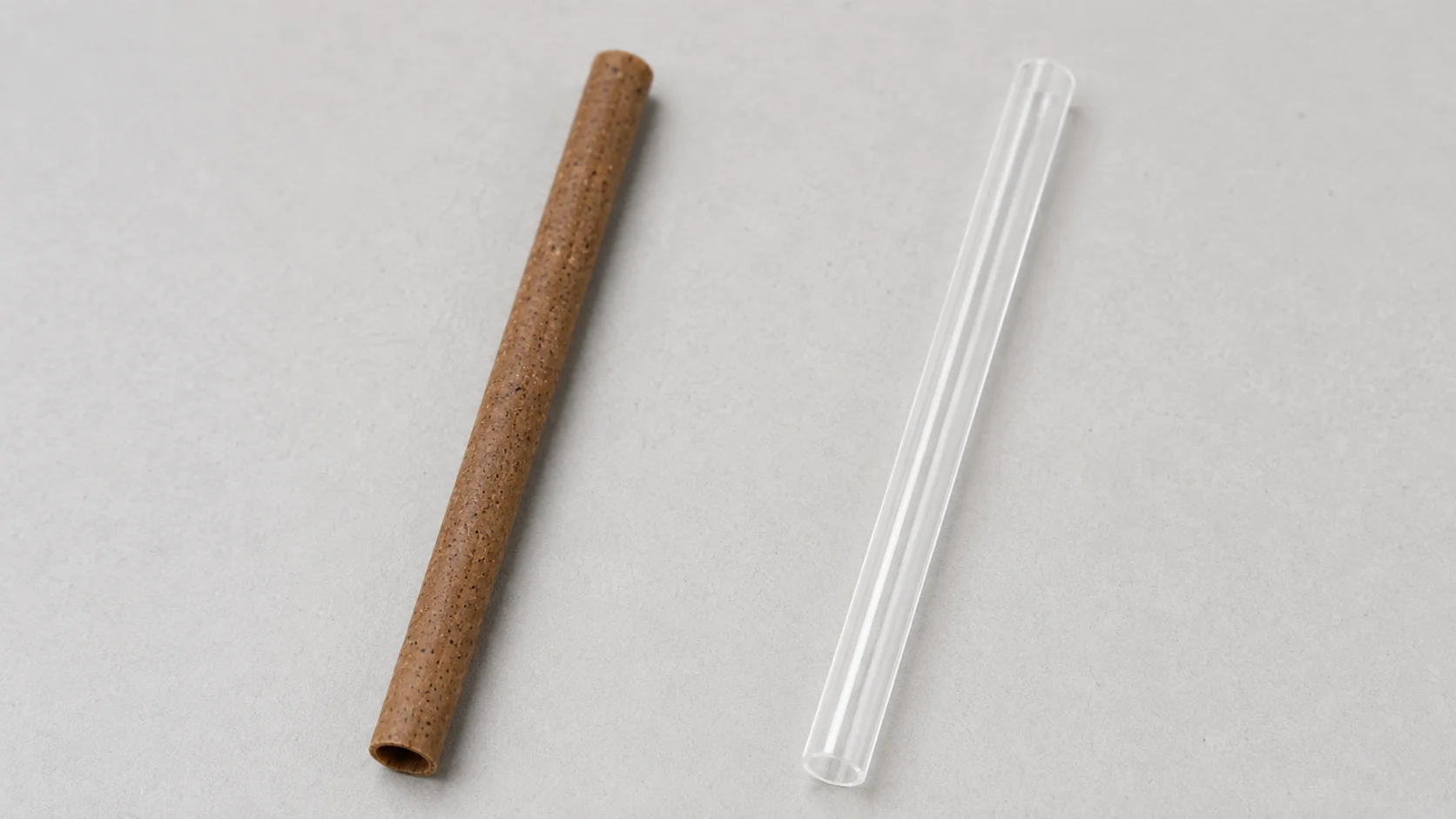
Illustration of innovative sustainable straw materials

The Power of Reusable Straws and Waste Reduction

While single-use solutions continue to evolve, the most impactful path to sustainability lies in embracing circular economy principles and reducing overall consumption. Reusable straws, crafted from materials like stainless steel, glass, or bamboo, offer durable, multi-use alternatives that entirely eliminate the continuous production and disposal cycle of single-use items. Implementing reusable straw programs, however, requires careful consideration of cleaning infrastructure, logistics, and consumer behavior shifts.

Ultimately, the most sustainable straw is often no straw at all, emphasizing a fundamental shift away from single-use culture towards mindful consumption. For contexts where straws are truly necessary, businesses must explore alternatives like durablesugarcane straws vs. plasticto avoid functional disappointments. It is also critical to acknowledge that for many individuals with disabilities, plastic straws remain essential assistive devices for social inclusion, and thoughtful provision of suitable options is paramount.

Embrace certified compostable materials and reusable options for genuine sustainability, moving beyond superficial single-use solutions.

Future Trends & Innovation in Sustainable Straws

The landscape of sustainable straw solutions is continuously evolving, driven by material science advancements and stricter regulatory frameworks. Over the next 5-10 years, we can expect several key trends to shape procurement strategies:

  • Advanced Bio-based Polymers:Beyond PHA, research and development in bio-based polymers will yield new materials that offer enhanced durability, wider biodegradability, and more sustainable production processes. These materials will increasingly mimic the performance characteristics of traditional plastics while maintaining verifiable environmental end-of-life pathways.
  • Decentralized Composting Infrastructure:The expansion of industrial and even home composting facilities will become more widespread, enabling a truly circular economy for certified compostable materials. Regulatory bodies and industry associations, such as the EU industry association 360° Foodservice with its “Charter of Trust for Paper Drinking Straws” and accompanying “Trust Mark,” are actively working to establish clear standards and ensure compliance, helping businesses make informed choices and distinguishing genuinely sustainable products.
  • Stricter PFAS Regulations:Global regulatory bodies are moving aggressively to restrict or ban PFAS in all consumer products, including food contact materials. This will necessitate a complete transition to PFAS-free coatings and materials across the supply chain, impacting paper and other plant-based product manufacturers.
  • Focus on ‘No Straw’ or Reusable Defaults:Businesses will increasingly adopt “straw-on-request” policies or offer reusable options as the default, further reducing single-use consumption. Innovations in cleaning and sanitization for reusable programs will also become more sophisticated.
  • Transparent LCA Reporting:As greenwashing scrutiny intensifies, companies will face mounting pressure to provide transparent, verifiable Life Cycle Assessment (LCA) data for their products. This will enable B2B buyers to compare environmental impacts holistically, moving beyond single-metric claims.

Future trends indicate a shift towards advanced bio-based polymers, expanded composting, stricter PFAS regulations, and transparent LCA reporting.

Competitive Advantage & Business Case for True Sustainability

In an increasingly environmentally conscious marketplace, genuine sustainability is not just a cost center or a compliance burden—it’s a potent driver of competitive advantage and long-term value.

By meticulously scrutinizing product claims and prioritizing truly sustainable alternatives, businesses can achieve quantifiable benefits:

  • Cost Savings through Waste Reduction:While premium sustainable straws may have a higher unit cost, their superior durability reduces the need for multiple straws per serving, leading to less waste and potentially lower overall consumption. Furthermore, avoiding single-use plastic bans mitigates risks of fines and operational disruption.
  • Risk Mitigation from Greenwashing and Compliance:Proactive adoption of certified, PFAS-free solutions drastically reduces the reputational risk associated with greenwashing scandals. This also ensures compliance with evolving regulations, preventing costly penalties and legal challenges. Maintaining a strong, verifiable sustainability profile safeguards your brand against public backlash and shareholder scrutiny.
  • ブランド価値と顧客ロイヤリティの向上:Demonstrating authentic commitment to environmental responsibility resonates deeply with modern consumers and B2B partners. This translates into increased brand affinity, customer loyalty, and a differentiated market position. Companies perceived as truly sustainable often command a premium, attracting new market segments and fostering stronger relationships.
  • 市場シェアの機会:As environmental consciousness grows, businesses that lead with verifiable sustainability can capture market share from competitors who rely on superficial or misleading “green” claims. This positions your organization as an industry leader, attracting environmentally conscious clients and talent, and potentially unlocking new revenue streams through sustainable procurement partnerships.

Ultimately, the business case for genuine sustainable sourcing extends beyond immediate costs. It encompasses long-term risk mitigation, brand resilience, and the opportunity to secure a leading position in a market that increasingly values environmental integrity.

Genuine sustainability drives competitive advantage through cost savings, risk mitigation, enhanced brand value, and market share growth.

Conclusion: Navigating the Complexities of Sustainable Sourcing

The journey toward genuine sustainability in B2B operations requires moving beyond superficial fixes and symbolic gestures. While paper straws emerged as a seemingly simple solution to plastic pollution, rigorous life cycle assessments, chemical analyses revealing the pervasive presence of PFAS, and operational challenges expose a far more complex reality. Companies must meticulously scrutinize product claims, demand verifiable certifications, and prioritize systemic waste reduction strategies to ensure their environmental initiatives are truly impactful, not just performative.

Lead your organization towards verifiable environmental responsibility. Evaluate your current straw procurement using comprehensive LCA data, prioritize PFAS-free and industrially compostable certified options, and explore robust reusable solutions to ensure your sustainability initiatives are impactful, not just performative.

よくある質問 (FAQ)

Are paper straws truly sustainable for hospitality businesses?

While marketed as eco-friendly, many paper straws have hidden environmental costs due to energy-intensive production, water consumption, and the widespread presence of PFAS “forever chemicals.” Their poor durability also leads to increased waste and customer dissatisfaction in hospitality settings.

What are PFAS chemicals, and why are they a concern in paper straws for foodservice?

PFAS (per- and polyfluoroalkyl substances) are water-repellent “forever chemicals” used in paper straw coatings. They are highly persistent and linked to serious health issues, posing significant compliance and health risks for foodservice operations.

How can procurement managers avoid greenwashing when sourcing straws?

Procurement managers should demand verifiable certifications (e.g., FSC, ASTM D6400/EN13432 for compostability), ensure PFAS-free assurance, and scrutinize the entire supply chain and disposal infrastructure to avoid misleading “green” claims.

What are genuinely sustainable alternatives to conventional paper straws for hotels and cafes?

Consider certified industrially compostable solutions like PHA (polyhydroxyalkanoate) straws, which offer better durability and verified biodegradability. Reusable straws (stainless steel, bamboo) are also highly impactful for reducing waste.

How do paper straws impact customer experience in restaurants and bars?

Paper straws often become soggy and collapse quickly, leading to customer frustration and potentially negative brand perception. This can result in customers using multiple straws, inadvertently increasing waste.

Ready to Elevate Your Sustainability Strategy?

Take the next step towards verifiable environmental responsibility and secure your competitive advantage in the hospitality and foodservice industries.Contact Us for Sustainable Sourcing Solutions

一緒に地球を守りましょう

最も人気のある

最新のアップデートを入手する

週刊ニュースレターを購読する

スパムはなく、通知は新製品とアップデートに関するもののみです。

簡単な見積もりを依頼する

1 営業日以内にご連絡いたします。サフィックスが付いているメールにご注意ください。 「@momoio.com」

簡単な見積もりを依頼する

1 営業日以内にご連絡いたします。サフィックスが付いているメールにご注意ください。 「@momoio.com」

簡単な見積もりを依頼する

1 営業日以内にご連絡いたします。サフィックスが付いているメールにご注意ください。 「@momoio.com」

簡単な見積もりを依頼する

1 営業日以内にご連絡いたします。サフィックスが付いているメールにご注意ください。 「@momoio.com」