持続可能な包装と廃棄物管理の状況をナビゲートするには、特にホスピタリティおよびフードサービス業界の調達および運営のリーダーにとって、正確な理解が必要です。 「生分解性」と「堆肥化可能」という用語は、多くの場合同じ意味で使用され、混乱が広まり、運用上の誤りが生じる可能性があります。この意味上のあいまいさは、真の環境、社会、ガバナンス (ESG) コンプライアンスを目指す企業にとって重大なリスクをもたらし、コストのかかる「グリーンウォッシング」の非難や非効率な廃棄物の流れにつながる可能性があります。
B2B の意思決定者にとって、これらの用語を区別することは単なる学問的な作業ではありません。それは戦略上の義務です。世界の堆肥化可能な包装市場は、2024 年に約 555 億 3,000 万米ドルと評価され (Grand View Research、2024 年)、2032 年までに 898 億 5,000 万米ドルに達すると予測されており、2025 年から 2032 年までの年間平均成長率 (CAGR) は 6.20% になります (Precedence Research、2023 年)。この成長は、企業が消費者の期待や規制の変化に合わせて調整する重要な機会を浮き彫りにしています。しかし、認定された堆肥化可能性について明確に理解していないと、企業は、約束された環境上の利点を実現できなかったり、ますます厳格化するコンプライアンス基準を満たさなかったりするソリューションに投資するリスクがあり、サプライチェーンの効率からブランドの評判まであらゆることに影響を及ぼします。この区別を無視すると、真の持続可能性をますます重視する市場において、廃棄物処理コストの増加、規制上の罰金、および重大なブランドの毀損につながる可能性があります(エレン・マッカーサー財団、2022年)。
この違いを理解することは、持続可能な B2B 事業を行い、コストのかかるグリーンウォッシングを回避するために重要です。
「生分解性」を理解する: 広く誤解を招きやすい主張
「生分解性」という用語は、材料が自然に分解されることを示唆していますが、その材料はほとんど規制されておらず、B2B 用途には特異性がありません。明確な基準がなければ、この広義の定義は効果的な廃棄物管理と持続可能性への取り組みを妨げ、疑いを持たない企業にとって地雷原を生み出す可能性があります。
生分解性の規制されていない性質: サプライチェーンのリスク
「生分解性」の中心的な問題は、分解のための定義された時間枠や特定の環境条件が欠如していることにあります。この用語は微生物による分解を意味しますが、「生分解性」とラベル付けされた製品は、実際には分解するまでに「数百年」かかる可能性があります。重要なことに、それは有害な残留物を残したり、さらにはマイクロプラスチックに断片化する可能性があり、それが支援すると称するまさに環境目標を損なう可能性があります。
米国の連邦取引委員会(FTC)は、グリーンウォッシングの重大なリスクを強調し、不適格な「生分解性」の主張をしないよう企業に明確に警告した。このような曖昧な主張は消費者に誤解を与え、規制当局の監視を受ける可能性があります。たとえば、オキソ分解性製品などの一部の「生分解性」プラスチックは、本質的にはより速く分解する添加剤を混合した従来のプラスチックですが、実際に消滅するのではなく、環境を深刻に汚染する可能性のある無数のマイクロプラスチックに分解されます。これは、そのような材料を不用意に組み込んだサプライチェーン、特に大量の使い捨て品目を管理する接客業にとって、重大な風評リスクとコンプライアンスリスクをもたらします。
「生分解性」が B2B の持続可能性目標に達しない理由
「生分解性」の主張には本質的に特異性が欠如しているため、強力な B2B 持続可能性戦略には不適切です。
- 定義された時間枠なし: 保証された期限がなければ、企業は製品の耐用年数終了サイクルを確実に予測または管理することができず、特にペースの速い食品サービス環境では、予測不可能な廃棄物の蓄積や非効率的な運用設定につながります。
- 毒性試験の欠如: 一般的に「生分解性」の材料に含まれる有毒な副産物については、必須の試験はありません。製品が土壌や水中に有害な物質を放出する可能性があるため、これにより環境リスクや風評リスクが生じます。
- 消費者と廃棄物施設の混乱: 「生分解性」をめぐる曖昧さにより、消費者と廃棄物管理施設の両方が混乱し、適切な処理が困難になり、リサイクルや堆肥化の流れでの汚染率が増加します。これは、ホテルの廃棄物管理における一般的な問題です。
- 法的および規制上の脆弱性: 使い捨て製品の販売およびマーケティングにおける「生分解性」の使用は問題があると考えられており、カリフォルニア州 (AB 1201) などの米国の一部の州では「違法の可能性がある」とさえされており、第三者の認証なしにそのような表示を禁止しています。これにより、規制市場で活動する企業にとって明らかなコンプライアンスリスクが生じます。
「生分解性」には明確な基準がないため、企業に重大なグリーンウォッシングと運用上のリスクをもたらします。
「BPI Compostable」の定義: 持続可能な運営のためのゴールドスタンダード
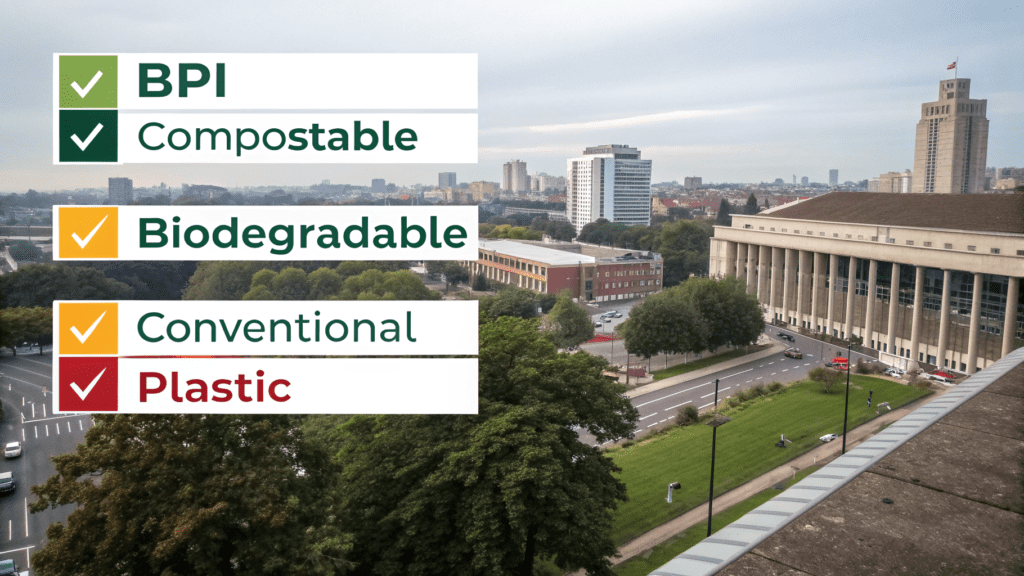
「BPI Compostable」は、特定の産業環境で効果的に分解するように設計された、厳密にテストおよび認定された製品を意味し、準拠した影響力のある B2B の持続可能性の取り組みに明らかな利点を提供します。この認証は、真の循環経済への貢献への透明で検証可能な道筋を提供します。
認証における生分解性製品協会 (BPI) の役割
Biodegradable Products Institute (BPI) は、1999 年に設立された北米有数の非営利機関であり、堆肥化可能な製品と包装の促進と認定に専念しています。 BPI 認定は単なるラベルではありません。これは、製品が堆肥化可能性に関する厳格な ASTM (米国材料試験協会) 基準を満たしていることを独立した第三者機関が検証するものです。
BPI 認証マーク (特徴的な渦巻きデザイン) は、商用システムで適切に分解されるように特別に設計された製品を識別します。このマークは、堆肥化業者が真の堆肥化可能物と類似品を区別するのに役立ち、それによって施設内でのコストのかかる汚染を防ぐのに役立つため、調達マネージャーや運営責任者にとって非常に貴重です。これは、科学的に裏付けられた基準への整合性と遵守の明確なシグナルを提供します。これは、特に大量のホスピタリティ施設において、廃棄物管理パートナーやエンドユーザーとの信頼を構築するために非常に重要です。
BPI 認定の堆肥化可能品に関する厳格な ASTM 基準を満たしています
BPI 認証を取得するには、製品は特定の ASTM 規格に準拠するための包括的かつ厳格なテストを受ける必要があります。
- ASTM D6400 (プラスチック/包装用) または ASTM D6868 (コーティング/フィルム用): これらは、BPI 認定製品が満たさなければならない主な基準です。これらは、産業用堆肥化施設で製品がどの程度分解されるかを決定します。
- 明確な崩壊タイムライン: 製品は、商業的な堆肥化環境において、12 週間 (84 日) 以内に 90% 物理的に崩壊し、90 ~ 180 日以内に二酸化炭素、水、バイオマスに生分解される必要があります。これにより、食品サービスの廃棄物管理にとって重要な、産業施設におけるタイムリーな処理と効率的なスループットが保証されます。
- 非毒性成分: 最も重要なのは、分解プロセスでは、有害な残留物や許容できないレベルの重金属やフッ素化化学物質 (PFAS) を残さず、非毒性の成分を生成する必要があります。得られる堆肥は、植物の生育にとって安全であることが証明され、真に土壌を豊かにし、環境再生型農業をサポートする環境上の利益と資源の回収を確実にする必要があります。
- 産業用堆肥化専用: BPI 認証は、必要な高い熱、湿気、微生物の活動レベルを維持する商業的な堆肥化環境で分解されることが証明された製品にのみ適用されることに注意することが重要です。これらの製品は通常、分解条件が不十分な家庭での堆肥化や従来の埋め立て地での使用を目的としていません。
BPI Compostable とは、産業施設での認定された分解を意味し、真の環境上の利点を保証します。
BPI 堆肥化可能 vs. 生分解性: B2B 意思決定者にとっての重要な比較
「BPI 堆肥化可能」と「生分解性」の運用、コンプライアンス、財務への影響を理解することは、戦略的な調達と持続可能性の取り組みにとって最も重要です。この違いは、廃棄物管理、規制順守、ブランドの評判に大きな影響を与えます。
調達マネージャーは、運用上のニーズを満たすだけでなく、増大する企業の ESG 目標や規制上の要求にも適合する資材を選択するという複雑なタスクに直面しています。誤って「生分解性」と表示された製品を選択すると、廃棄物の流れの汚染、廃棄コストの増加、グリーンウォッシングの非難によるブランドの重大な損害につながる可能性があります。逆に、BPI 認定の堆肥化可能なソリューションへの投資は、特に大量の有機廃棄物を管理する接客業や食品サービス業にとって、環境責任と業務効率への検証可能な道を提供します。
比較表: 特長 | B2B の運用への影響 |コンプライアンスに関する注意事項 | ROIの可能性
| 特徴 | B2B運用上の影響 | コンプライアンスノート | ROIポテンシャル |
|---|---|---|---|
| 「生分解性」(一般) | さまざまな環境での予期せぬ故障。マイクロプラスチックの形成と埋立地の蓄積の高いリスク。最適化されていない個別の廃棄物の流れが必要になる可能性があり、ホテルやレストランの物流の複雑さとコストが増加します。 | 世界的に明確な規制定義が欠如している。 FTC/規制当局の精査につながる「グリーンウォッシング」クレームのリスクが高い。米国の一部の州 (カリフォルニア州 AB 1201 など) では、誤解を招く表現のため、使い捨て製品のマーケティングが違法となる可能性があります。 | 埋め立て処分の可能性、汚染による廃棄物輸送コストの増加、誤解を招く主張による深刻な風評被害により、ROI が限定的またはマイナスになります。循環経済への取り組みや検証可能な ESG 指標に確実に貢献するものではありません。 |
| 「BPI堆肥化可能」 | 商業用堆肥化施設では 90 ~ 180 日以内の分解を保証。有機廃棄物の効率的な転用が可能になり、埋め立て量とメタン排出量が削減されます。廃棄物の分別を合理化し、食品サービス業務の業務フローを改善します。 | 独立した第三者機関による ASTM D6400/D6868 規格の認定。 「グリーンウォッシング」責任を回避します。州/地方の規制強化に準拠しており、多くの場合、それによって要求されています (例: CA AB 1201、使い捨てプラスチックに関するカナダ SOR/2022-138)。 | 廃棄物処理コストの大幅な削減、ブランドの評判と市場での差別化の強化(ESGレポートのサポート)、循環経済目標への貢献(貴重な堆肥の生産)によるプラスのROI。将来のコンプライアンス リスクを軽減します。 |
BPI の堆肥化可能な製品を選択すると、曖昧な「生分解性」の主張に比べて、運用面、コンプライアンス面、財務面で明確な利点が得られます。
課題を乗り越える: インフラストラクチャ、誤った情報、BPI 堆肥化可能なソリューション
BPI 認定の堆肥化可能な製品には明らかな利点があるにもかかわらず、B2B リーダーはインフラストラクチャ、消費者の認識、規制の複雑さに関連するハードルに直面しています。これらの課題に対処することは、特にホスピタリティおよびフードサービス部門において、環境および運営上の利点を最大化するための鍵となります。
産業用堆肥化インフラのギャップ: 主要なハードル
BPI 認定堆肥化物を広く普及させるための大きな課題は、適切な産業用堆肥化施設を利用できるかどうかです。多くの地域では、管理された条件下でこれらの物品が適切に分解されるために不可欠な十分なインフラストラクチャが不足しています。このインフラのギャップは、適切な収集と処理が利用できない場合、真に堆肥化可能な製品であっても最終的に埋め立て地や焼却場に送られる可能性があることを意味し、ホテルやレストランの持続可能性への取り組みに影響を与えます。
汚染は依然として重大な問題です。堆肥化業者の運営費の約 17% は、堆肥化できない物の除去に費やされています。一貫性のない街頭回収プログラムにより、堆肥化可能な包装材の廃棄問題がさらに悪化しています。 BPI 認証製品または有機材料が最終的に埋め立て地に送られる場合、条件が嫌気的になると、強力な温室効果ガスであるメタンが生成される可能性があります。これは、特に大規模な食品サービス事業において、堆肥化可能な材料に合わせた改良された選別収集システムの重要な必要性を強調しています。
「BPI Compostable」による「グリーンウォッシング」と消費者の混乱との戦い
誤解を招く「生分解性」ラベルは広範囲にわたる混乱を引き起こし、多くの場合、あらゆる環境での分解を暗示します。 「生分解性」という用語は、真の持続可能性から注意をそらす「グリーンウォッシング」として広く批判されています。ホスピタリティ業界の調達および持続可能性担当者にとって、これは誤った情報との絶え間ない戦いを意味し、社内業務と社外の認識の両方に影響を与えます。
BPI 認証は、堆肥化可能性の明確で検証可能な証拠を提供することでこの問題に直接対処し、それによって消費者と関係者の信頼を築きます。これにより、産業用堆肥化環境において製品が意図したとおりに機能することが保証されます。 BPI 認定材料の適切な廃棄についてスタッフ、サプライチェーンパートナー、エンドユーザーを教育することは、廃棄物を効果的に転用し、環境上の利点を最大化するために非常に重要です。この教育は、ホテルやレストランの廃棄物の流れの汚染を防ぐために、BPI 認定品と認定されていない「類似品」を区別することにも及びます。
進化する規制状況: コンプライアンスと機会
持続可能な包装に関する規制状況は急速に進化しており、より明確で施行される方向に向かっています。カリフォルニア州 (AB 1201) やワシントン州などの米国の州は、堅牢な第三者認証のない誤解を招く「生分解性」の主張をすでに禁止しています。カナダでは、使い捨てプラスチックに関する SOR/2022-138 規制により、実行可能な代替品に対して ASTM D6400/BPI への準拠が義務付けられることが多く、これは北米全体で認証ソリューションを求める広範な傾向を反映しています。
米国堆肥化評議会や BPI などの組織は、今後数年間で堆肥化可能な製品に関するさらなる法律が制定されることを期待して、法律の制定に向けて積極的に協力しています。 BPI 基準に準拠する積極的な企業は、将来の規制を先取りし、潜在的な罰則を回避し、責任ある環境管理のリーダーとしての地位を確立することができます。この前向きなコンプライアンスは、リスクを軽減するだけでなく、競争の激しいホスピタリティ業界やフードサービス業界において市場での差別化の機会を切り開きます。規制の詳細については、持続可能な包装規制に関する包括的なガイドを読む。
インフラストラクチャのギャップと誤った情報に対処することが、BPI 堆肥化可能なソリューションを効果的に活用するための鍵となります。
調達と運用における BPI 認定の堆肥化可能なソリューションの戦略的利点
BPI 認定の堆肥化可能なパッケージを採用すると、環境上の利点以上のメリットが得られます。それは目に見える運用効率をもたらし、ブランドの評判を強化し、長期的な財務健全性に貢献します。ホスピタリティやフードサービスの調達マネージャーや運営ディレクターにとって、これは測定可能なビジネス価値に変わります。
企業のESG目標とブランド評判の強化
BPI 認定製品を採用することは、企業が環境、社会、ガバナンス (ESG) の野心的な目標を達成するのに直接役立ちます。廃棄物を埋め立て地から転用し、循環経済に貢献することを検証することで、企業は廃棄物削減の取り組みについて信頼性の高い報告を行うことができ、ステークホルダーの信頼を高め、社会意識の高い投資家を惹きつけることができます。たとえば、エレン・マッカーサー財団の 2025 年の目標には、プラスチック包装を 100% 再利用可能、リサイクル可能、または堆肥化可能にすることが含まれており、ホスピタリティ業界の明確な業界ベンチマークを設定しています。
認証された堆肥化可能物への強い取り組みが、競争の激しい持続可能性を意識した市場においてブランドを差別化します。これは真のリーダーシップを発揮し、環境に配慮した消費者やパートナーの共感を呼び、ブランドロイヤルティと市場シェアの向上につながります。持続可能性に対するこの積極的な姿勢は、ホテル、カフェ、レストランにとって競争上の重要な差別化要因となる可能性があります。
運用効率と廃棄物の流れの最適化
BPI 認定製品を適切に導入すると、有機廃棄物の収集が合理化され、埋め立て量とそれに伴う廃棄コストが直接削減されます。これは、接客業や外食サービス会社など、食品関連の廃棄物が大量に発生する企業にとって特に有益です。食品の汚染により従来のプラスチックのリサイクルが現実的ではなくなることが多いため、食品と接触する用途(テイクアウト容器、コーヒーカップなど)に堆肥化可能な包装を活用することで、よりクリーンな有機廃棄物の流れが促進されます。
この移行により、規制当局の監視や消費者の反発がますます厳しくなっている従来のプラスチックへの依存も軽減されます。堆肥化の流れの汚染を最小限に抑えることで、企業は地域の堆肥化インフラをサポートし、廃棄料金を削減し、価値のある堆肥の生産に貢献します。ホスピタリティ分野で包括的な持続可能性戦略を模索している企業にとって、BPI 認証がより広範な持続可能性目標とどのように連携するかを検討することは、大きなメリットをもたらす可能性があります。認定された堆肥化可能なソリューションを使用した廃棄物の流れの最適化に関するさらなる洞察については、次の記事を参照してください。BPI 堆肥化可能認定とホスピタリティの持続可能性。
ケーススタディ: 環境に優しい食品サービスプロバイダーの廃棄物削減の成功
大手大学の給食サービスプロバイダーは、2023 年後半からキャンパス全体に BPI 認定の堆肥化可能な食品サービス器具 (PLA コールドカップ、堆肥化可能な板紙容器など) を導入しました。この戦略的転換は、埋め立て廃棄物を削減し、キャンパスの持続可能性への取り組みを強化するという取り組みによって推進されました。
わずか 12 か月以内に、このプロバイダーは、食堂から発生する埋め立て廃棄物が 35% 大幅に削減されたと報告しました。この素晴らしい成果は、すべての BPI 認定品に明確な渦巻きマークを付けて明確にラベルを貼り、ASTM D6400 準拠の材料を受け入れた地元の商業堆肥化施設と積極的に協力することによって可能になりました。識別可能な堆肥化可能な製品によって可能になった有機廃棄物の収集の合理化により、有機廃棄物の輸送コストが推定 15% 削減されました。この事例は、適切な製品の選択、ラベル表示、および廃棄物処理のパートナーシップにより、BPI 認定の堆肥化物が大学の給食サービスなどの大規模な運営に実行可能で経済的に有益なソリューションを提供することを示しています。
BPI 認定ソリューションは、ESG を強化し、業務を合理化し、目に見える財務上の利益と評判の向上をもたらします。
将来の展望: 堆肥化可能な材料の成長と革新
堆肥化可能な材料の軌道は、プラスチック汚染を削減し、より循環型経済を促進するという世界全体の取り組みによって推進される、大幅な拡大と継続的なイノベーションの1つです。調達および運用のリーダーは、情報に基づいた将来性のある意思決定を行うために、この進化する状況を認識する必要があります。
予測される市場の成長と推進要因
世界の堆肥化可能な包装市場は、2032年までに898億5,000万米ドルに達すると予測されており、2025年から6.20%という堅調なCAGRで成長します。この成長は、プラスチック汚染の緩和と環境に優しい慣行の促進を目的としたますます厳格化する政府の規制と相まって、持続可能なソリューションに対する消費者の需要の高まりに直接対応するものです。食品および飲料部門は、この分野の企業が食品廃棄物と共堆肥化できる包装を優先しているため、堆肥化可能な包装市場で最大の収益シェアを保持し、引き続き優位性を維持すると予想されています。紙および板紙は、ポリ乳酸 (PLA) と並んで、その再生可能性と認定された堆肥化可能特性により、主要な材料セグメントです。
バイオポリマーのイノベーションと材料科学の進歩
継続的なイノベーションは、堆肥化可能でありながら性能において従来のプラスチックに匹敵する新しいバイオポリマーの開発に焦点を当てています。研究者たちは、藻類や細菌などの再生可能資源に由来する、PHA (ポリヒドロキシアルカノエート) などの新規材料を研究しています。これらの進歩は、耐久性、柔軟性、バリア特性が強化された材料を作成し、堆肥化可能な代替品の以前の限界に対処することを目的としています。新しい配合物は、無害な化合物に分解するように特別に設計されており、マイクロプラスチックや毒素を残すことなく土壌を豊かにし、自然な栄養循環に貢献します。現在進行中の研究は経済的課題にも対処しており、コスト削減と堆肥化可能な材料の密度の最適化に努めており、ホスピタリティやフードサービス用途向けの従来のパッケージングとの競争力を高めています。
循環経済における堆肥化可能な材料の役割
堆肥化可能な材料は、埋め立て地から有機廃棄物を転用し、それによって強力な温室効果ガスであるメタンの排出を大幅に削減するために不可欠です。栄養豊富な堆肥に変化することで土壌の健康と肥沃度に貢献し、合成肥料への依存を減らし、再生可能な農業実践をサポートする可能性があります。堆肥化可能な物質を統合することは、資源を可能な限り長く使用し続けるという、より広範な循環経済の目標をサポートします。すべての廃棄物問題に対する「特効薬」ではありませんが、特にリサイクルが困難な食品汚染品にとっては重要な要素です。これらのソリューションの導入による長期的な ROI に興味があり、次の利点を探求する企業向け。接客業のコンプライアンスと ROI を実現する BPI 堆肥化可能なストロー将来の市場の優位性について貴重な洞察を得ることができます。
堆肥化可能な材料のイノベーションと市場の成長により、より循環的で持続可能な未来が推進されています。
結論
「BPI 堆肥化可能」と「生分解性」の正確な違いを理解することは、単に意味論的なだけではありません。これは、真の持続可能性、業務効率、規制順守に取り組む B2B の意思決定者にとっての基本です。 「生分解性」という言葉は、グリーンウォッシングやマイクロプラスチック汚染などの潜在的な隠れた落とし穴を伴う漠然とした約束を提供しますが、「BPI 堆肥化可能」は、責任ある廃棄物管理とより健康な地球への認証済み、検証可能な道筋を提供します。この区別により、ホスピタリティおよびフードサービス業界の調達マネージャー、オペレーションディレクター、サステナビリティ責任者は、リスクを軽減し、ブランドの評判を高め、環境と収益の両方にプラスの貢献をする情報に基づいた選択を行うことができます。 BPI 認定のソリューションを活用して、環境に関する主張が確実であり、業務が合理化され、循環経済に対するブランドの取り組みが影響力と信頼できるものであることを保証します。
この明確性を活用することで、環境面とビジネス面での目に見えるメリットが得られ、埋め立て廃棄物を最大 35% 削減し、輸送コストを 15% 削減できます。
検証可能な持続可能性と優れた運用を実現する BPI 認定ソリューションを採用してください。
よくある質問(FAQ)
Q: 接客業にとって「生分解性」という表現が誤解を招きやすいのはなぜですか?
A: 「生分解性」という用語には、分解時間や分解条件に関する具体的な基準がありません。つまり、製品が分解するか、有害なマイクロプラスチックが残るまでに何百年もかかる可能性があります。ホスピタリティの場合、これはグリーンウォッシングの告発、規制上の罰金、廃棄物の流れの汚染につながり、真の持続可能性への取り組みを損なう可能性があります。
Q: BPI 認証は食品サービスの運営に具体的にどのようなメリットをもたらしますか?
A: BPI 認証により、テイクアウト容器やカトラリーなどの製品が産業用堆肥化施設で効率的に分解されることが保証されます。これにより、有機廃棄物の収集が合理化され、埋め立て量が減り、汚染が最小限に抑えられるため、廃棄物の運搬コストが削減され、大量の食品サービス提供者の業務効率が向上します。
Q: BPI 堆肥化可能な製品に関する主要な ASTM 規格は何ですか?
A: BPI 認定製品は、ASTM D6400 (プラスチック/包装用) または ASTM D6868 (コーティング/フィルム用) に適合する必要があります。これらの基準では、商業用堆肥化環境において 12 週間以内に 90% が崩壊し、90 ~ 180 日以内に無毒な成分に生分解されることが求められています。
Q: BPI 認証製品は家庭または埋め立て地で堆肥化できますか?
A: BPI 認証は、特定の熱、湿気、微生物の状態を維持する産業用堆肥化施設向けに設計された製品にのみ適用されます。これらは通常、適切に分解するには条件が不十分な家庭での堆肥化や従来の埋め立て地での使用を目的としていません。
Q: ホテルは汚染を避けるために BPI 認定品を適切に廃棄するにはどうすればよいですか?
A: ホテルは、BPI 認定商品に明確な渦巻きマークを付け、専用の有機ゴミ箱を提供し、適切な分別についてスタッフとゲストを教育する必要があります。 ASTM D6400 準拠の材料を受け入れる地元の商業堆肥化施設と提携することも、効果的な廃棄物の転用を確保するために重要です。