BPI Compostable を使用して何をすればよいですか?持続可能な廃棄物管理のための B2B ハンドブック
BPI 堆肥化可能なソリューションをナビゲートする: ビジネスにとっての戦略的必須事項
あらゆる分野の企業は、持続可能な慣行を導入するという前例のないほどの圧力に直面しています。規制情勢の進化から消費者や関係者の期待の高まりに至るまで、環境に配慮した事業への移行はもはやオプションではなく、戦略的に不可欠です。世界の堆肥化可能な包装市場は、この不可逆的な傾向の証拠であり、驚異的な規模に達すると予測されています。2030年までに1,138億8,000万ドル年間平均成長率 (CAGR) は 6.5% です。この急激な成長は、持続可能な包装ソリューションが急速に主流になりつつあるという明確な市場シグナルを裏付けています。
北米におけるこの変革の最前線には、BPI (生分解性製品協会) が立っています。に設立2002年BPI は、非営利のマルチステークホルダー団体として、堆肥化可能な製品の「ゴールドスタンダード」を提供しています。調達マネージャー、オペレーションディレクター、サステナビリティ責任者、サプライチェーン幹部向けホスピタリティおよび外食産業、BPI 認定を理解し、活用することが最も重要です。単に環境目標を達成するだけではありません。それは、ブランドの評判を守り、法規制へのコンプライアンスを確保し、急速に進化する市場で競争上の優位性を高める運用効率を引き出すことです。この包括的なハンドブックにより、B2B の意思決定者は、BPI 認定資材を持続可能な廃棄物管理戦略に効果的に組み込むことができ、課題を成長と環境管理の機会に変えることができます。BPI の堆肥化可能なソリューションを採用することは、ホスピタリティおよびフードサービス ビジネスにとって戦略的必須事項です。
Decoding BPI Compostable: Certification & Compliance for B2B Decision-Makers
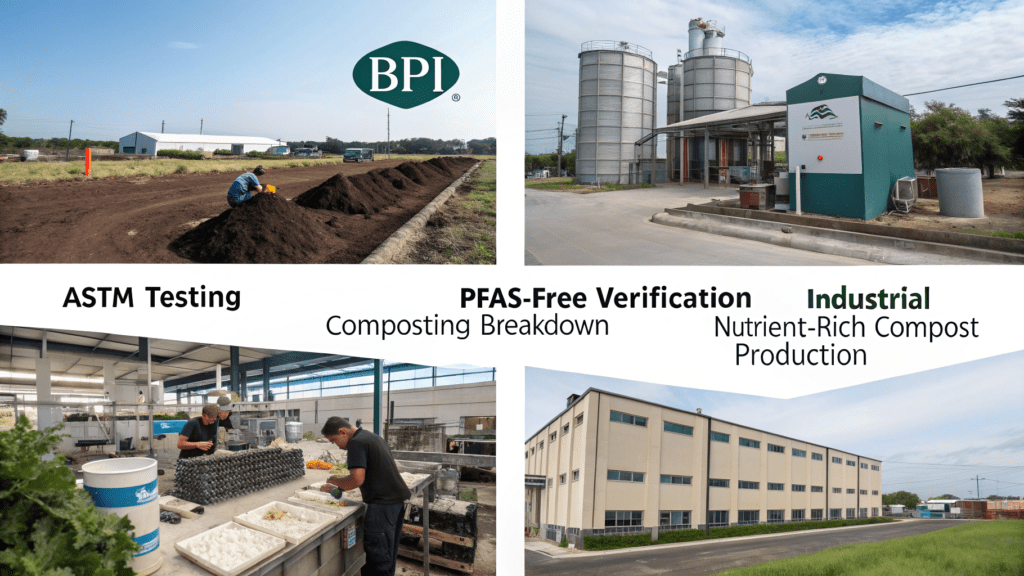
BPI 認証の複雑さを理解することは、真の持続可能性に取り組むあらゆるビジネスの基礎となります。 BPI は、製品が堆肥化可能性に関する厳格な科学基準を満たしていることを保証することに専念する非営利団体です。具体的には、BPI 認定製品は ASTM D6400 (堆肥化可能なプラスチックの場合) または ASTM D6868 (紙やその他の堆肥化可能な基材のコーティングとして使用される生分解性プラスチックの場合) に準拠する必要があります。これらの厳しい基準では、最低限のことが義務付けられています。90日以内に90%生分解工業用堆肥化施設で、有毒な残留物を残さずに処理できます。
この科学的厳密さは、業界の重大な問題点である「グリーンウォッシング」の蔓延する問題に対処するため、非常に重要です。市場には、「生分解性」や「分解可能」など、曖昧で誤解を招きやすい主張が氾濫しています。 BPI の堆肥化可能な製品とは異なり、これらの製品には完全な分解に関する検証可能な基準がないことが多く、マイクロプラスチックや有害な残留物が残り、真の環境への取り組みが損なわれる可能性があります。例えば、カリフォルニアAB 1201特に、未認証の「生分解性」の表示を禁止し、非準拠のマーケティングに関連する法的および評判上のリスクを強調しています。したがって、BPI の公式の渦巻きロゴは識別の鍵となり、コンプライアンスを示し、企業と堆肥化施設の両方に製品が本当に分解するという保証を提供します。この区別は、廃棄物の流れを正確に変更し、コストのかかる汚染を防ぐために不可欠です。これらの重要な違いをさらに詳しく調べるには、次の包括的なガイドを参照してください。BPI 堆肥化可能 vs 生分解性: 持続可能性ガイド。BPI 認証は真の堆肥化可能性を保証し、グリーンウォッシングを防止し、コンプライアンスを確保します。
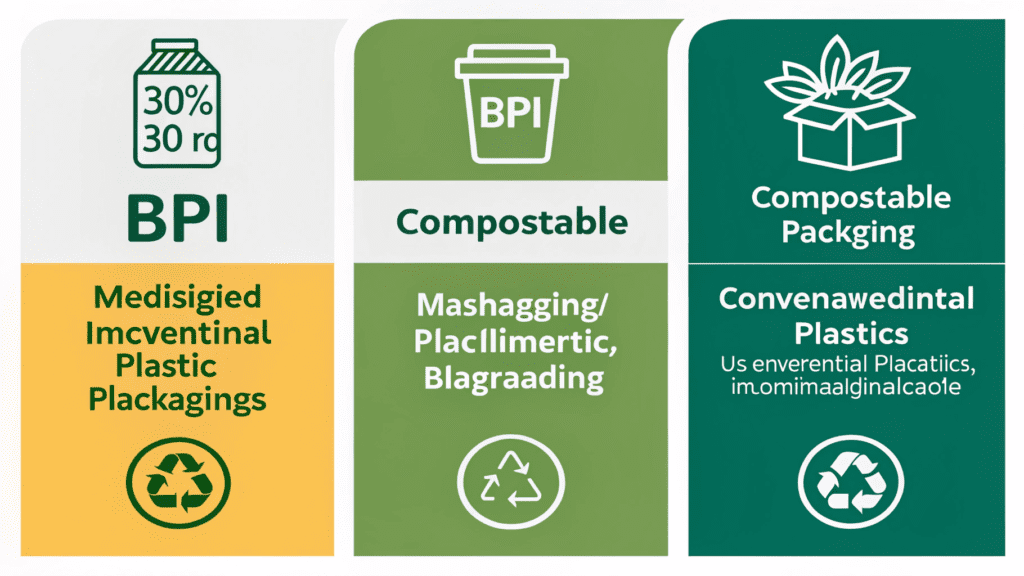
BPI Compostable の運用化: ROI と持続可能性への影響を最大化
BPI 認定製品を業務に統合することは、単なる環境保護の取り組みではありません。これは、目に見える ROI と持続可能性に大きな影響をもたらす戦略的な動きです。主な利点は、埋め立て地からの真の有機廃棄物の転用を容易にすることにあります。堆肥化不可能な品目によって有機廃棄物の流れが汚染されると、分別と処分のための運営費の増加という点で堆肥化産業に年間数百万ドルのコストがかかる可能性があります。 BPI 認定品のみが堆肥の流れに入るようにすることで、企業はこの汚染を防ぎ、貴重で栄養豊富な土壌の生産をサポートします。
検証可能な堆肥化への取り組みは、倫理的で環境に配慮したビジネスに対する消費者の需要が高まる時代において、重要な資産であるブランドの完全性も強化します。世界のバイオプラスチック市場は次の規模に達すると予測されています2033年までに333億ドル、10.18% の CAGR を反映しています。この成長は、環境意識の高まりと環境に優しい製品への嗜好によって促進されており、持続可能性が市場の魅力と顧客ロイヤルティに直接つながることを強調しています。 BPI 堆肥化可能な材料を適切に統合することは、特に堆肥化インフラが確立されている地域において、運用効率の向上と廃棄物処理コストの削減にもつながります。 B2B の意思決定者向けホスピタリティ部門、この変化は特に関連性があります。これらの変更に対処する方法について詳しくは、次の記事をご覧ください。ホスピタリティの持続可能性における BPI 堆肥化可能認証。
現実世界への応用: KFC Canada の取り組み
大手企業はすでにこの変化による具体的なメリットを実証しています。KFC カナダたとえば、公に次のことを目指しています。2025 年までに消費者向けのすべてのパッケージを堆肥化可能にする。この取り組みは、BPI 認定材料の統合が大規模事業にとっていかに実行可能で影響力のある戦略であるかを示しています。このような取り組みは持続可能性の目標と一致するだけでなく、環境に配慮する消費者の共感を呼び、ブランドの認知度や市場での地位を強化します。
比較: BPI 堆肥化可能製品と B2B 業務向けの従来のパッケージング
| 特徴 | B2B運用上の影響 | コンプライアンスノート | ROIポテンシャル |
|---|---|---|---|
| BPI 堆肥化可能な包装 | 埋め立て廃棄物を削減します。有機廃棄物の流れをサポートします。適切に分解するには特定の産業用堆肥化インフラが必要です。堆肥の汚染を最小限に抑えます。 | ASTM D6400/D6868 規格に適合。 「グリーンウォッシング」罰則を回避します(例: California AB 1201)。カリフォルニア州 SB 54 などの進化する規制に準拠 (すべてのパッケージはリサイクル可能/堆肥化可能)2032年);将来の無駄な税金や手数料を削減できます。 | ブランドの評判を高め、環境に配慮した顧客やパートナーを惹きつける。有機物の収集が利用可能な場合、廃棄物の輸送コストが削減される可能性。 ESGスコアが向上しました。 |
| 従来のプラスチック包装 | 初期費用の削減。埋め立ての負担に大きく貢献します。有機廃棄物の流れとの適合性が欠如している。長期的な環境問題を引き起こします。 | 規制の強化に直面している(例:プラスチックの禁止)2024 年までに 60 か国以上);違反による環境罰金/PR リスクの一因となる。プラスチック使用に対する将来の税金/手数料の可能性 (例: ヨーロッパのプラスチック税)。 | 短期的なコスト削減。環境に対する否定的な認識による長期的なブランドリスク。将来の規制上の罰則やサプライチェーンの混乱に対する脆弱性。 |
BPI の堆肥化可能な製品は、廃棄物の転用とブランドの完全性の強化により、大幅な ROI を実現します。
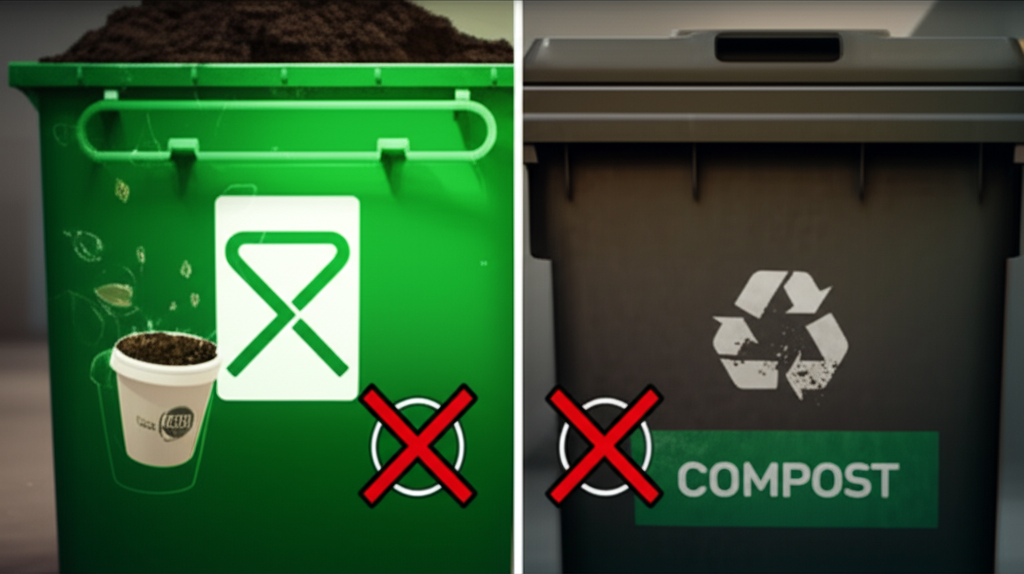
中心となる指令: 産業用堆肥化施設を介した堆肥化可能な BPI の廃棄
BPI 堆肥化可能な製品の成功は、完全に適切な廃棄にかかっています。産業用堆肥化施設は、のみ正しい廃棄ルートBPI認定品の場合。これらの施設は、BPI 認定材料が要求を達成するために必要な高温 (多くの場合 130°F を超える)、最適な湿度、および制御された通気を提供するように特別に設計されています。90日間の内訳。
調達および運用マネージャー向けおもてなしとフードサービス、これは、次のような重要なニーズがあることを意味します。「地域のガイドラインを確認してください。」都市廃棄物当局は、地域の堆肥化規則の決定的な情報源です。方針は大きく異なる可能性があるため、地域のプログラムや施設が BPI 認定プラスチックを受け入れているかどうかを確認することが重要です。例えば、アナーバーは2024年にプラスチック製のBPI認定品の受け入れを中止、現在は繊維および紙ベースの堆肥化可能物のみを受け入れています。これは、地域インフラの動的な性質と継続的な警戒の必要性を浮き彫りにしています。
あ重要なルール:しないでくださいBPI の堆肥化可能なアイテムは従来のリサイクル箱に入れてください。従来のプラスチックや金属、紙とは根本的に異なります。ポリ乳酸 (PLA) や植物繊維などの植物由来の素材から作られているため、分解するには機械的なリサイクルではなく、微生物の作用が必要です。それらをリサイクル箱に入れるとリサイクルの流れが汚染され、処理コストの増加やリサイクル可能な材料の埋め立てにつながります。同様に、裏庭での堆肥化は、材料を完全に分解するには条件が不十分で一貫性がないため、一般に BPI 製品には適していません。産業用堆肥化施設や BPI 堆肥化可能な品目を受け入れる地域のプログラムを利用できない場合、堆肥化による環境上の利点は失われますが、最も責任ある処理方法は通常のゴミのままです。工業用堆肥化は、BPI 認定品の唯一の正しい廃棄ルートです。
Overcoming Hurdles: Challenges in BPI Compostable Infrastructure & Policy
堆肥化可能な包装には明らかな利点と市場の成長があるにもかかわらず、いくつかの体系的な課題が BPI 認定ソリューションの広範な導入と有効性を妨げています。ホスピタリティとフードサービスのサプライチェーン。
汚染は依然として主要な障害です。堆肥化不可能な品目が誤って有機廃棄物の流れに入った場合、堆肥が汚染され、堆肥化施設の運営コストが約 1 倍増加します。17%場合によっては、手動での並べ替えと削除が必要になる場合があります。この問題は主に消費者の混乱と一貫性のない表示に起因しています。実際、ある調査によると、ほぼ回答者の3分の1堆肥化可能な包装を誤ってリサイクル箱に入れてしまう。
産業用堆肥化施設へのアクセスが制限されている別の大きな課題が生じます。あくまで推定値北米の施設の 15%現在、バイオプラスチックを受け入れる設備が整っています。このインフラギャップは、企業が BPI 認証製品を調達した場合でも、必要な使用済み製品の処理がその地域で利用できない可能性があり、埋め立て処分につながり、意図した環境上の利点が損なわれる可能性があることを意味します。
規制上のハードルも依然として残っています。現在進行中のUSDA 国家有機プログラム (NOP) の議論は重要な例です。現在の規則では、認定有機堆肥に堆肥化可能なバイオプラスチックを使用することを禁止しており、USDA認定の有機堆肥を販売したい場合、堆肥製造業者はそれらを選別することを強制されている。さらに、BPI 認定は厳格である一方で、厳しい審査にさらされています。 BPIの役割に関しては、毒性や取締役会の構成に関するBeyond Plasticsなどの組織からの批判を含め、専門家の意見や議論が続いているが、BPIはDIN Certcoによる独立した第三者試験プロセスと、2020年以降意図的に添加されたPFASの禁止を含む厳格な基準を強調することでこれに反論している。
BPI 堆肥化可能な導入を拡大するための戦略的ソリューション
これらの課題に対処するには、業界の協力、政策の擁護、一般教育を含む多角的なアプローチが必要です。
- 標準化されたラベルと教育キャンペーン: How2Compost ラベルなど、明確で標準化されたラベル表示を提唱することは、消費者の混乱を軽減し、供給元での分別を改善するために非常に重要です。企業と消費者を対象とした強力な教育キャンペーンにより、汚染率を大幅に削減し、適切な廃棄を保証できます。
- インフラストラクチャの開発とサポート: 米国堆肥化インフラ連合(USCIC)などの業界全体の取り組みや、連邦政府などの立法イニシアチブを支援します。 コンポスト法生ごみ堆肥化に助成金を支給する「」は欠かせない。米国上院の リサイクルおよび堆肥化責任法 (RCAA) また、データ収集を改善し、国家的な堆肥化戦略を検討し、将来のインフラ投資の基礎を築くことも目的としています。
- 拡大生産者責任 (EPR) プログラム: カリフォルニア州の義務である EPR プログラムの必要性を強調 SB54、堆肥化インフラの拡大と改善に必要な資金を生み出すことができ、経済的負担を自治体から生産者に移すことができます。これは、循環経済の原則を達成するための広範な取り組みと一致しています。
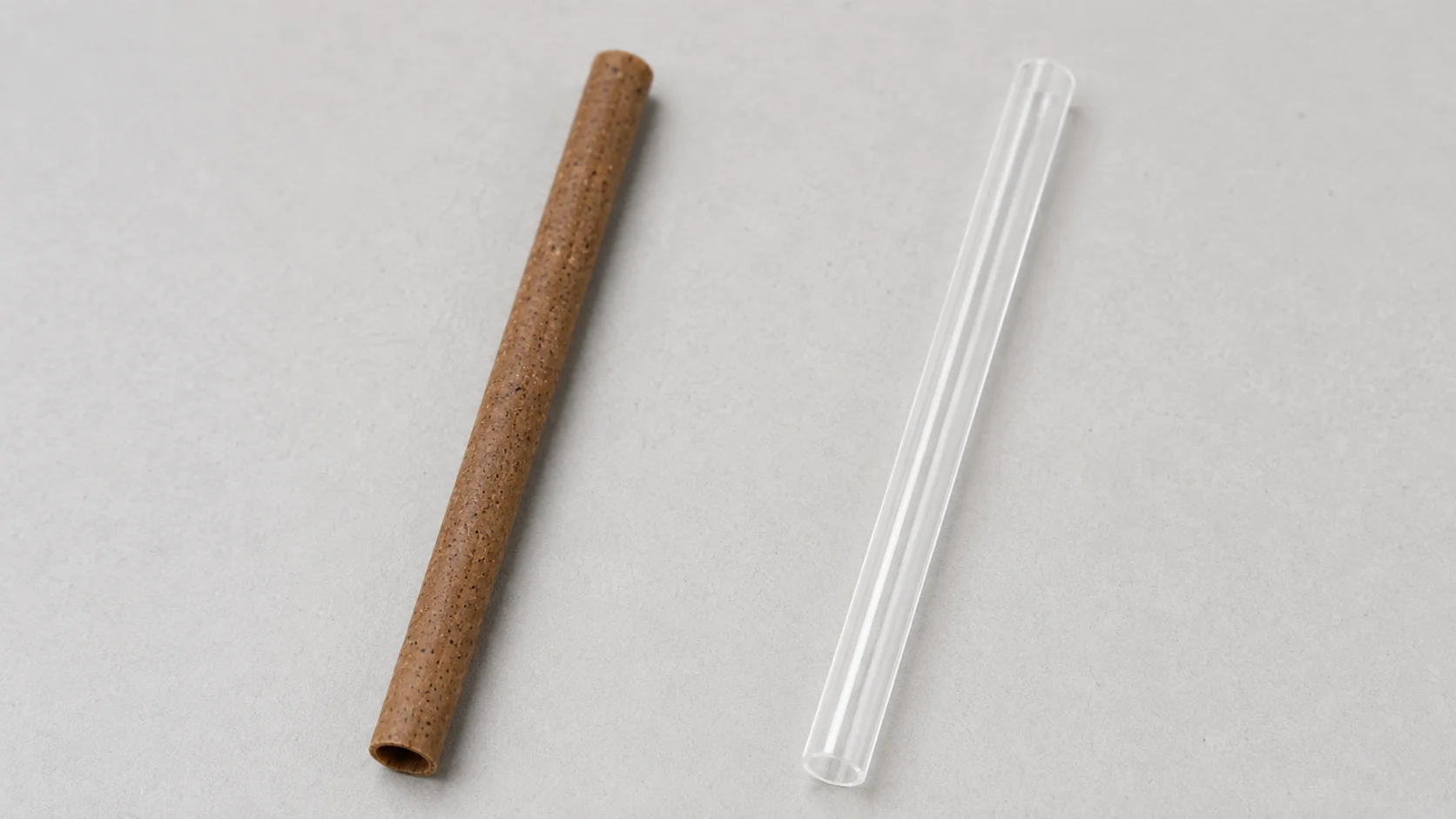
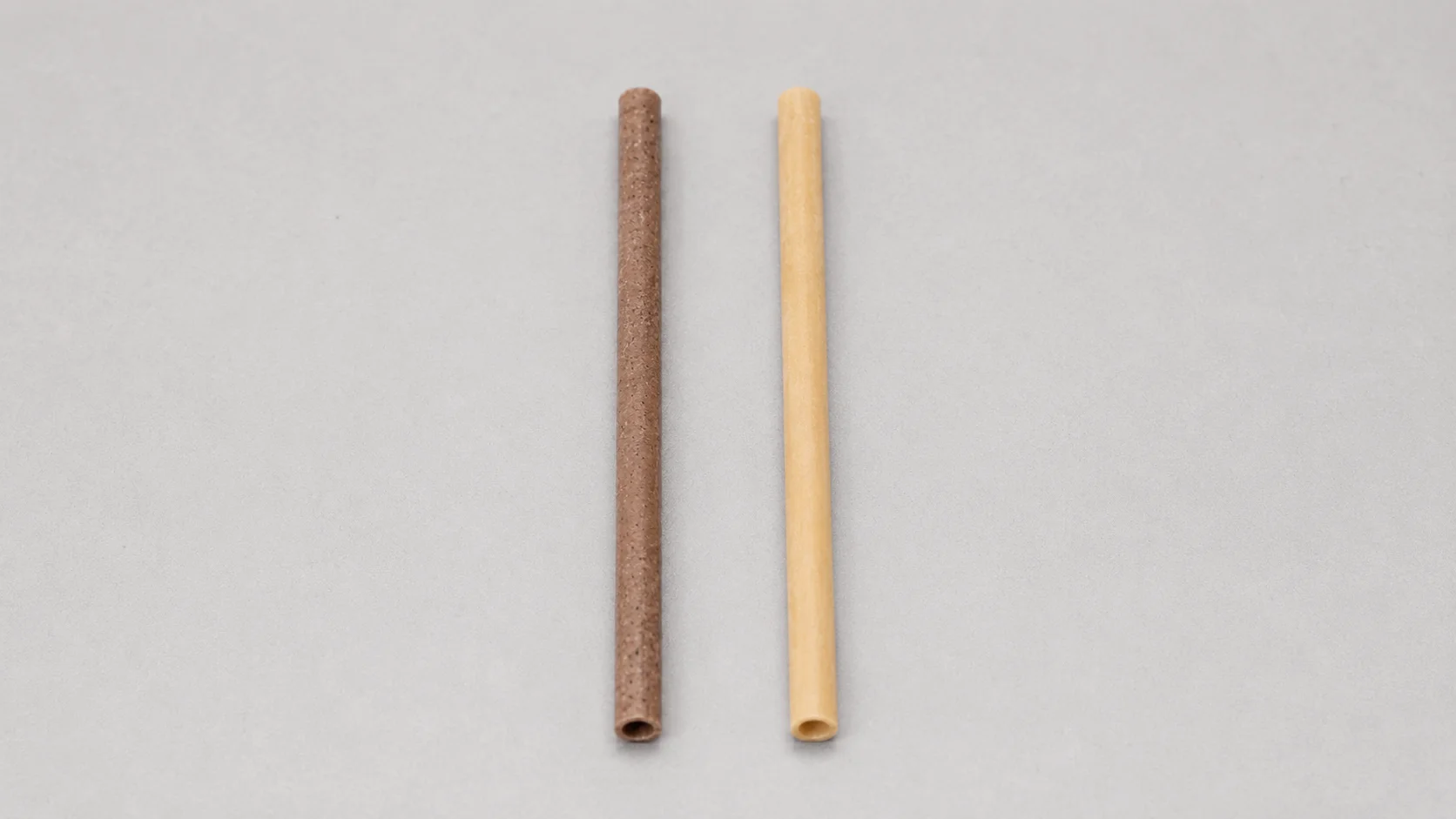
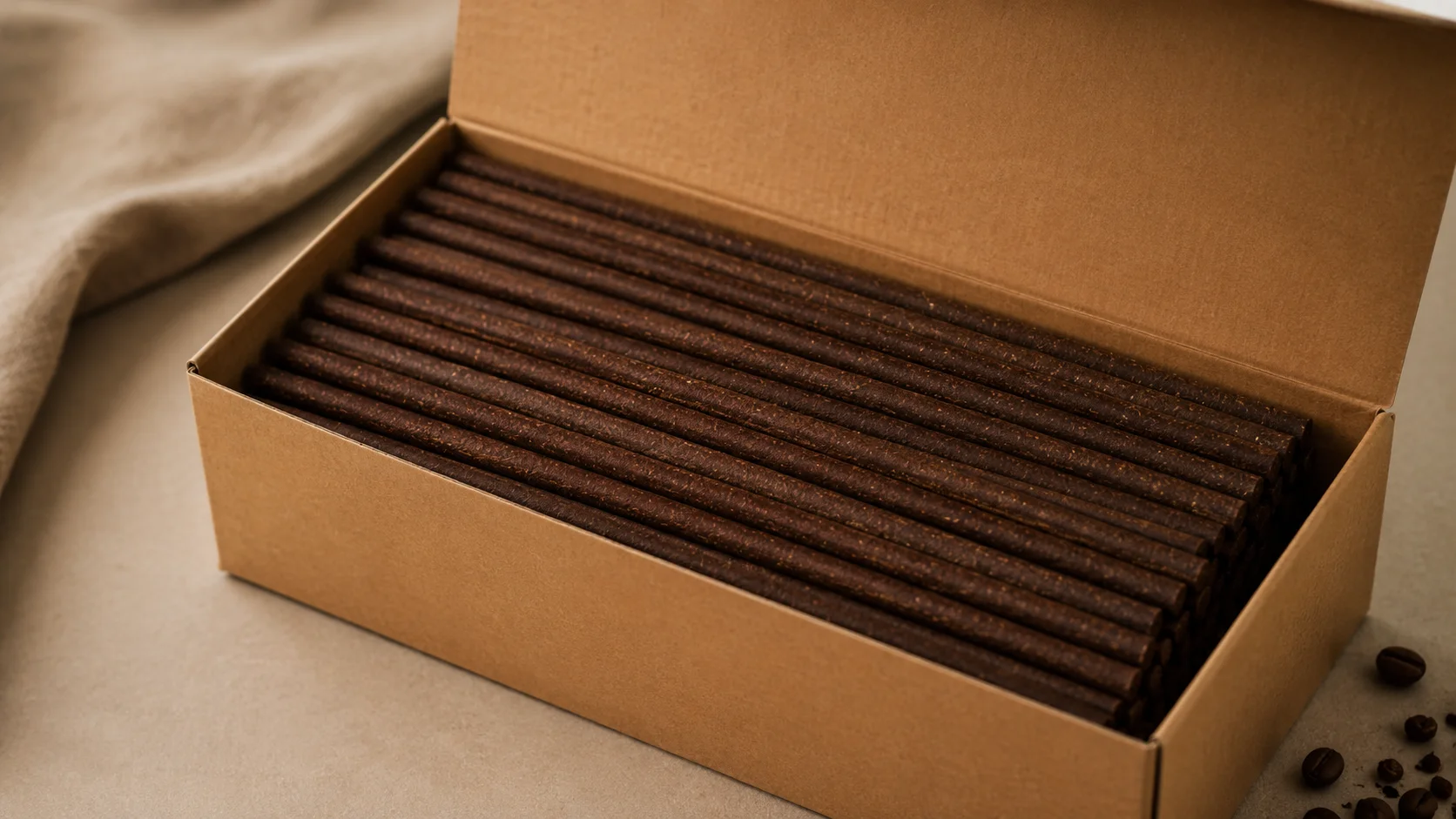
- BPI の重要な役割: 以来、メーカーや堆肥業者と協力する上での BPI の重要な役割を強調 1999年 ASTM 規格への準拠を検証することで、堆肥化業者の信頼が高まり、認定製品が産業用堆肥化要件を真に満たしていることが保証されます。この継続的なコラボレーションは、堅牢で信頼性の高い堆肥化可能なサプライ チェーンを構築するための鍵となります。などの特定の製品の認証 ストローたとえば、市場への信頼を強化します。このような製品固有の認定の詳細については、次の Web サイトを参照してください。 BPI 認定の堆肥化可能なストロー: ホスピタリティの持続可能性。
BPI の堆肥化可能なハードルを克服するには、コラボレーション、教育、インフラ開発が必要です。
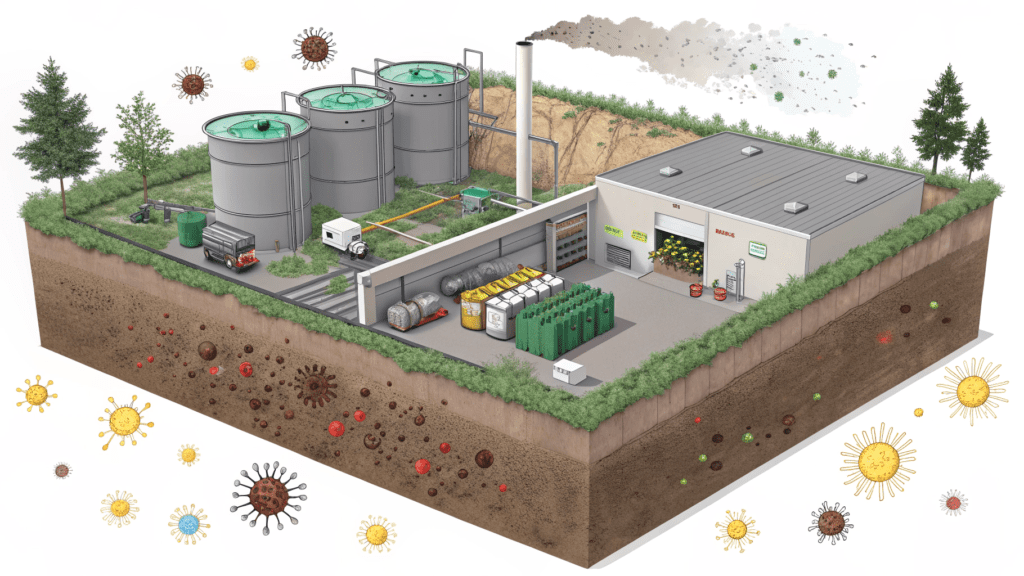
成長の軌跡: 持続可能なビジネスにおける堆肥化可能な BPI の将来
持続可能なビジネスにおける BPI の堆肥化可能な材料の将来は、継続的なイノベーションと支援的な政策環境によって大幅に拡大する準備が整っています。市場予測はこの楽観的な見通しを裏付けており、堆肥化可能な包装容器の力強い成長を示しており、一部の推定では2032 年までに 1,328 億 6,000 万ドルCAGRは6.51%です。この成長は量だけではなく、材料の進化も伴います。
バイオプラスチック、特に次のような先進的な材料におけるイノベーションPHA (ポリヒドロキシアルカノエート)、有望なソリューションを提供します。 PHA ベースの材料は工業的に堆肥化可能で無毒で、重要なことにマイクロプラスチックを生成しないため、主要な環境問題に対処できます。これらの進歩により、堆肥化可能な代替品がより汎用性が高く、経済的に実行可能になり、さまざまな用途に関連します。フードサービスとホスピタリティ。
支援法もその道を切り開いています。米国上院の前述のリサイクルおよび堆肥化責任法 (RCAA)データ収集を改善し、国家的な堆肥化戦略を検討することを目的としたこの計画は、堆肥化インフラに対する連邦政府の取り組みの強化を示しています。同様に、カリフォルニアの野心的なSB54州内で販売されるすべての梱包材がリサイクル可能であるか、堆肥化可能であると認定されたものであることを義務付けています。2032年、持続可能な素材に向けた強力な規制の推進を確立します。
BPI は引き続きこの移行を指導し、B2B の実践を循環経済の原則に合わせて調整するために、製造業者から堆肥化業者に至る業界関係者と積極的に協力しています。生分解と堆肥化の有効性に関する研究が進むにつれて、BPI 認定ソリューションに対する信頼はさらに強まるでしょう。軌道は明確です。BPI の堆肥化可能なソリューションは、真の循環経済を達成し、廃棄物を最小限に抑え、資源価値を最大化する上で中心となります。BPI の堆肥化可能な材料の未来は、革新とそれを支援する法律によって推進される明るいものです。
よくある質問 (FAQ)
BPI 認定とは何ですか?また、ホスピタリティ ビジネスにとって BPI 認定が重要である理由は何ですか?
BPI (生分解性製品協会) 認証により、製品が工業用堆肥化性に関する厳格な ASTM 基準を満たしていることが保証され、有害な残留物を残さずに 90 日以内に分解されます。ホスピタリティにとって、真の有機廃棄物の転用、グリーンウォッシングの回避、ブランドの評判の向上、カリフォルニア AB 1201 などの進化する規制への準拠の確保は非常に重要です。
ホテルやレストランで BPI 認定の堆肥化可能な品目を適切に処分するにはどうすればよいですか?
BPI 認定品は産業用堆肥化施設で廃棄する必要があります。受け入れ方針は異なるため、必ず地方自治体の廃棄物ガイドラインを確認してください。川を汚染し、適切な分解を妨げるため、従来のリサイクル箱や裏庭の堆肥には置かないでください。
食品サービス業務向けに BPI の堆肥化可能なパッケージに切り替えることによる ROI の利点は何ですか?
BPI の堆肥化可能なパッケージに切り替えると、ブランドの完全性が向上し、環境に配慮した顧客を引き付け、有機収集が行われている地域での廃棄物の輸送コストが削減され、ESG スコアが向上する可能性があります。また、費用のかかる有機廃棄物の流れの汚染を防ぎ、堆肥化業界を年間何百万ドルも節約します。
大規模なホスピタリティ施設で BPI 堆肥化可能なソリューションを導入する際に特有の課題はありますか?
はい、課題には、汚染につながる消費者と職員の混乱、工業用堆肥化施設へのアクセスの制限(北米ではバイオプラスチックを受け入れているのはわずか約 15%)、農務省の NOP 議論のような進化する規制のハードルが含まれます。これらを克服するには教育とインフラ整備が鍵となります。
調達マネージャーは、BPI 堆肥化可能な製品の調達が効果的で準拠していることをどのように確認できますか?
調達管理者は、公式の BPI 渦巻きロゴが付いた製品を提供するサプライヤーを優先し、地元の堆肥化インフラを確認し、適切な分別についてスタッフを教育する必要があります。カリフォルニア州 SB 54 などの規制に関する情報を常に入手し、EPR プログラムをサポートすることも、長期的なコンプライアンスと影響を保証します。
結論: 真の循環型 BPI 堆肥化可能な経済への道を開く
BPI の堆肥化可能なソリューションを活用することは、もはやニッチな関心事ではなく、現代の B2B 事業にとって戦略的な必須事項です。 BPI 認証の厳格な区別を理解し、適切な産業廃棄プロトコルを採用し、重要なインフラストラクチャの開発を積極的に提唱することで、企業は環境面と運用面で大きなメリットを引き出すことができます。堆肥化可能な包装市場の力強い成長は、消費者の需要、規制の枠組み、企業の社会的責任に浸透する持続可能性への集団的な取り組みを浮き彫りにしています。
のビジネスおもてなしとフードサービス現在の廃棄物の流れを積極的に評価し、BPI 認定サプライヤーと提携し、チームを教育する企業は、持続可能な変化を推進する上で最適な立場に立つことができます。この積極的なアプローチは、組織の環境への影響を高めるだけでなく、ブランドの評判を高め、長期的な規制順守を保証し、環境に配慮した実践の優先順位がますます高まる市場での競争力を確保します。
評価現在の廃棄物の流れ、パートナーBPI認定サプライヤーと協力し、教育するチームが持続可能な変化を推進し、今日の組織の環境的および商業的影響を強化できるようにします。堆肥化可能な BPI を積極的に採用することで、環境への影響、評判、競争力が向上します。