Mastering the Modern Straw: Sustainable & Compliant B2B Choices
素朴なストローは、かつてはどこにでもある便利なものでしたが、今では環境変化と規制上の手ごわい課題の強力な象徴に進化しました。ホスピタリティ、フードサービス、小売のいずれの分野であっても、B2B バイヤーにとって、ストローのオプションの広大でしばしば混乱を招く状況を乗り切ることは、もはやコスト効率だけを重視するものではありません。それは重要なコンプライアンスを遵守し、ブランドの評判を守り、持続可能性への真の取り組みを示すことです。

現在の「環境に優しい」ストロー ソリューションが真に安全で、準拠しており、真に持続可能であると本当に自信がありますか?シンプルなプラスチックストローの時代は取り返しのつかない形で終わり、複雑に絡み合った環境保護主張、EU 使い捨てプラスチック指令 (SUPD) などの急速に進化する規制、一見環境に優しい代替品に隠された「永久化学物質」 (PFAS) に関する憂慮すべき真実に取って代わられています。この急速に変化する市場では、知らないことがあれば、罰金や風評被害だけでなく、顧客の信頼の喪失など、ビジネスに多大な損害を与える可能性があります。
ストロー革命を紐解く – 素材、規制、そして隠された真実
The transition away from conventional plastics has opened a Pandora’s Box of alternatives, each with its own set of advantages, drawbacks, and regulatory considerations. Understanding these nuances is paramount for making informed B2B purchasing decisions.
The Diverse World of Drinking Straws: A Material Breakdown for B2B Buyers
Let’s delve into the core materials defining today’s straw market:
The Plastic Predicament:
- Traditional Plastics (Polypropylene (PP), Polyethylene (PE), Polyvinyl Chloride (PVC)): これらのプラスチックは、その低コスト、耐久性、多用途性により、何十年にもわたってストロー市場を独占してきました。しかし、その広範な使用はマイクロプラスチック汚染、海洋汚染、環境被害に大きく寄与しており、その多くにはBPAやフタル酸エステルなどの潜在的に有害な化学物質が含まれています。
- 重要な洞察: 欧州連合はこの危機を早期に認識し、 EU 使い捨てプラスチック指令 (SUPD)この禁止令には、2021年7月3日からEU市場への使い捨てプラスチックストローの流通が禁止されています。この禁止には、従来のプラスチックだけでなく、オキソ分解性プラスチック、さらには指令によって「プラスチック」とみなされる場合、つまり自然環境で急速かつ完全に生分解しないとみなされるポリ乳酸(PLA)などのバイオプラスチックも含まれます。この根本的な変化は、EU内で事業を行う企業やEUに輸出する企業が非プラスチック代替品に軸足を移さなければならないことを意味します。
The Promise & Pitfalls of Bioplastics:
- ポリ乳酸 (PLA): コーンスターチ、サトウキビ、キャッサバなどの再生可能資源から得られる PLA は、プラスチックのような感触と外観を提供します。耐久性があり、飲み物の中で崩壊しにくいため、「環境に優しい」選択肢として人気があります。
- ポリヒドロキシアルカノエート (PHA): 革新的なバイオポリマーである PHA は植物油または糖に由来し、独特の海洋生分解性を備えています。つまり、海洋を含むさまざまな環境で自然に分解できます。
- チャレンジ: バイオベースではあるものの、多くの PLA ストローは依然として効果的に分解するために特殊な産業用堆肥化施設を必要とし、前述したように EU SUPD の下で使い捨てプラスチックとして禁止されています。企業は、これらの製品が確実に環境への約束を果たすために必要な特定の認証と廃棄インフラを理解する必要があります。ラベルに誤りがあったり、適切に廃棄されなかったりすると、これらのバイオプラスチックは埋め立て地に行き着き、そこで従来のプラスチックと同様に動作する可能性があります。

紙ストロー: 人気はあるものの、問題もある代替品:
- Paper straws emerged as a seemingly ideal solution: biodegradable, compostable, and breaking down much faster than plastic. They offer a tangible alternative to single-use plastics and are widely accepted by consumers.
- Critical Finding: Recent research has unveiled a concerning truth: a significant majority of tested paper straw brands (up to 90% in some studies) contain Per- and polyfluoroalkyl substances, commonly known as PFAS または「永遠の化学物質」。これらの化学物質は、耐水性を高めるために意図的に添加される場合もあれば、製造プロセス中の汚染によって生じる場合もあります。 PFAS は飲料に浸出する可能性があり、消費者に潜在的な健康リスクをもたらし、環境中に無期限に残留します。この事実は、紙ストローをめぐる「環境に優しい」という説を複雑にしている。
Reusable & Durable Options:
- 金属(ステンレス): ステンレス鋼のストロー (通常は 304 または 316 グレード) は、耐久性が高く、再利用可能で、スタイリッシュなオプションです。味や臭いがつきにくく、お手入れも簡単で、高級感があります。重要なことに、ステンレス鋼のストローは PFAS フリーであることが一貫して判明しており、安全性と寿命を優先する企業にとって信頼性が高く真に持続可能な選択肢となります。
- ガラス: Often made from borosilicate glass for heat resistance, glass straws are reusable and chemically inert, posing no microplastic risk. While elegant, their fragility requires careful handling.
- シリコーン: Flexible, durable, and safe for children, silicone straws are excellent for both hot and cold beverages. However, they are not biodegradable and can be challenging to recycle.
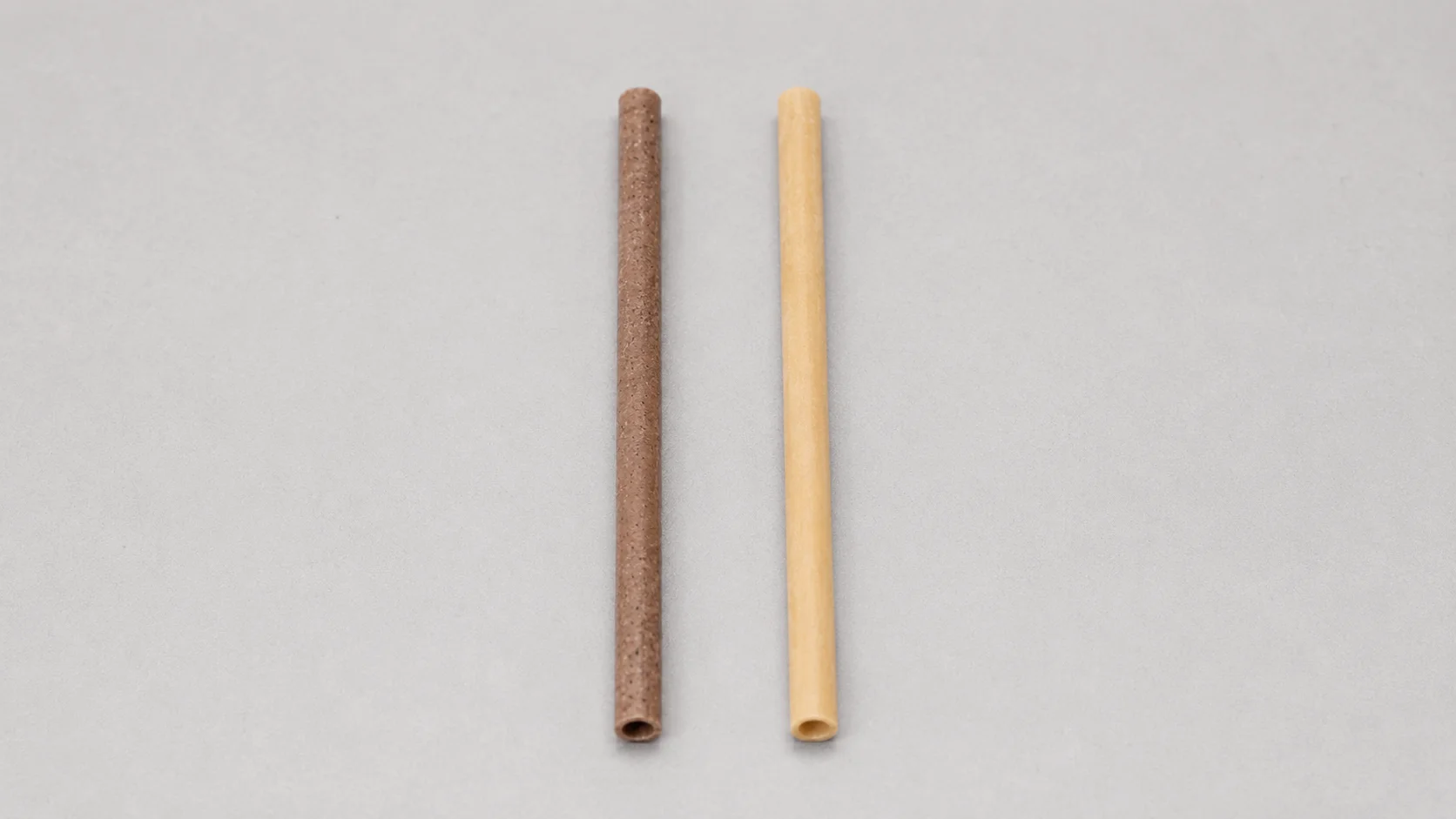
- 竹: Harvested from fast-growing bamboo plants, these straws are natural, eco-friendly, and biodegradable. They lend a natural, sophisticated aesthetic to drinks and are a popular choice for their sustainable credentials. Explore our dedicated selection of 竹ストロー for versatile and natural options.
Innovative & Fully Biodegradable Choices:
- Edible Straws (Rice, Seaweed, Rye, Agave): A fun and truly zero-waste option, these straws can be eaten after finishing a drink. Their sustainability appeal is high, though they may not always be suitable for very hot beverages or prolonged use.
- Natural Stem Straws (Hay, Reed, Wheat): Made from agricultural byproducts, these are fully natural, compostable, and biodegradable. Wheat straws, for instance, are sturdy and resistant to softening.
- サトウキビストロー: Crafted from 100% plant-based sugarcane fibers, these straws are durable, certified compostable, and reusable. They present an excellent, truly sustainable alternative to traditional plastics. Learn more about our Sustainable Eco-Friendly Sugarcane Straws and their benefits.
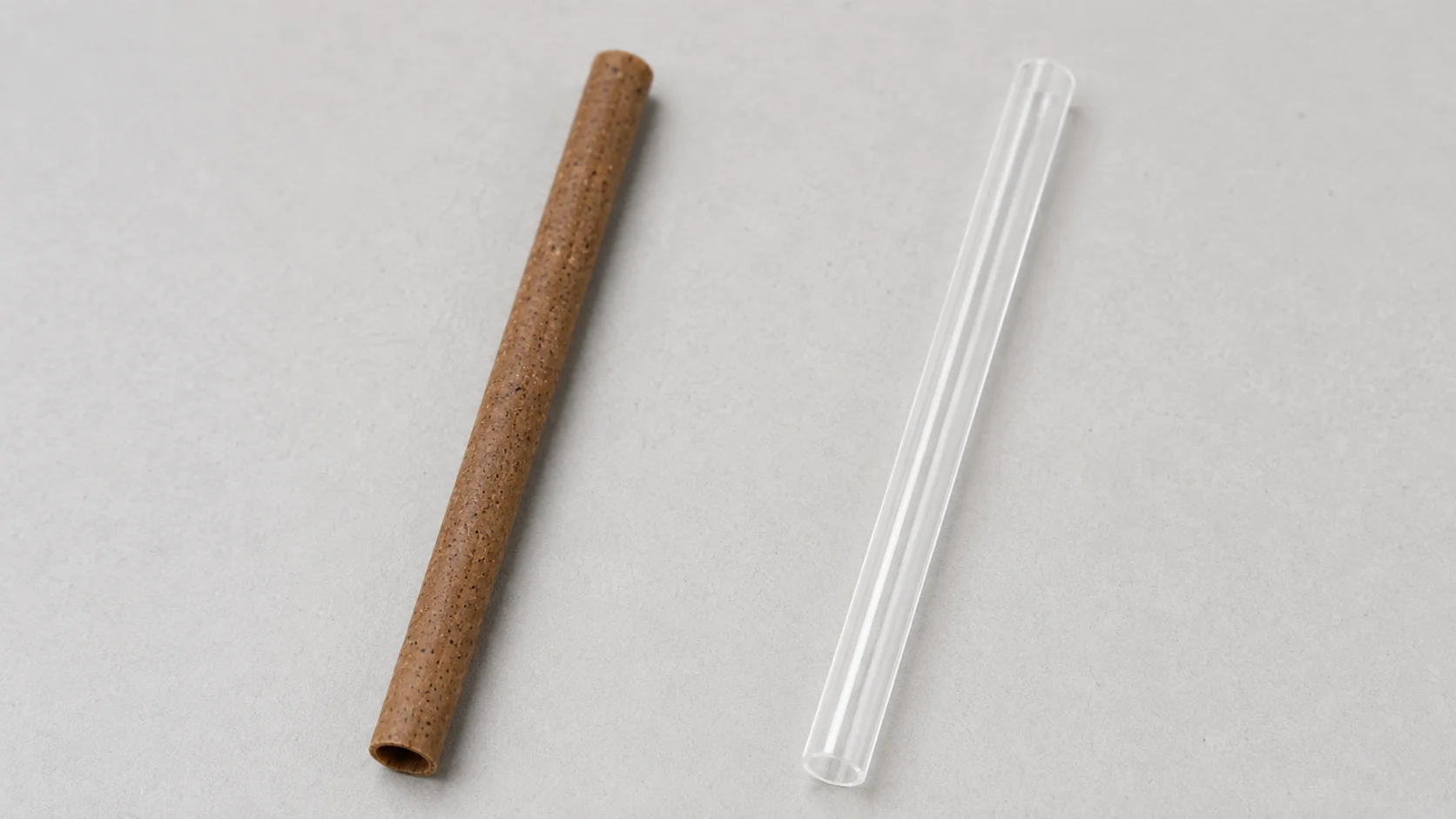
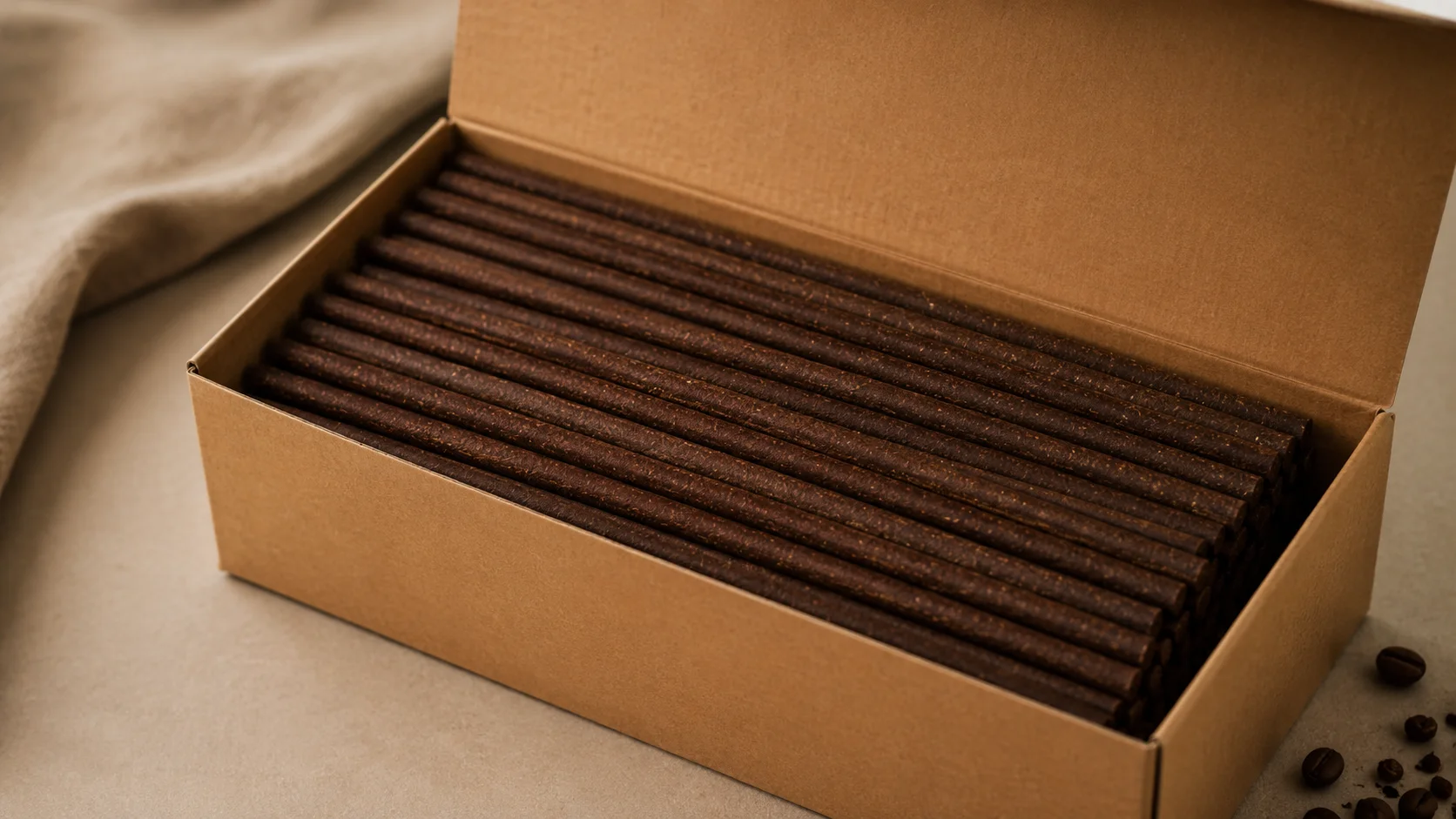
- コーヒー粉ストロー: A novel and highly sustainable innovation, these straws utilize repurposed coffee grounds, aligning perfectly with circular economy principles. Discover the unique appeal of our コーヒー粉ストロー for a truly eco-conscious offering.
Here’s a comparison of common straw materials and their key characteristics for B2B buyers:
| 材質の種類 | Key Advantages | Key Disadvantages | Compliance & Environmental Notes (B2B Focus) |
|---|---|---|---|
| 従来のプラスチック(PP, PE, PVC) | Inexpensive, durable, lightweight, widely available. | Major environmental pollutant (microplastics), non-biodegradable, petroleum-based. | Banned in EU (SUPD)since July 2021. Significant reputational risk due to environmental impact. Contains BPA/phthalates. |
| PLAバイオプラスチック | Renewable resource origin, plastic-like feel, industrially compostable (under specific conditions). | Often banned as “plastic” under EU SUPD, requires industrial composting facilities (not home compostable), does not biodegrade in natural environments. | Banned in EU (SUPD). RequiresEN 13432 / ASTM D6400industrial composting certification. Risk of misdirection if not properly disposed of. |
| PHAバイオプラスチック | Marine-biodegradable, derived from plant oil, breaks down in diverse natural environments. | Newer technology, potentially higher cost, availability may vary. | Excellent for comprehensive sustainability. Look forOK biodegradable MARINE / SOILand industrial/home compostability certifications. Offers a strong environmental claim. |
| 紙 | Biodegradable, compostable, widely accepted as an alternative. | Can get soggy quickly, potentially alters drink taste. | High risk of PFAS contamination (up to 90% of brands).Subject to US state-level PFAS bans and upcoming EU-wide PFAS restrictions in food contact materials. Requires careful sourcing for PFAS-free options. |
| 金属(ステンレス) | Highly durable, reusable, elegant, PFAS-free, fully recyclable. | Conducts temperature, rigid (potential dental risk), higher upfront cost. | PFAS-free, highly compliant.Excellent for long-term sustainability strategy and reducing single-use waste. Align with circular economy and EPR trends. |
| ガラス | Reusable, chemically inert, no microplastic risk, elegant. | Fragile, higher upfront cost. | Safe and compliant choice. Offers transparency and premium aesthetic. |
| シリコーン | Reusable, flexible, safe for children, durable. | Not biodegradable, difficult to recycle, can attract dust. | Compliant (reusable), but end-of-life remains a challenge. Not a “biodegradable” solution. |
| 竹 | Natural, eco-friendly, biodegradable, renewable. | Can impart subtle taste, varies in consistency/durability, can get soggy if not properly treated. | Biodegradable, generally compliant with SUPD as non-plastic. Check for proper treatment (no PFAS coatings) and sustainable sourcing certifications. |
| サトウキビ | 100% plant-based, durable, certified compostable, reusable. | Newer to market, perception of “plastic-like” may require consumer education. | Excellent, fully biodegradable and compostable. Look forEN 13432 / ASTM D6400 / BPI / OK compostcertifications. PFAS-free options available. |
| コーヒーグラウンド | Novel, circular economy focus, innovative. | Emerging product, availability, cost, consumer perception. | Strong story for circularity and waste reduction. Verify compostability certifications and PFAS-free status. |
| Edible (Rice, Seaweed, etc.) | Zero waste, fun, fully biodegradable. | Limited durability, not suitable for hot drinks, can alter drink taste, higher cost. | Highly sustainable, zero waste. Generally compliant. Good for novelty and specific use cases. |
| Natural Stem (Hay, Reed, Wheat) | Fully natural, compostable, agricultural byproduct. | Can impart subtle taste, limited durability, specific aesthetic. | Naturally compliant, fully biodegradable and compostable. Good for rustic/natural branding. |
Beyond Material: Understanding Straw Features & Sizes
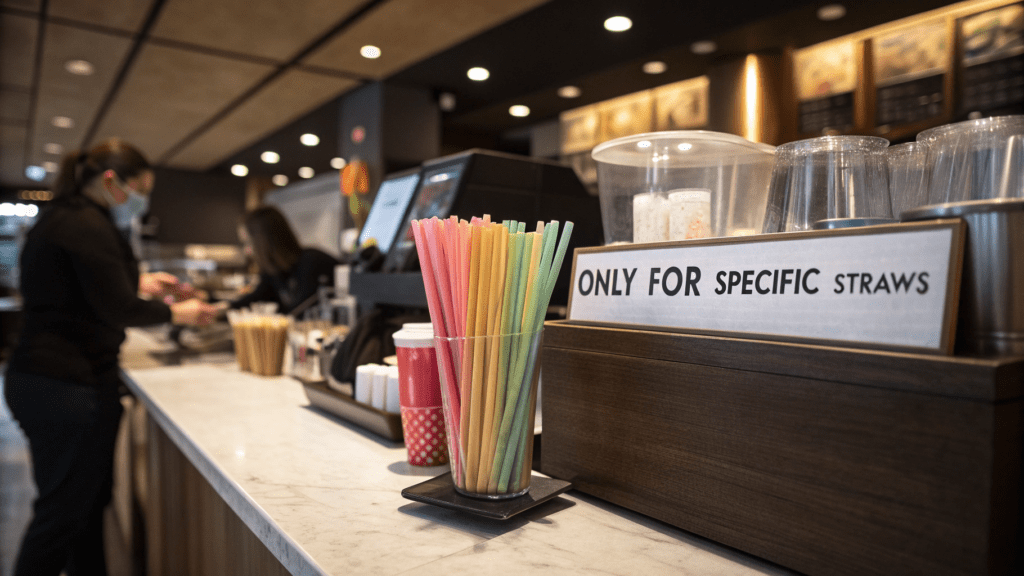
Beyond the material, the functionality and size of a straw are critical for specific business needs:
- Cocktail Stirrers (approx. 3mm diameter): Ideal for mixed drinks and smaller glasses.
- Standard/Jumbo Straws (6mm diameter): The everyday choice for water, juice, and soda.
- Super Jumbo/Smoothie Straws (7-10mm diameter): Perfect for thicker beverages like milkshakes, smoothies, and frappes.
- Boba Straws (12-13mm diameter): Essential for bubble tea, designed to accommodate tapioca pearls.
- Colossal/Extra-Long Straws (12mm+ diameter): For very thick drinks, tall glasses, or deep cups.
Choosing the right size ensures customer satisfaction and operational efficiency, regardless of the material.
Navigating the Regulatory Landscape
The environmental impact of single-use items has prompted a global regulatory shift, demanding heightened awareness from B2B buyers.
- EU 使い捨てプラスチック指令 (SUPD): 2021 年 7 月 3 日から施行されるこの包括的な指令は、EU でプラスチック製品を扱う企業にとって大きな変革をもたらします。これは、使い捨てプラスチックストローの市場への流通を完全に禁止しており、指令の厳密な定義内で「プラスチック」とみなされる場合、禁止はPLAのような多くのバイオプラスチックにも適用される。これは、製品が開放環境で本当に自然に生分解できない場合を除き、適用されます。医療上の免除は存在するが、この指令は他のプラスチック製品にも拡大生産者責任(EPR)制度を課し、生産者に使用済み管理に対する経済的責任を課している。 EU 内で操業する、または EU に輸出するあらゆる企業にとって、SUPD への厳密な遵守は交渉の余地のないものであり、材料の選択、サプライ チェーン、製品のラベル表示に影響を与えます。欧州委員会からの公式ガイダンスは、さまざまな利害関係者に対するこの指令の範囲と影響を明確にしています。企業は完全なコンプライアンスを確保するために、使い捨てプラスチック指令に関する EU の公式出版物などのリソースを参照する必要があります。
- PFAS Restrictions: A Growing Global Concern: The ubiquity of PFAS in many “eco-friendly” alternatives, particularly paper straws, has ignited a wave of global restrictions.
- US State-Level Bans: In the absence of a federal ban, numerous US states have taken the lead. California’s Assembly Bill 1200, effective January 2023, specifically bans intentionally added PFAS in paper, paperboard, or plant-based food packaging and straws, with a threshold for unintentional PFAS. Other states like Colorado, Connecticut, Maryland, and Minnesota implemented similar bans in January 2024, with many more states (e.g., Illinois, Michigan, Oregon, Rhode Island in 2025; Maine, New Hampshire, Pennsylvania, Wisconsin by 2028) set to follow suit. These regulations are creating a complex patchwork of compliance requirements for national businesses.
- EU-Wide Restrictions: The European Union is also moving swiftly. From August 2026, food contact packaging sold in the EU will be prohibited if PFAS content exceeds specific concentration limits (25 ppb for individual PFAS, 250 ppb for sum of PFAS, and 50 ppm total fluorine). This sweeping restriction will impact all food contact materials, including straws.
- Federal US Action: In a significant development, an Executive Order (E.O. 14208) issued in early 2025 by the US federal government explicitly called for a halt to the federal government’s purchase of paper straws due to documented PFAS contamination concerns. This directive underscores the serious health and environmental risks associated with these chemicals and signals a growing federal intent to address them. This move is detailed on the official White House website, highlighting the administration’s stance on this issue.
Demystifying Certifications: The Gold Standard for B2B Trust
Navigating environmental claims requires more than just good intentions; it demands verifiable certifications. These provide the scientific backing and third-party assurance that B2B buyers need.
- Industrial Compostability (EN 13432, ASTM D6400, ASTM D6868):
- EN 13432 (欧州規格): This rigorous European standard sets the benchmark for industrial compostability. To achieve this certification, products must demonstrate at least 90% biodegradation within six months and 90% disintegration (into fragments smaller than 2mm) within 12 weeks, all under the high temperatures (40-60°C) and controlled conditions of industrial composting facilities. Crucially, the standard also mandates strict limits on heavy metals and ecotoxicity, ensuring the resulting compost is safe for plant growth.
- ASTM D6400 & ASTM D6868 (American Standards): These American standards serve a similar purpose, specifically for plastics and products incorporating plastics designed to be aerobically composted in municipal or industrial facilities. ASTM D6400 focuses on the plastic material itself, requiring at least 90% biodegradation within 180 days and disintegration within 12 weeks. ASTM D6868 addresses products with biodegradable plastic films or coatings attached to other compostable substrates (like paper straws with a bioplastic lining), ensuring the entire composite product breaks down appropriately. Both standards require the end-compost to be non-toxic and support plant growth.
- BPI (Biodegradable Products Institute) & TÜV AUSTRIA “OK compost”: These are the leading global certification bodies that verify compliance with the aforementioned standards.
- BPI & OK compost INDUSTRIAL: These certifications are aligned with EN 13432 and ASTM D6400/D6868, signifying that a product will reliably break down in commercial composting facilities.
- OK 堆肥 HOME: A unique and highly valued certification, this guarantees a product will decompose safely and completely in a backyard compost pile, where temperatures are lower and less consistent.
- OK biodegradable MARINE / SOIL: These certifications indicate a product’s capacity to biodegrade in specific natural environments like oceans or soil, offering advanced environmental assurances.
- Crucial Note: BPI certification has evolved to combat greenwashing and address emerging concerns. It now mandates that certified compostable products must be free of intentionally added PFAS, with a total organic fluorine content measuring below 100 ppm. This is a vital benchmark for ensuring true environmental safety.
Here’s a concise overview of these key compliance and certification frameworks:
| Framework / Certification | Primary Focus for Straws | Key Criteria & B2B Relevance |
|---|---|---|
| EU SUPD | Ban on single-use plastic straws (including many bioplastics). | Direct market bansince July 2021 for EU businesses. Mandates shift to non-plastic alternatives. Compliance is essential for market access and avoiding significant penalties. |
| PFAS Restrictions | Prohibiting “forever chemicals” in food packaging & straws. | Growing global concern.US state bans (e.g., CA AB 1200, effective 2023) and upcoming EU-wide restrictions (effective Aug 2026) are critical. Federal US action (E.O. 14208) highlights the risk. Essential for public health, brand safety, and avoiding legal repercussions. |
| EN 13432 | European standard for industrial compostability. | Requires 90% biodegradation in 6 months, 90% disintegration in 12 weeks in industrial facilities. Sets heavy metal limits, ecotoxicity tests. Ensures products truly return to earth without harm. Essential for claiming “compostable” in EU markets. |
| ASTM D6400 / D6868 | American standards for industrial compostability. | Similar to EN 13432, for plastics (D6400) and coated products (D6868). Requires 90% biodegradation in 180 days, disintegration in 12 weeks. Crucial for “compostable” claims in North American markets. |
| BPI / TÜV OK compost | Independent third-party verification of compostability. | BPI & OK compost INDUSTRIAL:Aligned with EN 13432/ASTM D6400.OK 堆肥 HOME:Verifies backyard compostability.OK biodegradable MARINE / SOIL:Verifies breakdown in specific natural environments.Crucial for trusted “green” claims, with BPI now requiring PFAS-free (<100 ppm total organic fluorine) products. |
| FTC グリーン ガイド | Preventing “greenwashing” in environmental marketing. | Requires all environmental claims to be substantiated by scientific evidence, be specific, and avoid deception. Broad claims like “eco-friendly” must be qualified. Essential for truthful marketing and avoiding legal action from regulatory bodies. Consult the official FTC Green Guides for detailed guidance. |
| EPR Trends | Producers responsible for product end-of-life. | Not a direct straw ban, but incentivizes eco-design and circularity. Choosing easily recyclable/compostable straws helps businesses meet broader EPR obligations and reduce waste management costs, aligning with future regulatory landscapes. |
Avoiding Greenwashing: The FTC Green Guides
Beyond formal certifications, businesses must navigate the subtle art of environmental marketing responsibly. TheFTC グリーン ガイドprovide critical principles for making truthful and non-deceptive environmental claims. These guides, published by the Federal Trade Commission, advise marketers to:
- Substantiate Claims: Any environmental benefit claim, whether “compostable,” “biodegradable,” or “eco-friendly,” must be backed by competent and reliable scientific evidence.
- Be Specific: Avoid broad, unqualified claims that are difficult to substantiate. For instance, a claim of “compostable” must specify the conditions (industrial vs. home) and the availability of such facilities to consumers. If a product contains PFAS, it cannot genuinely be marketed as broadly “eco-friendly.”
- Prevent Deception: Claims should not overstate environmental attributes or imply benefits that don’t exist. If a product has an environmental benefit but also a significant environmental trade-off (like PFAS in paper straws), marketers must qualify their claims clearly.
Adhering to these guides is vital not only for ethical marketing but also for avoiding legal scrutiny and maintaining consumer trust in an increasingly skeptical market.
Beyond Compliance – Elevating Your Brand with Truly Sustainable Straw Solutions
For forward-thinking B2B leaders, compliance is merely the baseline. The true opportunity lies in proactively choosing straw solutions that not only meet but exceed regulatory demands, enhancing your brand’s reputation and demonstrating genuine commitment to a sustainable future.
The Momoio Advantage: Your Partner in Sustainable, Compliant Sourcing
At MOMOIO, we understand the complexities and the stakes involved. We are dedicated to being your trusted partner in navigating the challenging landscape of sustainable sourcing.
- Navigate the Complexities with Confidence: We offer a carefully curated selection of straw solutions engineered to meet stringent global standards and address the latest environmental and health concerns. We remove the guesswork from sustainable sourcing, allowing you to focus on your core business operations with peace of mind.
- Genuinely Eco-Friendly & Certified: Don’t fall prey to greenwashing. Our products undergo rigorous testing and achieve industry-leading certifications, ensuring they deliver on their environmental promises. From our durable Sustainable Eco-Friendly Sugarcane Straws which are biodegradable and compostable alternatives to plastic, to innovative solutions like our コーヒー粉ストロー designed with true circularity in mind, we provide verified eco-conscious choices. Explore our full range, including our elegant 竹ストロー, all crafted for a greener future.
- PFAS-Free Assurance: We recognize the critical importance of health and safety for your customers and your brand. Our stainless steel options and specifically certified plant-based straws are meticulously sourced and tested to be free from harmful PFAS. This commitment safeguards your customers from “forever chemicals” and protects your brand’s integrity, aligning with critical state-level bans in the US and upcoming EU regulations.
- Built for Performance & Satisfaction: Sustainability should never compromise quality or user experience. Our straws are designed not just for environmental benefit but for optimal functionality. They resist sogginess, hold up to both hot and cold beverages, and maintain their integrity throughout use, ensuring a premium and satisfying experience for your customers.
- Compliance Made Easy: Stay ahead of the curve. Partnering with MOMOIO ensures your straw choices align seamlessly with evolving legal requirements, from the EU SUPD ban on single-use plastics to the intricate web of US state PFAS restrictions. This proactive approach mitigates risk, avoids costly penalties, and clearly demonstrates your business’s commitment to responsible and ethical practices.
- Align with EPR Trends: As Extended Producer Responsibility (EPR) legislation becomes more widespread globally, choosing products designed for a circular economy is increasingly vital. Our product offerings are designed with their entire lifecycle and end-of-life management in mind, helping your business meet its environmental obligations and significantly reduce its overall ecological footprint.
Tailored Solutions for Every Business
Whether you operate a bustling café, a luxury hotel, or a dynamic retail establishment, MOMOIO offers sustainable straw and food packaging solutions that not only enhance your brand’s image but also improve operational efficiency. Consider extending your sustainable impact with ourMomoio Bamboo Cutleryまたは木製カトラリーto complete your eco-friendly offering and create a truly cohesive brand experience.
Make the Sustainable Choice Today
The choice of drinking straw reflects your business’s values, commitment to the planet, and dedication to customer well-being. Transform your business’s environmental impact and confidently meet regulatory demands by choosing MOMOIO’s certified, sustainable straw solutions.
Explore our comprehensive range of certified, sustainable straw solutions on our main Products page. Download our detailed B2B catalog and sustainability reports for in-depth information. To discuss your specific needs and find the perfect straw solution for your business, contact our sustainability experts today. Learn more about our unwavering commitment to a greener future by reading our About Us story, and stay informed on the latest trends and regulations by following our Blog.
よくある質問
How does the EU Single-Use Plastics Directive (SUPD) affect drinking straws?
How does the EU Single-Use Plastics Directive (SUPD) affect drinking straws?
The SUPD, effective July 3, 2021, bans the placement of single-use plastic straws—including many bioplastics like PLA—on the EU market. Businesses operating in or exporting to the EU must pivot to genuinely non-plastic, fully biodegradable, or reusable alternatives. This fundamentally reshapes material selection, labeling, and supply-chain strategies for compliance.
Why are PFAS in paper straws a concern?
Why are PFAS in paper straws a concern?
PFAS (“forever chemicals”) persist in the environment and the human body. They may be 意図的に追加された for water resistance or present via manufacturing contamination. Recent studies found PFAS in a majority of paper straws, raising potential leaching and health-risk concerns. This has driven US state-level bans and upcoming EU-wide restrictions on PFAS in food-contact materials.
Which third-party certifications prove real compostability/sustainability?
Which third-party certifications prove real compostability/sustainability?
- EN 13432(EU 工业堆肥)
- ASTM D6400 / D6868(美标工业堆肥)
- BPI(Biodegradable Products Institute)认证:无有意添加 PFAS,且总有机氟 < 100 ppm
- テュフ オーストリア:OK compost INDUSTRIAL / OK compost HOME
务必核验证书有效期、适用范围与当地处理基础设施(是否有可用的工业堆肥)。
How can businesses avoid greenwashing in straw claims?
How can businesses avoid greenwashing in straw claims?
遵循 FTC グリーン ガイド 等指南,所有环保主张需以可靠科学证据佐证,并保持具体且可验证(如“工业可堆肥,需送至具资质设施”)。避免“eco-friendly”等笼统说法;如材料含 PFAS 或存在权衡,应进行清晰披露。
What straw diameters fit common beverages?
What straw diameters fit common beverages?
- Cocktail Stirrers:≈ 3 mm(搅拌/小杯)
- Standard / Jumbo:6mm(水、汽水、冰茶;复用标准常见)
- Super Jumbo / Smoothie:7–10 mm(奶昔、思慕雪、沙冰)
- ボバ:12–13 mm(珍珠奶茶/配料)
- Colossal / Extra-Long:≥12 mm(超厚饮品、长杯/深杯)
依据黏度与固形物匹配直径,可减少堵塞与报废,优化成本与体验。