農業残渣の最適化: 商業利益のためにわらの分解を加速する

持続可能な実践と効率的な資源管理が求められる時代において、農業用わらは重要な資産であるにもかかわらず、十分に活用されていないことがよくあります。それは単なる副産物や廃棄物であるだけでなく、土壌を豊かにするための貴重な投入物であり、急成長する循環経済における重要な要素であり、企業の持続可能性を高めるための道筋でもあります。しかし、農業生産者、廃棄物管理会社、持続可能な製品製造業者にとって、生のわらから使用可能な堆肥までの道のりは長く、一貫性のないものになる可能性があります。この変動性は、予測可能な高品質の有機的修正に依存する企業にとって、運営上および財務上の重大な課題を引き起こします。わらの分解スケジュールを本当に決定するものは何でしょうか。そしてさらに重要なことに、企業はこの自然なプロセスを最適化して効率を最大化し、コストを削減し、魅力的な投資収益率を実現するにはどうすればよいでしょうか?わら堆肥化の背後にある科学と戦略を理解することは、単なる環境問題ではありません。これは、環境フットプリントを削減し、土壌の健康を改善し、かつては廃棄物と考えられていたものから新たな収益源を確保することを目指すあらゆる企業にとって、戦略的必須事項です。
図 1: 畑から堆肥が完成するまでのわらの道のり。
分解の解読: わら堆肥化スケジュールの背後にある科学と変数
The process of organic matter transformation is complex, and straw, with its fibrous nature, is no exception. Under typical backyard composting conditions, you might expect straw to break down into usable compost in about six to nine months. However, if left unattended in a passive pile, unshredded, this timeframe can extend to a year or more. Conversely, with optimal conditions and diligent management, this decomposition period can be significantly reduced to as little as three months. For businesses, this spectrum highlights the critical difference between passive waste management and active resource valorization. The speed and quality of decomposition are not random; they are meticulously controlled by a series of interconnected factors, each offering a lever for operational optimization.
At the heart of efficient straw composting lies theCarbon-to-Nitrogen (C:N) Ratio. Straw is inherently high in carbon (a “brown” material), boasting a C:N ratio typically ranging from 40:1 to 100:1. For rapid microbial activity and effective decomposition, the ideal compost C:N ratio hovers around 30:1. This means straw must be strategically balanced with nitrogen-rich “green” materials such as grass clippings, kitchen scraps, or, most effectively for large-scale operations, animal manure. An imbalance can lead to sluggish decomposition or even an unpleasant, moldy outcome. Beyond the chemical balance,Moisture Levelsが最も重要です。堆肥の山は、絞ったスポンジに似た一定の湿度を維持する必要があり、高温堆肥化の場合は理想的には 45 ~ 55% の湿度を維持する必要があります。水が多すぎると嫌気的状態になり、悪臭が発生してプロセスが遅くなり、水が少なすぎると重要な微生物の活動が阻害されます。
エアレーションと旋削are also non-negotiable for accelerating decomposition. Regular turning of the compost pile introduces oxygen, which is vital for aerobic microorganisms – the tireless workers breaking down organic matter. Turning also prevents compaction and helps maintain ideal temperatures, typically between 90-140°F (32-60°C). Consistent turning can cut composting time by as much as 50%. For materials like rice straw, turning every three to four weeks is recommended. TheParticle Sizeof the straw also profoundly influences decomposition speed; chopping or shredding straw into smaller pieces (ideally 1-3 inches) dramatically increases the surface area available for microorganisms to colonize and break down, ensuring a faster turnaround. Unshredded materials, by contrast, take considerably longer.
Temperature Managementwithin the pile is a natural byproduct of microbial activity. Monitoring and managing this heat are crucial; if temperatures exceed 140°F (60°C), turning the pile can cool it down and prevent the death of beneficial microbes. For agricultural waste, an initial hot phase (55-65°C) is particularly beneficial as it helps to kill weed seeds and pathogens, ensuring a cleaner, safer end product. Furthermore, theComposting Method and Management Intensitydirectly dictate speed. From passive “dumped” piles that can take a year, to well-managed aerobic systems that finish in 40-60 days (or even 20 days with optimal conditions and cattle manure), the choice of method is a strategic business decision. Finally, the strategic addition ofInoculants and Effective Microorganisms (EM)can significantly boost decomposition rates, especially in the initial stages. These microbial agents introduce or bolster the beneficial bacteria and fungi necessary for breaking down recalcitrant materials like lignin and cellulose found in straw. However, a crucial consideration for businesses is theType of Straw and potential Contaminants. While different straw types (e.g., wheat, rice) have varying decomposition rates, the presence of persistent herbicides, often found in hay, is a significant concern. These chemicals can remain active even after composting, posing a risk to crops and potentially rendering soil unusable for years. Sourcing straw carefully and ensuring it’s untreated is therefore paramount for end-product integrity and compliance. For a deeper dive into the factors influencing decomposition across various compostable materials, explore this resource on堆肥化可能なわらの分解時間。
Illustration 2: Ideal conditions for microbial activity in a compost pile.
Strategic Composting: Leveraging Straw for Enhanced Soil Health and Business Sustainability
Optimizing straw composting for commercial scale requires a strategic approach, blending proven methods with innovative technologies. For smaller, controlled volumes or specific applications,Electric Compostersoffer rapid decomposition, converting waste in weeks to a year. However, for larger agricultural operations, scalable methods are essential.Aerobic Composting, when well-managed with amendments, can achieve decomposition in 40-60 days, and in some intensive systems with daily turning and cattle manure, this can be as short as 20 days.Windrow Composting, a highly scalable method, typically matures in 110-120 days, making it suitable for high-volume agricultural waste streams.
これらの方法の有効性は、添加物と修正物。木材チップ、キノコ残渣、米ぬか、バイオ炭などの炭素を多く含む添加剤は、単なる増量剤ではありません。これらは積極的に気孔率を改善し、窒素損失を規制し、温室効果ガスの排出を制御します。特にバイオ炭は、堆肥の安定性と栄養素の保持を高めるのに有望であることが示されています。逆に、肥料、刈草、生ゴミなどの窒素を豊富に含む添加物は、わらの高炭素含有量のバランスをとるために不可欠です。さらに、微生物バイオテクノロジーの急成長分野は強力なツールを提供します。特定の微生物接種剤のようなC.イラネンシス(ZJW-6), Effective Microorganisms (EM), and Waste Decomposers (WD) have been scientifically proven to accelerate the degradation of complex lignocellulose in straw, significantly shortening composting periods and improving nutrient mineralization. Research from institutions like Iowa State University consistently highlights the critical interplay of these factors in achieving optimal compost.
Let’s consider the commercial viability of different composting methods:
| 特徴 | Passive Piles | Regularly Turned Piles | Windrow Systems | Mechanized Systems (e.g., IRRI Tech) | Electric Composter/Bio-digesters |
|---|---|---|---|---|---|
| B2Bインパクト | Minimal, disposal focus | Moderate, basic soil amendment | High volume, consistent output | High efficiency, premium quality | Niche, rapid, localized solution |
| Composting Time | 1 year+ | 6-9 months | 110-120 days | 20-60 days | Weeks to a year (variable) |
| Management Intensity | 最小限 | 適度 | Higher, structured | High-tech, less manual | Low manual (automated) |
| Output Quality | Variable, often coarse | Good, consistent | Consistent, large scale | High, nutrient-rich, pathogen-free | High, concentrated |
| Capital Investment | 非常に低い | 低~中程度 | 適度 | より高い | 高い |
| Compliance Risk (Herbicides) | High (if unverified straw) | Moderate (if unverified straw) | 適度 | Lower (controlled inputs) | Lower (controlled inputs) |
| ROIポテンシャル | Low (disposal savings) | Moderate (soil health, some sales) | Good (large-scale sales) | Very High (premium product, efficiency) | Moderate-High (niche markets, speed) |
Illustration 3: Commercial viability of different composting methods.
この分野におけるイノベーションの代表的な例は、受賞歴を誇る稲わらベースの機械化堆肥化技術です。これは、国際稲研究所 (IRRI) とベトナムのカントー作物生産・植物保護局が共同で開拓した取り組みです。このシステムは、農業残渣を高品質の有機肥料に変換することに成功し、環境負荷を大幅に削減しながら農業の生産性、価値、収益性を向上させることを目的とした、無駄のない低炭素農業アプローチを具体化しています。このような進歩により、農業廃棄物市場は一貫した成長に向けて推進されており、2033年までに33億米ドルに達する可能性があるとの予測もある。この成長は、持続可能な廃棄物管理に対する需要の高まりと、バイオエネルギー、堆肥、有機肥料としての農業残渣の価値の高まりによって推進されている。
The industry is undergoing a significant transformation, shifting from a waste-driven model to a product-driven one. This means a greater emphasis on creating specialized compost products tailored for diverse urban and agricultural applications, leading to differentiated pricing and quality. This shift is fueling the global compostable straws market, which is projected to grow from USD 1.9 billion in 2025 to USD 3.8 billion by 2035, at a Compound Annual Growth Rate (CAGR) of 7.1%. This expansion is largely spurred by increasing plastic bans, heightened environmental consciousness, and the widespread adoption of eco-friendly alternatives in the foodservice and hospitality sectors. You can delve deeper into how businesses are embracing sustainability by exploring topics likeB2Bの持続可能性のために竹ストローは分解されますか。
The technological frontier in composting is rapidly evolving.Biotechnological Advancesare leading to new microbial technologies that accelerate organic material decomposition, enabling faster compost production and allowing for targeted composting processes optimized for specific agricultural needs. This includes innovations like vermicomposting integrated with traditional methods for enhanced nutrient content.Precision Compostingis also emerging, where GPS-guided spreaders and variable rate technologies enable precise compost application, minimizing waste and maximizing soil benefits. Furthermore,Smart Compostingis integrating IoT into composting machines to monitor temperature, moisture levels, and other critical parameters in real-time. These connected devices with automated controls minimize manual intervention, making large-scale composting more accessible and efficient.
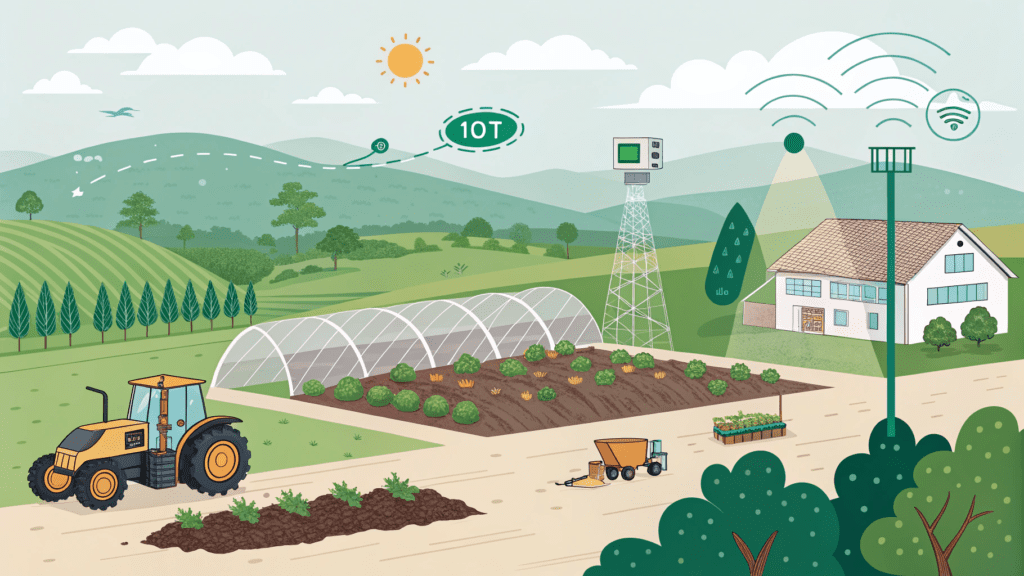
Illustration 4: Precision agriculture technology in compost application.
Central to this evolution is theCircular Economy Integration。農業用わらの堆肥化は、無駄のない低炭素農業モデルの基礎となりつつあります。埋め立て地から有機廃棄物を転用することで、メタンの排出(強力な温室効果ガス)を積極的に防止します。完成した堆肥を土壌に適用すると、炭素を隔離し、干ばつへの回復力を高め、合成肥料への依存を大幅に減らし、世界的な気候緩和の取り組みと完全に一致します。長い堆肥化サイクル、スペース要件、温室効果ガスの排出、堆肥と化学肥料のコスト競争力などの課題は依然として存在しますが、科学的介入により解決策が積極的に模索されています。政府や環境団体からの規制支援の増加と、材料サプライヤー、製造業者、廃棄物管理会社の間の戦略的パートナーシップにより、持続可能な循環型バイオエコノミーのための強固な枠組みが構築されています。バイオベースの材料と堆肥化中の微生物の多様性の複雑な動態に関する研究は、今後も未来を形成し続け、農業廃棄物の価値をより効率的かつ効果的に評価する方法を保証します。
Transform Your Waste Stream: Steps to Implement Optimized Straw Composting
農業残渣を廃棄の課題から高価値資産に変えることは、戦略的な評価から始まります。まず、現在のわらの量、望ましい堆肥生産品質、利用可能なリソースを評価します。この評価は、カスタマイズされた堆肥化計画を作成するための基礎となります。これに基づいて、強化されたウィンドウ、機械化されたシステム、またはその組み合わせなど、最も適切な方法を選択し、必要な修正と技術を特定します。安全で高品質の最終製品を確保するために、残留性除草剤を含まない材料を優先し、雑草種子の汚染を最小限に抑えてストローを戦略的に調達することが重要です。細心の注意を払った C:N 比バランス、一貫した水分管理、最適化された粒子サイズの低減、および定期的で一貫したエアレーションに重点を置き、ベスト プラクティスを熱心に実施します。最高の効率を求める大規模な運用の場合は、機械化システム、特定の微生物接種剤、スマート堆肥化技術などの高度なソリューションを検討してください。最後に、業界の専門家や農業普及サービスとつながります。彼らの専門知識は貴社のプロセスをさらに最適化し、効率的な藁堆肥化の価値を最大限に実現することができます。つまり、廃棄コストの削減、貴重な土壌改良剤の生成、作物収量の向上、ブランドの持続可能性への取り組みの目に見える向上が得られ、急速にグリーン化が進む経済においてより大きな市場シェアを獲得できる可能性があります。
Ready to transform your agricultural residue into a high-value asset, reduce your environmental impact, and unlock new commercial opportunities?今すぐお問い合わせください
わらの堆肥化 — よくある質問
Under typical backyard conditions, straw often takes 6–9 months to compost.
With optimal management it can be shortened to ≈3 months; if left unattended and unshredded,
it may take 12+ months。
Critical levers include: C:N ratio ≈30:1; moisture 45–55%; regular aeration/turning;
particle size 1–3 in (2.5–7.5 cm); temperature 90–140°F (32–60°C); method (windrow, ASP, in-vessel);
and use of microbial inoculants. Straw type and contaminants (e.g., persistent herbicides) also matter.
Use well-managed aerobic systems (e.g., windrows with scheduled turning, aerated static piles, in-vessel reactors),
blend nitrogen-rich materials, add biochar, and apply microbial inoculants (e.g., EM, ZJW-6).
Mechanization (turners, blowers, probes) improves throughput and quality.
Lower disposal costs; creation of high-quality soil amendments (new revenue); efficiency gains; reduced reliance on synthetic
fertilizers; stronger brand and ESG credentials; and new circular-economy opportunities.
Shift from waste-driven to product-driven composting; ag-waste market projected toward USD 3.3B by 2033;
biotech & smart-composting advances; deeper circular-economy integration (incl. carbon sequestration); and expanding
policy support for sustainable waste management.