2025 年の輸入業者のパッケージングトレンド
世界のパッケージング市場は、2024 年に 1 兆 801 億 3000 万米ドルに達し、2025 年には 1 兆 1094 億 4000 万米ドルに達すると予測されており、大きな変革を迎えています。このダイナミックな状況は、より厳格化された規制、革新的なテクノロジー、急速に進化する消費者の需要によって形作られています。調達マネージャー、オペレーションディレクター、サステナビリティ責任者、サプライチェーン幹部にとって、これらの変化を先取りすることは単に有利であるだけではなく、コンプライアンスの確保、コスト効率の最適化、市場競争力の維持にとって重要です。適応できなければ、重大な業務上の混乱、法的罰則、ブランドの信頼の低下につながる可能性があります。この包括的なガイドでは、輸入業者が 2025 年に注目すべき重要な包装トレンドについて詳しく説明しており、リスクを軽減し、新たな機会を切り開くための戦略的洞察を提供します。
輸入業者は、コンプライアンスと競争上の優位性を確保するために、進化する包装トレンドに積極的に適応する必要があります。
2025 年の輸入業者にとって持続可能な包装トレンドの必須事項
持続可能性はもはや熱望的な目標ではなく、サプライチェーン全体にわたる環境への影響を削減するという世界的な圧力の高まりによって、世界的な商取引にとって必須の基準となっています。輸入業者にとって、これは直ちに業務および戦略の変更につながります。
Navigating Stricter Sustainable Packaging Regulations: EU PPWR & EPR Laws
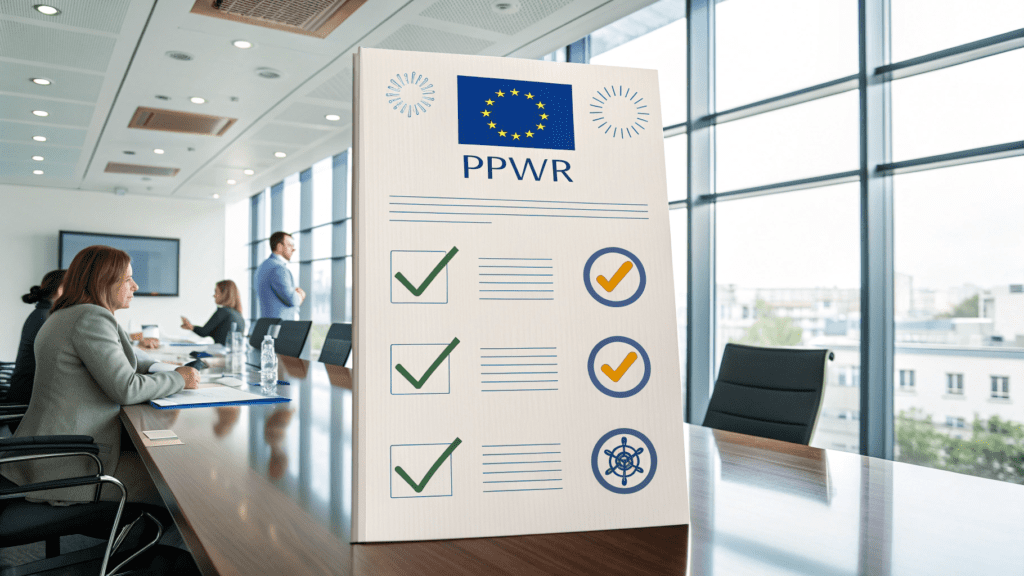
特に主要な輸入市場では、規制環境が大幅に強化されています。 2025 年 2 月に正式に発効した欧州連合の包装および包装廃棄物規制 (PPWR) は、画期的な変化を表しています。この規制は、2018 年のレベルと比較して、2030 年までに 5%、2035 年までに 10%、2040 年までに 15% という野心的な廃棄物削減目標を義務付けています。これらの目標は、輸入業者が EU に持ち込める包装材の種類に直接影響します。さらに、PPWR は使い捨てプラスチックを抑制するための厳格な措置を導入し、再利用可能およびリサイクル可能な包装形式の促進に重点を置いています。
大西洋の向こう側では、米国でも政策が大きく進化しています。 2025 年に、拡大生産者責任 (EPR) 州法 6 つのうち最初の 1 つがオレゴン州を先頭に発効します。これらの法律は、真に「リサイクル可能」とみなされるものを再定義し、包装廃棄物を管理する経済的および運営上の負担を生産者と輸入者に移します。これは、複数の素材で構成された包装、分離が困難な裏地、過剰な製品残留物、または収集や分別中に損傷しやすい包装は、新しい州のガイドラインではリサイクル可能とはみなされなくなる可能性があることを意味します。
法的義務を超えて、消費者心理は強力な力を持っています。たとえば、美容製品の消費者の約 62% は、企業の「グリーン」主張の真実性について不確実性を表明しており、「グリーンウォッシング」に対する広範な懐疑論を浮き彫りにしています。政府はまた、健康と環境への懸念の高まりから、食品と接触する包装におけるPFAS(パーフルオロアルキル物質およびポリフルオロアルキル物質)などの有害物質を積極的に制限し、材料の安全性への重点を強化しています。輸入者は、消費者の信頼を構築し維持するために、透明性と検証可能な主張を優先する必要があります。
などの地元サプライヤーとの提携 英国のトップ食品包装会社、地域のコンプライアンスと迅速な配送に利点をもたらし、世界的な混乱に対する回復力を構築できます。
Embracing Circular Economy & Bio-Based Materials in 2025 Packaging
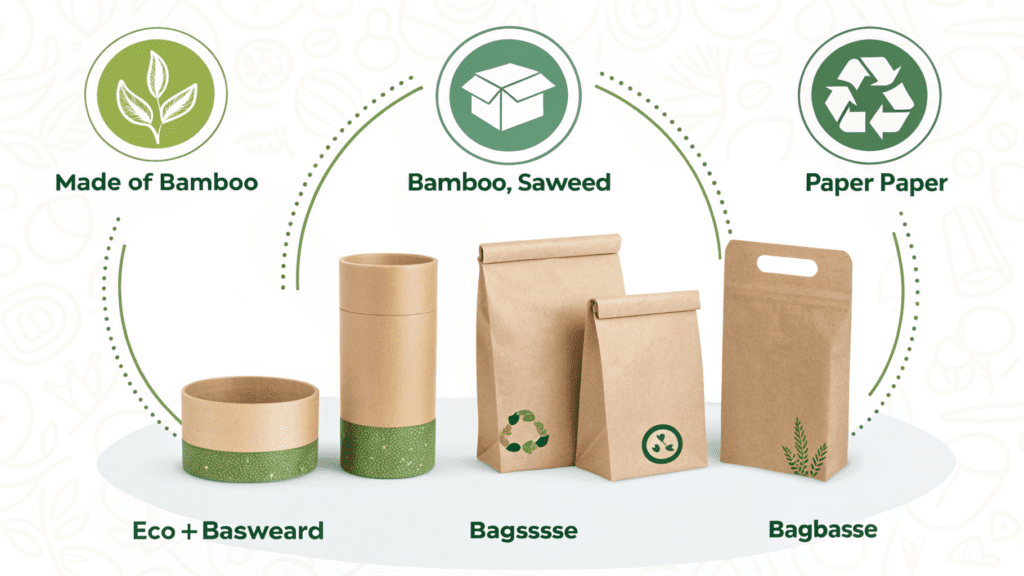
パッケージングにおける循環経済への世界的な取り組みが加速しており、素材の好みが根本的に変わりつつあります。モノマテリアルへの大幅な移行が進行しており、リサイクルプロセスを簡素化し、包括的な循環目標と一致しています。単一の容易に分離可能な素材を使用することで、企業は自社のパッケージを既存のリサイクルの流れにシームレスに統合することができます。
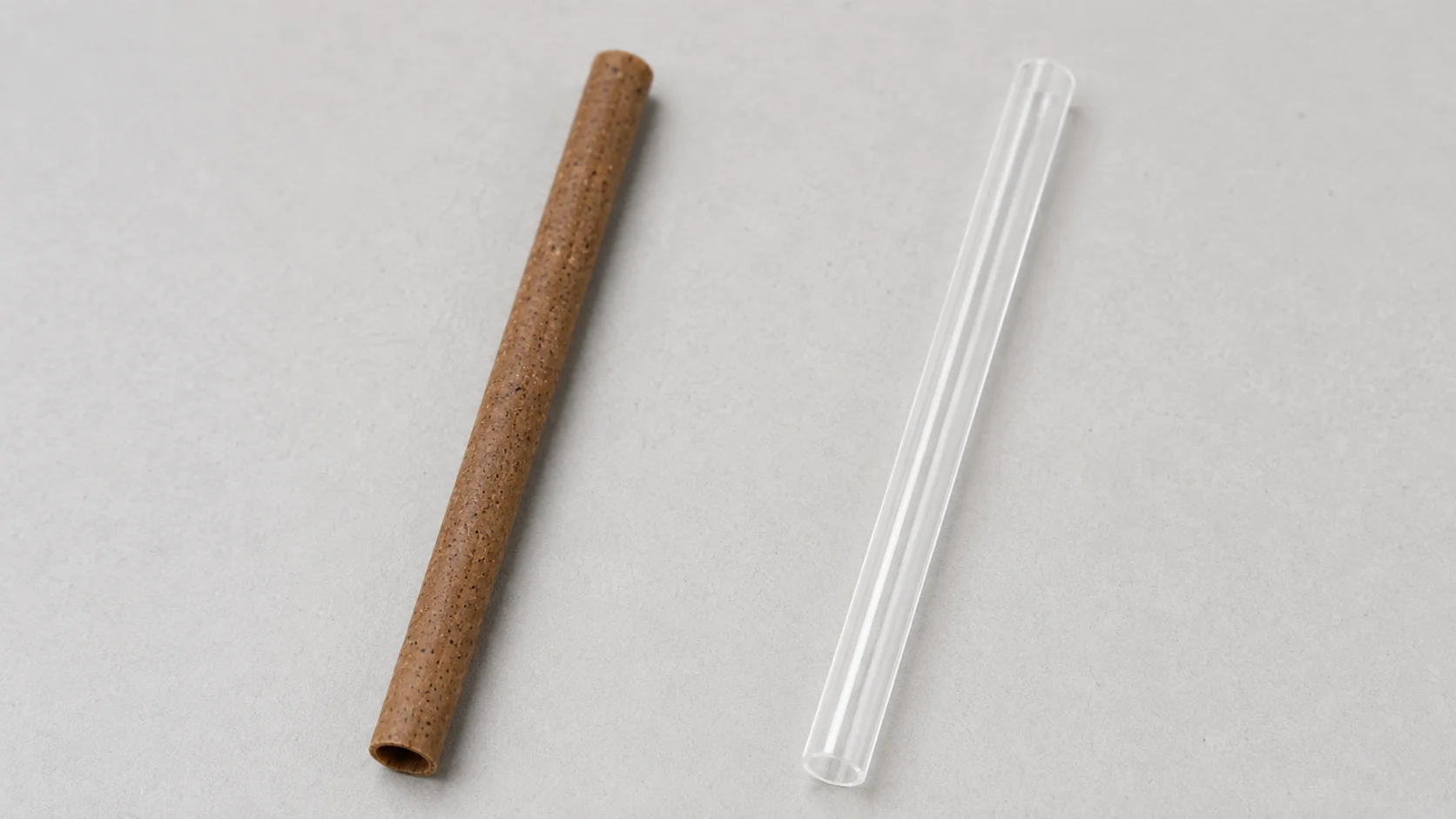
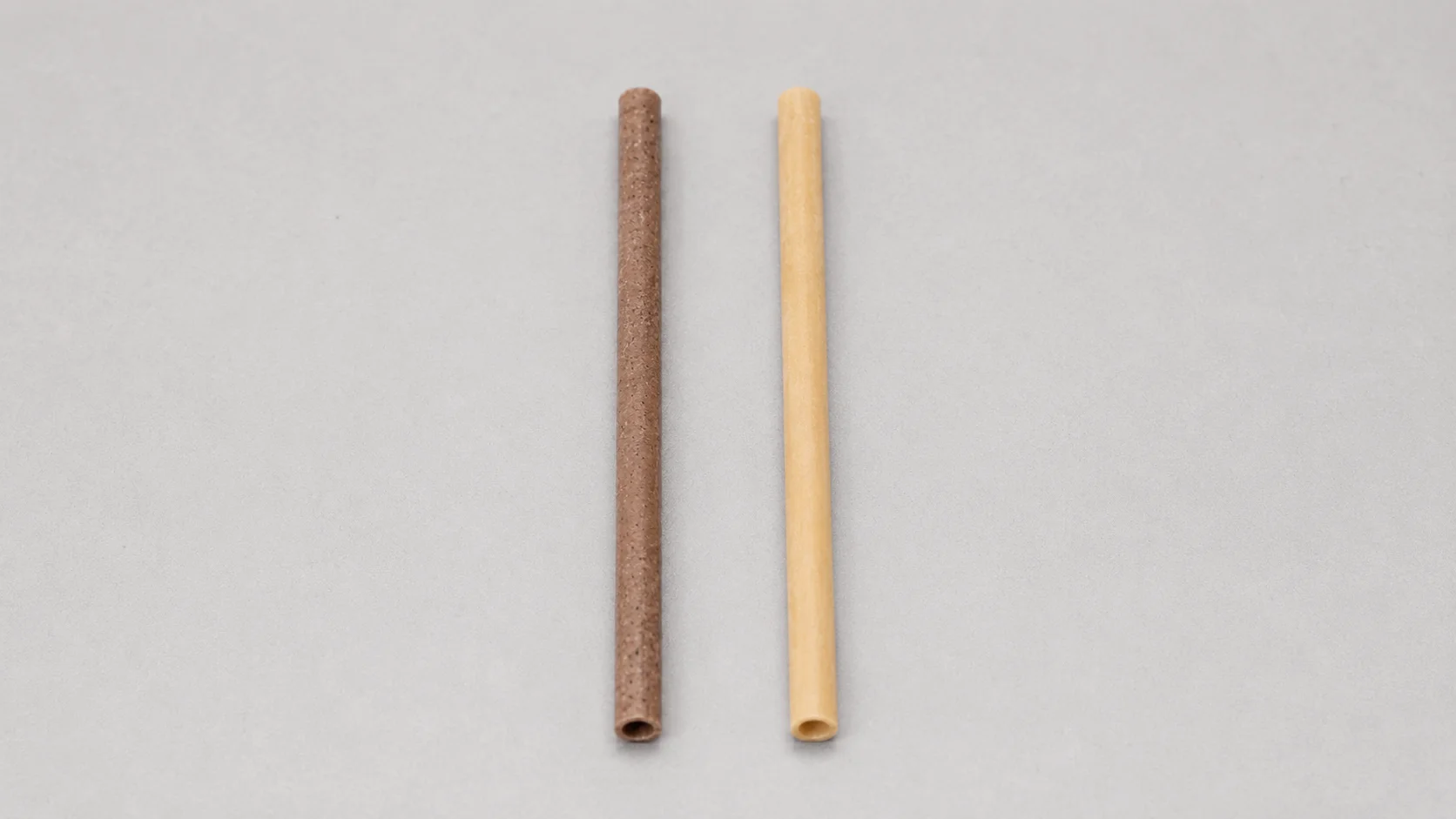
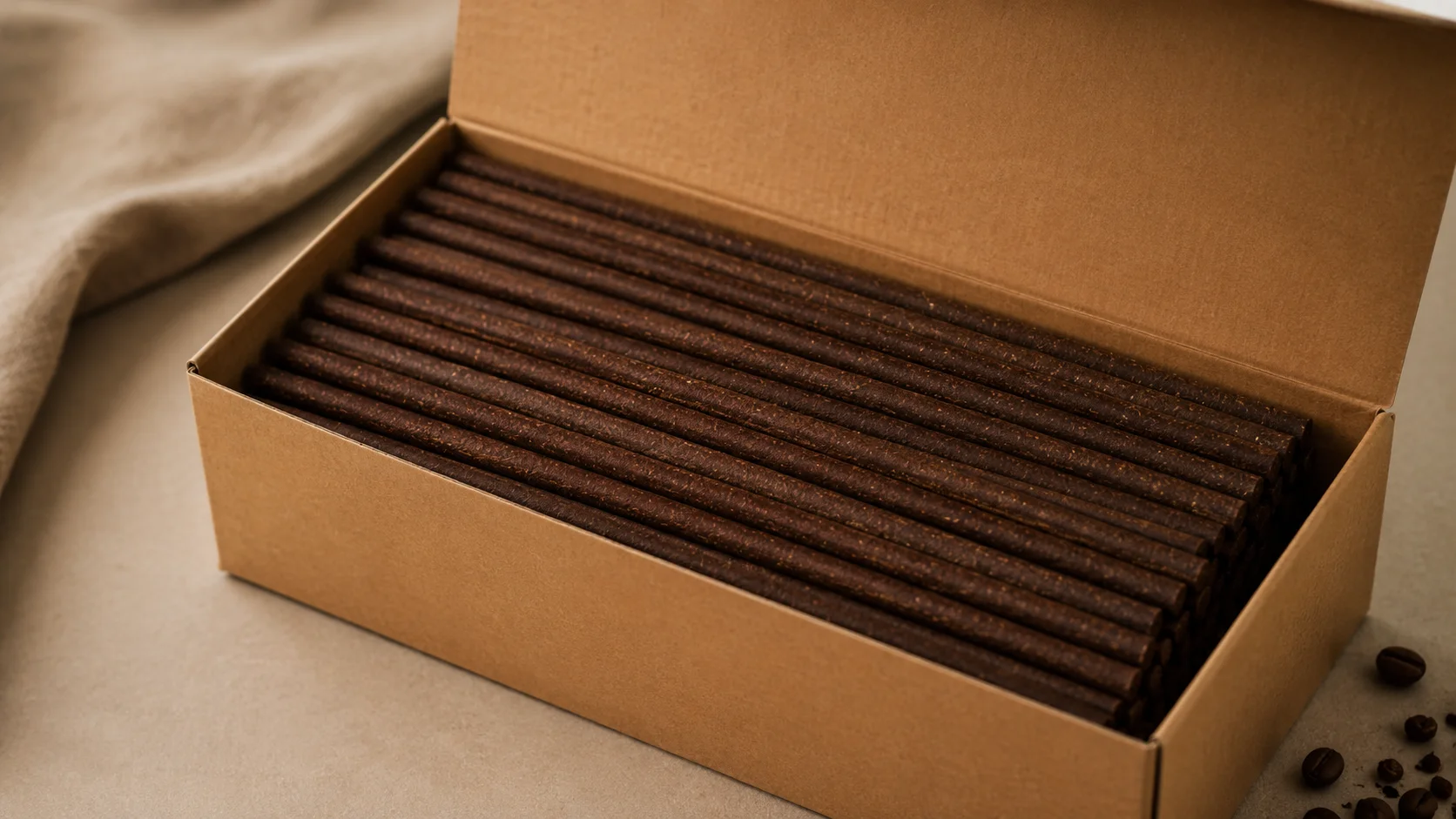
これに伴い、バイオベースおよび繊維ベースの包装ソリューションの採用が増加しています。これには、紙、竹、海藻、バガス (サトウキビのパルプ)、菌糸体 (キノコベースの材料) など、ますます幅広い革新的な材料が含まれます。これらの代替品は、従来のプラスチックと比較して環境フットプリントを削減します。世界の生分解性包装市場は、この勢いを反映して、2024 年から 2029 年にかけて年間平均成長率 (CAGR) 5.97% で成長すると予測されており、これらの持続可能なソリューションに対する堅調な需要を示しています。 「紙化」現象、つまりプラスチックから紙ベースの包装への移行の加速は、主に厳しい規制とプラスチック包装税率の上昇によって引き起こされ、リサイクル不可能なプラスチックのコストがますます高くなっています。自社の事業を将来にわたって保証し、世界的な持続可能性の目標に沿って対応したいと考えている輸入業者にとって、 グリーンパッケージの利点 はもはやオプションではありません。
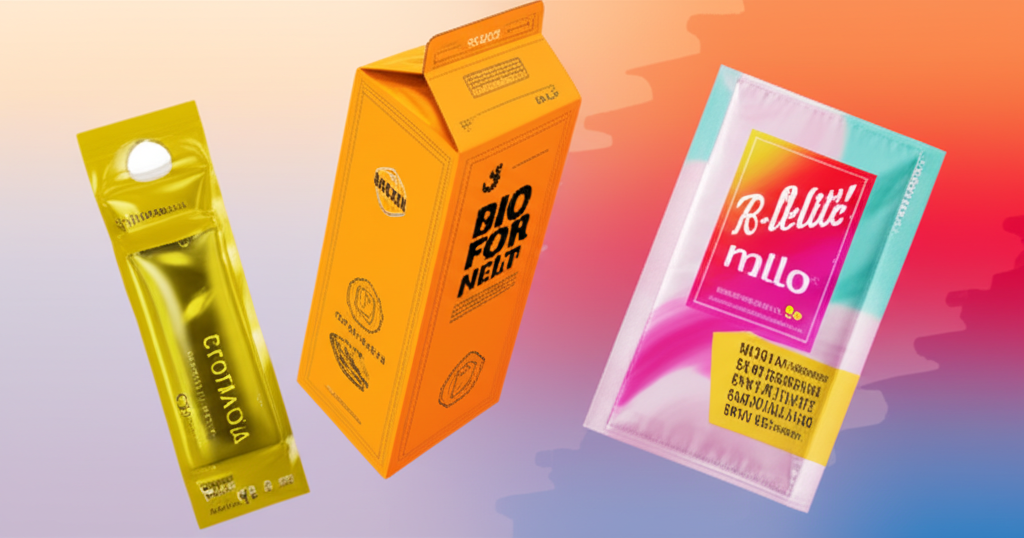
再利用可能および詰め替え可能なパッケージングのトレンドの台頭
「リデュース、リユース、リサイクル」という概念が改めて注目を集めており、特にリユースに重点が置かれています。 EU PPWR は、特定の輸送用梱包材の再利用率を 2030 年までに 40%、2040 年までに 70% とすることを明確に義務付けています。この規制の推進により、クローズドループシステムの革新が推進されています。
空のコンテナを収集、洗浄、補充するための企業間パートナーシップが急速に普及しており、生鮮食品に使用されるリターナブル輸送コンテナに見られる効率性を模倣しています。このモデルは、環境上の利点だけでなく、長期にわたる運用コストの大幅な削減も実現します。同時に、消費者向けの再利用モデルが特に美容製品、家庭用品、サブスクリプションボックスなどの分野で拡大しており、ブランドは消費者にパッケージの返品や詰め替えのインセンティブを提供しています。
ミニケーススタディ: この変化の代表的な例は、2025 年までにすべての新しい家庭用電化製品のプラスチック製パッケージを廃止するという Google の野心的な取り組みです。同社はすでにこの目標の 99% を達成しており、大規模な素材変革の実現可能性を実証しています。プラスチックの排除以外にも、持続可能なパッケージ デザインに関する Google のオープンソース ガイドは、パッケージの重量と体積を少なくとも 50% 削減するなど、他の重要な利点ももたらしました。これは、戦略的なパッケージングの選択がどのようにして複数の持続可能性と効率性の向上をもたらすかを示しています。
2025 年の輸入業者向けスマート パッケージング テクノロジーの活用
パッケージングは、単なる製品保護という従来の役割を超えて急速に進化しており、インタラクティブでデータが豊富なチャネルに変わりつつあります。この進化は、サプライチェーンの可視性を高め、製品の安全性を確保し、消費者の関与を深めるための前例のない機会を提供します。
Enhancing Traceability and Transparency with IoT & AI in Packaging
スマートテクノロジーの統合により、パッケージングが「インテリジェント」になりつつあります。世界のパッケージングのインターネット (IoP) 市場は、2025 年に 236 億 6000 万米ドルと評価され、2034 年までに 544 億 3000 万米ドルを超えると予測されており、9.70% という堅調な年平均成長率 (CAGR) を示しています。この成長は、デジタル機能の採用の増加を裏付けています。たとえば、EU PPWR は、食品と接触する包装のトレーサビリティ機能とデジタル製品パスポートを 2025 ~ 2026 年までに義務付けており、多くの輸入業者にとって技術統合が規制上の必要性となっています。
パッケージ内に埋め込まれた IoT センサーにより、輸送中の温度、湿度、衝撃などの重要な状態をリアルタイムで監視できます。この継続的なデータ ストリームにより、特に生鮮食品や敏感な電子機器の製品の安全性と完全性が保証され、環境逸脱による潜在的な損失が軽減されます。さらに、人工知能 (AI) は、材料効率を高めるためのパッケージング設計の最適化、生産プロセスの合理化、予測分析による物流の強化など、変革的な役割を果たしています。これにより、材料の消費量が削減され、廃棄物が最小限に抑えられ、真に革新的で環境に優しい包装ソリューションの開発につながります。
2025 年のパッケージングで QR コードと NFC のエンゲージメントを高める
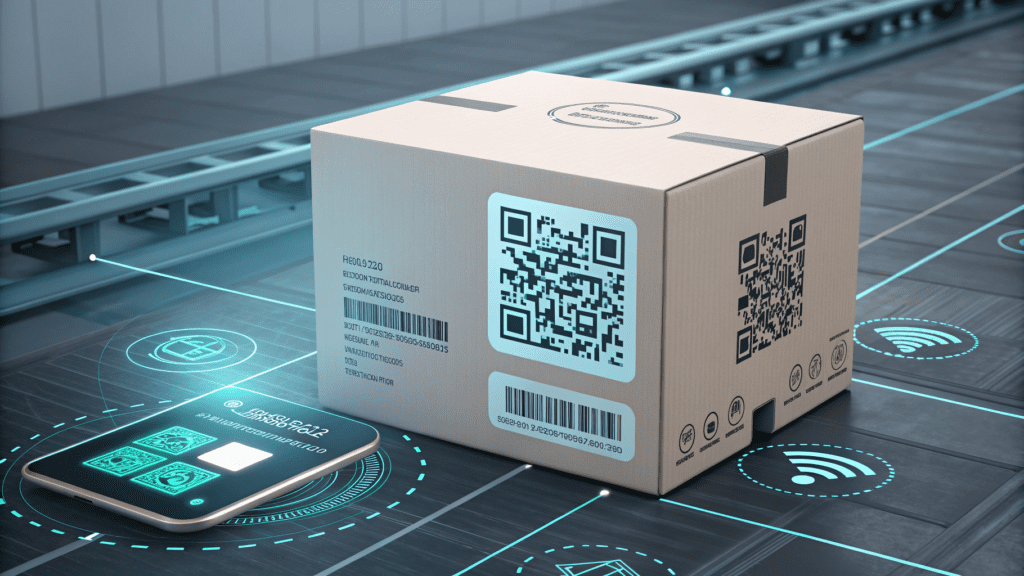
インタラクティブなパッケージングは、ブランドのエンゲージメントと認証のための強力なツールになりつつあります。たとえば、パッケージでの QR コードの使用は前年比 44% という驚くべき伸びを示し、買い物客の 60% が購入前に製品情報を積極的にスキャンしています。これらのコードは、拡張された製品の詳細、持続可能性の説明、使用説明、さらには拡張現実体験への直接のデジタル リンクを提供します。
QR コードを超えて、Inuru のようなイノベーターの近距離無線通信 (NFC) タグや超薄型 OLED (有機発光ダイオード) さえも、よりシームレスでインタラクティブなブランディング エクスペリエンスを実現するためにパッケージに統合されています。これらのテクノロジーにより、消費者はスマートフォンをタップするだけで、コンテンツにアクセスしたり、信頼性を検証したり、ロイヤルティ プログラムに参加したりすることができます。スマート ラベルと RFID タグは認証プロセスをさらに強化し、強力な偽造防止対策を提供し、倉庫から最終配送に至るサプライ チェーン全体にわたる品目追跡を合理化します。
Evolving Design & Consumer Experience in 2025 Packaging Trends
混雑した市場において、パッケージデザインは戦略的資産となっており、ブランドの認知に影響を与え、製品の差別化を図り、記憶に残る顧客とのやりとりを生み出しています。 2025 年のトレンドは、機能性、パーソナライゼーション、多感覚への関与を重視しています。
美的感覚を超えて: 機能的でパーソナライズされたパッケージング
最新のパッケージングはますます多機能向けに設計されており、その実用性が当初の目的を超えて拡張されています。たとえば、輸送用の梱包材は家庭やオフィス内の保管用に再利用できるように設計でき、廃棄物を削減し、エンドユーザーに付加価値をもたらします。このアプローチは、利便性と持続可能性を求める消費者の欲求に沿ったものです。
人口動態の変化もデザインを形作ります。特に Z 世代の消費者は、ユニークな形状、パーソナライズされた要素、コレクション用のパッケージに対する需要を高めています。ブランドは、共創キャンペーンや可変データ印刷を活用して、消費者がデザインをカスタマイズできるようにし、より深いブランドロイヤルティとエンゲージメントを促進しています。デジタル印刷技術により、このマスカスタマイゼーションが可能になり、オーダーメイドのデザイン、限定版、パーソナライズされたメッセージを、大規模であっても経済的に生産できるようになります。
Capturing Attention with Sensory & Dynamic Design
本当に目立つためには、2025 年のパッケージは見た目以上に魅力的です。輸入業者は、豊かで多感覚の開封体験を生み出すように設計された、大胆な色、触感のあるテクスチャー、エンボス加工、デボス加工、さらには香り付きやしわテクスチャーのレイヤーを期待する必要があります。この感覚的な関わりは、製品やブランドとのより強い感情的なつながりを生み出すのに役立ちます。
「カオス パッケージング」と呼ばれることもある上昇トレンドには、混雑した小売環境やソーシャル メディア フィードで注目を集めるために、典型的なカテゴリーの美学を意図的に破壊する、独特の形状、予想外の素材の組み合わせ、または型破りなデザイン要素が含まれています。すっきりとしたラインと控えめなエレガンスを特徴とするミニマリズムは引き続きその地位を確立していますが、「より大胆なミニマリズム」へと進化しています。この更新された美学は、特大のフォント、戦略的な余白、工芸品にインスピレーションを得たディテールを特徴としており、ブランドが自社を差別化し、本物の感覚を伝えるための洗練されながらもインパクトのある方法を提供します。
主要なパッケージングトレンドの運用への影響とROI
これらの新たなパッケージングトレンドを統合することは、直接的なコスト削減からブランドの評判や市場の回復力の向上に至るまで、輸入業者に大きなメリットをもたらします。
| 特徴 | B2B運用上の影響 | コンプライアンスノート | ROIポテンシャル |
|---|---|---|---|
| 持続可能なモノマテリアル | リサイクルの合理化、廃棄物の収集/廃棄の削減 | EU PPWR 要件、リサイクル可能性に関する米国 EPR 定義 | Lower material costs long-term, enhanced brand reputation & consumer loyalty, reduced environmental fees |
| 再利用可能/詰め替え可能システム | Requires reverse logistics & initial infrastructure investment | EU PPWR 再利用目標 (例: 2030 年までに 40% の輸送) | 繰り返しのパッケージング支出の削減、利便性による顧客ロイヤルティの向上、廃棄物の大幅な削減、二酸化炭素排出量の削減 |
| スマートパッケージング(QR/NFC) | 在庫/物流、偽造防止のためのリアルタイムデータ | EU PPWR トレーサビリティ義務 (食品接触 2025-26) | Enhanced supply chain efficiency, brand protection, increased sales via engagement & trust, reduced returns |
| 軽量化・削減 | 配送コストの削減、二酸化炭素排出量の削減 | EU PPWR は過剰な梱包を禁止 (2030 年までに最大 50% の空きスペース) | Direct cost savings in transport & materials, lower emissions, improved market competitiveness, reduced waste disposal costs |
地政学的および経済的状況: サプライチェーンの変化を乗り切る
外部要因は、輸入業者の包装戦略に引き続き大きな影響を及ぼします。地政学的な変化と経済的圧力には、適応的で回復力のあるサプライチェーンのアプローチが必要です。
アメリカ第一の政策と現地調達
「アメリカ第一」政策の復活と輸入品に対する関税引き上げ案は、米国内で活動する企業、または米国に輸入する企業の輸送コストや梱包コストを大幅に変える可能性がある。こうした政策は、国内生産を奨励し、国際サプライチェーンへの依存を減らすことを目的としている。これに応じて、輸入業者はパッケージングの現地生産を検討し、ニアショアリングやリショアリングのソリューションを模索することが増えています。この戦略的転換により、関税の影響が軽減され、リードタイムが短縮され、サプライチェーンの確実性が高まります。などの地元サプライヤーとの提携 英国のトップ食品包装会社、地域のコンプライアンスと迅速な配送に利点をもたらし、世界的な混乱に対する回復力を構築できます。
コスト上昇とサプライチェーンの回復力の管理
世界経済は引き続き全体的なコストの上昇に直面しており、原材料価格にはある程度の安定が見込まれるものの、企業は引き続き圧力を受けることになるだろう。輸入業者にとって、これには品質やコンプライアンスを損なうことなく支出を管理するための強力な戦略が必要です。
サプライチェーンの回復力を構築するには、包装材料の調達チャネルを多様化し、堅牢なデータ駆動型の在庫管理戦略を導入することが重要です。この積極的なアプローチにより、予期せぬ中断に対する脆弱性が最小限に抑えられ、一貫した材料供給が保証されます。人工知能 (AI) は、海運業界の合理化とサプライチェーンの最適化において、ますます重要な役割を果たすことが期待されています。 AI を活用してリアルタイムの在庫追跡、予測分析、ルートの最適化を行うことで、企業は効率を向上させ、運用の複雑さを軽減し、市場の変動により迅速に適応することができます。
Future Trends & Innovation: The Next 5-10 Years
2025 年以降に目を向けると、パッケージング業界は、進行中の研究、環境への要求の高まり、技術の進歩によってさらに根本的な変革を遂げる準備が整っています。
食用包装: 研究開発分野が急速に拡大している食用包装は、廃棄物に対する革命的な解決策を提供します。これらの材料は天然ポリマーに由来することが多く、製品と一緒に消費することも、急速に生分解することもできるため、食品の安全性、保存、環境問題に同時に対処できます。
次世代の調整雰囲気パッケージング (MAP): 将来の MAP テクノロジーは、受動的ガス混合物を超えたものになります。リアルタイムの製品ニーズに基づいて大気組成を動的に調整するインテリジェントなガス制御システムとともに、統合センサーと抗菌剤を備えたアクティブなパッケージングが期待され、前例のない精度と環境に優しい素材で保存期間が延長されます。
二次包装における高度なロボット工学: 自動化がユビキタスになるでしょう。予測によると、今後 10 年以内にすべての二次包装ラインの 95% でロボット システムが活用され、速度と精度が大幅に向上し、複雑な包装作業における人的エラーが削減されると考えられています。
サプライ チェーンの最適化のためのデジタル ツイン: 物理的なサプライ チェーンの仮想レプリカである「デジタル ツイン」の概念が注目を集めるようになります。これらのデジタル モデルを使用すると、企業は変更を実施する前に仮想環境で梱包フロー、資材消費量、物流効率をシミュレーション、分析、最適化できるため、大幅なコスト削減と環境への影響の削減につながります。
オンデマンドでの 3D プリントによるパッケージング: 現在、3D プリントは大企業や特殊な用途でより実現可能ですが、効率を高め、無駄を最小限に抑える上で重要な役割を果たすでしょう。これにより、特定の製品寸法に正確に合わせた高度にカスタマイズされたパッケージングが可能になり、空隙の充填や材料の過剰が削減されます。これにより、ラピッド プロトタイピングとローカライズされたオンデマンド生産もサポートされます。
国連世界プラスチック条約の進展:2040年までにプラスチック汚染をなくすことを目指す国連主導の世界プラスチック条約の交渉は、特に拘束力のある生産上限の設定をめぐって引き続き課題に直面している。しかし、進行中の議論と世界的な意識の高まりは、規制の圧力が今後も強まり、持続可能な代替品やリサイクルインフラの改善におけるイノベーションを促進することを意味します。 OECDは、世界のプラスチックは2060年までにほぼ3倍の12億トンに増加し、廃棄物は10億トンを超えると推定しているが、現在リサイクルされているのは世界中で生産される全プラスチックの10%未満であり、体系的な変革の緊急性が強調されている。
将来のパッケージングの革新は、廃棄物とサプライチェーンの効率性に対する革新的なソリューションを約束します。
特定の材料の選択についてより深く理解するには、 プラスチック包装の長所と短所 現在の戦略では。
Competitive Advantage & Business Case for Early Adoption
輸入業者にとって、こうしたパッケージングのトレンドを受け入れることは、単に罰則を回避することだけではありません。それは強力な競争上の優位性を確保し、回復力のあるビジネスを構築することです。潜在的なメリットを定量化すると、魅力的なビジネスケースが明らかになります。
コスト削減: 軽量化と単一材料ソリューションを採用することで、企業は材料調達コストと運送費を大幅に削減できます。複雑な多層プラスチックから、よりシンプルでリサイクル可能な紙ベースのパッケージへの移行、または再利用可能なシステムへの投資は、本質的に長期的な商品コストを削減します。さらに、効率的な設計と循環モデルを通じて包装廃棄物を削減することは、廃棄物処理料金の削減とリサイクル材料からの潜在的な収益に直接つながります。
リスクの軽減: EU の PPWR 法や米国の EPR 法などの進化する規制に積極的に準拠することで、高額な罰金、国境の遅延、市場アクセス制限のリスクを最小限に抑えます。堅牢なトレーサビリティと認証機能を備えたスマートなパッケージング ソリューションは、強力な偽造防止対策を提供し、ブランドの完全性と消費者の安全を守ります。包装材料の多様かつ地域化されたサプライチェーンを構築すると、地政学的不安定や予期せぬ世界的混乱によるリスクも軽減されます。
ブランド価値の向上: 消費者は、持続可能性への真の取り組みを示すブランドに財布を使って投票することが増えています。環境に優しい素材を統合し、廃棄物を削減し、スマートなパッケージングを通じて透明性のある製品輸送を提供することで、輸入業者はブランドの評判を大幅に高めることができます。これは意識の高い消費者の共感を呼び、より深いロイヤルティを育み、顧客の認識を向上させ、開封体験をポジティブなブランドタッチポイントに変えます。持続可能で革新的なパッケージングをリードするブランドは、倫理志向の顧客ベースにアピールすることでプレミアム価格を設定し、市場シェアを拡大することが期待できます。これは、成長するグリーン市場セグメントでより大きなシェアを獲得する機会でもあります。特定の材料の選択についてより深く理解するには、 プラスチック包装の長所と短所 現在の戦略では。
結論: 2025 年の輸入業者の戦略的適応
2025 年のパッケージング状況では、輸入業者に戦略的な先見性と断固とした行動が求められます。厳しい持続可能なパッケージング規制、革新的なスマートパッケージング技術、急速に進化するデザイン美学の融合は、手ごわい課題と比類のない機会の両方をもたらします。環境に優しい素材と循環性を優先し、デジタルイノベーションを活用してトレーサビリティとエンゲージメントを強化し、機能的でパーソナライズされた体験に対する消費者の好みに適応することで、輸入業者は揺るぎないコンプライアンスを確保するだけでなく、運営コストを大幅に削減し、ブランド価値を強化し、新たな市場機会を開拓することができます。戦略的適応は選択肢ではありません。それは、長期的な収益性とグローバルサプライチェーンにおけるリーダーシップへの道です。
今すぐパッケージング イノベーターと提携して、2025 年に向けてサプライ チェーンを変革し、コンプライアンスを確保し、コストを削減し、ブランド価値を高めましょう。
輸入業者が長期的な収益性とリーダーシップを獲得するには、戦略的適応が不可欠です。

よくある質問
EU PPWR 法と米国 EPR 法は輸入業務にどのような影響を及ぼしますか?
これらの規制は、野心的な廃棄物削減目標を義務付け、真に「リサイクル可能」とみなされるものを再定義し、経済的および運営上の負担を生産者と輸入者に移しています。準拠していない包装は、重大な罰則、国境の遅延、または市場アクセス制限に直面する可能性があるため、輸入業者にとって積極的な適応が重要となります。
モノマテリアルとは何ですか? 持続可能な包装にとってモノマテリアルが重要なのはなぜですか?
モノマテリアルは、100% PET や 100% 紙などの単一タイプの材料から作られたパッケージング ソリューションです。これらはリサイクルプロセスを大幅に簡素化し、既存のリサイクルの流れへのより簡単かつ効率的な統合を可能にし、循環経済の目標と一致するため、持続可能なパッケージングに不可欠です。
スマートパッケージングはどのようにして輸入業者のサプライチェーンの可視性を高めることができるのでしょうか?
IoT センサーと AI を統合したスマートなパッケージングにより、輸入業者に輸送中の温度、湿度、衝撃などの重要な条件に関するリアルタイムのデータが提供されます。
輸入業者は B2B クライアント向けにパーソナライズされたパッケージをどのように活用できますか?
輸入業者はデジタル印刷技術を利用して、高度にカスタマイズされたパッケージデザイン、限定版、またはパーソナライズされたメッセージを B2B 顧客に提供できます。これにより、より深いブランドロイヤルティとエンゲージメントが促進され、企業は自社の製品を差別化し、パートナーにとってより思い出に残る貴重な体験を生み出すことができます。
「紙化」とは何ですか?それは輸入業者のパッケージングの選択にどのような影響を与えますか?
「紙化」とは、プラスチック製の包装から紙ベースの包装への世界的な移行が加速していることを指します。輸入業者にとって、この傾向は厳しい規制とプラスチック包装税率の上昇によって推進されており、リサイクル不可能なプラスチックのコストはますます法外なものになっています。紙ベースの代替品を採用することで、輸入業者は環境フットプリントを削減し、コンプライアンスを確保することができます。