ストローの背後にある本当のストーリー: 現代ビジネスの持続可能性をナビゲートする
B2B 業務の忙しい世界では、あらゆる決定が、どんなに小さなものであっても、サプライチェーン全体に波及し、世間の認識に影響を与え、収益に影響を与える可能性があります。質素なストローについて考えてみましょう。何十年もの間、それはどこにでもあり、目立たないアイテムでした。しかし、近年、ストローは世界的な持続可能性の議論において思いがけない火種となり、調達管理者、運営責任者、持続可能性責任者、サプライチェーン幹部らに重大な疑問を投げかけている。ストローは本当に重大な環境脅威なのか、それともより大きな問題から気をそらす象徴的なものになっているのか?その答えは微妙ではありますが、企業の持続可能性戦略、規制遵守、ブランドの評判に重大な影響を及ぼします。この一見些細な項目を無視すると、ビジネスは風評被害の拡大、市場機会の逸失、急速に進化する規制環境による運用の複雑さにさらされる可能性があります。
The scale of the problem is undeniable. Estimates suggest Americans alone use between 172 and 500 million plastic straws daily. Globally, this contributes to the approximately 8 million tons of plastic waste entering the world’s oceans each year. While plastic straws constitute a relatively small percentage (0.025% to 0.03%) of total ocean plastic waste, their visibility and persistence have made them a potent symbol of single-use plastic pollution. This isn’t merely an environmental concern; it’s a commercial imperative. Businesses that fail to adapt risk falling behind competitors who are proactively embracing sustainable practices, alienating environmentally conscious customers, and facing increasing scrutiny from regulators.
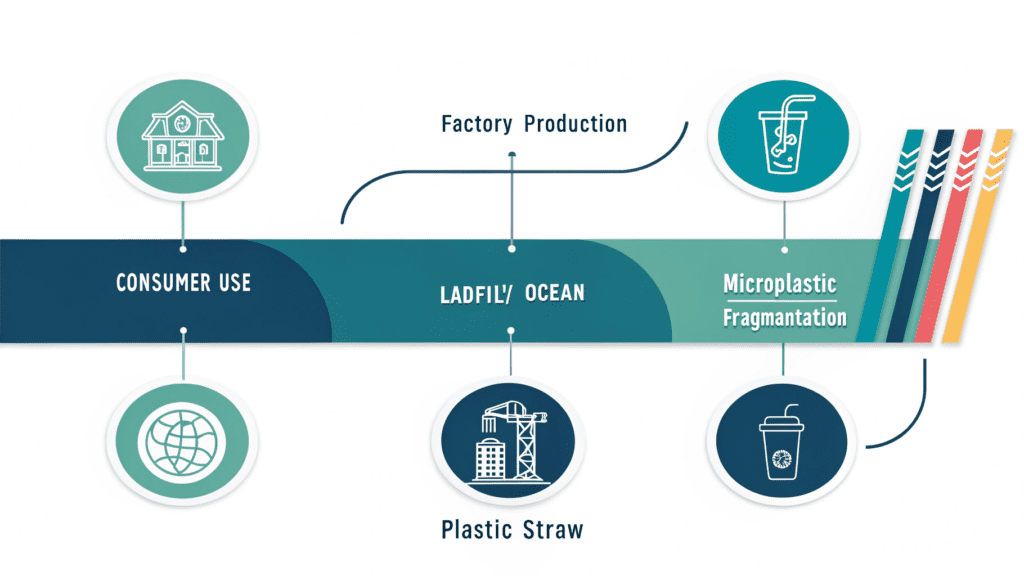
プラスチック製のストローが生産から埋め立て地や海洋に至るまでの道のりは、環境的および社会的課題の複雑なタペストリーを明らかにします。主に石油副産物であるポリプロピレンから製造されるため、その製造は大量の天然資源を消費し、化石燃料の消費と炭素排出に貢献します。これらの非生分解性アイテムは、一度使用すると何百年も持続します。それらは分解するのではなく、マイクロプラスチックとして知られるますます小さな破片に断片化します。これらの危険な粒子は、除去することがほぼ不可能であり、水系、土壌、さらには食物連鎖にさえ浸透し、最終的には動物と人間の両方によって消費されます。海洋生物への壊滅的な影響は十分に文書化されており、プラスチックはすべての海鳥とすべてのウミガメ種の推定90%から検出されており、約800の海洋生物種に影響を与え、年間少なくとも10万頭の海洋哺乳類を殺害している。さらに、プラスチックが分解すると、BPA や PFAS などの有害な化学物質が環境中に放出され、さらなるリスクが生じる可能性があります。
プラスチック製のストローに対する国民の抗議は、バイラルな瞬間とともに最高潮に達し、最も注目に値したのは、ウミガメの鼻孔からプラスチック製のストローを取り出す様子を描いた 2015 年のビデオでした。この感情的なきっかけにより、シアトル (2018 年) やカリフォルニア (2019 年) から欧州連合全体の広範な指令に至るまで、広範な企業の誓約や都市レベルの禁止令が発効し、規制が強化される前に年間 364 億本の使い捨てストローが廃棄されました。ただし、物語は一枚岩ではありません。批評家は、ストローに不釣り合いに注目することで、漁具などのより大きな汚染源から気をそらしてしまうと主張している。さらに、特に代替品が消費者の期待に応えられず、紙ストローがべたべたになったり、望ましくない味を与えたりする場合によく見られるように、フラストレーションにつながる場合、禁止の有効性について議論が行われている。
Crucially, the debate around plastic straws also encompasses a vital social dimension: accessibility and inclusivity. For many individuals with physical disabilities, plastic straws are not a luxury but a necessary tool for independent drinking, offering flexibility and safety that rigid alternatives cannot. Metal or glass straws, while reusable, can pose risks of injury, while some paper straws may degrade too quickly or cause allergic reactions. The imposition of blanket bans without accessible alternatives places an undue burden on this community, highlighting the need for a nuanced approach that balances environmental goals with social responsibility. Businesses must navigate this complex landscape, ensuring their sustainability initiatives are both impactful and equitable. Understanding proper disposal methods for different types of alternatives is also key to ensuring true environmental benefit; for instance, a comprehensive guide on compostable straw disposal in hospitality settings can be found atCompostable Straw Disposal Guide。

For forward-thinking businesses, the imperative is not merely to react to bans but to strategically shift towards sustainable straw solutions that align with both environmental stewardship and operational realities. This involves a comprehensive understanding of the diverse alternatives available and their implications for cost, customer experience, and environmental footprint.
Diverse Paths to Sustainability: A Closer Look at Alternatives
The market has responded with a proliferation of options, broadly categorized into reusable and single-use biodegradable solutions:
再利用可能なストロー:
Ideal for controlled environments or customers seeking long-term sustainability.
- Metal straws (e.g., stainless steel, copper):耐久性が高く、掃除が簡単なため、寿命は長くなりますが、感触が硬く、温度が伝わり、運動制御が制限されている人には潜在的なリスクをもたらす可能性があります。
- ガラスストロー:エレガントで再利用可能、高品質の飛散防止ガラス製。プレミアムな体験を提供しますが、金属よりも壊れやすいです。
- 竹ストロー:自然に持続可能で生分解性がある竹は、素朴な魅力を持っています。ただし、割れたり亀裂が入ったりする可能性があるため、カビを防ぐために徹底的な洗浄が必要です。
- シリコンストロー:柔軟性があり、耐久性があり、お子様にとっても安全なこれらは、再利用可能な優れたオプションです。その柔軟性により、障害のある人を含む多くの人にとって、より安全な選択肢となっています。
シングルユースの環境に優しいイノベーション:
環境への影響を最小限に抑えながら利便性を追求します。
- 紙ストロー:A modernized version of the original 1888 invention, these are biodegradable and can break down in less than three months. However, concerns about durability (sogginess), potential paper aftertaste, and whether all types are truly biodegradable (some are wax- or plastic-coated) persist.
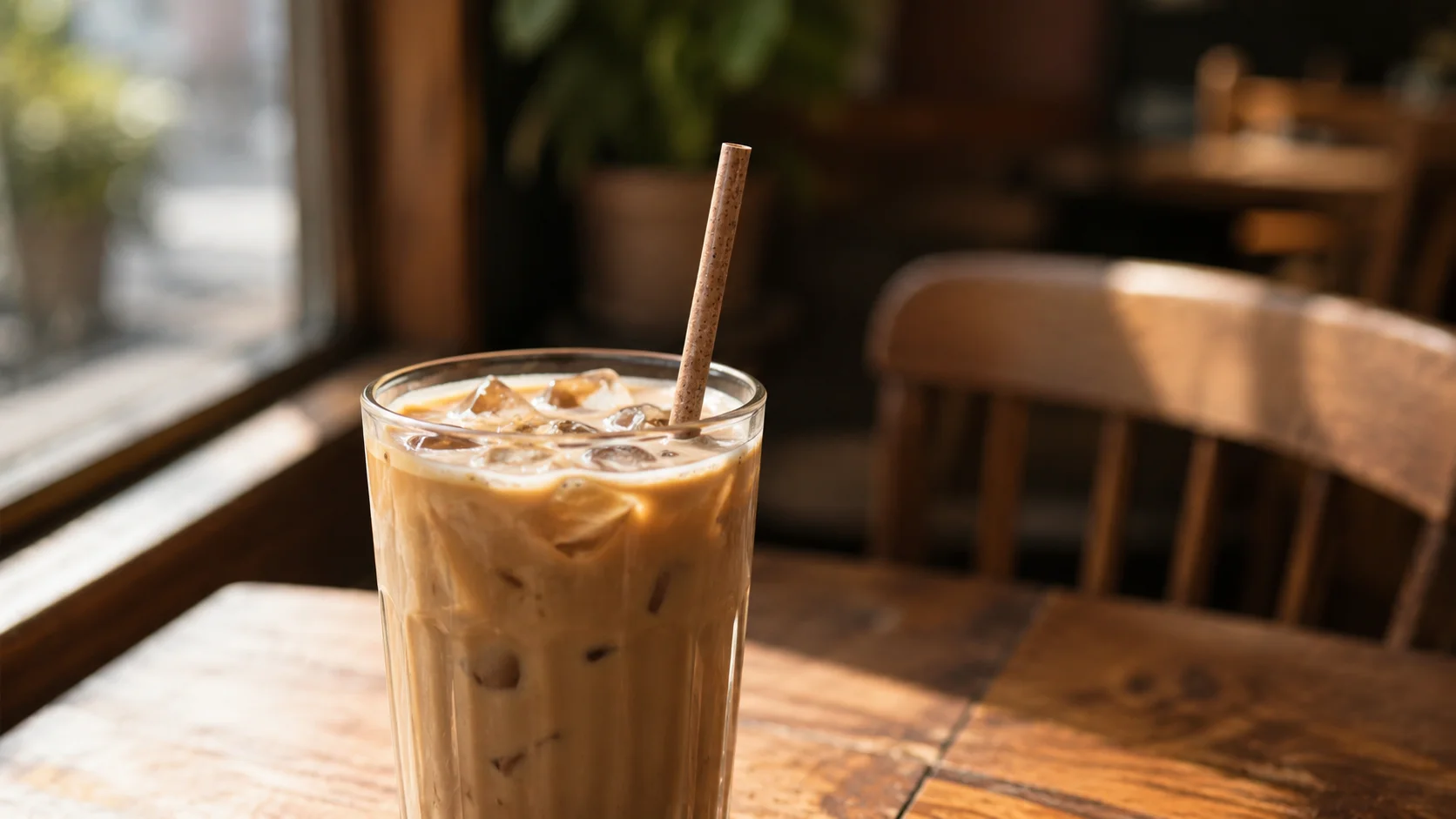
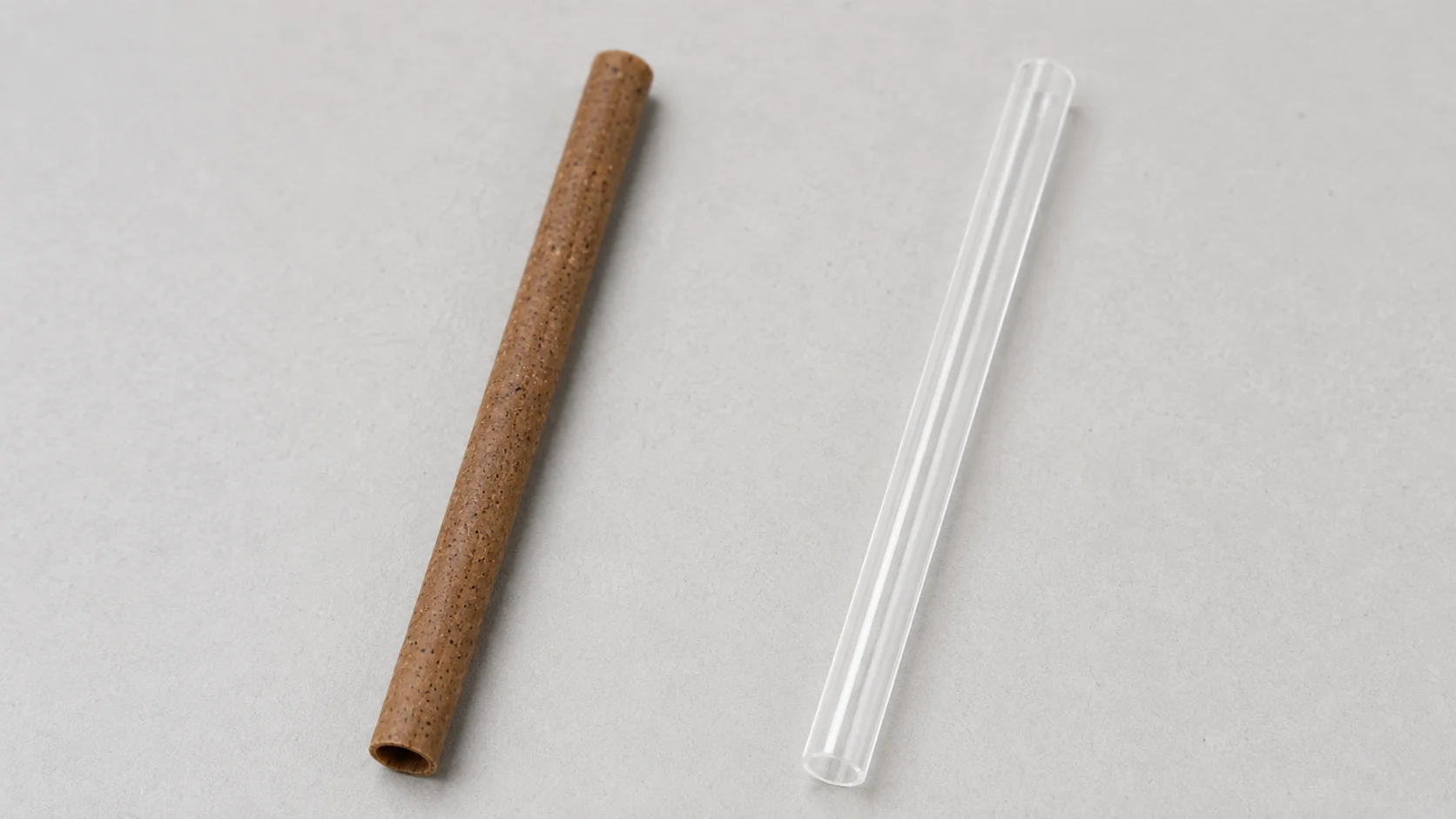
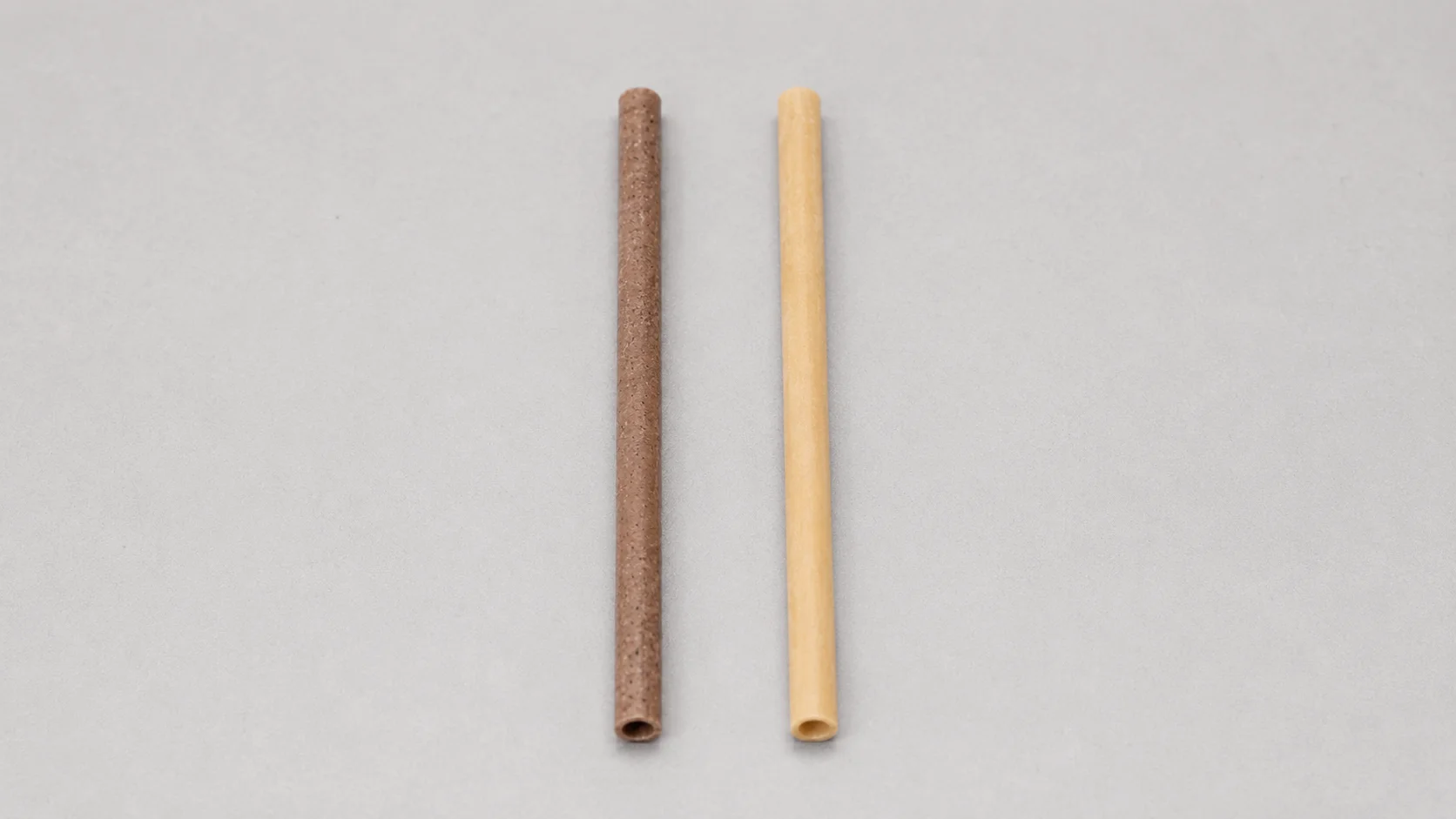
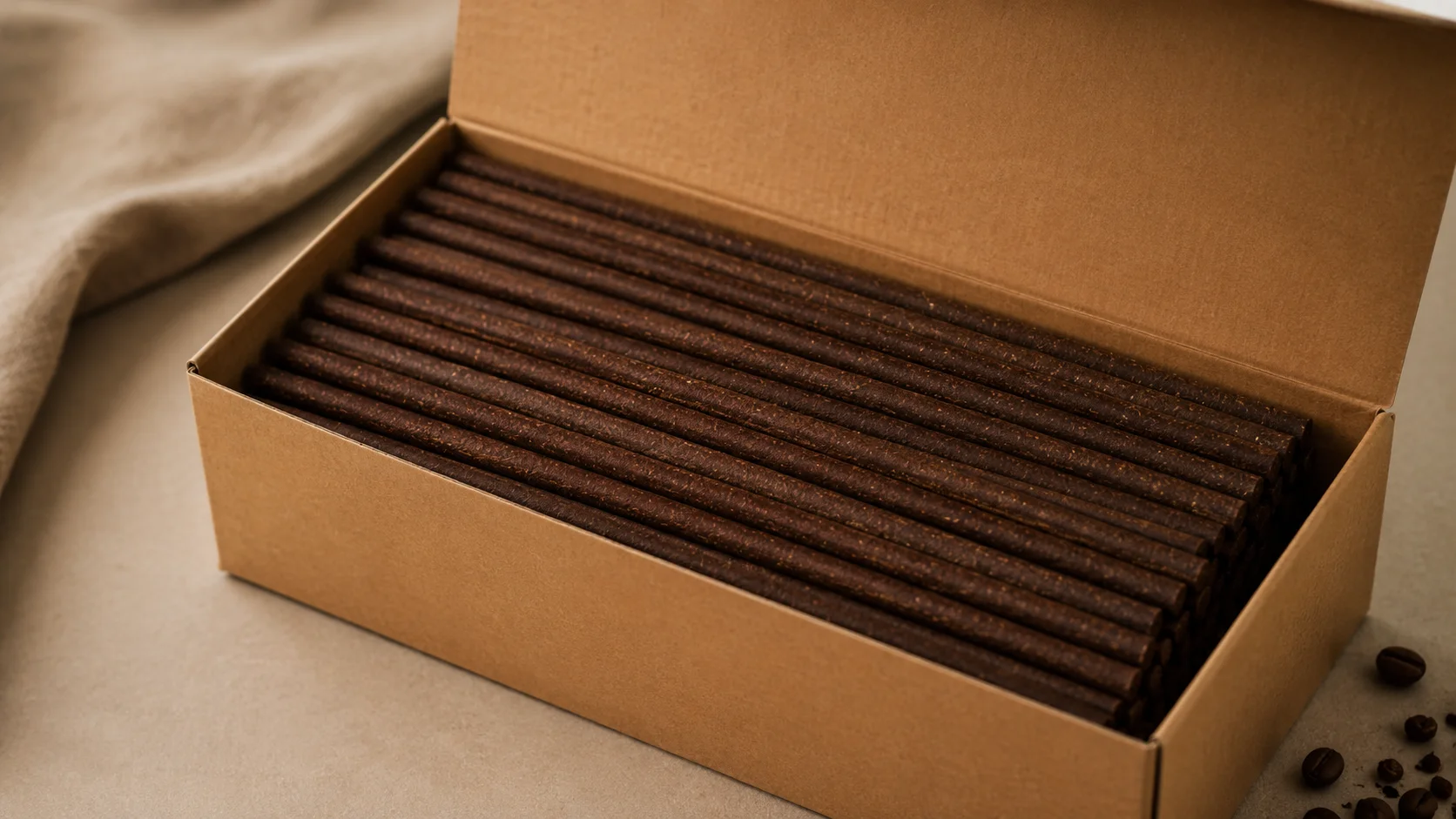
- Plant-based biodegradable straws:An expanding category made from materials like Polylactic Acid (PLA), Polyhydroxyalkanoates (PHA), sugarcane fibers, rice, pasta, seaweed, grass, coffee grounds, and coconut leaves. These aim to reduce carbon footprint, though some PLA options require specific industrial composting facilities. For a deeper dive into these options, exploreBiodegradable Plastic Straws B2B Sustainability。
- 「ストロー」:中空の穀物の茎から作られたこれらは、完全に天然で生分解性の高い使い捨てオプションです。
この複雑な決定を支援するために、調達チームと運用マネージャーは、包括的な比較マトリックスを活用できます。

| ストロータイプ | 費用対効果 | Durability & Customer Experience | 廃棄/堆肥化可能性 | 環境フットプリント | アクセシビリティに関する考慮事項 |
|---|---|---|---|---|---|
| プラスチック | 非常に低い | 高い | 埋め立て地/海洋 | 高い | 高い |
| 紙 | 適度 | 低い(水浸しになる可能性があります) | 生分解性(可変) | 適度 | 変数 |
| 人民解放軍 | 適度 | 中程度(柔らかくなる可能性があります) | 産業用堆肥 | 下位(植物由来) | 高い |
| 金属 | 高い(初期投資) | 高い | 再利用可能 | 低い (頻繁に再利用される) | 低い(硬い、温度) |
| シリコーン | 高い(初期投資) | 高(柔軟性、安全性) | 再利用可能 | 低い (頻繁に再利用される) | 高い |
| 竹 | 適度 | 中程度(割れたり亀裂が入る可能性があります) | 堆肥化可能 | 低い | 変数 |
| 米・パスタ・海苔 | 適度 | 可変(すぐに柔らかくなります) | 食用/堆肥化可能 | 非常に低い | 変数 |
This table underscores that while plastic offers low initial cost and high durability, its environmental and reputational costs are escalating. The ideal choice for a business often involves a hybrid approach, considering specific use cases, customer demographics, and local waste management infrastructure. For instance, a quick-service restaurant might opt for plant-based single-use options, while a high-end bar might invest in reusable metal or glass straws for dine-in service. Understanding storage guidelines for compostable straws is also crucial for maintaining their integrity and performance, details of which can be found atCompostable Straws Storage Guide。

The shift towards sustainable straws is not just a trend; it’s a fundamental market transformation. The global eco-friendly straws market, estimated at $1.5 billion in 2025, is projected to grow to approximately $2.8 billion by 2033, demonstrating an impressive compound annual growth rate (CAGR) of 8%. This growth is fueled by both increasing consumer awareness and stringent government regulations. Major players in the foodservice industry, including Starbucks, McDonald’s, and Bon Appétit Management, have already committed to phasing out plastic straws, setting a precedent for the wider market. Cities like Seattle and nations such as France and the UK have implemented plastic straw bans or “straw upon request” policies, making regulatory compliance a non-negotiable aspect of operations in many key markets.
Innovation is driving this adoption, with advancements in material science creating new solutions like limestone-based straws (Biodolomer), bacterial cellulose, and seaweed straws. PHA (Polyhydroxyalkanoates) is particularly promising due to its ability to decompose in various environments, including marine settings, addressing critical limitations of earlier biodegradable options. For businesses, this means navigating new supply chain complexities – from sourcing novel materials to ensuring proper end-of-life disposal, whether through industrial composting or innovative recycling programs. Embracing these alternatives isn’t just about avoiding penalties; it’s about aligning with evolving consumer values, enhancing brand value, and securing a competitive edge in a market that increasingly prioritizes sustainability. Leading organizations are not just reacting but shaping the future of responsible consumption, understanding that proactive environmental stewardship attracts conscious consumers and mitigates long-term regulatory and reputational risks.
プラスチック製のストローをめぐる議論は、単なる象徴的なジェスチャーではなく、現代のビジネスが直面しているより大きな持続可能性の課題の縮図を表しています。調達マネージャー、オペレーションディレクター、サステナビリティ責任者、サプライチェーン幹部にとって、これは緊急の行動喚起です。事後対応的なコンプライアンスを超えて、組織は、使い捨てプラスチックに対処するだけでなく、ブランドロイヤルティを強化し、運用リスクを軽減し、新たな市場シェアの機会を開拓する包括的な持続可能性戦略を開発する機会を得られます。
現在のストローの使用状況を評価し、実行可能な環境に優しい代替案を検討することで、収益と地球の両方に利益をもたらす情報に基づいた意思決定を行うことができます。業界の専門家や持続可能なサプライヤーと相談して、特定のビジネス ニーズ、顧客ベース、長期的な環境への取り組みに合わせた戦略を策定してください。行動するのは今です。持続可能なストロー ソリューションを採用して、将来の規制リスクを軽減し、ブランドの評判を高め、環境意識がますます高まる世界市場での競争力を確保しましょう。この取り組みにより、貴社の企業はコンプライアンスコストを大幅に節約し、否定的な世論から企業を守り、企業の社会的責任におけるリーダーとしての地位を確立することができ、急速に成長する環境意識の高い経済において市場シェアを拡大する可能性があります。
よくある質問(FAQ)
Q1
While plastic straws constitute a small percentage (≈0.025%–0.03%) of total ocean plastic, their widespread
use (≈172–500 million daily in the U.S.) and non-biodegradable nature mean they persist for centuries and
fragment into harmful microplastics.
They contribute to ~8 million tons of plastic entering oceans annually, affect ≈800 marine species, and
are linked to ≥100,000 marine mammal deaths per year. Production also consumes fossil fuels and emits CO₂.
Q2
Plastic straws add to microplastic pollution across water systems, soil, and the food chain.
それらは摂取や絡まりによって海洋生物に害を与え、資源を消費し、生産中に炭素を排出します。
リサイクルするのが難しく、最終的に埋め立て地やゴミとして捨てられることがよくあります。
Q3
障害のある人の多くは、安全で自立した飲み物を飲むためにプラスチック製のストローに依存しています。代替手段は不適切であるか、危険である可能性があります。
企業にとって、禁止にはコンプライアンスの変更と新たな調達が必要であり、代替品のパフォーマンスが低い場合には顧客の不満を招く可能性があります。
しかし、適応しなければ、罰則、風評被害、市場機会の損失などのリスクが生じます。
Q4
再利用可能なオプション: ステンレス鋼、ガラス、竹、シリコン。
使い捨ての堆肥化可能/生分解性: 紙、PLA、PHA、サトウキビ、米、パスタ、海藻、中空粒の「ストロー」。
最適な選択は、特定の使用例、顧客のニーズ、および廃棄能力によって異なります。
Q5
環境に優しいストロー市場は急速な変革を遂げており、2025 年には最大 15 億ドルに成長すると予測されています
規制と消費者の需要により、2033 年までに約 28 億ドル (CAGR 約 8%) に達します。
より高いパフォーマンスを目指して、PHA、石灰石ベース、バクテリアセルロース、海藻ストローなどのイノベーションを実施
そして普遍的な生分解性。大手食品サービスブランドはすでにプラスチックからの脱却を進めている。