A Strategic Roadmap for Hospitality & Foodservice Leaders
業界の切実な問題の紹介
世界のタピオカティー市場は、使い捨てプラスチック廃棄物と禁止令の拡大により、環境上の岐路に直面している。
世界のバブルティー市場は、2022 年に 32 億 7,000 万米ドルと評価され、2031 年までに 60 億米ドルに急増すると予測されている活気のある分野であり (Grand View Research、2023)、環境上の極めて重要な岐路に立っています。毎年800万から1,000万トンものプラスチックが海洋に流入しており(ピュー慈善信託、2020年)、増大する使い捨てプラスチック廃棄物の増加は、否定できない脅威となっています。世界中で、使い捨てプラスチックの厳格な禁止が急速に広がっています。総合的なものから、EUの使い捨てプラスチック指令シアトルとカリフォルニアの都市特有の規制、そして差し迫った台湾の2024年プラスチックカップ禁止(台湾環境保護局、2022年)などにより、業界は避けられないパラダイムシフトに直面している。この根本的な変革を無視すると、環境保全だけでなく、業務上のコンプライアンス、ブランドの評判、そして重要なことに市場シェアも危険にさらされます。この投稿では、B2B 意思決定者向けの戦略的ロードマップの概要を説明し、将来に向けて設計された、コンバージョン率が高く、コンプライアンスに準拠し、費用対効果の高い再利用可能なボバ ストロー プログラムの実装に関する洞察を提供します。
世界的なプラスチック廃棄物危機の激化と使い捨てプラスチックの禁止の広がりにより、ボバティー業界はコンプライアンスを確保し、ブランドの評判を守り、市場シェアを確保するための戦略的転換が必要となっている。
Market & Regulation Insights (EU, US, Asia-Pacific)
Global regulations and consumer demand are driving the shift towards sustainable boba solutions across key markets.
The pervasive wave of legislative actions, particularly the EU 使い捨てプラスチック指令, is reshaping traditional boba tea operations. Taiwan’s proactive move towards a plastic-free future, including its comprehensive 2024 plastic cup ban, holds significant implications for the global boba supply chain, as the island nation is the birthplace of this popular beverage. A unique challenge arises with boba straws: their wider diameter, essential for tapioca pearls, demands specific attention when seeking compliant alternatives. Beyond mere compliance, a powerful force is at play: the eco-conscious consumer. Growing environmental awareness, especially among Gen Z and Millennials, is driving an undeniable demand for genuinely sustainable practices in food service. This demographic actively seeks out brands that align with their values, making transparent and effective sustainability initiatives critical for enhancing brand loyalty and mitigating “greenwashing” perceptions. While many businesses have turned to commonly perceived eco-friendly alternatives like paper and PLA straws, these often fall short due to functional limitations—paper straws becoming soggy or altering taste, and PLA straws requiring complex industrial composting facilities that are often scarce. For a deeper dive into materials that are truly reshaping the industry, explore our article on Materials Reshaping the Straw Industry B2B. For effective biodegradable options, consider learning about the Best Biodegradable Straws B2B 2025 そして Best Biodegradable Plastic Straws B2B。
規制状況の比較
| 地域 | Key Regulations/Trends | Impact on Boba Straws |
|---|---|---|
| 欧州連合 | Single-Use Plastics Directive (SUPD) bans many single-use plastic items. | Direct ban on plastic straws; drives demand for reusable or certified compostable alternatives. |
| 米国 | Patchwork of state/city bans (e.g., California, Seattle); federal initiatives emerging. | Varied compliance requirements; strong consumer preference for sustainable options in key markets. |
| アジア太平洋地域 | Taiwan’s 2024 plastic cup ban; South Korea’s deposit scheme; China’s plastic reduction plans. | Significant shift in supply chain and consumer behavior, especially in boba’s birthplace. |
For a comprehensive guide on global regulations, refer to ourFull Regulatory Guide on Single-Use Plastics。

Global regulations, particularly in the EU, US, and Asia-Pacific, coupled with rising eco-conscious consumer demand, are compelling the boba industry to adopt reusable solutions.
Solution: Reusable Boba Straw Programs
Reusable boba straw programs offer a sustainable, cost-effective alternative to single-use plastics for hospitality.
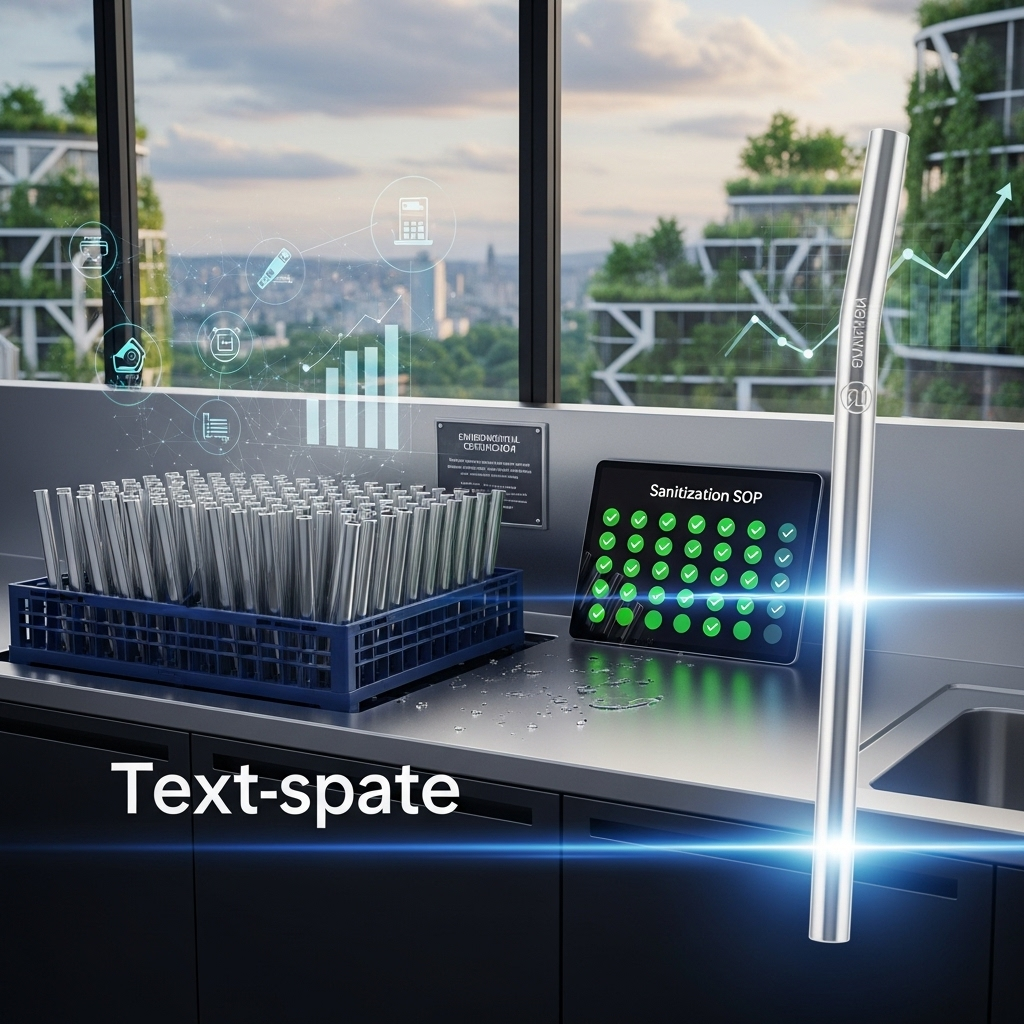
Implementing a high-impact reusable boba straw program hinges on two core components: a robust cleaning Standard Operating Procedure (SOP) and a seamless deposit turnaround model. For commercial use, thorough cleaning is paramount. The essential steps include pre-rinsing to remove immediate debris, washing with specialized brushes and appropriate detergents, a meticulous rinse, and effective sanitizing—either through hot water immersion (e.g., 160°F / 71°C or above for at least 30 seconds) or chemical sanitization using approved commercial food-grade sanitizers. Adherence toFDA Food Code standardsis non-negotiable, with commercial dishwashing offering superior hygienic safety. Key hygiene concerns, such as preventing bacterial buildup, the challenges of cleaning opaque materials, and the absolute necessity of proper staff training, must be rigorously addressed. Drawing inspiration from initiatives like the University of California, Santa Barbara’s (UCSB) reusable container program, a centralized, commercial dishwashing approach ensures optimal sanitization and operational efficiency.
Complementing this, a well-designed deposit-return system incentivizes customer returns. This model involves a small, refundable fee charged at the point of purchase, which encourages high return rates, significantly reduces waste and litter, and enhances consumer engagement. Successful adaptations from broader food service, such as Canva’s Huskee system or Blenheim Palace’s tech-based return trial, and South Korea’s disposable cup deposit scheme, demonstrate the viability of such programs. Logistical considerations, including designated collection points, efficient washing infrastructure, and the potential role of tracking technologies like RFID or QR codes, are crucial for a smooth operation.
Quantified Benefits for Hospitality & Foodservice
- Cost Savings: Reduce straw procurement costs by up to 70% annually after initial investment, based on a 150-use lifespan per straw.
- Waste Reduction: Eliminate thousands of single-use plastic straws from landfills and oceans daily, significantly improving environmental footprint.
- ブランドイメージの向上: Boost customer loyalty and attract eco-conscious consumers, potentially increasing sales by 10-15% through visible sustainability efforts.
- 規制遵守: Future-proof operations against evolving plastic bans and avoid potential fines, ensuring uninterrupted service.
- Operational Efficiency: Streamline waste management and reduce labor associated with handling single-use disposables.
ROI Table: Reusable Boba Straw Program vs. Single-Use
| 特徴 | Single-Use Plastic Straws | Commercial Reusable Boba Straw Program |
|---|---|---|
| Initial Cost | Very Low (1-3 cents/straw) | Moderate (Upfront investment in straws, cleaning equipment) |
| Ongoing Cost | High (Continuous procurement, waste disposal fees) | Low (Utilities for washing, occasional replacement) |
| 環境への影響 | High (Pollution, microplastics, carbon footprint) | Low (Reduced waste, lower long-term carbon footprint) |
| ブランド認識 | Negative/Neutral (Associated with pollution) | Positive (Eco-conscious, innovative, responsible) |
| コンプライアンスのリスク | High (Subject to increasing bans and regulations) | Low (Proactive compliance, future-proof) |
| Operational Complexity | Low (Discard & replace) | Moderate (Cleaning SOP, return logistics, staff training) |
While single-use plastic straws boast the lowest upfront cost (approx. EUR 0.30/year), they carry the highest long-term environmental and disposal burdens. Conversely, reusable stainless steel straws, though having a higher initial cost, become economically favorable over time (approx. EUR 2.81/year), with environmental benefits realized after significant reuse (e.g., 130 uses to offset production impact). This analysis clearly reveals the long-term savings and environmental advantages of reusables over perpetual single-use procurement. The global reusable straw market was valued at approximately USD 2.2 billion in 2023 and is projected to reach between USD 4.0 billion and USD 4.5 billion by 2033, showcasing a clear market shift. North America remains a leading region, with approximately USD 0.85 billion in 2024, driven by strict regulatory frameworks and high consumer awareness, while Europe follows with USD 0.67 billion, fueled by comprehensive EU regulations.
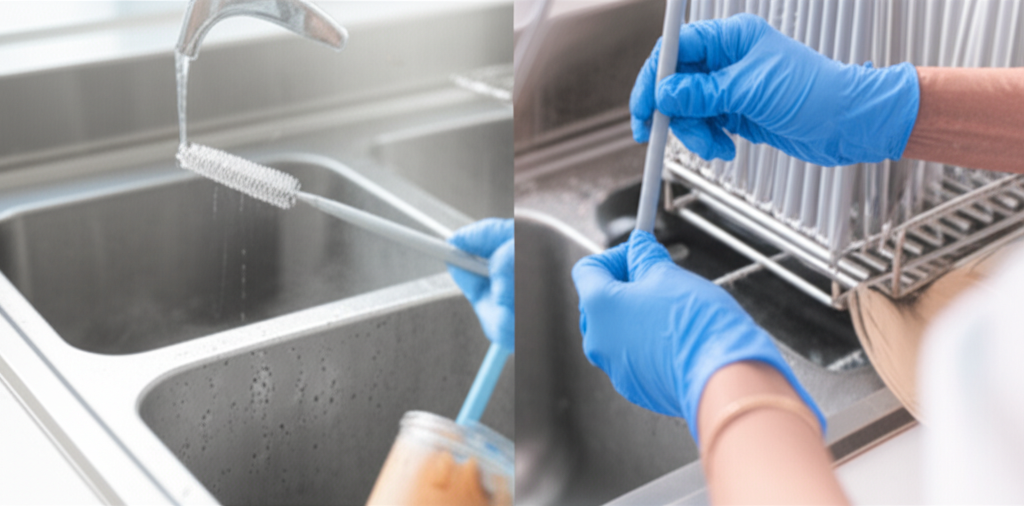
Reusable boba straw programs, supported by robust cleaning SOPs and deposit models, offer significant ROI through cost savings, waste reduction, and enhanced brand value.
Industry Misconceptions & Clarifications
Dispelling myths about reusable boba straws is crucial for successful program implementation and adoption.
Myth: Paper and PLA straws are truly sustainable alternatives for boba.
Clarification:While often marketed as eco-friendly, paper straws frequently degrade quickly in boba drinks, affecting taste and user experience, leading to customer dissatisfaction. PLA (polylactic acid) straws, derived from renewable resources, require specific industrial composting facilities to break down, which are scarce in many regions. If not composted correctly, PLA straws end up in landfills, where they behave much like traditional plastics. For boba, their wider diameter often makes them less durable than standard paper straws, exacerbating the issue. True sustainability for boba requires durable, reusable solutions that can withstand repeated commercial cleaning and use.
Myth: Reusable straws are unhygienic and difficult to clean in a commercial setting.
Clarification:With proper Standard Operating Procedures (SOPs) and commercial-grade dishwashing equipment, reusable boba straws can be cleaned to the highest hygiene standards, often surpassing manual cleaning. Adherence to FDA Food Code standards and utilizing high-temperature sanitization or approved chemical sanitizers ensures safety. The key is a well-designed system, dedicated cleaning tools, and thorough staff training, making them a safe and viable option for high-volume operations.
It’s a misconception that paper and PLA straws are universally sustainable for boba; true sustainability and hygiene are achieved through well-managed reusable programs.
B2B Customization & Supply Chain Optimization
Optimizing supply chains for reusable boba straws involves strategic procurement, branding, and efficient logistics.
Strategic advantage is also gained through enhanced brand value. A visible commitment to sustainability significantly improves brand perception, fosters deeper customer loyalty, and provides crucial market differentiation. This is particularly true in regions like the US and Europe, where environmental concerns heavily influence consumer purchasing decisions.
Partnering for a sustainable boba future means embracing cutting-edge reusable boba straw innovations designed for commercial scale. This includes collapsible designs like the Bobbleware Sip™ for ultimate portability, optimized wide diameters ensuring compatibility with tapioca pearls, and integrated cleaning tools to streamline post-use hygiene. Businesses can procure bulk reusable solutions crafted from durable and safe materials such as food-grade stainless steel, borosilicate glass, and flexible silicone, all offering longevity and safety. Custom-branded options further enhance identity and appeal, positioning your business as a leader.
Scenario-Specific Tips for Hospitality & Foodservice
- MOQ (Minimum Order Quantity): For large chains or high-volume cafes, negotiate bulk MOQs directly with manufacturers to reduce per-unit cost. Smaller businesses can leverage distributors specializing in sustainable foodservice supplies.
- Branding: Custom laser engraving or printing on reusable straws and their carrying pouches (if applicable) reinforces brand identity and promotes your sustainability commitment. Consider co-branding with local environmental initiatives.
- Logistics: Implement a closed-loop system for straw collection, washing, and redistribution. For multi-location businesses, centralize washing facilities or partner with commercial laundry services to optimize efficiency and reduce individual store burden.
- Inventory Management: Maintain adequate stock levels to account for straws in circulation, washing, and occasional loss/damage. Utilize tracking systems (e.g., simple count sheets or RFID for larger scale) to monitor inventory.

B2B customization and supply chain optimization for reusable boba straws involve strategic procurement, effective branding, and efficient logistics to maximize operational benefits.
Strong Call to Action
Transitioning to reusable boba straw programs is a strategic imperative for long-term viability and market leadership.
The food service industry is undeniably accelerating its shift towards a circular economy model, which minimizes waste and maximizes resource utility. Comprehensive reusable boba straw programs are not merely a cost center but a strategic competitive advantage. Future trends point towards advanced material science, automated collection and washing systems, and the integration of digital platforms for seamless deposit-return models. Proactive adoption of these innovative solutions positions businesses as frontrunners in a rapidly evolving market, ready to seize new opportunities.
The transition to reusable boba straw programs is no longer a choice but a strategic imperative for long-term viability and market leadership. By implementing robust cleaning SOPs, efficient deposit models, and leveraging favorable life-cycle costs, your business can achieve significant operational efficiencies, ensure regulatory compliance, and build an unassailable brand reputation. Act now: schedule a consultation with our experts to design a tailored reusable boba straw program that minimizes environmental impact, optimizes your operational costs, and positions your brand at the forefront of sustainable innovation.
Schedule Your Reusable Straw Program Consultation Today!
Embrace reusable boba straw programs as a strategic imperative to achieve operational efficiency, regulatory compliance, and market leadership in the evolving foodservice landscape.
よくある質問(FAQ)
1. How do reusable boba straw programs impact my operational costs long-term?
While there’s an initial investment in reusable straws and cleaning equipment, a well-managed program can significantly reduce ongoing procurement costs for single-use straws and waste disposal fees. Over a 1–3 year period, life-cycle cost analysis typically shows substantial savings, making it more economically favorable for high-volume operators.
2. What are the most effective cleaning methods for reusable boba straws in a high-volume commercial setting?
The most effective methods involve commercial dishwashers with high-temperature sanitization cycles (160°F / 71°C or above for at least 30 seconds) or chemical sanitization using approved food-grade sanitizers. Pre-rinsing and using specialized brushes for the wide boba straw diameter are crucial steps before machine washing.
3. How can a deposit-return model for boba straws be implemented smoothly to ensure high return rates?
Charge a small, refundable deposit at the point of purchase to incentivize returns. Support this with clear signage, convenient collection points, and a quick, hassle-free refund process—ideally using QR codes or app integration to streamline customer experience.
4. Are there specific materials for reusable boba straws that are better for commercial use?
For commercial use, food-grade stainless steel and borosilicate glass are highly durable and easy to sanitize. Flexible silicone options are also viable, offering safety and portability. Choose materials that can withstand repeated high-temperature washing and resist staining or odor retention.
5. What are the challenges of cleaning opaque reusable boba straws and how can they be addressed?
Opaque straws can hide residue, making visual inspection difficult. To address this, implement a rigorous cleaning SOP that includes pre-rinsing, specialized brushes for thorough scrubbing, and high-temperature or chemical sanitization. Regular spot checks and staff training are essential for maintaining hygiene standards.