サトウキビストロー vs. 竹: 決定版調達ガイド
The global business landscape is undergoing a profound transformation, driven by an urgent imperative for environmental stewardship. For procurement managers, operations directors, sustainability officers, and supply chain executives in the **hospitality & foodservice industries**, the choice of seemingly minor items, such as drinking straws, now carries significant strategic weight. Non-compliance with evolving sustainability mandates and a failure to meet shifting consumer expectations can lead to substantial operational and commercial repercussions, including regulatory fines, diminished brand value, and erosion of market share.
The Imperative for Sustainable Straws: Navigating Global Regulations & Market Shifts
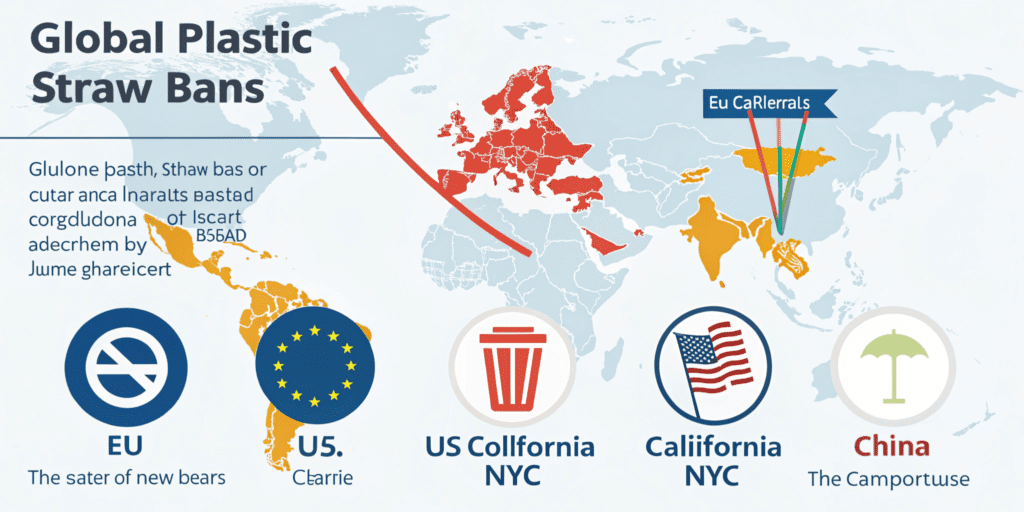
世界的な立法の推進により、無制限の使い捨てプラスチックの時代は急速に終焉を迎えています。 **EU プラスチック製品指令 2019** は、2021 年 7 月 3 日から使い捨てプラスチック ストローやその他の多くの品目を禁止したことで知られており、欧州連合内で事業を展開する企業は急速な方向転換を余儀なくされています。英国もこれに続き、2023年10月から独自に使い捨てプラスチックの禁止を実施した。大西洋を越えて、規制の状況は細分化されているものの、同様に影響を及ぼしている。 2025年3月現在、米国の19の州および準州が管轄区域全体で1つまたは複数の使い捨てプラスチックを禁止しており、米国内務省は2032年までに国立公園や公有地から使い捨てプラスチック製品を段階的に廃止する計画を立てている。世界的な事業展開や地域的な事業展開を行う企業にとって、規制順守は調達戦略において譲れない要素となっており、市場アクセスと事業継続に直接影響を与える。
この規制圧力は、説得力のある市場力学によって増幅されます。世界の環境に優しいストロー市場は、2035年までに251億米ドル近くに達すると予測されており、2025年の推定123億米ドルから7.3%の年平均成長率(CAGR)で堅調に成長すると予測されています。より具体的には、生分解性ストロー市場は2024年に403億6,700万米ドルと評価され、204,167米ドルまで急騰すると予測されています。 2031 年までに 10 億ドルに達し、22.46% という驚異的な CAGR を示しています。この爆発的な成長は、消費者心理に直接反応しています。現在、消費者の約 70% は、環境に優しいオプションを積極的に使用する企業を好みます。規制の執行と消費者の需要の急増という二重の圧力を無視することは、先進的な企業にとってもはや実行可能な選択肢ではありません。これは企業をコンプライアンスリスクにさらし、調達を複雑にし、顧客の認識に悪影響を及ぼし、最終的には競争上の優位性を損ないます。先進的なホスピタリティおよびフードサービス企業は、コンプライアンスを確保し、消費者の需要を満たすために、持続可能なストローを採用する必要があります。
詳細: サトウキビストロー – 農業廃棄物の利点
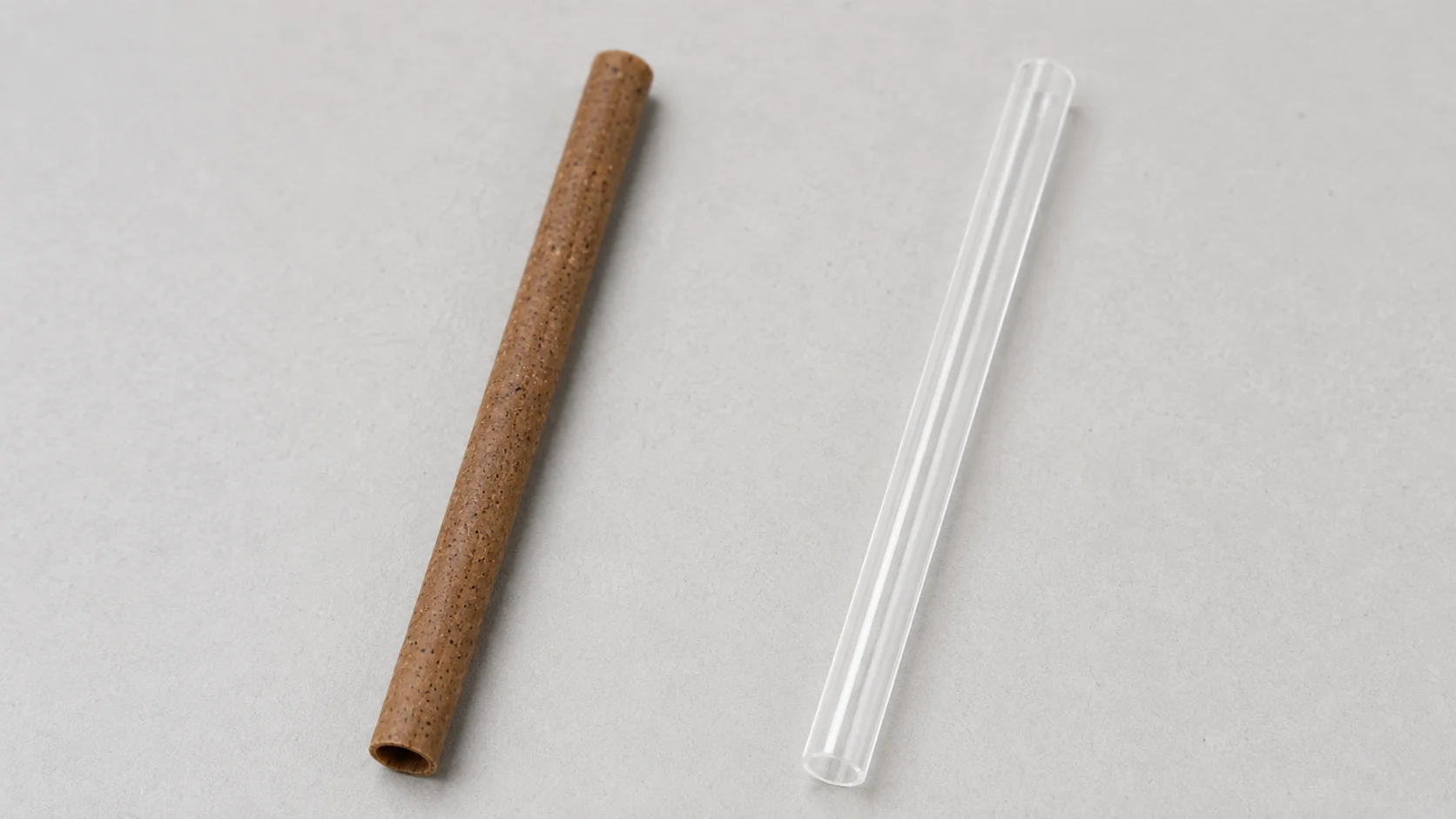
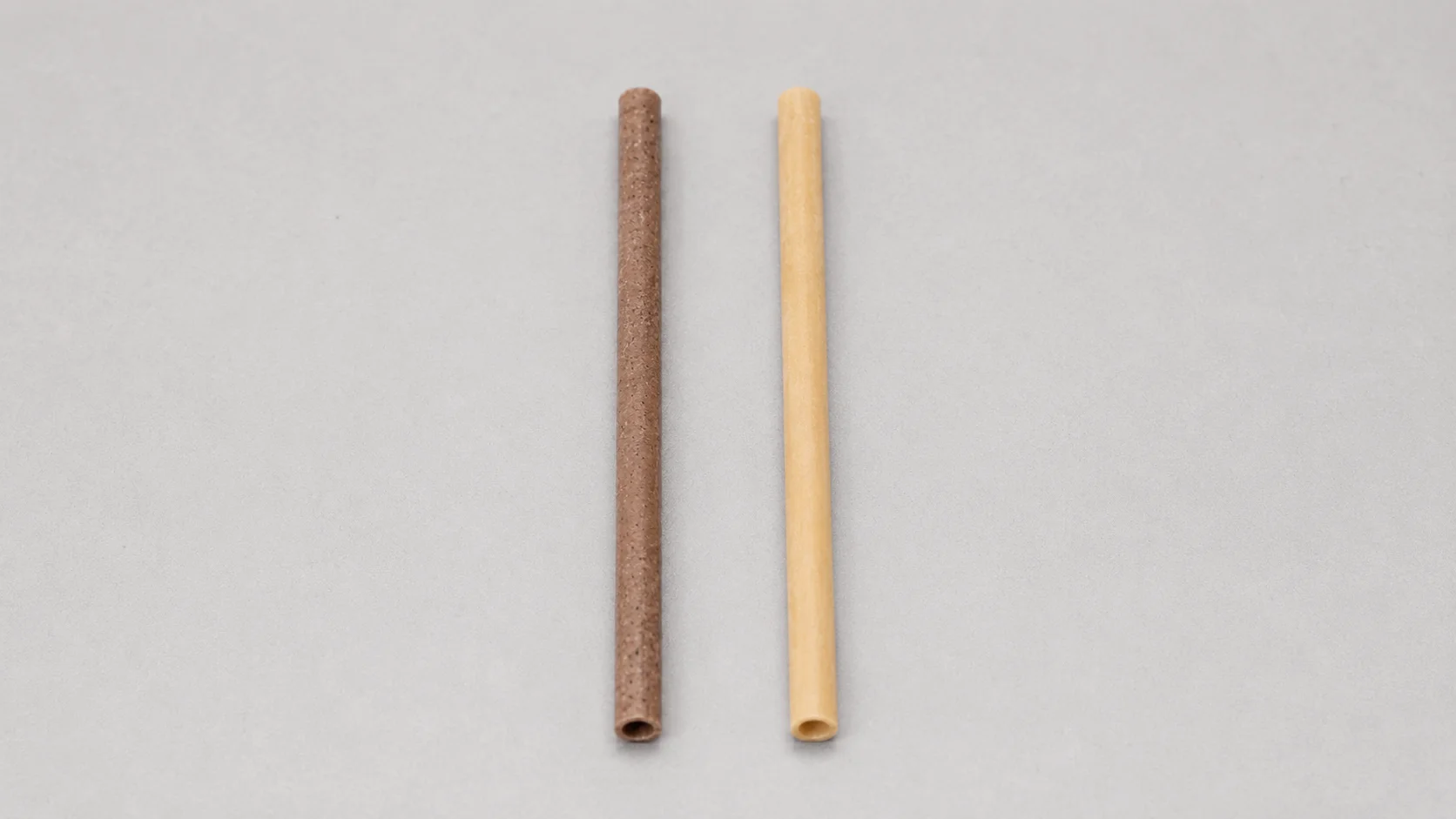
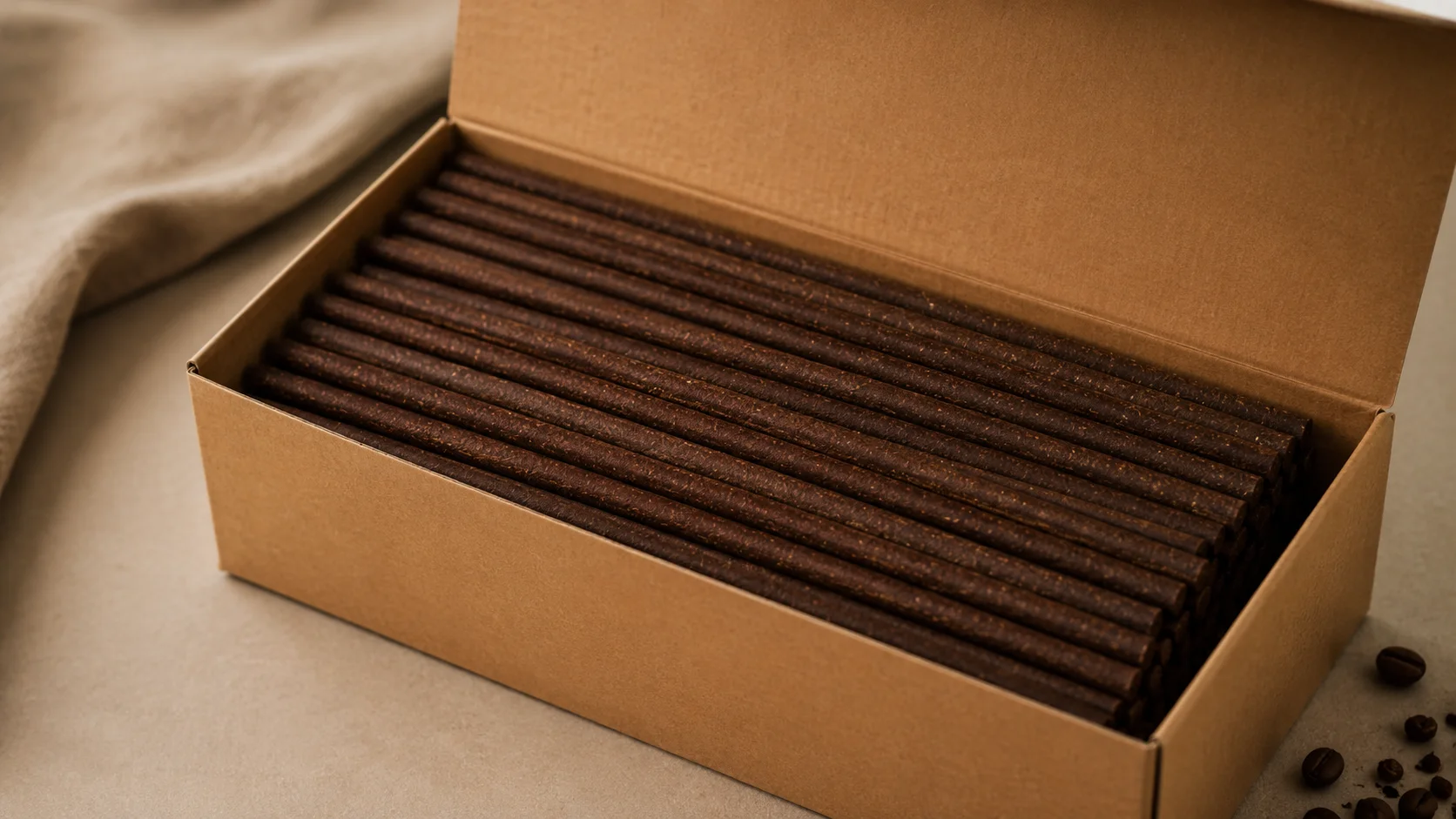
サトウキビストローは、持続可能な材料科学における大きな進歩を表しています。従来のプラスチックとは異なり、これらのストローはサトウキビの絞り汁を抽出した後に残る繊維状の副産物であるバガスから作られています。この革新的なアプローチは農業廃棄物を再利用し、潜在的な廃棄問題を貴重な再生可能な資源に変えます。
サトウキビのストローは 100% 植物由来であり、完全に生分解性で堆肥化可能です。主要な製品は通常、商業用堆肥化施設で 90 ~ 180 日以内に分解され、一部の製品は家庭用堆肥化にも認定されており、さらに合理化された耐用年数終了サイクルを提供します。性能の面では、耐久性と柔軟性が際立っており、最大 220°F (104°C) の熱い液体に浸しても濡れません。この回復力により、一貫した高品質のユーザー エクスペリエンスが保証されます。これは、初期の紙代替品に関連した「ふやけたストロー」の苦情を回避することを目的とする**フードサービスおよびホスピタリティ業務**にとって重要な要素です。重要なことは、評判の良いサトウキビのストローは、自然に無味無毒であり、BPA や PFAS (パーフルオロアルキル物質およびポリフルオロアルキル物質) などの有害な化学物質が明示的に含まれていないため、消費者の健康とブランドの完全性の両方を保護します。
調達専門家にとって、持続可能性の主張を検証するには認定が最も重要です。主要なサトウキビストローは、その環境と安全性を証明する一連の認証を取得しています。これらには、BPI Industrial、TUV OK Compost Home、米国 FDA の承認が含まれます。さらに、多くの製品はフッ素フリー、5 プラスチック フリー (PP、PE、PS、PVC、PET を含まないことを意味します)、PFAS フリーの認定を受けており、「永久化学物質」に対する堅牢な保証を提供します。 AS5810 (家庭用) や AS4736 (商業用) などの世界的な堆肥化基準への準拠は、真の環境への影響を示す重要な指標です。真に持続可能な調達を選択するには、これらの認証を理解することが不可欠です。これらの革新的なソリューションが持続可能なフードサービスの未来をどのように形作るかについてさらに詳しく知りたい場合は、次の記事をご覧ください。サトウキビストローと持続可能な食品サービスの未来。
現実世界への影響: サトウキビわらのケーススタディ
持続可能な代替手段への移行には多くの場合、認識される課題が伴いますが、実際のアプリケーションでは大きなメリットが実証されています。持続可能なストローの著名なプロバイダーである Strwd は、説得力のある事例を提供しています。 Strwd は初年度に、60 の拠点で 500,000 本を超える紙ストローをサトウキビの代替品に置き換えることに成功しました。この取り組みは、プラスチック廃棄物の大幅な削減につながっただけでなく、大量の商業環境におけるサトウキビストローの運用可能性と優れた性能を証明しました。このような移行は、企業が業務効率や顧客満足度を損なうことなく、環境に重大な影響を与える可能性を浮き彫りにしています。サトウキビのストローは、耐久性があり、堆肥化可能で、PFAS フリーのソリューションを提供し、大量のおもてなしやフードサービスに最適です。
詳細: 竹ストロー – 再利用可能で自然な選択
竹の茎全体から作られた竹ストローは、もう一つの魅力的な持続可能な代替品です。竹は急速に再生可能な資源として知られており、栽培には最小限の水と農薬を必要とせず、本質的に環境に優しい素材です。竹ストローの主な利点は、その耐久性と再利用可能な設計にあります。適切な注意を払えば、これらのストローは何年も使用でき、使い捨て廃棄物に対する真の長期的な解決策を提供します。竹ストローは機能的な利点を超えて、ユニークで素朴で自然な美学を提供し、環境に配慮したブランドやオーガニックな感触を求める消費者に強くアピールします。
しかし、竹ストローを調達するには、特に衛生状態と PFAS 汚染の可能性に関する課題を慎重に検討する必要があります。ベルギーの憂慮すべき研究により、テストされた竹ストローブランドの80%にPFASが存在することが明らかになり、これらの「永遠の化学物質」について重大な危険信号が提起されました。この発見は、普遍的に安全で環境に優しい選択肢としての竹の見方を複雑にし、サプライヤーの厳格な審査を要求します。
さらに、竹は多孔質であるため、カビや細菌の繁殖を防ぐために、専用のブラシを使ったこまめな掃除と完全な乾燥が必要であり、これは企業にとって重要な運営上の考慮事項です。厳密な洗浄手順が不可欠な商業環境では、実際の寿命は予想よりも短くなり、多くの場合 2 ~ 3 か月の範囲になります。この商業寿命の短縮は年間コストの上昇につながる可能性があり、ある分析ではストロー1本あたり年間コストが7.97ユーロであるとされており、売上高の多い環境では一部の使い捨て代替品よりもコスト効率が低くなる可能性があります。一部のユーザーは、マイルドで自然な「木のような」味が飲み物に移ると報告しています。これは、微妙ではありますが、デリケートな飲み物の顧客体験に影響を与える可能性があります。Bamboo straws offer reusability and natural aesthetics but require careful hygiene and vetting for PFAS contamination.
Procurement Insights: Sugarcane vs. Bamboo – A Strategic Comparison
Choosing between sugarcane and bamboo straws requires a nuanced, data-driven approach tailored to a business’s specific operational needs and sustainability goals. Each material presents distinct advantages and drawbacks, and the optimal choice often hinges on factors such as intended use, disposal capabilities, and desired brand image.
Feature-by-Feature: B2B Operational Impact & ROI Potential
| 特徴 | B2B運用上の影響 | コンプライアンスノート | ROIポテンシャル |
|---|---|---|---|
| 材料 | サトウキビ繊維/バガス (再利用された農業廃棄物) と丸ごとの竹の茎 (急速に再生可能な資源)。サトウキビの生産は農業廃棄物を再利用し、循環経済モデルを支援します。竹には自然な魅力があり、多くの場合手作りされています。 | どちらもプラスチック禁止の遵守をサポートしています(EU SUPD、英国の禁止、米国の州レベルの規制など)。第三者認証を確実に取得します(例: サトウキビの場合は BPI、竹の調達については FSC)。 | プラスチック廃棄物処理料金の削減。環境意識の高いリーダーとしてのブランドイメージを向上させました。 |
| 再利用性 | サトウキビ: 主に使い捨てで、大量の作業で労力を要する洗浄や保管が不要になります。竹: 再利用できるように設計されており、堅牢な洗浄プロトコルと衛生管理のための専任スタッフのトレーニングが必要です。 | サトウキビ: 堆肥化可能性を確保しながら、使い捨て規制の順守を簡素化します。竹: 再利用するには厳格な衛生基準を遵守する必要があります。 | サトウキビ: 直接的な運用コストが削減されます (清掃労働が不要、きれいなストローを個別に補充する必要がありません)。竹: 細心の注意を払って管理され、何百回も再利用された場合、非常に長期にわたる使用ごとのコストが低くなります。 |
| 耐久性 | サトウキビ: 湿気に強く、温度変化 (最大 220°F/104°C) で完全性を維持し、環境に悪影響を与えることなくプラスチックのように一貫した性能を発揮します。竹: 丈夫ですが、商業的に頻繁に使用するとひび割れや裂けが発生する可能性があり、工業製品よりも安定性に劣ります。 | サトウキビ: 一貫したパフォーマンスにより、顧客からの苦情や失敗したストローによる無駄が最小限に抑えられ、品質基準への準拠がサポートされます。竹: 消費者の不満や無駄につながる可能性のある問題を防ぐために品質管理が必要です。 | サトウキビ: 一貫した信頼性の高いパフォーマンスによる顧客満足度の向上。予約の数が減ります。早期に廃棄されたストローからの廃棄物を削減します。竹: 長持ちさせるには細心の注意が必要で、忙しい商業環境では耐久性の利点が相殺される可能性があります。 |
| 味・匂い | サトウキビ: ニュートラルな味わいで、飲料の風味を変えません。高級飲料や敏感な顧客の味覚に不可欠です。竹: マイルドな自然の味わいは、繊細な風味に微妙に影響を与える可能性があり、グルメ飲料の潜在的な懸念事項となります。 | どちらも、適切に製造され洗浄されていれば(竹の場合)食品安全基準を満たすことができます。 | サトウキビ: 味の中立性が優れているため、顧客満足度が高く、ブランドの評判が高い。味への影響に基づいて苦情や再盛りを最小限に抑えます。 |
| 廃棄 | Sugarcane: Commercial & home compostable (2-4 months); transforms into nutrient-rich soil. Offers a clear, eco-friendly end-of-life solution reducing landfill burden. Bamboo: Biodegradable, but may require industrial composting for efficient breakdown; slower decomposition than sugarcane. | サトウキビ: 厳しい堆肥化可能性認定 (AS5810、AS4736、TUV OK 堆肥) を満たしています。竹: 生分解性はさまざまです。適切な廃棄を確保するには、地域の堆肥化インフラを慎重に検討する必要があります。 | サトウキビ: 耐用年数終了サイクルがより簡単かつ迅速になります。埋め立ての負担とそれに伴う廃棄物処理費用を削減します。循環経済の認証を強化します。竹: 適切に堆肥化されていない場合、埋め立て問題を引き起こす可能性があります。 |
| コスト (ユニット/前払い) | Sugarcane: More affordable in bulk per unit, ideal for high-volume, single-use environments. A plant-based PLA straw (similar category) costs ~$0.24 compared to ~$0.052 for plastic. Bamboo: Higher initial cost due to handcrafted production, but reusable over time. | Cost-effectiveness needs to align with budget and waste reduction goals. | Sugarcane: Suitable for high-volume, quick-turnover environments; lower initial investment for large-scale adoption. Bamboo: Higher initial outlay; long-term savings for consistent, disciplined reuse. |
| PFAS リスク | サトウキビ: 主要ブランドは PFAS フリーを主張し、フッ素フリーの認定を受けています。規制リスクと風評リスクを軽減するために重要です。竹:ベルギーの研究では、検査されたブランドの80%にPFASが検出され、「永遠の化学物質」について大きな懸念が生じています。 | サトウキビ: 新たな PFAS 規制と消費者の安全への期待への準拠。 Bamboo: PFAS フリー認証を確実にするには厳格な審査が必要です。そうしないと、コンプライアンスや評判に重大な損害を与える危険があります。 | サトウキビ: PFAS 汚染による規制/風評リスクを軽減し、消費者の信頼と市場アクセスを強化します。竹: PFAS にさらされる可能性があると、製品のリコール、罰金、深刻なブランドの毀損につながる可能性があります。 |
竹やサトウキビのオプションを含む、持続可能なホスピタリティのための調達に関するより包括的なガイドについては、竹サトウキビの持続可能なホスピタリティ調達ガイド。持続可能なストローを戦略的に調達するには、素材、再利用性、耐久性、味、廃棄、コスト、PFAS リスクを評価する必要があります。
持続可能なストロー調達における採用障壁の克服
Despite the clear environmental and ethical drivers, several barriers can impede the widespread adoption of sustainable straws in B2B settings. One significant hurdle is the perception of higher procurement costs. Indeed, while single-use plastic straws might cost around $0.052, a plant-based alternative, like a PLA straw, can be approximately $0.24—a substantial difference for high-volume operations. This cost disparity demands a shift in perspective from unit price to total cost of ownership, factoring in environmental impact, brand value, and regulatory compliance.
Customer experience is another critical consideration. Early iterations of paper straws, for example, often suffered from the “soggy straw” phenomenon, leading one major Quick Service Restaurant (QSR) chain to experience a 15% decrease in positive beverage reviews after switching. This highlights the importance of selecting high-performance sustainable alternatives that do not compromise the end-user experience.
Furthermore, the complexities surrounding disposal can create confusion and undermine environmental efforts. Many “compostable” options, like PLA, require specific industrial composting facilities to break down effectively. With only approximately 15% of U.S. composting facilities accepting bioplastics, many such items still end up in landfills, where they can take centuries to decompose and may even release potent greenhouse gases like methane. This underscores the need for clear communication and access to appropriate disposal infrastructure.
Navigating the supply chain for bio-based straws also presents complexities. While the global biodegradable straws market was valued at USD 41,521.6 million in 2024, indicating robust supply, logistical challenges, such as long transport routes from Asia for some bamboo products, can impact overall carbon footprint and lead times. Continuous innovation, however, is focused on reducing production costs and enhancing product performance to overcome these operational and supply chain hurdles.Overcoming sustainable straw adoption barriers involves addressing cost perception, ensuring customer experience, and clarifying disposal complexities.
Future Outlook: Innovations and Policy in the Sustainable Straw Market
The journey of drinking straws has been a long one, from Sumerian gold tubes in 3000 BCE to rye grass, then plastic, and now, a diverse array of sustainable materials. The future of the sustainable straw market is marked by relentless innovation and evolving policy landscapes. We are witnessing the emergence of truly novel solutions, such as edible straws made from ingredients like wheat, rice, or pasta, offering a zero-waste solution. New bioplastics, including Polyhydroxyalkanoates (PHA), are also gaining traction, promising enhanced biodegradability and performance.
Experts project the eco-friendly straw market to grow from $1.8 billion in 2023 to $5.1 billion by 2030, according to the *Journal of Industrial Ecology*. This exponential growth will be fueled by continuous advancements in material science, leading to more durable, cost-effective, and truly compostable solutions. Regulatory bodies are expected to intensify their focus, not just on banning single-use plastics, but on scrutinizing the entire lifecycle of alternatives, particularly concerning PFAS and genuine biodegradability.
Procurement teams are uniquely positioned to act as catalysts for this greener supply chain. By proactively seeking and demanding truly sustainable materials, they can drive innovation and adoption throughout the industry. While plastic straw bans represent a tiny fraction (less than 1%) of overall plastic pollution, they serve as a critical entry point for businesses to engage with broader sustainability initiatives and reduce their environmental footprint. Strategic procurement of eco-friendly products like sugarcane straws fosters a positive cycle of demand and innovation, pushing the entire market towards more sustainable practices. Read more about how procurement can drive sustainability in hospitality by reviewing this resource onsustainable straws in hospitality。The sustainable straw market is rapidly evolving with innovations and policies driving demand for truly eco-friendly solutions.
Competitive Advantage & Business Case
For B2B decision-makers, the shift to sustainable straws is more than just compliance; it’s a profound opportunity to establish a competitive advantage and bolster the business case for environmental responsibility. Quantifiable benefits include:
- コスト削減: While initial unit costs may be higher, adopting genuinely compostable solutions like sugarcane straws can lead to significant long-term cost savings by reducing waste disposal fees, which are increasingly tied to volume and type of waste. Avoiding regulatory fines for non-compliance further safeguards profitability.
- リスクの軽減: Proactively transitioning to PFAS-free and fully certified compostable straws insulates your brand from future regulatory crackdowns and potential litigation related to environmental and health concerns. This foresight minimizes operational disruptions and protects against reputational damage.
- ブランド価値の向上: In an era where consumers and corporate partners prioritize sustainability, a demonstrable commitment to eco-friendly practices enhances brand perception, attracts a growing segment of environmentally conscious customers, and improves employee morale and retention. This can translate directly into increased market share and stronger customer loyalty.
- 市場シェアの機会: By leading the charge in sustainable procurement, businesses can differentiate themselves in a crowded market. This positions them as innovators and responsible corporate citizens, opening doors to new partnerships, tenders, and customer segments that value environmental alignment. The projected multi-billion dollar growth in the eco-friendly straw market signals a clear opportunity for market leadership for those who act decisively.
Adopting sustainable straws offers significant competitive advantages, including cost savings, risk mitigation, and enhanced brand value.
結論
Choosing between sugarcane and bamboo **drinking straws** requires a nuanced **procurement guide** approach, weighing operational demands against unwavering environmental commitments. **Sugarcane straws** offer a reliable, compostable single-use solution, minimizing hygiene concerns and simplifying disposal for high-volume settings, while explicitly avoiding PFAS and repurposing agricultural waste. **Bamboo straws** excel in reusability and natural aesthetics, ideal for lower-volume applications where cleaning protocols can be meticulously managed, despite potential PFAS concerns and shorter commercial lifespans in demanding environments.
The market is clearly moving towards sustainable alternatives, driven by both legislation and consumer demand. Embrace this shift now. Request a comprehensive sample pack of certified PFAS-free sugarcane straw varieties today to assess their superior performance and secure your supply chain before regulatory pressures tighten further and competitors seize market advantage.Request a Sample Pack Today
よくある質問
Q: Why should hospitality businesses switch to sugarcane straws?
A: Sugarcane straws offer superior durability, remain taste-neutral, are 100% compostable, and repurpose agricultural waste, enhancing your brand’s sustainability without compromising customer experience.
Q: Are sugarcane straws truly compostable in commercial settings?
A: Yes, leading sugarcane straws are certified for commercial composting (e.g., AS4736, BPI Industrial), breaking down within 90-180 days into nutrient-rich soil, reducing landfill burden.
Q: How do sugarcane straws compare to bamboo straws for hygiene in foodservice?
A: Sugarcane straws are single-use and non-porous, simplifying hygiene. Bamboo straws, while reusable, require meticulous cleaning and drying to prevent mold and bacterial growth, which can be challenging in high-volume foodservice.
Q: What are the cost implications of switching to sustainable straws for a large hotel chain?
A: While unit costs might be higher than plastic, sugarcane straws offer long-term savings by reducing waste disposal fees, avoiding regulatory fines, and boosting brand value, leading to increased customer loyalty and market share.
Q: Are sugarcane straws free from harmful chemicals like PFAS?
A: Yes, reputable sugarcane straw brands are certified PFAS-free and Fluorine-Free, ensuring consumer safety and mitigating regulatory and reputational risks for your business.