より環境に優しい未来を推進する: 卸売業者が環境に優しい食品サービス市場をどのように征服できるか
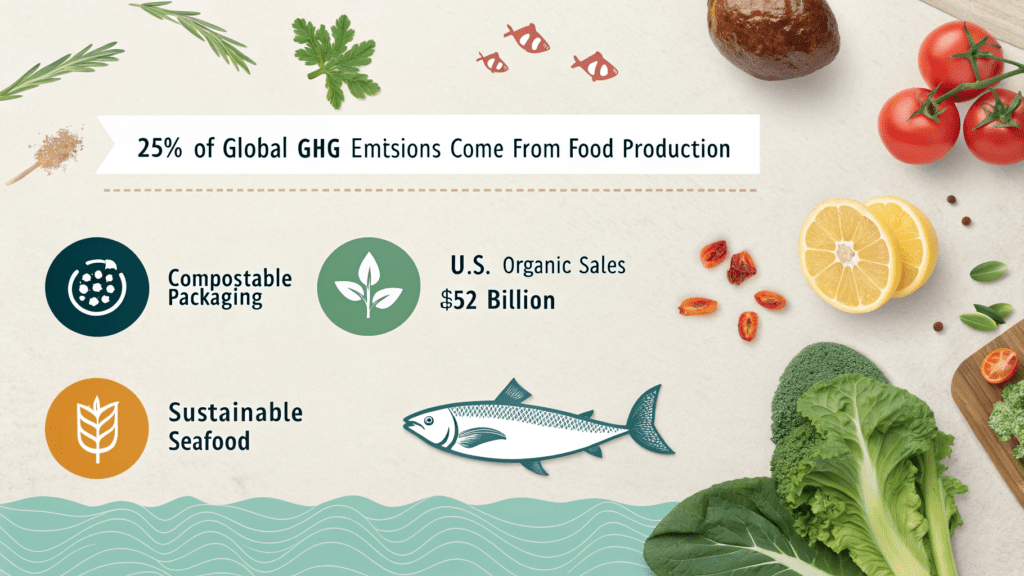
世界の外食産業は重大な岐路に立っており、持続可能性を受け入れるという前例のないプレッシャーに直面しています。と 米国の本業売上高は2021年に推定520億ドルに達し、食品小売売上全体の5.5%を占める、環境に配慮したオプションに対する消費者の需要は単なる傾向ではなく、戦略的な義務です。この変化は、次のような厳しい現実によって増幅されます。 食料生産だけでも世界の温室効果ガス (GHG) 排出量の約 25% を占めています、消費者と機関の両方がより環境に優しい実践を要求するよう強いられています。
調達マネージャー、業務ディレクター、サステナビリティ責任者、サプライチェーン幹部にとって、この大きな変化を無視することは、重大な業務上および商業上のリスクを伴います。進化する環境規制への違反、消費者の監視の強化、気候変動によるサプライチェーンへの目に見える影響は、収益性と市場の関連性に直接的な脅威をもたらします。逆に、卸売業者は、環境に配慮した生産者と急速に拡大する食品サービスの顧客基盤の橋渡しをする、この移行期の要となる独自の立場にあります。持続可能性を中核事業に積極的に組み込むことで、卸売業者は倫理的な購入者の期待に応えるだけでなく、重要な競争上の優位性を解き放ち、ブランドの評判を高め、混雑した市場で新たな価値の高い顧客を引き付けることができます。
Strategic Sourcing: Cultivating a Greener Product Portfolio for the Eco-Friendly Foodservice Market
Tapping into the eco-friendly foodservice market begins with a robust and transparent sourcing strategy. This involves a meticulous selection of products that meet rigorous environmental and ethical standards, directly addressing the growing demand for sustainable and traceable food.
Prioritizing Certified & Local Products for Market Credibility
Building trust and validating eco-friendly claims requires a commitment to certified products. Partnering with producers adhering to recognized third-party certifications like USDA Organic、持続可能な水産物の海洋管理評議会(MSC)、または倫理的に調達された商品のフェアトレードは、環境および社会的責任の検証可能な証拠を提供します。これらの認証は単なるラベルではありません。これらは、農場から食卓まで製品が厳しい基準を満たしていることを保証するもので、食品サービスのクライアントが自信を持って自社の顧客に持続可能な製品を販売できるようになります。
認証を取得するだけでなく、地元での調達を重視することは強力な差別化要因となります。ディストリビューターのような 非営利団体である Common Market は、300 以上の持続可能な家族農場を学校、病院、大学などの機関と結びつけることに成功しています。。このモデルは、長距離輸送に伴う二酸化炭素排出量を削減するだけでなく、地域経済をサポートし、より新鮮な食材を確保します。消費者として 2025 年には、自分たちの食べ物の起源と持続可能性を理解することをますます好むようになる、サプライチェーンの透明性とトレーサビリティを確保することが最も重要になります。これにより、製品の原産地、農業慣行、環境影響データに関する詳細な情報を提供することで、食品サービスの顧客との信頼を築くことができます。
サステナブルな製品カテゴリーを多様化し、より幅広い訴求力を実現
包括的な環境に優しいポートフォリオは、オーガニック農産物だけにとどまりません。卸売業者は、植物由来の代替品から革新的なパッケージに至るまで、さまざまな持続可能性の側面に対応する多様な製品を提供する必要があります。
Curate a broad assortment of quality fresh, natural, organic, and specialty products to align with ethical buyer expectations. This includes expanding into functional foods, plant-based, and alternative protein sources, reflecting the significant growth in “flexitarian” diets and consumer interest in health and sustainability. For instance, the interest in plant-based and alternative proteins is expected to continue in 2025, presenting a substantial market opportunity.
Furthermore, a critical area of diversification is sustainable foodservice packaging. Offer a comprehensive selection of compostable, recycled, and reusable items, including popular brands like 再生可能な植物材料から作られたGreenStripe®製品と、使用済みのリサイクルコンテンツから作られたBlueStripe™製品、どちらもエコプロダクツが提供しています。持続可能な包装ソリューションで革新します。 Ingeo バイオベース素材これにより、従来のプラスチックへの依存が軽減され、環境に優しい包装に対する消費者の需要の高まりに対応できます。次のような代替手段を提供する レストラン向けの環境に優しいストロー クライアントが独自の持続可能性目標を達成し、進化する使い捨てプラスチック規制に準拠するのに大きく役立ちます。
サステナビリティの運用: グリーン物流で卸売業者の物流を変革
Strategic sourcing must be complemented by sustainable operational practices. Green logistics, which focuses on minimizing the environmental impact of supply chain activities, is no longer a niche concept but a core component of competitive wholesale distribution.
Optimizing Energy & Fleet Efficiency for Reduced Carbon Footprint
The operational footprint of a wholesale business—from warehousing to delivery—offers substantial opportunities for carbon reduction and cost savings.
Investing in energy-efficient warehousing 基礎的なステップです。 LED 照明、スマート HVAC システム、センサー付き電動ローラー シャッター ドア、プラスチック カーテン、蒸発冷却器などのソリューションを実装します。これらの技術により、冷却と照明のエネルギー消費が大幅に最小限に抑えられ、全体的な CO2 排出量が削減されます。たとえば、倉庫に電力を供給するためにソーラーパネルを設置すると、化石燃料への依存を大幅に減らすことができ、大手企業が設定したような世界的な持続可能性の目標に沿ったものになります。
配送車両の移行も大きな影響を与える分野です。に向かって移動 電気自動車(EV)またはバイオディーゼルバン 排気管の排出量と温室効果ガスの排出量を大幅に削減できます。冷蔵輸送の場合はご利用をご検討ください モーターレス冷凍ユニット on trucks and painting refrigerated vehicles white to reflect sunlight, thereby reducing cooling energy requirements. Route optimization software, leveraging AI and IoT, can further reduce fuel consumption and vehicle miles, leading to 10-20% fuel cost savings and lower maintenance. This efficient transportation and temperature control is critical for high-volume, short-shelf-life food products, reducing both environmental impact and operational costs.
Minimizing Waste Across the Supply Chain Through Sustainable Distribution
Food waste is a pressing global issue, with approximately 30-50% of produced food being wasted across the supply chain. Wholesalers have a pivotal role in mitigating this.
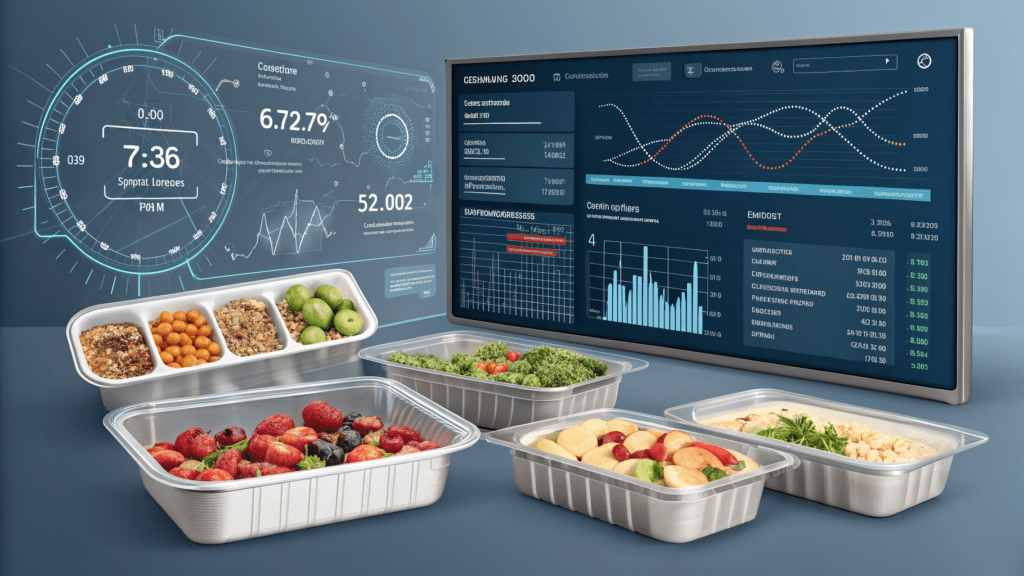
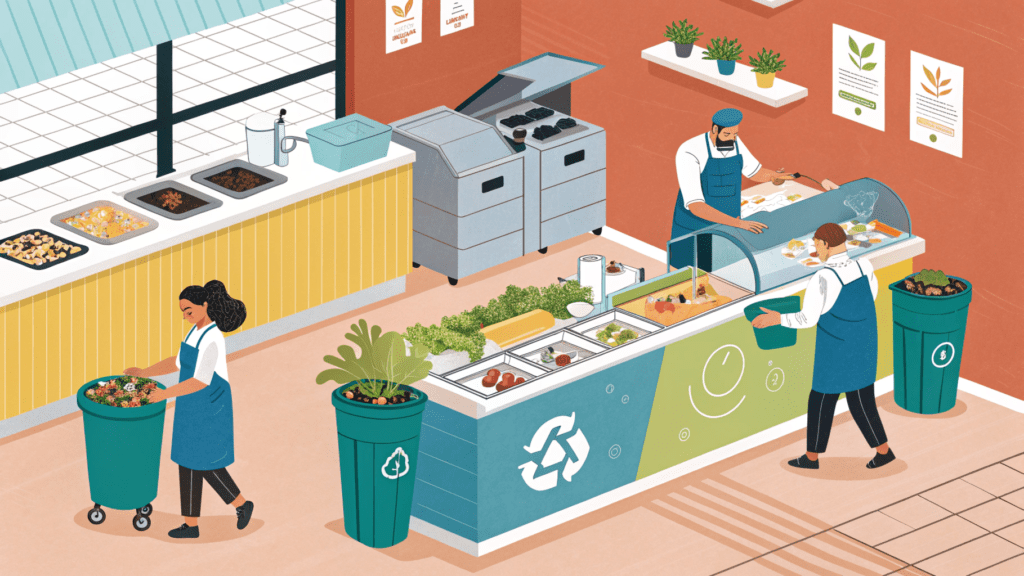
Adopt efficient inventory management and advanced demand forecasting using technology. Accurate data analytics can significantly reduce excess inventory and minimize food waste, helping clients prevent overstocking and spoilage. Beyond prevention, implementing composting and surplus food donation programs diverts edible food from landfills. Resources like the EPA’s Reducing Wasted Food & Packaging Toolkit provide invaluable guidance for commercial and institutional food services on tracking and reducing waste through improved stocking, handling practices, and staff training.
Prioritize recyclable, compostable, and biodegradable packaging solutions for all distributed products. This decreases reliance on landfill-bound plastic and aligns with evolving single-use plastic bans and waste diversion goals. Furthermore, utilize technology for continuous monitoring of storage conditions at wholesale stages to reduce food loss and waste, especially crucial for sensitive, short-shelf-life products.
| 特徴 | B2B運用上の影響 | コンプライアンスノート | ROIポテンシャル |
|---|---|---|---|
| Route Optimization | Reduced fuel consumption, fewer vehicle miles. | Aligns with emissions reduction targets (e.g., EU Green Deal). | 10-20% fuel cost savings, lower maintenance. |
| Electric Fleet Transition | Reduced tailpipe emissions, quieter operations. | Future-proofs against tightening emission regulations. | Long-term fuel savings, potential tax incentives. |
| Smart Warehouse Management | Minimized energy use for cooling/lighting, optimized space. | Supports ISO 14001 certification for environmental management. | 15-25% energy cost reduction, improved stock rotation. |
| Compostable Packaging Adoption | Reduced landfill waste, enhanced client appeal. | Meets evolving single-use plastic bans and waste diversion goals. | Reduced waste disposal costs, increased market share. |
Building Bridges: Collaborative Partnerships in the Eco-Friendly Foodservice Market
No single entity can transform the foodservice industry alone. Wholesalers thrive by fostering robust collaborative partnerships across the entire value chain, from farm to fork.
Connecting Farms to Fork: Fostering Regional Food Systems
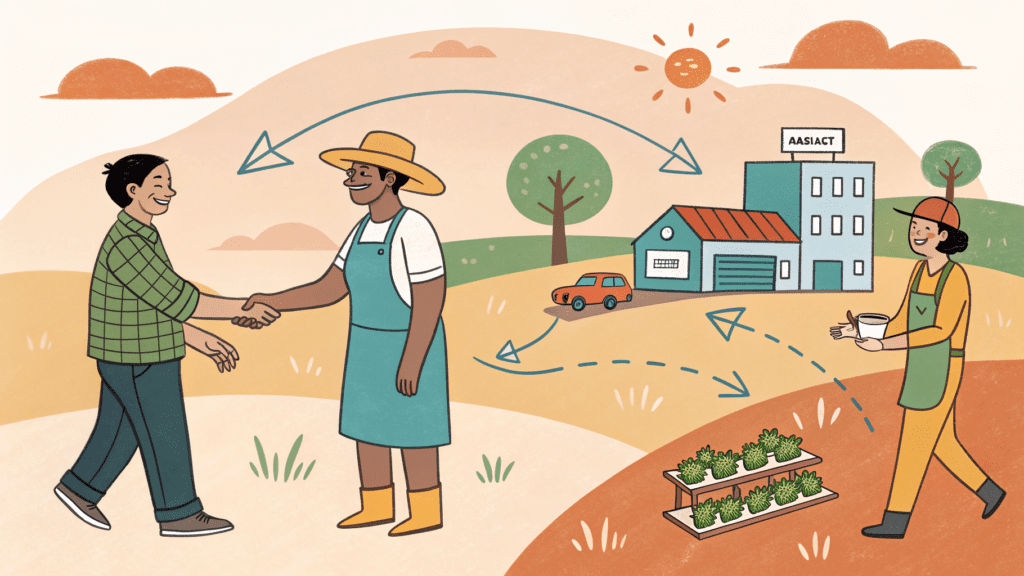
True sustainability in foodservice distribution requires building strong, resilient regional food systems. ミニケーススタディ: A prime example of this is The Common Market, a non-profit regional wholesale food distributor. They have successfully established direct connections between over 300 sustainable family farms 学校、病院、大学などの大規模な機関市場も含まれます。 The Common Market は、複数の地元農場からの製品を集約することで、大規模顧客への供給に必要な量と一貫性を確保し、個々の小規模農場に共通する障壁を克服します。このモデルはコミュニティ内で食糧資金を維持し、新たなビジネスチャンスを促進し、地域経済を強化します。同様に、 パラゴンフーズ は、地元の農家と Eat’n Park のようなレストラン チェーンを直接結び付けることで効果的なコラボレーションを実証し、持続可能な農産物の安定した供給を確保します。
These partnerships provide an essential blueprint for wholesalers: actively seeking out and nurturing relationships with local, sustainable producers. This not only reduces transportation emissions but also provides fresh, high-quality ingredients that appeal to a discerning, eco-conscious market.
Leveraging Industry Standards & Initiatives for Collaborative Impact
Beyond individual partnerships, engaging with broader industry initiatives and standards solidifies a wholesaler’s commitment to sustainability and demonstrates leadership.
Actively engage with industry-wide initiatives such as the Courtauld Commitment 2030 in the UK, which aims to reduce food waste, water usage, and greenhouse gas emissions across the food and drink supply chain. Participating in or aligning with frameworks like the Food Waste Reduction Roadmap demonstrates a commitment to collective action and industry-wide improvement.
Promote and prioritize products that carry recognized certifications, such as BPI certified compostable products。これらの認証は、多くの場合、業界団体や標準化団体によって支援されており、製品の環境保全性を顧客に保証し、信頼性と市場での地位を高めます。すべてのサプライヤーと協力して、サプライチェーン全体で持続可能性に対する共通の取り組みを実行します。この総合的なアプローチにより、栽培から配送までの製品ライフサイクル全体にわたって環境管理が確実に組み込まれます。強力で公平な関係を通じて、経済的にも環境的にも持続可能な生産を行う農家をサポートすることで、高品質で環境に優しい製品の安定した供給が保証されます。
Empowering Clients: Education, Transparency, & Technology for Sustainable Distribution
Your role as a wholesaler in the eco-friendly foodservice market extends beyond just supplying products; it involves empowering your clients to embrace and leverage sustainability themselves.
Educating Foodservice Partners on Green Benefits
多くの外食事業者はグリーン化に熱心ですが、知識やリソースが不足している可能性があります。環境に優しい商品の製品の原産地、認証、環境影響データに関する詳細な情報を提供することで、貴社を価値あるパートナーとして位置づけます。この透明性により信頼が構築され、クライアントは自信を持って持続可能な選択を自社の顧客に伝えることができます。
持続可能な食材をメニューに組み込み、環境に優しい選択肢を効果的にマーケティングするためのトレーニングとリソースをクライアントに提供します。廃棄物処理料金の削減や、強い環境イメージによる顧客ロイヤルティの向上など、環境に優しい実践に伴う長期的なコスト削減を実証します。たとえば、ライフサイクルと利点を説明すると、 堆肥化可能なわらの分解時間 can educate clients on tangible environmental impacts. Help them understand how a commitment to sustainable practices can meet their corporate environmental goals and resonate with their increasingly eco-conscious diners.
Harnessing Digital Innovation for Supply Chain Transparency & Green Logistics
The future of sustainable foodservice distribution is inextricably linked to technological advancement. Leveraging digital tools offers unparalleled opportunities for efficiency and transparency.
Harness AI and IoT for accurate demand forecasting, improved stock control, and real-time emissions tracking. Academic research in green logistics highlights how these technologies provide deeper insights into the supply chain, helping identify inefficiencies and optimize energy use. Utilizing integrated digital platforms not only allows you to reach a larger customer base but also significantly enhances traceability from farm to fork.
Smart food supply chain platforms can centralize dispersed data, optimizing logistics and ensuring a stable and sustainable food supply. This translates into improved supply chain efficiency, reducing the time between production and delivery for fresher ingredients and less waste. By embracing these innovations, you can offer clients not just products, but a pathway to a more transparent, efficient, and environmentally responsible operation.
グリーンの ROI: 環境に優しい食品サービス市場における卸売業者への具体的なメリット
環境に優しい食品サービス市場を受け入れることは、単なる倫理的な選択ではありません。それは定量化可能な投資収益率を伴う洞察力のあるビジネス戦略です。持続可能性をリードする卸売業者は、明確な競争力を獲得し、それが金銭的および評判の大幅な向上につながります。
Cost Savings & Competitive Advantage: エネルギー効率、廃棄物の最小化、輸送の最適化を絶え間なく追求することで、大幅なコスト削減を実現します。エネルギー効率の高い倉庫による光熱費の削減、廃棄物処理料金の削減、スマート ロジスティクスによる燃料消費の最適化は、収益に直接影響します。この運用効率により、目に見える競争力がもたらされ、健全な利益率を維持しながら競争力のある価格を提供できるようになります。
ブランドの評判の向上: In an era where consumers are increasingly factoring environmental impact into their purchasing decisions, demonstrating a verifiable commitment to environmental stewardship is a powerful brand builder. This attracts new, ethically aligned clients and significantly enhances customer loyalty among existing ones. A strong reputation as a sustainable wholesaler differentiates you in a crowded market and builds goodwill.
Increased Resilience: Building a sustainable supply chain inherently improves business resilience. By diversifying sourcing, optimizing resource use, and reducing waste, you become less vulnerable to supply chain disruptions, resource scarcity, and price volatility. Proactively addressing environmental factors prepares your business for future market shifts and enhances long-term stability.
Compliance with Regulations: The regulatory landscape surrounding environmental practices is continually evolving, particularly in the US and EU. By proactively meeting evolving environmental regulations and policies—such as single-use plastic bans or emissions reduction targets—you avoid potential penalties, fines, and reputational damage. Adopting sustainable practices positions you as a forward-thinking leader, fostering a positive public image and ensuring long-term market access.
結論
The eco-friendly foodservice market is not merely a trend but a transformative force reshaping the industry’s future. Wholesalers who strategically embrace sustainable sourcing, green logistics, collaborative partnerships, and digital innovation are positioned for significant growth and long-term success. By leading with purpose, you can unlock new revenue streams, strengthen your brand, and contribute to a more sustainable future.
Act now: Partner with eco-conscious suppliers and optimize your operations to capture your share of the rapidly expanding eco-friendly foodservice market. The time to build a resilient, responsible, and profitable wholesale enterprise is today.