Kun je suikerrietvezels kauwen of doorslikken?
Can you chew or swallow sugarcane fiber? This seemingly simple question holds a complex answer, revealing the remarkable dual nature of sugarcane fiber – from an ancient treat to a modern marvel of sustainability.
Beyond the Sweetness – Unveiling Sugarcane Fiber’s Surprising Role
Can you chew or swallow sugarcane fiber? Deze ogenschijnlijk eenvoudige vraag bevat een complex antwoord, dat de opmerkelijke tweeledige aard van suikerrietvezels onthult: van een eeuwenoude traktatie tot een modern wonder van duurzaamheid. Generaties lang genieten mensen over de hele wereld van suikerriet vanwege het zoete, verfrissende sap, een natuurlijk genot waar je van kunt genieten door eenvoudig en direct te kauwen. Toch vormt het vezelachtige residu dat achterblijft, bekend als bagasse, een unieke uitdaging voor ons spijsverteringsstelsel wanneer het in ruwe vorm wordt geconsumeerd.
Paradoxaal genoeg loopt juist deze vezel voorop in de milieuvriendelijke revolutie, die industrieën transformeert en duurzame praktijken herdefiniëert. Bedrijven, die steeds meer onder druk staan van consumenten en toezichthouders om groenere oplossingen te adopteren, ontdekken het diepgaande industriële potentieel van suikerrietbagasse. Het wordt opnieuw gebruikt, opnieuw ontworpen en opnieuw vormgegeven tot een waardevolle, milieubewuste hulpbron die echte duurzaamheid stimuleert.
In the following sections, we’ll discover why raw sugarcane fiber is best spit out after its sugary essence is enjoyed, and how, in its meticulously processed form, it becomes an indispensable, eco-conscious solution for businesses seeking true environmental leadership and high-performance, compliant packaging. This dual narrative of indigestible raw material versus industrial opportunity highlights the innovative path toward a more sustainable future.
The Indigestible Truth vs. The Industrial Opportunity
Understanding sugarcane fiber requires looking at its two distinct forms: the raw, unprocessed plant material and the industrially transformed derivative. For businesses aiming for sustainability, this distinction is critical for both consumer communication and product development.
The Raw Reality: Why Chewing is Different from Swallowing
The practice of enjoying fresh sugarcane is a vibrant cultural tradition in many parts of the world. It’s a simple pleasure that involves the direct interaction with the raw plant, but it comes with a crucial, biological caveat.
Chewing for Juice: A Cultural Delight with Clear Boundaries
Wanneer mensen op suikerriet kauwen, zijn ze in de eerste plaats bezig met een proces dat lijkt op het kauwen van kauwgom. Het doel is om het zoete, sappige sap te extraheren dat opgesloten zit in de taaie, vezelige stengels. Dit omvat een eerste voorbereiding: de stok grondig wassen, ongeveer 2,5 cm van elk uiteinde afsnijden om eventuele gedroogde of minder smakelijke delen te verwijderen, en vervolgens de buitenste schors afpellen. Eenmaal geschild en geportioneerd in hanteerbare stukken (meestal ongeveer 15 cm), wordt het binnenste, vezelige vruchtvlees gekauwd. Terwijl de tanden de celstructuur van de plant afbreken, komt het zoete sap vrij en kun je ervan genieten. Naast de heerlijke smaak kan dit traditionele kauwen zelfs voordelen bieden, zoals een natuurlijke tandreiniging dankzij de schurende werking van de vezel.
De onverteerbare barrière: waarom mensen ruwe vezels niet kunnen verwerken
Ondanks de zoetheid is het vezelige materiaal dat overblijft na het extraheren van het sap – bekend als bagasse – fundamenteel onverteerbaar voor de mens. De reden ligt in onze biologie. Suikerrietvezels bestaan voornamelijk uit sterke plantaardige celwandcomponenten: cellulose, hemicellulose en lignine. In tegenstelling tot herkauwers missen mensen de specifieke enzymen (zoals cellulase) die nodig zijn om deze complexe polysachariden af te breken tot opneembare suikers. Zelfs als de celwanden grondig worden afgebroken door krachtig kauwen, blijft de inherente chemische structuur van deze vezels resistent tegen menselijke spijsverteringsenzymen. Het is vergelijkbaar met het proberen houtpulp te verteren; Hoewel je erop kunt kauwen, beschikt je lichaam eenvoudigweg niet over de enzymatische machinerie om het in voedingsstoffen om te zetten.
Potentiële problemen met de spijsvertering: de risico's van het inslikken van rauwe bagasse
Gezien de taaie, stro- of zelfs houtachtige consistentie wordt het doorslikken van grote hoeveelheden ruwe suikerrietvezels over het algemeen niet aanbevolen. Hoewel kleine, onbedoelde hoeveelheden onschadelijk door het spijsverteringsstelsel kunnen gaan voor personen met een goede spijsvertering, kan het consumeren van aanzienlijke hoeveelheden leiden tot verschillende spijsverteringsproblemen. Deze kunnen variëren van ongemak en irritatie in de keel en het maagdarmkanaal tot, in ernstige en extreme gevallen, darmblokkades. De fysieke aard van de onverteerde vezels kan schurend en uitdagend zijn voor het lichaam om te verwerken en te elimineren, wat de traditionele wijsheid en de aanbeveling van deskundigen versterkt: na het extraheren van het zoete sap moet de vezelige bagasse worden uitgespuugd en op verantwoorde wijze worden weggegooid.
The Industrial Revelation: Sugarcane Fiber Reimagined
Hoewel rauwe bagasse een spijsverteringsprobleem voor de mens vormt, maken de inherente eigenschappen ervan het tot een buitengewone hulpbron wanneer het via industriële processen wordt omgezet. Deze verschuiving van een agrarisch bijproduct naar een hoogwaardige industriële grondstof ontsluit het enorme potentieel voor duurzame bedrijfsgroei.
Transformatie van Bagasse: van afval naar wondermateriaal
The “indigestible” bagasse is no longer a waste product. Instead, it undergoes sophisticated industrial processing, including pulping, pressing, and molding, to create a versatile material. This transformation gives sugarcane fiber a new life, turning it into a cornerstone of the eco-friendly packaging and disposable products sector. Its fibrous structure, which makes it challenging for human digestion, provides excellent strength and form stability in manufactured goods.
Beyond Diet: Health Benefits ofProcessedSugarcane Fiber
It’s important to distinguish the raw, indigestible bagasse fromprocessedsuikerrietvezels die worden gebruikt in voedingssupplementen. Wanneer suikerrietvezels worden verfijnd en verwerkt in specifieke voedingsproducten of supplementen (bijvoorbeeld poeders of capsules), kunnen ze aanzienlijke gezondheidsvoordelen bieden. Het is rijk aan zowel oplosbare als onoplosbare vezels en staat erom bekend de spijsvertering te bevorderen, de darmgezondheid te bevorderen door te fungeren als een prebioticum (het voeden van nuttige darmbacteriën), de regelmaat van de darmen te ondersteunen en constipatie te voorkomen. Bovendien kunnen verwerkte suikerrietvezels helpen bij gewichtsbeheersing door het gevoel van volheid te bevorderen en zijn ze in verband gebracht met een mogelijke verlaging van het LDL-cholesterolgehalte. Deze voedingscontext staat echter ver af van het ruwe, onbewerkte materiaal.
De krachtpatser voor ecologische verpakkingen: Bagasse voor duurzame oplossingen
The most impactful industrial application of sugarcane bagasse for businesses lies in its emergence as a premier material for eco-friendly, biodegradable, and compostable food packaging. This is where MOMOIO.com’s expertise shines. Sugarcane bagasse products boast an impressive array of properties that make them superior to conventional alternatives:
- Safe for Food Contact: Unlike many plastics, bagasse-based packaging is inherently safe, non-toxic, and does not leach harmful chemicals into food or beverages, a critical concern for both consumers and regulatory bodies.
- Heat-Resistant and Microwave-Safe: Its natural structure allows it to withstand high temperatures, making it suitable for hot foods and microwave reheating, offering convenience without compromising safety or structural integrity.
- Durable and Functional: Processed bagasse offers robust performance, handling various food types and temperatures without quickly degrading or becoming soggy, a common issue with some paper alternatives.
- Truly Sustainable: Sourced from a rapidly renewable resource (a byproduct of sugar production), its use reduces reliance on virgin timber and fossil fuels, embodying true circular economy principles.
This industrial transformation makes sugarcane fiber an invaluable asset for businesses committed to sustainability, compliance, and consumer well-being.
Harnessing Sugarcane Fiber for Sustainable Business Growth
Op de huidige mondiale markt is de verschuiving naar echte duurzaamheid niet langer een nichevoorkeur; het is een strategische noodzaak. Consumenten zijn milieubewuster dan ooit en regelgevende instanties over de hele wereld voeren strenge wetgeving uit om plasticvervuiling tegen te gaan en de principes van de circulaire economie te bevorderen. Voor B2B-bedrijven gaat het omarmen van verpakkingen op basis van suikerrietvezels niet alleen over het voldoen aan de vraag; het gaat over toonaangevend zijn op het gebied van milieuverantwoordelijkheid, het toekomstbestendig maken van activiteiten en het opbouwen van een veerkrachtig, ethisch merkimago.
Voldoen aan de vraag naar echte duurzaamheid
The market for eco-friendly products is booming, driven by a conscious consumer base that actively seeks out brands aligning with their values. Businesses that integrate truly sustainable solutions, like those derived from sugarcane fiber, gain a significant competitive edge. This commitment translates into enhanced brand reputation, increased customer loyalty, and access to new market segments that prioritize environmental stewardship. It’s an opportunity to move beyond mere compliance and become a frontrunner in the sustainable economy.
Navigating the Regulatory Landscape with Confidence
De complexe en snel evoluerende regelgeving voor verpakkingen vereist zorgvuldige aandacht. Misstappen kunnen leiden tot boetes, reputatieschade en marktuitsluiting. Suikerrietbagasseproducten bieden, mits op de juiste manier gecertificeerd, een duidelijk pad voorwaarts, vooral in het licht van belangrijke mondiale en regionale kaders.
EU-richtlijn inzake kunststoffen voor eenmalig gebruik (SUPD): een gamechanger
De Richtlijn Plastics voor eenmalig gebruik (SUPD) van de Europese Unie, die op 3 juli 2021 van kracht werd, vertegenwoordigt een mijlpaal in de strijd tegen plasticvervuiling. Er wordt een breed verbod opgelegd op bepaalde plastic voorwerpen voor eenmalig gebruik, waaronder rietjes, bestek, borden en roerstaafjes. Cruciaal is dat de SUPD “plastic” breed definieert en ook bioplastics en zelfs biologisch afbreekbare/composteerbare plastics omvat als ze voor eenmalig gebruik zijn. Dit betekent dat veel “milieuvriendelijke” alternatieven die nog steeds plastic componenten bevatten, zelfs plantaardige, onder het verbod vallen.
For businesses operating in or exporting to the EU, this directive pushes an urgent shift towards genuinely sustainable, non-plastic alternatives. Sugarcane bagasse products, by being entirely plant-fiber-based and free from plastic coatings or additives, offer a compliant and future-proof solution. They are designed to degrade naturally and effectively, aligning with the directive’s core objective of reducing environmental impact.
Compostability Standards – The Gold Standard for End-of-Life
Demonstrating true compostability is paramount for eco-friendly packaging. Without robust, internationally recognized standards, claims of “biodegradable” can easily devolve into greenwashing. These standards provide a scientific benchmark for how materials must perform in industrial composting facilities.
- European Standards (EN 13432): In Europe, EN 13432 is the stringent benchmark for industrial compostability. To achieve this standard, packaging materials must meet rigorous criteria:
- Biologisch afbreekbaarheid: At least 90% of the material must biodegrade into carbon dioxide, water, and biomass within six months.
- Desintegratie: Within 12 weeks, at least 90% of the material must physically fragment into pieces smaller than 2mm.
- Chemische samenstelling: Strict limits are placed on heavy metals and other regulated substances to ensure the resulting compost is non-toxic.
- Ecotoxiciteit: The compost produced must not negatively impact plant growth.
Products that meet EN 13432 can proudly display the “Seedling” logo, a key identifier for certified compostable packaging across Europe.
- North American Standards (ASTM D6400 & D6868): Across the Atlantic, the American Society for Testing and Materials (ASTM) sets equivalent standards for compostability.
- ASTM D6400: “Standard Specification for Labeling of Plastics Designed to be Aerobically Composted in Municipal or Industrial Facilities” applies to plastic films and solid plastic products.
- ASTM D6868: “Standard Specification for Labeling of End Items that Incorporate Plastics and Polymers as Coatings or Additives with Paper and Other Substrates Designed to be Aerobically Composted in Municipal or Industrial Facilities” addresses composite products like plastic-coated paper.
Both standards require materials to achieve significant biodegradation (60-90% conversion to CO2 within 180 days, depending on polymer type), disintegration (less than 10% residue on a 2mm sieve within 84-120 days), and no ecotoxicity to the finished compost.
These standards are critical for establishing credibility and ensuring that products genuinely contribute to organic waste diversion.
Vergelijkingstabel: Industriële composteerbaarheidsnormen
| Functie | EN 13432 (Europa) | ASTM D6400 / D6868 (North America) |
|---|---|---|
| Domein | Packaging materials | Plastics & products (D6400); Coated products (D6868) |
| Composting Type | Industrial Composting (55-60°C) | Municipal/Industrial Aerobic Composting (Thermophilic) |
| Biologische afbraak | ≥ 90% in 6 months (CO2 evolution) | 60% in 180 days (single polymers); 90% in 180 days (co-polymers) |
| Desintegratie | ≥ 90% to < 2mm in 12 weeks | < 10% residue on 2mm sieve in 84-120 days |
| Zware metalen | Restricted limits | Restricted limits |
| Ecotoxiciteit | No negative impact on plant growth | No negative impact on plant growth |
| Identification | Seedling Logo (via certifiers like TÜV AUSTRIA) | BPI Certification Mark |
Crucial Certifications for Credibility
Beyond the technical standards, independent third-party certifications are essential for market acceptance and consumer trust.
- BPI-certificering (Instituut voor biologische afbreekbare producten): In North America, BPI certification is the gold standard for compostable products. This non-profit organization independently verifies that products meet ASTM D6400 and D6868 standards, ensuring they safely break down in commercial composting facilities. BPI maintains a searchable database of certified products, providing transparency and verifiable proof for businesses, composters, and consumers. Furthermore, BPI has implemented strict requirements regarding PFAS, ensuring that certified products contain no intentionally added fluorinated chemicals and have total organic fluorine below 100 ppm. This commitment to PFAS-free materials enhances the credibility and safety of BPI-certified products. For more information, visit BPI’s official website. [External link 1: bpiworld.org]
- TÜV AUSTRIA’s OK Compost: Globally recognized, TÜV AUSTRIA offers the “OK compost” certification.
- OK compost INDUSTRIEEL certifies products meeting EN 13432 for industrial composting environments, often granting the “Seedling” logo.
- OK compost THUIS addresses the distinct conditions of home composting, ensuring biodegradability at lower, less consistent temperatures. These certifications provide undeniable proof of environmental claims, distinguishing truly compostable items from ambiguous “biodegradable” products.
Comparison Table: Key Compostability Certifications
| Functie | BPI Certification (North America) | TÜV AUSTRIA OK Compost (Global, Europe-centric) |
|---|---|---|
| Administering Body | Biodegradable Products Institute (Non-profit) | TÜV AUSTRIA (International certification body) |
| Primary Standards | ASTM D6400 & D6868 | EN 13432 (for Industrial); Internal standard (for Home) |
| Certification Logos | BPI Certification Mark | OK compost INDUSTRIAL / OK compost HOME (also Seedling for EN 13432) |
| Scope of Composting | Commercial/Industrial | Industrial (OK compost INDUSTRIAL) & Home (OK compost HOME) |
| PFAS Requirements | No intentionally added PFAS; <100 ppm total organic fluorine | Evaluates chemical composition; no specific explicit PFAS threshold in summary info but aligned with clean compost outcomes |
| Verification | Publicly accessible online database of certified products | Certification numbers and logos, often cross-referenced with standards |
The PFAS Imperative: Eliminating “Forever Chemicals”
A critical concern in the eco-friendly packaging space is the pervasive issue of Per- and Polyfluoroalkyl Substances (PFAS), often dubbed “forever chemicals.” These compounds are frequently added to “eco-friendly” alternatives like paper and bamboo straws to provide water and grease resistance. However, research has revealed that many seemingly green products contain PFAS, which can leach into food and beverages, posing significant health and environmental risks due to their persistence and toxicity.
This hidden problem led to critical legislation like California’s AB 1200, which, effective January 1, 2023, prohibits PFAS in paper, paperboard, or plant-based food packaging. Other states and the EU are also moving to restrict these chemicals. For businesses, guaranteeing PFAS-free products is no longer optional; it’s a compliance necessity and a moral obligation. MOMOIO.com’s unwavering commitment to PFAS-free products, meeting not only regulatory demands but also stringent certifications like BPI’s <100 ppm total organic fluorine limit, offers a truly safe and compliant solution. The shift away from PFAS is a cornerstone of genuine sustainability and consumer safety. For detailed guidance on avoiding deceptive environmental claims, the Federal Trade Commission (FTC) provides the Green Guides, which offer crucial insights for businesses.[External link 2: ftc.gov/green-guides]
Extended Producer Responsibility (EPR): Shifting the Burden
Extended Producer Responsibility (EPR) laws are a growing global trend, fundamentally reshaping how packaging waste is managed. EPR shifts the financial and, in some cases, operational responsibility for a product’s entire lifecycle – from design to end-of-life – from municipalities and taxpayers to the producers who introduce packaging to the market.
States across the U.S., including California, Oregon, and Minnesota, have enacted EPR legislation. These laws typically require producers to join Producer Responsibility Organizations (PROs) and pay fees, which are often “eco-modulated” – meaning fees are lower for packaging that is easily recyclable, compostable, or contains recycled content. For businesses, this creates a clear financial incentive to adopt truly recyclable or compostable packaging, like MOMOIO.com’s sugarcane bagasse products. By choosing materials that align with EPR principles, businesses can significantly reduce their financial obligations, ensure compliance, and contribute to a more circular economy, preventing their products from becoming a burden in landfills. Understanding these frameworks is vital for sustainable business strategy; a comprehensive resource on packaging EPR trends can be found at the Sustainable Packaging Coalition.[External link 3: sustainablepackaging.org]
FTC Green Guides: Avoiding Greenwashing Pitfalls
In the increasingly crowded market of “eco-friendly” products, avoiding greenwashing is critical for maintaining consumer trust and regulatory compliance. The Federal Trade Commission (FTC) Green Guides provide essential guidance for marketers to ensure their environmental claims are truthful, substantiated, and not misleading. These guides cover a wide range of claims, including “compostable,” “biodegradable,” and general environmental benefit claims. They emphasize the need for competent and reliable scientific evidence to back up all assertions. By adhering to the FTC Green Guides, businesses using sugarcane fiber products can confidently make substantiated environmental claims, reinforce their credibility, and protect their brand from accusations of deception. MOMOIO.com helps partners navigate these guidelines, ensuring their sustainability messaging is both accurate and impactful.
Momoio’s Solution: Sustainable Sugarcane Fiber Products
At MOMOIO.com, we harness the powerful resource of sugarcane fiber to create truly sustainable, compliant, and high-performance packaging solutions. Our commitment goes beyond merely offering alternatives; we provide products meticulously designed to meet the most rigorous global standards and address the complex regulatory challenges businesses face today.
Discover how MOMOIO.com leverages sugarcane fiber to offer superior, eco-conscious options:
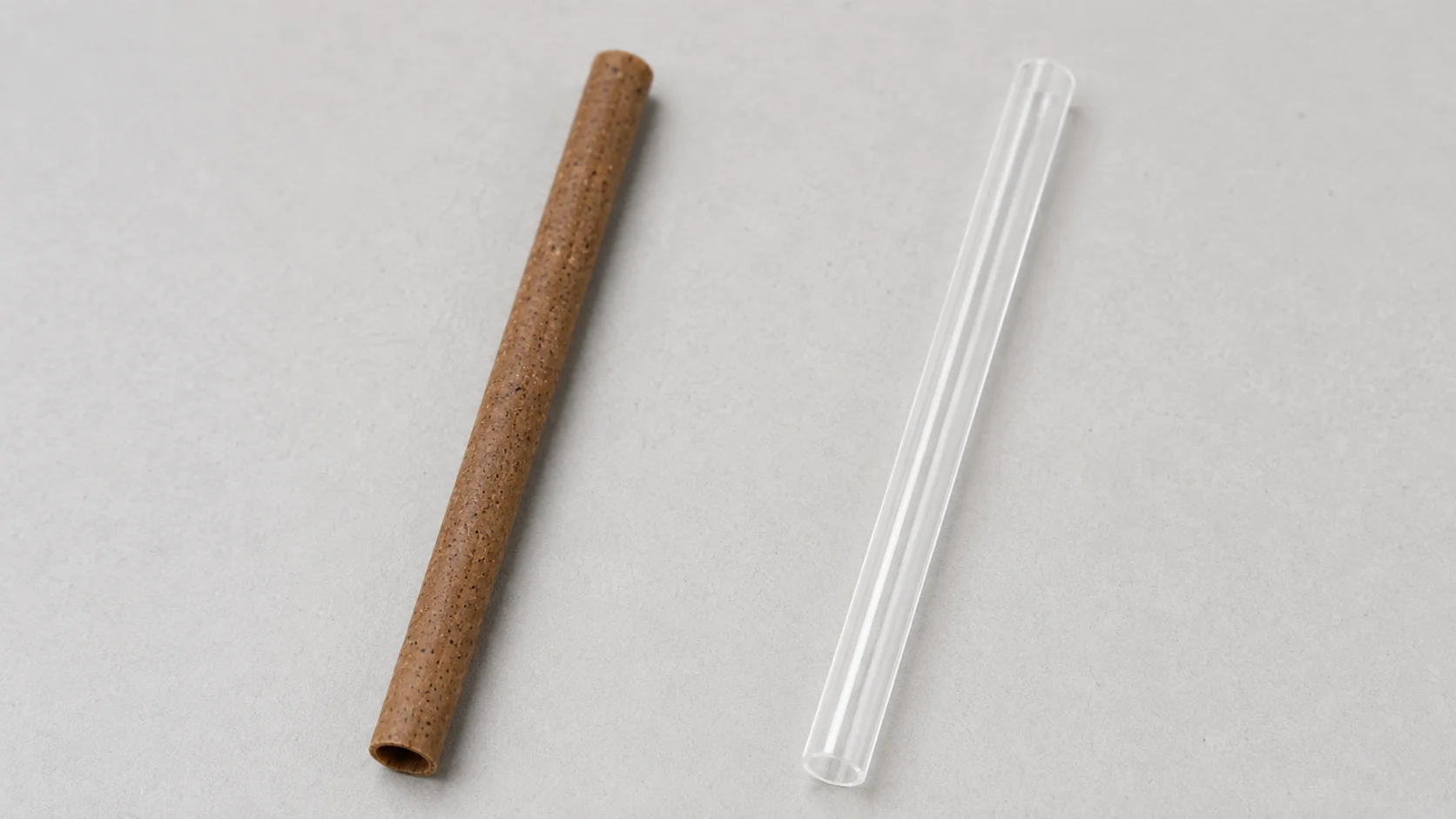
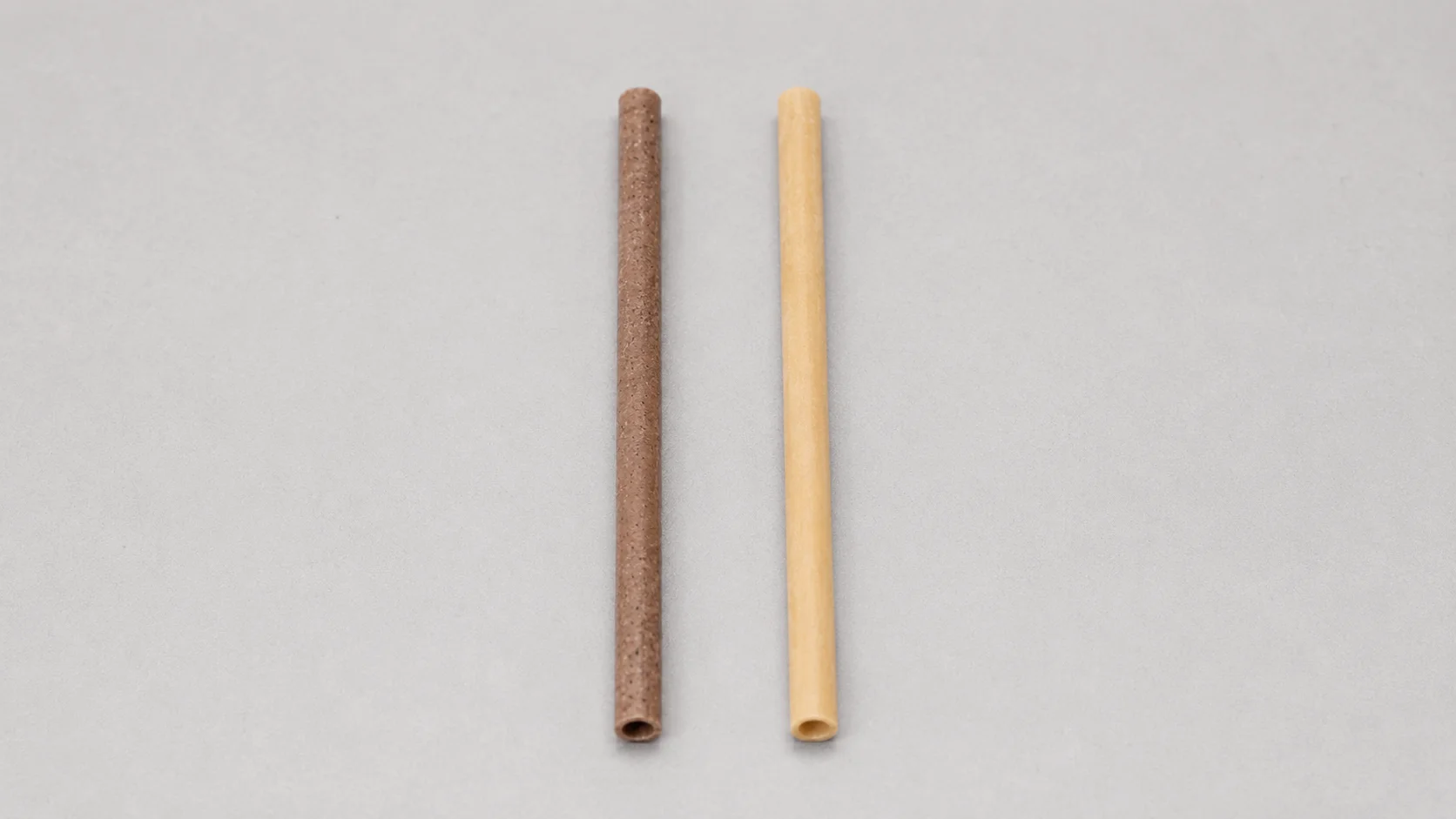
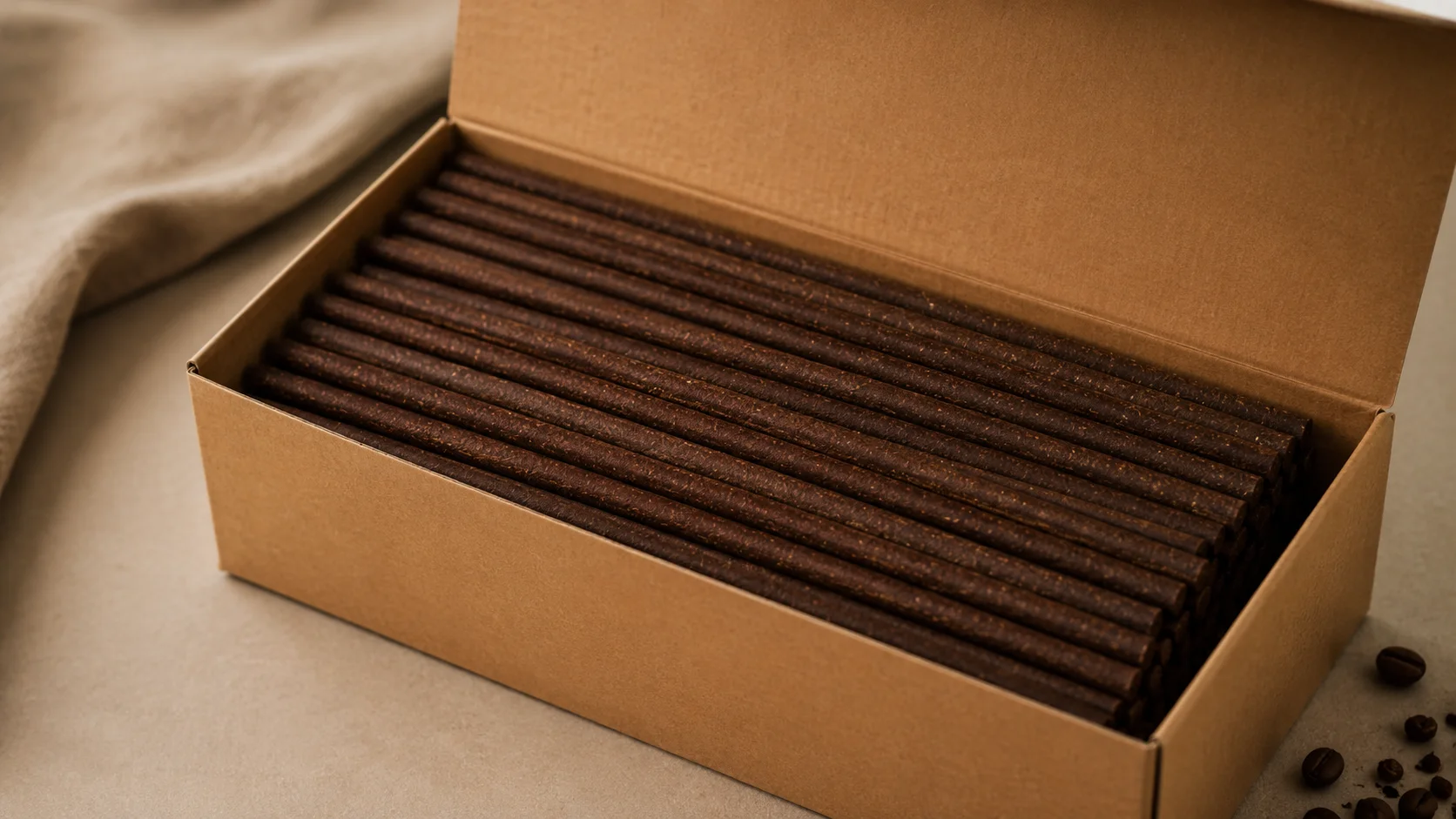
- Momoio’s Sustainable Eco-Friendly Sugarcane Straws: Our sugarcane straws are a prime example of innovation meeting compliance. Certified compostable and rigorously tested to be PFAS-free, these straws offer a robust, functional, and environmentally responsible alternative to conventional plastics and even many problematic paper and bamboo options. They don’t get soggy, withstand various temperatures, and provide a premium user experience while ensuring your business stays ahead of regulatory curves. Explore our range of sugarcane straws and redefine your beverage service. https://momoio.com/sustainable-eco-friendly-sugarcane-straws/
- Momoio’s Biodegradable Food Packaging: Beyond straws, our commitment extends to a comprehensive suite of biodegradable food packaging options. From versatile containers to sturdy plates, each product is engineered from sustainable sugarcane bagasse, designed for optimal performance in various food service environments. These solutions are not only safe for food contact, heat-resistant, and microwave-safe, but they also meet stringent compostability standards, helping your business comply with evolving regulations like the EU SUPD and EPR mandates. Discover the full potential of truly sustainable food packaging. https://momoio.com/biodegradable-food-packaging/
- Momoio Bagasse Bowl: A standout in our collection, the Momoio Bagasse Bowl exemplifies the strength, versatility, and eco-credentials of sugarcane fiber. Perfect for soups, salads, and a variety of hot or cold dishes, these bowls offer exceptional durability and leak resistance. Like all our bagasse products, they are certified compostable, free from harmful chemicals, and designed to seamlessly integrate into circular economy initiatives. Elevate your takeout and dine-in experience with packaging that performs for your business and the planet. https://momoio.com/bagasse-bowl/
By partnering with MOMOIO.com, businesses can confidently navigate the complexities of environmental regulations, avoid the pitfalls of greenwashing, and make verifiable, positive environmental claims. Our certified, PFAS-free sugarcane fiber solutions empower your brand to genuinely embrace sustainability, meet growing consumer expectations, and lead the way towards a healthier planet.
Veel Gestelde Vragen
Gericht op PFAS, certificeringen en compliance
Ja – sommige plantaardige rietjes, waaronder suikerrietrietjes, blijken meerdere PFAS-verbindingen te bevatten. PFAS zijn persistente, bioaccumulerende ‘forever chemicaliën’ die verband houden met milieuvervuiling en gezondheidsrisico’s. Hun aanwezigheid ondermijnt claims op het gebied van biologische afbreekbaarheid en composteerbaarheid en creëert compliance- en merkreputatierisico's.
Twee belangrijke routes: (1) opzettelijk toegevoegd door fabrikanten om de water- en vetbestendigheid te verbeteren; (2) onbedoelde verontreiniging, zoals gerecyclede vezels die PFAS bevatten, grondstoffen uit verontreinigde grond of verwerkingswater. Deze complexiteit onderstreept de noodzaak van strikte controles op de toeleveringsketen en onafhankelijke tests.
EU: De Verordening Verpakking en Verpakkingsafval (PPWR, 2025/40) verbiedt vanaf 12 augustus 2026 PFAS in verpakkingen die met voedsel in aanraking komen, met strikte limieten (25 ppb voor individuele PFAS; 100 ppm totaal fluor voor certificering van composteerbaarheid).
VS: Staten als Californië (AB 1200, van kracht vanaf januari 2023) verbieden voedselverpakkingen van plantaardige vezels met meer dan 100 ppm totaal organisch fluor of met opzettelijk toegevoegde PFAS. Er worden aanvullende beperkingen aangenomen in New York, Maine, Colorado en andere landen. Ook de federale actie van de FDA en de EPA vordert.
Zoek naar verifieerbare certificeringen van derden. BPI-gecertificeerd producten (ASTM D6400/D6868, ≤100 ppm totaal organisch fluor) en TÜV OK Compost (Industrial / Home, afgestemd op EN 13432) zorgen voor authentieke composteerbaarheid en PFAS-vrije naleving. Vraag altijd analysecertificaten aan per productiebatch.
Biologisch afbreekbaar: Kan uiteenvallen in natuurlijke elementen, maar timing en omstandigheden zijn niet gedefinieerd. Op stortplaatsen gebeurt dit vaak niet effectief.
Composteerbaar: Ontworpen om binnen een bepaald tijdsbestek onder specifieke composteringsomstandigheden (industrieel of thuis) te worden afgebroken tot bruikbare compost. Certificeringen zoals BPI, TÜV OK Compost, EN 13432, ASTM D6400/D6868 zijn van cruciaal belang om deze beweringen te verifiëren en greenwashing te voorkomen.