Milieuvriendelijke rietjes voor restaurants: kosten en naleving in evenwicht brengen voor duurzame groei
De horecasector wordt geconfronteerd met een ongekende noodzaak: duurzaamheid diep integreren in elk operationeel facet. Voor restaurants komt deze evolutie misschien het meest zichtbaar tot uiting in het eenvoudige rietje. Ooit een bijzaak, is de verschuiving van traditioneel plastic voor eenmalig gebruik naar milieuvriendelijke alternatieven niet langer een keuze, maar een cruciaal strategisch mandaat, gedreven door het escalerende milieubewustzijn, de consumentenvraag en de aanscherping van de mondiale regelgeving.
De omvang van het probleem is onthutsend: alleen al in de VS werden dagelijks naar schatting 500 miljoen plastic rietjes gebruikt, wat aanzienlijk bijdroeg aan de vervuiling van de oceanen en microplastics. Het negeren van deze verschuiving brengt directe operationele en commerciële risico's met zich mee, van hoge boetes tot een verminderde merkreputatie en verlies van marktaandeel onder milieubewuste consumenten. De beslissing waar inkoopmanagers, operationeel directeuren en duurzaamheidsfunctionarissen vandaag de dag voor staan, is hoe deze transitie effectief te navigeren, waarbij de initiële kosten in evenwicht worden gebracht met naleving op de lange termijn en concurrentievoordeel.
I. De noodzaak voor milieuvriendelijke rietjes voor restaurants
Restaurants lopen voorop in de mondiale beweging naar duurzame praktijken. De impact op het milieu van traditionele plastic rietjes, van hun op aardolie gebaseerde oorsprong tot hun eeuwenlange degradatie, heeft ze tot een prominent symbool gemaakt van afval voor eenmalig gebruik. Deze paradigmaverschuiving is niet slechts een voorbijgaande trend, maar een fundamentele heroriëntatie, aangedreven door krachtige externe krachten.
A. Escalerende regeldruk op kunststoffen voor eenmalig gebruik
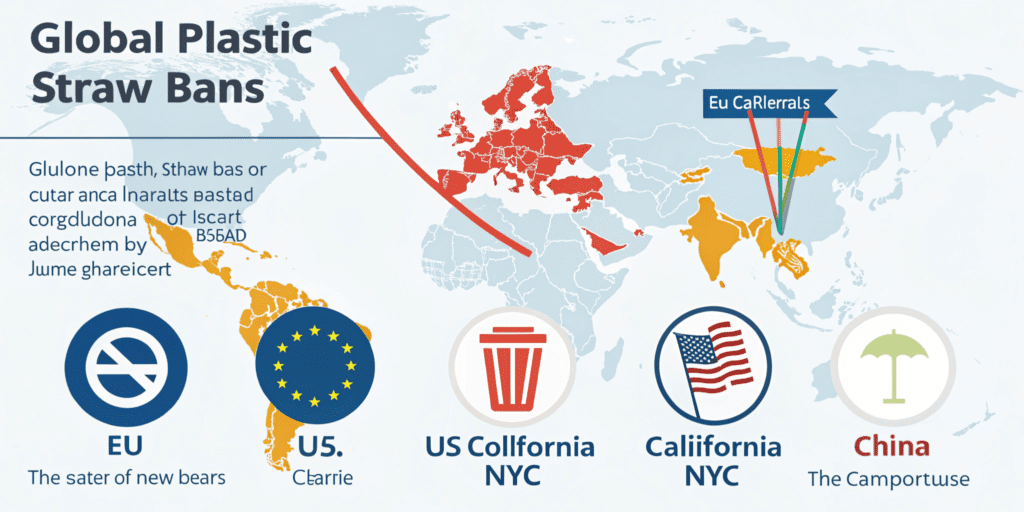
Regeringen over de hele wereld voeren strengere regels door om de plasticvervuiling tegen te gaan, waardoor de foodservice-industrie zich snel moet aanpassen. De Plasticrichtlijn voor eenmalig gebruik (SUPD) van de Europese Unie, die in juli 2021 van kracht werd, verbood in grote lijnen veel plastic artikelen voor eenmalig gebruik, inclusief rietjes. Deze richtlijn heeft een enorme barrière opgeworpen voor de markttoegang voor niet-conforme producten in de EU-lidstaten.
In de Verenigde Staten weerspiegelt een lappendeken van mandaten op staats- en stadsniveau deze mondiale impuls. New York City heeft bijvoorbeeld in november 2021 een ‘rietjes-op-verzoek’-beleid ingevoerd, waarbij plastic roerstaafjes volledig werden verboden. Californië pionierde in januari 2019 met een soortgelijke ‘rietjes-op-verzoek’-wet voor full-service restaurants, terwijl Los Angeles in november 2021 dit voorbeeld volgde en boetes tot $ 1.000 per jaar oplegde wegens niet-naleving. Zelfs grote wereldspelers als China hebben sinds januari 2021 een verbod ingevoerd op niet-afbreekbare wegwerprietjes in hun horecasector. Dit complexe en evoluerende regelgevingslandschap vereist waakzame aanbestedingen en strategische aanpassingen om civielrechtelijke boetes te vermijden en markttoegang te garanderen.
B. Stijgende consumentenvraag naar duurzame opties
Naast de regelgeving hanteren consumentenvoorkeuren ook een krachtige economische wortel. De hedendaagse diners, vooral millennials en generatie Z, nemen steeds meer verantwoordelijkheid voor het milieu mee in hun eetkeuzes. Uit een onderzoek van NielsenIQ uit 2023 bleek dat 69% van de fastfoodklanten veranderingen in de ecologische verpakking opmerkte, terwijl 58% beweerde dat milieuvriendelijke verpakkingen hun restaurantkeuze beïnvloedden. Bovendien gaf een aanzienlijke 44% aan bereid te zijn om 5 à 10% extra te betalen voor maaltijden geserveerd in een composteerbare of biologisch afbreekbare verpakking.
Deze robuuste vraag heeft een directe invloed op de merkloyaliteit en het marktaandeel. Restaurants die zich zichtbaar inzetten voor duurzaamheid trekken niet alleen milieubewuste klanten aan, maar behouden ze ook, waardoor een positief sentiment en mond-tot-mondreclame worden bevorderd die de traditionele marketing overstijgt. Het omarmen van milieuvriendelijke rietjes is een tastbare demonstratie van deze toewijding en biedt een concurrentievoordeel op een drukke markt. Bedrijven die op deze groeiende demografische groep willen inspelen, moeten overwegen om gebruik te maken van inzichten uit auitgebreide B2B-gids voor milieuvriendelijke cocktailrietjesom aan specifieke klantbehoeften te voldoen.
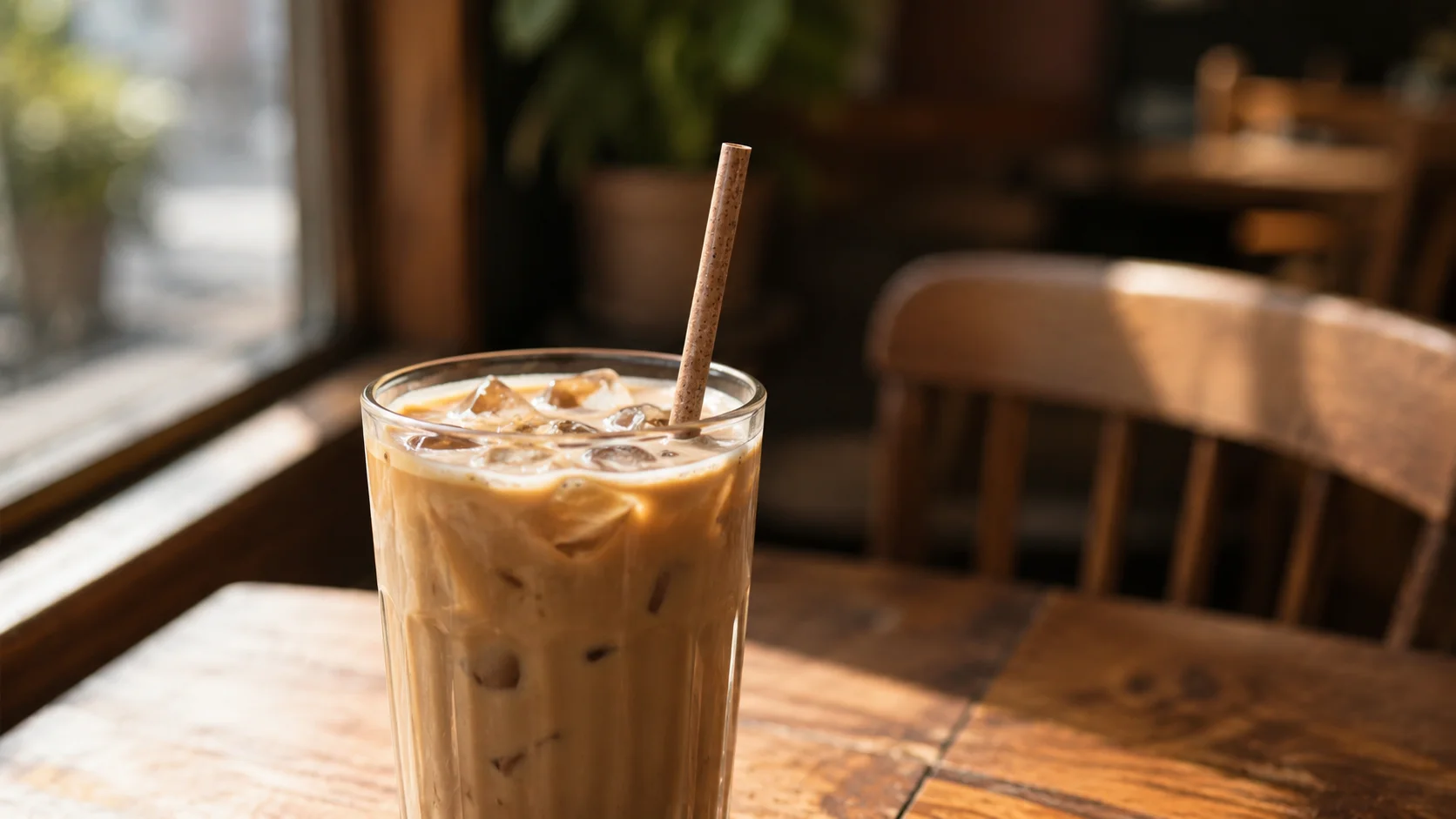
Restaurants moeten zich aanpassen aan de veranderende regelgeving en de vraag van consumenten naar duurzame praktijken.
II. Navigeren door het landschap van milieuvriendelijke stro-alternatieven
De markt voor milieuvriendelijke rietjes is divers en biedt een spectrum aan materialen met uiteenlopende prestaties, milieuvoordelen en kostenimplicaties. Het begrijpen van deze verschillen is van cruciaal belang voor inkoop- en operationele directeuren die belast zijn met het balanceren van functionaliteit, duurzaamheid en budget. Innovaties pakken voortdurend problemen uit het verleden aan, zoals drassigheid of ongewenste smaakoverdracht, waardoor de haalbare opties voor restaurantbezoekers worden uitgebreid.
A. Single-Use Biodegradable & Compostable Straws: Beyond Paper
De eerste golf van verbod op plastic rietjes zorgde ervoor dat papieren rietjes mainstream werden. Hoewel betaalbaar en aanpasbaar, hadden vroege iteraties vaak last van snelle drassigheid. Tegenwoordig is het landschap rijker:
- Papieren rietjes: Nog steeds overal verkrijgbaar en voldoet over het algemeen aan het plasticverbod. Vooruitgang heeft geleid tot verbeterde waterdichte coatings en natuurlijke lijmen, waardoor de vochtbestendigheid is verbeterd. Sommige vormen echter nog steeds uitdagingen op het gebied van duurzaamheid en kunnen PFAS of ‘forever chemicaliën’ bevatten, die verband houden met gezondheidsproblemen en in dranken kunnen uitlogen.
- PLA (polymelkzuur) rietjes: Gemaakt van gefermenteerd plantaardig zetmeel (bijvoorbeeld maïs), bootsen PLA-rietjes het gevoel na van traditioneel plastic. Ze zijn composteerbaar, maar het is van cruciaal belang dat industriële composteringsfaciliteiten effectief kunnen worden afgebroken, wat een uitdaging voor de verwijdering vormt als een dergelijke infrastructuur niet beschikbaar is. De EU heeft sinds juli 2021 zelfs ‘biobased’ of ‘biopolymeer’ rietjes verboden die plastic bevatten, ongeacht de certificeringen voor ‘thuiscomposteerbaar’.
- PHA (polyhydroxyalkanoaten) rietjes: PHA-rietjes vertegenwoordigen een biopolymeer van de volgende generatie en worden geproduceerd door micro-organismen uit hernieuwbare bronnen zoals koolzaadolie. Ze bieden superieure duurzaamheid en weerstand tegen warme en koude vloeistoffen en lijken sterk op conventioneel plastic. Cruciaal is dat PHA-rietjes biologisch afbreekbaar zijn in de zee en in de bodem, en uiteenvallen in diverse natuurlijke omgevingen zonder microplastics achter te laten.
- Rietjes van suikerriet/hooi/agave: Deze rietjes zijn gemaakt van agrarische bijproducten en bieden robuuste, milieuvriendelijke alternatieven. Rietjes van suikerriet (bagasse) zijn sterk en duurzaam, zelfs in warme dranken, en zijn geheel plasticvrij. Hooirietjes zijn goedkoop en presteren goed zonder drassig te worden. Agaverietjes, afkomstig van tequila-productieafval, zijn stevig, gaan lang mee en ontbinden op stortplaatsen binnen 90 dagen tot drie jaar.
B. Herbruikbare oplossingen: duurzaamheid en operationele verschuivingen
Voor eetgelegenheden bieden herbruikbare rietjes een krachtige zero-waste oplossing, hoewel ze operationele aanpassingen vereisen voor het wassen en bewaren.
- Roestvrijstalen rietjes: Zeer duurzaam, herbruikbaar en gemakkelijk schoon te maken, waardoor ze ideaal zijn voor langdurig gebruik. Ze dragen echter gemakkelijk warmte over en zijn stijf, wat voor sommige klanten een probleem kan zijn.
- Glazen rietjes: Visueel aantrekkelijk en behoudt de ware smaak van dranken zonder vreemde smaken te geven. Hoewel ze kwetsbaarder zijn dan metaal, zijn er ook breukbestendige opties van borosilicaatglas verkrijgbaar.
- Bamboe rietjes: Duurzaam, natuurlijk antibacterieel en herbruikbaar. Ze bieden een unieke, rustieke esthetiek, maar vereisen een goede reiniging om schimmel te voorkomen en kunnen soms een subtiele, plantachtige smaak geven.
- Siliconen rietjes: Flexibel, duurzaam en kindvriendelijk, waardoor ze een veilige en veelzijdige herbruikbare optie zijn. Ze vereisen goede wasprotocollen om de hygiëne te garanderen.
C. Innovative & Edible Straws for Niche Applications
Voor bedrijven die een werkelijk unieke klantervaring zonder afval willen bieden, bieden eetbare en opkomende bio-rietjes intrigerende mogelijkheden.
- Pasta rietjes: Deze rietjes zijn biologisch afbreekbaar en eetbaar en gaan doorgaans ongeveer een uur mee in koude dranken. Ze bieden een nieuwe, milieuvriendelijke oplossing, maar zijn niet geschikt voor warme dranken en kunnen allergeenproblemen opleveren voor glutengevoelige personen. Een pakje van 1.000 pastarietjes kost ongeveer $ 0,069 per stuk.
- Zeewier rietjes: Deze rietjes zijn een opkomende innovatie en zijn composteerbaar, afbreekbaar in de zee en duurzaam. Ze presteren goed in zowel warme als koude dranken zonder de smaak te beïnvloeden. Bedrijven als Loliware lopen voorop in deze ontwikkeling.
- Agave rietjes: Zoals eerder vermeld, gemaakt van tequila-productieafval, bieden deze een stevige en snel afbreekbare optie.
- Rijstrietjes: Een andere opkomende eetbare optie, die duurzaamheid en volledige biologische afbreekbaarheid biedt.
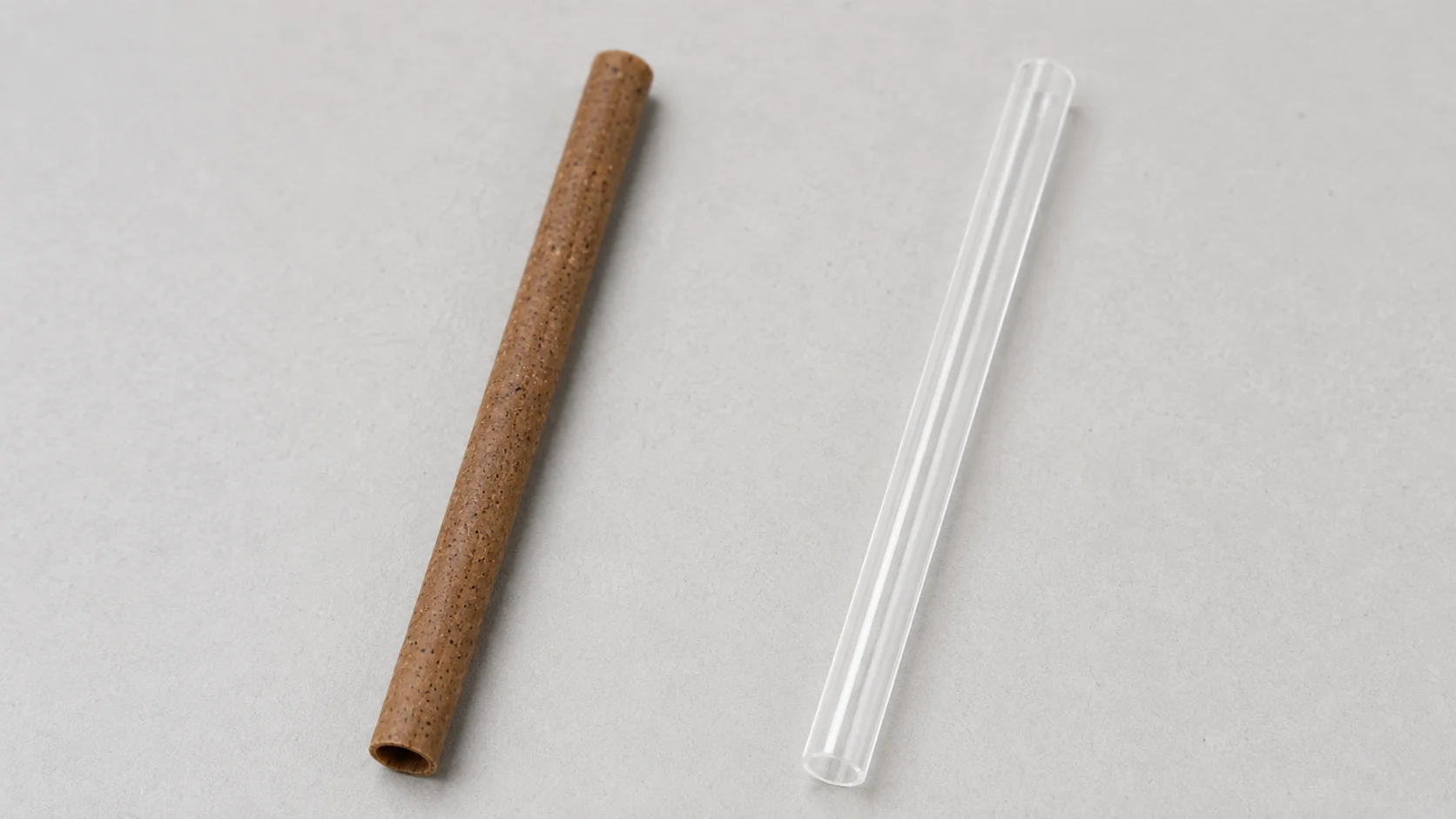
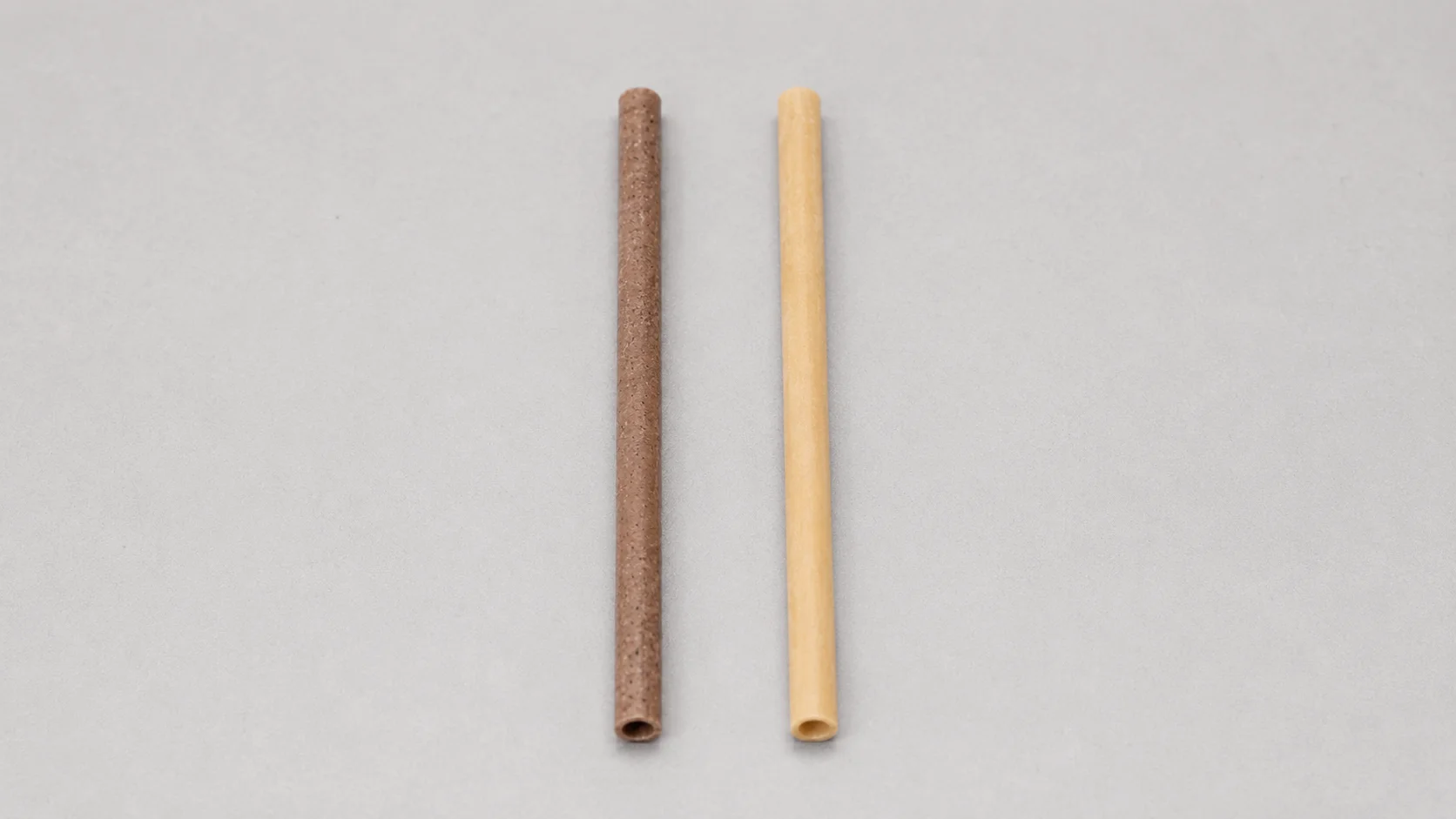
Diverse milieuvriendelijke stromaterialen bieden gevarieerde prestaties en milieuvoordelen voor restaurants.
III. Een evenwicht vinden tussen kosten en naleving van milieuvriendelijke rietjes voor restaurants
De overgang naar milieuvriendelijke rietjes gaat vaak gepaard met een aanvankelijke stijging van de aanschafkosten in vergelijking met conventioneel plastic. Papieren rietjes kunnen bijvoorbeeld 2-3 keer duurder zijn dan hun plastic tegenhangers. Door uitsluitend te focussen op de initiële kosten wordt echter voorbijgegaan aan de substantiële langetermijnwaarde die voortkomt uit een verbeterd merkimago, een grotere klantloyaliteit en, cruciaal, het vermijden van escalerende boetes. Strategische inkoop, bulkinkoop en een duidelijk inzicht in de totale eigendomskosten zijn van het grootste belang.
A. Analyse van inkoopkosten en langetermijnwaarde
Hoewel de kosten per eenheid van duurzame rietjes hoger kunnen zijn, biedt de markt voortdurend concurrerendere prijzen. Hooirietjes zijn bijvoorbeeld te koop voor slechts $ 7 voor 100 stuks. Biologisch afbreekbare PHA-cocktailroerders, een geavanceerde oplossing, zijn in grote dozen verkrijgbaar voor $ 0,010 - $ 0,012 per stuk. Dit suggereert dat schaal- en materiaalkeuze de prijs aanzienlijk beïnvloeden.
De langetermijnwaarde gaat verder dan alleen het vermijden van boetes. Een restaurant dat zich zichtbaar inzet voor duurzaamheid bouwt aan een sterker merk, waardoor klanten worden aangetrokken en behouden die prioriteit geven aan milieubewuste bedrijven. Dit kan zich vertalen in hogere inkomsten, waardoor de hogere initiële productkosten worden gecompenseerd. Bovendien kan een verminderde afhankelijkheid van kunststoffen voor eenmalig gebruik leiden tot lagere afvalverwijderingstarieven en verbeterde operationele efficiëntie bij het afvalbeheer.
B. Sancties vermijden: zich houden aan de regelgeving voor het verbod op plastic rietjes
Het niet naleven van het verbod op plastic rietjes brengt tastbare financiële risico's met zich mee. In Los Angeles kunnen overtredingen resulteren in civielrechtelijke boetes tot $1.000 per jaar. New York City is in november 2021 begonnen met het opleggen van boetes aan instellingen die zich niet aan de regels houden. Hoewel sommige regio’s, zoals Indiana, een uitstelperiode boden tot 1 juli 2026 voor initiële waarschuwingen vóór civielrechtelijke boetes variërend van $500 tot $2.000, is de trend duidelijk: de regelgeving wordt strenger en de handhaving neemt toe.
Naast regelrechte verboden worden de certificeringseisen steeds strenger. San Francisco schrijft bijvoorbeeld voor dat rietjes voor eenmalig gebruik moeten worden gecertificeerd door het Biodegradable Products Institute (BPI) of TÜV AUSTRIA voor composteerbaarheid. De EU-richtlijn van juli 2021 verbiedt expliciet ‘biobased’ of ‘biopolymeer’ rietjes als deze plastic bevatten, ongeacht hun ‘thuiscomposteerbare’ claims. Op de hoogte blijven van deze genuanceerde regelgeving is van cruciaal belang voor leidinggevenden op het gebied van inkoop en supply chain. Voor een diepere duik in het belang van deze verschuiving, verkenwaarom milieuvriendelijke rietjes de toekomst van de drankenservice zijn.
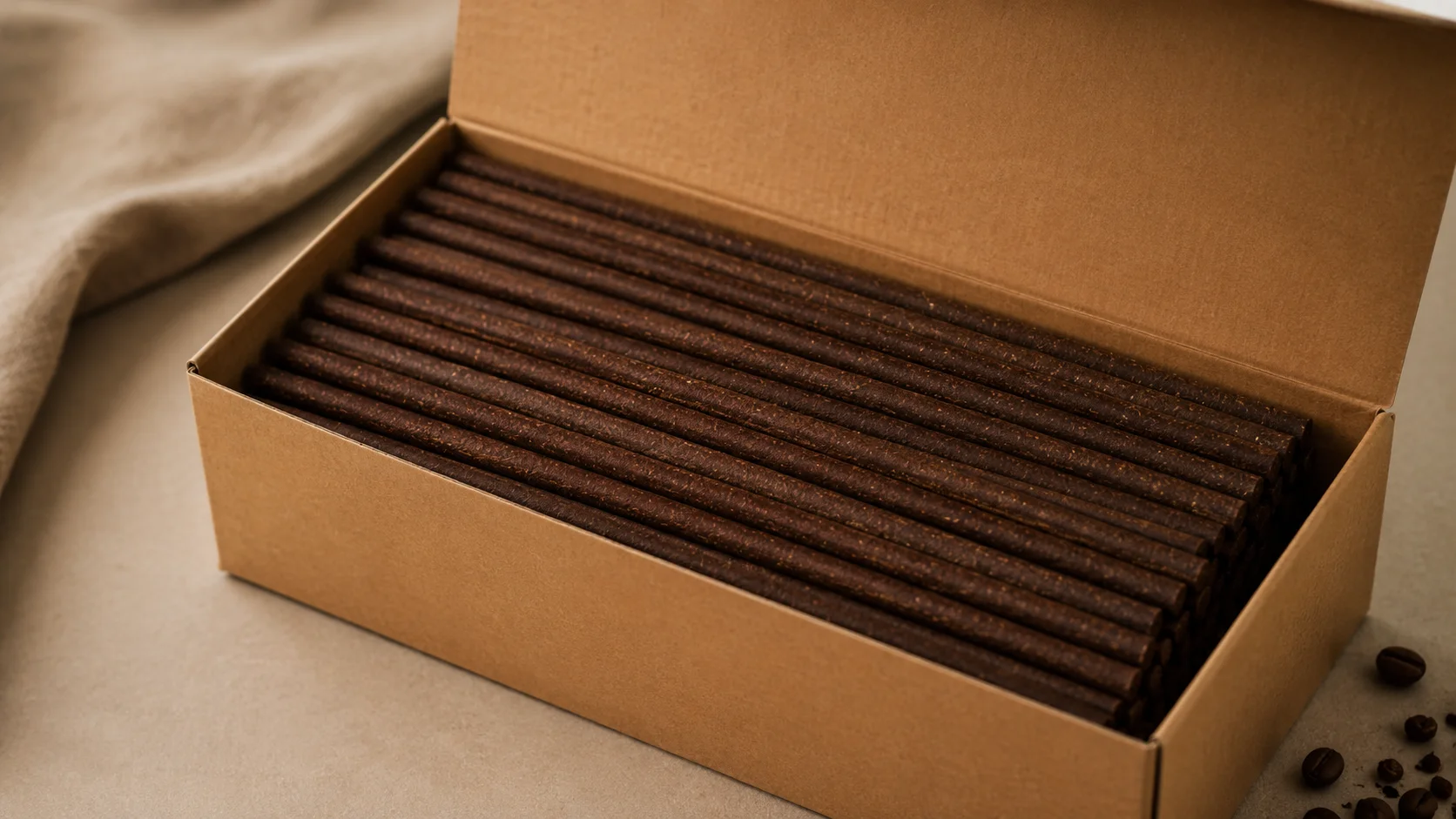
Strategische inkoop van milieuvriendelijke rietjes biedt waarde op de lange termijn en vermijdt dure wettelijke boetes.

IV. Operationele uitdagingen overwinnen en kwaliteit garanderen
De overgang naar milieuvriendelijke rietjes is niet alleen een aankoopbeslissing; het gaat om het navigeren door nieuwe operationele realiteiten. Restaurants moeten zorgen voor klanttevredenheid, prestatieproblemen aanpakken en afvalstromen effectief beheren. Voorlichting van personeel en klanten is essentieel voor een naadloze overgang.
A. Prestatieproblemen aanpakken: het ‘doorweekte stro’-dilemma
Het fenomeen ‘doorweekt rietje’ is synoniem geworden met vroege iteraties van papieren rietje, waardoor de drankervaring wordt beïnvloed en er vaak meerdere rietjes per drankje nodig zijn. Onderzoek gepubliceerd in deTijdschrift voor schonere productiein 2023 gaven aan dat papieren rietjes vanwege hun productieprocessen zelfs een grotere impact op het milieu kunnen hebben dan plastic in bepaalde categorieën, zoals verzuring.
Innovatie verzacht dit probleem echter snel. Michael Winters, President en Chief Revenue Officer bij WinCup, benadrukte de transformerende impact van geavanceerde materialen. In augustus 2022 stapte First Watch, een vooraanstaande restaurantketen, over op biologisch afbreekbare phade®-rietjes gemaakt van PHA. Winters verklaarde: “We weten dat klanten enthousiast zullen zijn zodra ze phade® ervaren als alternatief voor traditionele plastic rietjes die schadelijk zijn voor het milieu en papieren rietjes die een slechte klantervaring creëren.” First Watch meldde zelfs dat klanten er “lyrisch over waren” en er de voorkeur aan gaven boven andere hernieuwbare alternatieven.
B. Navigating PFAS and Other Health & Environmental Scrutiny
Naast de drassigheid zijn er ook zorgen over de chemische veiligheid ontstaan. Veel papier- en bamboerietjes blijken Per- en Polyfluoralkylstoffen (PFAS) te bevatten, ook wel ‘forever chemicaliën’ genoemd. Deze chemicaliën, die worden gebruikt voor waterbestendigheid, zijn in verband gebracht met verschillende gezondheidsproblemen en kunnen rechtstreeks in dranken terechtkomen. Dit onderzoek benadrukt het belang van het inkopen van gecertificeerde, PFAS-vrije alternatieven.
Hoewel sommige biologisch afbreekbare kunststoffen een stap voorwaarts bieden, blijkt uit een onderzoek uit 2023Environmental Science & Technologymerkte op dat zelfs deze in de loop van de tijd in kleinere stukken kunnen uiteenvallen en mogelijk chemicaliën vrijgeven als ze niet op de juiste manier worden gecomposteerd. Dit onderstreept de noodzaak van een robuuste composteringsinfrastructuur en naleving van normen zoals ASTM D6400, de Amerikaanse benchmark voor composteerbare producten, om echt milieuvoordeel te garanderen.
Restaurants moeten prestatieproblemen en chemische problemen overwinnen om kwaliteit en veiligheid te garanderen.
V. Mini-casestudy: de naadloze overgang van First Watch naar PHA-rietjes
In augustus 2022 startte First Watch, een populaire restaurantketen, een belangrijk duurzaamheidsinitiatief, waarbij de overstap werd gemaakt van miljoenen traditionele plastic rietjes naar biologisch afbreekbare phade®-rietjes in de zee, vervaardigd door WinCup. Deze stap toonde een succesvol evenwicht tussen verantwoordelijkheid voor het milieu, naleving van de regelgeving en een niet aflatende toewijding aan de klantervaring.
De kern van het succes van First Watch lag in de materiaalkeuze: PHA. In tegenstelling tot veel papieren of PLA-alternatieven bieden phade®-rietjes het gevoel en de prestaties van conventioneel plastic zonder de belasting voor het milieu. Dankzij dit materiaal kon First Watch de klachten over “doorweekt stro” omzeilen die vaak met papier in verband worden gebracht, waardoor een consistente en aangename drinkervaring voor hun klanten werd gegarandeerd. De positieve feedback was onmiddellijk en volmondig; klanten waren er “lyrisch over” en gaven er expliciet de voorkeur aan boven andere milieuvriendelijke opties. Deze praktische toepassing laat zien dat restaurants met de juiste materiaalkeuze volledige naleving kunnen bereiken, hun ecologische voetafdruk kunnen verkleinen en tegelijkertijd de gasttevredenheid kunnen verhogen.
De succesvolle adoptie van PHA-stro door First Watch bewijst dat superieure prestaties en klanttevredenheid haalbaar zijn.
VI. De toekomst van milieuvriendelijke rietjes voor restaurants: innovatie en marktgroei
Het traject voor milieuvriendelijke rietjes in de restaurantindustrie wijst op substantiële expansie en voortdurende innovatie in de komende 5-10 jaar. Deze groei wordt voornamelijk gevoed door steeds strengere mondiale regelgeving en een steeds grotere voorkeur van consumenten voor duurzame praktijken. Technologische vooruitgang staat op het punt een revolutie teweeg te brengen in de prestaties van stro en de algehele duurzaamheid, waarbij zelfs AI een rol speelt bij het optimaliseren van productieprocessen.
A. Marktprognoses: een kans van meerdere miljarden dollars in duurzame rietjes
De mondiale markt voor milieuvriendelijk stro wordt momenteel geschat op ongeveer 12,3 miljard dollar in 2025 en zal naar verwachting bijna verdubbelen tot 25,1 miljard dollar in 2035, wat een robuuste samengestelde jaarlijkse groei (CAGR) van 7,3% over deze periode aantoont. Het foodservicesegment, dat snelle restaurants, cafés, bars en hotels omvat, had in 2024 een indrukwekkend marktaandeel van 64,05% van het papierstromarktaandeel, wat de cruciale rol van de sector in deze transitie benadrukt. Verwacht wordt dat biologisch afbreekbare rietjes tegen 2030 een aanzienlijk marktaandeel van 60% zullen veroveren, wat de verschuiving van minder afbreekbare alternatieven onderstreept.
B. Vooruitgang in materialen en productietechnologieën
Het komende decennium zal een golf van materiaalinnovaties te zien zijn. PHA komt snel in opkomst als toonaangevend biopolymeer van de volgende generatie, dat superieure hittebestendigheid, duurzaamheid en brede biologische afbreekbaarheid biedt in verschillende omgevingen, waaronder zeewater, bodem en composteringsfaciliteiten, zonder microplastics achter te laten. Naast PHA richt het onderzoek zich op:
- Verbeterde coatings: Nieuwe waterdichte coatings en natuurlijke lijmen verbeteren de vochtbestendigheid van papierstro en de algehele duurzaamheid.
- AI voor biopolymeren: Er wordt verwacht dat kunstmatige intelligentie een steeds grotere rol zal spelen bij het onderzoek naar nieuwe biogebaseerde polymeren en het optimaliseren van de productie-efficiëntie ervan, waardoor de ontdekking en opschaling van duurzame materialen zal worden versneld.
- Evolutie van eetbaar stro: De innovaties op het gebied van eetbare rietjes uit diverse natuurlijke ingrediënten zoals rijst, pasta en zeewier zullen doorgaan en aantrekkelijke zero-waste oplossingen bieden, vooral voor high-end of niche horecagelegenheden.
C. Opkomende regelgevingskaders en industrienormen
Regelgevende en industriële instanties geven actief vorm aan de toekomst van duurzame wegwerpartikelen. In maart 2021 werd het EU 360° Foodservice “Charter of Trust” opgesteld, waarbij 15 bedrijven uit de toeleveringsketen betrokken zijn om consistente, hoge kwaliteitsnormen voor papieren rietjes te garanderen, en daarmee de zorgen over naleving en productveiligheid weg te nemen.
Op bredere schaal bieden de Global Reporting Initiative (GRI) Standards, bijgewerkt in oktober 2021 en van kracht in januari 2023, uitgebreide richtlijnen voor organisaties om te rapporteren over hun economische, ecologische en sociale impact, waardoor transparantie in duurzaamheidsinspanningen wordt bevorderd. Bovendien bevorderen de European Sustainability Reporting Standards (ESRS, aangenomen in juli 2023) de interoperabiliteit met mondiale duurzaamheidsstandaarden, met als doel onnodige dubbele rapportage te voorkomen voor bedrijven die onderworpen zijn aan de Corporate Sustainability Reporting Directive (CSRD). Deze evoluerende normen bevorderen gezamenlijk de transparantie en geïnformeerde inkoopbeslissingen, waardoor bedrijven naar werkelijk duurzame keuzes worden geleid.
De milieuvriendelijke stromarkt is klaar voor een aanzienlijke groei, aangedreven door innovatie en regelgeving.
VII. Vergelijkingstabel: Belangrijkste milieuvriendelijke soorten stro voor besluitvormers in restaurants
| Functie | B2B operationele impact | Nalevingsopmerking | ROI-potentieel |
|---|---|---|---|
| Papieren rietjes | Lagere initiële kosten, overal beschikbaar. | Over het algemeen in overeenstemming met plasticverboden. | Gematigd; verhoging van het merkimago, maar frequente vervanging voor doorweekte rietjes, potentiële PFAS-zorg. |
| PLA-rietjes | Voelt hetzelfde aan als plastic, maar vereist specifieke verwijdering. | Composteerbaar in industriële installaties; beperkt in sommige gebieden (bijv. SF) indien niet gecertificeerd. | Gematigd; verbeterde perceptie, maar potentiële kosten voor gespecialiseerd afvalbeheer. |
| PHA-rietjes | Hoge prestaties (duurzaam, warme/koude vloeistoffen), lijkt op plastic. | Brede biologische afbreekbaarheid (bodem/zee/compost); volledig plasticvrij. | Hoog; premium klantervaring, sterke merkafstemming, toekomstbestendig tegen strengere verboden. |
| Herbruikbare rietjes (metaal/glas/siliconen) | Vereist wassen, opslag, mogelijk breuk/verlies. | Volledig conform, elimineert afval voor eenmalig gebruik tijdens het dineren. | Hoog; eenmalige aankoop, aanzienlijke vermindering van afval, sterk eco-merk. Kostenbesparingen op lange termijn. |
| Eetbare rietjes (pasta/zeewier) | Niche-aantrekkingskracht, korte levensduur in drankjes, unieke ervaring. | Biologisch afbreekbaar, geen afval. Mogelijk allergeenproblemen (pasta). | Matig tot hoog; premium positionering, sterk marketingpotentieel voor uniciteit, in lijn met zero-waste doelstellingen. |
Deze tabel biedt een snelle referentie voor restaurantbeslissers over milieuvriendelijke stroopties.
Veelgestelde vragen (FAQ's)
Wat zijn de belangrijkste uitdagingen op het gebied van regelgeving voor restaurants die milieuvriendelijke rietjes adopteren?
Hoe kunnen restaurants de hogere kosten van milieuvriendelijke rietjes in evenwicht brengen met hun budget?
Wat zijn de beste alternatieven voor traditionele papieren rietjes om het probleem van ‘doorweekt stro’ te voorkomen?
Zijn er gezondheidsproblemen met bepaalde milieuvriendelijke stromaterialen, zoals PFAS?
Hoe kunnen restaurants hun personeel en klanten informeren over de overstap naar milieuvriendelijke rietjes?
Conclusie: Investeren in duurzame slokjes voor een veerkrachtige toekomst
De verschuiving naar milieuvriendelijke rietjes is niet slechts een vluchtige trend, maar een fundamentele strategische noodzaak voor restaurants die navigeren in een landschap dat wordt gevormd door evoluerende regelgeving en steeds scherper wordende verwachtingen van de consument. Hoewel initiële kosten- en operationele aanpassingen onmiskenbaar zijn, kan het maken van weloverwogen keuzes, vooral door gebruik te maken van innovaties zoals geavanceerde PHA-rietjes of het adopteren van robuuste herbruikbare oplossingen, aanzienlijke voordelen op de lange termijn opleveren. Deze omvatten onder meer het aanzienlijk verbeteren van de merkreputatie, het garanderen van een naadloze naleving van de strengere milieuwetten en het ontsluiten van duurzame financiële en ecologische voordelen. Proactieve betrokkenheid bij deze transitie is de sleutel tot het veiligstellen van de plek van uw restaurant in een groenere, veerkrachtigere toekomst.
Ondersteun de duurzaamheidsreis van uw restaurant; Ontdek vandaag nog geavanceerde milieuvriendelijke stro-oplossingen om de gastervaring te verbeteren en toekomstige naleving te garanderen. Voor een uitgebreid overzicht van hoe deze duurzame oplossingen passen in bredere bedrijfsstrategieën, kunt u onzeB2B-gids voor milieuvriendelijke rietjes.