Navigeren door APAC-stroverboden: een strategische gids voor importeurs om voorop te blijven in de markt
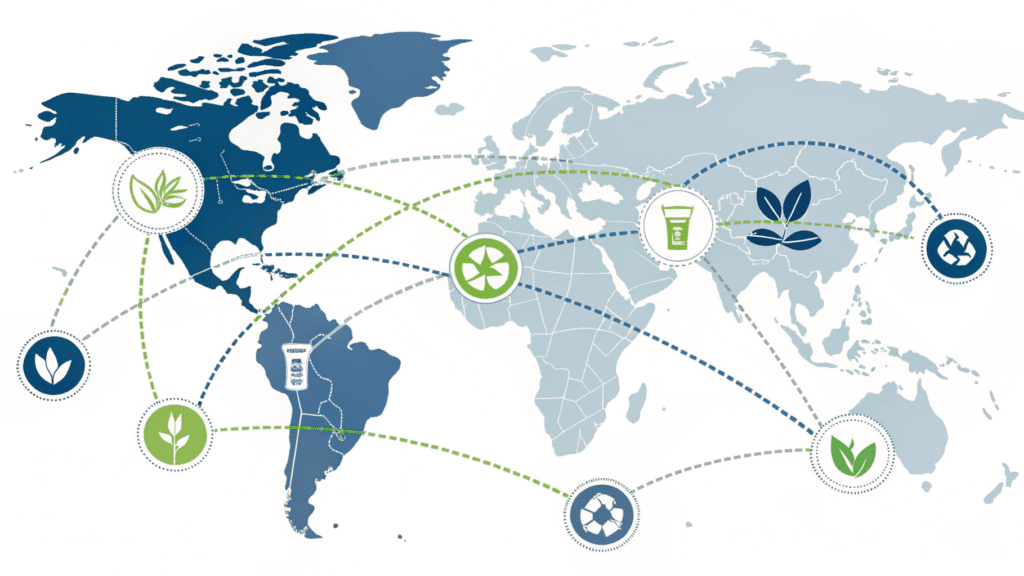
De regio Azië-Pacific (APAC) bevindt zich op een cruciaal moment in haar milieubeleid en marktontwikkeling. Gedreven door een urgente mondiale plasticcrisis, razen snelle regelgevingsreacties door de APAC, waarbij ze zich rechtstreeks richten op plastic artikelen voor eenmalig gebruik (SUP), met rietjes als primair aandachtspunt. Deze wetgevende impuls verandert de marktdynamiek voor bedrijven die afhankelijk zijn van import grondig, wat zowel aanzienlijke uitdagingen als ongeëvenaarde kansen met zich meebrengt.
Nu APAC in 2021 meer dan de helft van het plastic afval in de wereld zal produceren – een verbazingwekkende 200 miljoen ton – valt de urgentie van verandering niet te ontkennen. Deze belasting voor het milieu, die wordt verergerd door de snelle verstedelijking, waardoor dagelijks ongeveer 120.000 mensen naar stedelijke centra verhuizen, heeft ernstige operationele en commerciële gevolgen. Plasticvervuiling alleen al in de APAC-regio veroorzaakt naar schatting economische kosten van 1,3 miljard dollar per jaar aan schade aan de toerisme-, visserij- en scheepvaartindustrie. Voor importeurs gaat een diepgaand en proactief begrip van deze verschuivingen niet alleen over compliance; het is van cruciaal belang voor het behoud van marktaandeel, het veiligstellen van de winstgevendheid en het opbouwen van een veerkrachtige toeleveringsketen in een snel transformerend landschap.
Het veranderende regelgevingslandschap in APAC: het stimuleren van stroverboden in APAC
Overheden en intergouvernementele organisaties in de APAC voeren actief robuust beleid en campagnes uit om plastic producten voor eenmalig gebruik, inclusief rietjes, te verbieden of te beperken. Deze wijdverbreide wetgevende druk is de belangrijkste motor achter de escalerende vraag naar alternatieve materialen, waardoor importeurs worden gedwongen hun inkoop- en productportfolio's fundamenteel opnieuw te evalueren. Cruciaal is dat nauwgezet op de hoogte blijven van specifieke regelgeving op nationaal niveau en de vaak gefaseerde ingangsdata ervan van cruciaal belang is om verstoringen van de toeleveringsketen te voorkomen, dure boetes te vermijden en de operationele continuïteit te behouden.
Het momentum van de regelgeving in de APAC is aanzienlijk beïnvloed door cruciale mondiale gebeurtenissen. Het Chinese ‘Nationale Zwaard’-beleid, dat in 2018 werd geïmplementeerd, verbood de import van 24 soorten vast afval, waaronder plastic. Deze drastische maatregel weergalmde wereldwijd en leidde plasticafvalstromen naar andere Zuidoost-Aziatische landen, waaronder Indonesië, Maleisië, Vietnam, India, Taiwan en Thailand. Hoewel deze verschuiving aanvankelijk voor milieuproblemen zorgde in deze ontvangende landen als gevolg van de ontoereikende infrastructuur, heeft deze hen er uiteindelijk toe aangezet hun eigen strengere importcontroles en binnenlandse SUP-verboden in te voeren. Thailand plant bijvoorbeeld een gefaseerd verbod op de import van plastic schroot tegen 2025, culminerend in een volledig verbod, wat nog eens de nadruk legt op de noodzaak voor importeurs om lokale of conforme regionale toeleveringsketens veilig te stellen.

Regionaal momentum: voorbij plastic voor eenmalig gebruik (SUP’s)
De regelgevende druk in APAC reikt veel verder dan alleen plastic rietjes, wat wijst op een bredere inzet voor milieubeheer. Belangrijke landen stellen ambitieuze doelstellingen en voeren alomvattende actieplannen uit:
- Indonesië heeft een ambitieus nationaal actieplan dat tot doel heeft het plastic afval in de zee tegen 2025 met 70% te verminderen. Deze toezegging wordt ondersteund door lokale initiatieven, zoals het verbod op plastic tassen in Jakarta, dat leidde tot een daling van de consumptie met 42% in 2021.
- China heeft eind 2021 het gebruik van plastic wegwerprietjes in de horeca in het hele land verboden, en het bredere plasticverbod wordt tot 2025 gefaseerd uitgerold.
- Indië heeft in 2022 een landelijk verbod op plastic voor eenmalig gebruik, inclusief rietjes, ingevoerd. Deze stap heeft voor een substantiële verschuiving gezorgd, die met name gevolgen heeft voor de winstgevendheid van frisdranken met een lage marge en kleine verpakkingen, als gevolg van de hogere kosten van conforme alternatieven.
- Maleisië heeft in 2018 een verbod op plastic rietjes ingesteld en heeft een uitgebreide routekaart geschetst om tussen 2018 en 2030 geen plastic meer voor eenmalig gebruik te realiseren.
- De Filippijnen Het Huis van Afgevaardigden heeft een verbod aangenomen op verschillende plastic producten voor eenmalig gebruik, waaronder rietjes en roerstokjes, hoewel directe overheidsactie op dit gebied nog niet volledig is gerealiseerd.
- Singapore phased out plastic straws from over 270 food and beverage (F&B) outlets by July 2019, with many businesses proactively removing them or providing them only upon request.
- Zuid-Korea heeft met problemen te maken gehad met het verbod op plastic rietjes, waarbij de overheid de ‘opzegtermijn’ voor onbepaalde tijd heeft verlengd, wat gevolgen had voor binnenlandse papierstrofabrikanten die in alternatieven hadden geïnvesteerd.
- Vietnam's Het Nationaal Actieplan voor Duurzame Consumptie en Productie richt zich op het beperken van SUP’s door milieuvriendelijke verpakkingen in de hele toeleveringsketen te integreren en zo de samenwerking tussen distributeurs, detailhandelaren en leveranciers te bevorderen.
Deze regionale initiatieven onderstrepen een duidelijke, onomkeerbare trend: plastic rietjes worden snel een verouderde grondstof op de APAC-markt, waardoor proactieve aanpassing voor importeurs een strategische noodzaak wordt.
Regelingen voor uitgebreide producentenverantwoordelijkheid (EPR): een regelgevende verplichting
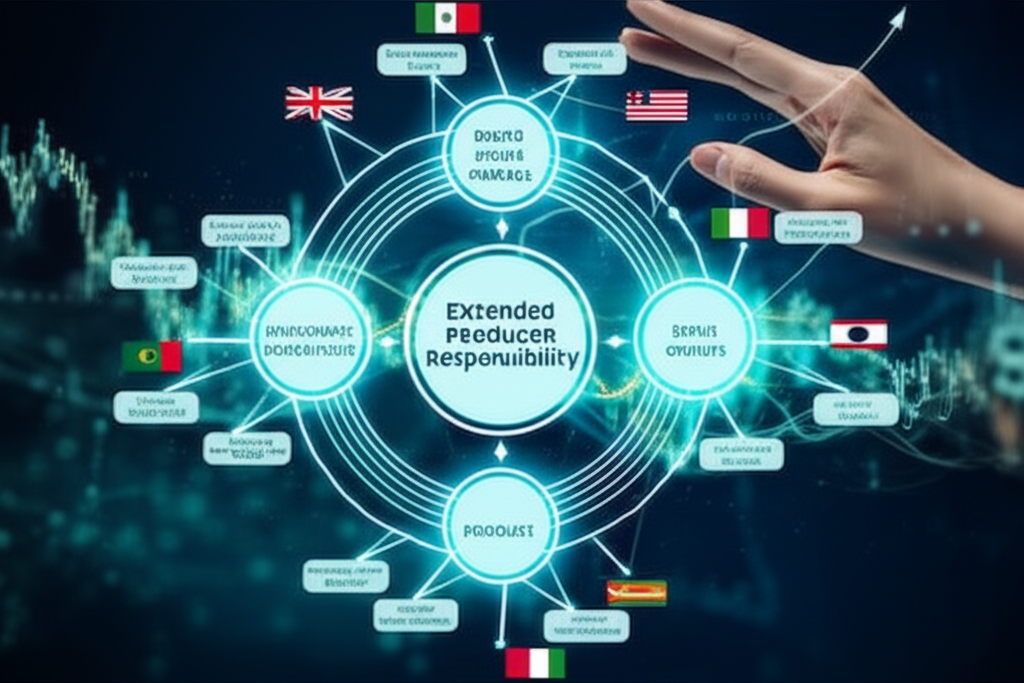
Naast regelrechte verboden winnen de Extended Producer Responsibility (EPR)-regelingen in de APAC-regio aanzienlijk aan momentum, waardoor de verantwoordelijkheid van bedrijven voor verpakkingsafval fundamenteel wordt hervormd. EPR-regelingen houden bedrijven (waaronder merkeigenaren, detailhandelaren, distributeurs en importeurs) wettelijk financieel verantwoordelijk voor het beheer van hun producten en verpakkingen aan het einde van hun levensduur. Hoewel gebruikelijk in Europa en Amerika, zijn deze regelingen relatief nieuw in APAC, waardoor bedrijven worden gedwongen hun jaarlijkse verpakkingsverbruik te rapporteren en ervoor te zorgen dat afval op verantwoorde wijze wordt beheerd, vaak via vooraf gedefinieerde reductiedoelstellingen. Niet-naleving kan resulteren in aanzienlijke boetes en juridische gevolgen, wat een extra laag van complexiteit voor importeurs toevoegt.
Opmerkelijke EPR-ontwikkelingen in APAC zijn onder meer:
- Maleisië is actief bezig met de transitie van vrijwillig naar verplicht EPR-beleid, waarbij de volledige implementatie gepland is tegen 2026. Dit duidt op een concrete verschuiving naar gedeelde verantwoordelijkheid in de hele waardeketen.
- De Filippijnen' De EPR Act 2022 verplicht bedrijven om een toenemend percentage van hun plastic verpakkingsafval terug te winnen, te beginnen met 20% op 31 december 2023 en te escaleren tot 80% tegen eind 2028.
- Singapore is van plan om vanaf april 2025 een statiegeldregeling in te voeren voor voorverpakte drankverpakkingen (plastic en metaal) met een statiegeld van SGD 0,10. Deze regeling vereist dat grote supermarkten retourpunten opzetten, waardoor de directe verantwoordelijkheid bij drankenbedrijven voor inzameling en recycling komt te liggen.
Deze evoluerende EPR-frameworks vereisen dat importeurs niet alleen de instroom van goederen beheren, maar ook rekening houden met de gehele levenscyclus van de verpakking, waardoor ze in de richting van duurzamere inkoop en productontwerp worden geduwd.Proactief begrip van de APAC-regelgeving is van cruciaal belang voor importeurs om verstoringen te voorkomen en marktaandeel te behouden.
Marktdynamiek: waarom duurzame alternatieven cruciaal zijn voor importeurs om voorop te blijven lopen
De samenloop van strenge regelgeving en een groter consumentenbewustzijn met betrekking tot plasticvervuiling creëert een ongekende vraag naar milieuvriendelijke producten in APAC. Deze verschuiving is niet slechts een nichetrend; het is een mainstream fenomeen. Een indrukwekkende 80% van de consumenten geeft actief de voorkeur aan milieuvriendelijke producten, waardoor duurzame inkoop van een CSR-initiatief wordt getransformeerd in een kritische marktdifferentiator. De foodservice-, institutionele en huishoudelijke sectoren adopteren snel duurzame alternatieven, wat een aanzienlijke kans biedt voor proactieve importeurs om van deze verschuiving te profiteren en een substantieel concurrentievoordeel te behalen.
Stijgende vraag naar milieuvriendelijke verpakkingen: een kans van $ 124,36 miljard
De economische omvang van deze verschuiving is onthutsend. De eco-vriendelijke verpakkingsmarkt in APAC zal naar verwachting tegen 2030 124,36 miljard dollar bereiken, aangedreven door de positie van de regio als de snelst groeiende markt ter wereld in deze sector, met een verwachte CAGR van 11,21% tot 2030. Deze groei wordt ondersteund door een duidelijk consumentenvertrouwen: 86% van de APAC-respondenten beschouwt duurzame productie en verpakking als belangrijk.
De belangrijkste factoren die deze stijgende vraag aanwakkeren zijn onder meer:
- Snelle verstedelijking: Met ongeveer 120.000 nieuwe stadsbewoners per dag escaleren dichte stedelijke centra het plasticverbruik en de afvalproductie, waardoor tegelijkertijd de vraag naar handige maar duurzame verpakkingen toeneemt.
- Groei e-commerce: De bloeiende e-commercesector, die tegen 2030 zal versnellen met een CAGR van 12,89%, is sterk afhankelijk van verpakkingen. Dit creëert een enorme druk op het gebied van lichtgewicht, efficiënte en steeds duurzamere oplossingen om de verspilling en de CO2-voetafdruk die met transport gepaard gaan te minimaliseren.
- Duurzaamheidsverplichtingen van bedrijven: Grote bedrijven integreren duurzaamheid in hun kernstrategieën. PepsiCo streeft bijvoorbeeld naar 98% recycleerbare, composteerbare of herbruikbare verpakkingen in 2025, wat een duidelijk traject aangeeft voor hun partners in de toeleveringsketen, inclusief importeurs.
Deze samenloop van factoren onderstreept dat de beweging naar milieuvriendelijke verpakkingen een robuuste markttrend voor de lange termijn is, en geen vluchtige bevlieging.
De noodzaak voor duurzame stro-alternatieven
Nu plastic rietjes te maken krijgen met wijdverbreide verboden, moeten importeurs zich richten op een divers portfolio van duurzame alternatieven. Elk materiaal biedt unieke voordelen en overwegingen:
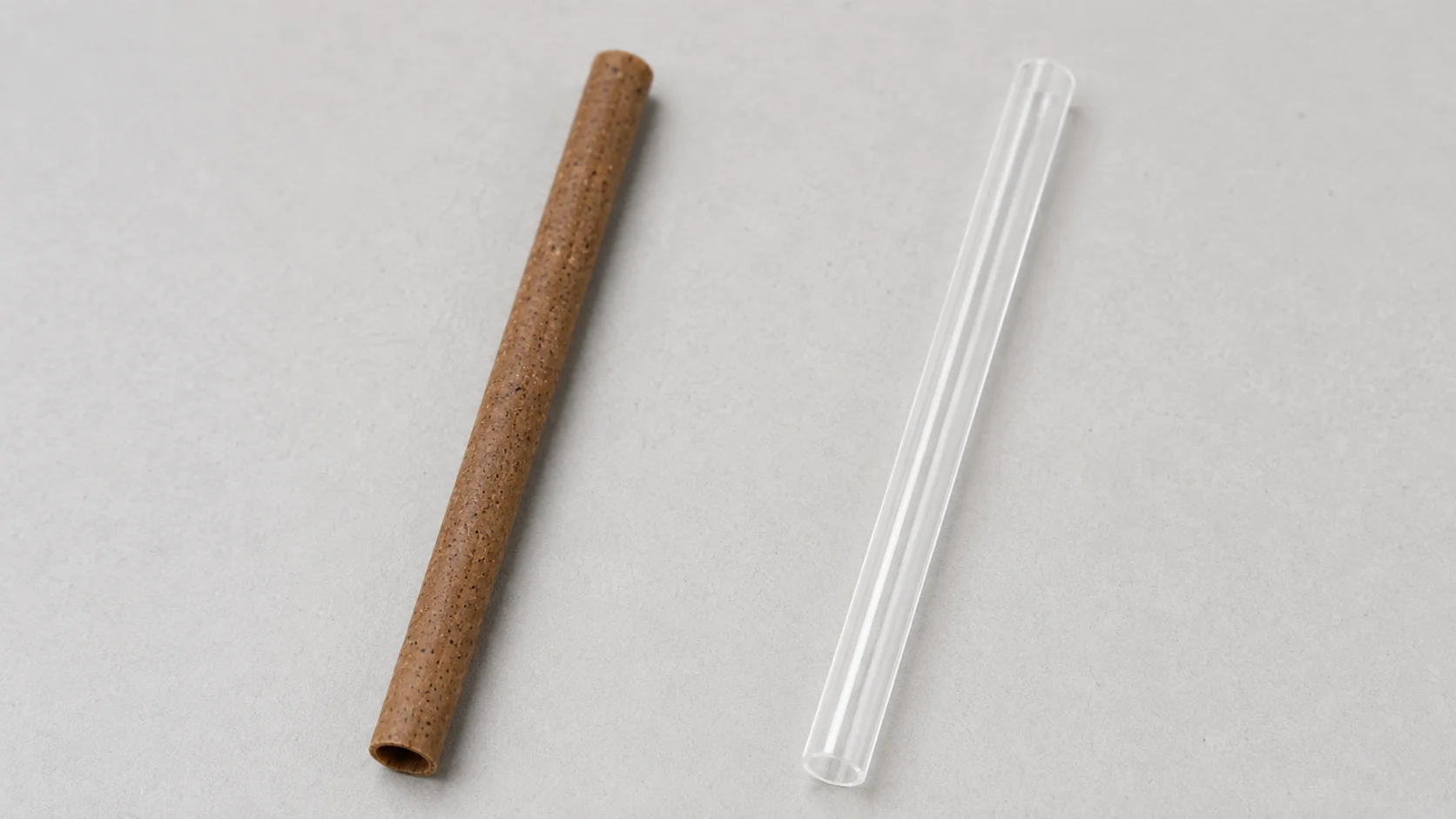
- Papieren rietjes: Er wordt verwacht dat de markt voor papierstro een substantiële groei zal kennen vanwege de biologische afbreekbaarheid en kosteneffectiviteit ervan. Tot de innovaties behoren buigzame opties, die inspelen op een gemeenschappelijke voorkeur van de consument.
- Plantaardige rietjes (PLA, PHA): Deze rietjes zijn gemaakt van hernieuwbare bronnen zoals maïszetmeel of suikerriet en bootsen het gevoel van traditioneel plastic na. De mondiale productie van biogebaseerde kunststoffen is sinds 2010 meer dan verdubbeld, waarbij bijna de helft van de 2,18 miljoen ton die in 2023 werd geproduceerd, voor verpakkingen werd gebruikt. Veel PLA-opties vereisen echter industriële composteringsfaciliteiten voor een goede afbraak, die in een groot deel van APAC nog steeds beperkt zijn.
- Herbruikbare opties (metaal, glas, siliconen): Deze bieden bedrijven aanzienlijke kostenbesparingen op de lange termijn en zijn zeer duurzaam. Metalen rietjes (bijvoorbeeld roestvrij staal) zijn gemakkelijk schoon te maken, terwijl siliconen rietjes flexibel en kindvriendelijk zijn.
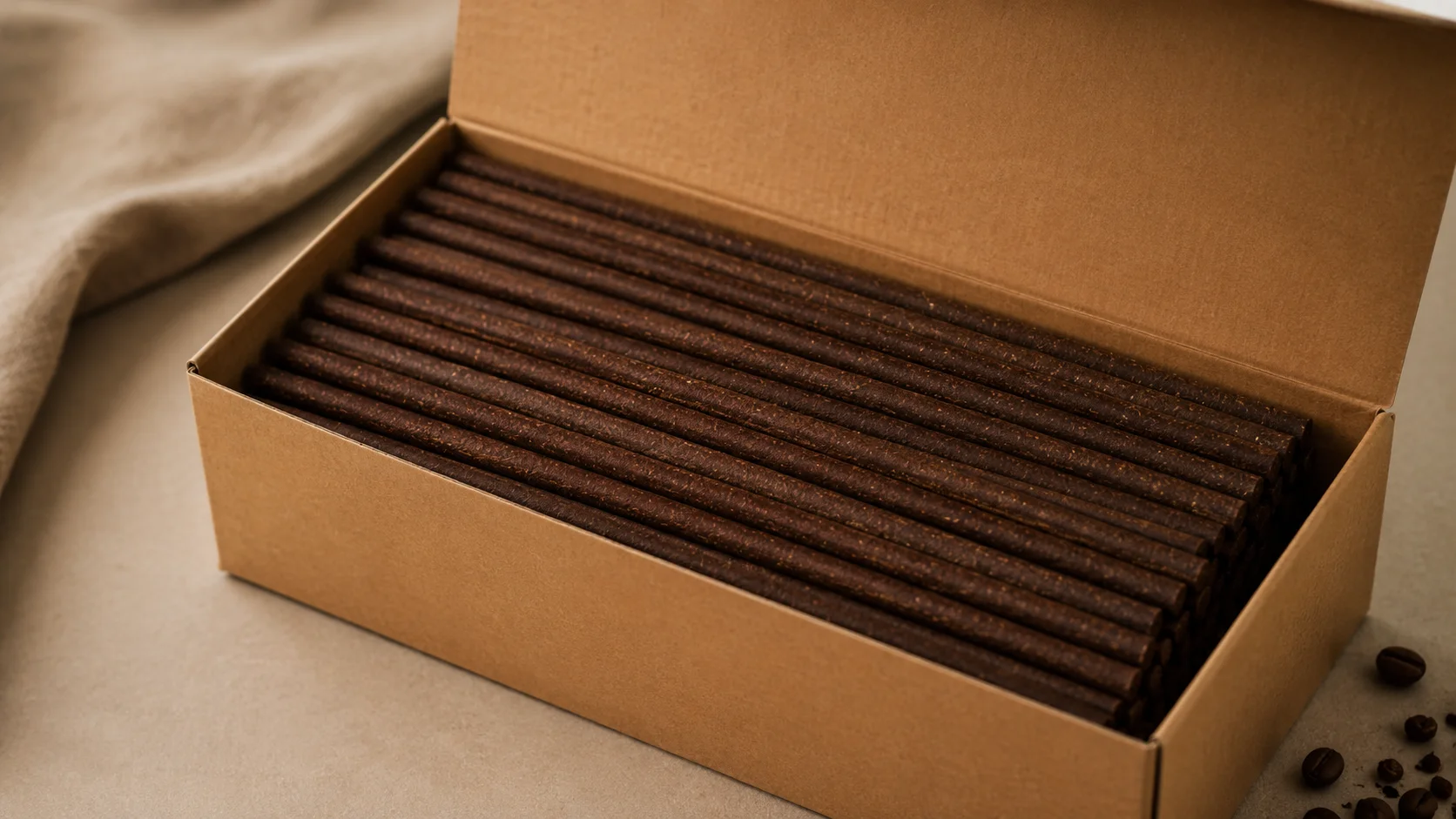
- Opkomende innovaties: De markt is getuige van spannende ontwikkelingen op het gebied van ‘hypercomposteerbare’ en in zee afbreekbare opties, waaronder eetbare rietjes (100% plantaardig, wat een unieke consumentenervaring biedt), hooirietjes (gemaakt van stengels van tarweplanten, goedkoop en biologisch afbreekbaar) en gras- of zeewierrietjes voor nichetoepassingen.
Importeurs moeten bij het selecteren van deze alternatieven zorgvuldig de gevolgen voor het milieu, de economische levensvatbaarheid, de sociale aanvaardbaarheid en de specifieke regionale wettelijke vereisten voor biologische afbreekbaarheid of composteerbaarheid beoordelen.
Kosten- en kwaliteitsrealiteit voor importeurs
Hoewel de overgang naar duurzame rietjes essentieel is, gaat deze gepaard met duidelijke kosten- en kwaliteitsrealiteit waarmee importeurs nauwgezet moeten omgaan. Duurzame rietjes zijn dat meestal3-4 keer duurder om te producerendan hun traditionele plastic tegenhangers. Deze aanzienlijke kostenstijging kan een onevenredige impact hebben op producten met een lage marge en een hoog volume, zoals kleine verpakkingen (bijvoorbeeld frisdranken van 100 tot 330 ml), waardoor mogelijk hun aantrekkingskracht op de massamarkt wordt aangetast, zoals waargenomen in India na het SUP-verbod van 2022.
Naast de kosten zijn prestaties een cruciale factor. Vroege generaties papieren rietjes hadden bijvoorbeeld vaak last van duurzaamheidsproblemen: ze verloren 70% tot 90% van hun druksterkte na minder dan 30 minuten in vloeistof en absorbeerden ongeveer 30% van hun gewicht. Dergelijke prestatiebeperkingen kunnen leiden tot een negatieve klantervaring en hogere consumptiecijfers. De vooruitgang op het gebied van waterdichte coatings, materiaalmengsels en duurzame ontwerpen verbetert echter voortdurend de functionaliteit en waargenomen waarde van milieuvriendelijke opties, waardoor eerdere kwaliteitsproblemen worden weggenomen. Importeurs moeten een strikte balans vinden tussen kostenconcurrentie en het handhaven van de productkwaliteit en -prestaties om een brede acceptatie en klanttevredenheid te garanderen.Duurzame alternatieven zijn van cruciaal belang voor importeurs om aan de stijgende vraag te voldoen en concurrentievoordeel te behalen.
Strategische vereisten voor importeurs om door APAC-stroverboden te navigeren
Om te kunnen gedijen te midden van de evoluerende APAC-stroverboden, moeten succesvolle importeurs verder gaan dan louter naleving en zich proactief aanpassen aan verschuivingen in de regelgeving en veranderende consumentenvoorkeuren. Het opbouwen van veerkrachtige, gediversifieerde toeleveringsketens en het omarmen van de principes van de circulaire economie zijn niet langer optioneel, maar van cruciaal belang voor succes op de lange termijn en concurrentievoordeel.
Het opbouwen van veerkracht en diversificatie van de toeleveringsketen
De kwetsbaarheden die zijn blootgelegd door mondiale verstoringen, zoals de COVID-19-pandemie, hebben de noodzaak van een robuuste veerkracht van de toeleveringsketen onderstreept. Voor importeurs in APAC vertaalt dit zich in strategische aanpassingen:
- Lokalisatie van sourcing: Door prioriteit te geven aan inkoop binnen hetzelfde land of dezelfde regio worden de partnerschappen versterkt, worden de doorlooptijden verkort en worden de risico's beperkt die verband houden met de complexiteit van de internationale handel, waaronder onvoorspelbare importverboden. Het gefaseerde verbod in Thailand op de import van plastic schroot tegen 2025 benadrukt bijvoorbeeld nog eens de noodzaak van een binnenlandse of regionale duurzame productie.
- Diversifieer bevoorradingsbronnen: Om de afhankelijkheid van afzonderlijke storingspunten of regio's met snel veranderende regelgeving te minimaliseren, moeten importeurs hun bevoorradingsbronnen strategisch diversifiëren om meerdere regio's op te nemen die bekend staan om hun robuuste, conforme duurzame productie.
- Werk samen in de hele waardeketen: Samenwerken met fabrikanten, grondstoffenleveranciers en zelfs afvalbeheerbedrijven in de hele waardeketen is essentieel. Een dergelijke samenwerking kan de schaalvergroting van duurzame innovatie versnellen, de uitdagingen op het gebied van plasticvervuiling effectiever aanpakken en zorgen voor een constante aanvoer van conforme alternatieven.
Due diligence en certificering voor conforme import
Naarmate de markt zich verplaatst naar nieuwe materialen, wordt rigoureuze due diligence van het allergrootste belang. Importeurs moeten de certificeringen van leveranciers verifiëren voor de veiligheid en kwaliteit van milieuvriendelijke materialen, en ervoor zorgen dat ze voldoen aan strenge regionale en nationale normen. Bijvoorbeeld,De Japanse positieve lijst voor gerecycleerde harsen die met voedsel in aanraking komen, wordt in juni 2025 van kracht, waarbij importeurs ervoor moeten zorgen dat hun producten voldoen aan deze nieuwe richtlijnen voor materiaalveiligheid. Het naleven van de nationale richtlijnen voor kunststoffen die in contact komen met voedsel, inclusief strenge veiligheidsmaatregelen, testprotocollen en traceerbaarheidseisen, is van cruciaal belang om problemen met de markttoegang te voorkomen en de merkreputatie te beschermen. Transparantie in de inkoop en materiaalsamenstelling wordt steeds meer verwacht door zowel toezichthouders als consumenten.
Het APAC-model van de circulaire economie omarmen
De stap voorbij de consumptie van eenmalig gebruik naar een model van de circulaire economie is een fundamentele verschuiving die bedrijven positioneert voor succes op de lange termijn. De Verenigde Naties geven sinds 2018 prioriteit aan de circulaire economie voor kunststoffen, wat het mondiale belang ervan onderstreept. Voor importeurs betekent dit:
- Productherontwerp: Focus vanaf het begin op het ontwerpen van producten die recycleerbaar en herbruikbaar zijn. Dit betekent het selecteren van materialen die gemakkelijk kunnen worden gereïntegreerd in de productiecyclus, waardoor verspilling en uitputting van hulpbronnen tot een minimum worden beperkt.
- Het elimineren van onnodige items en oververpakking: Een cruciale stap is het verminderen van de totale hoeveelheid plastic afval door het stroomlijnen van verpakkingsontwerpen en het elimineren van overbodige componenten. Dit sluit niet alleen aan bij de milieudoelstellingen, maar kan ook kostenbesparingen opleveren op het gebied van materialen en logistiek.
- Hergebruiksystemen promoten: Waar mogelijk moeten importeurs bedrijfsmodellen onderzoeken en promoten die hergebruik faciliteren. Hierbij kan het gaan om het leveren van duurzame, herbruikbare artikelen of het samenwerken met partners aan terugname- en navulprogramma's, waardoor wordt bijgedragen aan een werkelijk gesloten kringloopsysteem.
Deze strategische imperatieven vereisen aanzienlijke investeringen vooraf en een langetermijnvisie, maar zijn essentieel voor duurzame bedrijfsvoering in de zich ontwikkelende APAC-markt.Het opbouwen van veerkrachtige toeleveringsketens en het omarmen van circulariteit zijn van cruciaal belang voor het langetermijnsucces van importeurs in APAC.
Casestudy: Proactieve aanpassing in het licht van de APAC-stroverboden
De proactieve reacties van mondiale foodservicegiganten op het verbod op plastic stro dienen als krachtige praktijkvoorbeelden voor importeurs die soortgelijke verschuivingen in de APAC-regio doormaken. Deze bedrijven, die worden geconfronteerd met enorme druk van consumenten en regelgeving, demonstreren de tastbare resultaten van vroege aanpassing en het rimpeleffect op hun enorme toeleveringsketens.

Mondiale verplichtingen van Starbucks en McDonald’s (2018-2025):
In een mijlpaalbeweging,Starbucks heeft de eliminatie aangekondigd van plastic rietjes voor eenmalig gebruik in al zijn 28.000 winkels wereldwijd tegen 2020. Dit initiatief omvatte het aanbieden van innovatieve rietjeloze deksels of de overstap naar alternatieve materialen, waardoor hun wereldwijde netwerk van leveranciers rechtstreeks werd beïnvloed om zich aan te passen. Deze beslissing, gedreven door zowel verantwoordelijkheid voor het milieu als de voorkeur van de consument, liet zien hoe een grote speler aanzienlijke marktverschuivingen zou kunnen bewerkstelligen.
Op dezelfde manier,McDonald'sheeft actief verschillende alternatieven voor plastic rietjes getest en heeft zich het ambitieuze doel gesteld dat in 2025 100% van zijn gastenverpakkingen afkomstig moet zijn van hernieuwbare, gerecyclede of gecertificeerde materialen. Deze toezegging zendt een duidelijk signaal uit in hun uitgebreide toeleveringsketen en spoort fabrikanten en importeurs aan om te innoveren en duurzame opties te bieden.
In Japan,Wolkenblad, een grote exploitant van restaurantketens, heeft een belangrijke stap gezet door plastic wegwerprietjes tegen 2020 uit al zijn verkooppunten te bannen, te beginnen met zijn ‘Gusto’-restaurants in 2018. Deze actie van een prominente regionale speler onderstreept het lokale momentum van de verschuiving van plastic voor eenmalig gebruik.
Deze acties van grote foodservicespelers onderstrepen een cruciale les voor importeurs: de marktvraag verandert snel en proactieve aanpassing van leveranciers is niet alleen voordelig, maar ook essentieel voor het in stand houden van grootschalige partnerschappen en marktrelevantie. Deze toezeggingen creëren een onmiddellijke, grote vraag naar conforme en hoogwaardige duurzame stro-alternatieven, waardoor importeurs worden gestimuleerd om de transitie te leiden.Grote foodservicemerken laten zien dat proactieve aanpassing aan stroverboden essentieel is voor de marktrelevantie.
Vergelijkingstabel: Strategische stro-alternatieven voor importeurs
Het selecteren van het juiste stro-alternatief is een cruciale beslissing voor importeurs, waarbij prestatie, kosten en naleving in evenwicht worden gebracht. De volgende tabel geeft een vergelijkend overzicht van strategische opties:
| Functie | B2B operationele impact | Nalevingsopmerking | ROI-potentieel |
|---|---|---|---|
| Papieren rietjes | Brede beschikbaarheid, lagere initiële kosten; duurzaamheidsproblemen (70-90% sterkteverlies in 30 min, 30% vloeistofabsorptie). | Biologisch afbreekbaar; controleer het gehalte aan PFAS (per- en polyfluoralkylstoffen) en de plaatselijke regelgeving inzake composteerbaarheid. | Medium; hoge verkoopvolumes, maar lagere gepercipieerde waarde, hoog verbruikspercentage als gevolg van prestaties. |
| Metalen rietjes | Hogere kosten vooraf; vereist schoonmaak- en opslaginfrastructuur voor hergebruik; voorraadbeheer. | Herbruikbaar, zeer duurzaam; algemeen compatibel in alle regio's voor langdurig gebruik. | Hoog; aanzienlijke kostenbesparingen op de lange termijn voor bedrijven die hergebruikprogramma's kunnen implementeren; aantrekkingskracht op de premiummarkt. |
| PLA/PHA-rietjes | Hetzelfde gevoel als traditioneel plastic; vereist gespecialiseerde industriële composteringsfaciliteiten voor een goede afbraak. | Biologisch afbreekbaar, maar de industriële composteringsinfrastructuur is beperkt in APAC, waardoor verwijderingsproblemen ontstaan. | Medium; spreekt milieubewuste consumenten aan, maar echte circulariteit is afhankelijk van de infrastructuur. |
| Bamboe rietjes | Natuurlijk esthetisch, herbruikbaar/biologisch afbreekbaar; de kwaliteit kan aanzienlijk variëren tussen leveranciers; kans op versplintering. | Biologisch afbreekbaar, natuurlijk product; zorgen voor duurzame inkooppraktijken en goede hygiëne voor hergebruik. | Medium; aantrekkingskracht op nichemarkten, potentieel voor unieke merkpositionering gekoppeld aan natuurlijke materialen. |
| Eetbare rietjes | Unieke consumentenervaring; elimineert post-consumer afval volledig; momenteel hogere kosten. | 100% plantaardig, hypercomposteerbaar, afbreekbaar in zee; komt over het algemeen overeen met de meest strikte verboden. | Hoog; sterke merkdifferentiatie en innovatieleider; elimineert het afvalbeheer na consumptie. |
Importeurs moeten een strategie met meerdere materialen overwegen om tegemoet te komen aan de uiteenlopende behoeften van klanten en regionale variaties in de regelgeving.Door het juiste stro-alternatief te kiezen, zijn prestaties, kosten en naleving voor importeurs in balans.
Uitdagingen overwinnen en kansen voor importeurs maximaliseren
Hoewel de snelle implementatie van stroverboden en bredere plasticregelgeving duidelijke uitdagingen voor importeurs met zich meebrengt, ontsluit het tegelijkertijd aanzienlijke nieuwe marktkansen voor adaptieve spelers. Early movers op de markt voor duurzaam stro kunnen sterke, langdurige relaties opbouwen met belangrijke klanten en een formidabel concurrentievoordeel behalen. Voor het succesvol omgaan met de financiële implicaties en het aanpakken van kritieke leemten in de infrastructuur zijn strategische planning, samenwerkingspartnerschappen en toewijding aan een langetermijnvisie nodig boven kortetermijnwinsten.

Het aanpakken van hiaten in de infrastructuur en databeperkingen
Een van de belangrijkste systemische uitdagingen in APAC is degebrek aan een robuuste infrastructuur voor afvalbeheervoor inzameling, sortering en recycling, vooral in opkomende markten zoals India en Indonesië. Dit tekort betekent dat, zelfs als een product technisch recyclebaar is, het door ontoereikende systemen op stortplaatsen of in vervuilende waterwegen terecht kan komen. Veel kunststoffen voor eenmalig gebruik, waaronder rietjes, zijn te klein om efficiënt door de bestaande systemen te kunnen worden ingezameld, of ze belanden eenvoudigweg via stortplaatsen in de oceaan.
Verder,beperkte gegevens over de economische en sociale impact van plasticverbodenbelemmert op bewijs gebaseerde beleidsvorming. Beleidsmakers hebben moeite om de volledige effecten te kwantificeren of optimale interventies te ontwerpen wanneer uitgebreide gegevens over consumentengedrag, aanpassingskosten van de industrie of de milieuvoordelen (zoals verminderde opname van microplastics door het zeeleven) schaars zijn. De wijdverbreide informele afvalinzameling, vooral voor flexibele kunststoffen met een lage waarde, zoals zakjes, maakt het volgen nog ingewikkelder en draagt bij aan slechte officiële recyclingpercentages. Het aanpakken van deze leemten in infrastructuur en data vergt aanzienlijke investeringen en gezamenlijke inspanningen van overheden, de industrie en het maatschappelijk middenveld.
Financiële implicaties en investeringen
De transitie naar duurzame alternatieven heeft aanzienlijke financiële implicaties. Zoals eerder benadrukt zijn duurzame rietjes doorgaans drie tot vier keer duurder dan traditionele plastic rietjes. Deze kostenstijging wordt niet gemakkelijk geabsorbeerd, vooral niet voor massamarktproducten met kleine marges. In India had het verbod op plastic rietjes bijvoorbeeld aanzienlijke gevolgen voor de frisdrankindustrie, met name de verkoop van kleine verpakkingen (100 ml-330 ml), die in 2021 35,1% van het totale frisdrankvolume bijdroegen. De hogere kosten van conforme rietjes zouden de betaalbaarheid en de aantrekkingskracht van deze producten op de massamarkt kunnen beïnvloeden.
Deze uitdaging creëert echter tegelijkertijd een overtuigend argument voor investeringen.Overheidssteun, inclusief subsidies en stimuleringsmaatregelen, kan een cruciale rol spelenin promoting technological innovation and fostering the development of new, more affordable plastic straw substitutes and manufacturing capacities domestically. For importers, this may mean strategic investments in R&D partnerships, supply chain localization, or even direct manufacturing capabilities to reduce reliance on more expensive imported sustainable alternatives. Embracing sustainable practices can also lead to long-term cost savings through reduced waste disposal fees, improved resource efficiency, and enhanced brand value that commands premium pricing or secures preferential partnerships.Importeurs kunnen uitdagingen overwinnen door leemten in de infrastructuur aan te pakken en strategisch te investeren in duurzame alternatieven.
Conclusie: Proactieve positionering in de evoluerende APAC-markt
Het landschap van de APAC-stroverboden ondergaat een snelle en onomkeerbare transformatie, aangedreven door steeds strengere milieuregels en een onmiskenbare stijging van de consumentenvraag naar duurzame alternatieven. Deze dynamische omgeving biedt importeurs een duidelijk mandaat: proactieve aanpassing is niet langer een keuze, maar een noodzaak voor levensvatbaarheid en succes op de lange termijn.
Importeurs die hun toeleveringsketens strategisch aanpassen, prioriteit geven aan de diversificatie van hun productaanbod met milieuvriendelijke alternatieven en de principes van de circulaire economie volledig omarmen, zullen niet alleen zorgen voor een naadloze naleving van de evoluerende regelgeving, maar ook een aanzienlijk, verdedigbaar concurrentievoordeel veiligstellen. Deze strategische verschuiving is cruciaal voor het beperken van risico's, het ontsluiten van nieuwe marktkansen, het verbeteren van de merkreputatie en het garanderen van duurzame winstgevendheid in de snelgroeiende en steeds milieubewustere APAC-markt.Proactieve aanpassing en diversificatie zijn van cruciaal belang voor importeurs om te kunnen gedijen in de evoluerende milieubewuste markt van APAC.
Klaar om de verandering te leiden?
Beoordeel uw huidige toeleveringsketen en werk samen met duurzame fabrikanten om leiding te geven aan de verschuiving in de milieubewuste markt van APAC. Ontdek onze uitgebreide handleidingen voor diepere inzichten:
Reusable Straw Solutions for Bars & NightclubsNavigeren door de EU-richtlijn voor wegwerpplasticGids voor duurzame Boba-stro-alternatieven
Veelgestelde vragen (FAQ's)
Welke invloed hebben APAC-stroverboden op mijn bestaande importcontracten?
Wat zijn de meest kosteneffectieve duurzame stro-alternatieven voor grootschalige foodservice-activiteiten?
Hoe kunnen importeurs ervoor zorgen dat hun duurzame stro-alternatieven voldoen aan de regionale normen voor biologische afbreekbaarheid?
Een zorgvuldige due diligence is essentieel. Controleer de certificeringen van leveranciers (bijvoorbeeld voor industriële compostering of afbreekbaarheid op zee) en raadpleeg lokale regelgevende instanties voor specifieke nationale vereisten en testprotocollen.
Wat is uitgebreide producentenverantwoordelijkheid (EPR) en welke invloed heeft dit op importeurs in APAC?
Zijn er overheidsstimulansen of subsidies voor importeurs die overstappen op duurzame verpakkingen in APAC?