

Navigating the Green Wave: A B2B Guide to Sustainable Drinking Straws
I. Awareness: The Urgent Business Case for Ditching Plastic Straws
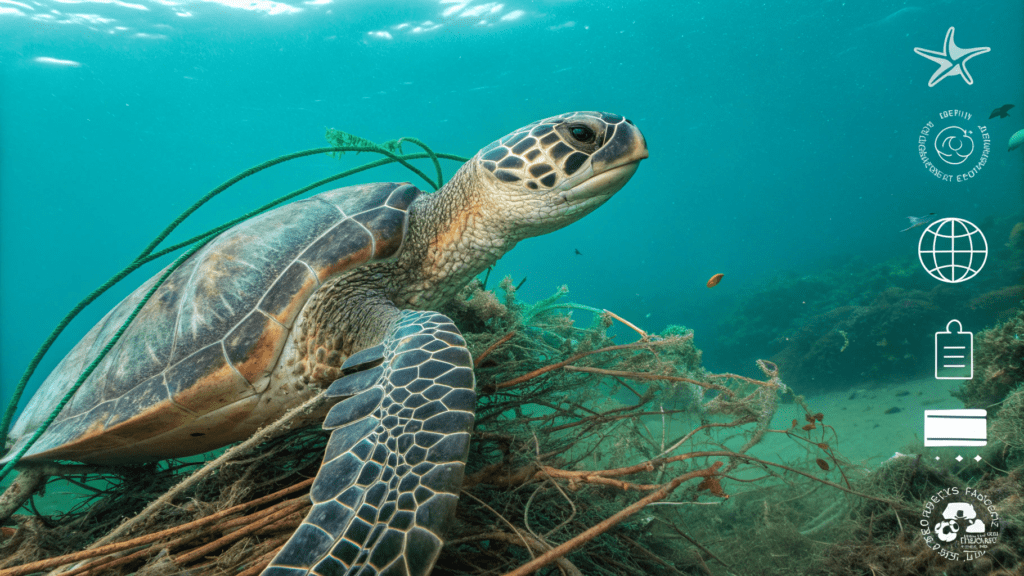
For decades, the humble drinking straw remained an afterthought, a ubiquitous convenience in the foodservice industry. Yet, this seemingly innocuous item, often made of single-use plastic, has become a potent symbol of global pollution. Though small in size, the sheer volume of plastic straws used daily contributes significantly to an environmental crisis, lingering in oceans and landfills for hundreds of years. These plastics don’t simply disappear; they break down into harmful microplastics, posing severe threats to marine life and, increasingly, raising concerns about human health. The infamous 2015 video of a sea turtle with a plastic straw embedded in its nostril, viewed by millions, ignited a fierce public awareness, shifting consumer sentiment dramatically.
This pervasive issue has moved beyond environmental advocacy to become a ticking clock for businesses worldwide. Governments, driven by public outcry and scientific evidence, have initiated widespread bans and restrictions that directly impact commercial operations. From pioneering cities like Seattle and Washington D.C. to states such as California and New Jersey in the US, and comprehensive directives across the entire European Union, legislative action is compelling companies to find sustainable alternatives. Ignoring this trend is no longer an option; continued reliance on plastic straws risks not only reputational damage but also alienates a growing segment of environmentally conscious customers who now view businesses using plastic less favorably. Embracing sustainable practices is no longer a niche choice; it’s a mainstream imperative for brand integrity and market relevance.

II. Interest: Exploring the Landscape of Eco-Friendly Solutions
The challenge for businesses extends far beyond mere compliance with evolving regulations. Inaction on plastic straw usage can lead to significant reputational risks, potential legal penalties, and, crucially, missed opportunities to attract and retain the rapidly expanding demographic of eco-conscious customers. The market clearly demands change, and for any forward-thinking enterprise, standing still is no longer an option.
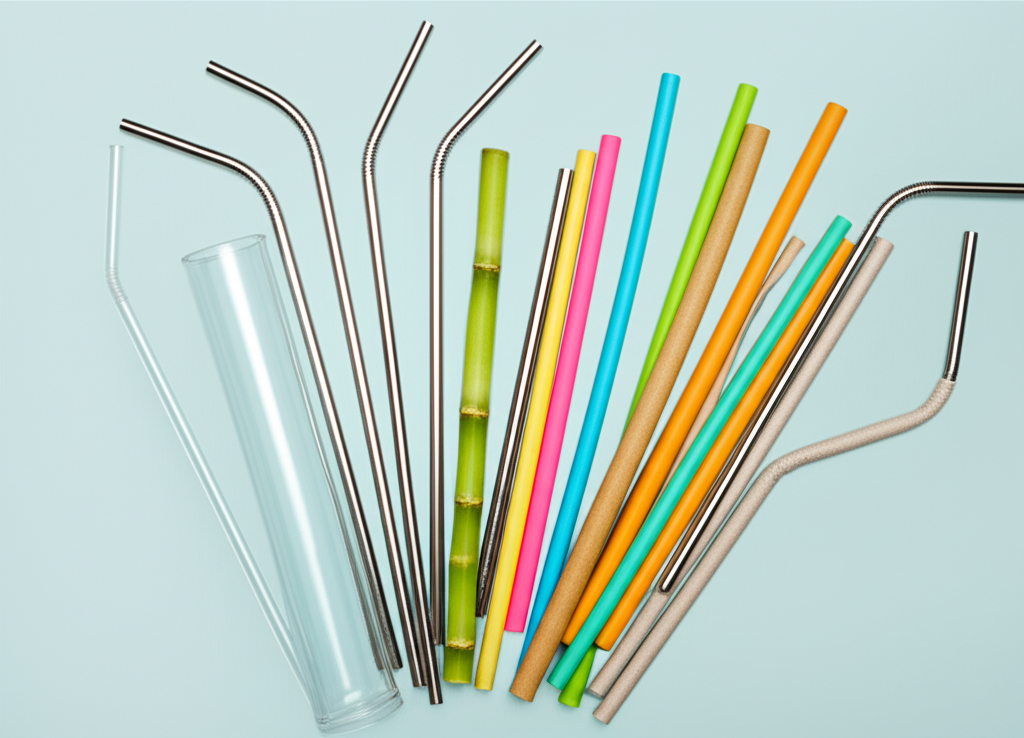
The good news is that innovation has delivered a diverse range of eco-friendly straw alternatives, moving well beyond the rudimentary paper straws of the past. These solutions broadly fall into two strategic categories: disposable eco-friendly straws, made from rapidly renewable plant-based materials designed to biodegrade, and reusable eco-friendly straws, durable options engineered for long-term use, significantly reducing overall waste.
The eco-friendly straw market is currently undergoing a transformative boom. It was estimated at approximately USD 12.3 billion in 2025 and is projected to nearly double, reaching USD 25.1 billion by 2035, demonstrating a robust compound annual growth rate (CAGR) of 7.3%. This surge is not merely a passing trend; it is fueled by a confluence of powerful drivers: increasingly stringent governmental regulations like the EU’s Single-Use Plastics Directive and various US state bans, rising global environmental awareness among both consumers and businesses, a significant shift in consumer preferences (with an estimated 70% preferring eco-friendly options), and a strong corporate social responsibility (CSR) imperative pushing companies towards sustainable procurement. To explore how your business can leverage this market shift, consider reviewing comprehensive sustainable packaging solutions.
III. Unlocking the Benefits & Choosing the Right Sustainable Partner
Adopting eco-friendly straws is more than just compliance; it’s a powerful strategic move that can fundamentally enhance your brand’s market position. By making this intelligent switch, businesses can significantly improve their brand image, attract and retain a loyal customer base, meet evolving regulatory requirements, and actively contribute to a circular economy model. This commitment resonates deeply with modern consumers, particularly with younger generations like Gen Z, who prioritize ethical consumption and transparency.
To help you navigate the myriad options, here’s a comparison of leading eco-friendly straw choices, tailored for B2B considerations:
| Straw Type | Material Source | Pros | Cons | Best For B2B Use Cases |
|---|---|---|---|---|
| Paper Straws | Wood pulp (renewable) | Biodegradable, compostable (if not coated with plastic), widely available, customizable, decomposes in weeks. | Can get soggy quickly (10-15 min), unpleasant papery taste/texture, generally more expensive than plastic, common presence of “forever chemicals” (PFAS) linked to health problems and environmental persistence, may not be accepted by all recycling facilities due to food contamination. | High-volume, single-use environments (cafes, quick-service restaurants, events) where quick disposal is key and a biodegradable option is preferred. |
| PLA (Bioplastic) | Cornstarch, sugarcane | Mimics plastic feel/durability, generally biodegradable/compostable, lower environmental impact than petroleum plastics. | Requires specific industrial composting facilities to break down effectively (not home compostable), can take as long as plastic to decompose in landfills/natural environments, contaminates standard recycling streams, brittle, concerns about “greenwashing” due to disposal requirements, relies on agricultural resources (land/water use). | Quick-service restaurants, delis, and cafeterias where a plastic-like feel is desired and where access to commercial composting infrastructure is reliable. |
| PHA (Bioplastic) | Vegetable oils, sugar | Biodegradable, compostable, marine-degradable (breaks down in weeks), similar functionality to plastic, sturdy, doesn’t contain PFAS. | Still an emerging material, potentially higher production costs due to newer technology, less widely available than PLA. | Forward-thinking businesses prioritizing complete biodegradability (including in marine environments), eco-luxury brands, companies with robust CSR commitments. |
| Sugarcane/Agave Straws | Agricultural by-products | Sturdy, significantly resist sogginess, biodegradable, certified compostable (some OK Home Compostable), made from agricultural waste, can be used for hot beverages. | Can be more expensive than paper or conventional plastic, some versions may contain PLA as a binder. | Restaurants, corporate offices, catering requiring durable, reliable disposable options that perform well in various drinks. |
| Rice/Wheat/Grass Straws | Agricultural by-products | Fully natural, biodegradable, compostable, edible (rice straws), gluten-free (wheat straws), repurposes agricultural waste, low environmental impact. | Primarily single-use (wheat/grass), can be less durable than bioplastics, may soften quicker in hot liquids (rice), wheat straws are generally only for cold drinks, some bamboo/wheat/grass straws found to contain PFAS. | Eco-conscious establishments, farm-to-table restaurants, specialty cafes, event catering. |
| Bamboo (Reusable) | Bamboo stalks | Reusable, biodegradable, compostable, naturally antimicrobial, unique natural aesthetic, low carbon footprint from rapid growth. | Shorter lifespan (up to a year) than other reusables, can be difficult to clean due to natural variations, may impart a slight “earthy” taste, some found to contain PFAS, not typically dishwasher safe. | Eco-boutiques, natural product cafes, individual employee use, corporate gifting with a strong natural/sustainable theme. |
| Stainless Steel (Reusable) | Stainless Steel | Extremely durable, reusable for many years, 100% recyclable, stain/oxidation-resistant, heat-resistant, no metallic taste from high-quality options, no PFAS. | Can conduct heat/cold quickly (risk of lip burn/discomfort), poses a risk of injury (chipped teeth) if used carelessly, high initial production impact (needs ~37 uses to offset a single plastic straw), requires cleaning brush. | Corporate cafeterias, employee benefits programs, high-end restaurants for dine-in service, where durability and reusability are paramount. |
| Glass (Reusable) | Borosilicate glass | Reusable, durable (chip-resistant), dishwasher safe, non-toxic, does not impart any taste, aesthetic appeal, transparency allows for easy cleaning verification, more sustainable than metal (needs ~23 uses to offset plastic). | Breakable if dropped (though made from sturdy glass), not ideal for young children due to breakage risk, not all glass types are recyclable, requires careful handling. | Upscale dining, bars, juice bars where aesthetics, taste purity, and transparency are paramount. |
| Silicone (Reusable) | Food-grade silicone | Flexible, very durable, reusable, dishwasher safe, child-friendly (soft and chewy), temperature-resistant, bite-resistant, can be cut to length. | Not biodegradable, rarely recycled in municipal programs, can attract dust/lint, may be difficult to clean thoroughly due to flexibility, some reports of slight taste retention. | Child-friendly establishments, casual dining, accessible options for individuals requiring flexible straws, healthcare settings. |
The global eco-friendly straw market is flourishing, driven by both consumer demand (with 80% of consumers preferring eco-friendly products) and stringent regulatory pressures in regions like the US and Europe. This isn’t a fleeting trend; it represents a fundamental shift in consumer values and business expectations. Technological advancements are continually addressing previous durability concerns, with new water-resistant coatings and advanced materials like seaweed-based and PHA straws enhancing performance for both hot and cold beverages. Production efficiency is also improving, leading to more competitive pricing over time.
While challenges like higher production costs and the concerning presence of PFAS in some “eco-friendly” options (particularly paper and bamboo) remain, ongoing research and development aim to resolve these. The limited industrial composting infrastructure for bioplastics is a significant hurdle, especially in the US compared to parts of Europe, requiring broader systemic change for these materials to fulfill their environmental promise. Ultimately, businesses that genuinely integrate sustainable practices and transparently communicate their efforts will build stronger brand loyalty, especially with the ethically driven younger generations. Learn more about effective brand communication for sustainable products on momoio.com.

IV. Partnering for a Sustainable Future
The time to adapt to evolving environmental standards and consumer expectations is now. Don’t just adapt to regulations; seize the opportunity to lead the way in sustainability within your industry. Choosing the right eco-friendly straw solution is a tangible, impactful step towards a greener, more responsible business operation that resonates with today’s conscious consumer.
Your Next Steps:
- Assess Your Needs: Understand your specific business requirements, including daily volume, types of beverages served, local disposal infrastructure, and your target audience’s preferences, to identify the most suitable eco-friendly straw types.
- Download Our Comprehensive Guide: For in-depth insights into material properties, biodegradability certifications, and a detailed cost-benefit analysis, access our free guide.
- Consult Our Sustainability Experts: Schedule a free, personalized consultation with our team. We can discuss tailored solutions that perfectly align with your brand values, operational demands, and sustainability goals. For further reading, explore insights on the latest biodegradable straw innovations.
- Request a Sample Kit: Experience the quality, feel, and performance of various eco-friendly straw options firsthand before making a commitment. See for yourself why companies like Starbucks and McDonald’s made the switch.
Connect with Us:
Ready to elevate your brand’s sustainability profile and meet the demands of today’s conscious consumer? Visit our product catalog at momoio.com/products or contact our dedicated sales team to explore our certified compostable and reusable straw solutions and take the definitive step towards a greener business.
Watch Our Video Summary
A concise overview of the B2B guide to sustainable drinking straws.
Responsive Design Showcase
This webpage is designed to adapt seamlessly to various screen sizes, from large desktops to tablets and mobile phones. Observe how the layout, text, and images adjust to provide an optimal viewing experience on any device.